- DIRECT CONTACTS:
- +256394517569
- tours@safarioclock.africa

Why 2026 is the year to visit Uganda for gorilla trekking

New Uganda Gorilla Tracking Permit Price Effective July 2026
March 5, 2026
Is Gorilla Trekking in Rushaga Sector Difficult
March 22, 2026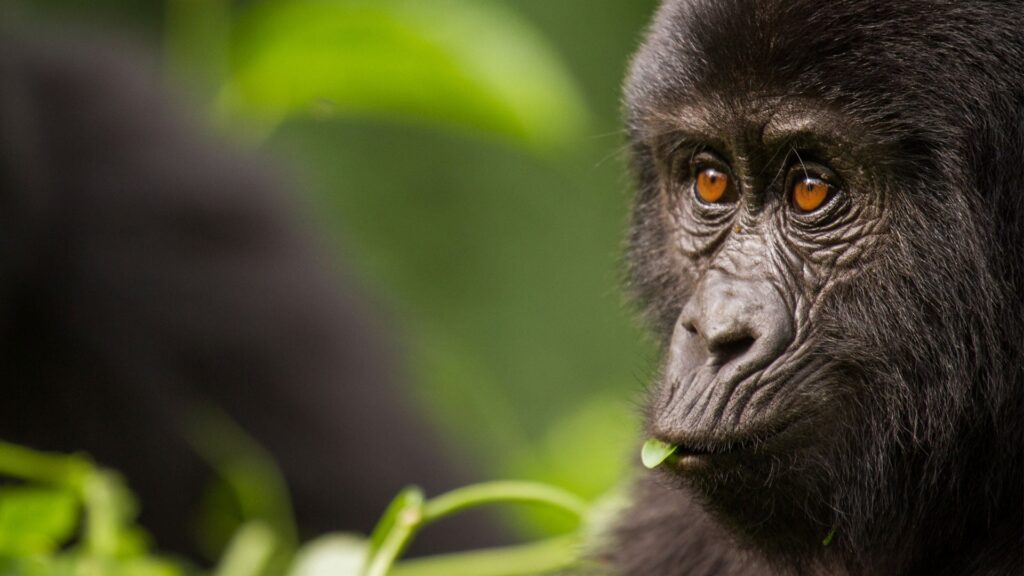
Why 2026 is the year to visit Uganda for gorilla trekking? If you have ever dreamed of standing a few meters away from a wild mountain gorilla in its natural forest habitat, 2026 is the year to turn that dream into reality. Uganda has steadily strengthened its position as Africa’s leading destination for authentic, conservation driven gorilla trekking experiences. With improved infrastructure, refined trekking management systems, strong conservation results, and the enhanced Gorilla Habituation Experience, 2026 offers a rare combination of exclusivity, accessibility, and impact.
Uganda is home to more than half of the world’s remaining mountain gorillas, protected within two extraordinary national parks: Bwindi Impenetrable National Park and Mgahinga Gorilla National Park. These forests are not only biologically rich but also culturally vibrant, surrounded by communities deeply connected to conservation and tourism. Visiting in 2026 means you are entering a mature, well regulated, and conservation focused tourism model that ensures both unforgettable wildlife encounters and measurable benefits to local livelihoods.
Uganda’s Global Leadership in Mountain Gorilla Conservation
Uganda’s conservation story is one of the most compelling reasons to visit in 2026. The population of mountain gorillas has been gradually increasing due to strict protection measures, veterinary interventions, and responsible tourism management. The Uganda Wildlife Authority has refined its permit system to limit daily visitor numbers per gorilla family, ensuring minimal disturbance and maximum safety.
In Bwindi Impenetrable National Park, several habituated gorilla families are spread across four sectors: Buhoma, Ruhija, Rushaga, and Nkuringo. This distribution reduces congestion and gives visitors diverse trekking landscapes, from dense lowland rainforest to dramatic highland ridges. Mgahinga Gorilla National Park, located in the Virunga mountain range, offers a more intimate trekking environment with breathtaking volcanic scenery.
By 2026, Uganda’s conservation framework has become even more robust. Ranger training, monitoring systems, and community revenue sharing programs continue to strengthen the link between tourism and conservation. A percentage of every gorilla permit goes directly to park management and surrounding communities. When you trek in 2026, your presence directly supports wildlife protection and community development.
The Gorilla Habituation Experience in 2026
One of the defining features that makes 2026 exceptional is the growing popularity of the Gorilla Habituation Experience in Bwindi’s southern sector. Unlike the standard one hour trek, this specialized experience allows visitors to spend up to four hours with a semi habituated gorilla family under the guidance of researchers and rangers.
This extended encounter provides deeper behavioral observation. You witness social interactions, feeding habits, silverback leadership dynamics, and juvenile play patterns in more detail. For photographers, researchers, and serious wildlife enthusiasts, this experience is unmatched anywhere else in Africa.
With limited daily permits, the experience remains highly exclusive. The refined pricing structure reflects its specialized nature and the significant conservation investment required to gradually accustom gorillas to human presence. In 2026, this remains one of the most immersive primate experiences available worldwide.
Improved Accessibility and Travel Infrastructure
Uganda has significantly improved road networks and domestic flight options connecting Entebbe International Airport to gorilla trekking regions. Scheduled flights to airstrips near Bwindi and Kisoro reduce long road travel times and make the experience more comfortable for travelers of different ages and fitness levels.
For those who prefer scenic road journeys, the drive from Entebbe or Kampala to Bwindi passes through tea plantations, rolling hills, and rural communities. The journey itself becomes part of the adventure.
Lodging options have also diversified. Travelers in 2026 can choose from eco lodges, mid range accommodations, and high end luxury forest retreats, all located strategically near trekking sectors. Many lodges integrate sustainability practices such as solar energy use, local sourcing of food, and community employment.
Detailed 7 Day Gorilla Trekking Itinerary for 2026
Day 1 Arrival in Entebbe
Arrive at Entebbe International Airport. Transfer to a comfortable hotel near Lake Victoria. Depending on arrival time, enjoy a relaxed evening and briefing about the trekking adventure ahead.
Day 2 Transfer to Bwindi Impenetrable National Park
Travel by domestic flight to Kihihi or Kisoro airstrip, or drive through western Uganda’s scenic landscapes. Arrive at your lodge near your assigned trekking sector. Enjoy forest views and prepare for the next day.
Day 3 Gorilla Trekking in Bwindi
Early breakfast followed by a transfer to the park headquarters for registration and briefing. You will be assigned to a specific gorilla family and guided into the forest by experienced rangers.
The trek can take between one and six hours depending on the location of the gorillas. Once found, you spend one full hour observing them at close range. The experience is quiet, emotional, and profoundly moving. Return to the lodge for rest and reflection.
Day 4 Community and Cultural Experience
Visit a nearby community project supported by gorilla tourism revenue. Engage with local initiatives such as craft making, coffee processing, or cultural performances. This day deepens your understanding of how conservation and community livelihoods are interconnected.
Day 5 Optional Gorilla Habituation Experience
For those who choose the extended experience, this day is dedicated to four hours with a semi habituated gorilla family in the Rushaga sector. The slower pace allows for deeper immersion and photography. Alternatively, travelers can enjoy a nature walk or birding excursion.
Day 6 Transfer to Queen Elizabeth National Park
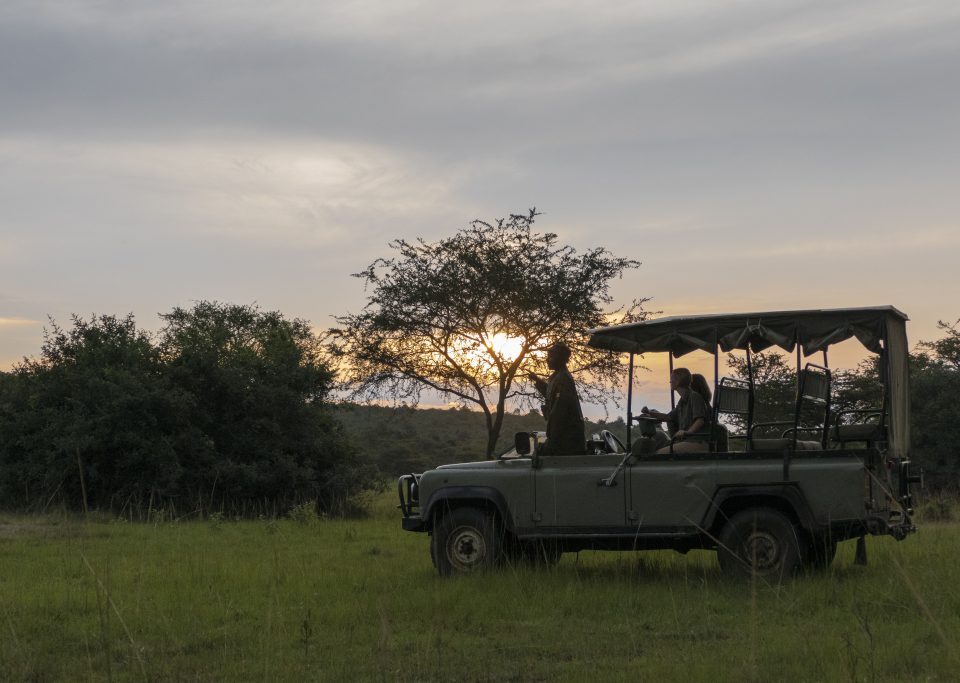
Drive north to Queen Elizabeth National Park for a change of scenery. Enjoy an afternoon game drive across the Kasenyi plains, where lions, elephants, buffalo, and antelope species roam.
Day 7 Return to Entebbe
After a morning game drive or boat cruise along the Kazinga Channel, transfer back to Entebbe by road or domestic flight for departure.
This itinerary combines primate encounters with classic savannah wildlife, offering a comprehensive Ugandan safari experience.
Best Time to Visit Uganda in 2026
Gorilla trekking is available year round, but the best time to visit is during the dry seasons from June to September and from December to February. During these months, trails are less slippery and forest visibility is slightly improved.
However, the wet seasons also offer advantages. The forest becomes lush and vibrant, photography benefits from softer light, and fewer travelers can mean a quieter experience. Since gorillas remain in the forest year round, sightings are consistent regardless of season.
In 2026, early booking is highly recommended, particularly for peak months. Gorilla permits are limited daily, and demand remains strong.
Health, Safety, and Trekking Preparation
Uganda maintains strict health guidelines for gorilla trekking. Visitors must maintain a safe distance from the gorillas and follow ranger instructions at all times. If you have flu like symptoms, you may not be allowed to trek in order to protect the gorillas from human diseases.
Physical preparation is advisable. Although no technical climbing skills are required, the trek can involve steep terrain and dense vegetation. Good hiking boots, gloves, long trousers, and waterproof gear are essential.
Porters are available at the park headquarters and hiring one directly supports local employment. They assist with carrying backpacks and navigating challenging sections of the trail.
Why 2026 Stands Out
Several factors converge to make 2026 particularly attractive. Uganda’s conservation programs are stable and well funded through tourism revenue. Visitor management systems are refined. Infrastructure is improved. The Gorilla Habituation Experience continues to attract travelers seeking deeper engagement.
Furthermore, global interest in meaningful travel has grown. Travelers are increasingly choosing destinations where their presence contributes to conservation and community well being. Gorilla trekking in Uganda aligns perfectly with this shift. Every permit supports wildlife protection, ranger salaries, veterinary care, and local development initiatives.
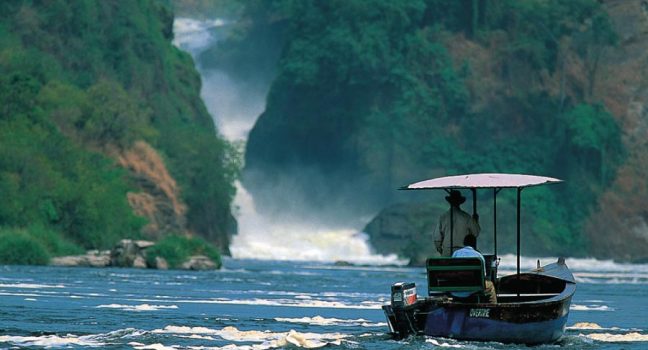
Uganda also offers remarkable biodiversity beyond gorillas. Chimpanzee trekking in Kibale Forest, tree climbing lions in Ishasha, boat cruises on the Nile in Murchison Falls, and birding in the Albertine Rift region add depth to any itinerary.
Sustainability and Community Impact
Tourism revenue sharing programs allocate a portion of gorilla permit fees to surrounding communities. These funds support schools, clinics, clean water systems, and income generating projects. This model reduces poaching incentives and strengthens community ownership of conservation.
By visiting in 2026, you are not just observing wildlife. You are participating in a system that directly links tourism income to environmental protection and social development.
Emotional Impact of Gorilla Trekking
Standing in the presence of a silverback, watching a mother groom her infant, or observing playful juveniles climbing vines is a transformative experience. Many travelers describe it as one of the most powerful wildlife encounters of their lives.
The silence of the forest, broken only by rustling leaves and low grunts, creates a moment of deep connection. It is not a zoo experience. It is a shared space in the wild, guided by respect and strict conservation ethics.
Planning Ahead for 2026
To secure permits, travelers should confirm bookings several months in advance, especially during peak seasons. Choose accommodation near your assigned trekking sector to minimize early morning transfers.
Travel insurance, proper vaccinations, and adherence to entry requirements are essential components of planning. Working with knowledgeable safari planners ensures smooth logistics and optimized routing.
Conclusion on Why 2026 is the year to visit Uganda for gorilla trekking?
2026 represents a perfect moment to experience gorilla trekking in Uganda. The country’s conservation success, structured permit system, improved infrastructure, and expanded immersive experiences create ideal conditions for a once in a lifetime journey. Uganda offers more than wildlife sightings. It offers participation in a conservation story that continues to evolve positively. If gorilla trekking has been on your travel list, 2026 is the year to experience it responsibly, meaningfully, and memorably.