- DIRECT CONTACTS:
- +256394517569
- tours@safarioclock.africa

How to Travel From Kigali to Volcanoes National Park

How to Choose the Right Rwanda Gorilla Tracking Package
November 9, 2026
Driving From Kigali to Musanze Before a Gorilla Trek
November 9, 2026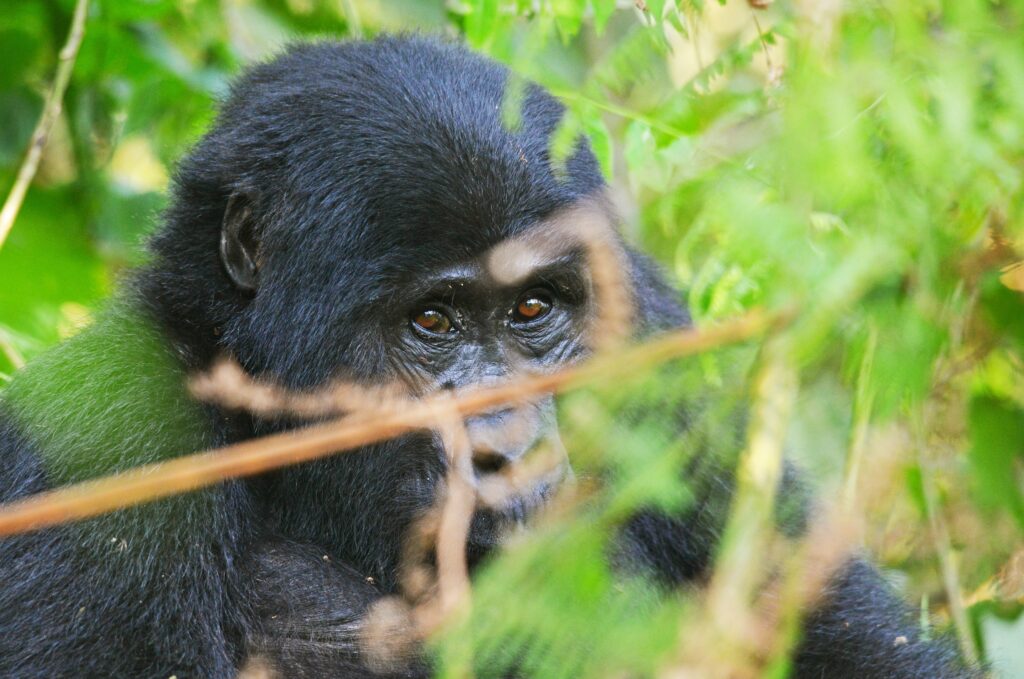
Rwanda is famous for its beautiful hills, rich culture, and unforgettable wildlife experiences. Among its most popular attractions is Volcanoes National Park, home to endangered mountain gorillas and the magnificent Virunga volcanic mountains. For many visitors, the journey begins in Kigali, Rwanda’s capital city.
Travelling from Kigali to Volcanoes National Park is relatively straightforward. Visitors can choose a private transfer, hire a car, use public transport for part of the journey, or arrange a helicopter transfer. However, the best option depends on your budget, travel schedule, comfort preferences, and planned activities.
If you are visiting Rwanda to track mountain gorillas, planning your journey is especially important. You must reach the park’s registration centre in Kinigi on time for the morning arrangements. Therefore, choosing suitable transport and accommodation can make your trip much easier.
In this guide, Safari O’clock explains how to travel from Kigali to Volcanoes National Park, what to expect along the way, and how to prepare for a smooth journey.
1. Where Is Volcanoes National Park Located?
Volcanoes National Park lies in northwestern Rwanda, in Musanze District. The park forms part of the Virunga Massif, a chain of volcanic mountains shared by Rwanda, Uganda, and the Democratic Republic of Congo.
The park protects important mountain gorilla habitat and attracts travellers interested in gorilla tracking, golden monkey tracking, and mountain hiking. Its dramatic scenery, green slopes, and rich biodiversity make it one of Rwanda’s most remarkable destinations.
Musanze, formerly known as Ruhengeri, is the main town serving visitors travelling to the park. Kinigi is the location of the park headquarters, where visitors gather for registration and briefing before activities such as gorilla tracking.
The road journey from Kigali to the Kinigi area covers approximately 100–115 kilometres, depending on your starting point and route. Travellers should generally allow around two to three hours by road. However, traffic, weather, and stops along the way can affect the journey time.
Safari O’clock recommends confirming your exact destination before departure. Your lodge may be in Musanze, near Kinigi, or farther away, and this can affect your transfer arrangements.
2. How to Travel From Kigali to Volcanoes National Park by Road
Road transport is the most common way to travel from Kigali to Volcanoes National Park. The route takes visitors through Rwanda’s countryside towards Musanze before continuing to the Kinigi area.
Along the way, you will see rolling hills, cultivated slopes, rural communities, and changing landscapes. As you approach northern Rwanda, the scenery becomes increasingly dramatic, with the Virunga volcanic mountains forming a striking backdrop on clear days.
Most travellers use the main road connecting Kigali with Musanze. The journey typically takes around two to three hours, although your departure point and road conditions can influence the total time.
Once you reach Musanze, you may need to continue to your accommodation or the park headquarters at Kinigi. Therefore, do not assume that arriving in Musanze means you have reached your final destination.
If you book a package with Safari O’clock, discuss your pickup point, accommodation location, and planned activities in advance. This helps ensure that your transfer covers the journey you actually need.
What should you expect on the journey?
The road journey provides an opportunity to see more of Rwanda beyond the capital. You may pass through busy trading centres, small towns, farms, and communities going about their daily activities.
You can also ask your driver about suitable places to stop for refreshments or photographs. However, make sure that any stops fit your schedule, especially if you need to reach your lodge before an early gorilla tracking morning.
The road is paved along the main route, but smaller roads near some lodges and park access points may be rougher. For this reason, confirm the road conditions and vehicle suitability with your operator.
3. Choose a Private Transfer From Kigali to Volcanoes National Park
A private transfer is one of the most convenient ways to reach Volcanoes National Park. It allows you to travel directly from Kigali International Airport, your hotel, or another agreed pickup point to your accommodation near the park.
This option works well for couples, families, small groups, and travellers who prefer a comfortable, organised journey. You can agree on your departure time and discuss reasonable stops with your driver.
Private transfers also make it easier to coordinate your itinerary. For example, you may want to travel directly to your lodge, stop for lunch, or include a planned sightseeing experience along the route.
However, the cost depends on the vehicle, distance, number of travellers, and services included. Ask whether the quotation covers fuel, the driver, parking, waiting time, and any additional stops.
If you are booking through Safari O’clock, explain your arrival details and travel plans when requesting a quotation. This allows the company to help you consider a transfer that suits your group and schedule.
For travellers planning gorilla tracking, a private transfer can also simplify the early-morning journey from a nearby lodge to Kinigi.
4. Can You Travel From Kigali to Volcanoes National Park by Public Transport?
Yes. Travellers can use public buses or shared minibuses to travel from Kigali towards Musanze. This can be a useful option for visitors who want to reduce transport costs.
Public transport generally departs from Kigali’s Nyabugogo transport area and travels towards Musanze. Journey times vary according to the service, traffic, and road conditions.
However, public transport does not necessarily take you directly to your lodge or the park headquarters. You may need to arrange a taxi or another local transfer for the remaining distance.
This final connection is particularly important for gorilla tracking. Visitors must plan how to reach Kinigi early enough for the required morning arrangements. Depending on your accommodation and transport connections, relying on public transport on the same morning may be impractical.
A more comfortable approach is to travel to Musanze the day before your activity. You can then stay overnight and arrange a local transfer to the park headquarters.
Before choosing this option, confirm bus schedules, departure locations, luggage arrangements, and the availability of onward transport.
Safari O’clock recommends public transport mainly to travellers who are comfortable managing connections and have enough time in their itinerary. If you prefer a simpler journey, compare the cost of a private transfer with the time and effort required to arrange separate transport services.
5. Is It Possible to Hire a Car From Kigali to Volcanoes National Park?
Hiring a car gives you greater control over your journey. It can suit independent travellers who want to explore Rwanda at their own pace or combine Volcanoes National Park with other destinations.
You may choose a self-drive vehicle or hire a car with a professional driver. A self-drive arrangement offers flexibility, while a driver-guide can help with navigation, local knowledge, and timing.
Before hiring a vehicle, check the rental conditions and make sure you understand the insurance coverage. Confirm whether the vehicle can be driven on the roads leading to your accommodation and planned activities.
Although the main road to Musanze is paved, some smaller access roads may become challenging in wet conditions. Ask your rental company or accommodation provider which vehicle is suitable for your route.
You should also consider parking, fuel costs, navigation, and the early start required for gorilla tracking. If you plan to drive yourself, allow enough time to reach Kinigi and avoid rushing along unfamiliar roads.
For visitors who prefer to focus on their holiday rather than driving, Safari O’clock can help them compare a hired vehicle with an arranged transfer.
6. Can You Fly From Kigali to Volcanoes National Park?
Helicopter transfers may be available for travellers who want to reduce road travel time. These services can provide an aerial journey towards the Volcanoes National Park region, subject to the operator’s routes, landing arrangements, weather, and availability.
However, helicopter transfers are generally much more expensive than road transport. They may therefore suit travellers with a higher budget or those seeking a premium travel experience.
It is important to distinguish a charter helicopter from a scheduled domestic flight. Travellers should not assume that a regular passenger flight operates directly from Kigali to Volcanoes National Park.
If you are considering an air transfer, ask the provider about the departure point, landing location, luggage restrictions, weather policies, and the onward journey to your lodge or the park headquarters.
You should also confirm whether the flight schedule works with your planned activities. Even when an air transfer saves time, you still need to coordinate your accommodation and park arrangements.
Safari O’clock can help you consider how different transport options fit your itinerary, budget, and preferred level of comfort.
7. Where Should You Stay When Travelling to Volcanoes National Park?
Choosing the right accommodation can make your journey more comfortable. Most visitors consider staying in Musanze or near Kinigi, depending on their budget and planned activities.
Musanze offers access to town services, restaurants, shops, and a range of accommodation options. It may suit travellers who want a convenient base for exploring the surrounding area.
Accommodation closer to Kinigi can reduce the distance you need to travel before the morning briefing. This can be particularly useful if you are visiting Rwanda for gorilla tracking.
The available options range from guesthouses and budget accommodation to mid-range hotels and luxury lodges. Your ideal choice depends on the level of comfort you prefer, the length of your stay, and the services you need.
When comparing accommodation, check the location carefully. A lodge described as being near the park may still require a drive to the headquarters or trail starting point.
Also, confirm meal arrangements, check-in times, and whether the property provides transport for early departures.
Safari O’clock can help travellers compare accommodation options and plan transfers around their chosen property.
8. Why You Should Travel the Day Before Gorilla Tracking
If gorilla tracking is the main purpose of your visit, travelling to the park area the day before is usually the more comfortable choice.
The official Rwanda Development Board booking information gives 7:00 a.m. as the reporting time for mountain gorilla tracking. Visitors need to allow time for arrival, registration, briefing, and the arrangements before entering the forest.
Driving from Kigali on the same morning can require a very early departure. Traffic, weather, unexpected delays, or difficulty finding your pickup point could affect your schedule.
Staying in Musanze or near Kinigi the night before reduces this pressure. You can rest, prepare your hiking equipment, and confirm your transport arrangements before the activity.
The extra night also gives you more time to enjoy the area. Depending on your schedule, you may explore local attractions or simply relax before your trek.
Safari O’clock recommends planning backwards from your confirmed reporting time. Ask your operator when you should leave your accommodation and allow a reasonable buffer for the journey.
A relaxed start can make your gorilla tracking experience more enjoyable.
9. What Should You Pack for the Journey?
Packing appropriately helps you stay comfortable during the transfer and prepare for activities around Volcanoes National Park.
For the road journey, bring your travel documents, phone, charger, drinking water, and any personal medication you need. Keep important documents secure and accessible.
If you plan to track gorillas, pack suitable hiking clothes and sturdy walking boots. Long trousers and long-sleeved clothing can help protect your skin from vegetation. A waterproof jacket is useful because weather conditions in the mountains can change.
You may also want gardening gloves, a small daypack, insect repellent, and a reusable water bottle. A walking stick or porter may help during the trek, depending on your needs.
Keep your luggage manageable, especially if you will change accommodation or use different transport services. Before departure, confirm any luggage limits with your driver, rental company, or transfer provider.
Safari O’clock encourages travellers to prepare for both the road journey and the activities they plan to enjoy after arrival.
10. Can You Visit Volcanoes National Park as a Day Trip From Kigali?
A day trip from Kigali may be possible for some activities, but it requires careful planning. The road journey can take around two to three hours each way, depending on conditions and your exact destination.
For gorilla tracking, a same-day departure from Kigali is less convenient because of the early reporting time in Kinigi. It may require leaving Kigali very early and leaves little room for unexpected delays.
An overnight stay near the park is generally a more practical option for travellers who want to reduce the pressure of the morning journey.
If you are planning a day trip for another activity, confirm the start time, travel duration, return schedule, and any booking requirements before committing.
Do not assume that every activity in the park follows the same schedule. Check the specific arrangements for the experience you have booked.
Safari O’clock can help you compare a day trip with an overnight itinerary so you can choose an option that fits your travel plans.
11. Practical Tips for a Smooth Journey From Kigali to Volcanoes National Park
A few simple preparations can make the journey easier. First, confirm your pickup location and departure time with your driver or transport provider. If you are arriving at Kigali International Airport, share your flight details and agree on where you will meet.
Next, check your accommodation reservation and make sure you know how to reach the property. Save the contact details of your lodge and tour operator in case you need assistance.
Allow extra time for traffic and other delays. Even when the road journey usually takes a few hours, the actual duration can vary.
If you are travelling by public transport, confirm the departure point and onward connection before setting off. Do not leave the final leg of your journey until the last minute.
Finally, keep your gorilla tracking confirmation and other important documents accessible. Follow the instructions provided by the park authorities and your tour operator.
Safari O’clock encourages travellers to confirm these details before departure rather than trying to resolve everything after arriving in northern Rwanda.
12. Plan Your Kigali to Volcanoes National Park Journey With Safari O’clock
Travelling from Kigali to Volcanoes National Park is an opportunity to experience Rwanda beyond its capital. The route leads through scenic countryside towards Musanze and the volcanic landscapes of the north.
However, a successful journey depends on more than knowing the distance. You need to choose suitable transport, arrange accommodation, confirm your activity schedule, and allow enough time for the journey.
Safari O’clock can help you plan these details according to your travel dates, budget, group size, and preferred experiences. Whether you need a private transfer, accommodation near the park, or a wider Rwanda itinerary, careful planning helps bring the different parts of your trip together.
If you are travelling for gorilla tracking, arrange your permit and transport early. Then choose accommodation that allows you to reach Kinigi on time for the morning briefing.
With the right preparation, the journey from Kigali becomes more than a transfer between destinations. It becomes the beginning of an unforgettable Rwanda adventure.
Ready to explore Rwanda? Contact Safari O’clock to discuss your transport, accommodation, and Volcanoes National Park itinerary.