- DIRECT CONTACTS:
- +256394517569
- tours@safarioclock.africa

Why Your Arrival Time Matters Before an Early Gorilla Trek
Planning an Airport-to-Gorilla-Trek Transfer in Rwanda
November 9, 2026
How to Arrange Transport for a Family Gorilla Tracking Holiday
November 9, 2026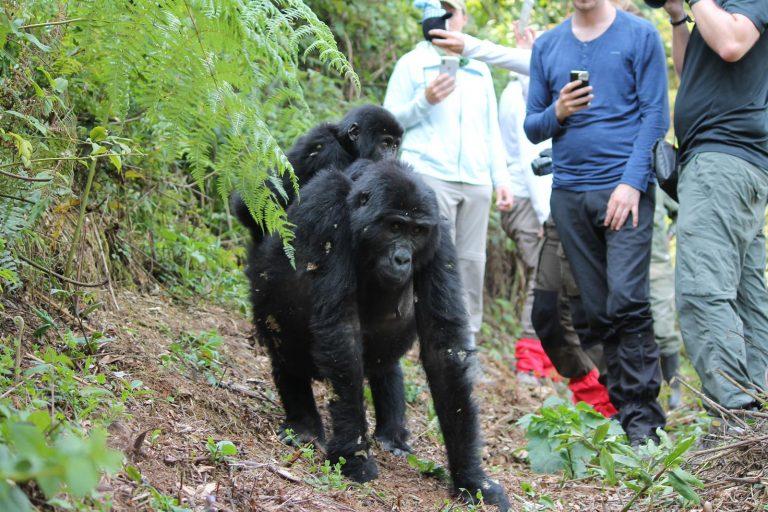
Planning a mountain gorilla trekking holiday in Rwanda involves more than securing a gorilla permit and choosing a comfortable lodge. Travellers must also consider when they will arrive in the country and how much time they need before the trekking day. Although this may seem like a small detail, arrival time can affect the entire experience.
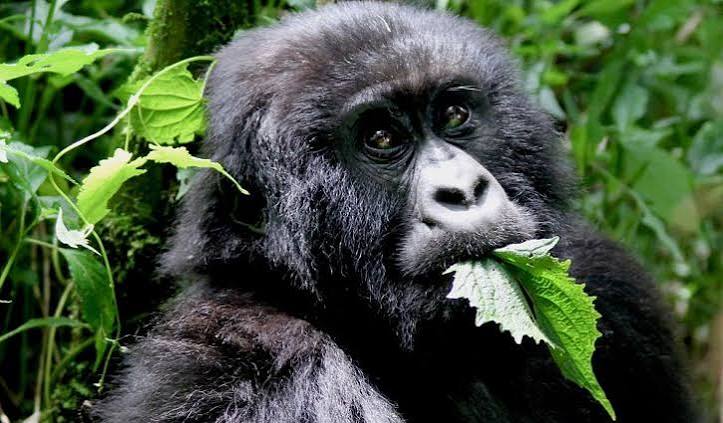
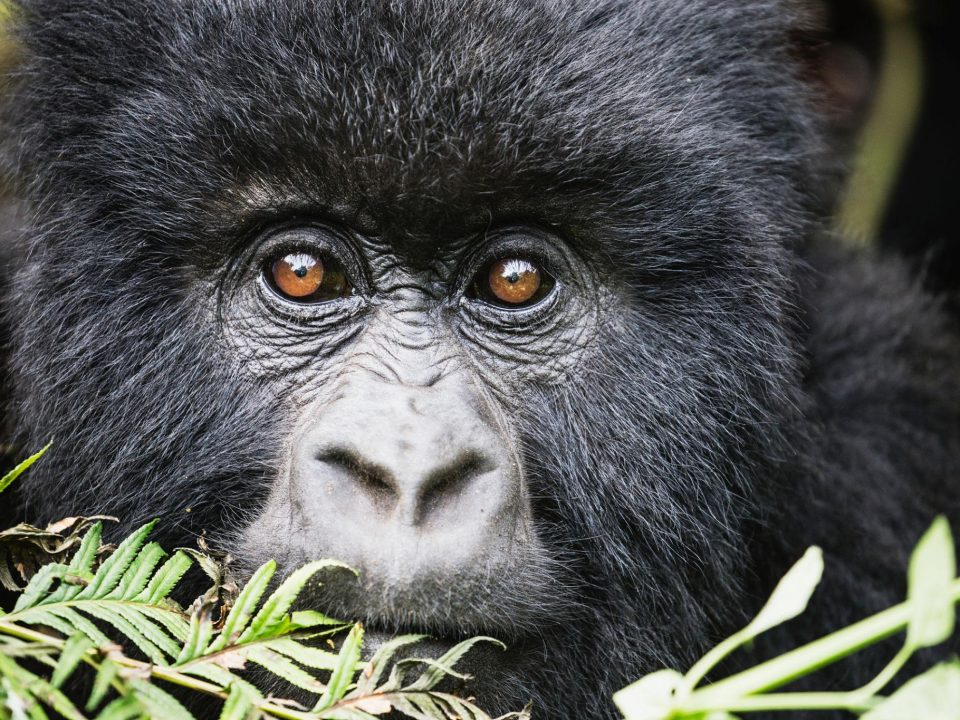
Rwanda’s Volcanoes National Park is one of the most popular destinations for mountain gorilla encounters. Visitors travel to the northern part of the country to see these endangered primates in their natural habitat. However, gorilla trekking follows an organised morning schedule. Visitors must reach the park headquarters at Kinigi early enough to complete registration and attend the briefing.
This makes arrival planning particularly important for international visitors flying into Kigali. A flight that lands late in the evening may leave little time for the road journey to Musanze. Similarly, arriving in Kigali on the morning of the trek can create unnecessary pressure and increase the risk of missing the scheduled reporting time.
At Safari O’clock, we encourage travellers to plan their arrival with the trekking schedule in mind. A well-timed arrival allows visitors to settle into their accommodation, prepare their equipment and enjoy a good night’s rest before entering the forest.
In this guide, we explain why arrival time matters before an early gorilla trek, how to plan your travel schedule and what to do if your flight arrives later than expected.
Understanding the Arrival Time Before Gorilla Trekking
Before booking international flights, visitors should understand the timing of activities at Volcanoes National Park. Rwanda’s official gorilla tracking information states that visitors should report to the visitor information and registration centre at Kinigi at 7:00 a.m.
This early reporting time allows park staff to complete the necessary formalities and organise the trekking groups. Visitors receive instructions about the experience and the rules they must follow around the gorillas. They also meet their guides before heading towards the forest.
Consequently, travellers need to think beyond the time their flight lands in Rwanda. They must also consider the time required to leave the airport, reach their accommodation and travel to Kinigi the following morning.
For example, someone arriving at Kigali International Airport at 6:00 p.m. may still need to complete immigration procedures, collect luggage and meet their driver. The road journey to Musanze can take approximately two to three hours, depending on traffic and conditions.
By the time the visitor reaches the lodge, it may already be late. This leaves limited time for dinner, preparation and rest before an early morning departure.
Safari O’clock therefore recommends treating arrival time as an important part of the gorilla trekking itinerary rather than an ordinary flight detail.
Why Your Arrival Time Before Gorilla Trekking Matters
The time you arrive in Rwanda influences how comfortably you can prepare for the trek. Several important factors explain why travellers should avoid leaving their arrival arrangements until the last minute.
1. Arrival Time Helps You Reach Kinigi Before the Briefing
The first reason arrival time matters is the early reporting schedule at Kinigi. According to Rwanda Development Board guidance, gorilla tracking visitors must report at 7:00 a.m.
Travellers staying in Musanze or near Kinigi can arrange an early breakfast and a short transfer to the park headquarters. However, visitors staying in Kigali face a much longer road journey.
The drive from Kigali to the Volcanoes National Park area generally takes around two to three hours. Therefore, attempting the journey on the morning of the trek leaves very little room for delays.
Traffic, rain, road conditions and unexpected vehicle problems can all affect the journey. Even a relatively small delay can cause a visitor to arrive after the required reporting time.
For this reason, Safari O’clock encourages guests to reach the northern region at least the day before their scheduled trek. This allows them to wake up near the park and travel to Kinigi without a long journey from the capital.
2. Arrival Time Gives You Enough Time to Rest
International travel can be tiring, especially for visitors arriving after long flights or connecting journeys. Travellers may experience fatigue, disrupted sleep and general discomfort after spending several hours in an aircraft.
Gorilla trekking also requires physical effort. Visitors walk through natural forest terrain, which may include steep slopes, muddy paths and thick vegetation. The duration of the trek varies depending on the location and movement of the assigned gorilla family.
Arriving early enough gives visitors an opportunity to rest before the experience. They can check into their lodge, enjoy a meal and prepare for the next morning.
Furthermore, a good night’s rest can help visitors feel more comfortable during the trek. Rather than worrying about transport or luggage, they can focus on the experience ahead.
Safari O’clock considers rest an important part of itinerary planning. We encourage travellers to avoid schedules that place unnecessary pressure on them immediately before trekking.
3. Arrival Time Allows You to Prepare Your Trekking Equipment
Another reason to plan your arrival carefully is the opportunity to organise your trekking equipment. Visitors should not wait until the last minute to prepare everything they need for the forest.
A gorilla trekking day requires suitable clothing and practical equipment. Comfortable hiking boots, long trousers, long-sleeved shirts and a waterproof jacket can help visitors manage changing forest conditions.
Travellers should also prepare drinking water, snacks, gloves and a small backpack. A camera or phone may be useful for photographs, provided visitors follow park rules.
When visitors arrive early, they have enough time to check their equipment and identify anything missing. They can also charge their devices and organise important documents.
This preparation becomes more difficult when someone reaches the lodge late at night. Tired travellers may forget essential items or struggle to organise their belongings.
Safari O’clock encourages guests to prepare most of their trekking equipment before travelling. However, arriving at the lodge early enough provides another opportunity to check everything.
4. Arrival Time Helps You Manage Unexpected Travel Delays
Travel does not always follow the original schedule. Flights may experience delays, luggage may take longer to arrive and road journeys may take more time than expected.
These situations become more difficult when a visitor has a gorilla trek scheduled for the following morning. A late flight can reduce the available time for the airport transfer and accommodation check-in.
For example, a visitor may plan to land in Kigali during the afternoon and travel directly to Musanze. However, if the flight arrives several hours late, the original transfer schedule may no longer work.
A flexible arrival plan gives the travel company more time to consider alternative arrangements. Depending on the situation, the visitor may need to stay in Kigali and adjust the itinerary if the trekking date allows it.
Safari O’clock encourages travellers to include reasonable time allowances when planning international flights and road transfers. This reduces the pressure caused by small disruptions and makes the overall journey easier to manage.
Why You Should Arrive in Rwanda the Day Before Your Gorilla Trek
One of the most practical decisions visitors can make is to reach the Volcanoes National Park region the day before trekking.
Rwanda’s official tracking guidance places the reporting time at Kinigi at 7:00 a.m. Since the drive from Kigali can take approximately two to three hours, travelling from the capital on the same morning creates a tight schedule.
Visitors would need to wake up very early and leave Kigali while it may still be dark. They would also have little time to respond to traffic, weather or vehicle delays.
Instead, travellers can spend the previous night in Musanze or near Kinigi. This reduces the distance they need to cover on the morning of the trek.
An overnight stay near the park offers several benefits. Visitors can enjoy a relaxed evening, have an early breakfast and confirm their morning transport with the lodge.
They can also ask the hotel staff about the expected departure time and the route to Kinigi. This helps everyone understand the morning arrangements.
Safari O’clock recommends including this overnight stay in a well-planned Rwanda gorilla trekking itinerary. It creates a more comfortable start and helps visitors protect their scheduled trekking experience.
How Your Flight Arrival Time Affects Your Gorilla Trekking Schedule
Not every international visitor arrives in Rwanda at the same time. Some flights land in the morning, while others arrive during the afternoon or late at night.
Therefore, travellers should choose flight schedules that work with their trekking dates and accommodation plans.
Morning Flight Arrivals
Visitors arriving in Kigali during the morning may have enough time to travel to Musanze on the same day. After completing airport procedures, they can meet their driver and begin the journey towards the northern province.
This arrangement allows travellers to reach their accommodation during the afternoon in many circumstances. They can then enjoy lunch or dinner, organise their belongings and rest.
However, visitors should still consider possible flight delays and the time needed to complete airport formalities. A morning landing does not guarantee an immediate departure from the airport.
Safari O’clock can help coordinate the pickup time with the flight schedule. This makes it easier to organise the road journey and accommodation check-in.
Afternoon Flight Arrivals
Afternoon arrivals can also work well, depending on the actual landing time and the length of the airport procedures.
Visitors should allow enough time to collect their luggage, meet their driver and travel to Musanze. They should also confirm whether their accommodation can receive them later in the evening.
If the flight lands later than expected, the transfer may take place after dark. Travellers should discuss this possibility with their tour operator before departure.
For visitors trekking the following morning, the most important consideration is whether they can reach their accommodation with enough time to rest and prepare.
Late-Night Flight Arrivals
Late-night arrivals require additional care. Some international flights reach Kigali after sunset or close to midnight.
In this situation, travelling directly to Musanze may result in a very late arrival at the lodge. Although the transfer may be possible, visitors should consider the effect of a long journey on their rest before trekking.
One alternative is to spend the night in Kigali and continue to Musanze the following day. This works best when the gorilla trekking date allows an additional day in the itinerary.
However, travellers should not assume that they can arrive late at night and comfortably drive to Kinigi on the morning of their trek. The timing is particularly tight because visitors must report early.
Safari O’clock can help guests review their flight schedule before confirming the final itinerary. This allows the company to recommend practical arrangements based on the available time.
Why Staying Near Volcanoes National Park Makes a Difference
Your accommodation location is closely connected to your arrival time. Even if you reach Rwanda early, staying far from the park can make the trekking morning more demanding.
Musanze is the main town near Volcanoes National Park. It offers accommodation, restaurants and other services for visitors exploring the region.
Kinigi is closer to the park headquarters, where gorilla trekking visitors report for the morning briefing. Staying in or near this area can reduce the morning transfer time.
The best location depends on your budget, preferred accommodation and itinerary. Some travellers prefer a comfortable lodge with mountain views, while others choose a simple guesthouse close to the park.
Before booking, visitors should confirm the exact location of their accommodation. They should also ask how long it takes to reach Kinigi in the morning.
This information is important because two properties advertised as being near Volcanoes National Park may have different transfer times.
Safari O’clock helps visitors consider accommodation location alongside their arrival schedule. This ensures that the selected lodge supports the trekking arrangements rather than making them more complicated.
What Happens If You Arrive Late Before a Gorilla Trek?
Late arrivals can create serious challenges, especially when the visitor has already secured a gorilla permit for the following morning.
The first step is to contact your tour operator as soon as you realise that your arrival schedule has changed. Share the latest flight information and explain the expected landing time.
Your operator can then review the airport pickup and accommodation arrangements. Depending on the circumstances, they may need to adjust the transfer or discuss other practical options.
However, travellers should understand that missing the required reporting time can have financial consequences. Rwanda Development Board’s published gorilla tracking information states that it does not provide refunds for late arrivals or flight delays.
This makes early planning particularly important. A gorilla permit is linked to a scheduled tracking experience, so visitors should protect their trekking date by allowing enough time for travel.
Travellers should also avoid assuming that park staff will automatically allow late entry. Always follow the official instructions and confirm any changes with the relevant authorities or your authorised tour operator.
Safari O’clock encourages visitors to communicate travel changes immediately. Early communication gives everyone a better opportunity to review the available arrangements.
How to Plan Your Arrival Time Before Gorilla Trekking
Good planning starts before purchasing your international flight ticket. Visitors should first confirm their intended gorilla trekking date and understand the reporting time at Kinigi.
Once the trekking date is established, they can work backwards to determine when they should arrive in Rwanda.
The following steps can help visitors organise their travel schedule.
Confirm Your Gorilla Trekking Date First
Start by confirming the date on your gorilla permit. Your international flights, accommodation and road transfers should support this date.
If you are still comparing travel dates, discuss permit availability with your tour operator before making non-refundable travel arrangements.
Safari O’clock can help visitors coordinate the different parts of the itinerary so that the flight schedule does not conflict with the trekking date.
Choose a Flight That Allows Enough Preparation Time
When comparing flights, consider both the landing time and the day of arrival. A cheaper flight may not always provide the most convenient schedule.
For example, a flight arriving very late at night may require an additional hotel night or a change in the road transfer arrangement.
Instead, consider a schedule that gives you enough time to reach your accommodation and rest before trekking.
Book Your Airport Transfer in Advance
Once your flight is confirmed, arrange the airport pickup. Share your airline, flight number, arrival date and expected landing time.
You should also provide the number of travellers and the amount of luggage. This helps the transport provider select a suitable vehicle.
Safari O’clock can help coordinate airport transfers with accommodation and other travel arrangements. Booking ahead also reduces the need to search for transport after landing.
Confirm Your Accommodation Location
Choose accommodation that makes it convenient to reach Kinigi early in the morning. Ask the lodge how long the transfer takes and whether it provides an early breakfast.
Visitors should also confirm the check-in arrangements, particularly when their flight arrives during the evening.
These small details help avoid confusion after reaching the destination.
Keep a Backup Plan
Finally, consider what would happen if your flight changed or arrived late. Keep your tour operator’s contact details accessible and share any airline notifications as soon as possible.
A backup plan may involve adjusting the airport pickup, changing the accommodation arrangement or revising the travel dates if the permit schedule allows it.
Although not every disruption can be avoided, early communication makes it easier to respond.
Preparing for the Night Before Your Gorilla Trek
Once you arrive near Volcanoes National Park, use the evening to prepare for the following day. Avoid planning too many activities that may leave you tired before the trek.
Start by confirming the pickup time with your driver or lodge. Make sure you know where you will meet the vehicle and how long the drive to Kinigi will take.
Next, organise your documents. Keep your passport and gorilla permit confirmation somewhere safe and easy to access. You may need to present your identification and booking information during registration.
Prepare your clothing and equipment before going to bed. Choose comfortable hiking boots, long trousers and a long-sleeved shirt. Carry a waterproof jacket because weather conditions around the mountains can change.
You should also prepare your drinking water, snacks and camera equipment. Charge your devices and keep essential items together.
Most importantly, get enough rest. An early bedtime can make it easier to wake up for breakfast and the morning transfer.
Safari O’clock encourages visitors to keep the evening simple. The main goal is to feel prepared, comfortable and ready for the next day’s adventure.
Does Arrival Time Affect the Gorilla Trekking Experience?
Arrival time does not determine which gorilla family you will visit or how long you will spend searching for the gorillas. Those details depend on park arrangements, the movement of the gorilla families and the conditions of the trek.
However, arrival time can influence how prepared and relaxed you feel before the experience begins.
Visitors who arrive early enough can settle into their accommodation, prepare their equipment and rest. They can also confirm their transport arrangements without rushing.
By contrast, visitors who arrive very late may have limited time to prepare. They may also begin the day feeling tired after a long journey.
It is important to remember that gorilla trekking is a guided wildlife activity. Visitors must follow the instructions of the park guides and respect the conservation rules.
The experience can involve walking on uneven ground and through changing weather conditions. Therefore, proper preparation is important regardless of the visitor’s fitness level.
At Safari O’clock, we believe that a well-planned arrival helps visitors approach the experience with greater comfort and confidence.
How Safari O’clock Helps You Plan the Right Arrival Time
Planning a Rwanda gorilla trekking holiday involves several arrangements that must work together. International flights, airport pickups, road transfers, accommodation and permit dates all influence the final itinerary.
Safari O’clock helps visitors coordinate these details before they travel. The process begins with understanding the traveller’s preferred dates, flight schedule and gorilla trekking plans.
From there, the company can help organise suitable airport transfers and accommodation near Volcanoes National Park. This allows visitors to reach the northern region with enough time to prepare for the early morning reporting schedule.
Safari O’clock also helps travellers consider whether they should spend an additional night in Kigali or travel directly to Musanze after landing. The decision depends on the flight arrival time and the amount of preparation time available.
For visitors combining gorilla trekking with other Rwanda experiences, the company can also help organise activities around the main trekking date.
The aim is to create a practical itinerary that allows travellers to enjoy Rwanda without rushing between important activities.
By considering arrival time from the beginning, Safari O’clock helps visitors prepare for a smoother and more organised gorilla trekking experience.
Frequently Asked Questions About Arrival Time Before Gorilla Trekking
What time should I arrive at Kinigi for gorilla trekking?
Rwanda Development Board’s official gorilla tracking information gives 7:00 a.m. as the reporting time at the visitor information and registration centre at Kinigi. Visitors should confirm their instructions and arrive on time.
Should I arrive in Rwanda one day before gorilla trekking?
Yes. Arriving in Rwanda at least the day before your trek gives you time to reach accommodation near Volcanoes National Park and prepare for the early morning briefing.
Can I fly into Kigali on the morning of my gorilla trek?
This is not advisable for visitors travelling from Kigali to Kinigi. The road journey can take approximately two to three hours, making it difficult to reach the 7:00 a.m. reporting time.
How long does it take to travel from Kigali to Volcanoes National Park?
The road journey generally takes around two to three hours, depending on traffic, weather and the final destination. Travellers should allow additional time where necessary.
Where should I stay before a gorilla trek?
Visitors can stay in Musanze or near Kinigi. Accommodation closer to Kinigi can reduce the morning transfer time to the park headquarters.
What happens if my flight is delayed?
Contact your tour operator immediately and share the updated arrival information. Your transfer and accommodation arrangements may need to change. Remember that Rwanda Development Board’s published guidance does not provide refunds for late arrivals or flight delays.
Is one night near Volcanoes National Park enough?
For many visitors, one night near the park before trekking provides enough time to prepare and rest. However, travellers arriving late or wanting to explore Musanze may prefer an additional night.
Can Safari O’clock help me choose the right flight arrival time?
Yes. Safari O’clock can help you review your travel schedule and coordinate the flight arrival, airport pickup, accommodation and trekking date.
Conclusion: Make Your Arrival Time Part of Your Gorilla Trekking Plan
Your arrival time plays an important role in preparing for an early gorilla trek in Rwanda. It affects when you reach your accommodation, how much time you have to rest and whether you can comfortably attend the morning briefing at Kinigi.
Visitors should avoid planning a long road journey from Kigali on the morning of their trek. Instead, they should aim to reach Musanze or the surrounding area the previous day. This gives them time to prepare their equipment, confirm transport and enjoy a comfortable night’s rest.
A well-organised itinerary also needs room for unexpected flight and road delays. Therefore, travellers should book suitable flights, arrange airport transfers in advance and communicate any schedule changes promptly.
With careful planning, the journey from Kigali to Volcanoes National Park can become a relaxed introduction to one of Rwanda’s most memorable wildlife experiences.
Safari O’clock is ready to help you coordinate your arrival, accommodation and gorilla trekking arrangements. Plan your journey early, arrive prepared and give yourself enough time to enjoy the remarkable experience of meeting mountain gorillas in their natural home.