- DIRECT CONTACTS:
- +256394517569
- tours@safarioclock.africa

How to Arrange Transport for a Family Gorilla Tracking Holiday

Why Your Arrival Time Matters Before an Early Gorilla Trek
November 9, 2026
How Couples Can Plan a Smooth Transfer to Volcanoes National Park
November 9, 2026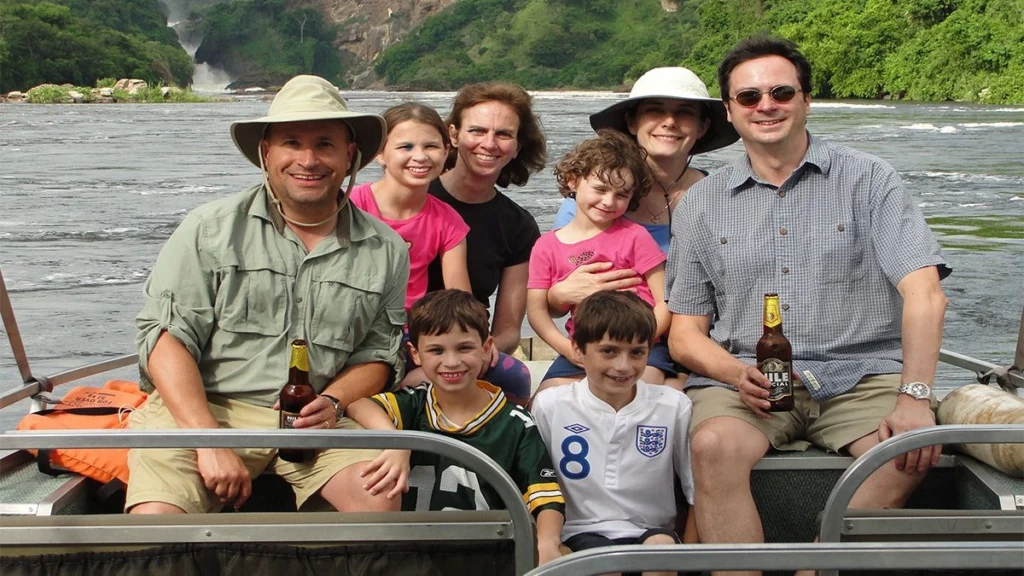
Planning a family gorilla tracking holiday requires more than booking permits and choosing a beautiful lodge. Transport also plays an important role in making the experience comfortable, safe and enjoyable for everyone. Families travelling with children, teenagers or older relatives need to consider several factors before choosing their safari vehicle and travel arrangements.
Mountain gorilla tracking takes place in remote forest destinations in East Africa. In Uganda, visitors can track gorillas in Bwindi Impenetrable National Park and Mgahinga Gorilla National Park. In Rwanda, the experience takes place in Volcanoes National Park. Although these destinations offer unforgettable wildlife encounters, reaching them requires careful transport planning.
A well-organised journey helps families avoid unnecessary delays, uncomfortable road trips and last-minute transport challenges. It also allows everyone to enjoy the beautiful landscapes along the way.
At Safari O’clock, we understand that family holidays require thoughtful arrangements. Therefore, organising suitable transport should begin during the early stages of safari planning. From selecting the right vehicle to arranging airport transfers, every detail contributes to a smoother experience.
1. Understand Your Family’s Transport Needs Before Booking
The first step when arranging family gorilla tracking transport is understanding the needs of everyone travelling. A vehicle that comfortably accommodates two adults may not provide enough space for a family of five with luggage.
Start by establishing the total number of travellers. Consider the ages of the children, the number of adults and whether any family member needs additional assistance during the journey.
For instance, families travelling with young children may require additional space for child seats, snacks, personal belongings and travel equipment. Similarly, families travelling with older relatives may prefer vehicles with comfortable seating and easier entry and exit.
The amount of luggage also matters. A family travelling for five days may carry several suitcases, backpacks and personal items. Therefore, the vehicle should provide enough room for both passengers and luggage without making the journey uncomfortable.
Safari O’clock helps families consider these details before confirming transport arrangements. This approach makes it easier to select a vehicle that meets the group’s needs.
2. Choose the Right Vehicle for Family Gorilla Tracking Transport
Choosing the right vehicle is one of the most important decisions when planning a family gorilla tracking holiday. The roads leading to some gorilla tracking destinations include mountainous sections, uneven surfaces and narrow forest access routes.
Therefore, a suitable safari vehicle should offer comfort, adequate luggage space and the ability to handle different road conditions.
Why a 4×4 Vehicle Is Suitable for Family Gorilla Tracking Transport
A four-wheel-drive vehicle is a practical choice for many family gorilla tracking holidays. Vehicles such as Toyota Land Cruisers and suitable safari 4x4s offer good ground clearance and are designed to handle challenging road conditions.
In Uganda, reaching some Bwindi sectors involves travelling through mountainous areas. Road conditions may become more difficult during rainy periods. A reliable 4×4 therefore provides a useful advantage.
Rwanda also has well-maintained major roads connecting Kigali to Musanze. However, smaller roads around Volcanoes National Park can be rough and steep. Visitors may need a high-clearance 4×4 for certain forest access routes.
Families should also consider the seating arrangement. A spacious vehicle with comfortable seats allows everyone to enjoy longer journeys without feeling overcrowded.
Safari O’clock can help families identify suitable vehicle options based on their group size, destination and travel requirements.
Consider Vehicle Capacity and Luggage Space
Vehicle capacity involves more than the number of available seats. Families should consider the space required for luggage, cameras, water bottles and other travel essentials.
For example, a family of six may need a larger safari vehicle than a family of three. However, the final choice should also depend on luggage volume and the vehicle’s seating configuration.
Avoid selecting a vehicle that only accommodates the exact number of passengers without considering additional space.
A comfortable journey allows family members to relax, enjoy conversations and appreciate the scenery. It also makes travelling between the airport, accommodation and national parks easier.
3. Arrange Airport Transfers in Advance
Airport transfers should form part of your family gorilla tracking transport arrangements. This is particularly important for international families arriving in Uganda or Rwanda for the first time.
Most visitors arrive through Entebbe International Airport in Uganda or Kigali International Airport in Rwanda. From either airport, families need reliable transport to their accommodation or gorilla tracking destination.
Arranging airport transfers in advance helps eliminate the stress of finding suitable transport after a long international flight.
Safari O’clock can coordinate airport pickups as part of a family’s safari itinerary. A professional driver-guide can meet the family, assist with luggage and transport everyone to the planned destination.
When arranging airport transfers, provide your flight details, arrival time and total number of passengers. Also communicate any special requirements, such as child seats or additional luggage space.
This information helps the transport provider prepare the appropriate vehicle.
Airport Transfers in Uganda
Families arriving at Entebbe International Airport should plan their journey carefully because Uganda’s main gorilla tracking destinations are located in the southwest.
The road journey from Entebbe to the Bwindi and Mgahinga areas can take approximately eight to ten hours, depending on the destination, route, traffic and road conditions.
For this reason, many families prefer to break the journey with an overnight stop. This allows everyone to rest before continuing towards the national park.
Alternatively, domestic flights can reduce road travel time. Depending on the selected Bwindi sector, travellers may use nearby airstrips such as Kihihi or Kisoro. However, families should confirm flight schedules, luggage limits and onward road transfers before booking.
Airport Transfers in Rwanda
Rwanda offers a shorter road connection between its international airport and Volcanoes National Park.
From Kigali International Airport, families can travel towards Musanze, the main town serving the Volcanoes National Park area. The journey generally takes approximately two to three hours, depending on traffic and road conditions.
A private vehicle with a driver-guide provides flexibility for families travelling with luggage or young passengers.
Families should also arrange onward transport to their accommodation near Kinigi or Musanze. This makes the following morning easier, especially because gorilla tracking activities begin early.
Safari O’clock can help coordinate these transfers so that families do not have to organise separate transport arrangements at every stage of their holiday.
4. Match Your Transport Arrangements to the Gorilla Tracking Destination
One important consideration when arranging family gorilla tracking transport is the exact location of your trekking experience.
Uganda and Rwanda have different road networks, park access points and travel distances. Therefore, families should select their transport according to the destination rather than assuming that one arrangement works for every park.
Transport to Bwindi Impenetrable National Park
Bwindi Impenetrable National Park has four main gorilla tracking sectors: Buhoma, Ruhija, Rushaga and Nkuringo.
Each sector has its own access routes and nearby accommodation options. Consequently, families should confirm their gorilla permit sector before finalising their transport arrangements.
For example, a family tracking gorillas in Buhoma should arrange accommodation and transport that provide convenient access to that sector. Staying in a distant sector may create unnecessary travel on tracking morning.
The same consideration applies to Rushaga, Ruhija and Nkuringo.
The Uganda Wildlife Authority identifies these four sectors as designated gorilla tracking entry points. This makes it important to coordinate accommodation and transport with the permit details.
Safari O’clock can help families coordinate their routes, accommodation and transport based on the selected tracking location.
Transport to Mgahinga Gorilla National Park
Mgahinga Gorilla National Park is another destination for families planning a gorilla tracking holiday in Uganda.
The park lies in southwestern Uganda within the Virunga mountain region. Its mountainous surroundings make suitable transport particularly important.
A reliable 4×4 vehicle is a practical option for travelling around the area. Families should also consider the distance between their accommodation and the park’s designated visitor entrance.
Arranging these details early helps reduce unnecessary driving on the morning of the trek.
Transport to Volcanoes National Park in Rwanda
Families visiting Rwanda for gorilla tracking travel to Volcanoes National Park in the country’s northern province.
The journey from Kigali generally takes two to three hours by road. Most families arrange private transport because it provides flexibility and makes travelling with luggage easier.
Importantly, the park’s tracking activities begin at Kinigi. Visitors must arrange transport to the designated briefing location before proceeding to their assigned tracking areas.
Safari O’clock recommends coordinating the vehicle, accommodation and tracking schedule before the family arrives in Rwanda.
5. Prioritise Child Safety During Family Gorilla Tracking Transport
Travelling with children requires additional preparation. Parents should consider their children’s comfort and safety throughout the journey.
First, ask the transport provider whether suitable child seats are available. Families travelling with younger children should communicate their children’s ages, weights and seating requirements before departure.
It is also important to ensure that every passenger has an appropriate seat and seatbelt.
Long road journeys can become tiring for children. Therefore, parents should carry drinking water, light snacks, comfortable clothing and entertainment for the journey.
Regular breaks can also make the experience more comfortable. Children may need time to stretch, use the washroom or enjoy a short rest during longer drives.
Furthermore, parents should explain the journey before departure. Let children know that they will travel through different landscapes and may spend several hours in the vehicle.
However, families must also understand that gorilla tracking has age restrictions. Uganda and Rwanda generally require participants to be at least 15 years old. Parents travelling with younger children should confirm the current rules with the relevant wildlife authority before booking. A family holiday can still include younger children even when they cannot participate in the actual gorilla trek.
Safari O’clock encourages parents to discuss their children’s needs during the planning stage. This helps the company organise transport that supports a more comfortable family experience.
6. Consider a Private Driver-Guide for Your Family Safari
Hiring a private driver-guide is one of the most convenient ways to organise family gorilla tracking transport.
Unlike shared transport, a private vehicle allows families to follow an itinerary designed around their travel needs. They can enjoy more flexibility when travelling between airports, hotels, national parks and other attractions.
A knowledgeable driver-guide also understands the local routes and can help families navigate unfamiliar destinations.
For example, families travelling through Uganda may want to stop at scenic locations, cultural attractions or suitable restaurants along the way. A private safari arrangement makes it easier to include these experiences without depending on fixed public transport schedules.
In Rwanda, families may wish to explore Kigali or Musanze before or after their gorilla tracking experience. Private transport provides flexibility when combining these destinations.
Another advantage is luggage management. Families do not have to repeatedly arrange separate vehicles for different sections of their journey.
When booking, confirm whether the driver-guide will remain with the family throughout the safari or provide transfers for specific sections only.
Safari O’clock can help coordinate these arrangements according to the family’s itinerary and budget.
7. Plan Overnight Stops to Avoid Long and Tiring Journeys
One common mistake families make when organising gorilla tracking transport is underestimating travel distances.
Although reaching the gorilla parks is part of the adventure, spending too many hours travelling without adequate rest can make the holiday exhausting.
This is particularly important for families travelling to southwestern Uganda from Entebbe or Kampala.
Instead of attempting the entire journey without stopping, families can include an overnight stay along the route or near their tracking destination.
For Uganda, staying near the selected Bwindi sector or Mgahinga entrance the night before tracking is particularly helpful.
In Rwanda, families travelling from Kigali should consider spending the night near Musanze or Kinigi. This reduces the need for an early departure from the capital on tracking morning.
The timing is important because gorilla tracking briefings begin early. Rwanda’s official tourism information lists a 7:00 a.m. reporting time at the Kinigi visitor centre.
An overnight stay therefore allows families to wake up comfortably, have breakfast and reach the briefing location on time.
Safari O’clock can combine accommodation and transport arrangements to reduce unnecessary journeys and improve the overall family experience.
8. Compare Road Transport and Domestic Flights
Families travelling to Uganda can consider both road transport and domestic flights when planning their gorilla tracking holiday.
Each option offers different advantages, depending on the family’s budget, available time and preferred travel experience.
Road transport provides an opportunity to explore Uganda’s countryside. Families can enjoy beautiful landscapes, local communities and scenic countryside along the journey.
However, travelling by road takes considerably longer, particularly when starting from Entebbe or Kampala.
Domestic flights offer a faster alternative. Travellers can fly from Entebbe towards airstrips serving the Bwindi or Mgahinga region, depending on the selected route and flight schedule.
Nevertheless, flights introduce additional considerations. Families should check luggage restrictions, departure schedules and the availability of onward transfers from the airstrip to their accommodation.
In Rwanda, road transport from Kigali remains a practical option because Volcanoes National Park is relatively accessible from the capital.
Safari O’clock can help families compare these options and select an arrangement that balances comfort, convenience and cost.
9. Consider the Cost of Family Gorilla Tracking Transport
Transport costs can influence the overall budget of a family gorilla tracking holiday.
Several factors determine the final price, including the destination, vehicle type, number of travellers, travel distance and duration of the safari.
For instance, a family travelling from Entebbe to Bwindi may require a different transport budget from a family travelling from Kigali to Volcanoes National Park.
The size of the vehicle also matters. Larger safari vehicles may cost more to hire, particularly when families require additional luggage space.
Furthermore, domestic flights, fuel, driver-guide services, parking fees and cross-border transfers may affect the final transport budget.
Families should request a clear quotation that explains what the transport package includes.
Ask whether the price covers fuel, driver accommodation, airport transfers and transport between the lodge and tracking headquarters.
It is also important to clarify whether additional activities or private excursions attract separate charges.
Safari O’clock encourages families to discuss their budgets early. This makes it easier to recommend suitable transport without compromising essential comfort and safety requirements.
10. Book Your Family Gorilla Tracking Transport Early
Early planning helps families secure suitable vehicles and coordinate their travel arrangements.
This becomes particularly important during busy safari periods when demand for accommodation, permits and reliable safari vehicles may increase.
Once the family selects a tracking destination and confirms the intended dates, transport arrangements should follow.
Booking early also gives the transport provider enough time to consider the group’s requirements.
For example, a family may need a larger vehicle, child seats or additional luggage capacity. These arrangements are easier to organise when the provider receives the information in advance.
Families should also share their flight details and accommodation bookings. This allows the transport provider to prepare a suitable pickup schedule.
Before departure, confirm the following details:
- The vehicle type and passenger capacity.
- The pickup location and departure time.
- The driver’s contact information.
- The amount of luggage the vehicle can accommodate.
- The availability of child seats where required.
- The route and expected journey duration.
- The accommodation and park transfer arrangements.
- The transport provider’s emergency contact details.
Safari O’clock helps families bring these arrangements together before the holiday begins. Proper coordination reduces uncertainty and allows everyone to focus on enjoying the experience.
11. Prepare for Weather and Changing Road Conditions
Weather conditions can influence road travel in Uganda and Rwanda.
Both countries experience rainy periods, and some roads leading towards mountain gorilla habitats can become muddy or slippery.
In Uganda, the mountainous terrain around Bwindi and Mgahinga requires careful driving, particularly on smaller access roads.
Similarly, some routes around Volcanoes National Park involve steep and uneven terrain.
Families should therefore choose transport providers who understand local driving conditions and use suitable vehicles.
It is also helpful to carry light rain jackets, warm clothing and comfortable travel shoes.
Parents should pack essential items where they can easily reach them instead of placing everything inside the main luggage compartment.
Although weather forecasts can help families prepare, conditions in mountain environments can change quickly. Therefore, a flexible itinerary provides an additional advantage.
Safari O’clock considers these practical details when organising family journeys to gorilla tracking destinations.
12. Make Transport Part of the Complete Family Safari Experience
Transport should not simply be viewed as a way of getting from one destination to another. It can become an enjoyable part of the family holiday.
The journey through East Africa offers opportunities to appreciate beautiful landscapes, discover local cultures and enjoy time together.
Families travelling to Bwindi may experience Uganda’s rolling hills, rural communities and beautiful countryside. Those visiting Volcanoes National Park can enjoy Rwanda’s scenic green hills and mountain landscapes.
Depending on the itinerary, families can also include additional activities before or after gorilla tracking.
These may include cultural visits, nature walks, city tours and visits to other national parks.
However, families should avoid overcrowding their schedules. Allow enough time for rest, especially before the physically demanding gorilla tracking experience.
With a carefully planned itinerary, transport becomes part of the adventure rather than an inconvenience.
Safari O’clock aims to make every stage of the journey meaningful, from airport pickup to the final transfer back home.
Conclusion: Arrange Your Family Gorilla Tracking Transport with Safari O’clock
Organising transport is an important part of planning a successful family gorilla tracking holiday. The right vehicle, experienced driver-guide, comfortable seating and well-planned travel schedule can make a significant difference to the entire experience.
Families should consider their group size, children’s needs, luggage requirements, destination and available travel time before confirming transport.
They should also coordinate their accommodation and tracking permits to ensure that every journey fits comfortably within the safari itinerary.
Whether travelling to Bwindi Impenetrable National Park, Mgahinga Gorilla National Park or Rwanda’s Volcanoes National Park, proper preparation helps families enjoy a smoother experience.
At Safari O’clock, we believe that a memorable family safari begins with good planning. Our team can help coordinate suitable transport, accommodation and gorilla tracking arrangements based on your family’s needs.
Planning a family gorilla tracking holiday in Uganda or Rwanda? Contact Safari O’clock today and let us help you organise comfortable transport for an unforgettable family adventure.