- DIRECT CONTACTS:
- +256394517569
- tours@safarioclock.africa

Can You Track Gorillas Immediately After Arriving in Rwanda?

How to Plan a Gorilla Trek If You Land in Kigali in the Evening
November 9, 2026
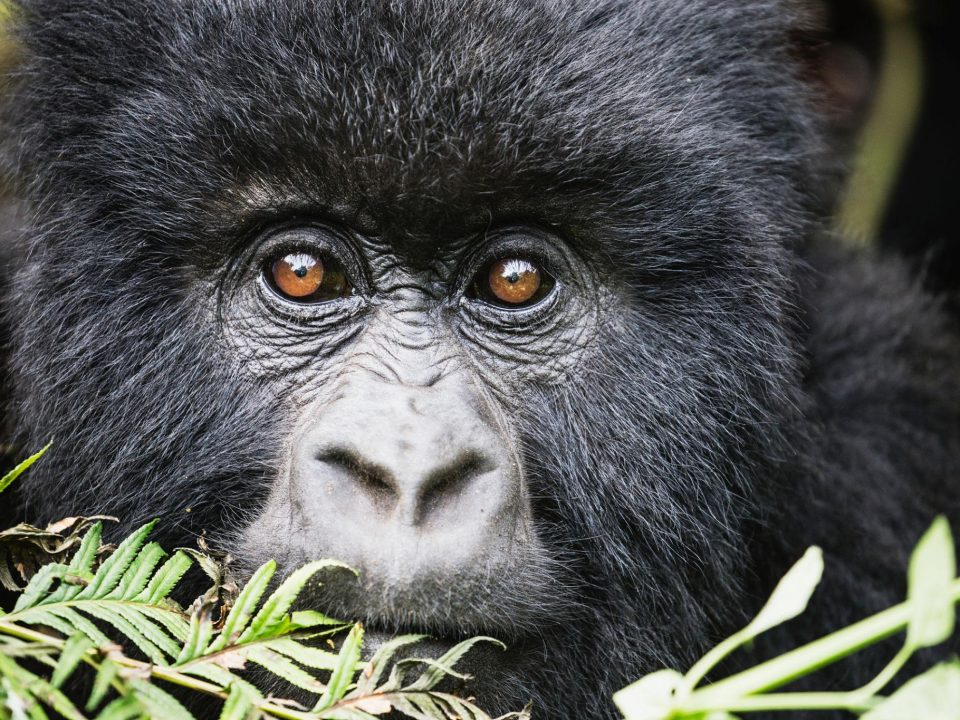
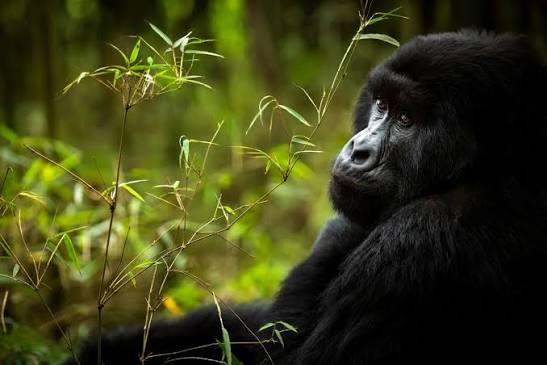
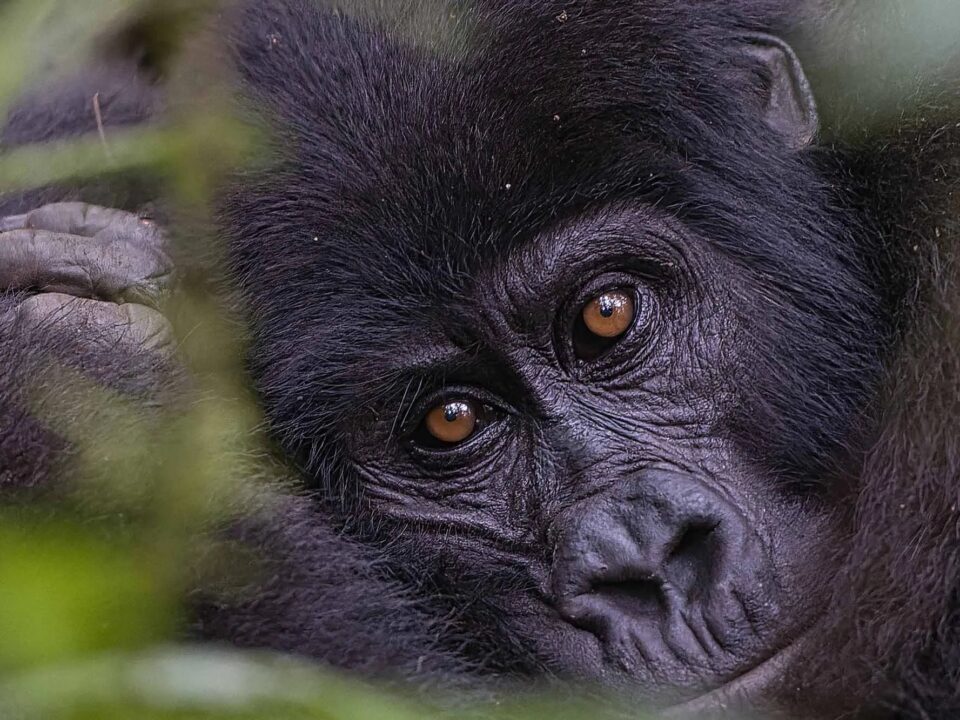
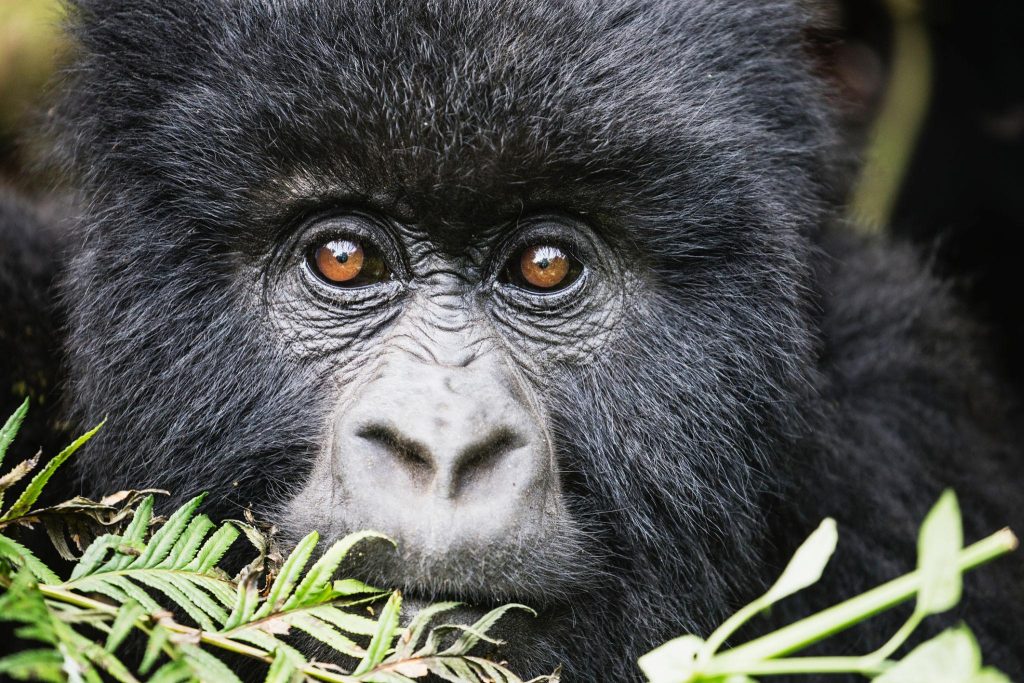
Rwanda is one of Africa’s most exciting destinations for mountain gorilla tracking. Many visitors arrive in Kigali with one major goal: to see mountain gorillas in their natural habitat. However, travellers with limited time often ask an important question: Can you track gorillas immediately after arriving in Rwanda?
The short answer is yes, you can plan a gorilla tracking experience soon after arriving in Rwanda. However, you must consider your arrival time, permit availability, transport arrangements and the park’s reporting requirements. Gorilla tracking is not an activity that visitors can join at any time of the day. It follows an organised schedule, and preparation is essential.
At Safari O’clock, we help travellers understand these arrangements before they begin their journey. With the right planning, you can enjoy a smooth transfer to Volcanoes National Park and make the most of your time in Rwanda.
Can You Arrange Gorilla Tracking After Arrival?
Yes. Visitors can arrange gorilla tracking after arriving in Rwanda, provided they secure an available permit and meet the park’s requirements. However, arriving in the country does not automatically guarantee access to the gorillas. You must have a confirmed booking for the correct tracking date.
The Rwanda Development Board manages gorilla tracking permits through its official booking system. Permits are issued according to availability, and reservations operate on a first-come, first-served basis. Therefore, travellers should not assume that they can arrive at the airport and purchase a permit for immediate entry into the forest.
Booking before travelling remains the safest option. It gives you time to confirm your tracking date, prepare your documents and organise transport. Nevertheless, if you arrive without a permit, you can check whether spaces are available through the official booking system or a licensed tour operator.
Safari O’clock can help visitors check their travel arrangements and understand the steps involved in securing a permit. This is particularly useful for travellers with short holidays or changing flight schedules.
What Time Must You Arrive for Gorilla Tracking After Arrival?
One of the most important details to understand is the early reporting time. According to the Rwanda Development Board, visitors must report to the park’s visitor information and registration centre in Kinigi by 7:00 a.m. on their scheduled tracking day.
This means your arrival time in Rwanda matters greatly. If your flight lands in Kigali late in the afternoon or evening, travelling to the park and preparing for the following morning may become difficult. You must also consider immigration procedures, baggage collection, road conditions and the distance to your accommodation.
For this reason, travellers who arrive late should normally spend their first night in Kigali. They can then travel to Musanze or Kinigi the following day and stay near the park. This arrangement allows them to rest before the early morning briefing.
However, visitors who arrive in Rwanda a day or more before their trek have greater flexibility. They can travel to the northern province, settle into their lodge and prepare without rushing.
Can You Track Gorillas on the Same Day You Land in Rwanda?
Tracking gorillas on the same day you land in Rwanda may be possible in exceptional circumstances. However, it depends heavily on your flight arrival time and whether you can reach Kinigi before the required reporting time.
For example, imagine that your flight arrives at Kigali International Airport early in the morning. You would still need to clear immigration, collect your luggage and meet your driver. After that, you would travel north towards Musanze and continue to Kinigi.
The journey from Kigali to Musanze is commonly estimated at around 2 to 3 hours, although actual travel time depends on traffic, weather and road conditions. You must also allow time for the final journey to the park headquarters.
Consequently, a flight that arrives on the morning of your trek may leave too little time to reach the briefing. Even a short delay could cause you to miss the reporting time.
The Rwanda Development Board also states that it does not provide refunds for late arrivals or flight delays. Therefore, Safari O’clock recommends avoiding tight connections between international flights and scheduled gorilla tracking.
A better plan is to arrive in Rwanda at least one day before your tracking date. This gives you a comfortable margin for unexpected travel delays.
Why You Should Book Gorilla Tracking Before Arriving
Booking your gorilla tracking permit in advance is one of the most important steps in planning your trip. Volcanoes National Park receives visitors from different parts of the world. However, the number of people allowed to visit each gorilla family is limited.
The Rwanda Development Board currently limits each visiting group to a maximum of eight people per gorilla family. It also limits the viewing period to one hour. These measures help manage tourism and reduce disturbance to the gorillas.
When you book early, you can select an available date that matches your flights and accommodation. You can also arrange airport transfers and other activities around your confirmed tracking date.
In contrast, waiting until arrival creates uncertainty. Your preferred date may already be fully booked. You may then need to extend your stay or change other parts of your itinerary.
Safari O’clock encourages visitors to confirm their permits before purchasing non-refundable travel arrangements where possible. This approach reduces unnecessary pressure and makes the entire journey easier to manage.
Where Should You Stay Before Gorilla Tracking After Arrival?
Your accommodation location can make a major difference to your tracking experience. Most visitors travelling to Volcanoes National Park stay around Musanze or closer to Kinigi.
Musanze is a convenient base for travellers who want access to restaurants, shops and different accommodation options. It also provides a practical starting point for exploring northern Rwanda.
Kinigi, on the other hand, is especially convenient for visitors who want to stay close to the park headquarters. Since the briefing begins early, staying nearby can reduce the time spent travelling on tracking morning.
If you arrive in Kigali late, consider spending the first night in the capital. You can then travel to Musanze the following day. This arrangement avoids the pressure of driving a long distance after an international flight.
Safari O’clock can help you select accommodation based on your tracking date, budget and preferred travel style. Whether you choose a comfortable lodge or a luxury retreat, the most important consideration is reaching Kinigi on time.
What Documents Do You Need for Gorilla Tracking After Arrival?
Before travelling to the park, make sure you have the documents required for your booking. The Rwanda Development Board verifies visitor information at the park entrance. Incorrect or incomplete details can lead to denied access, even when a payment has been made.
Your passport or accepted identification document should match the information used during the permit application. Keep your permit confirmation and other booking details accessible. It is also helpful to save digital copies of important travel documents.
Age is another important requirement. Rwanda’s minimum age for mountain gorilla tracking is 15 years. Visitors should therefore confirm that everyone in their group meets this requirement before making a reservation.
If you qualify for a special permit category, check the supporting documents required by the Rwanda Development Board. For example, East African citizens may need to present an accepted East African identity document or passport. Certain resident categories also have additional residency requirements.
Safari O’clock can help you review these details before your departure. Preparing your documents early reduces unnecessary delays during registration.
Health Requirements for Gorilla Tracking After Arrival
Your health is important not only for your own safety but also for the protection of mountain gorillas. These animals can be vulnerable to human respiratory infections and other contagious illnesses.
The Rwanda Development Board warns that visitors with a cold, flu or another contagious illness may be denied access to the park. Therefore, do not plan to track gorillas if you feel unwell.
If you develop symptoms shortly before your trek, inform your tour operator and seek guidance from the relevant park authorities. It is better to address the situation responsibly than to risk exposing the gorillas to infection.
During the encounter, visitors must follow the park’s health and safety rules. These include maintaining the required distance from the gorillas, keeping voices low and covering the mouth when coughing. Visitors should also avoid spitting or littering in the forest.
Safari O’clock encourages responsible wildlife tourism. Protecting the gorillas is part of making the experience safe and sustainable for future visitors.
How to Prepare for Your First Gorilla Tracking Morning
After arriving and settling into your accommodation, take time to prepare for the following morning. Gorilla tracking takes place in a natural forest environment, where weather and terrain can change throughout the day.
Start by arranging your transport to Kinigi. Confirm your departure time with your driver and make sure you understand where the briefing takes place. Your goal should be to reach the registration centre before the 7:00 a.m. reporting time.
Next, prepare suitable clothing. Long trousers and long-sleeved shirts help protect your skin from vegetation and stinging nettles. Comfortable hiking boots or sturdy walking shoes are also essential. Carry a lightweight waterproof jacket because rain can occur in the mountains.
You should also prepare drinking water, a small snack for the trek and a camera without flash. A walking stick and a porter can make the hike easier, especially on steep or muddy sections.
Finally, get enough rest. Gorilla tracking involves walking through mountainous forest terrain. The duration varies depending on the location of the assigned gorilla family. A good night’s sleep helps you begin the experience feeling prepared.
A Recommended Itinerary for Gorilla Tracking After Arrival
Travellers who want to track gorillas soon after landing in Rwanda should consider a schedule that allows enough time for transport and rest.
Day 1: Arrival in Kigali
Arrive at Kigali International Airport and complete the immigration process. Meet your pre-arranged driver and transfer to your hotel in Kigali. If your flight arrives early and conditions allow, you may choose to travel to Musanze instead. However, avoid making a late-night transfer without considering road conditions and your arrival time.
Day 2: Transfer to Musanze or Kinigi
After breakfast, travel towards Musanze in northern Rwanda. Enjoy the changing scenery along the way and take time to settle into your accommodation. You may also explore selected attractions around Musanze if your schedule allows. In the evening, confirm your transport arrangements and prepare for the following morning.
Day 3: Gorilla Tracking in Volcanoes National Park
Wake up early and travel to the Kinigi visitor information centre. Arrive before the 7:00 a.m. reporting time for registration and briefing. Park staff will provide instructions and organise visitors into tracking groups. You will then head into the forest with trained guides and trackers to search for a habituated mountain gorilla family.
Once you find the gorillas, you will have a limited viewing period of one hour. Follow the guide’s instructions throughout the encounter and respect all conservation rules.
This itinerary gives travellers time to arrive, rest and prepare before their tracking experience. Safari O’clock can adjust the schedule according to your flight details, permit date and accommodation preferences.
Can Safari O’clock Help You Track Gorillas Soon After Arrival?
Yes. Safari O’clock can help you organise the important parts of your gorilla tracking holiday. These include permit arrangements, airport transfers, accommodation and travel planning around Volcanoes National Park.
If you have already booked your flights, sharing your arrival and departure details with your tour operator can make planning easier. The team can then help you identify a suitable tracking date and arrange a realistic itinerary.
For travellers with limited time, good coordination is especially important. Your flight schedule, permit confirmation, transfer and accommodation should work together. This helps reduce unnecessary delays and allows you to enjoy your holiday with greater confidence.
Safari O’clock also understands that visitors have different travel needs. Some prefer a private safari vehicle, while others want to combine gorilla tracking with cultural experiences or other attractions in Rwanda. A well-planned itinerary can accommodate these interests without putting your main tracking activity at risk.
Final Thoughts: Can You Track Gorillas Immediately After Arriving in Rwanda?
You can plan to track gorillas soon after arriving in Rwanda, but same-day tracking is not always practical. The most important factors are permit availability, your flight arrival time and the 7:00 a.m. reporting requirement at Kinigi.
For most international travellers, arriving at least one day before the scheduled trek is the more reliable option. It gives you enough time to complete your transfer, settle into accommodation and prepare for the early morning briefing.
Most importantly, book your permit in advance and avoid relying on last-minute arrangements. With proper planning, your journey from Kigali to Volcanoes National Park can be comfortable and enjoyable.
Let Safari O’clock help you organise your Rwanda gorilla tracking holiday, from your arrival at the airport to your unforgettable encounter with mountain gorillas in the wild.