- DIRECT CONTACTS:
- +256394517569
- tours@safarioclock.africa

Best Time of the Year for Gorilla Tracking in Rwanda: What to Consider

What Is Often Excluded from a Gorilla Tracking Package?
November 23, 2026
Rwanda Gorilla Tracking in January: Planning Notes for Visitors
November 23, 2026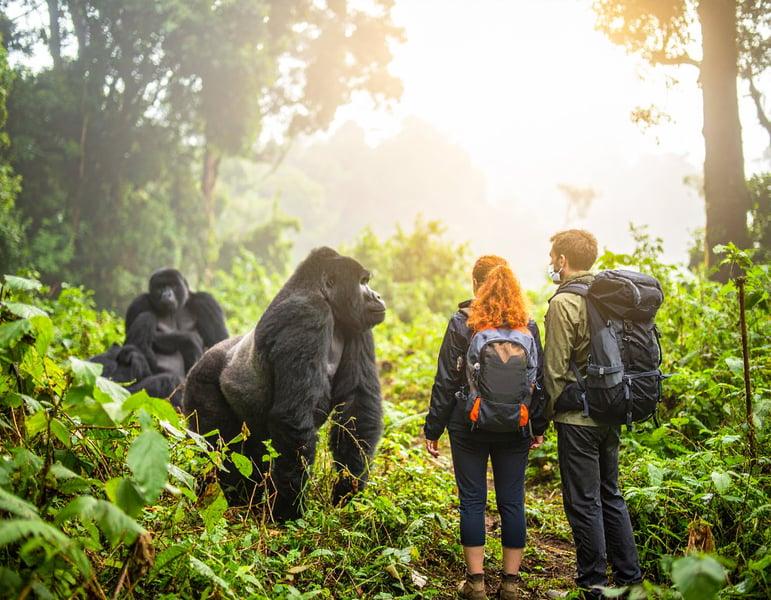
Choosing the right time for a gorilla tracking safari in Rwanda can make a significant difference to your travel experience. The country welcomes visitors throughout the year, offering opportunities to encounter endangered mountain gorillas in their natural habitat. However, weather conditions, trail accessibility, visitor numbers and travel costs can influence how comfortable and convenient your trip becomes.
Rwanda’s mountain gorillas live in Volcanoes National Park, located in the northwestern part of the country near Musanze. The park forms part of the Virunga Massif, a mountainous conservation area shared by Rwanda, Uganda and the Democratic Republic of Congo. Its high-altitude forests provide a natural home for mountain gorillas and several other wildlife species.
Although gorilla tracking takes place throughout the year, some months offer drier trails and more comfortable hiking conditions. Other months attract travellers who prefer greener landscapes, fewer visitors and potentially more flexible accommodation options.
So, when is the best time for gorilla tracking in Rwanda? The answer depends on what matters most to you. Some travellers prioritise comfortable hiking conditions, while others value photography, lower travel costs or quieter experiences.
At Safari O’clock, we encourage visitors to consider these factors before selecting their travel dates. This guide explores Rwanda’s seasons, the advantages of different months and the important details to consider when planning your gorilla tracking adventure.
What Is the Best Time for Gorilla Tracking in Rwanda?
The best time for gorilla tracking in Rwanda is generally during the dry seasons. These occur from June to September and December to February. During these periods, rainfall tends to decrease, making forest trails relatively easier to navigate.
The long dry season, particularly June, July, August and September, is popular among international visitors. The shorter dry season, from December to February, also provides favourable conditions for outdoor activities.
However, dry weather does not mean that rain disappears completely. Volcanoes National Park is a high-altitude rainforest, so showers, mist and changing temperatures can occur throughout the year.
Travellers should therefore prepare for different weather conditions regardless of their departure month.
It is also important to understand that mountain gorillas remain in the park throughout the year. Seasonal changes do not mean that visitors can only see gorillas during certain months. Instead, the weather mainly influences trail conditions, hiking comfort and the overall experience.
For travellers with flexible schedules, the dry seasons offer a good starting point when choosing suitable dates. Nevertheless, the rainy months can also provide rewarding experiences for visitors who prepare appropriately.
Understanding Rwanda’s Seasons for Gorilla Tracking
Before choosing your travel dates, it helps to understand how Rwanda’s climate changes throughout the year. The country experiences two main rainy seasons and two dry seasons.
These seasonal patterns influence the weather around Volcanoes National Park, although rainfall can vary because of the region’s mountainous landscape.
1. The Long Dry Season: June to September
The long dry season is one of the most favourable periods for gorilla tracking in Rwanda. Rainfall generally decreases during these months, and forest trails often become firmer than during the wetter periods.
June, July, August and September attract many visitors because of the relatively favourable hiking conditions. Walking through the forest may feel easier when the ground is less muddy and steep sections are more manageable.
These months also appeal to travellers who want to combine gorilla tracking with other outdoor activities. Visitors can explore the surrounding countryside, enjoy scenic drives and consider additional experiences around Volcanoes National Park.
However, the long dry season is also a busy travel period. Demand for gorilla permits, accommodation and safari services may increase, especially during July and August.
Therefore, visitors planning to travel during these months should arrange their permits and accommodation early.
Even during this season, travellers should pack waterproof clothing. The park’s altitude and rainforest environment mean that weather conditions can change unexpectedly.
2. The Short Dry Season: December to February
December, January and February provide another favourable period for gorilla tracking in Rwanda.
During these months, rainfall generally reduces compared with the main rainy periods. Consequently, visitors may experience relatively manageable forest trails and more convenient conditions for hiking.
The short dry season is particularly suitable for travellers planning holidays around Christmas, New Year and the beginning of the year.
January and February can also work well for visitors who want to enjoy a gorilla tracking safari without travelling during the busiest months of the long dry season. However, demand remains strong around popular holiday dates.
Travellers should remember that December can experience some rainfall, depending on local weather patterns. Therefore, it is better to prepare for occasional showers rather than expect completely dry conditions.
For visitors who want to explore Rwanda beyond gorilla tracking, this season offers opportunities to combine wildlife experiences with cultural visits and scenic destinations.
3. The Long Rainy Season: March to May
The long rainy season usually occurs between March and May. April is often particularly wet in many parts of Rwanda, including the mountainous regions.
During this period, rainfall can make the trekking experience more physically demanding. Forest trails may become muddy, steep slopes can become slippery and wet vegetation may make movement more challenging.
However, the rainy season also has several attractions.
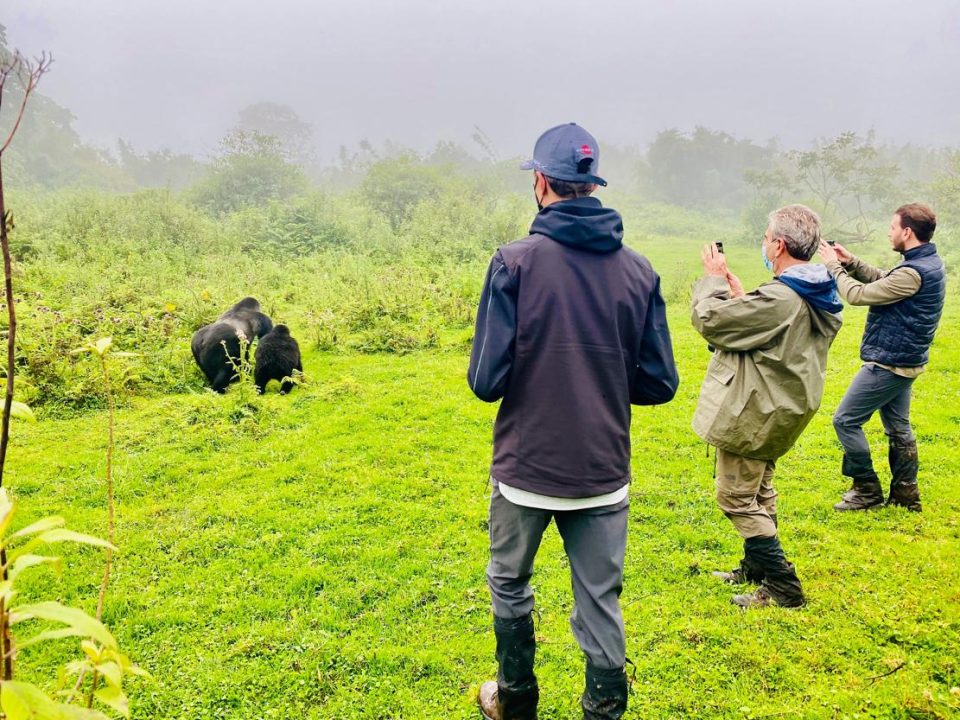
The forest becomes lush and green, creating beautiful scenery for nature lovers and photographers. The vegetation provides a fresh appearance, while mist around the Virunga Mountains creates dramatic landscapes.
Fewer travellers may also choose these months compared with the main dry season. As a result, some accommodation providers and safari operators may have more flexible availability.
Nevertheless, visitors should not automatically assume that every lodge offers discounted prices. They should compare actual quotations before making a booking.
Gorilla tracking continues during the rainy season. Travellers simply need appropriate clothing, good hiking boots and a willingness to walk through wet forest conditions.
4. The Short Rainy Season: October to November
October and November generally bring another period of increased rainfall to Rwanda. The short rainy season can affect trail conditions around Volcanoes National Park, although the intensity and timing of showers vary.
Visitors travelling during these months may experience muddy paths, wet vegetation and occasional heavy showers.
However, the short rainy season can be attractive to travellers who enjoy green landscapes and quieter travel periods.
Birdwatchers may also find this season interesting because changing vegetation and food availability support different birding opportunities.
Photography enthusiasts can enjoy the contrast between misty mountains, fresh vegetation and changing skies. Nevertheless, they should protect their cameras and other equipment from moisture.
Travellers should also consider the possibility of weather-related changes to their wider travel itinerary. Flexible arrangements can help when planning activities beyond gorilla tracking.
Best Time for Gorilla Tracking Based on Your Travel Priorities
Weather is important, but it should not be the only factor influencing your decision. Different travellers have different expectations, and the most suitable season depends on the experience they want.
5. Best Time for Easier Hiking Conditions
If comfortable hiking conditions are your priority, consider travelling during June to September or December to February.
The reduced rainfall during these periods generally produces firmer trails. This can make walking through the forest more manageable, particularly on steep sections.
However, gorilla tracking remains a physical activity. The length and difficulty of the trek depend on the location of the assigned gorilla family, the terrain and the day’s conditions.
Some visitors may reach the gorillas after a relatively short walk. Others may spend several hours navigating challenging forest trails.
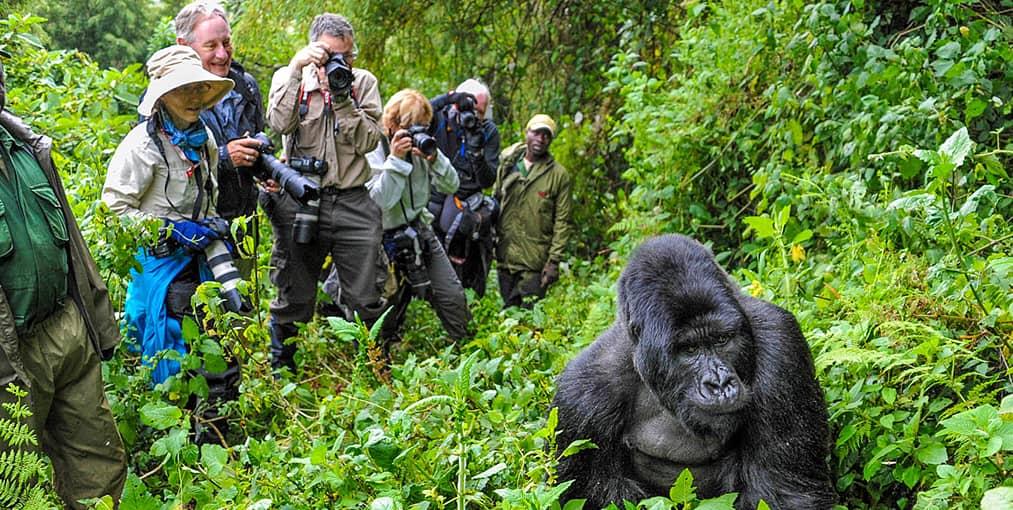
Even during the dry season, proper preparation remains essential. Wear sturdy hiking boots, carry enough drinking water and consider hiring a porter for additional assistance.
Safari O’clock recommends that travellers prepare according to their physical ability rather than relying entirely on seasonal weather forecasts.
6. Best Time for Photography
Photography enthusiasts can enjoy gorilla tracking throughout the year. However, each season offers different opportunities.
During the dry months, visitors may encounter relatively clearer weather and less muddy walking conditions. These conditions can make it easier to carry photography equipment through the forest.
The rainy season offers a different atmosphere. Fresh vegetation, misty mountain backgrounds and rich forest colours create beautiful natural settings.
Nevertheless, photography in the rainforest requires patience. Low light, dense vegetation and changing weather can make camera settings challenging.
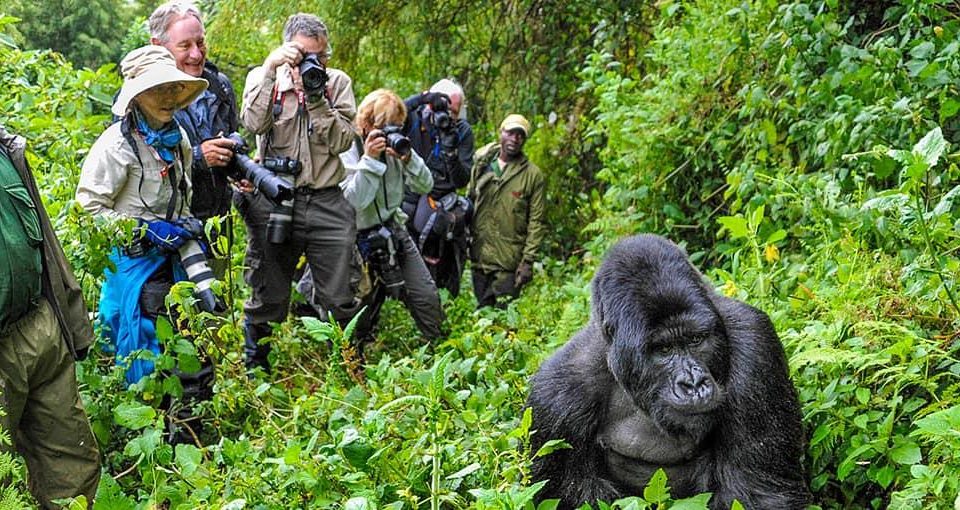
Visitors should also respect the park’s photography guidelines. Flash photography should not be used when observing mountain gorillas.
A waterproof camera bag or protective cover is useful during every season. It helps protect expensive equipment from unexpected rainfall.
7. Best Time for Fewer Crowds
Travellers who prefer quieter experiences may consider the wetter months, particularly March, April, May and November.
These periods generally attract fewer visitors than the main dry-season months. However, visitor numbers vary depending on international holidays, group bookings and other travel patterns.
A quieter period may also provide more flexibility when choosing accommodation or discussing safari arrangements.
However, fewer visitors do not mean that every trekking experience will be private. Gorilla tracking follows regulated group arrangements, and the park controls visitor access to protect the animals.
Travellers should therefore book through an authorised operator and confirm the availability of permits for their preferred dates.
8. Best Time for Budget-Conscious Travellers
Budget-conscious visitors may want to compare travel costs across different seasons.
The dry months are popular, so accommodation and some travel services may experience stronger demand. In contrast, wetter months may offer more competitive accommodation rates or special offers from selected operators.
However, there is no guarantee that every safari service becomes cheaper during the rainy season.
The gorilla permit is a major part of the overall safari budget. Visitors should check the current official Rwanda Development Board rates and any applicable promotional conditions before booking.
They should also compare the complete package cost, including accommodation, transportation, meals and optional activities.
Safari O’clock encourages travellers to focus on overall value rather than choosing dates based only on advertised discounts.
Important Factors to Consider Before Choosing Your Gorilla Tracking Dates
Selecting the right season is only one part of planning a successful safari. Other practical considerations can influence your experience and determine how smoothly your trip unfolds.
9. Gorilla Permit Availability
Permit availability should be one of your first considerations when selecting travel dates.
Rwanda regulates mountain gorilla tracking to protect the animals and manage visitor access. Each visitor needs an individual permit for the scheduled activity.
The number of visitors allowed to visit a habituated gorilla family each day is limited. Therefore, permits can become difficult to secure during popular travel periods.
This is especially important for visitors planning to travel in June, July, August and December.
If your dates are fixed, contact a reliable safari operator early to check availability before making non-refundable travel arrangements.
Safari O’clock can help travellers understand the booking process and plan their itineraries around available tracking dates.
10. Accommodation Availability and Prices
Accommodation is another important factor when choosing the best time for gorilla tracking in Rwanda.
Volcanoes National Park attracts visitors with different budgets and accommodation preferences. Options around Musanze and Kinigi range from simple guesthouses to comfortable hotels and luxury lodges.
During busy travel periods, popular properties may receive many reservations. Booking early gives travellers more opportunities to choose accommodation that matches their preferences.
The rainy season may provide greater flexibility at some properties. However, travellers should still confirm availability and compare actual prices.
When choosing accommodation, consider its distance from the park headquarters. Gorilla tracking begins with a morning briefing, so staying in a convenient location can make the day easier.
11. Your Physical Fitness and Trekking Ability
Your physical fitness should also influence your choice of travel dates.
Gorilla tracking takes place in mountainous forest terrain. Visitors may encounter steep slopes, uneven ground, thick vegetation and muddy paths.
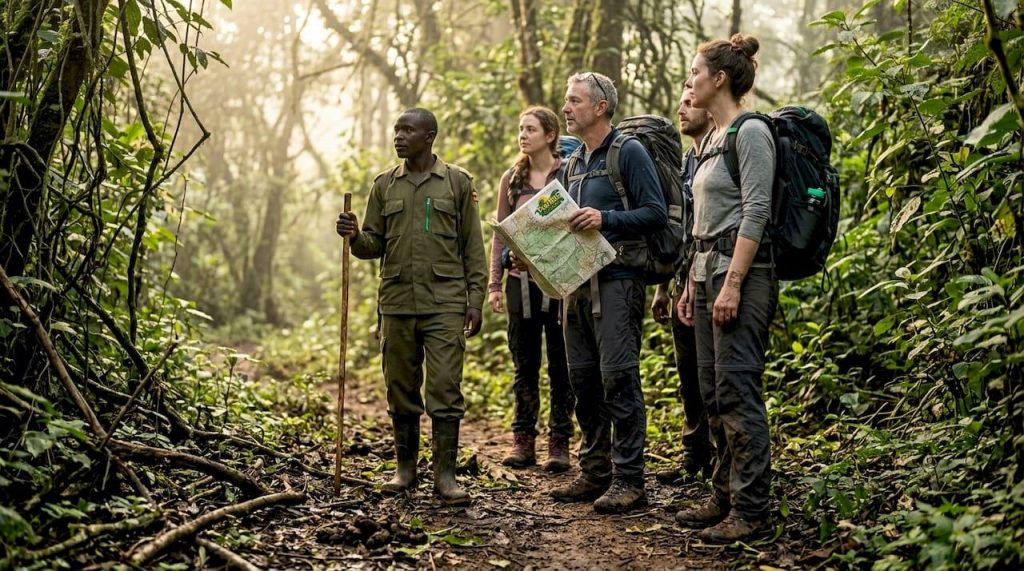
The difficulty of the trek varies because gorilla families move through their natural habitat. Rangers determine the tracking route based on the gorillas’ location and other conservation considerations.
Although the dry season generally offers easier trail conditions, it does not guarantee a short or simple trek.
Visitors should prepare by walking regularly before travelling. Building stamina and wearing comfortable hiking boots can make a significant difference.
If you have concerns about your mobility or physical ability, discuss them with your tour operator before booking. You can also ask about available assistance and porter services.
12. Weather Conditions and Appropriate Clothing
Weather preparation is essential because Volcanoes National Park experiences changing conditions throughout the year.
Even when you travel during the dry season, rain may occur. The higher altitude also creates cooler conditions than many visitors experience in Kigali.
Therefore, pack clothing that allows you to adapt to different temperatures and weather conditions.
A waterproof jacket, long-sleeved shirts, long trousers and sturdy hiking boots are useful throughout the year.
Gardening gloves can also protect your hands when moving through vegetation. In addition, carry drinking water, personal medication and a small snack for the trek.
Your tour operator can provide further guidance based on the planned itinerary and expected conditions.
13. International Holidays and Travel Seasons
International holidays can influence the number of visitors travelling to Rwanda.
Christmas, New Year, school holidays and the middle of the year are popular travel periods for many international tourists.
These dates may create stronger demand for flights, accommodation and safari services.
If you prefer travelling during a quieter period, consider dates outside major holiday seasons. However, check permit availability before confirming your arrangements.
Travellers should also consider their own work schedules, school calendars and available holiday time.
A suitable travel date should balance weather conditions, personal convenience and the availability of essential safari services.
14. Combining Gorilla Tracking with Other Rwanda Experiences
Some visitors want to experience more than mountain gorillas during their holiday.
They may wish to explore Kigali, visit cultural attractions, track golden monkeys or discover other national parks.
For example, travellers can combine gorilla tracking in Volcanoes National Park with wildlife viewing in Akagera National Park or primate experiences in Nyungwe National Park.
However, each destination has its own weather patterns and travel requirements.
The best time for gorilla tracking may not necessarily be the best time for every other activity on your itinerary.
Therefore, consider the full journey rather than selecting dates based on Volcanoes National Park alone.
Safari O’clock can help travellers organise a suitable itinerary that considers travel time, accommodation and the activities they want to experience.
Can You Track Gorillas in Rwanda Throughout the Year?
Yes. Mountain gorilla tracking takes place throughout the year in Volcanoes National Park.
The park’s mountain gorillas live in a natural forest habitat, and visitors can participate in regulated tracking activities during both dry and rainy seasons.
However, the experience can differ depending on the weather.
During wetter months, visitors may encounter muddy trails and heavier rainfall. During drier months, walking conditions are generally more manageable, although occasional showers remain possible.
Importantly, choosing a particular season does not guarantee a specific gorilla family, a shorter trek or better photographs. Gorilla movements depend on their natural behaviour, food availability and habitat conditions.
Rangers and trackers monitor gorilla families and guide visitors during the experience.
Travellers should also remember that mountain gorillas are wild animals. Their behaviour and movements cannot be controlled to meet visitor expectations.
The best approach is to choose a season that suits your preferences while remaining flexible about the actual trekking conditions.
Month-by-Month Guide to the Best Time for Gorilla Tracking
Understanding the seasonal pattern can help travellers narrow down their preferred travel dates.
January and February generally fall within Rwanda’s short dry season. These months offer favourable opportunities for gorilla tracking, with relatively manageable trail conditions.
March marks the beginning of the long rainy season. Rainfall increases, and visitors should prepare for wet forest trails.
April is often one of the wettest months. Although gorilla tracking continues, muddy conditions may make hiking more demanding.
May usually brings a gradual transition towards the drier months. Conditions can still be wet, especially earlier in the month.
June generally marks the beginning of the long dry season. It is a popular month for gorilla tracking and other outdoor activities.
July and August are among the busiest months for Rwanda’s gorilla safaris. Visitors should book permits and accommodation well in advance.
September generally remains favourable for gorilla tracking, although rainfall can begin to increase towards the end of the month.
October marks the beginning of another wetter period. Travellers may experience showers, mist and muddy trails.
November generally remains part of the short rainy season. It can appeal to visitors who prefer greener landscapes and potentially quieter travel periods.
December brings a transition towards the short dry season. Early December may still experience rain, while conditions often become drier later in the month.
These are general seasonal patterns rather than fixed weather guarantees. Rwanda’s highlands can experience local variations, so visitors should check current forecasts before departure.
Why Plan Your Gorilla Tracking Safari with Safari O’clock?
Choosing the right travel dates is easier when you understand how the different arrangements fit together.
Safari O’clock helps travellers explore Rwanda gorilla tracking options according to their preferred dates, budgets and travel expectations.
Whether you prefer the drier months or want to experience the green forest during the rainy season, careful planning can help you prepare for the journey.
Our team can help you consider permit availability, accommodation options, transportation and additional experiences around Volcanoes National Park.
Travellers who want to explore more of Rwanda can also discuss longer safari itineraries that combine gorilla tracking with cultural experiences and other wildlife destinations.
Most importantly, we encourage visitors to understand the conditions of their chosen travel period before confirming their bookings.
A well-planned safari should consider more than the weather. It should also provide suitable accommodation, reliable transportation and enough time to enjoy the destination.
Final Thoughts on the Best Time for Gorilla Tracking in Rwanda
The best time for gorilla tracking in Rwanda generally falls within the two dry seasons: June to September and December to February. These periods often provide firmer trails and more comfortable hiking conditions.
However, the rainy months also have their advantages. They offer lush scenery, opportunities for beautiful photography and potentially quieter travel periods.
Gorilla tracking remains available throughout the year, so travellers do not need to limit their plans to the dry season alone.
Before choosing your dates, consider permit availability, accommodation prices, physical fitness, weather conditions and the other activities you want to enjoy.
Most importantly, prepare for changing weather because rain can occur even during the drier months.
With the right information and careful arrangements, your visit to Volcanoes National Park can become a memorable wildlife experience.
If you are planning a mountain gorilla tracking adventure in Rwanda, Safari O’clock is ready to help you explore suitable travel dates and organise an experience that matches your expectations.