- DIRECT CONTACTS:
- +256394517569
- tours@safarioclock.africa

Rwanda Gorilla Tracking in January: Planning Notes for Visitors

Best Time of the Year for Gorilla Tracking in Rwanda: What to Consider
November 23, 2026
How to Prepare for Gorilla Tracking in February: A Complete Rwanda Visitor Guide
November 23, 2026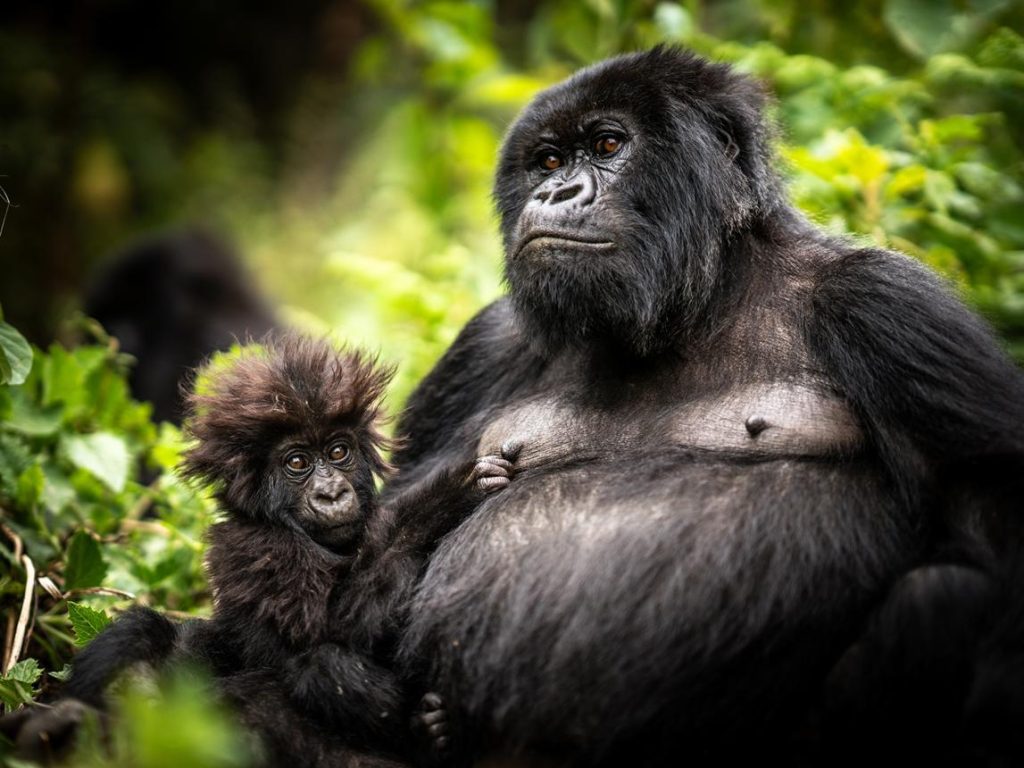
January is an excellent month to consider a mountain gorilla tracking adventure in Rwanda. It falls within the country’s short dry season, when rainfall generally decreases compared with the wetter months. As a result, visitors can enjoy relatively favourable conditions for exploring the forest and encountering endangered mountain gorillas in their natural habitat.
Rwanda offers one of Africa’s most remarkable wildlife experiences through gorilla tracking in Volcanoes National Park. Located in the northwestern part of the country, this protected area forms part of the Virunga Mountains, a chain of volcanic mountains shared by Rwanda, Uganda and the Democratic Republic of Congo.
Although visitors can track gorillas throughout the year, January has several advantages. The weather is often suitable for outdoor activities, the forest remains beautifully green and travellers can combine their visit with other experiences around Rwanda.
However, a successful January safari requires proper preparation. Visitors need to consider permit availability, accommodation, transportation, weather conditions and the physical demands of trekking.
At Safari O’clock, we believe that understanding these details helps travellers enjoy a more comfortable and organised experience. This guide explains what to expect when planning Rwanda gorilla tracking in January and provides practical notes to help you prepare for your visit.
Why Choose Gorilla Tracking in January?
January is part of Rwanda’s short dry season, which generally extends from December to February. During this period, rainfall tends to decrease, creating relatively favourable conditions for outdoor activities around Volcanoes National Park.
One major advantage is the possibility of encountering less muddy trails compared with the wetter months. This can make walking through the forest more manageable, particularly along steep sections.
January also provides an opportunity to explore Rwanda after the busy December holiday period. Depending on the dates, accommodation providers and safari operators may have different levels of availability.
Another advantage is the natural beauty of the park. The forest remains green because rainfall still occurs throughout the year. Visitors can therefore enjoy beautiful mountain scenery, thick vegetation and the unique atmosphere of the Virunga landscape.
However, January does not guarantee completely dry weather. Volcanoes National Park receives rainfall throughout the year, and mist can cover the mountains even when conditions appear clear elsewhere.
For this reason, visitors should prepare for changing weather rather than assume that every day will be sunny.
What Is the Weather Like for Gorilla Tracking in January?
Weather is one of the most important considerations when planning a January gorilla tracking safari.
Rwanda generally experiences two dry seasons and two rainy seasons. January falls within the shorter dry period, which usually offers a reduction in rainfall compared with October, November and the long rainy season.
However, the climate around Volcanoes National Park differs from that of Kigali and other lower-altitude destinations.
1. January Temperatures Around Volcanoes National Park
Volcanoes National Park sits at a high altitude, so temperatures are generally cooler than those experienced in Kigali.
The park headquarters area, around 2,400 metres above sea level, can experience cool conditions throughout the year. Temperatures may become colder as visitors climb higher along the mountain slopes.
Early mornings can feel particularly chilly. Therefore, travellers should carry warm clothing for the journey to the park and the morning briefing.
During the trek, temperatures may change depending on the altitude, vegetation cover and weather conditions.
A light fleece or warm jacket is useful before the hike. Visitors can then adjust their clothing as they become more active.
2. Rainfall and Forest Conditions in January
Although January is generally a drier month, rain can still occur in Volcanoes National Park.
The region has a mountain rainforest environment, which creates changing weather conditions. A clear morning can quickly become misty or rainy.
However, reduced rainfall often means that some trails are less muddy than during the main rainy periods.
This can improve walking comfort, although the terrain remains naturally uneven and sometimes slippery.
Visitors should still carry waterproof clothing and wear hiking boots with good grip.
Safari O’clock recommends checking weather forecasts shortly before departure while remembering that mountain weather can change quickly.
3. Mist, Visibility and Mountain Scenery
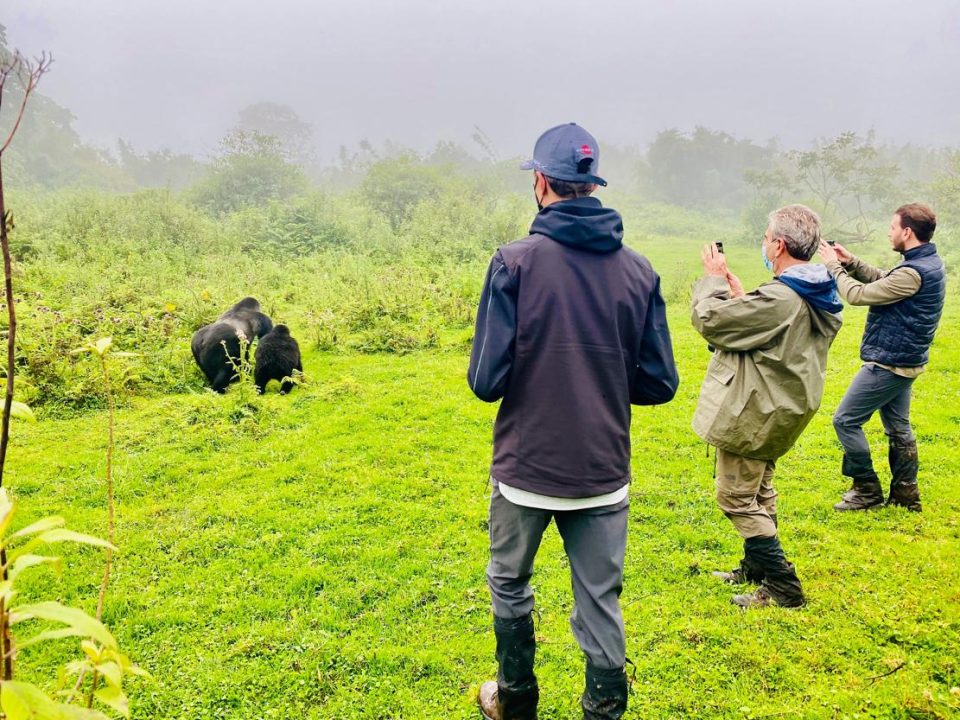
January visitors may encounter beautiful misty landscapes around the Virunga Mountains.
Clouds sometimes cover the volcanic peaks, creating a dramatic atmosphere around the forest.
These conditions can make the journey especially interesting for nature lovers and photographers. However, mist may also affect visibility along certain sections of the mountain.
Visitors should follow their guides’ instructions and remain together during the trek.
The changing scenery is part of the natural experience. Rather than expecting clear skies throughout the day, travellers should appreciate the different conditions they may encounter.
Is January a Good Month for Seeing Mountain Gorillas?
Yes. January is a suitable month for mountain gorilla tracking in Rwanda.
Gorillas live in Volcanoes National Park throughout the year, and the tracking activity continues during both dry and rainy seasons.
Their movements depend on natural factors such as food availability, habitat conditions and daily behaviour. Therefore, the season does not guarantee that a particular gorilla family will be closer to the park entrance.
Rangers and trackers monitor the gorilla families and guide visitors during the experience.
January’s relatively favourable weather can make the forest walk more comfortable. Nevertheless, the actual trek may take a short time or several hours, depending on where the assigned gorilla family is located.
Visitors should prepare for a genuine mountain forest hike rather than expect a predictable walking distance.
4. Understanding the Gorilla Tracking Experience
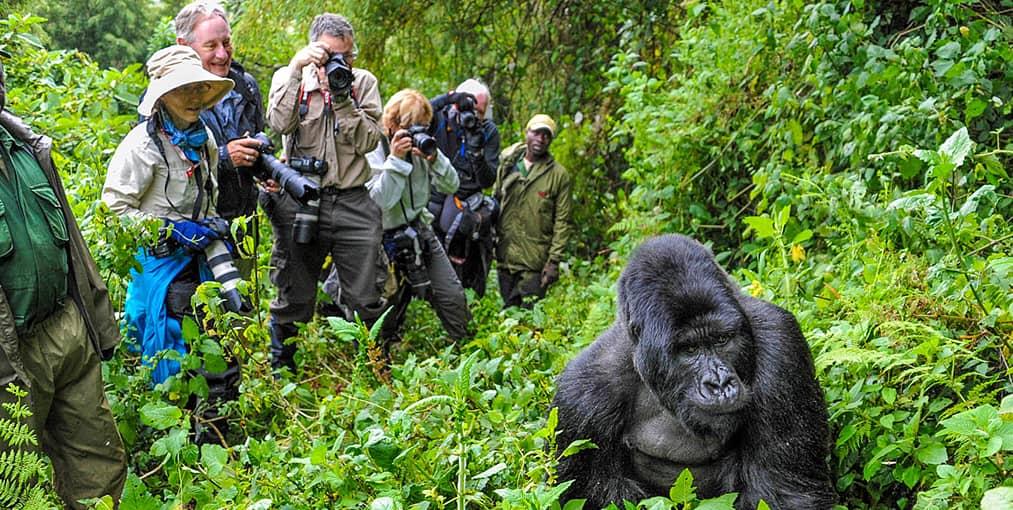
The day normally begins early in the morning, when visitors travel to the park headquarters at Kinigi for registration and briefing.
The park officials explain the tracking rules and assign visitors to available gorilla families according to the park’s arrangements.
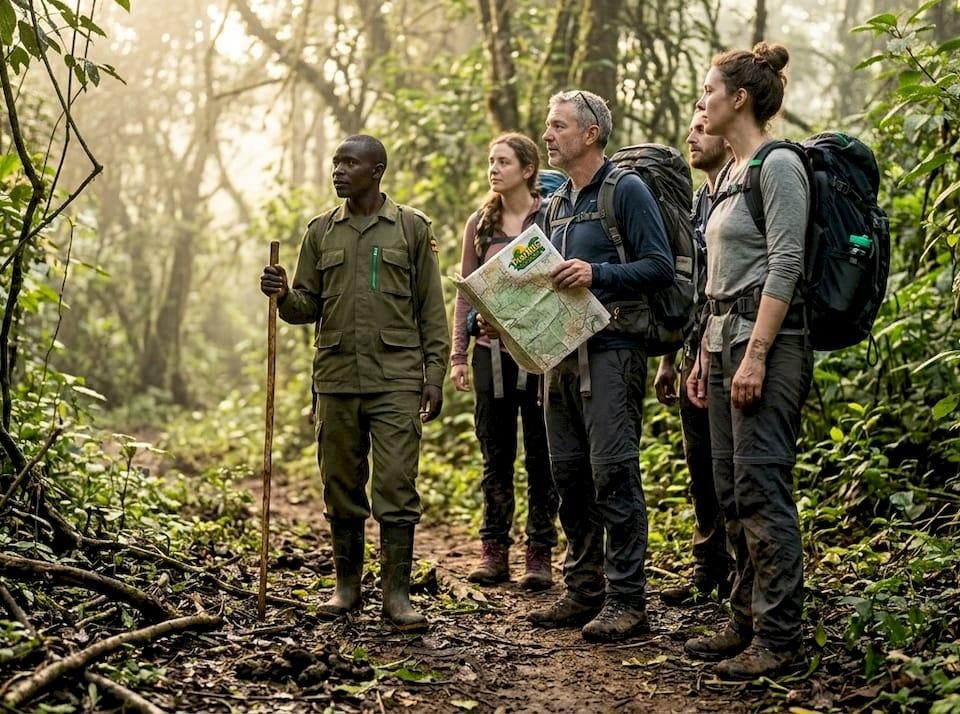
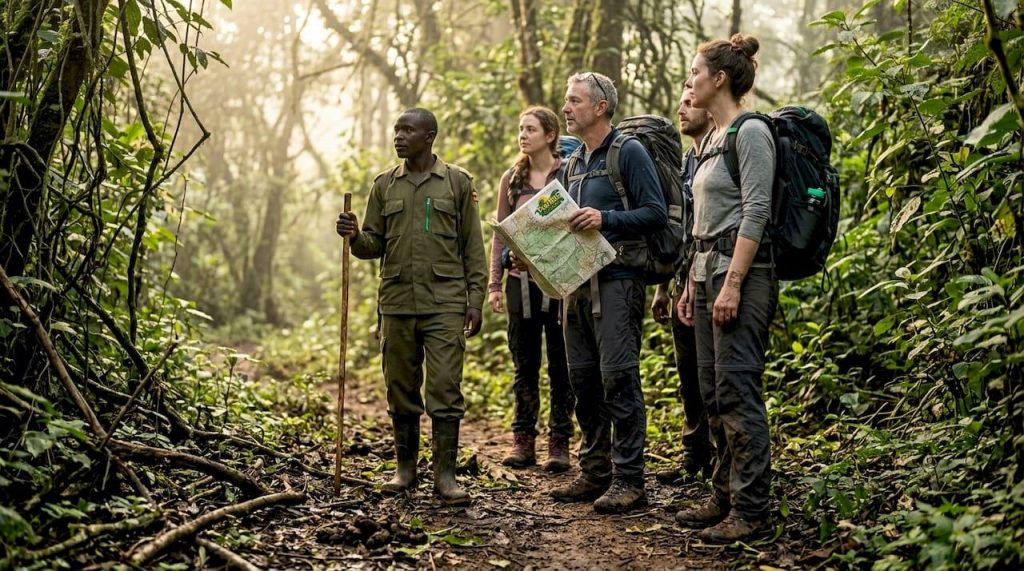
After the briefing, visitors travel towards the starting point of their trek. They then enter the forest with experienced park guides and trackers.
The walking route depends on the gorillas’ location. Some groups may require a shorter walk, while others may involve longer hikes through steep and challenging terrain.
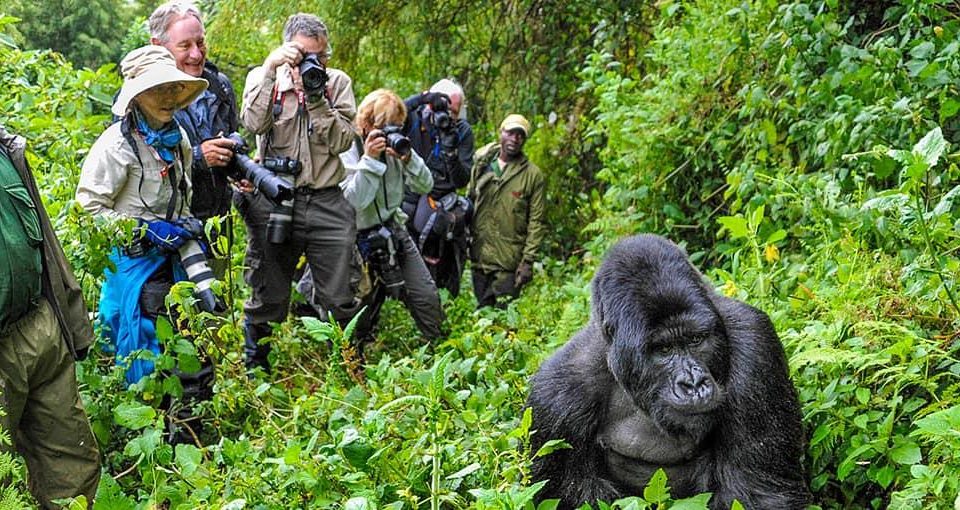
Once visitors find the gorillas, the official viewing period is limited to one hour under the standard tracking rules.
This hour provides an opportunity to observe their behaviour, take photographs without flash and appreciate their natural environment.
The experience is carefully regulated to protect both visitors and the endangered animals.
How to Book a Gorilla Permit for January
Securing a gorilla tracking permit should be one of your first planning steps.
Rwanda regulates access to mountain gorillas to support conservation and control visitor numbers. Each visitor needs an individual permit for the scheduled tracking date.
The Rwanda Development Board manages the official gorilla permit arrangements through its tourism reservation system.
5. Book Your January Gorilla Permit Early
January can attract travellers who want to enjoy Rwanda during the short dry season. Therefore, it is advisable to check permit availability as early as possible.
Booking early gives you more opportunities to select suitable travel dates and organise the rest of your itinerary.
This is especially important if you plan to travel with a group or have fixed international flight dates.
Do not assume that a permit will automatically be available when you arrive in Rwanda.
The official booking system operates on a first-come, first-served basis. It also requires visitors to provide accurate personal and travel information.
Travellers should ensure that their passport details and other required documents match the information supplied during the application.
Safari O’clock can help visitors understand the permit booking process and coordinate their safari arrangements around their preferred dates.
6. Understand the Permit Requirements
Before booking, travellers should understand the official tracking requirements.
According to the Rwanda Development Board’s current booking information, the minimum age for mountain gorilla tracking is 15 years.
Visitors should also arrive at the park’s visitor information and registration centre by approximately 7:00 am for the scheduled briefing.
The permit covers access to the regulated tracking activity, but visitors must still follow all park instructions.
For example, they should maintain the required distance from gorillas, keep their voices low and avoid sudden movements.
Visitors who have contagious illnesses such as flu or a cold should not visit the gorillas. This helps reduce the risk of transmitting human diseases to the animals.
Always check the latest official requirements before travelling because park guidelines and booking conditions can change.
Where to Stay During a January Gorilla Tracking Safari
Accommodation is another important part of planning a successful January trip.
Most visitors choose accommodation around Musanze, Kinigi or the surrounding areas near Volcanoes National Park.
Staying within convenient driving distance of the park headquarters makes the early morning departure easier.
7. Choosing Accommodation Near Volcanoes National Park
Rwanda offers different accommodation categories for gorilla tracking visitors.
Budget travellers can consider comfortable guesthouses and affordable hotels. Mid-range visitors may prefer lodges with additional facilities and more spacious rooms.
Luxury travellers can explore high-end properties that offer premium services, beautiful views and personalised hospitality.
January is a useful time to compare accommodation options because it falls outside the main June-to-September dry-season travel peak. However, availability and prices still depend on holiday demand and individual properties.
Travellers should confirm their room reservations before making other non-refundable arrangements.
Safari O’clock encourages visitors to consider the lodge’s location, meal arrangements and transport distance when selecting accommodation.
8. How Many Nights Should You Spend Near the Park?
The number of nights depends on your travel schedule and the type of experience you want.
A short two-day safari may include one overnight stay near Volcanoes National Park. This can work for visitors who arrive in Kigali early enough to travel to Musanze on the first day.
However, international travellers may prefer a longer arrangement.
A three-day itinerary can provide two nights of accommodation, allowing more time for transfers and additional activities.
Travellers arriving late in Kigali should consider spending the first night near the airport before continuing to Musanze.
This helps reduce the pressure of travelling long distances immediately before an early morning trek.
When planning with Safari O’clock, communicate your flight arrival and departure times so that the itinerary allows sufficient travel time.
What Should You Pack for Gorilla Tracking in January?
Packing correctly is essential because the weather around Volcanoes National Park can change quickly.
Although January generally experiences less rainfall than the main wet seasons, visitors should still prepare for rain and cool temperatures.
9. Waterproof Clothing and Hiking Boots
A waterproof jacket is one of the most useful items to pack.
It protects you from unexpected rain and helps maintain comfort while walking through the forest.
Sturdy hiking boots are equally important. Choose footwear with good grip and ankle support because some sections of the trail may be muddy, steep or uneven.
Long trousers and long-sleeved shirts can protect your skin from vegetation and insects.
Gardening gloves are also useful when navigating sections with thick plants or holding onto vegetation for balance.
Avoid wearing open shoes or clothing that makes movement difficult.
10. A Daypack, Water and Snacks
A small daypack helps you carry your essential belongings during the trek.
Include drinking water, a camera, personal medication, tissues and a few other useful items.
The Rwanda Development Board recommends carrying a water bottle and a small snack. However, visitors must not eat, drink or smoke near the gorillas.
Keep all personal items secure and avoid leaving litter in the forest.
A waterproof bag or rain cover can also protect your belongings from unexpected showers.
11. Camera and Photography Equipment
January can offer beautiful photography opportunities around Volcanoes National Park.
The green forest, mountain scenery and mist create attractive natural backgrounds.
However, forest conditions can involve low light and dense vegetation. Visitors should prepare their cameras accordingly.
Carry extra batteries and consider using a protective camera bag.
Flash photography is not permitted when observing the gorillas. Therefore, visitors should adjust their camera settings to suit the available natural light.
It is also important to respect the one-hour viewing period and follow the instructions of the park guides.
The experience should focus on observing the gorillas rather than spending the entire time trying to capture photographs.
How Physically Demanding Is Gorilla Tracking in January?
Gorilla tracking requires a reasonable level of physical preparation.
Although January often offers relatively favourable walking conditions, the activity takes place in mountainous terrain.
Visitors may encounter steep slopes, muddy sections, thick vegetation and uneven paths.
The length of the trek depends on the gorilla family’s location and the route selected by the tracking team.
Some visitors reach their assigned family relatively quickly. Others may spend several hours walking through the forest.
12. Prepare Your Body Before Travelling
Regular walking is a useful way to prepare for the experience.
Travellers can practise walking on different surfaces and gradually increase their walking distance.
Gentle uphill walking can also help improve stamina before the safari.
Visitors should choose comfortable hiking boots and wear them before the trip. This reduces the risk of discomfort caused by unfamiliar footwear.
During the trek, walk at a comfortable pace and follow the guide’s instructions.
Do not rush simply because other visitors appear to be moving faster.
13. Consider Hiring a Local Porter
Porters are available at Volcanoes National Park for a charge.
They can help carry backpacks and provide assistance along difficult sections of the trail.
This service is useful for visitors who want to reduce the weight they carry during the trek.
Porters also benefit local communities by creating employment opportunities around the park.
Travellers should ask whether porter fees are included in their safari quotation or whether they need to pay separately.
Safari O’clock encourages visitors to consider this service when planning their trekking budget.
Other Activities to Combine with Gorilla Tracking in January
A January visit can also provide an opportunity to explore other attractions in Rwanda.
Travellers who have extra days can extend their itinerary beyond Volcanoes National Park.
14. Golden Monkey Tracking
Golden monkey tracking is another popular activity in Volcanoes National Park.
These colourful primates live in the bamboo forests around the Virunga Mountains.
Their energetic movements and distinctive golden-orange fur make them interesting subjects for wildlife observation and photography.
Golden monkey tracking is a separate activity from mountain gorilla tracking. It requires its own permit and additional arrangements.
Visitors interested in both experiences should plan enough time for each activity.
Combining the two can create a rewarding primate safari.
15. Explore Kigali City
Travellers can also spend time exploring Rwanda’s capital before or after their gorilla tracking adventure.
Kigali offers cultural, historical and modern attractions.
Visitors may explore local markets, cultural centres and important historical sites.
The Kigali Genocide Memorial is one of the country’s significant historical attractions. A visit provides an opportunity to learn about Rwanda’s history and the 1994 Genocide against the Tutsi.
Travellers should approach this experience with respect and allow enough time to understand its historical significance.
16. Discover Rwanda’s Other National Parks
Visitors with longer itineraries can consider exploring other national parks.
Akagera National Park offers opportunities for traditional wildlife safaris, including game drives and boat experiences.
Nyungwe National Park is known for its rainforest environment, chimpanzees and canopy walk experience.
These destinations offer different landscapes and wildlife experiences from Volcanoes National Park.
However, adding them requires additional travel time, accommodation and park arrangements.
Safari O’clock can help visitors plan a longer Rwanda safari that combines several destinations without making the journey unnecessarily rushed.
January Gorilla Tracking Costs: What Should Visitors Budget For?
The total cost of a January gorilla tracking safari depends on several factors.
The gorilla permit is one of the main expenses. Rwanda’s official permit rates depend on the visitor’s eligibility category and any applicable promotional arrangements.
Travellers should always check the current rate through the Rwanda Development Board before making payment.
In addition to the permit, visitors should budget for accommodation, meals, ground transportation and guiding arrangements.
International flights and visa fees may also require separate payment.
Personal expenses can include porter fees, tips, travel insurance and optional activities.
January does not automatically guarantee cheaper safari prices. Accommodation and transport costs vary according to demand, property standards and the services included.
When comparing quotations, look at the complete package rather than the advertised price alone.
A slightly higher quotation may offer better value if it already includes important services.
Safari O’clock encourages visitors to request a clear itinerary showing all inclusions and exclusions before confirming their booking.
Practical Travel Tips for Rwanda Gorilla Tracking in January
Good preparation makes the journey easier and helps visitors avoid unnecessary challenges.
First, book your gorilla permit before finalising other non-refundable arrangements. This helps ensure that your preferred tracking date is available.
Second, arrive in Rwanda with enough time to reach your accommodation before the trek. Avoid scheduling an international flight that lands shortly before the morning briefing.
Third, pack warm and waterproof clothing. January may be relatively dry, but the mountain rainforest can still experience rain and mist.
Fourth, carry enough drinking water and wear suitable hiking footwear. These simple preparations can improve your comfort during the trek.
Additionally, keep your passport and booking documents accessible. Confirm the pickup arrangements with your tour operator before travelling.
Finally, follow the park’s conservation rules. Maintain the required distance from the gorillas, avoid flash photography and never visit when you have a contagious illness.
These guidelines protect the animals and help preserve the experience for future visitors.
Why Plan Your January Gorilla Safari with Safari O’clock?
Planning a gorilla tracking safari involves more than choosing a travel date. Visitors must coordinate permits, accommodation, transportation and other important arrangements.
Safari O’clock helps travellers explore suitable Rwanda gorilla safari options according to their preferred dates, budgets and expectations.
Whether you are planning a short January getaway or a longer wildlife holiday, our goal is to make the planning process clearer and more convenient.
Travellers can discuss their preferred accommodation category, number of nights, transport arrangements and additional activities before confirming their itinerary.
We also encourage visitors to understand the weather conditions and physical requirements of the trek.
With proper preparation, January can provide a rewarding opportunity to discover the mountain gorillas of Volcanoes National Park.
Final Thoughts on Rwanda Gorilla Tracking in January
January is a good month to plan a mountain gorilla tracking safari in Rwanda. Its position within the short dry season generally offers favourable conditions for outdoor activities and forest exploration.
Visitors can enjoy relatively manageable trails, beautiful green landscapes and the opportunity to encounter mountain gorillas in their natural habitat.
However, the weather remains unpredictable in the high-altitude forest. Rain, mist and cool temperatures can occur even during the drier months.
Therefore, travellers should prepare appropriate clothing, secure their permits early and choose accommodation that supports their itinerary.
They should also consider their physical fitness, transport arrangements and the additional costs of the journey.
Most importantly, remember that gorilla tracking is a conservation-based wildlife experience. Respecting the park’s rules helps protect these endangered animals and their habitat.
If January is your preferred travel month, Safari O’clock can help you explore suitable dates and organise your Rwanda gorilla tracking adventure.
Start planning early, prepare well and get ready for an unforgettable encounter with the magnificent mountain gorillas of Rwanda.