- DIRECT CONTACTS:
- +256394517569
- tours@safarioclock.africa

Rwanda Gorilla Tracking in May: Weather and Packing Considerations

What Travellers Should Consider When Tracking Gorillas in April in Rwanda
November 23, 2026
Why June Is Popular for Rwanda Gorilla Tracking
November 23, 2026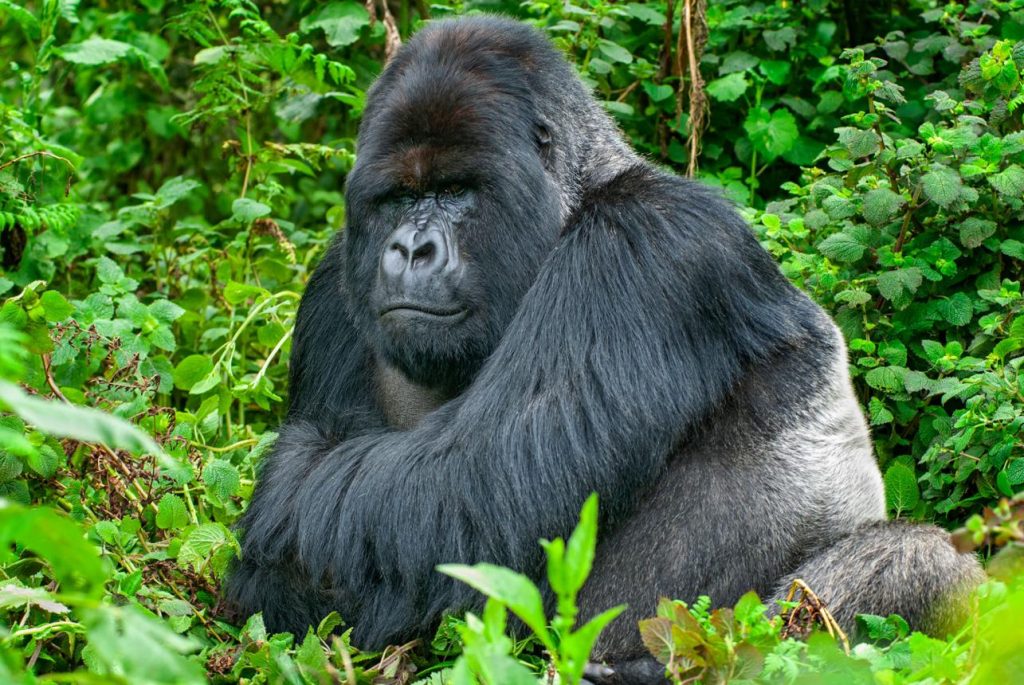
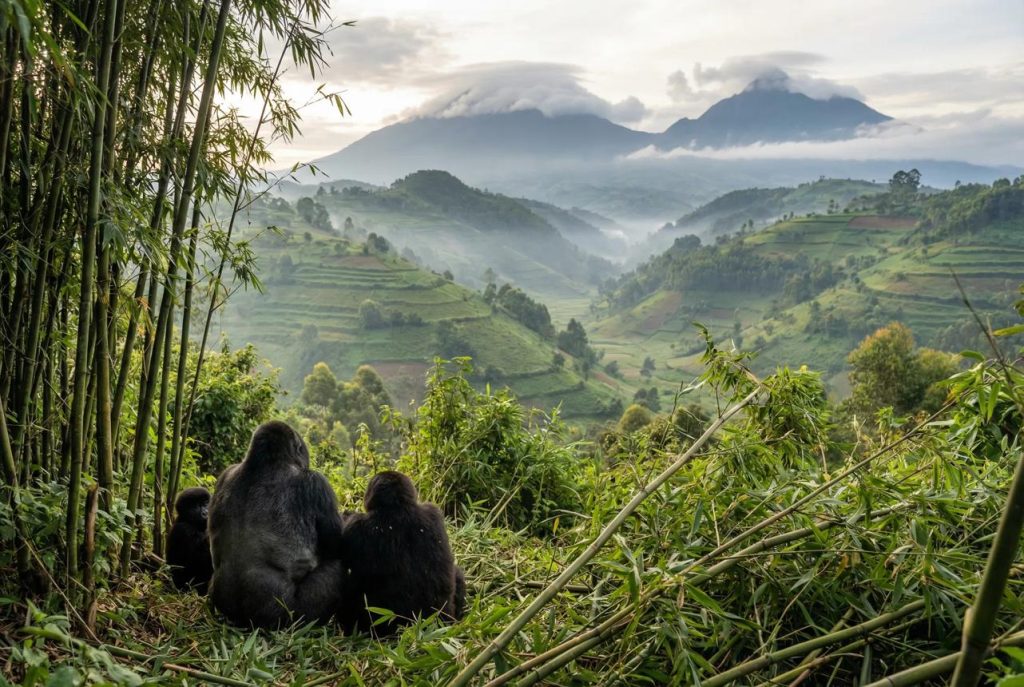
Rwanda is one of Africa’s most remarkable destinations for mountain gorilla tracking. Every year, visitors travel to Volcanoes National Park to encounter mountain gorillas in their natural habitat. However, choosing the right travel period and packing suitable clothing can make a major difference to the experience.
May is an interesting month for gorilla tracking in Rwanda. It falls towards the end of the long rainy season, which generally runs from March to May. Although rainfall may begin to reduce as the month progresses, the weather can remain unpredictable. Visitors may experience sunshine, passing showers, cool temperatures and muddy forest trails during the same trip.
This does not mean that gorilla tracking stops in May. The activity takes place throughout the year, subject to park operations and permit availability. Instead, travellers need to prepare for the conditions they may encounter. With the right clothing, suitable footwear and a well-planned itinerary, May can offer a rewarding wildlife experience.
Safari O’clock helps travellers understand these seasonal conditions before departure. From securing gorilla tracking permits to arranging accommodation and transport, proper preparation allows visitors to enjoy their journey with greater confidence.
Understanding the Weather for Gorilla Tracking in May
May falls within Rwanda’s long rainy season, although conditions often begin changing towards the middle and end of the month. The northern region, where Volcanoes National Park is located, receives considerable rainfall because of its mountainous terrain and forest environment.
During the first part of May, visitors should prepare for occasional heavy showers. Rain may also continue after the middle of the month, even when sunny periods become more frequent. Therefore, travellers should avoid planning their trip on the assumption that May is completely dry.
The weather around Volcanoes National Park can change quickly. A morning may begin with cloudy skies, followed by sunshine and later rainfall. In addition, the park’s high altitude creates cool and sometimes damp conditions. Visitors should carry warm clothing even when travelling from warmer parts of Rwanda.
Temperatures also depend on altitude and the exact location. Musanze town and the higher forest slopes do not necessarily experience identical conditions. Consequently, checking a general Kigali weather forecast is not enough when preparing for a gorilla trek.
Safari O’clock recommends that visitors pack for both wet and cool conditions. This approach is useful throughout May, particularly for travellers who plan to spend several hours walking through the forest.
Is May a Good Month for Gorilla Tracking in Rwanda?
May can be a suitable month for gorilla tracking, especially for travellers who are comfortable with changing weather. However, visitors should understand the advantages and challenges before choosing their dates.
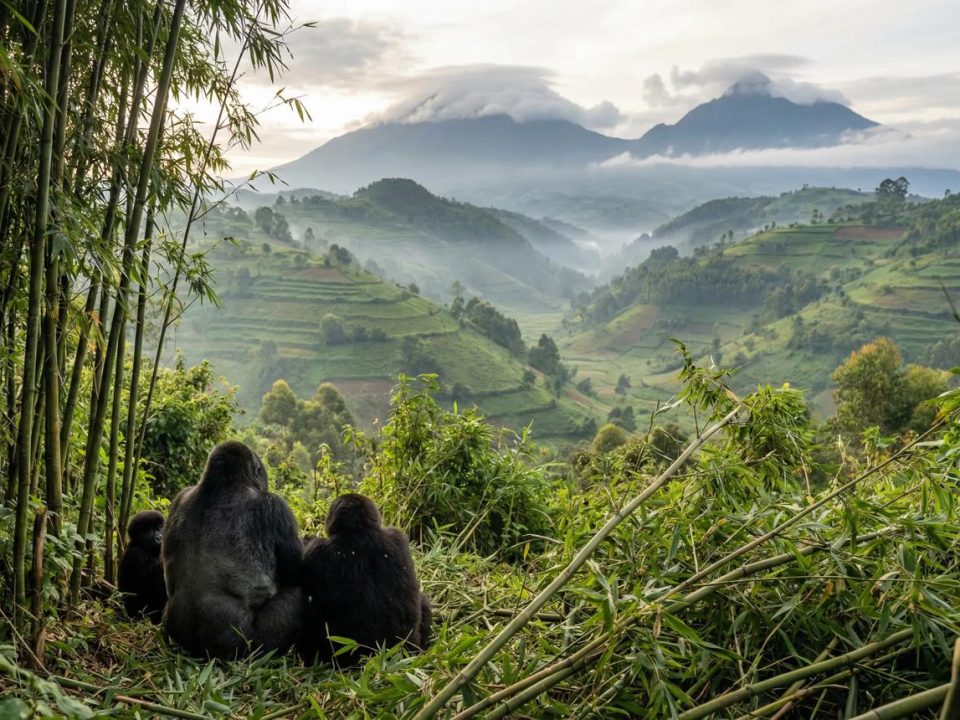
One advantage is the beautiful green scenery. Rainfall supports lush vegetation across the volcanic landscape. The forest, bamboo vegetation and surrounding hills can look especially vibrant during this period. For photographers, these conditions create attractive natural backgrounds.
Another benefit is that May may offer a quieter travel experience than the busiest dry-season months. However, visitor numbers and accommodation prices vary between properties and dates. Travellers should compare actual offers rather than assume that every May safari will be cheaper.
There are also challenges to consider. Rain can make steep sections of the forest slippery. Some paths may become muddy, and wet vegetation can make movement less comfortable. Furthermore, the time spent walking depends on where the assigned gorilla family is located. Some groups may be reached relatively quickly, while others require a longer hike.
It is important to remember that gorilla tracking remains a wildlife activity. Rangers and trackers locate the gorilla families and guide visitors through the forest. However, nobody can guarantee the exact walking distance or weather conditions in advance.
For travellers who prefer drier trails, June to September generally offers more favourable conditions. Nevertheless, those travelling in May can still enjoy an unforgettable encounter when they prepare appropriately.
What to Expect During Gorilla Tracking in May
A gorilla tracking experience begins early in the morning. Visitors normally report to the park’s visitor information and registration centre in Kinigi for registration and briefing. The Rwanda Development Board’s official booking portal currently gives 7:00 a.m. as the reporting time.
During the briefing, park staff explain the tracking rules and assign visitors to gorilla groups. Guides and trackers then lead the groups into the forest.
The actual hike can vary considerably. Some visitors may walk for a shorter period, while others may spend several hours navigating forest paths and steep slopes. The location of the gorilla family, terrain and weather all influence the experience.
In May, visitors should expect damp ground in some areas. Wet leaves, muddy sections and slippery slopes may require extra care. Therefore, suitable hiking boots are more important than fashionable travel shoes.
Once visitors reach the gorilla family, the viewing experience follows strict conservation guidelines. The official Rwanda Development Board guidance currently limits the viewing period to one hour and allows a maximum of eight visitors per group.
Visitors must also maintain the required distance from the gorillas. The current RDB guidance specifies seven metres. People with a cold, flu or other contagious illness may be denied access because human diseases can threaten gorilla health.
These rules protect both visitors and the gorillas. Safari O’clock encourages travellers to listen carefully to their guides and follow every instruction during the encounter.
Essential Clothing for Gorilla Tracking in May
Choosing the right clothing is one of the most important parts of preparing for a May gorilla trek. Visitors need outfits that provide comfort, protection and flexibility in changing weather.
Long trousers are particularly useful because forest vegetation can include stinging nettles and thorny plants. They also protect the legs from scratches when moving through dense vegetation. Choose comfortable trekking trousers that allow easy movement.
Long-sleeved shirts provide additional protection for the arms. Lightweight, breathable materials work well because walking can become physically demanding. However, visitors should avoid wearing very thin clothing that offers little protection against vegetation.
A waterproof jacket or raincoat is another essential item. It helps protect the upper body when showers begin during the trek. A lightweight design is useful because visitors may need to remove or wear it as conditions change.
A warm fleece, sweater or light jacket is also worth packing. The forest environment can feel cold, particularly during early mornings and after rainfall. Even travellers who enjoy warm weather should prepare for cooler conditions around the mountains.
For the best experience, choose clothing that dries reasonably quickly. Cotton garments may become uncomfortable when they remain wet for long periods. Moisture-managing fabrics can help keep the body more comfortable during the hike.
Safari O’clock advises visitors to prioritise practical clothing over appearance. A comfortable outfit allows travellers to concentrate on the forest, scenery and wildlife rather than worrying about wet or uncomfortable clothes.
The Best Footwear for Gorilla Tracking in May
Footwear deserves special attention when planning gorilla tracking in May. Rain can leave forest paths muddy, while steep sections may become slippery. Ordinary trainers and open shoes may not provide enough grip or protection.
Well-fitting hiking boots are usually the best option. Look for boots with strong soles, good ankle support and reliable grip. Waterproof or water-resistant designs can also help keep feet dry when crossing wet sections.
However, waterproof boots should still fit comfortably. Tight footwear can cause blisters, especially during longer walks. Travellers should wear their boots before the trip rather than introducing brand-new footwear on tracking day.
Long socks can help protect the legs from insects and vegetation. Some visitors also prefer gaiters because they help prevent mud, water and small debris from entering their boots.
Gardening gloves are another useful addition. Visitors may sometimes need to hold vegetation for balance while moving through the forest. Gloves can protect the hands from scratches and irritating plants. Choose a pair that provides a good grip.
Walking sticks may also help on uneven ground. Park staff can provide guidance on their use, and visitors should follow the instructions of their guides when navigating difficult sections.
A Practical Packing List for Gorilla Tracking in May
Packing carefully helps visitors avoid carrying unnecessary items into the forest. The aim is to bring essential supplies while keeping the daypack light enough for comfortable movement.
Start with your hiking boots, long trousers, long-sleeved shirt and waterproof jacket. Add a warm layer for the early morning and a spare pair of socks in case your feet become wet. You may also carry a lightweight change of clothing for after the trek.
A waterproof daypack or rain cover is useful for protecting personal belongings. Rain can damage electronic equipment, documents and other items if they remain exposed. Consider placing important items inside separate waterproof bags.
Carry enough drinking water for the hike. The duration of tracking varies, so visitors should bring a suitable supply and follow their guide’s advice. A small snack can also provide energy during the walk. However, visitors must never eat or drink near the gorillas.
A camera or smartphone can help capture memories of the experience. Bring sufficient battery power and storage space. A waterproof cover or dry bag can protect your equipment from rain. Remember that flash photography is not allowed.
Other useful items include sunscreen, insect repellent, sunglasses and a small personal first-aid kit. Although May can be rainy, sunny periods still occur. Therefore, visitors should not ignore sun protection.
Keep your passport or accepted identification document and your gorilla permit information ready for registration. Check the latest requirements before departure to avoid delays at the park.
What to Pack for Gorilla Tracking in May: Items to Avoid
A good packing list also involves knowing what to leave behind. Carrying too many belongings can make the trek tiring, particularly when the forest paths are steep or muddy.
Avoid packing unnecessary heavy clothing. A few practical layers are usually more useful than several bulky outfits. Instead, choose items that work together and can be adjusted as temperatures change.
Do not wear open sandals, high heels or smooth-soled shoes for the trek. These options offer poor protection and can increase the risk of slipping. Likewise, avoid brand-new hiking boots that you have not tested.
Large bags and unnecessary equipment can also become difficult to manage. Carry only what you need for the tracking day. If you require help with your daypack, porters are available for a fee.
Visitors should also avoid strong perfumes and unnecessary disturbances in the forest. Follow park instructions regarding food, waste and personal belongings. Never leave rubbish behind.
Preparing for Rain and Muddy Trails During Gorilla Tracking in May
Rain is one of the main factors visitors should consider when planning a May gorilla trek. Even when the morning begins with clear skies, conditions can change during the day.
A waterproof jacket helps protect your body, but it is equally important to protect your belongings. Use a rain cover for your backpack and waterproof pouches for phones, cameras and travel documents.
Muddy paths require careful movement. Take your time when walking downhill and avoid rushing through slippery sections. Follow the route chosen by your guide rather than attempting to create shortcuts through the vegetation.
Visitors should also keep their hands free whenever possible. A comfortable daypack allows you to carry water and essential items without struggling with loose bags. If you need extra support, ask your guide about available assistance.
After the trek, allow wet clothing and footwear to dry properly. Carrying spare socks and a change of clothes can make the return journey more comfortable. Some accommodation providers also offer laundry services, although availability and charges differ.
Safari O’clock encourages visitors to plan enough time around their tracking date. A flexible itinerary can make the trip less stressful if rain or road conditions affect the day’s arrangements.
Fitness and Physical Preparation for Gorilla Tracking in May
Gorilla tracking requires varying levels of physical effort. Some treks are relatively short, while others involve several hours of walking through steep and uneven terrain.
May’s wet conditions can make the experience more demanding. Muddy paths require careful steps, and wet vegetation may slow movement. Therefore, basic physical preparation is useful before travelling.
Visitors can prepare by taking regular walks and gradually increasing their walking distance. Walking on hills or uneven paths can also help build confidence. However, travellers should avoid exhausting themselves immediately before the trip.
During the trek, move at a comfortable pace. Drink water regularly and communicate with your guide if you need a short break. There is no need to rush because the group should follow the pace and instructions set by the guides.
Porters are available to help visitors carry daypacks and provide assistance along the route. Hiring a porter can also support local livelihoods. Travellers who expect to need additional help should discuss their requirements with Safari O’clock before the tracking date.
Choosing Accommodation for Gorilla Tracking in May
Accommodation location can influence the comfort of a gorilla tracking trip. Visitors should consider staying near Kinigi or within convenient reach of the park headquarters.
This arrangement can reduce the pressure of travelling a long distance early in the morning. It also gives visitors more time to prepare, enjoy breakfast and reach the briefing centre on schedule.
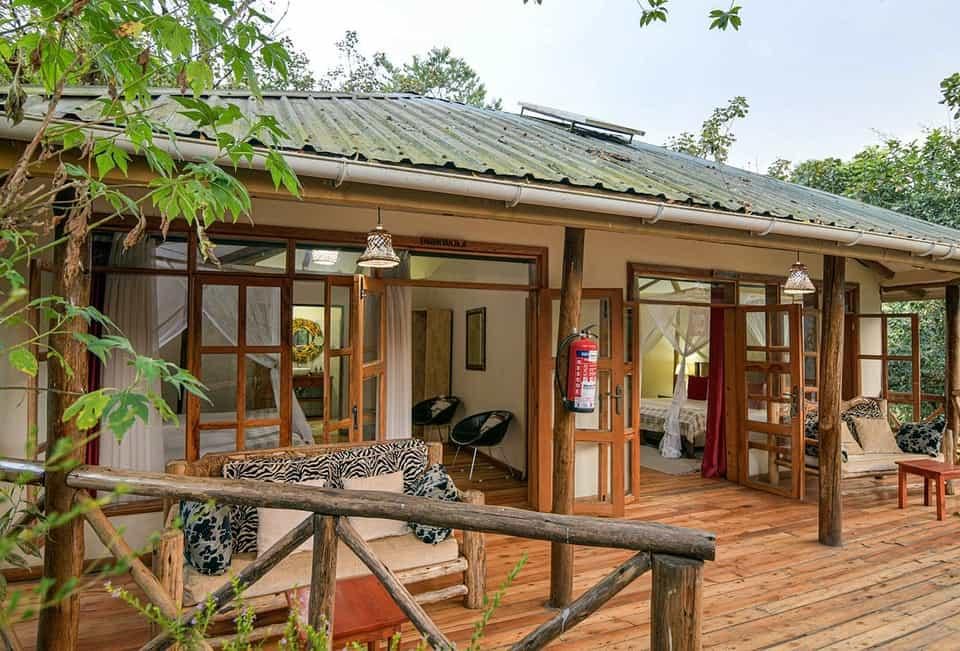
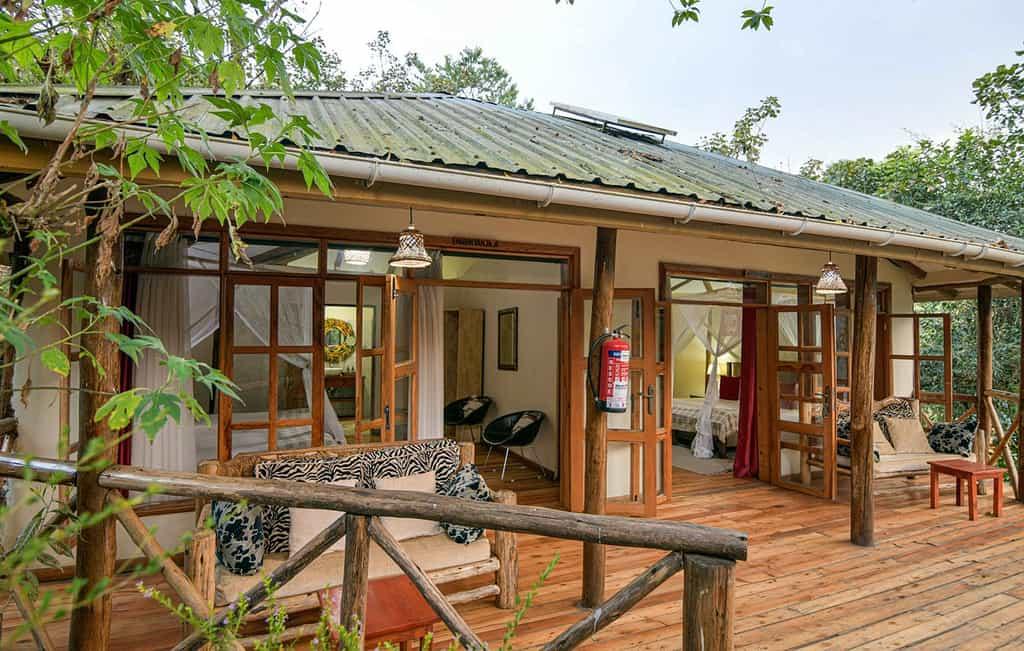
Accommodation options around Volcanoes National Park range from comfortable guesthouses to luxury lodges. The best choice depends on the travel budget, preferred facilities and overall safari style.
May may offer seasonal accommodation promotions at some properties. However, rates vary according to the lodge, room category, availability and travel dates. Visitors should confirm prices and cancellation conditions before making payment.
Safari O’clock can help travellers compare accommodation options and arrange a suitable stay. A well-planned overnight arrangement is especially useful for visitors who want to avoid unnecessary early-morning travel.
Transport Planning for Gorilla Tracking in May
Transport is another important consideration. Volcanoes National Park lies in northern Rwanda, near Musanze. Many international visitors travel from Kigali before continuing to the park.
The journey from Kigali to Musanze commonly takes around two to three hours by road, although traffic, weather and road conditions can affect travel time. Visitors should allow enough time for the journey rather than relying on an exact estimate.
May rainfall can affect road conditions in some areas. A reliable vehicle and an experienced driver can make the journey more comfortable. Four-wheel-drive vehicles are often useful for safari travel, particularly when approaching rural or uneven roads.
Travellers should also plan their arrival carefully. Arriving in the Musanze area the evening before tracking helps reduce the risk of missing the morning briefing.
Safari O’clock can coordinate transport, accommodation and the tracking schedule. This allows visitors to focus on their experience instead of managing several separate arrangements.
Gorilla Tracking Rules Visitors Must Follow in May
Responsible tourism is essential throughout the year. May’s wet weather does not change the conservation rules that protect mountain gorillas and their habitat.
Visitors should maintain the required distance from the gorillas and follow their guide’s instructions. The current Rwanda Development Board guidance specifies a minimum distance of seven metres. However, visitors should follow any updated instructions given during the park briefing.
The viewing period is limited to one hour. Visitors must keep their voices low and avoid sudden movements. Flash photography is prohibited, and nobody should attempt to touch or feed the gorillas.
Health precautions are equally important. People with a cold, flu or another contagious illness should not visit the gorillas. If you need to cough, cover your mouth and turn away from the animals. Spitting and littering in the park are prohibited.
These guidelines help reduce the risk of disease transmission and minimise disturbance to wildlife. Safari O’clock encourages every traveller to treat the experience as a conservation activity, not simply a photography opportunity.
Can You Combine Gorilla Tracking in May with Other Rwanda Activities?
May can also provide an opportunity to explore other parts of Rwanda. Visitors with additional time may combine gorilla tracking with cultural experiences, nature activities or visits to other national parks.
Golden monkey tracking is one possible activity in Volcanoes National Park. These primates live in the bamboo forests of the Virunga Mountains and offer a different wildlife experience. Visitors should arrange the relevant permit separately and confirm availability.
Travellers may also explore Musanze’s cultural and community experiences. These activities offer opportunities to learn about local traditions, food and everyday life.
For visitors with longer itineraries, Nyungwe National Park offers forest experiences, including chimpanzee tracking and canopy walks. Akagera National Park provides a different landscape, with savannah wildlife and game drives.
However, combining several destinations requires careful planning. Distances, driving times, activity schedules and accommodation arrangements all affect the itinerary. May weather may also influence some outdoor activities.
Safari O’clock can help visitors create a realistic route that balances gorilla tracking with other experiences. The company can also advise on how many nights to spend in each destination.
Planning Your May Gorilla Tracking Budget
A successful gorilla tracking trip requires more than the cost of the permit. Visitors should prepare for accommodation, transport, meals, travel insurance and other personal expenses.
The gorilla permit is one of the main costs. Rwanda’s permit rates depend on visitor category and applicable conditions. Travellers should check the official Rwanda Development Board booking portal for the current price and eligibility requirements before making payment.
Accommodation costs depend on the type of property and the number of nights booked. Transport costs also vary according to the vehicle, itinerary and number of travellers.
Additional expenses may include porter services, tips, drinks, personal shopping and optional activities. Visitors should also consider international flights, visas and travel insurance where applicable.
May may offer seasonal deals at selected accommodation properties. Nevertheless, travellers should compare the full package rather than choosing an offer based only on its advertised price.
Safari O’clock can help visitors understand what a proposed package includes and which expenses they may need to pay separately. This makes it easier to prepare a realistic budget before departure.
How Safari O’clock Helps You Prepare for Gorilla Tracking in May
Planning a gorilla tracking trip involves several details, especially when travelling during a changing weather season. Visitors need to consider permits, accommodation, transport, clothing, fitness and park requirements.
Safari O’clock helps travellers organise these arrangements into a practical itinerary. The company can assist with permit arrangements, accommodation selection, ground transport and additional Rwanda experiences.
The team can also guide visitors on what to pack for the forest. This includes suitable hiking footwear, waterproof clothing, warm layers and essential personal items.
For travellers who have limited time, Safari O’clock can help coordinate the journey from Kigali to Musanze and arrange accommodation close to the park. This preparation helps reduce unnecessary pressure on the tracking day.
Most importantly, visitors receive guidance on responsible gorilla tourism. Respecting wildlife rules and following park instructions helps protect the mountain gorillas and supports sustainable tourism in Rwanda.
Whether you are travelling alone, with a partner, as a family or in a group, early planning can make your May safari more comfortable.
Final Thoughts on Gorilla Tracking in May
Gorilla tracking in May offers a chance to experience Rwanda’s mountain gorillas during a season when the surrounding landscape remains beautifully green. However, visitors should prepare for occasional rain, cool temperatures and muddy forest paths.
The most important packing items include sturdy hiking boots, long trousers, long-sleeved clothing, a waterproof jacket, warm layers and a protected daypack. A camera cover, drinking water and spare socks can also improve comfort during the trek.
Although May falls towards the end of the long rainy season, gorilla tracking remains possible throughout the month. Conditions can vary, so visitors should remain flexible and follow the advice of their guides.
With careful preparation and reliable travel arrangements, a May visit can become a memorable wildlife experience. Contact Safari O’clock to plan your Rwanda gorilla tracking adventure, arrange your permits and prepare for the conditions in Volcanoes National Park.