- DIRECT CONTACTS:
- +256394517569
- tours@safarioclock.africa

How Rain Changes the Feel of a Forest Trek in Rwanda

Can You Track Gorillas in Rwanda During the Rainy Season?
November 23, 2026
Why Weather Forecasts Cannot Predict Every Tracking Condition in Rwanda
November 23, 2026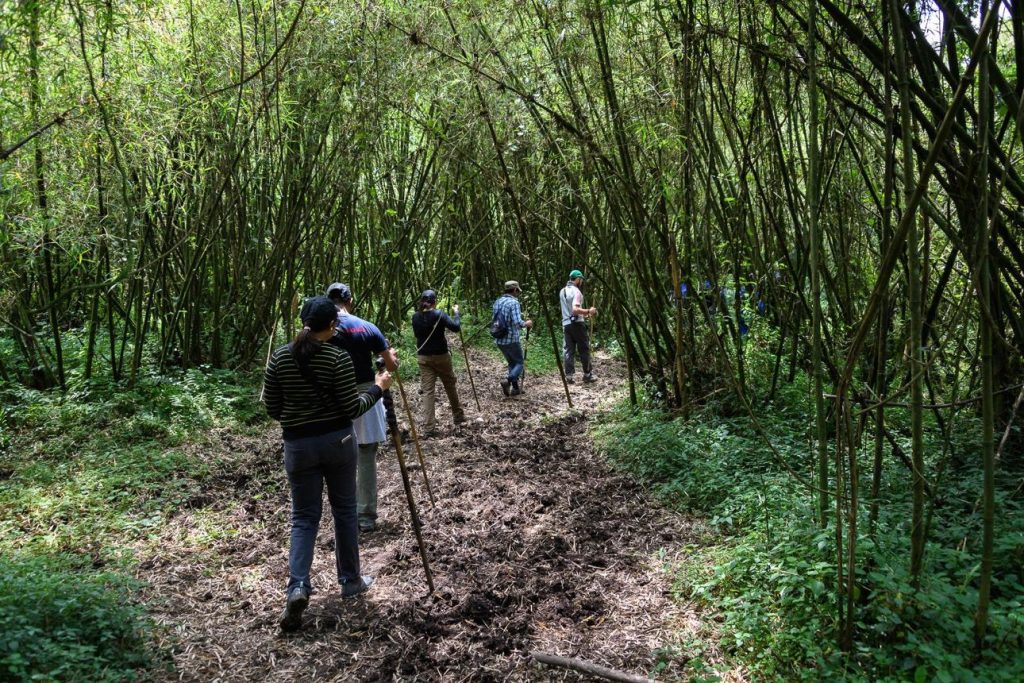
A forest trek is a special experience at any time of the year. However, when rain enters the picture, the entire atmosphere can change. The air feels cooler, leaves glisten with water, and mist may settle between the trees. Every step also becomes more deliberate as the ground softens beneath your feet.
In Rwanda, these changes are part of the experience of exploring the forests around Volcanoes National Park. The park lies within the Virunga Mountains, where high altitude, humidity and frequent rainfall shape the mountain environment. Visitors who come for mountain gorilla tracking may therefore experience sunshine, clouds, mist or rain during the same trip.
At Safari O’clock, we believe that understanding the forest environment helps travellers appreciate more than the wildlife encounter alone. The journey through the forest is also part of the adventure. Rain can make that journey feel quieter, greener and more challenging, while revealing a different side of Rwanda’s natural beauty.
How Rain Changes the Feel of a Forest Trek
Rain changes the atmosphere of a forest in several ways. It affects the sounds around you, the appearance of the vegetation and the way you move along the trail. As a result, a rainy forest trek can feel very different from a walk on a clear, dry morning.
One of the first changes is the air. Rain often brings cooler, damp conditions. In a high-altitude forest such as Volcanoes National Park, the temperature can already feel cool. When showers arrive, the air may feel even fresher.
The vegetation also takes on a different appearance. Water collects on leaves, moss and branches. The forest floor becomes darker, while the surrounding plants look vibrant against the wet ground. These details make the environment feel alive and constantly changing.
Furthermore, rain encourages visitors to slow down. Instead of concentrating only on reaching a destination, you become more aware of each step and the natural surroundings. You notice the movement of leaves, the sound of water and the changing light beneath the forest canopy.
For many travellers, this slower experience becomes an important part of the adventure.
The Sounds of a Rainy Forest Trek
One of the most noticeable differences during a rainy forest trek is the sound. A dry forest has its own atmosphere, but rainfall introduces another layer of natural activity.
At first, you may hear light drops landing on broad leaves. As the rain becomes heavier, the sound grows into a steady rhythm across the canopy. Water may trickle along branches and fall onto the forest floor.
Bird calls, insects and other natural sounds may still be present. However, heavy rainfall can make some sounds harder to hear. The forest does not become completely silent. Instead, its soundscape changes with the weather.
This creates an interesting experience for nature lovers. You may find yourself listening more carefully as you walk. A sudden bird call or movement in nearby vegetation can attract your attention.
However, visitors should avoid making unnecessary noise. This is particularly important during gorilla tracking. Rwanda’s conservation guidelines require visitors to keep their voices low around gorillas. Respectful behaviour protects the animals and makes the encounter more peaceful.
Safari O’clock encourages travellers to appreciate the forest through quiet observation. Sometimes, the most memorable moments happen when you pause and listen.
How Rain Changes Forest Colours and Scenery
Rain can make a forest look dramatically different. Leaves appear glossy, tree trunks become darker, and the surrounding vegetation often looks richer. In Rwanda’s mountain forests, these changes create beautiful natural scenery.
The Virunga landscape already contains a variety of vegetation zones. Visitors may encounter bamboo, montane forest plants and open areas along different routes. Rain adds another visual dimension to these surroundings.
Water droplets may remain on leaves after a shower. Meanwhile, clouds can move across the volcanic slopes and create layers of mist. This gives the landscape a dramatic appearance, especially when the mountains emerge briefly through the clouds.
The colours can also appear more pronounced. Green vegetation stands out against dark soil and wet tree bark. Moss-covered surfaces may become especially noticeable.
However, visibility depends on the weather. Thick mist and low clouds can hide distant mountain views. Therefore, visitors should not expect clear views of every volcano during a rainy trek.
For photographers, these changing conditions offer interesting opportunities. Instead of focusing only on distant scenery, you can capture close details such as wet leaves, forest textures and water droplets.
Safari O’clock encourages visitors to appreciate these small details. They help tell the story of the forest beyond the main wildlife attraction.
What Happens to Forest Trails When It Rains?
The trail is one of the areas where rain makes the biggest practical difference. Water softens the soil and can create muddy sections. On steep ground, the surface may also become slippery.
In Volcanoes National Park, gorilla tracking takes place across mountainous terrain. Some routes pass through dense vegetation and uneven ground. Therefore, wet conditions can make certain sections more demanding.
Roots, rocks and fallen leaves may become harder to grip. In addition, water can collect in small depressions along the path. This means visitors need to watch their footing carefully.
Walking speed may also decrease. Rather than rushing, trekkers should take steady steps and follow their guide’s instructions. A walking stick can provide extra support on uneven sections.
The trail conditions can vary from one trek to another. Some areas may be relatively firm, while others become muddy after rainfall. The amount of rain, terrain and route all influence the experience.
A rainy forest trek is therefore not simply a matter of carrying an umbrella. It requires suitable footwear, patience and a willingness to adapt to the environment.
How Rain Changes the Pace of a Forest Trek
A walk through a dry forest may feel more straightforward when the ground is firm. However, rain often changes the rhythm of the journey.
Visitors need to pay closer attention to their footing. They may pause more frequently, especially on steep or slippery sections. Guides and porters can also help visitors navigate difficult areas.
During gorilla tracking, the duration depends largely on the location of the assigned gorilla family. Some treks take less time, while others involve several hours of walking. Rain does not determine the gorilla family’s location, but wet ground can make the same distance take longer.
This slower pace can change how visitors experience the forest. You have more opportunities to notice the surrounding vegetation and listen to the natural sounds.
It also reminds travellers that a forest trek is not a race. The goal is to enjoy the journey while respecting the environment and following the guidance of park staff.
Safari O’clock encourages visitors to allow enough time for their trekking experience. A flexible schedule helps reduce pressure and makes the day more enjoyable.
The Misty Atmosphere of a Rainy Forest Trek
Mist is one of the most memorable features of Rwanda’s mountain environment. It can appear along the volcanic slopes and move through the forest as weather conditions change.
When clouds settle around the mountains, the landscape can look mysterious. Trees may disappear into the mist, while nearby vegetation remains visible. This creates a sense of depth and gives the forest a different character.
The atmosphere can change quickly. A section of the mountain may appear clearly one moment and become hidden by cloud shortly afterwards.
This is part of the natural experience of visiting a high-altitude forest. The weather does not always follow the conditions visitors see in towns or cities.
The mist can also affect photography. Distant landscapes may become less visible, and natural light may become softer. However, close-up photographs can still capture beautiful forest details.
Travellers should remember that mist and rain are natural features of the Virunga environment. They are not necessarily signs that a trekking day has gone wrong.
How Rain Affects Wildlife Observation During a Forest Trek
Rain can influence what visitors hear and see in the forest. Water, vegetation and changing light all affect wildlife observation.
Some birds may become less active during heavy showers. Others may remain visible in sheltered areas. Insects and other small forest creatures also form part of the wider ecosystem.
During mountain gorilla tracking, rain does not mean that gorillas disappear from the forest. Mountain gorillas live in their natural habitat throughout the year. Rangers and trackers use their knowledge of the habituated families to guide visitors towards them.
However, weather can influence visibility. Thick vegetation, mist and low light may affect how clearly visitors see animals from certain positions.
The most important factor is to follow the guide’s instructions. Visitors must remain at the required distance and avoid sudden movements or loud voices.
Rwanda’s official guidance requires a minimum distance of seven metres from gorillas. It also limits the viewing period to one hour. Visitors should not track gorillas when they have a contagious illness.
Safari O’clock supports responsible wildlife tourism. Respecting these rules helps protect the gorillas and the forest environment.
Photography During a Rainy Forest Trek
Rain can create both opportunities and challenges for photography. The forest may look more colourful, but wet conditions require extra care with equipment.
Soft natural light can help capture the details of leaves, tree trunks and vegetation. Water droplets can also add interesting textures to close-up photographs.
However, mist and heavy cloud may reduce visibility. Rain can also make camera handling more difficult. Visitors should protect cameras and phones with suitable waterproof covers.
During gorilla tracking, photography rules remain important. Flash photography is not allowed. Visitors should also avoid movements that disturb the animals.
It is better to prepare your camera before entering the forest. Keep it secure and accessible, but avoid constantly stopping in places where you may block the group.
Most importantly, remember that the experience matters more than getting the perfect photograph. Take time to observe the forest and enjoy the encounter.
What Should You Wear for a Rainy Forest Trek?
The right clothing can make a rainy trek more comfortable. Visitors should choose practical layers that protect them from moisture, cold and vegetation.
Start with sturdy hiking boots that offer good grip. Waterproof boots can help keep your feet dry, while ankle support provides stability on uneven ground.
Long trousers and long-sleeved shirts are also useful. They protect your skin from nettles, branches and rough vegetation. Gardening gloves can offer additional protection when moving through dense plants.
A waterproof jacket is essential. You may also carry waterproof trousers, especially during wetter months. Gaiters can help prevent mud and water from entering your boots.
A small backpack with a rain cover protects personal items. Keep your phone, camera and important documents in waterproof bags.
It is also useful to carry spare socks and a dry change of clothes for after the trek. This can make the journey back to your accommodation more comfortable.
The Rwanda Development Board recommends steady walking shoes or hiking boots, long trousers and shirts, and rain gear for visitors to Volcanoes National Park.
Safari O’clock can help you prepare a suitable packing list based on your travel dates and planned activities.
How to Enjoy a Forest Trek When It Rains
A rainy trek becomes more enjoyable when you prepare for the conditions instead of fighting them. Start by accepting that the weather may change during the day.
Wear suitable footwear and waterproof clothing. Carry enough drinking water and follow the guide’s advice throughout the walk. If the trail becomes slippery, slow down and take steady steps.
Avoid carrying unnecessary items. A heavy backpack can make walking more tiring, especially on steep ground. You can also consider hiring a porter to help carry your bag.
Take time to observe the forest. Notice the colours, sounds and movement around you. These small details can make the experience more rewarding.
Finally, remain flexible. A forest trek is an outdoor activity, and nature does not follow a fixed schedule. Weather conditions, trail surfaces and wildlife movements can all change.
With the right attitude, even a wet morning can become a memorable part of your Rwanda adventure.
Is a Rainy Forest Trek Worth Experiencing in Rwanda?
Yes. A rainy forest trek can offer a beautiful and rewarding experience for visitors who enjoy nature. The forest looks fresh, the vegetation becomes vibrant and the mist can create dramatic mountain scenery.
However, it is important to understand the challenges. Muddy trails, slippery slopes and cooler conditions can make walking more demanding. Visitors should prepare properly and allow enough time for the activity.
Rwanda’s Volcanoes National Park remains a year-round destination for mountain gorilla tracking. Rainfall does not automatically prevent visitors from enjoying the experience.
The best time to travel depends on your preferences. If you want generally firmer trails, the drier months may suit you better. If you enjoy lush scenery and do not mind wet conditions, the rainy season can be an attractive option.
Safari O’clock helps travellers understand these differences before planning their journey. We believe that knowing what to expect makes it easier to appreciate the experience.
Experience Rwanda’s Forests with Safari O’clock
A forest trek is more than a walk through trees. It is an opportunity to experience nature through its sounds, colours, textures and changing atmosphere.
Rain adds another dimension to that experience. It refreshes the vegetation, changes the forest light and creates a slower rhythm along the trails. Although wet conditions can make walking more challenging, they also reveal the beauty of Rwanda’s mountain environment.
Whether you choose a dry-season or rainy-season adventure, preparation remains important. Suitable clothing, good footwear and respect for park guidelines help make the experience more comfortable.
Safari O’clock can help you plan your Rwanda gorilla safari and prepare for the conditions in Volcanoes National Park. From permits and transport to accommodation and practical travel advice, we help bring the details together.
Discover the beauty of Rwanda’s mountain forests with Safari O’clock. Enjoy the journey, respect the wildlife and appreciate every moment along the trail.