- DIRECT CONTACTS:
- +256394517569
- tours@safarioclock.africa

Why Weather Forecasts Cannot Predict Every Tracking Condition in Rwanda

How Rain Changes the Feel of a Forest Trek in Rwanda
November 23, 2026
How to Plan Flexible Clothing for Changeable Mountain Weather in Rwanda
November 23, 2026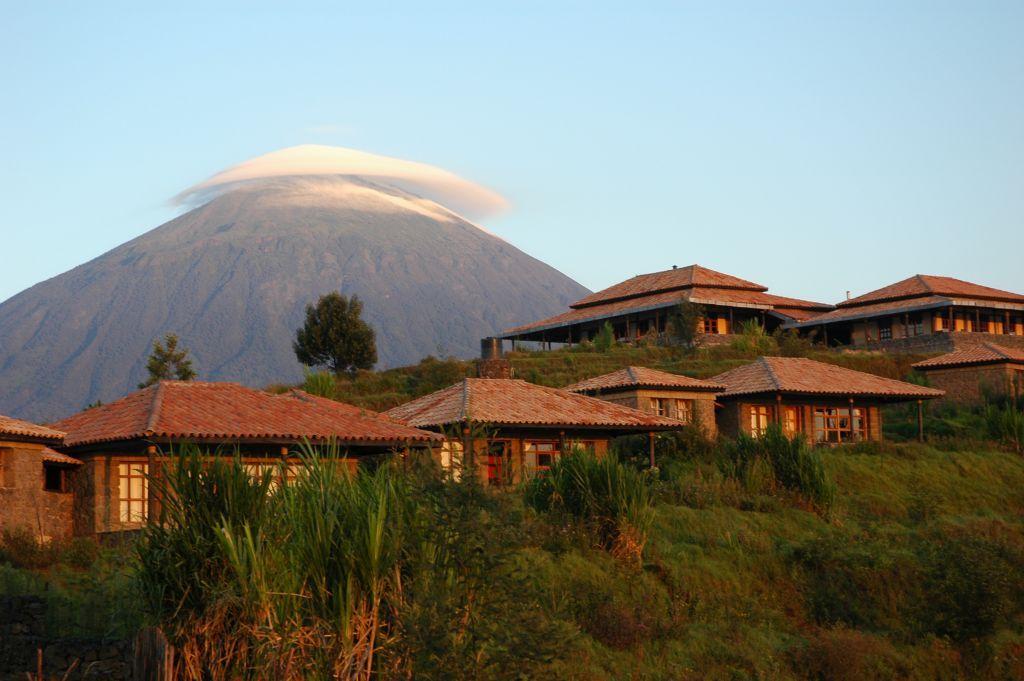
Planning a gorilla tracking adventure in Rwanda often begins with checking the weather forecast. Travellers want to know whether it will rain, how cold the morning will be and whether the forest trails will be suitable for hiking. These are important questions, especially when preparing for an outdoor experience in Volcanoes National Park.
However, weather forecasts cannot predict every condition that visitors will encounter during a mountain gorilla trek. A forecast may indicate sunshine, cloudy skies or a chance of rain. Yet, conditions can change as visitors move through different elevations and forest sections. A clear morning can become misty, while a rainy forecast does not always mean continuous rainfall throughout the day.
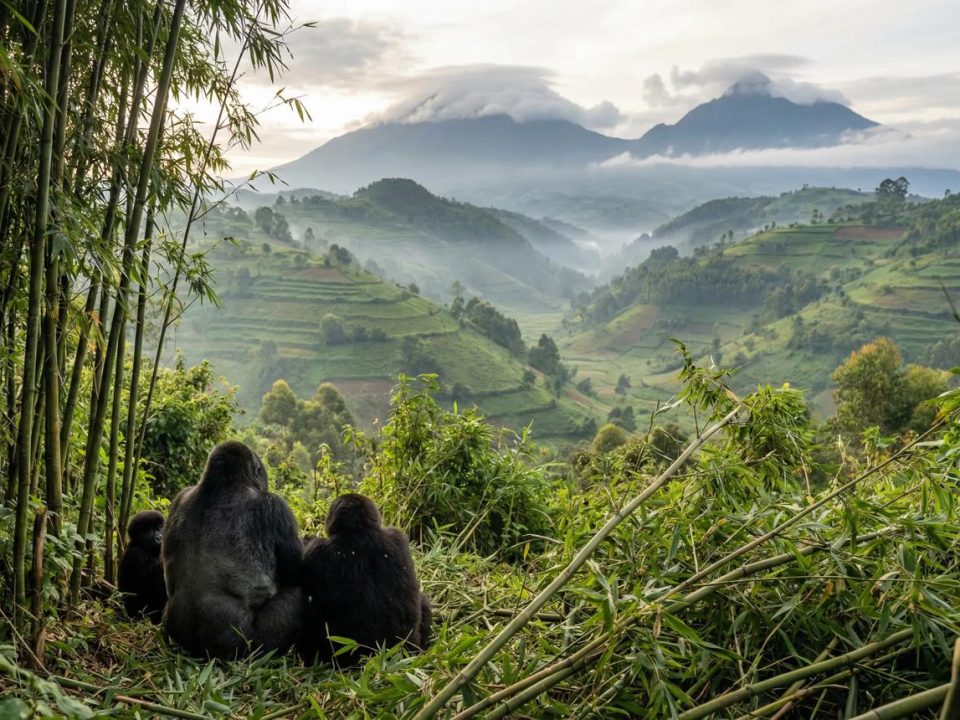
This happens because mountain environments have complex weather patterns. The Virunga Mountains have steep slopes, changing elevations and thick forest cover. These features influence local temperatures, rainfall, cloud formation and visibility.
At Safari O’clock, we encourage travellers to use weather forecasts as helpful planning tools rather than exact descriptions of the trekking experience. Understanding their limitations helps visitors prepare better and enjoy their Rwanda gorilla tracking adventure with realistic expectations.
1. How Weather Forecasts Work
Weather forecasts use observations, scientific measurements and computer models to estimate future atmospheric conditions. Meteorologists study factors such as temperature, humidity, wind, air pressure and rainfall. They then use this information to predict how the weather may develop.
The Rwanda Meteorology Agency provides forecasts for different periods. These include immediate forecasts, short-range forecasts, medium-range forecasts and longer seasonal outlooks. Each type serves a different planning purpose.
For example, a short-range forecast can help travellers understand expected conditions over the next few days. A seasonal outlook provides a broader picture of likely weather patterns over several months. However, a seasonal forecast does not describe the exact weather at a particular trail on a specific morning.
This distinction matters when planning gorilla tracking. A monthly forecast may suggest a generally wet period. Nevertheless, it cannot tell visitors precisely when rain will begin along their assigned trekking route.
Weather forecasting is therefore about estimating likely conditions. It does not promise that every location will experience the same weather at the same time.
2. Why Weather Forecasts Differ Across Mountain Areas
One major reason weather forecasts cannot predict every tracking condition is the complex geography of Volcanoes National Park. The park lies within the Virunga mountain range, where elevation changes significantly over short distances.
As visitors move higher along a mountain slope, temperatures generally become cooler. Air also interacts with the terrain in different ways. This can influence cloud development, wind movement and rainfall.
Consequently, conditions near the park headquarters may differ from those deeper inside the forest. A traveller may leave the lodge under clear skies and later encounter thick mist along the mountain slopes.
The Rwanda Meteorology Agency explains that rainfall patterns across Rwanda vary because of differences in topography and other geographical influences. The country’s highlands also experience cooler conditions than many lowland areas.
For this reason, a general forecast for Musanze or another nearby area may not describe every condition inside Volcanoes National Park. The forecast remains useful, but the mountain environment can create local variations.
Weather Forecasts and Changing Elevation
Elevation is particularly important during mountain gorilla tracking. The trekking route may pass through different vegetation zones and slopes. As a result, visitors can experience changing temperatures during the same trek.
For instance, the morning may feel relatively comfortable near the starting point. However, the higher sections may feel colder, especially when mist and wind move through the forest.
The higher altitude also affects how the body responds to physical activity. Visitors should therefore prepare for both changing weather and the physical demands of walking uphill.
Safari O’clock recommends carrying suitable clothing even when the forecast suggests mild temperatures. A warm layer and waterproof jacket can make the experience more comfortable.
Weather Forecasts and Local Rainfall
Rainfall does not always affect an entire mountain area equally. One section may receive a shower while another remains relatively dry. In addition, rainfall can develop or clear as local conditions change.
This explains why travellers sometimes experience rain even when a nearby weather application shows little chance of precipitation. The forecast may represent a wider area rather than the exact forest section where the trek takes place.
It also explains why a rainy forecast does not necessarily mean that visitors will walk in rain throughout the day. Showers may pass, and conditions may improve later.
3. Why Forest Conditions Are Difficult to Predict
A mountain forest creates a different environment from an open town or roadside location. Thick vegetation, uneven terrain and moisture influence the conditions that visitors experience.
Clouds and mist can move across the forest and reduce visibility. Meanwhile, tree cover can make some sections feel darker and cooler than open areas.
The forest floor also responds to previous rainfall. Even when the sky becomes clear, the ground may remain wet. Water can collect along walking paths, and exposed roots may become slippery.
Therefore, a forecast showing sunshine does not guarantee dry trekking trails. Conditions under the forest canopy may reflect rainfall from earlier hours or even previous days.
Weather Forecasts Cannot Show Every Trail Condition
A weather forecast describes atmospheric conditions. It does not measure every detail of a walking route.
For example, it cannot reliably tell a visitor whether a particular section will have muddy ground, exposed roots or slippery slopes. These conditions depend on rainfall, soil, drainage, vegetation and the shape of the terrain.
Two routes may also have different ground conditions on the same day. One may pass through a relatively firm section, while another may cross wetter forest terrain.
This is important because gorilla tracking routes vary. The trekking experience depends on the location of the assigned gorilla family and the route selected by park guides.
Visitors should not assume that a sunny forecast guarantees an easy trek. Equally, they should not assume that a rainy forecast means the entire route will be difficult.
Safari O’clock encourages travellers to prepare for changing trail conditions rather than relying on a weather application alone.
4. Why the Timing of Rain Can Be Uncertain
Rainfall timing is another challenge when predicting tracking conditions. A forecast may indicate a high chance of rain during the day. However, it may not identify the exact hour when a shower will reach a particular part of the park.
Mountain weather can change quickly. Clouds may build over the slopes, move across the forest and produce rainfall. Later, the rain may ease and visibility may improve.
The opposite can also happen. A morning may begin with clear skies, but rain may develop while visitors are already trekking.
This is why travellers should avoid planning their entire experience around a single weather update. Checking forecasts before departure is useful. However, visitors should remain prepared throughout the day.
The Rwanda Meteorology Agency offers forecasts across different time scales. Travellers can use these updates to understand broad weather expectations. Still, the actual conditions along a mountain trail may differ from the general outlook.
5. Why Seasonal Forecasts Cannot Guarantee Trekking Conditions
Rwanda experiences two main rainy seasons. The longer rainy period generally occurs around March to May, while another rainy period usually occurs around September to December. The exact timing and intensity can vary.
The country also experiences drier periods. These often provide more comfortable conditions for outdoor activities. However, a dry season does not mean that every day will be sunny.
Volcanoes National Park has a cool, high-altitude environment. Rain and mist can occur throughout the year. Therefore, even visitors travelling during traditionally drier months should carry rain protection.
A seasonal forecast can help travellers choose a suitable travel period. It can also help them understand whether rainfall is likely to be above or below normal.
However, it cannot guarantee the conditions on the day of a gorilla trek. Weather patterns can vary from one week to another. Local mountain conditions can also change within a few hours.
At Safari O’clock, we advise visitors to consider seasonal patterns when choosing travel dates. At the same time, they should prepare for the possibility of unexpected rain, cool temperatures and wet trails.
6. How Weather Forecasts Affect Gorilla Tracking Decisions
Weather forecasts are still valuable when planning a Rwanda gorilla tracking trip. They help visitors make informed decisions about clothing, transport and general preparation.
However, a forecast should not be the only factor used to decide whether to travel. Gorilla tracking takes place in a natural mountain environment. Conditions can change, and the experience requires flexibility.
Rain does not automatically mean that gorilla tracking cannot take place. Tracking is offered throughout the year, subject to permit availability and park management decisions.
Nevertheless, heavy rainfall may affect walking conditions. Muddy and slippery trails can make some sections more demanding. Visitors should therefore prepare for the possibility of slower movement and additional physical effort.
It is also important to follow the instructions of park guides and rangers. They understand the local environment and provide guidance during the activity.
A weather application cannot replace their advice. Local guides can assess the conditions on the ground and help visitors respond appropriately.
7. How to Prepare When Weather Forecasts Are Uncertain
The best approach is to prepare for a range of possible conditions. This does not mean packing everything. Instead, travellers should choose practical equipment that works in both wet and cool weather.
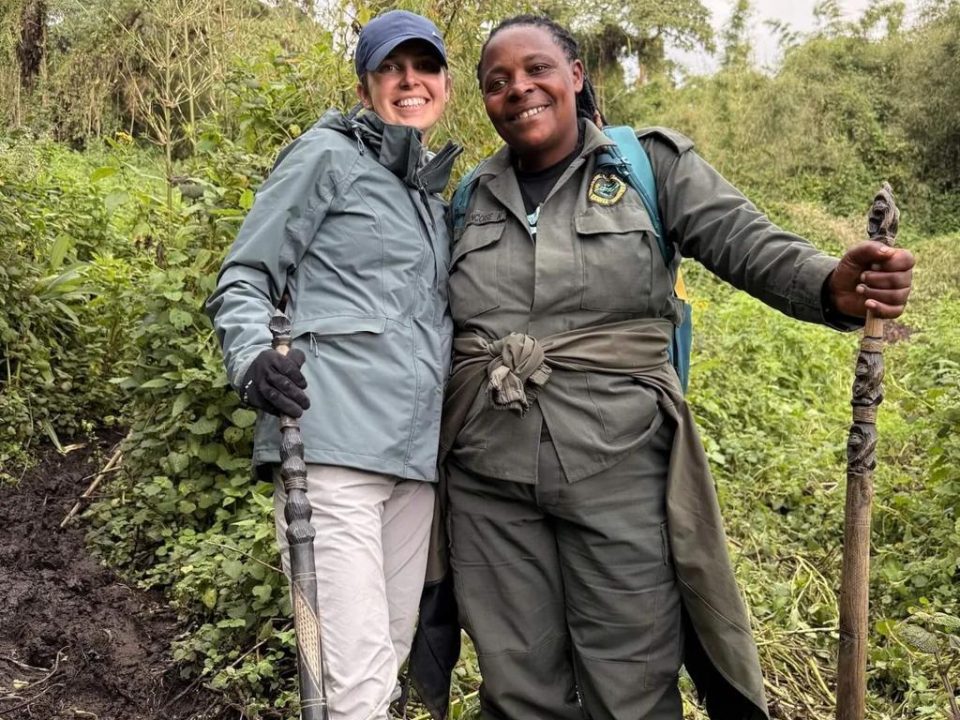
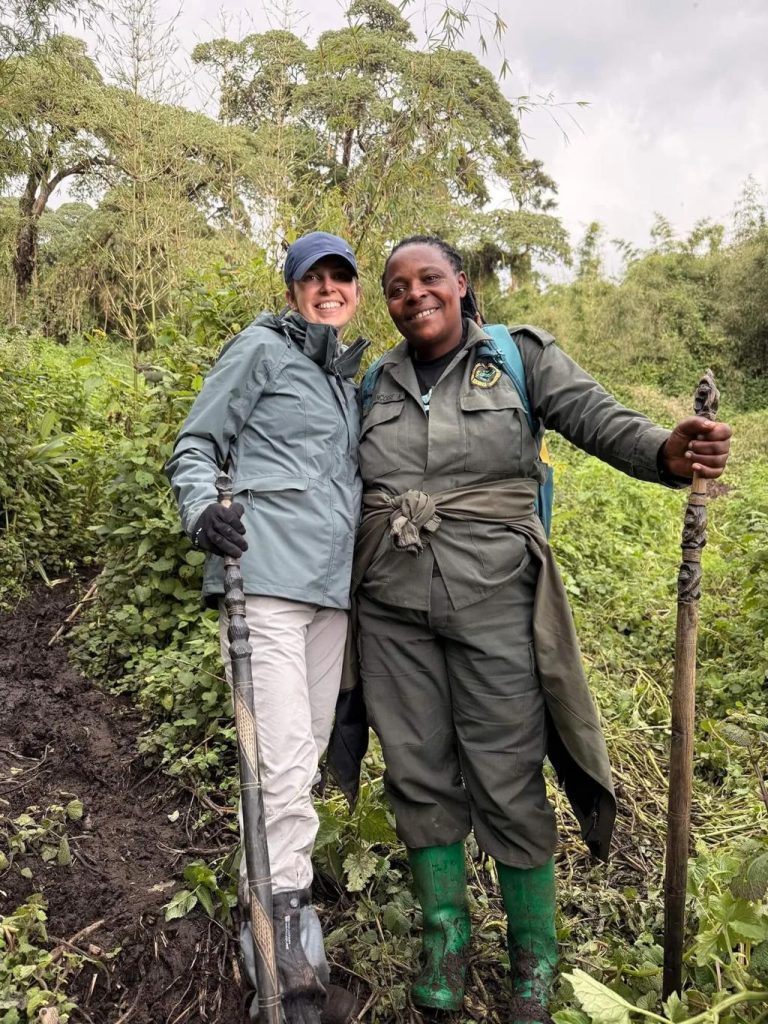
Start with a waterproof jacket or raincoat. This helps protect against unexpected showers, even during drier months. A light warm layer is also useful because temperatures can drop as visitors move higher.
Next, choose sturdy hiking boots with good grip. The trails may contain mud, wet vegetation and uneven ground. Comfortable footwear can improve stability and reduce discomfort during the trek.
Long trousers and long-sleeved clothing help protect the skin from vegetation. Gardening gloves can also help visitors grip vegetation when navigating certain sections. However, trekkers should avoid pulling or damaging plants unnecessarily.
A small waterproof bag can protect important items such as phones, cameras and travel documents. Visitors who plan to take photographs should also consider protecting their camera equipment from moisture.
In addition, carry drinking water and follow the guidance provided during the briefing. A porter can assist with carrying personal belongings and provide support along challenging sections.
Safari O’clock recommends checking the weather shortly before travel. However, travellers should still pack for changing conditions rather than relying on a perfect forecast.
8. What Safari O’clock Recommends Before Your Trek
A successful gorilla tracking experience begins with good preparation. Checking the forecast is one useful step, but it should form part of a wider travel plan.
First, check a reliable weather source before travelling to Rwanda. The Rwanda Meteorology Agency provides official weather information and forecasts. Review the updates as your travel date approaches.
Second, ask your tour operator about the latest local conditions. Safari O’clock can help travellers understand the expected weather, prepare suitable clothing and organise their transfer to Volcanoes National Park.
Third, allow enough flexibility in your travel arrangements. Avoid assuming that every outdoor activity will happen under ideal weather conditions. A flexible attitude helps visitors enjoy the experience without unnecessary disappointment.
Finally, follow the instructions of park officials and guides. They make decisions based on the conditions and safety requirements on the ground.
Remember that weather forecasts are useful guides. They are not promises of sunshine, dry trails or clear mountain views.
9. Enjoy Rwanda Gorilla Tracking With Realistic Expectations
The uncertainty of mountain weather should not discourage travellers from visiting Volcanoes National Park. Instead, it should encourage better preparation.
Gorilla tracking is a special opportunity to explore a remarkable mountain forest and observe endangered mountain gorillas in their natural habitat. The experience is shaped by several factors, including the weather, terrain, gorilla family location and physical demands of the trek.
Some visitors may experience clear skies. Others may encounter mist, light rain or muddy paths. These differences are part of travelling through a natural mountain environment.
The key is to understand what forecasts can and cannot tell you. Use them to plan, but remain ready for changing conditions.
With proper preparation and guidance, visitors can approach their adventure with confidence. Safari O’clock helps travellers plan their Rwanda gorilla tracking experiences with practical information, thoughtful preparation and realistic expectations.
When you prepare for the conditions you might encounter, rather than the conditions you hope to find, you give yourself a better chance of enjoying the journey.