- DIRECT CONTACTS:
- +256394517569
- tours@safarioclock.africa

How to Plan Flexible Clothing for Changeable Mountain Weather in Rwanda

Why Weather Forecasts Cannot Predict Every Tracking Condition in Rwanda
November 23, 2026
Does the Season Affect How Difficult a Gorilla Trek Feels in Rwanda?
November 23, 2026
Preparing for a mountain adventure requires more than checking the weather forecast. Travellers visiting Rwanda’s Volcanoes National Park should expect changing temperatures, mist, rain and occasional sunshine. These conditions can occur during the same trekking day. Therefore, choosing the right clothing is an important part of preparing for gorilla tracking.
The best approach is to plan clothing layers that you can add or remove when conditions change. Instead of wearing one heavy outfit, combine comfortable base clothing, a warm middle layer and a protective outer layer. This strategy helps you manage temperature changes without carrying too many items.
Mountain gorilla tracking takes place in a natural forest environment. The trails may pass through thick vegetation, uneven ground and steep slopes. As a result, your clothing should provide warmth, protection and freedom of movement.
At Safari O’clock, we encourage travellers to pack practical clothing that works in different conditions. With the right preparation, you can remain comfortable whether the morning begins with cool air, the forest becomes misty or rain arrives during your trek.
1. Why Clothing Layers Matter in Mountain Weather
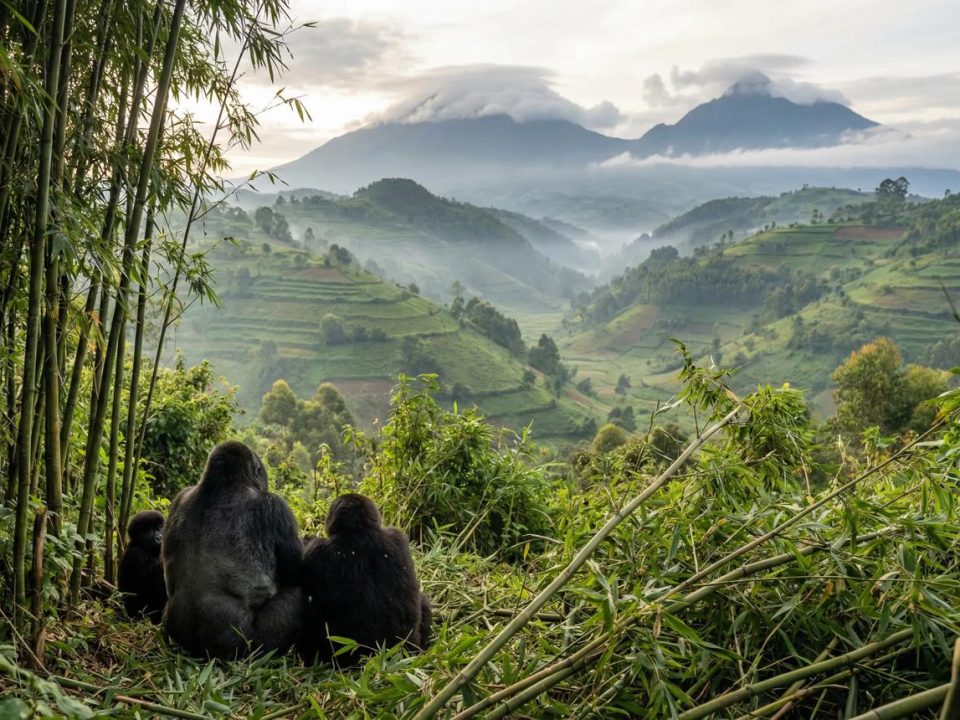
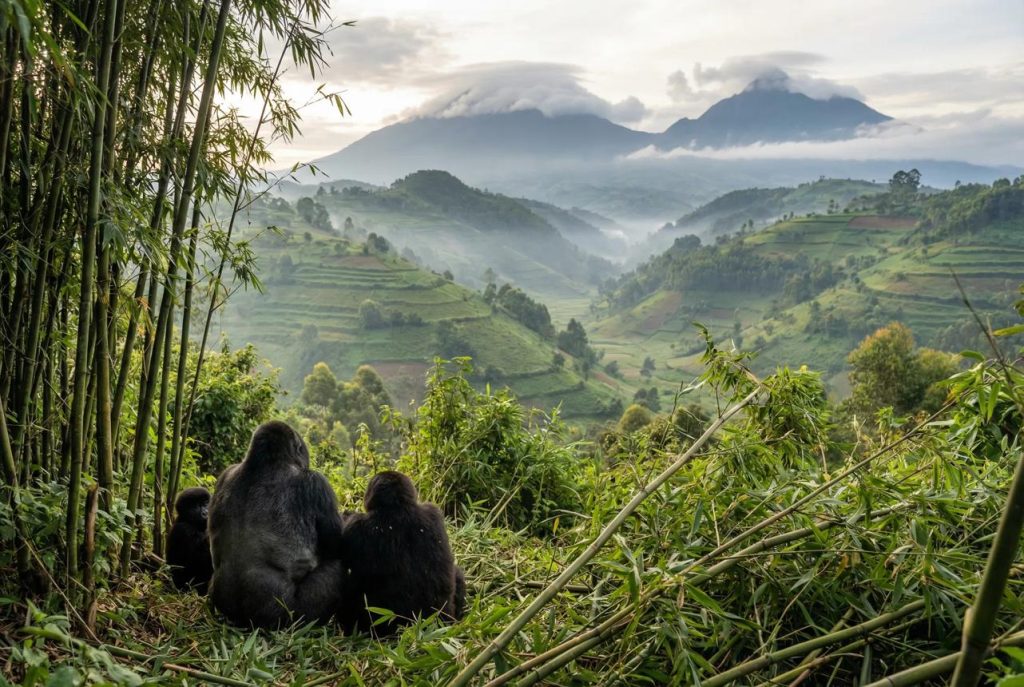
Mountain weather can change quickly, especially in high-altitude environments. Volcanoes National Park lies within the Virunga Mountains in northwestern Rwanda. Its elevation creates cooler conditions than many lower parts of the country.
The park can experience rain, mist and changing temperatures throughout the year. Conditions may also differ between the park headquarters and higher mountain slopes. Therefore, travellers should not depend on one outfit for the entire day.
Clothing layers offer a simple solution. You can wear several lighter garments instead of relying on one thick jacket. When the temperature drops, add another layer. When walking becomes warm, remove the extra clothing.
This approach also helps you respond to changing activity levels. Walking uphill may make you feel warmer, even when the surrounding air remains cool. However, standing still during a briefing or photography session can make you feel cold again.
Safari O’clock recommends planning your outfit around flexibility. Choose garments that work together and allow you to adjust without interrupting your adventure.
2. How to Build Comfortable Clothing Layers
A flexible mountain outfit usually has three main layers. Each layer performs a different function. Together, they help manage moisture, warmth and protection from the weather.
Start With a Comfortable Base Layer
Your base layer sits closest to your skin. Its main purpose is to help manage sweat and maintain comfort while walking.
Choose a lightweight shirt made from moisture-wicking fabric. Synthetic sports fabrics and suitable merino wool garments are useful options. They can help move moisture away from your skin during physical activity.
Avoid relying on heavy cotton clothing as your main trekking base layer. Cotton absorbs moisture and can take longer to dry. When it becomes wet, it may leave you feeling cold and uncomfortable.
A comfortable long-sleeved base shirt also offers extra protection against vegetation. This is useful when walking through sections with branches, vines and stinging plants.
You do not need expensive technical clothing for every item. Focus on comfort, fit and fabric performance. A simple, breathable long-sleeved shirt can work well when combined with suitable outer layers.
Add Warmth With a Middle Layer
The middle layer helps retain body heat. A fleece jacket, lightweight sweater or suitable insulating top can serve this purpose.
This layer is particularly useful during early morning departures and cooler periods. It also provides extra warmth when mist moves through the mountain forest.
Choose a garment that feels warm without restricting your movement. A fleece with a front zip is practical because you can open it when your body becomes warm.
However, avoid wearing too many thick garments underneath your waterproof jacket. Excessive clothing can make uphill walking uncomfortable. It may also increase sweating.
Safari O’clock recommends carrying one practical warm layer that you can easily remove. This gives you flexibility without making your daypack unnecessarily heavy.
Finish With a Protective Outer Layer
The outer layer protects you from rain and wind. For gorilla tracking in Volcanoes National Park, a lightweight waterproof jacket is one of the most useful items to carry.
Choose a jacket with a hood and a comfortable fit. It should allow enough room for your base and middle layers. Breathable fabric is also helpful because it allows moisture from your body to escape more easily.
A rain poncho can provide additional coverage during heavy showers. However, a well-fitting jacket may be easier to manage when moving through dense vegetation.
Remember that a waterproof jacket is not the same as a warm jacket. Its main purpose is weather protection. You may still need a fleece or sweater underneath when temperatures fall.
3. Choosing Clothing Layers for Gorilla Tracking
Gorilla tracking requires clothing that can handle both weather changes and forest vegetation. Visitors should think beyond warmth when choosing their trekking outfit.
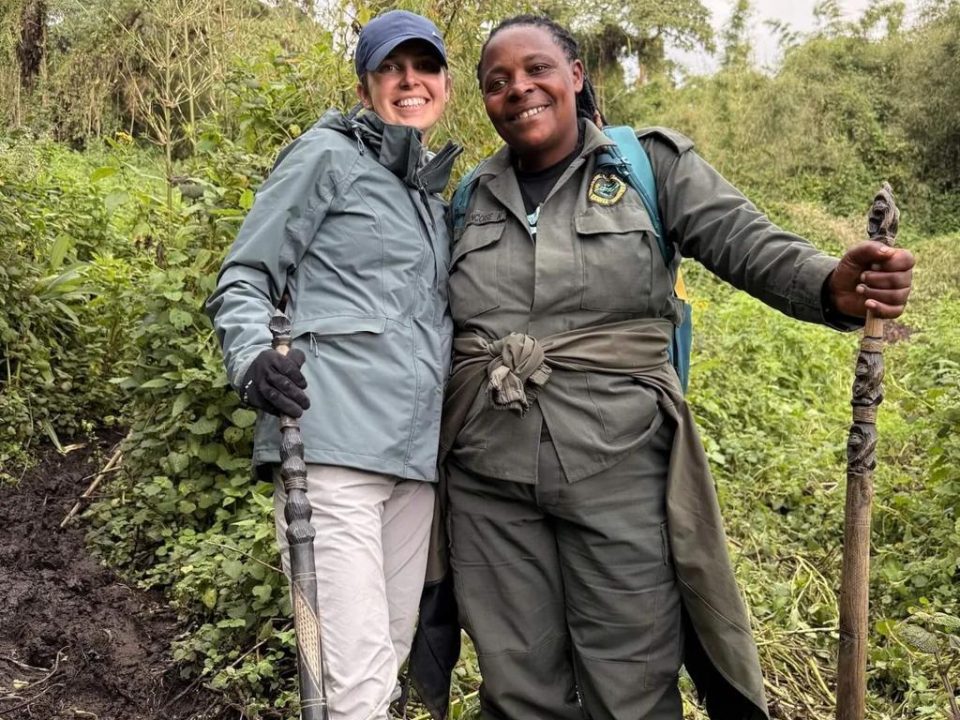
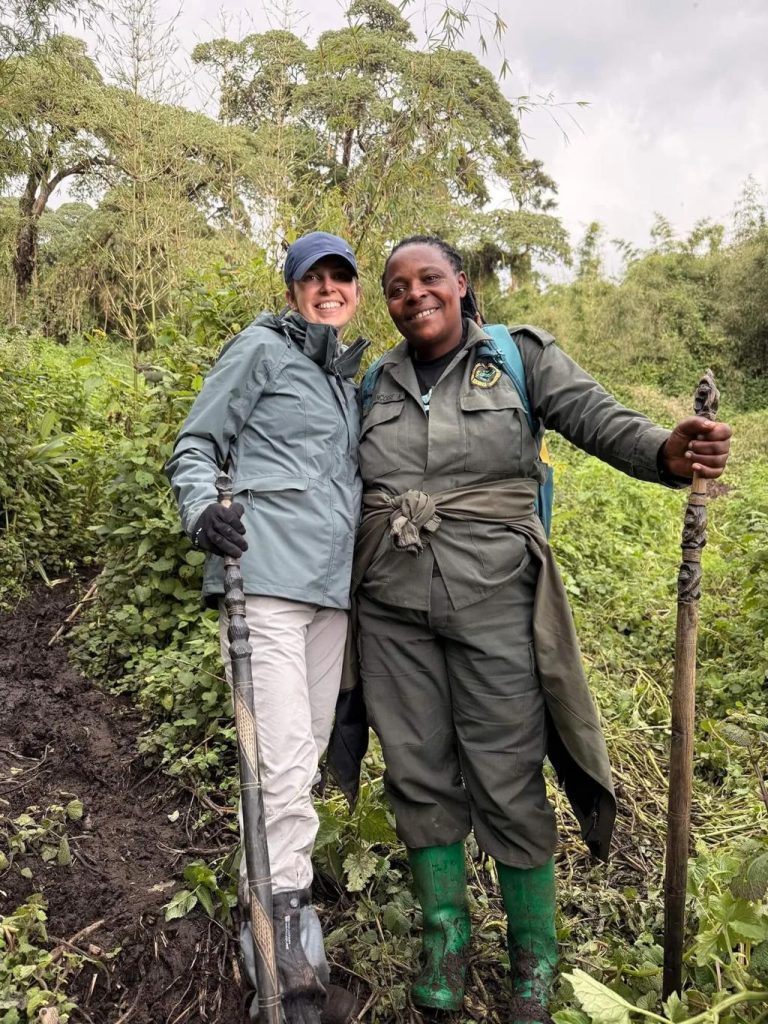
Long trousers and long-sleeved shirts help protect the skin from nettles, branches and other vegetation. They also reduce direct contact with insects and rough plants.
Choose trousers made from durable, comfortable material. They should allow you to bend your knees and walk uphill without restriction. Avoid trousers that are too tight or too loose.
You should also consider how the trousers fit around your boots. Tucking the lower ends into long socks can help reduce the chance of insects entering your clothing.
Gardening-style gloves are another useful item. They help protect your hands when you need to hold vegetation for balance. Choose a pair that fits well and provides a comfortable grip.
Your clothing should also allow you to move naturally. Avoid outfits that are too delicate or difficult to clean. Forest trekking can leave garments muddy, wet or scratched.
Safari O’clock advises travellers to prioritise practical clothing over fashionable outfits for the actual trek. You can always change into comfortable casual clothes after returning to your lodge.
4. How to Adjust Clothing Layers During the Trek
Packing suitable clothing is only the first step. Knowing when to add or remove each layer also makes a difference.
Clothing Layers for Cool Morning Conditions
Gorilla tracking activities begin early in the morning. Visitors normally report for the park briefing before heading into the forest.
At this time, the air may feel cool. Wearing your base layer, fleece and waterproof jacket can provide a comfortable starting outfit.
However, your exact needs will depend on the day’s conditions. Some mornings may feel mild, while others may be colder and mistier.
Keep your clothing adjustable. For example, choose a fleece with a zip rather than a garment that is difficult to remove. You can then respond quickly when the temperature changes.
Clothing Layers During Uphill Walking
Walking uphill increases physical effort. Your body produces more heat, especially when navigating steep or uneven sections.
If you continue wearing every layer, you may become uncomfortable and sweat excessively. Therefore, remove your middle layer when necessary, while keeping your protective jacket accessible.
Your base layer should remain comfortable during movement. It should not become heavy or cling to your skin because of trapped moisture.
Also, avoid carrying unnecessary clothing in your hands. Place removed garments inside your daypack to keep them clean and secure.
Clothing Layers When Rain Arrives
Rain can begin unexpectedly in the Virunga Mountains. Even if the morning starts with clear skies, conditions may change while you are inside the forest.
Put on your waterproof jacket when rain begins. If you expect prolonged wet conditions, waterproof trousers may also help protect your lower body.
A waterproof cover or dry bag can protect spare clothing inside your backpack. This is particularly useful because wet spare garments may not provide the warmth you need later.
After the rain eases, adjust your clothing according to your comfort. You may not need every layer for the rest of the trek.
5. Choosing the Right Trousers, Socks and Footwear
Your upper-body clothing is important, but your lower-body protection deserves equal attention.
Start with durable trekking trousers. They should cover your legs and protect you from vegetation. Lightweight hiking trousers can work well when they provide enough protection and allow easy movement.
For colder or wetter conditions, you may consider waterproof over-trousers. These can provide extra protection against rain and wet vegetation. However, choose a comfortable pair that does not restrict your steps.
Socks also play an important role. Select comfortable, moisture-managing hiking socks that fit properly inside your boots. Avoid new socks that may rub against your skin.
For footwear, choose sturdy hiking boots with good grip. Waterproof boots can help keep your feet dry when walking through wet vegetation and muddy sections. Ankle support may also be useful on uneven terrain.
Break in your boots before travelling. Wearing unfamiliar footwear on a long trek can cause blisters and discomfort.
Gaiters are another optional addition. They fit around the lower legs and boots to help keep mud, water and vegetation out of your footwear.
At Safari O’clock, we recommend treating footwear as part of your clothing plan. A comfortable outfit cannot compensate for boots that cause pain or provide poor grip.
6. Should You Pack Different Clothing for Dry and Rainy Seasons?
Seasonal planning can help you decide which clothing deserves extra attention. However, it should not determine your entire packing list.
Rwanda generally experiences a longer rainy season around March to May. Another rainy period usually occurs around September to December. Drier periods often fall around June to September and January to February, although exact conditions vary.
During wetter periods, waterproof protection becomes especially important. Consider packing waterproof trousers, a reliable rain jacket and a waterproof backpack cover.
You may also want an extra pair of socks. Wet socks can cause discomfort during a long walk, so having a dry replacement can be useful after the trek.
During drier periods, you may experience more comfortable walking conditions. Nevertheless, rain can still occur in Volcanoes National Park. Therefore, keep your waterproof jacket in your daypack regardless of the season.
Cool mornings can also occur during drier months. A fleece or light sweater remains useful, especially before the trek begins.
The most reliable strategy is to maintain a basic clothing system throughout the year. Then, adjust the number of spare items according to the expected conditions.
7. Clothing Mistakes to Avoid During Mountain Tracking
One common mistake is wearing a single heavy jacket throughout the day. This may feel comfortable at the beginning, but it can become too warm during uphill walking. Layering provides more control over your comfort.
Another mistake is choosing clothing based only on the weather forecast. Forecasts cannot describe every condition along a mountain trail. A sunny forecast does not guarantee dry vegetation or firm ground.
Some travellers also pack too many clothes. This creates unnecessary weight and makes it harder to organise a daypack. Instead, choose a few versatile garments that work together.
Avoid wearing delicate clothing that you are afraid to get dirty. Gorilla tracking involves walking through natural vegetation, and your clothes may collect mud or moisture.
Do not forget to test your outfit before travelling. Wear your boots, trousers and jacket together. Check whether you can move comfortably, bend your knees and carry your daypack.
Finally, avoid buying new trekking clothing immediately before departure without testing it. Familiar clothing is often more comfortable than unfamiliar equipment.
8. A Practical Clothing Checklist for Rwanda Gorilla Tracking
A well-planned clothing checklist helps you avoid forgetting important items. It also makes packing easier because you can separate what you will wear from what you will carry.
For your main trekking outfit, pack a moisture-wicking long-sleeved shirt, durable long trousers, comfortable hiking socks and sturdy waterproof hiking boots. These items form the foundation of your outfit.
Next, include a fleece or lightweight sweater. This provides warmth when temperatures drop. Add a waterproof jacket with a hood to protect against unexpected rain.
Depending on the season and expected conditions, consider waterproof trousers and gaiters. Gardening-style gloves can also protect your hands from rough vegetation.
For your daypack, carry a spare pair of socks and a dry bag for important items. A small waterproof backpack cover can provide extra protection.
You should also pack a hat and sunscreen. Although the mountain environment can feel cool, sun exposure remains possible during clear periods.
Keep your clothing organised before the day of tracking. Place rain protection where you can reach it easily. This way, you will not need to unpack everything when the weather changes.
9. How Safari O’clock Helps You Prepare for Mountain Weather
Planning a gorilla tracking trip involves more than securing a permit and choosing a travel date. Visitors also need to prepare for the climate, terrain and physical demands of the experience.
Safari O’clock helps travellers plan their Rwanda adventures with practical travel guidance. We encourage visitors to consider seasonal weather patterns while remaining flexible about conditions on the ground.
Before your trip, review the expected weather for the Volcanoes National Park area. Pack clothing that can handle both cool mornings and possible rainfall. Also, allow enough space for waterproof protection and spare essentials.
During the park briefing, listen carefully to the instructions from guides and rangers. They understand the local environment and can advise visitors on the conditions for the activity.
If you are unsure about what to pack, Safari O’clock can help you prepare a suitable trekking checklist. The goal is to avoid unnecessary luggage while ensuring that you have the important items.
10. Enjoy Mountain Tracking With the Right Clothing Plan
Changeable mountain weather does not have to make packing difficult. The key is to choose clothing that works together and gives you room to adjust.
Start with a comfortable base layer. Add a warm middle layer for cooler conditions. Then carry a waterproof outer layer for rain and wind.
Choose durable trousers, long sleeves and suitable hiking boots. These items provide practical protection as you move through the forest.
Most importantly, remember that weather can change during the same trekking day. Prepare for different conditions rather than relying on one forecast or one outfit.
With thoughtful planning, you can stay comfortable and focus on the experience. Safari O’clock encourages every traveller to prepare wisely, pack practically and enjoy the remarkable mountain environment of Rwanda.