- DIRECT CONTACTS:
- +256394517569
- tours@safarioclock.africa

How Fit Do You Need to Be for Rwanda Gorilla Tracking?

How Seasonal Demand Can Influence Accommodation Availability in Rwanda
November 23, 2026
Preparing for Steep Trails in Volcanoes National Park
November 23, 2026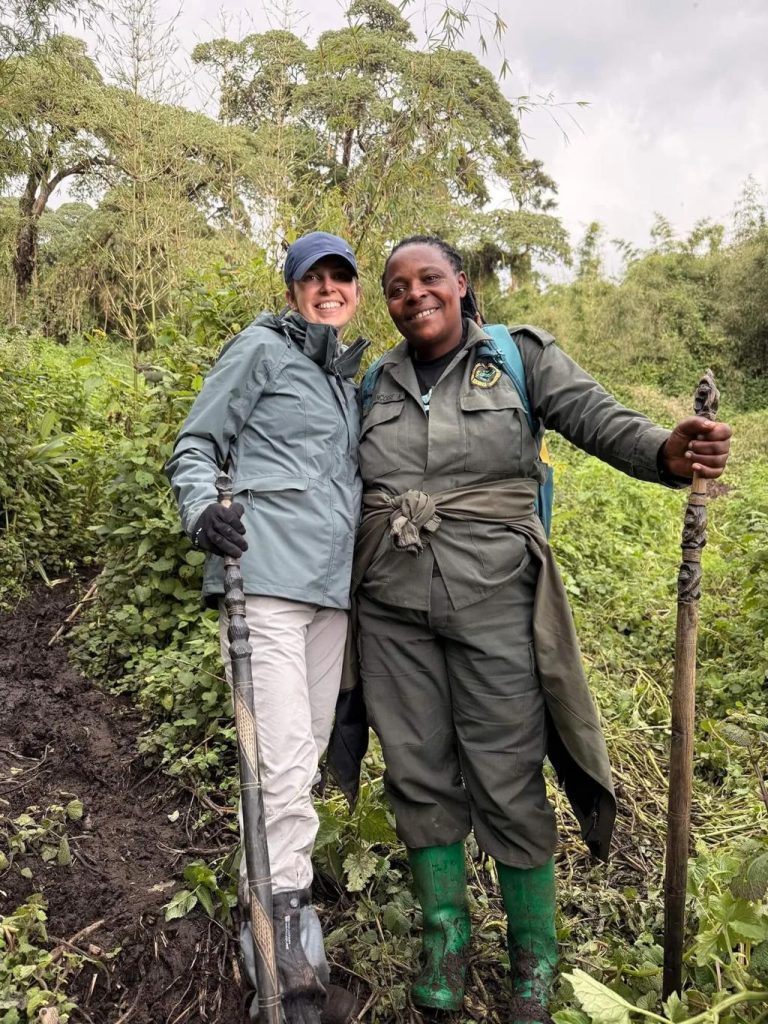
Rwanda gorilla tracking is one of the most memorable wildlife experiences in Africa. It gives travellers an opportunity to meet endangered mountain gorillas in their natural habitat. However, before booking a gorilla tracking adventure, many people ask an important question: How physically fit do you need to be?
The good news is that you do not need to be a professional athlete or an experienced mountain climber. People with different fitness levels can enjoy this experience. However, a reasonable level of fitness makes the journey more comfortable and enjoyable.
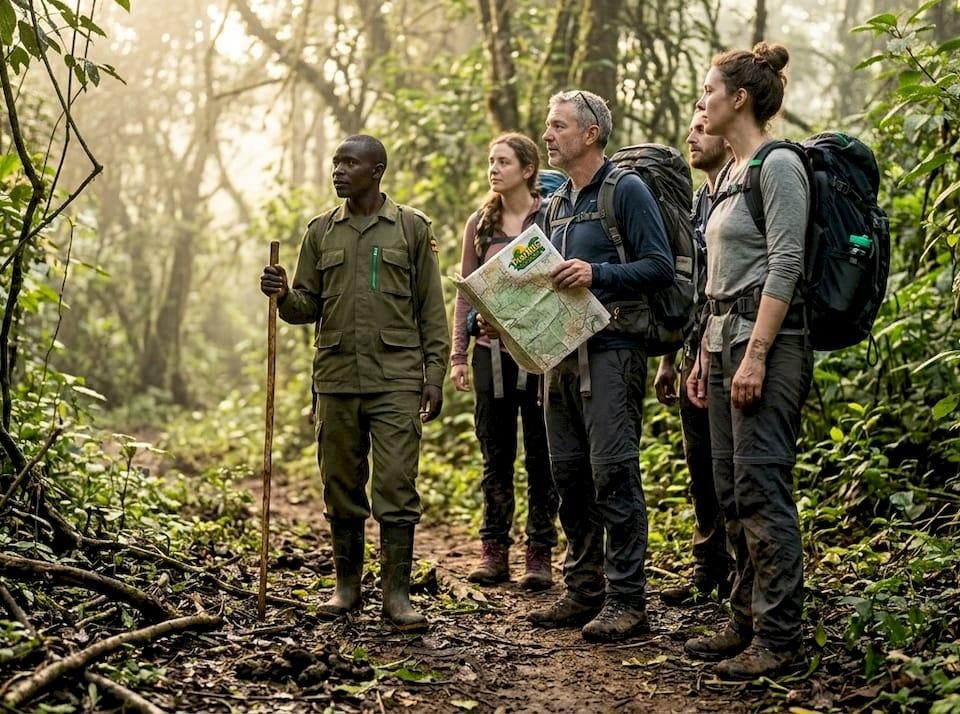
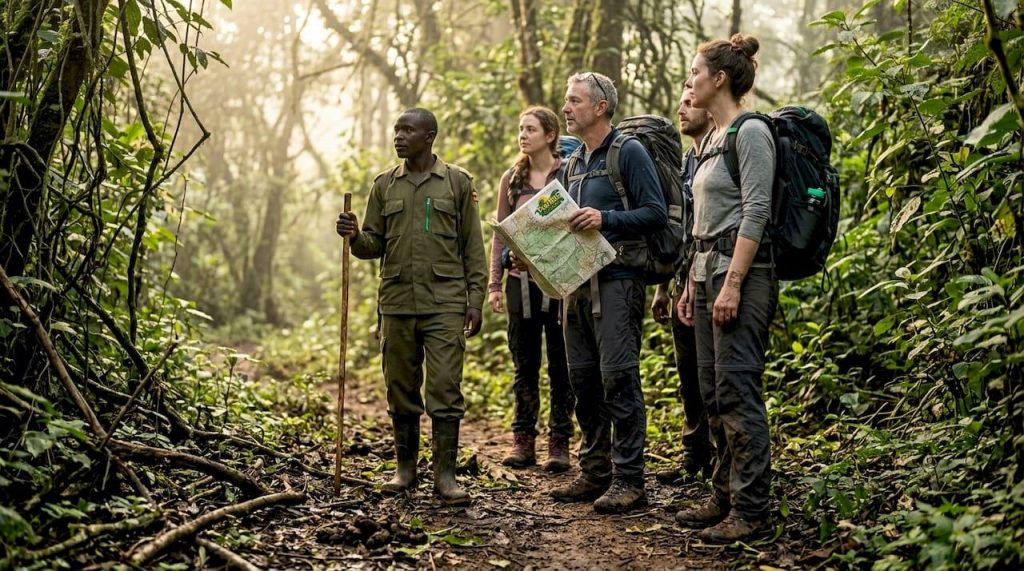
Gorilla tracking takes place in Volcanoes National Park, in northwestern Rwanda. The park protects part of the Virunga Mountains, where mountain gorillas live in high-altitude forests. The terrain includes steep slopes, thick vegetation, muddy paths and uneven ground. Therefore, visitors should prepare for more than an ordinary nature walk.
At Safari O’clock, we encourage travellers to understand the physical demands before setting off. With proper preparation, suitable equipment and guidance from experienced park rangers, many visitors can enjoy this remarkable adventure without being exceptionally fit.
What Fitness Level Do You Need for Gorilla Tracking?
Most visitors do not need advanced physical training to participate in Rwanda gorilla tracking. A moderate level of fitness is generally helpful. You should feel comfortable walking for extended periods, climbing slopes and moving across uneven surfaces.
The actual difficulty depends on several factors. These include the location of the gorilla family, the condition of the forest trails, the weather and your personal physical ability. Some groups may be relatively close to the park boundary. Others may move deeper into the forest or higher up the mountain slopes.
Consequently, one visitor might reach a gorilla family after a relatively short walk, while another might spend several hours hiking. The experience changes from one day to another because gorillas move freely through their natural habitat.
You do not need to run, climb rocks or move quickly. Instead, you need enough stamina to maintain a steady walking pace and manage occasional steep sections. Taking breaks when necessary is perfectly acceptable.
Safari O’clock recommends preparing for a longer walk rather than assuming that your trek will be short. This approach helps you arrive ready for different trail conditions.
Why Rwanda Gorilla Tracking Can Be Physically Demanding
Understanding the terrain helps visitors prepare for the experience. Although gorilla tracking does not require technical mountaineering skills, the natural environment can make the walk challenging.
1. Mountainous and uneven terrain
Volcanoes National Park lies within the Virunga volcanic mountain range. Its landscape includes steep slopes, forested valleys and high-altitude vegetation.
Unlike ordinary hiking trails, the routes do not always have smooth or clearly marked walking surfaces. You may encounter exposed roots, rocks, slippery sections and thick vegetation.
In some places, trackers and guides help navigate through dense vegetation to reach the gorilla family. As a result, your legs and balance may work harder than they would during a normal walk.
A little practice on hills, stairs and uneven paths can make a significant difference.
2. High altitude and reduced oxygen
Altitude is another important factor to consider. The gorilla habitat in the Virunga Mountains extends to elevations of approximately 2,500 to 4,000 metres above sea level.
At higher elevations, the air contains less oxygen per breath than at sea level. Therefore, visitors may experience faster breathing, tiredness or shortness of breath during physical activity.
Even people who exercise regularly can notice the difference. This is why physical fitness alone does not guarantee an easy trek.
The best approach is to walk slowly, avoid rushing and take regular breaks. Drinking enough water also supports your overall comfort during the hike.
3. Muddy and slippery forest trails
Rainfall can affect trail conditions throughout the year. Even during relatively dry periods, parts of the forest may remain wet and muddy.
This can make walking more difficult because your feet need a stronger grip on the ground. Slippery slopes may also require extra balance and concentration.
Good hiking boots with strong grip are essential. They help you move more confidently across difficult sections. Walking sticks can also provide additional support.
4. Walking for several hours
The duration of a gorilla trek depends on where the trackers find the assigned gorilla family.
Some visitors reach their gorilla family within a relatively short period. Others may spend several hours walking through the forest before reaching their destination.
The return journey also requires energy. Therefore, visitors should prepare for both the walk to the gorillas and the journey back.
At Safari O’clock, we advise travellers to plan their physical preparation around the possibility of a longer trek.
Does Your Fitness Level Determine Which Gorilla Family You Visit?
Yes, your physical ability and mobility can help park authorities consider a suitable trekking assignment.
Rangers organise visitors into groups and allocate gorilla families according to operational arrangements and the information available on the day. Where possible, they may consider the fitness and mobility of visitors when assigning groups.
Travellers who prefer a less demanding experience should communicate their concerns during the morning briefing. They should explain any mobility limitations or physical challenges before the trek begins.
However, visitors should understand that a shorter route cannot always be guaranteed. Gorilla families are wild animals, and their movements are unpredictable. Their location can change from one day to another.
Therefore, it is important to be honest about your fitness level instead of pretending to be more physically capable than you are.
Safari O’clock encourages early communication so that travellers can discuss their needs and understand the available arrangements before their tracking day.
How to Prepare Your Body for Rwanda Gorilla Tracking
You do not need an expensive gym membership to prepare for gorilla tracking. Simple physical activities can help improve your stamina, strength and confidence.
Ideally, begin preparing several weeks before your trip. If you have more time, build your routine gradually rather than waiting until the final days.
1. Start with regular walking
Walking is one of the simplest ways to prepare for a gorilla trek. Begin with short walks around your neighbourhood and gradually increase the distance.
As your fitness improves, aim to walk for longer periods without feeling excessively tired. This helps your body become familiar with sustained movement.
If possible, practise walking on different surfaces. Grass, gravel and gentle slopes can help prepare your legs for natural forest terrain.
2. Practise climbing hills and stairs
Gorilla tracking often involves uphill movement. Therefore, practising on hills or stairs can help strengthen your legs.
Start with manageable climbs and increase the difficulty gradually. Take breaks when necessary and avoid pushing yourself beyond your ability.
This exercise helps prepare your thighs, calves and other muscles that support your body during uphill walking.
3. Include simple strength exercises
Strong leg muscles and good balance can make hiking more comfortable.
Exercises such as squats, step-ups and gentle lunges can help strengthen the muscles used during trekking.
You can also practise simple balance exercises, provided you feel comfortable doing them.
There is no need for an extreme workout routine. Consistency and gradual improvement are more useful than exhausting yourself before travelling.
4. Practise walking in your hiking boots
Do not wait until the day of your trek to wear your new hiking boots.
Walk in them before travelling so that your feet become comfortable with the fit. This also helps identify potential problems such as rubbing, blisters or poor grip.
Choose waterproof hiking boots with good ankle support and a reliable sole. Comfortable footwear can make a major difference on muddy and uneven trails.
5. Build your stamina gradually
Your goal should be to walk for longer periods while maintaining a comfortable pace.
Start with manageable activities and increase the duration as your body adjusts. Include rest days in your routine to allow your muscles to recover.
Remember that preparation should make you stronger, not leave you exhausted or injured before your holiday.
Can People With Low Fitness Levels Go Gorilla Tracking?
Yes, people with lower fitness levels may still be able to enjoy Rwanda gorilla tracking. However, their individual mobility, health and ability to walk safely should guide the arrangements.
The experience does not have one fixed difficulty level. Some gorilla families may be easier to reach than others, although the exact route cannot be guaranteed.
Visitors who are concerned about their fitness should communicate with their tour operator and park authorities before the tracking date. This allows them to discuss suitable arrangements and understand the limitations.
There are also practical ways to make the experience more manageable.
Request a less demanding trekking assignment
If you have limited stamina or mobility, explain this during the planning process. Where operational circumstances allow, park authorities may consider a group with a shorter or less demanding approach.
However, this remains subject to gorilla movements and daily tracking arrangements.
Hire a local porter
Hiring a porter is one of the most helpful ways to make gorilla tracking easier.
Porters can carry your backpack, water, camera equipment and other personal belongings. This reduces the weight you need to carry during the hike.
They may also offer a helping hand on difficult sections of the trail.
Beyond the practical support, hiring a porter creates an opportunity to support local livelihoods around Volcanoes National Park. It is a meaningful way to contribute to the communities that live alongside Rwanda’s conservation areas.
Ask about a sedan chair
Visitors with significant mobility challenges may be able to arrange a sedan chair, which a trained team of porters carries along the trekking route.
This option can help people who cannot comfortably walk the entire distance experience gorilla tracking.
However, it requires advance arrangements, additional costs and confirmation of availability. The terrain may also limit where and how the equipment can be used.
Safari O’clock recommends discussing this option well before travel rather than waiting until the morning of the trek.
Does Age Matter More Than Fitness?
Age alone does not determine whether someone can enjoy gorilla tracking.
Some older travellers remain physically active and comfortable walking for several hours. Meanwhile, younger visitors may struggle with steep terrain if they rarely exercise.
The most important considerations include mobility, stamina, balance and general health.
Rwanda’s official minimum age for mountain gorilla tracking is 15 years. There is no published upper age limit in the Rwanda Development Board’s tracking information.
Older visitors should assess their physical ability honestly and seek medical advice where necessary. They should also communicate their needs before booking.
A well-planned experience can make the adventure more comfortable for travellers with different physical abilities.
Important Health Considerations Before Your Trek
Physical preparation is important, but general health deserves equal attention.
Gorilla tracking involves sustained physical activity at high altitude. Therefore, travellers with heart conditions, respiratory problems, previous serious injuries or other conditions that may affect exercise should consult a qualified medical professional before booking.
Discuss the altitude and expected physical effort with your doctor. This helps you understand whether the activity is appropriate for your circumstances.
It is also important to protect the gorillas from human illnesses. Mountain gorillas are vulnerable to certain human respiratory infections.
According to Rwanda Development Board guidance, visitors with a cold, flu or another contagious illness may be denied access to the park. Travellers should follow all health instructions issued by park authorities.
Being physically ready also means knowing when not to trek.
What Should You Carry to Make the Trek Easier?
Packing the right equipment can improve your comfort and safety during the hike.
Start with comfortable, waterproof hiking boots that have good traction. Long trousers and long-sleeved shirts protect your skin from nettles, scratches and insects.
A lightweight waterproof jacket is useful because mountain weather can change quickly. You should also carry enough drinking water and a small snack for the journey, following your guide’s instructions about when and where eating and drinking are permitted.
A small backpack is ideal for carrying your essentials. However, avoid packing unnecessary items because extra weight can make uphill walking more tiring.
Walking sticks can also help with balance on steep or slippery sections. Park staff and guides can advise you about their use.
Other useful items include gardening gloves for handling vegetation, a hat, sunscreen and a camera with flash disabled.
What Happens If You Become Tired During Gorilla Tracking?
Feeling tired during a gorilla trek is not unusual. The terrain, altitude and changing weather can affect even reasonably fit visitors.
Fortunately, tracking is a guided activity. Experienced guides and trackers lead visitors through the forest and provide instructions throughout the journey.
If you become tired, communicate with your guide. You can slow down, take a break and drink water when appropriate.
Do not feel pressured to compete with other visitors. Everyone has different physical abilities, and the group should follow the guidance of its park staff.
Most importantly, avoid pushing yourself beyond your limits. A steady and careful approach is better than rushing through the forest.
Is Rwanda Gorilla Tracking Worth the Physical Effort?
Absolutely. Although the hike can be challenging, meeting mountain gorillas in their natural habitat makes the effort worthwhile for many travellers.
Once the group reaches the gorillas, visitors are allowed a maximum of one hour with the family under Rwanda’s official tracking guidelines.
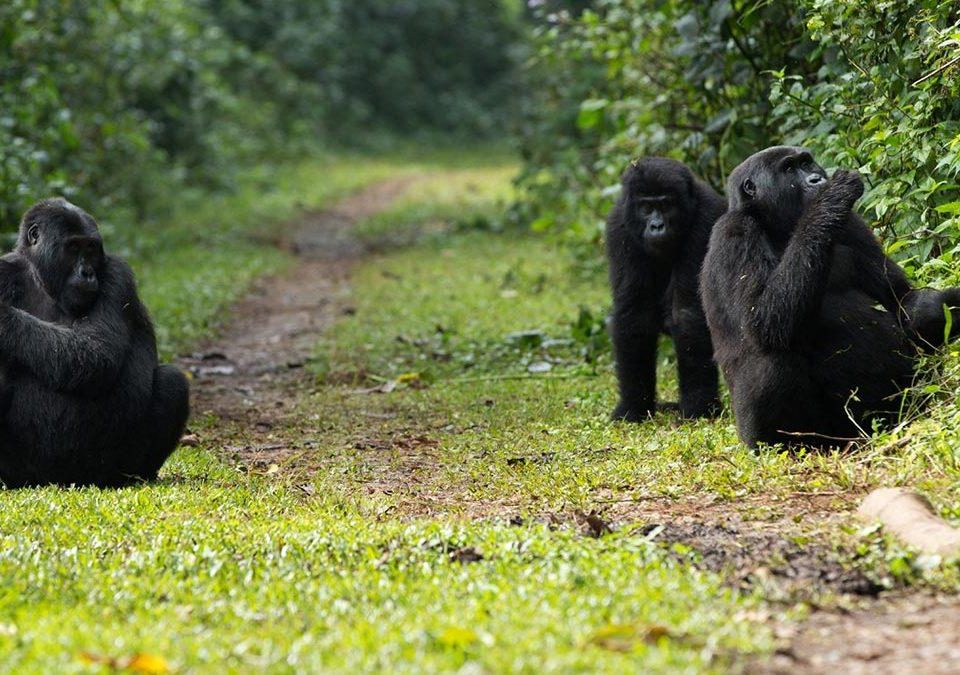
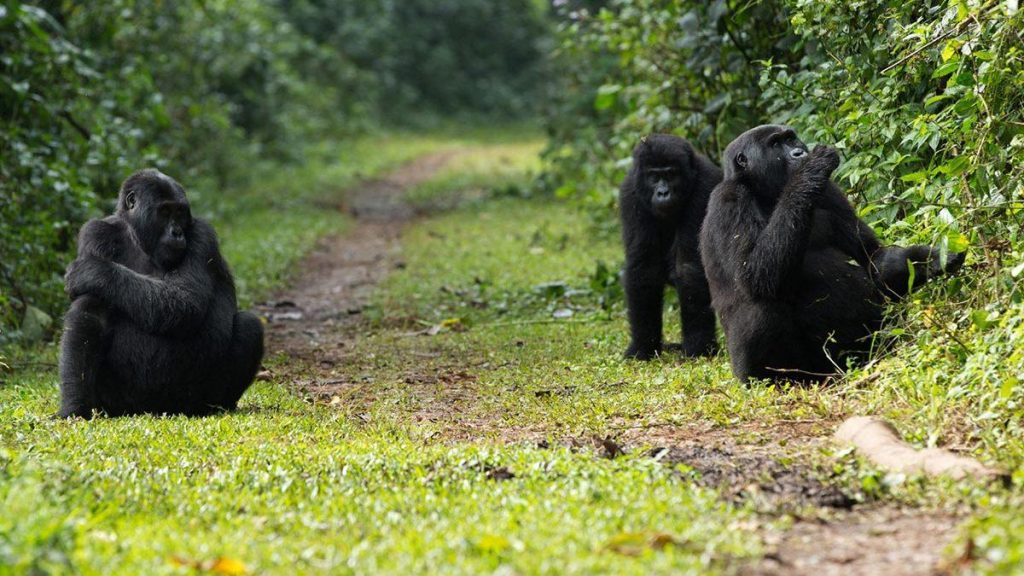
During this time, you may observe gorillas feeding, resting, playing and interacting with one another. You may also witness the impressive presence of a silverback as it watches over its family.
The experience offers more than a wildlife photograph. It provides a close look at the behaviour of one of the world’s most remarkable endangered species.
For many visitors, the memories of the encounter remain long after the physical tiredness has disappeared.
With Safari O’clock, travellers can receive assistance with planning their Rwanda safari, understanding the trekking requirements and preparing for their visit to Volcanoes National Park.
Final Thoughts: Prepare Well and Enjoy Your Gorilla Trek
So, how fit do you need to be for Rwanda gorilla tracking? You do not need exceptional athletic ability, but reasonable stamina, good mobility and a willingness to walk across challenging terrain will help you enjoy the experience.
Start preparing early with regular walking, hill climbing and simple strength exercises. Choose suitable hiking equipment, communicate your physical needs and consider hiring a porter if you need extra support.
Most importantly, remember that every gorilla trek is different. The walking time and difficulty depend on the location of the gorilla family and the conditions of the forest.
Safari O’clock believes that good preparation is the foundation of a rewarding safari. With the right guidance and realistic expectations, you can approach your Rwanda gorilla tracking adventure with greater confidence and excitement.
Ready to experience Rwanda’s mountain gorillas? Contact Safari O’clock and let us help you plan an unforgettable journey to Volcanoes National Park.