- DIRECT CONTACTS:
- +256394517569
- tours@safarioclock.africa

How Stair Climbing Can Help Prepare You for Gorilla Tracking

A Gentle Four-Week Walking Plan Before Your Gorilla Trek
November 23, 2026
Building Hiking Stamina for Rwanda’s Mountain Forests
November 23, 2026
Gorilla tracking in Rwanda is an unforgettable wildlife experience. However, reaching a mountain gorilla family can involve walking uphill, climbing over uneven ground and moving through thick forest vegetation. The experience can challenge your legs and cardiovascular endurance, especially if you rarely exercise.
One practical way to prepare is to include stair climbing in your fitness routine. You do not need a mountain nearby or expensive gym equipment. A safe staircase can provide a useful way to practise moving uphill and build strength in your lower body.
At Safari O’clock, we encourage travellers to prepare for their gorilla tracking adventure before arriving in Rwanda. Stair climbing can form part of that preparation. It can help your body become more familiar with repeated uphill movements. It can also improve your stamina when combined with walking and other simple exercises.
However, stair climbing does not reproduce every condition in Volcanoes National Park. Forest trails can be muddy, slippery, steep and uneven. Therefore, a balanced preparation routine remains important.
Why Gorilla Trek Stair Training Can Be Helpful
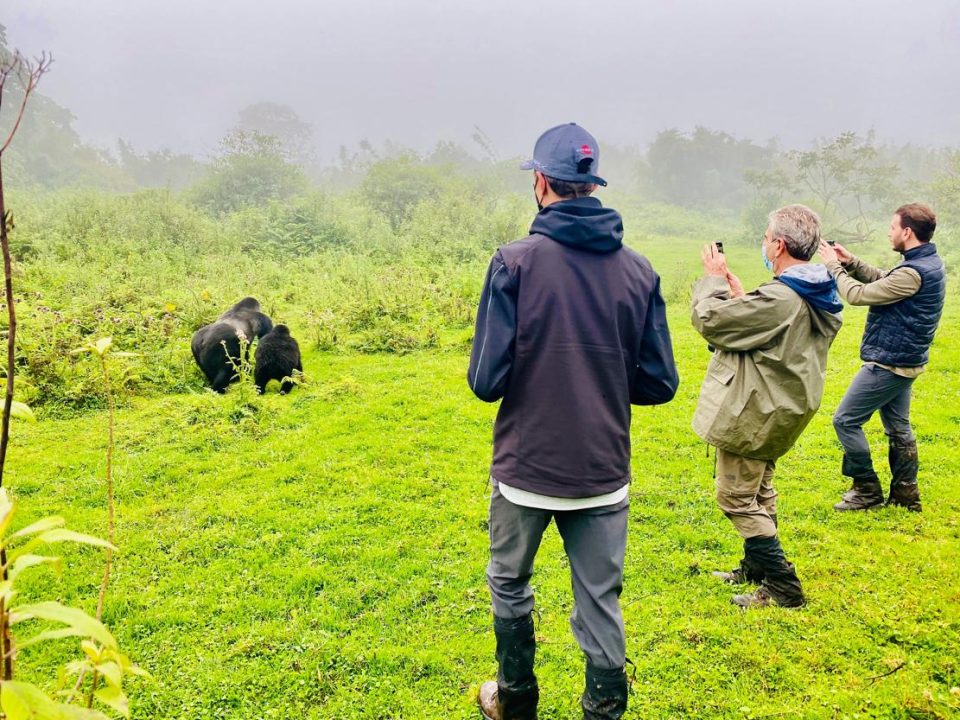
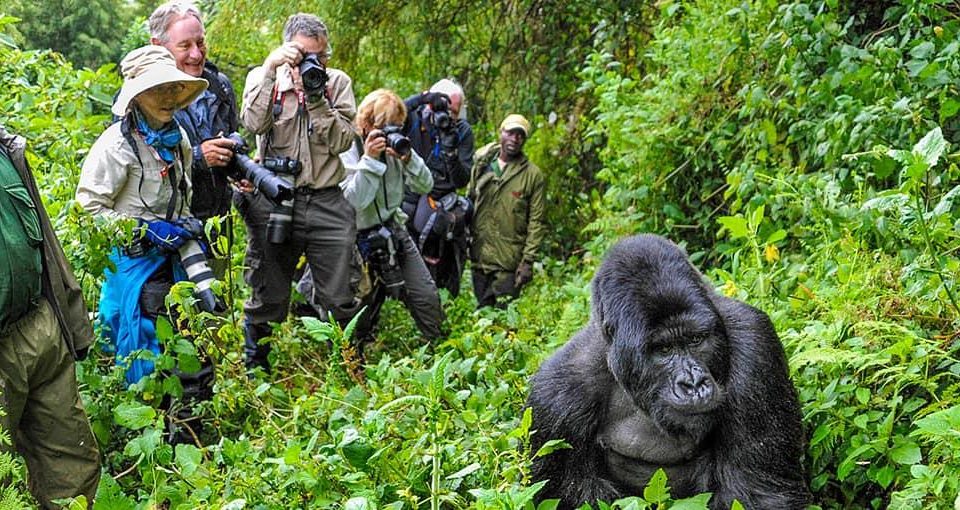
Gorilla tracking takes place in the mountainous landscape of Volcanoes National Park in northern Rwanda. The gorillas live across forested mountain slopes. As a result, visitors may need to climb uphill before reaching their assigned gorilla family.
The Rwanda Development Board explains that tracking duration varies with the location and movement of the gorilla family. Some hikes may take around 30 minutes, while others can last four hours or longer. The return journey can also require considerable effort. This variation makes general physical preparation valuable.
Stair climbing gives your body a chance to practise repeated uphill movement. Each step requires you to lift your body against gravity. Your legs and hips work together to move you upwards. With regular and gradual practice, this activity can help build lower-body strength and exercise endurance.
For travellers who spend much of the day sitting, stair climbing can also introduce a simple form of physical activity into their daily routine. You can practise at home, at work or in a suitable public building. The most important thing is to start at a level that feels manageable.
How Stair Climbing Builds Strength for Gorilla Tracking
1. It Works the Muscles Used During Uphill Walking
When you climb stairs, your quadriceps, glutes and calf muscles help lift your body from one step to the next. These muscles also contribute to walking uphill on mountain trails.
Stronger leg muscles can make repeated climbing movements feel more manageable. This matters during a gorilla trek because the route may involve several uphill sections. You may also need to step over roots, rocks and other natural obstacles.
However, stair climbing mainly involves a predictable movement pattern. Forest trekking requires more varied movements. Therefore, combine stair exercises with outdoor walking on safe, uneven paths when possible.
2. It Helps Improve Cardiovascular Endurance
Stair climbing raises your heart rate and makes you breathe faster. When you practise regularly, it can contribute to your aerobic fitness. This is useful because gorilla tracking may involve sustained walking and climbing.
The Centers for Disease Control and Prevention recognises physical activity as important for heart and general health. Its adult activity guidance recommends at least 150 minutes of moderate-intensity activity each week, alongside muscle-strengthening activities on two or more days. You can build towards suitable activity levels through a combination of walking, stair climbing and strength exercises.
Remember that these are general health guidelines. They are not official fitness requirements for gorilla tracking in Rwanda. Your preparation should reflect your current fitness, health and comfort.
3. It Develops Confidence With Uphill Movement
Some travellers worry about climbing hills before their gorilla trek. Stair practice can help make uphill movement feel more familiar.
You learn how to maintain a steady pace, place your feet carefully and manage your breathing. You also become more aware of how your body responds to repeated climbs.
This confidence can be helpful when you encounter a steep section on the trail. Nevertheless, mountain paths are different from stairs. They may contain loose soil, wet leaves, stones and slippery vegetation. Stair practice should support, not replace, outdoor walking.
Gorilla Trek Stair Training: How to Start Safely
You do not need to climb dozens of flights on your first day. In fact, starting too quickly can leave your legs sore and make it difficult to maintain a consistent routine.
Begin with a short session on a staircase with a secure handrail. Walk up a few flights at a comfortable pace. Take a rest before repeating the climb if necessary. Walk down slowly and carefully. If your knees feel uncomfortable, reduce the number of steps or choose another exercise.
As your fitness improves, you can gradually increase the number of flights or repetitions. You can also increase the duration of your sessions. Avoid rushing, skipping steps or carrying heavy bags while you are learning the movement.
A simple starting routine could include five to ten minutes of gentle stair climbing, depending on your current ability. You can begin with less if that feels challenging. Allow your body to recover between sessions.
If you have a health condition, joint problems, balance difficulties or a history of heart-related symptoms, seek advice from a healthcare professional before beginning a more demanding exercise routine. Stop exercising if you experience chest pain, dizziness or unusual breathlessness.
A Simple Weekly Gorilla Trek Stair Training Routine
A gradual routine can help you develop consistency without placing too much strain on your body. The following example is a general starting guide for a healthy beginner. Adjust it to your ability and take extra rest when needed.
During the first week, practise stair climbing once or twice. Keep each session short and comfortable. For example, climb one or two flights, rest and repeat only if you feel ready. Add two or three gentle walking sessions during the week.
During the second week, increase your stair practice slightly if the first week felt manageable. You might add another repetition or extend the session by a few minutes. Continue walking on other days to build endurance.
During the third week, aim for a steady routine. Include two stair sessions and several walks. If you have access to a safe gentle hill, practise walking uphill and downhill at a comfortable pace.
During the fourth week, maintain your routine rather than trying to achieve a sudden fitness breakthrough. Continue with comfortable stair sessions and longer walks if your body tolerates them. Reduce the intensity before travel if you feel tired. Arriving rested is more useful than arriving with sore muscles from last-minute training.
This is a flexible example, not a guaranteed four-week fitness programme. People who are inactive or have limited mobility may need more time to prepare.
Combine Stair Climbing With Other Gorilla Trek Exercises
Stair climbing is useful, but it should not be your only preparation activity. Gorilla tracking involves more than moving upwards. You may walk for extended periods, balance on uneven ground and manage changes in elevation.
Walking Builds Endurance for Gorilla Tracking
Regular walking helps prepare you for the sustained movement involved in a trek. Begin with comfortable walks on flat ground. Gradually increase the distance or duration as your fitness improves.
Later, include gentle slopes and safe natural paths. This gives you more variety than stair climbing alone. It also helps you practise maintaining a steady pace over a longer period.
Squats and Step-Ups Support Leg Strength
Bodyweight squats can help strengthen your thighs and hips. Step-ups on a low, stable platform practise a movement similar to climbing. Start with a small number of repetitions and use support if necessary.
Calf raises can also help strengthen the lower legs. Stand near a stable surface, rise onto your toes and lower yourself slowly. Choose a range of movement that feels comfortable.
Balance Exercises Prepare You for Uneven Trails
Forest paths may require careful foot placement. Simple balance exercises can help you practise control. For example, stand on one foot while holding a stable support. Switch sides and repeat.
You can also practise slow, controlled step-ups. Avoid exercises that create a risk of falling. Safety matters more than difficulty.
Can Stair Climbing Prepare You for the Altitude in Rwanda?
Stair climbing can make you fitter, but it cannot fully prepare your body for high altitude. Volcanoes National Park lies in a mountainous region, and gorilla tracking takes place at elevations that can affect some visitors.
At altitude, the air contains less available oxygen with each breath. Some people may notice that they become breathless more quickly than they would at lower elevations. Fitness does not completely prevent altitude-related problems.
The Rwanda Development Board advises visitors to walk slowly and drink plenty of water. It also notes that mountain gorillas live at high altitude. Therefore, even if you regularly climb stairs at home, you should still pace yourself during the actual trek.
Give yourself time to adjust to the conditions. Follow your guide’s instructions and communicate if you feel unwell. Safari O’clock can also help you plan the practical details of your trip so that you understand what to expect before departure.
What Stair Climbing Cannot Prepare You For
Although stair climbing offers several benefits, it has limitations. A staircase usually provides firm, regular steps. A forest trail does not.
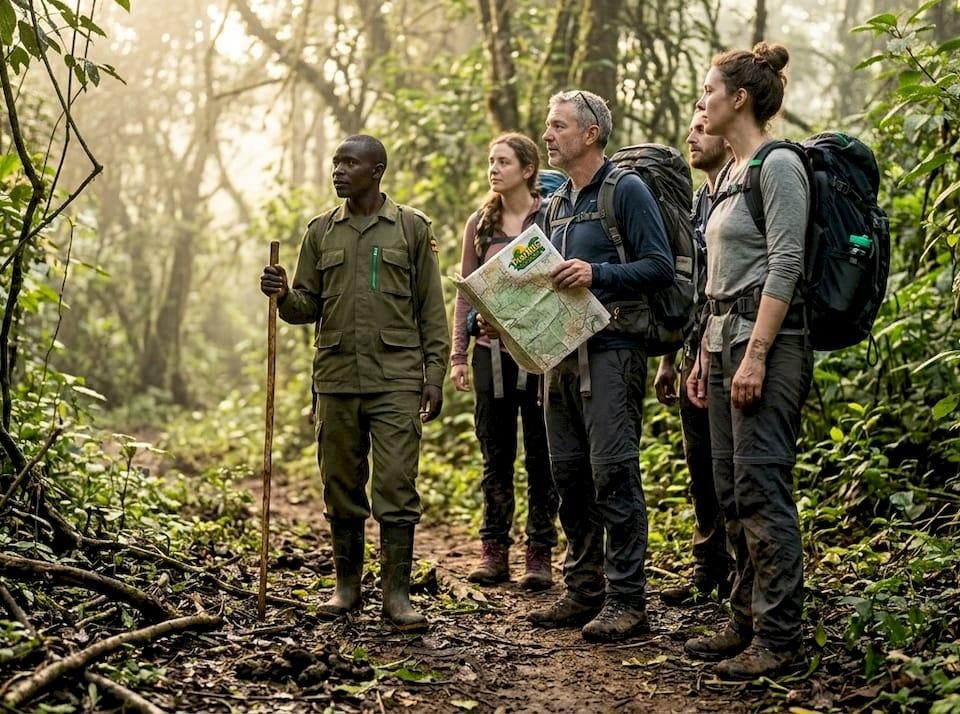
During gorilla tracking, you may encounter wet soil, slippery leaves, tangled vegetation and uneven ground. Some sections may require you to step over roots or move carefully around rocks. The trail can also change depending on recent rainfall and the location of the gorilla family.
Stair climbing does not fully develop the balance and movement skills needed for these conditions. It also cannot predict how long your trek will last. The trackers locate the gorilla family, and the route depends on where the animals have moved.
For this reason, combine stair climbing with walking, gentle hill practice and suitable strength exercises. If possible, practise in the hiking shoes you plan to use. This helps you become familiar with their fit before your trip.
Practical Tips for Stair Training Before Your Rwanda Gorilla Trek
Choose a staircase with a handrail and good lighting. Wear comfortable shoes that provide secure footing. Avoid climbing when the steps are wet or crowded.
Keep your movements controlled. Place your whole foot securely on each step where possible. Use the handrail for support, especially when descending. Do not race against other people or try to impress yourself by climbing too many flights.
Plan rest days between demanding sessions. Your muscles need time to recover. If you experience persistent pain, reduce your activity and seek appropriate advice.
You should also practise carrying a light daypack during some of your walks. Keep it light and comfortable. On the actual trek, porters are available to help carry bags. You do not need to train with a heavy load to prove that you are ready.
Finally, remember that fitness preparation is only one part of planning. Pack suitable hiking boots, long trousers, a long-sleeved top and rain protection. Rwanda’s mountain weather can change during the day.
Prepare for Gorilla Tracking With Safari O’clock
A successful gorilla tracking experience begins before you enter the forest. Building your walking endurance, strengthening your legs and practising uphill movement can help you approach the adventure with greater confidence.
Stair climbing is an accessible way to work on these areas. It can help strengthen important leg muscles and contribute to cardiovascular fitness. However, it works best as part of a wider preparation routine that includes walking, balance exercises and gradual hill practice.
At Safari O’clock, we help travellers prepare for memorable Rwanda experiences. From understanding gorilla tracking requirements to planning transport, accommodation and practical travel arrangements, our team can help you organise your journey.
You do not need to become an athlete before visiting the mountain gorillas. Instead, prepare sensibly, listen to your body and follow your guide’s instructions. With realistic expectations and thoughtful preparation, you can focus on the extraordinary experience of seeing mountain gorillas in their natural home.