- DIRECT CONTACTS:
- +256394517569
- tours@safarioclock.africa

Building Hiking Stamina for Rwanda’s Mountain Forests

How Stair Climbing Can Help Prepare You for Gorilla Tracking
November 23, 2026
How to Pace Yourself During a Gorilla Trek in Rwanda
November 23, 2026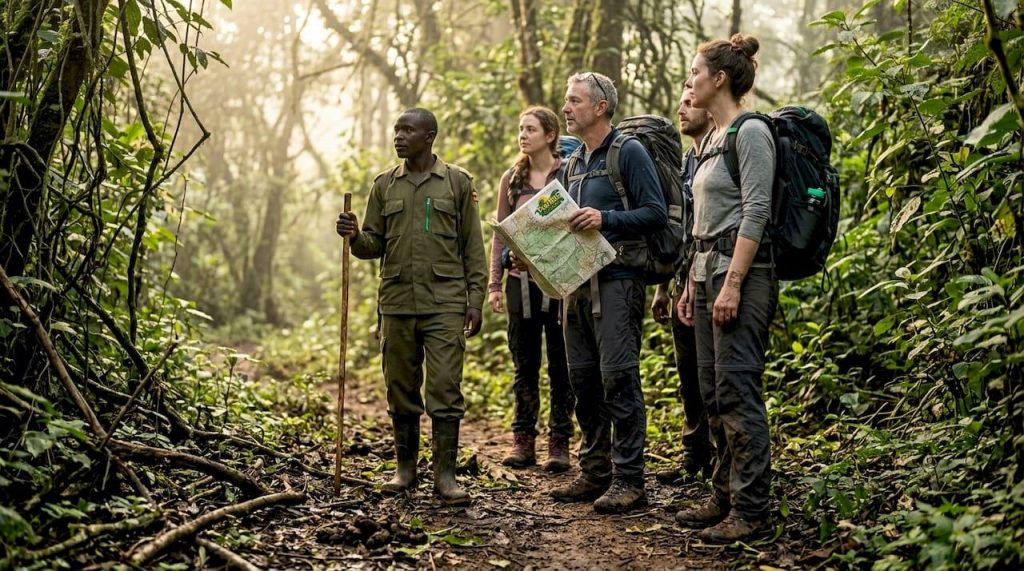
Rwanda’s mountain forests offer some of the most memorable hiking and wildlife experiences in East Africa. From the slopes of the Virunga volcanoes to the forest trails of Volcanoes National Park, visitors can explore beautiful landscapes, encounter unique wildlife and enjoy unforgettable outdoor adventures.
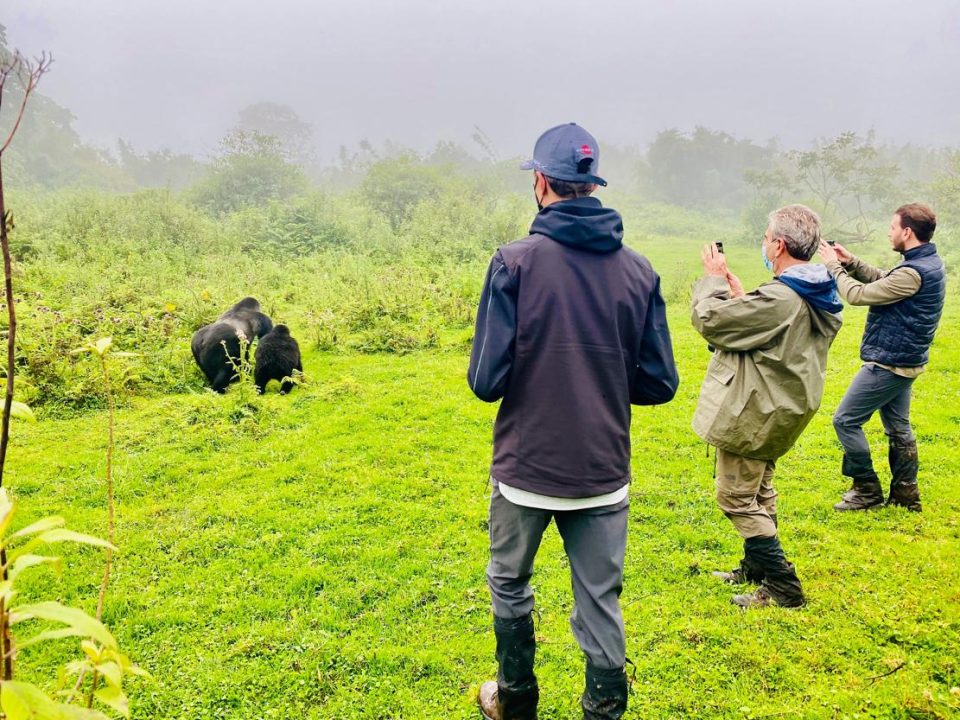
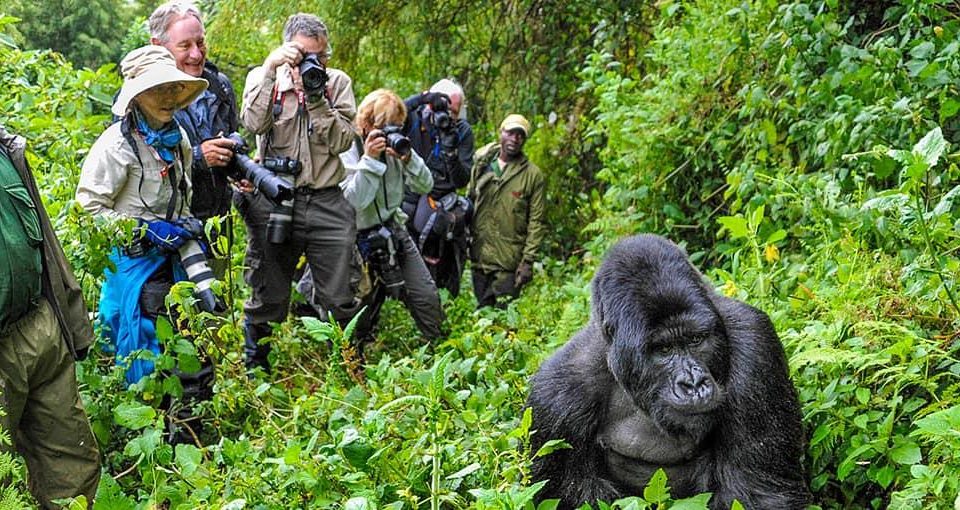
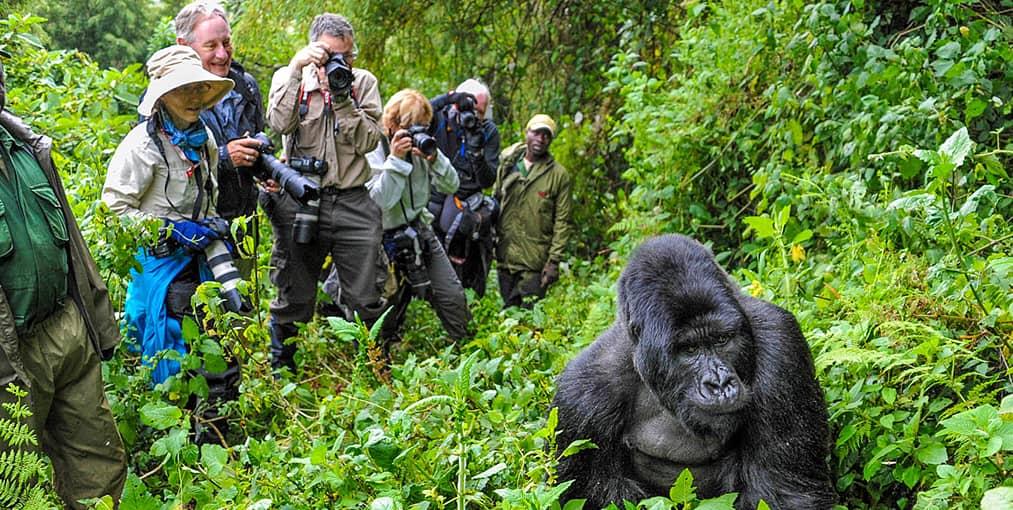
However, hiking in these environments requires preparation. Mountain trails can involve long walks, steep climbs, uneven surfaces and changing weather. Gorilla tracking, in particular, may require visitors to walk through dense vegetation while following experienced park guides and trackers.
Building hiking stamina before your journey can make these activities more comfortable. You do not need to become a professional athlete. Instead, you need a realistic exercise routine that gradually improves your endurance, leg strength and confidence.
At Safari O’clock, we encourage travellers to prepare for Rwanda’s mountain adventures before arriving. With consistent training and sensible planning, you can approach your forest experience with greater confidence and enjoy more of the journey.
Why Hiking Stamina Matters in Rwanda’s Mountain Forests
Hiking stamina refers to your ability to remain physically active for an extended period without becoming excessively tired. It combines cardiovascular endurance, muscular endurance and the ability to maintain a steady pace.
This matters when exploring Rwanda’s mountain forests because the terrain can be demanding. Volcanoes National Park sits within the Virunga Mountains, where visitors may encounter steep slopes, thick vegetation and uneven ground. Some sections require more effort than ordinary walking on flat roads.
Gorilla tracking also varies from one day to another. The time and distance depend on where the assigned gorilla family has moved. The Rwanda Development Board’s visitor information explains that mountain gorilla tracking can involve different levels of physical effort. Visitors should walk slowly and drink plenty of water.
Therefore, preparing your body for sustained movement is more useful than focusing only on speed. A person who can maintain a comfortable pace and manage their energy may find a long walk easier than someone who starts too quickly and becomes exhausted.
How to Build Hiking Stamina Before Your Rwanda Trip
1. Start With Regular Walking for Hiking Stamina
Walking is one of the simplest ways to improve your endurance. It requires little equipment and allows you to increase your activity gradually.
If you rarely exercise, begin with short walks on relatively flat ground. You might start with 15 to 20 minutes at a comfortable pace. As your fitness improves, increase the duration or distance slowly.
Try to walk several times each week. Consistency matters more than completing one very long walk. Over time, your body can adapt to longer periods of movement.
You can also vary your walking pace. Walk comfortably at first, then include a few short periods of brisk walking if you feel ready. This helps you practise managing different levels of effort.
The Centers for Disease Control and Prevention recommends that adults aim for at least 150 minutes of moderate-intensity physical activity each week. It also recommends muscle-strengthening activities on at least two days. These are general health guidelines, not specific requirements for gorilla tracking. However, they offer a useful starting point for building an active routine.
2. Practise Walking Uphill
Walking uphill helps prepare your legs for the slopes found in mountainous areas. It also challenges your heart and lungs more than walking on flat ground at the same speed.
Look for a safe hill near your home or neighbourhood. Start with a gentle slope and walk upwards at a manageable pace. Take breaks whenever you need them.
As your endurance improves, gradually increase the length of the uphill section. You can also repeat a short hill climb several times, with recovery periods between repetitions.
If you live in a flat area, use stairs or an inclined treadmill as alternatives. These activities help you practise uphill movement, although they do not fully reproduce natural forest terrain.
3. Increase Your Walking Time Gradually
Longer hikes require your body to remain active for extended periods. Therefore, gradually increasing your walking time is an important part of preparation.
For example, someone who comfortably walks for 20 minutes could gradually work towards 30 minutes, then 40 minutes and eventually longer sessions. The pace should remain manageable.
Avoid increasing distance, speed and hill difficulty all at once. That approach can place unnecessary strain on your muscles and joints.
Instead, change one part of your routine at a time. If your legs feel unusually tired, allow more recovery time before your next demanding session.
Build Hiking Stamina With Simple Strength Exercises
Endurance is important, but strong muscles also support comfortable movement on mountain trails. Your legs, hips and core help you climb, balance and control your steps.
Strengthen Your Legs for Mountain Hiking
Squats help strengthen the muscles around your thighs and hips. Start with a comfortable number of bodyweight repetitions. Keep your movements controlled and avoid lowering yourself beyond a comfortable range.
Step-ups are another useful exercise. Use a low, stable platform and step up carefully before returning to the starting position. This movement resembles climbing a natural step on a trail.
Calf raises can also support lower-leg strength. Stand near a stable surface, rise onto your toes and lower yourself slowly. Repeat the movement at a comfortable pace.
These exercises do not need to be complicated. A short strength session twice a week can complement your walking routine.
Improve Balance for Uneven Forest Trails
Mountain trails do not always provide a smooth surface. You may encounter stones, roots, wet leaves and patches of loose soil. Good balance helps you place your feet carefully and maintain control.
Practise standing on one foot while holding a stable support. Switch legs after a short period. You can also practise controlled step-ups and slow movements on a safe, level surface.
Do not attempt difficult balance exercises where a fall could cause injury. Start with support and increase the challenge only when you feel stable.
Use Stair Climbing to Support Hiking Stamina
Stair climbing provides another practical way to prepare for uphill movement. Each step requires your leg muscles to lift your body against gravity.
Begin with a few flights at a comfortable pace. Rest when necessary and use the handrail for support. As your fitness improves, increase the number of repetitions or the duration of your sessions.
However, remember that forest hiking involves more varied movements than climbing stairs. Combine stair practice with walking and gentle outdoor hill training whenever possible.
A Six-Week Plan to Build Hiking Stamina
Six weeks can provide a useful preparation period for travellers who already have a basic level of mobility and can exercise comfortably. The following example offers a gradual structure. It is not a medical programme or a guarantee of readiness.
Week 1: Establish a Walking Routine
Start with three or four short walks during the week. Aim for around 15 to 20 minutes per session if that feels comfortable. Walk on flat, familiar routes and focus on developing consistency.
You can also include one short session of gentle strength exercises. Avoid pushing yourself to exhaustion.
Week 2: Increase Your Walking Time
If the first week felt manageable, increase some walks to around 20 to 30 minutes. Keep a comfortable pace and allow your body to recover between sessions.
Introduce a gentle hill or a short stair-climbing session. Pay attention to how your legs respond.
Week 3: Add More Varied Terrain
Continue your regular walks and include a longer session of approximately 30 to 40 minutes if comfortable. Try a safe route with gentle slopes or slightly uneven ground.
This is also a good time to practise step-ups, squats and calf raises. Keep the movements controlled.
Week 4: Develop Longer-Distance Endurance
Work towards longer walks of around 40 to 50 minutes, depending on your fitness. You can include gentle uphill sections and short periods of brisk walking.
Do not rush through the route. Focus on maintaining a steady pace and managing your breathing.
Week 5: Practise Sustained Walking
If you have progressed comfortably, try a longer walk of around 50 to 60 minutes. Choose a safe route with some elevation changes.
You can also wear your hiking shoes during selected walks. This helps you identify discomfort before your trip. Avoid carrying a heavy backpack during training.
Week 6: Maintain Fitness and Recover
Continue with comfortable walks and light strength exercises. If you have already built a good routine, avoid suddenly increasing the difficulty.
Reduce demanding sessions as your departure approaches. Give your muscles enough time to recover. Arriving rested is better than travelling with unnecessary soreness.
If you currently have a very inactive lifestyle, six weeks may not be enough to reach longer walking durations safely. Start earlier whenever possible and adjust the plan to your ability.
How to Manage Your Energy During a Mountain Forest Hike
Building stamina is only part of the preparation. You also need to know how to manage your energy during the actual hike.
Maintain a Comfortable Walking Pace
One common mistake is starting too quickly. Excitement can make visitors walk faster than their bodies can comfortably manage.
Instead, begin slowly and follow your guide’s instructions. Take breaks when necessary and avoid comparing your speed with other hikers.
A steady pace helps you conserve energy for the rest of the journey. It also gives you more time to observe the forest surroundings.
Drink Water Regularly
Mountain hiking can involve physical effort, even when the weather feels cool. Carry drinking water and take regular sips during appropriate breaks.
Avoid waiting until you feel extremely thirsty before drinking. Your guide or tour operator can advise you about the practical arrangements for your particular hike.
Eat Before Your Hike
A suitable meal before setting out can help provide energy for physical activity. Choose foods that you know your body tolerates well.
For longer activities, carry an appropriate snack if the park rules and your guide allow it. During gorilla visits, visitors must follow the park’s wildlife protection instructions. Do not eat or drink near the gorillas.
Rest When Your Body Needs It
Taking a short break does not mean that you are failing. It is a sensible way to manage effort during a demanding walk.
Tell your guide if you feel unusually tired, dizzy or unwell. Do not ignore warning signs in an attempt to keep up with others.
Prepare for Rwanda’s Mountain Altitude
Altitude is an important consideration when hiking in Rwanda’s mountain forests. Volcanoes National Park lies at a much higher elevation than many visitors experience in their everyday lives.
At higher elevations, the body receives less oxygen with each breath. As a result, some visitors may become breathless more quickly during physical activity.
Good fitness can help you manage exercise, but it does not prevent altitude-related illness. Even experienced hikers may notice the effects of elevation.
Give yourself time to adjust to the environment when your itinerary allows. Avoid rushing during the hike, drink water regularly and follow your guide’s advice.
If you have concerns about altitude or have a heart, lung or other relevant medical condition, speak with a healthcare professional before travelling. Discuss your planned activities and any precautions you may need.
Safari O’clock can help you organise your Rwanda itinerary with practical travel arrangements. However, personal medical advice should always come from a qualified healthcare professional.
Choose the Right Hiking Shoes and Clothing
Your fitness routine will help prepare your body, but suitable equipment also makes a difference.
Choose comfortable hiking boots or shoes with good grip. They should fit properly and provide support on uneven surfaces. Wear them during training walks before your trip. This gives you time to identify rubbing, discomfort or poor fit.
Long trousers and long-sleeved clothing can help protect your skin from vegetation. Rwanda’s mountain weather can change, so carry suitable rain protection.
A light daypack can hold essential personal items. Keep it comfortable and avoid packing unnecessary weight. If you need assistance carrying your bag, porters are available for visitors undertaking gorilla tracking.
Do not wait until the morning of your trek to test your footwear. New shoes can cause blisters and make an otherwise enjoyable hike uncomfortable.
What If You Are Not an Experienced Hiker?
You do not need years of hiking experience to enjoy Rwanda’s mountain forests. Many travellers begin preparing without a background in mountain walking.
The important thing is to understand your current ability and build gradually. Start with activities you can manage. Increase your walking time as your body becomes more comfortable with exercise.
You can also discuss your mobility and fitness concerns during your trip planning. For gorilla tracking, communicate your needs to your tour operator and park staff. Ask about available assistance, including hiring a porter.
Do not assume that every gorilla trek follows the same route or requires the same amount of effort. The location of the gorilla family and the conditions on the day influence the experience.
Safari O’clock can help you understand the practical details of your planned adventure. Clear communication before travel allows you to make more informed arrangements.
Enjoy Rwanda’s Mountain Forests With Safari O’clock
Rwanda’s mountain forests offer much more than beautiful scenery. They provide opportunities to experience remarkable wildlife, explore volcanic landscapes and appreciate the natural heritage of the country.
However, these experiences can involve physical challenges. Building hiking stamina before your visit can help you walk for longer, manage uphill sections and enjoy the journey with greater confidence.
Start with regular walking, add gentle hill practice and strengthen your legs. Gradually increase your activity and allow enough time for recovery. Also, prepare your footwear, clothing and personal essentials before departure.
At Safari O’clock, we want every traveller to enjoy a well-planned Rwanda adventure. Whether you are preparing for gorilla tracking or exploring other mountain experiences, our team can help you organise the practical details of your journey.
You do not have to be the fastest person on the trail. Prepare at your own pace, listen to your body and follow your guide. With realistic expectations and thoughtful preparation, you can make the most of Rwanda’s extraordinary mountain forests.