- DIRECT CONTACTS:
- +256394517569
- tours@safarioclock.africa

How to Pace Yourself During a Gorilla Trek in Rwanda

Building Hiking Stamina for Rwanda’s Mountain Forests
November 23, 2026
Why Walking Slowly Can Help During a Mountain Gorilla Trek
November 23, 2026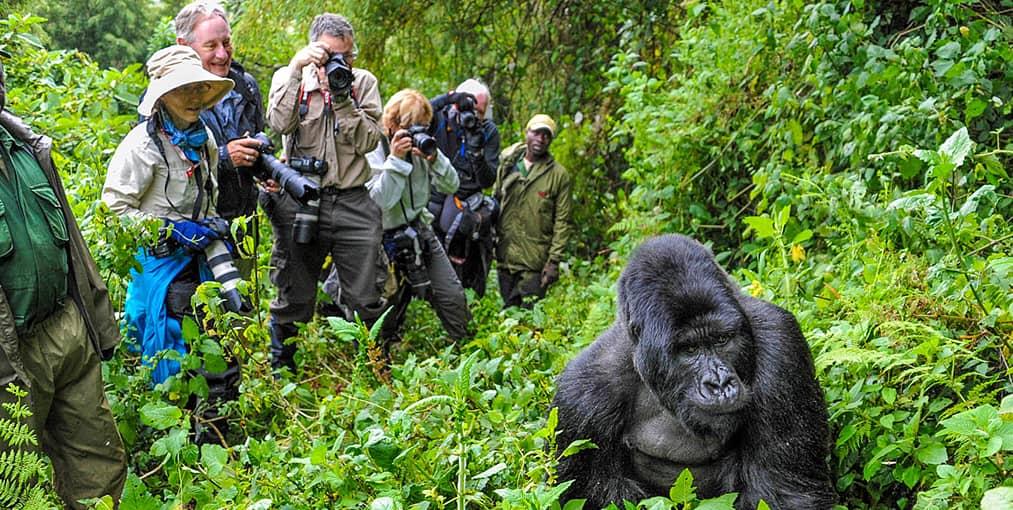
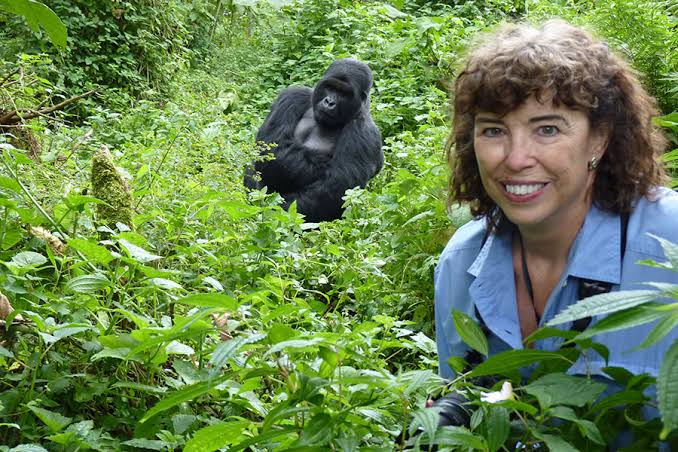
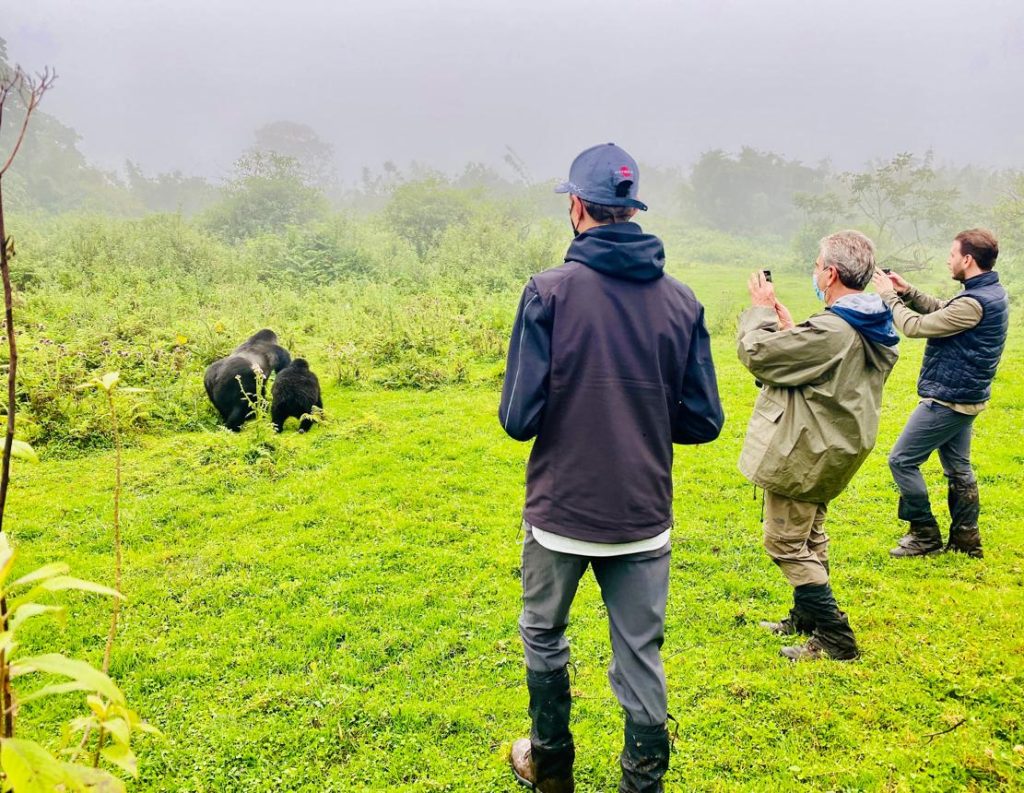
Gorilla tracking in Rwanda is an exciting adventure that takes visitors into the beautiful mountain forests of Volcanoes National Park. The experience offers a rare opportunity to observe endangered mountain gorillas in their natural habitat. However, reaching them can involve walking through thick vegetation, climbing steep slopes and crossing uneven forest trails.
For this reason, how you manage your energy during the trek matters. Walking too quickly at the beginning can leave you exhausted before you reach the gorillas. On the other hand, maintaining a comfortable pace and taking breaks when necessary can make the journey more manageable.
At Safari O’clock, we encourage travellers to prepare for their gorilla tracking adventure with realistic expectations. You do not need to compete with other visitors or rush through the forest. Instead, focus on moving safely, listening to your guide and enjoying the experience.
This guide explains how to pace yourself during a gorilla trek, conserve energy and handle the different challenges you may encounter along Rwanda’s mountain trails.
Why You Should Pace Yourself During Gorilla Trekking
Gorilla tracking is not an ordinary walk through a park. It takes place in a mountainous environment where the terrain and elevation can change throughout the journey.
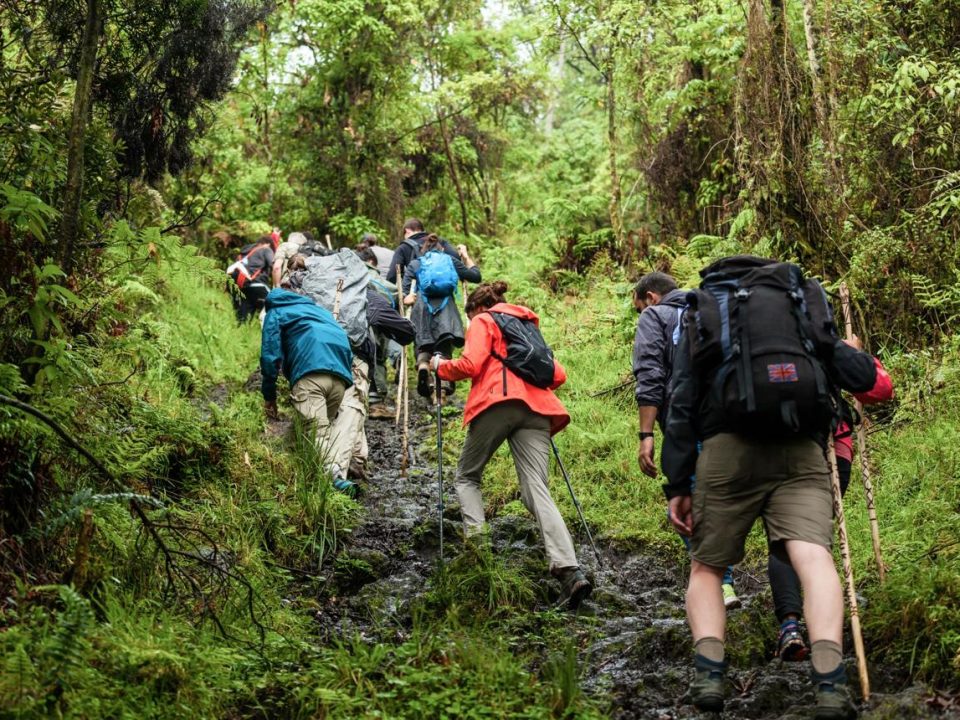
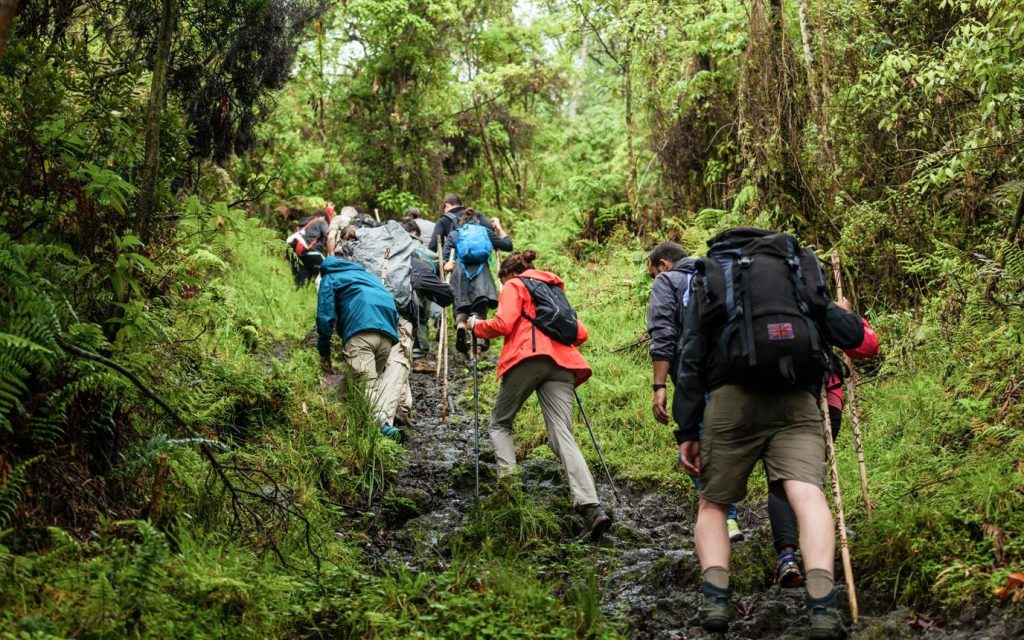
In Volcanoes National Park, visitors may walk through bamboo forests, thick vegetation and steep sections of the Virunga Mountains. Some paths contain slippery soil, exposed roots and uneven ground. These conditions can make walking more demanding than expected.
The Rwanda Development Board explains that tracking duration depends on the location of the assigned gorilla family. Some hikes may take around 30 minutes, while others can last four hours or longer. The return journey can also require considerable effort.
This uncertainty makes pacing especially important. You may not know exactly how long you will walk before meeting the gorillas. Therefore, conserving energy from the beginning can help you remain comfortable throughout the experience.
A steady pace also gives you time to observe your surroundings. You can enjoy the forest, listen to birds and appreciate the mountain scenery instead of focusing only on reaching the destination.
How to Pace Yourself During Gorilla Trekking From the Start
1. Begin Slowly Instead of Rushing
The excitement of seeing mountain gorillas can make you eager to start walking quickly. However, resist the temptation to rush during the first part of the trek.
Begin at a comfortable pace and allow your breathing to settle. Give your body time to adjust to the uphill movement and changing terrain.
Starting slowly helps you avoid using too much energy too early. It also gives you a chance to understand the trail and identify sections that require extra care.
Remember that the goal is not to reach the gorillas before everyone else. The goal is to complete the journey safely and enjoy the experience.
2. Follow Your Guide’s Walking Pace
Every gorilla tracking group has an experienced park guide who leads the visitors through the forest. The guide works with trackers who help locate the gorilla family.
Follow their instructions throughout the journey. They understand the terrain and know how to manage the group safely.
If the pace feels too fast, communicate your concerns. Do not remain silent because you fear slowing down other visitors. Your guide needs to know when someone requires a break or additional assistance.
Likewise, avoid walking too far ahead or separating from the group. Staying together makes it easier for the guide to supervise everyone and manage the trek.
3. Take Short Breaks When Necessary
Resting during a gorilla trek is perfectly reasonable. You do not need to wait until you feel completely exhausted before taking a break.
If you become tired, inform your guide. They can help the group pause at an appropriate location. Use the opportunity to catch your breath, drink water and prepare for the next section.
Short, regular breaks may help you manage your energy better than pushing yourself until you can no longer continue comfortably.
However, follow your guide’s directions about where to stop. Some sections may be narrow, steep or unsuitable for resting.
How to Pace Yourself During Uphill Sections
Uphill walking can be one of the most demanding parts of gorilla tracking. As the trail climbs, your legs work harder to lift your body. Your breathing and heart rate may also increase.
The key is to avoid treating every uphill section as a race.
Use Small, Controlled Steps
Take manageable steps when climbing. Avoid stretching your legs too far or trying to cover large sections in a single movement.
Shorter steps can help you maintain control on steep or uneven ground. Place your feet carefully and look ahead to identify a safe route.
If the ground becomes slippery, slow down further. Your safety matters more than speed.
Control Your Breathing
Pay attention to your breathing as you climb. If you become very breathless, slow down or ask your guide for a short rest.
Try to maintain a rhythm that allows you to continue without straining excessively. Avoid holding your breath while climbing or rushing to catch up with other visitors.
Mountain gorilla habitats lie at high elevations. Some visitors may notice that physical activity feels more demanding than it does at home. Therefore, a comfortable pace is especially important.
Avoid Comparing Yourself With Other Trekkers
People have different fitness levels, walking speeds and experiences with mountain hiking. Someone who regularly hikes may move differently from a visitor who rarely exercises.
Do not feel pressured to match another person’s speed. Concentrate on your own comfort and follow the guide’s instructions.
A slower, controlled climb is better than rushing and becoming exhausted halfway through the journey.
How to Manage Your Energy During Downhill Walking
Many visitors focus on uphill climbing when preparing for gorilla tracking. However, walking downhill also requires attention and control.
Descending steep forest trails can place considerable demands on your legs and joints. Loose soil, wet leaves and exposed roots can also increase the risk of slipping.
Take smaller steps and avoid running downhill. Keep your body balanced and use your hands for support when appropriate. Follow the path recommended by your guide.
If you feel unstable, ask for assistance. Porters can provide valuable support on difficult sections, although you should still follow the guide’s directions.
Do not assume that the return journey will always be easy because you are walking downhill. It can take time and may require as much concentration as the climb.
Drink Water and Manage Your Energy During the Trek
Hydration is an important part of managing physical activity. Walking through mountain forests can make you thirsty, even when the weather feels cool.
The Rwanda Development Board advises visitors to drink plenty of water and walk slowly. Carry a suitable water bottle and drink during appropriate breaks.
Do not wait until you feel extremely thirsty before drinking. However, avoid drinking large amounts too quickly if that makes you uncomfortable.
You should also eat an appropriate meal before setting out. A balanced breakfast can provide energy for the morning’s physical activity.
The park allows visitors to bring a small snack, but you must follow the wildlife protection rules. Eating, drinking and smoking are prohibited near the gorillas. Ask your guide when and where it is appropriate to take a snack break.
How Altitude Can Affect Your Walking Pace
Altitude is another important consideration when tracking gorillas in Rwanda. Volcanoes National Park is part of the Virunga Mountains, where visitors may walk at elevations that are higher than those they experience in everyday life.
At higher elevations, less oxygen is available with each breath. Some visitors may therefore become breathless more quickly during physical activity.
Even people who exercise regularly can notice the effects of altitude. Good fitness does not completely prevent altitude-related problems.
For this reason, avoid rushing during the trek. Allow yourself time to adjust to the physical demands of the environment. Follow your guide’s advice and communicate if you feel unwell.
If you have concerns about altitude or an existing medical condition, speak with a healthcare professional before travelling. This is especially important if you have a heart or lung condition.
What to Do When You Feel Tired During Gorilla Tracking
Feeling tired during a mountain hike does not automatically mean that you cannot complete the trek. However, you should respond to your body’s needs instead of ignoring discomfort.
Inform your guide when you need to slow down or rest. They can assess the situation and advise you on the next steps.
If you experience unusual breathlessness, dizziness, nausea, chest pain or severe weakness, do not simply push through. Tell your guide immediately and follow their instructions. Seek medical attention when appropriate.
You should also avoid hiding your fitness concerns during the morning briefing. Let the park staff know if you have mobility difficulties or need additional support.
Porters are available to help carry daypacks. They may also offer assistance with footing on difficult sections. Hiring a porter can make the journey more manageable while providing an income opportunity for someone from the surrounding community.
How Your Equipment Can Help You Maintain a Steady Pace
The right equipment can make walking more comfortable and help you manage difficult sections of the trail.
Wear properly fitted hiking boots or sturdy walking shoes with good grip. Your footwear should feel comfortable before the tracking day. Avoid wearing brand-new shoes for the first time during the trek.
Long trousers and long-sleeved clothing help protect your skin from vegetation and nettles. Carry a waterproof jacket because mountain weather can change during the day.
A light daypack can hold your water bottle, camera and personal essentials. Avoid carrying unnecessary items because extra weight can make walking more tiring.
You may also consider hiring a porter to carry your bag. This allows you to concentrate more on the trail and your footing.
Safari O’clock encourages travellers to prepare their clothing and equipment before departure. Testing your hiking shoes and daypack during practice walks can help you identify problems early.
How to Prepare Your Body for Better Pacing Before the Trek
The ability to maintain a comfortable pace often improves with regular physical preparation. You do not need an expensive gym membership to build useful endurance.
Start with regular walking. Gradually increase your walking time as your fitness improves. Include gentle hills or stair climbing to practise uphill movement.
You can also strengthen your legs with simple exercises such as squats, step-ups and calf raises. These movements support the muscles involved in walking and climbing.
If possible, practise walking on safe uneven paths. This helps you become familiar with changes in ground level and different walking surfaces.
Allow enough time for recovery between demanding sessions. Avoid intense exercise immediately before your gorilla tracking day.
For more preparation advice, Safari O’clock recommends reading our related guides on building hiking stamina, stair climbing and preparing for steep trails in Volcanoes National Park.
What Happens After You Reach the Gorillas?
Reaching the gorilla family is an exciting moment. However, visitors must continue to follow the guide’s instructions and respect the animals.
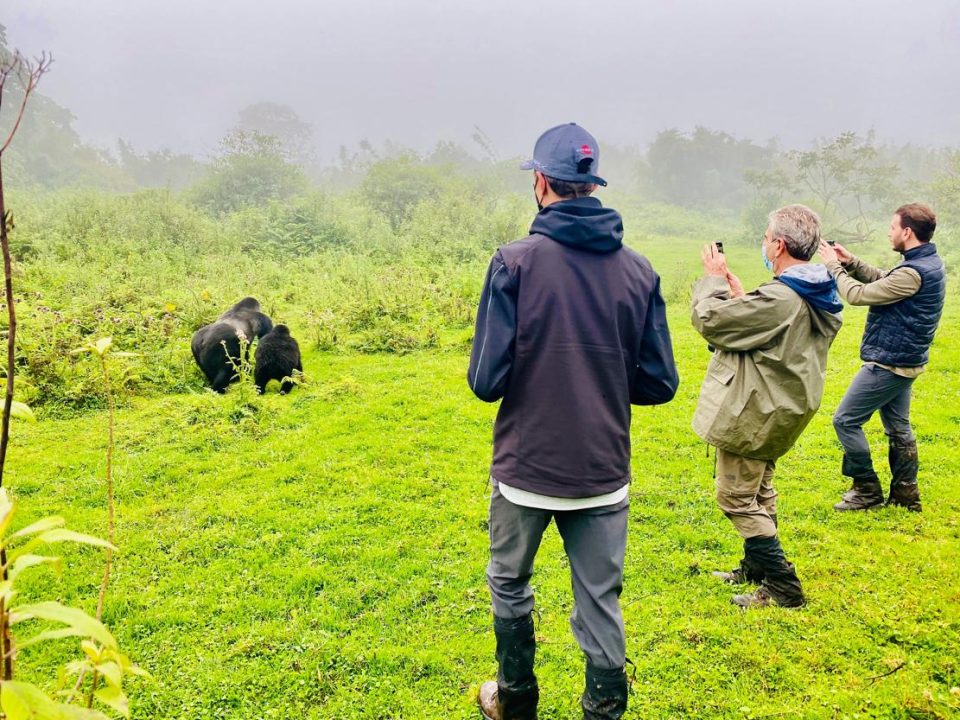
The Rwanda Development Board limits viewing time to a maximum of one hour. Visitors must maintain the required distance from the gorillas, keep their voices low and avoid sudden movements.
Do not touch the gorillas, even if one approaches you. Never attempt to feed them or move closer for a photograph. Follow the guide’s instructions at all times.
You should also avoid eating, drinking or smoking near the gorillas. These rules help protect the animals from human diseases and reduce disturbance to their natural behaviour.
Although the walking portion of the trek may be over, continue to move calmly and carefully. The guide will tell the group when it is time to leave.
Common Pacing Mistakes to Avoid During a Gorilla Trek
One common mistake is walking too fast at the beginning. This can lead to unnecessary tiredness before reaching the gorilla family. Start slowly and maintain a manageable rhythm instead.
Another mistake is refusing to take breaks. Some visitors worry that resting will inconvenience the group. However, communicating your needs helps the guide manage the trek safely.
Wearing uncomfortable shoes can also make the journey difficult. Blisters and poor grip may affect your confidence and walking speed. Test your footwear before the trip.
Carrying a heavy backpack is another avoidable problem. Pack only what you need and consider hiring a porter.
Finally, do not ignore your guide’s instructions. The guide understands the trail and knows how to manage the group. Following their advice is one of the most important parts of a safe gorilla tracking experience.
Enjoy Your Rwanda Gorilla Trek With Safari O’clock
Gorilla tracking is a remarkable experience, but the journey through the mountain forest requires patience and sensible energy management.
Walking slowly, taking breaks, drinking water and following your guide can help you manage the physical demands of the trek. Equally important, prepare your body before travelling and choose comfortable hiking equipment.
At Safari O’clock, we believe that good preparation helps travellers enjoy their Rwanda adventures with greater confidence. We help visitors organise their gorilla tracking experiences and understand the practical details of travelling to Volcanoes National Park.
You do not need to be the fastest person in your group. Instead, focus on maintaining a comfortable pace, respecting your body’s limits and appreciating the beautiful mountain environment.
Take your time, follow your guide and enjoy every moment. The experience of seeing mountain gorillas in their natural habitat is worth approaching with patience and care.