- DIRECT CONTACTS:
- +256394517569
- tours@safarioclock.africa

Why Walking Slowly Can Help During a Mountain Gorilla Trek

How to Pace Yourself During a Gorilla Trek in Rwanda
November 23, 2026
How to Prepare for Uneven, Muddy Forest Trails During Rwanda Gorilla Tracking
November 23, 2026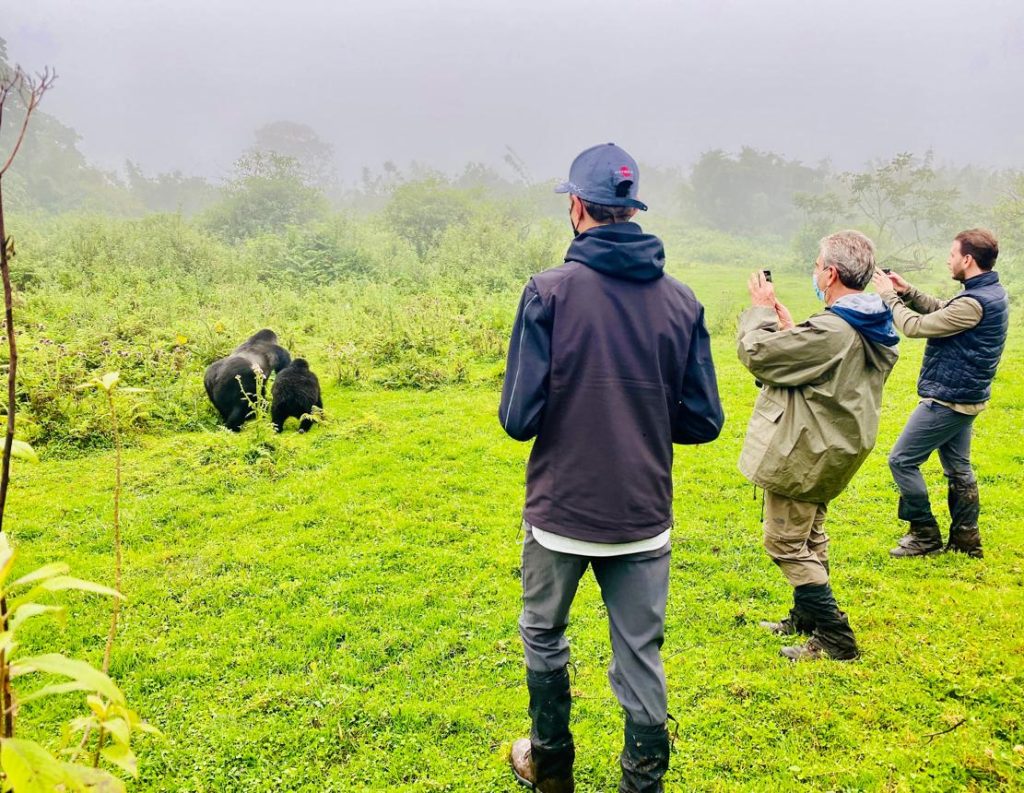
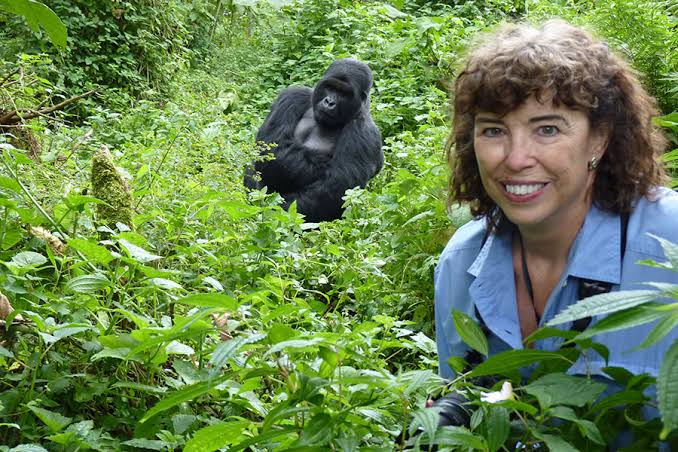
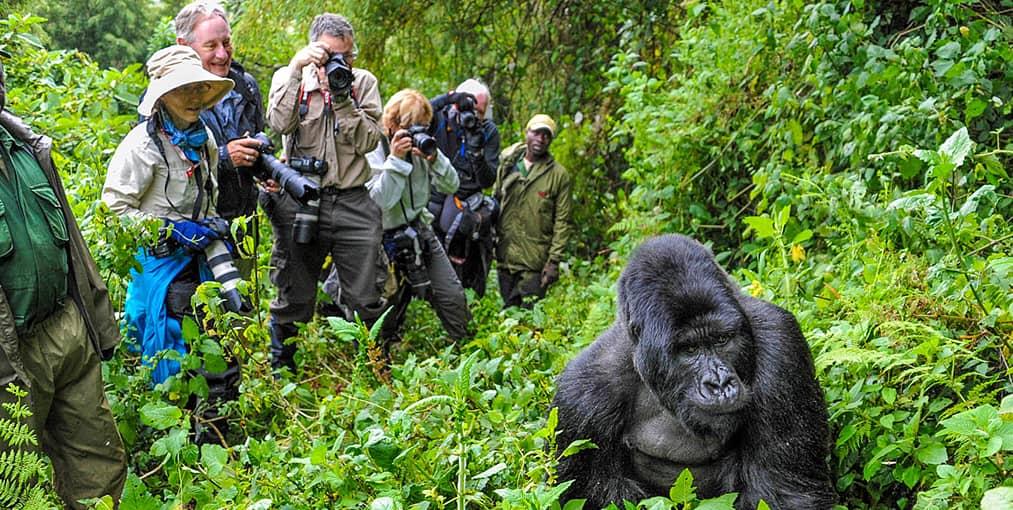
Mountain gorilla tracking in Rwanda is an unforgettable wildlife experience. It takes visitors into the beautiful forests of Volcanoes National Park, where endangered mountain gorillas live among the slopes of the Virunga Mountains. However, reaching these gentle giants can involve more than an ordinary walk.
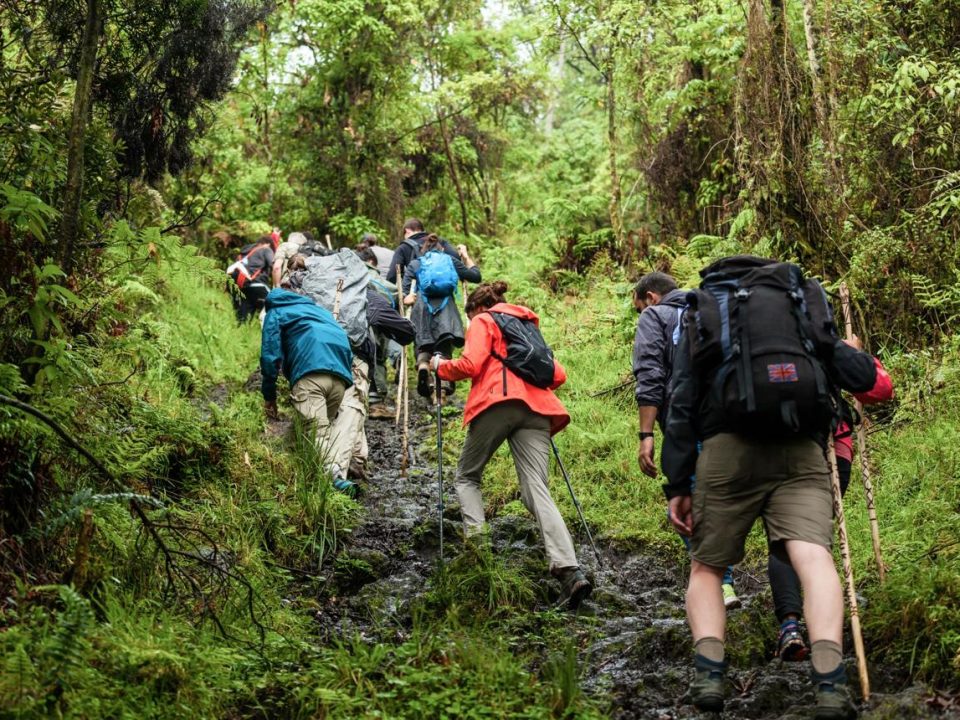
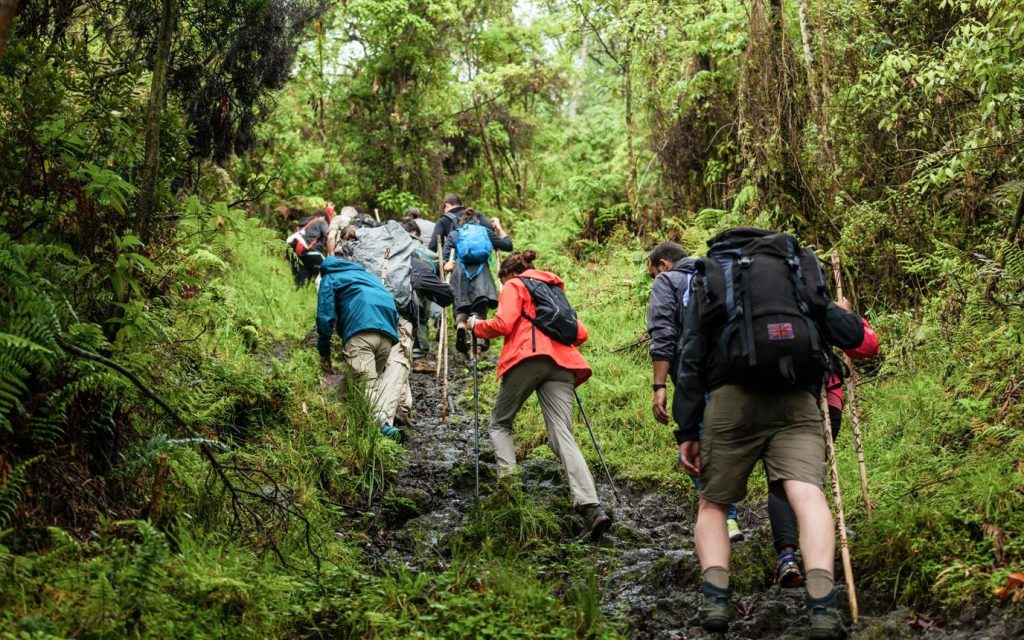
Some trails pass through steep hills, thick vegetation and uneven forest ground. Visitors may also encounter muddy sections, slippery leaves and changing weather. Depending on the location of the assigned gorilla family, the hike can take different amounts of time.
One simple habit can make this experience more manageable: walking slowly. Maintaining a comfortable pace helps you control your effort, manage your breathing and pay attention to the trail. It also gives you more time to appreciate the natural surroundings.
At Safari O’clock, we encourage travellers to approach gorilla tracking with patience and realistic expectations. You do not need to rush through the forest. Instead, move at a comfortable pace, listen to your guide and enjoy the journey.
This article explains why walking slowly can help during a mountain gorilla trek and how to make the most of your experience in Rwanda.
Why Walking Slowly Matters During Gorilla Tracking
Gorilla tracking takes place in a mountainous environment. Unlike walking on a flat road, the journey may involve climbing slopes, crossing uneven ground and moving through dense vegetation.
These conditions can place different demands on your body. Walking too quickly may increase your effort before you reach the gorilla family. You could become tired early and struggle to maintain the same pace later.
Walking slowly gives you more control over your movement. You can adjust your steps to match the terrain and take breaks when necessary. This approach can help you manage your energy throughout the journey.
The Rwanda Development Board advises visitors to walk slowly and drink plenty of water during gorilla tracking. Its official visitor guidance also explains that hikes may last from around 30 minutes to four hours or longer, depending on the location of the gorilla family.
Therefore, a steady pace is useful because you may not know exactly how long the journey will take. Rather than using all your energy at the beginning, you can conserve it for the entire experience.
How Walking Slowly Helps You Manage Your Energy
1. Walking Slowly Reduces Unnecessary Physical Strain
When you walk quickly uphill, your muscles must work harder to move your body against gravity. Your heart rate and breathing may also increase as the effort becomes more demanding.
Slowing down allows you to manage that effort more comfortably. You can take smaller steps, maintain control and avoid rushing through difficult sections.
This does not mean that walking slowly removes the physical challenges of the trek. Steep slopes and high elevation can still make the journey demanding. However, choosing a manageable pace can help prevent you from exhausting yourself unnecessarily.
For visitors who do not hike regularly, this approach can be particularly useful. It allows them to focus on completing the journey safely instead of trying to match the speed of more experienced hikers.
2. Walking Slowly Helps You Control Your Breathing
Your breathing often changes when you climb a steep hill or walk for a long time. You may notice that you breathe faster as your body works harder.
A comfortable walking pace gives you a better opportunity to manage this change. If you become unusually breathless, slow down and ask your guide for a rest.
You can also use the talk test during training walks. The Centers for Disease Control and Prevention explains that people exercising at moderate intensity can usually talk but cannot sing comfortably. This offers a simple way to understand exercise intensity.
However, do not use the talk test as a substitute for medical advice or as a guarantee of safety at altitude. Pay attention to your body and communicate any unusual symptoms to your guide.
3. Walking Slowly Helps You Save Energy for the Return Journey
Reaching the gorilla family is only part of the adventure. You must also complete the journey back through the forest.
Depending on the terrain and the family’s location, the return walk may involve further climbing, descending and navigating uneven ground. Your legs may already feel tired after the first part of the trek.
Maintaining a steady pace from the beginning can help you avoid unnecessary exhaustion. It also encourages you to think about the entire journey rather than focusing only on reaching the gorillas.
Remember that the return route may require just as much attention as the outward journey. Continue moving carefully and follow your guide’s instructions.
Walking Slowly Makes Steep Mountain Trails Easier to Manage
The slopes of Volcanoes National Park can present different challenges throughout the trek. Some sections may feel gentle, while others require more effort.
Walking slowly helps you respond to these changes without rushing.
Take Smaller Steps on Uphill Sections
When climbing a steep slope, take shorter and controlled steps. This allows you to maintain better control over your movement.
Avoid stretching your legs too far or trying to climb several steps at once. Instead, place your feet carefully and move at a comfortable rhythm.
If the slope becomes difficult, tell your guide that you need a short break. There is no benefit in pushing yourself beyond your limits simply to keep up with another visitor.
Move Carefully on Muddy and Slippery Ground
Rain and forest conditions can make some sections slippery. Wet leaves, loose soil and exposed roots may affect your footing.
Slow down when you approach these areas. Look at the ground ahead and choose secure places to step. Avoid sudden movements or running across slippery sections.
Use available support when appropriate, and follow the route recommended by your guide. A porter may also offer assistance with your footing on difficult parts of the trail.
Be Patient When Walking Downhill
Descending a mountain trail also requires care. Gravity can make you move faster than intended, especially on steep ground.
Resist the temptation to rush downhill. Take controlled steps and maintain your balance. Keep enough space between yourself and the person ahead.
Walking slowly can help you pay attention to rocks, roots and other obstacles. It also reduces the chance of making sudden movements on unstable ground.
How Walking Slowly Helps You Adjust to High Altitude
Altitude is an important part of the gorilla tracking experience. Volcanoes National Park lies in the Virunga Mountains, and visitors may reach elevations that are much higher than those they experience at home.
At higher elevations, the air pressure is lower and less oxygen enters the bloodstream with each breath. As a result, physical activity may feel more demanding.
You may notice faster breathing, tiredness or reduced exercise tolerance. These effects can vary between individuals.
Walking slowly helps you manage your physical effort in this environment. However, it does not prevent altitude sickness or guarantee that you will avoid altitude-related symptoms.
Even physically fit travellers can experience difficulties at altitude. Therefore, do not assume that regular exercise makes you immune to its effects.
Give yourself time to adjust when your itinerary allows. Follow your guide’s instructions, drink water regularly and avoid rushing during the hike.
If you develop a headache, dizziness, nausea or unusual weakness, tell your guide. Severe or worsening symptoms require prompt medical assessment. Do not continue simply because you want to reach the gorillas.
Travellers with relevant medical conditions should speak with a healthcare professional before planning strenuous activities at altitude.
Walking Slowly Helps You Enjoy the Forest Experience
Gorilla tracking is not only about reaching the animals. The journey through the forest is also an important part of the adventure.
When you rush, you may focus only on the distance ahead. However, walking at a comfortable pace gives you more time to appreciate your surroundings.
You may notice different types of vegetation, birds, forest sounds and changes in the landscape. Your guide may also share information about the park’s wildlife and conservation efforts.
The forest environment can change as you move higher or lower along the mountain slopes. Taking your time allows you to observe these differences.
For many visitors, the experience becomes more meaningful when they appreciate the entire journey rather than treating the hike as an obstacle.
Safari O’clock encourages travellers to enjoy the experience responsibly. The mountain forest is a natural habitat, so visitors should respect the environment and follow the park’s conservation rules.
Follow Your Guide When Choosing Your Walking Pace
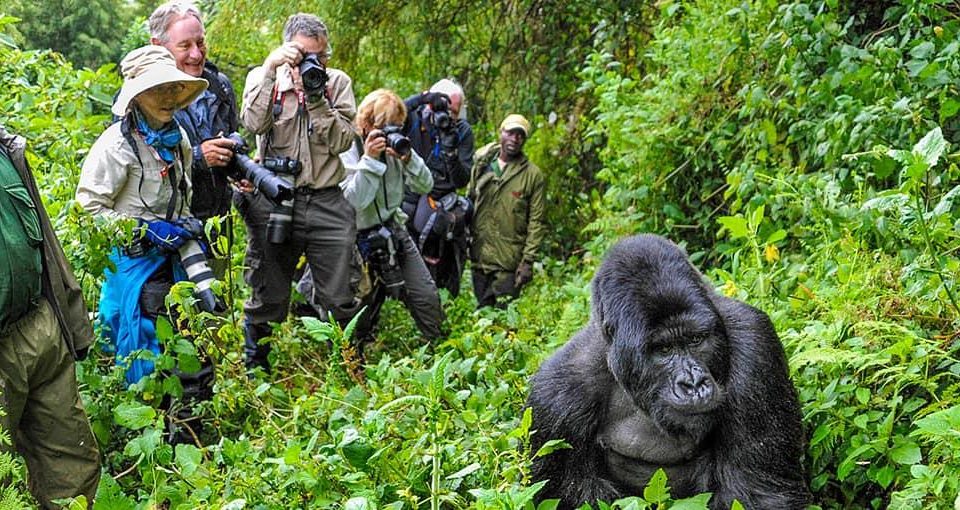
Every gorilla tracking group has an experienced park guide. The guide leads visitors through the forest and works with trackers who locate the gorilla family.
Their instructions are important for both visitor safety and wildlife protection.
Avoid walking too far ahead or separating from the group. Your guide understands the route and can advise when to slow down, stop or continue.
If you feel tired, breathless or uncomfortable, communicate your needs. Do not remain silent because you fear delaying other visitors.
The guide can help manage the group and identify an appropriate place to rest. They may also adjust the group’s movement when the terrain becomes difficult.
Remember that visitors have different fitness levels. Some people regularly hike, while others may be experiencing a mountain forest for the first time. You should never feel pressured to compete with another traveller.
When Should You Take a Break During a Gorilla Trek?
You do not need to wait until you are completely exhausted before resting. Taking a short break when necessary can help you manage the physical demands of the journey.
If your breathing becomes uncomfortable, your legs feel unusually tired or you struggle to maintain your balance, inform your guide.
Use suitable resting points to catch your breath and drink water. Avoid stopping in narrow or unsafe sections without your guide’s direction.
The Rwanda Development Board advises visitors to carry water and drink plenty during the trek. It also recommends walking slowly because the high-altitude environment may present difficulties for some visitors.
Listen to your body throughout the journey. If you experience chest pain, severe breathlessness, faintness or other serious symptoms, inform your guide immediately and seek medical help.
A break is not a sign of failure. It is a sensible way to manage your effort during a mountain adventure.
Practical Tips for Walking Comfortably During Gorilla Tracking
A comfortable walking experience begins with proper preparation. Before your trip, practise walking regularly and gradually increase your endurance. Include gentle hills, stair climbing and simple leg-strengthening exercises in your routine.
Wear properly fitted hiking boots or sturdy walking shoes with good grip. Test them during training walks before travelling. This helps you identify discomfort and reduce the risk of blisters.
Long trousers and long-sleeved shirts can protect your skin from vegetation and nettles. Carry suitable rain protection because weather conditions in the mountains can change.
Bring drinking water and a small snack for appropriate breaks. Follow your guide’s instructions about where you can eat and drink. Never eat or drink near the gorillas.
You may also hire a porter to carry your daypack. This can reduce the load you carry and provide useful assistance on difficult sections.
Finally, avoid last-minute intense training before your trek. Prepare gradually and allow your body enough time to recover before the adventure.
Does Walking Slowly Mean You Will Have an Easier Gorilla Trek?
Walking slowly can help you manage your effort, but it does not guarantee an easy trek. The experience depends on several factors, including the gorilla family’s location, the terrain, weather conditions and your individual fitness.
Some visitors may reach their assigned family after a relatively short walk. Others may need to travel for several hours through steep or thick forest vegetation.
The trackers locate the gorilla family, and the guide leads visitors along the route. You cannot always predict the exact distance or difficulty before the tracking day.
Therefore, prepare for different possibilities. Build your stamina before travelling, wear suitable footwear and remain flexible during the experience.
If you have mobility concerns, discuss them with your tour operator before booking. Porters are available to assist with carrying bags and can provide a helping hand along the route.
Safari O’clock can help you understand the practical arrangements for your trip so that you can prepare with realistic expectations.
Enjoy a Comfortable Gorilla Trek With Safari O’clock
Seeing mountain gorillas in their natural habitat is a special experience. However, reaching them requires patience, preparation and respect for the mountain environment.
Walking slowly helps you manage your energy, control your movements and respond to the changing terrain. It also gives you more time to enjoy the forest rather than focusing only on reaching the destination.
At Safari O’clock, we believe that a well-prepared traveller enjoys a more rewarding Rwanda adventure. We help visitors organise their gorilla tracking journeys and understand the practical details of exploring Volcanoes National Park.
You do not have to be the fastest person in your group. Start at a comfortable pace, take breaks when necessary and follow your guide’s instructions.
Most importantly, remember that the journey is part of the experience. Take your time, appreciate the mountain forest and enjoy the remarkable opportunity to see Rwanda’s mountain gorillas in the wild.