- DIRECT CONTACTS:
- +256394517569
- tours@safarioclock.africa

Snacks to Pack for the Hike Before the Gorilla Encounter

How Much Water Should You Carry on a Gorilla Trek? A Complete Hydration Guide
November 23, 2026
Camera accessories worth packing for gorilla tracking
November 23, 2026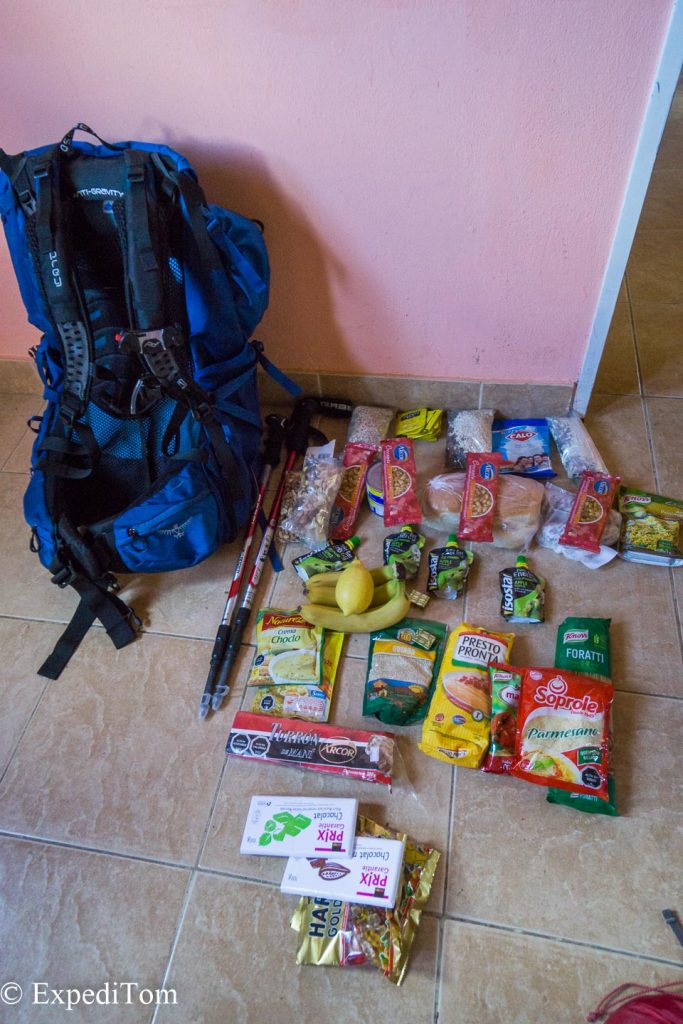
Introduction
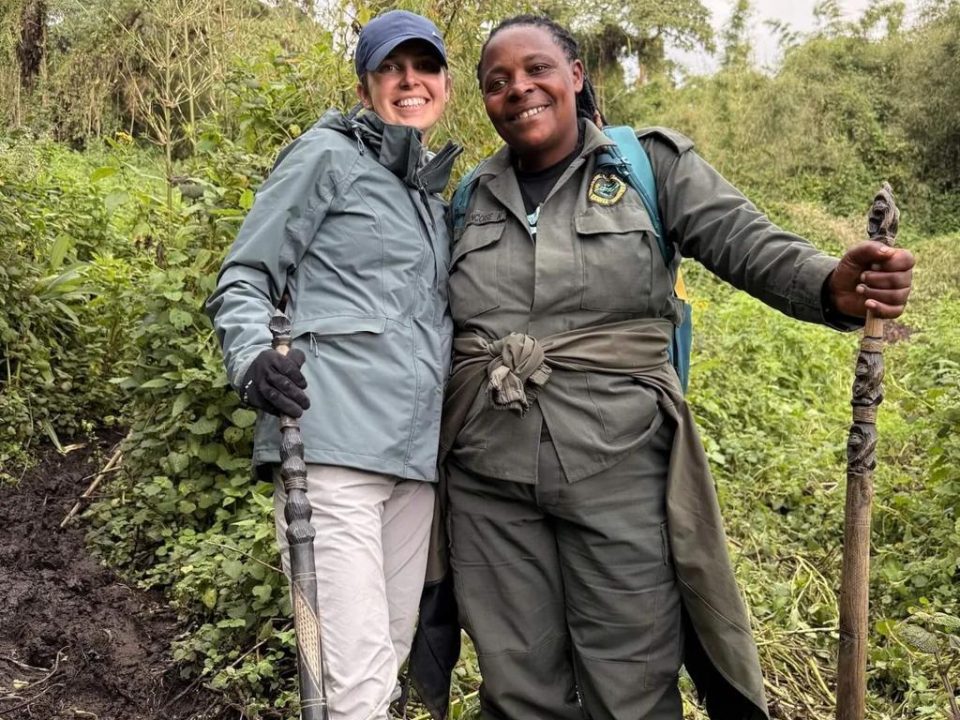
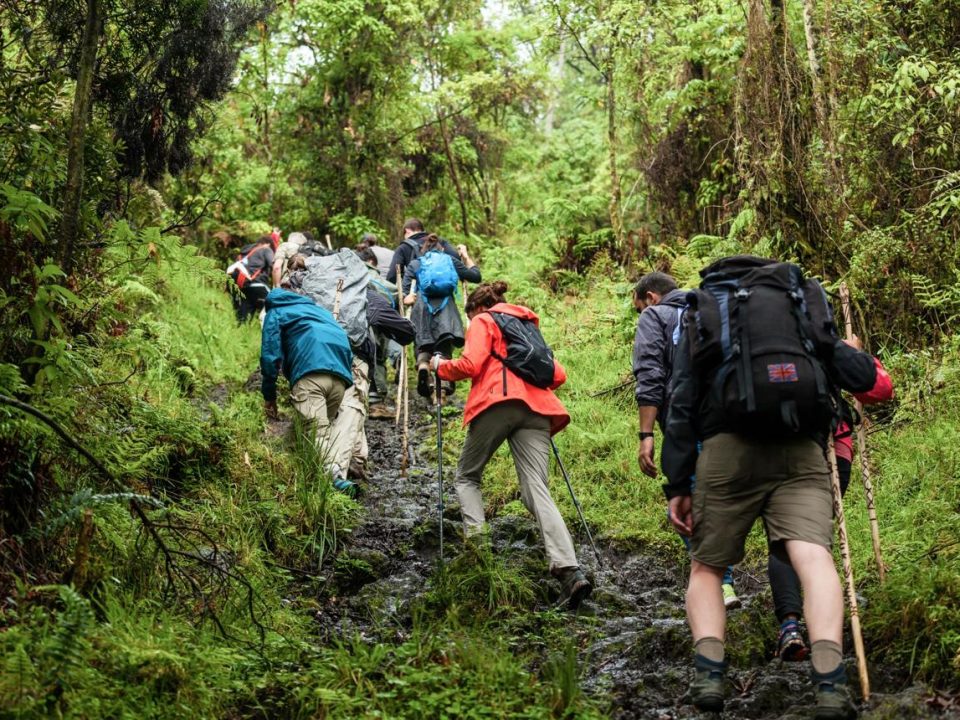
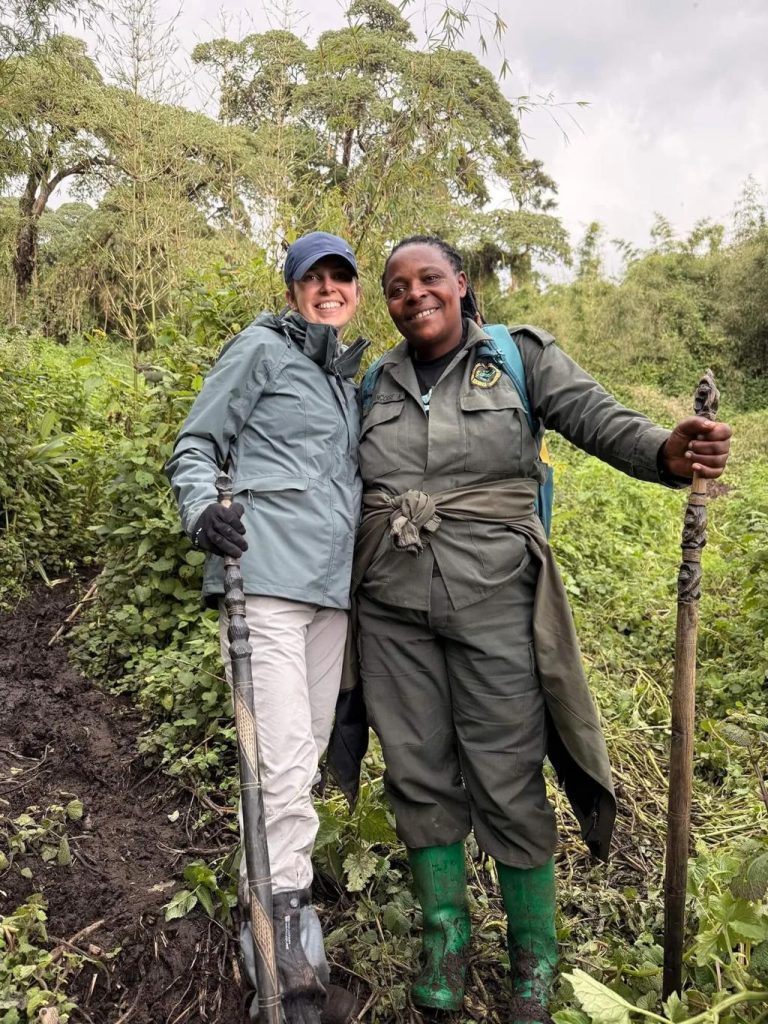
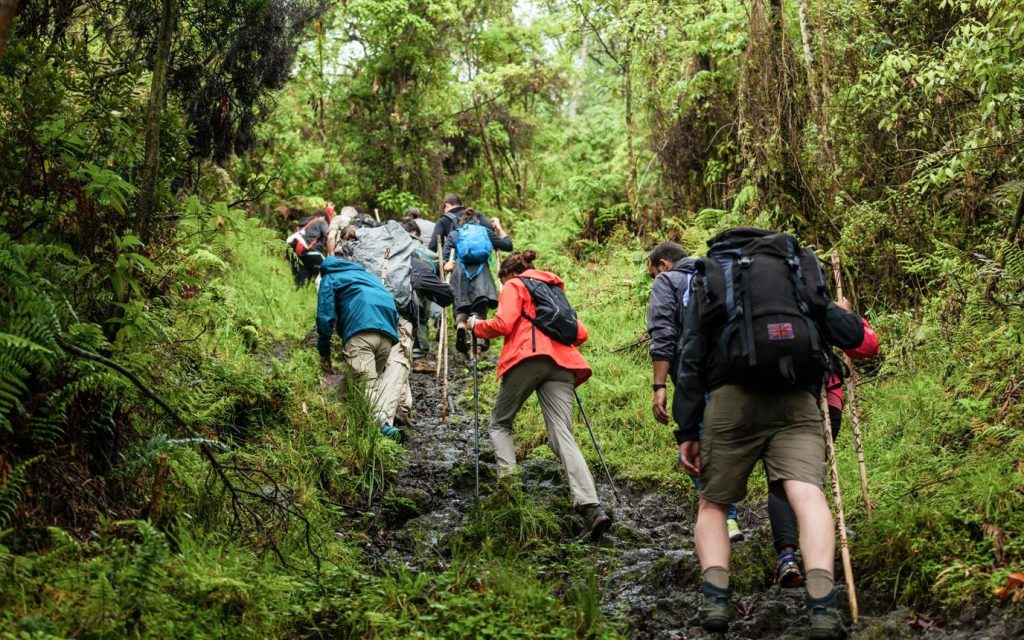
Gorilla trekking is an exciting adventure, but reaching a mountain gorilla family can take several hours. The journey often involves walking through dense forests, climbing steep slopes and crossing muddy or uneven trails. Depending on the location of the gorilla family, visitors may spend a considerable amount of time hiking before reaching their destination. Therefore, preparing suitable snacks is an important part of getting ready for the experience.
Packing the right food helps you maintain your energy during the hike. It can also prevent unnecessary hunger and tiredness, especially when the trek takes longer than expected. However, visitors should choose their snacks carefully. Heavy meals, easily spoiled foods and messy snacks may not be practical in a mountain forest.
At Safari O’clock, we encourage travellers to prepare for the entire trekking experience, not just the moment they meet the gorillas. A few well-chosen snacks, enough drinking water and proper packing can make the journey more comfortable. Most importantly, visitors must follow their guides’ instructions about where and when they can eat.
Why You Should Pack Gorilla Trek Snacks
Mountain gorilla trekking is a physical activity. Visitors walk through natural forest environments that may include steep hills, thick vegetation, slippery ground and changing weather conditions. Some treks are relatively short, while others take several hours. As a result, your body needs enough energy to keep you comfortable throughout the journey.
Carrying gorilla trek snacks gives you a practical way to manage hunger during the hike. A small snack can provide carbohydrates and other nutrients that support your energy needs. This is particularly useful when you leave your lodge early and do not expect to return until later in the day.
In addition, a suitable snack can help you avoid carrying unnecessary food. You do not need a large picnic basket or several heavy food containers. Instead, choose a few lightweight items that fit comfortably inside your daypack.
However, remember that food is only one part of your preparation. You should also carry enough drinking water, wear suitable hiking shoes and follow your guide’s instructions throughout the trek. Safari O’clock recommends treating food preparation as part of a wider trekking plan.
Best Gorilla Trek Snacks to Carry on the Hike
Choosing the right snacks makes a difference during a long forest walk. Ideally, your food should be lightweight, easy to pack, nutritious and simple to eat when your guide allows a break. Here are some practical options to consider.
1. Energy Bars for Gorilla Trekking
Energy bars are among the most convenient gorilla trek snacks. They are compact, lightweight and easy to carry in a small backpack pocket. Many contain carbohydrates, nuts, seeds or dried fruit, which can provide energy during physical activity.
Choose bars with ingredients you recognise and enjoy. Oat-based bars, fruit bars and nut bars can all be useful options. However, check the packaging before buying them. Some products contain high amounts of added sugar, while others may include ingredients that trigger allergies.
Energy bars are particularly useful for travellers who want something quick and convenient. You can pack one or two depending on the expected length of your trek and your personal needs. Remember to keep the wrapper with you until you find an appropriate place to dispose of it.
2. Bananas and Other Fresh Fruits
Fresh fruit is another practical option for visitors preparing for a gorilla trek. Bananas are especially convenient because they are naturally packaged and provide carbohydrates. They also contain potassium, which supports normal muscle and nerve function.
Other suitable choices include apples, pears and small oranges. These fruits can provide carbohydrates, water and useful nutrients. However, choose fruits that can withstand movement inside your backpack without becoming crushed.
Wash fresh fruit before packing it. You can also place it in a reusable food container to protect it from damage. Avoid leaving fruit peels or any other food waste in the forest. Carry all rubbish out with you and dispose of it responsibly.
3. Nuts and Seeds
Nuts and seeds are excellent choices when you need a small snack that provides energy. Almonds, cashews, peanuts, pumpkin seeds and sunflower seeds contain fats, protein and other nutrients.
They are also easy to pack because you only need a small portion. A handful can fit into a reusable container or a compact food pouch. This makes them suitable for visitors who want to keep their daypacks light.
However, consider food allergies before choosing nuts. If you have an allergy, avoid products that could trigger a reaction. You should also select plain or lightly salted varieties instead of snacks with excessive seasoning.
4. Dried Fruits
Dried fruits offer another convenient option for gorilla trek snacks. Raisins, dried mangoes, dates and apricots are lightweight and easy to carry. They contain natural sugars that provide carbohydrates for physical activity.
Unlike some fresh foods, dried fruits take up little space in your backpack. You can pack a small portion in a sealed reusable container. They are also easy to combine with nuts and seeds to create a simple trail mix.
Nevertheless, dried fruits can contain concentrated natural sugars. Therefore, moderate portions are usually more practical than carrying a large bag. Choose products without excessive added sugar where possible.
5. Simple Sandwiches
A small sandwich can be useful when you expect a longer hiking day. It provides a more filling option than a few pieces of fruit. You can prepare it with wholemeal bread, peanut butter, cheese or another filling that suits your dietary needs.
Keep the sandwich simple. Avoid ingredients that spoil quickly in warm conditions, especially if you cannot keep the food cool. Wrap it securely or use a reusable food container to prevent it from getting crushed.
A sandwich may be more suitable for a break before the gorilla encounter rather than something to eat while walking. Always follow your guide’s instructions and never eat near the gorillas.
6. Plain Crackers
Plain crackers are another easy snack to carry. They are lightweight, require little preparation and can provide carbohydrates. You can pack a small portion in a reusable container to prevent them from breaking.
Choose simple crackers that are not covered in sticky sauces or strong seasonings. They are often easier to handle than snacks that leave crumbs or grease on your hands.
However, crackers alone may not keep you satisfied for a long trek. You can combine them with fruit or another suitable snack for a more balanced selection.
How to Choose the Right Gorilla Trek Snacks
Not every snack is suitable for a forest hike. Before packing, consider how long you may be walking, the condition of the food and how easily you can carry it. Your choices should support your comfort without making your backpack unnecessarily heavy.
First, consider the weight of each item. A gorilla trek already involves physical effort, so avoid carrying large food containers or too many unnecessary items. A few compact snacks are usually enough for a personal hiking day, depending on your appetite and the expected duration.
Next, choose food that does not require complicated preparation. You may not have access to a table, kitchen or comfortable place to sit. Therefore, ready-to-eat options are more practical than meals that need heating or mixing.
Food safety also matters. Pack perishable items carefully and avoid foods that may spoil during the journey. If you have dietary restrictions or allergies, choose snacks that meet your needs. It is also wise to bring foods you have eaten before rather than experimenting with unfamiliar products on trekking day.
Finally, think about waste. Avoid snacks with excessive individual wrappers or packaging that can easily fall out of your bag. Reusable containers help keep your food organised and reduce unnecessary rubbish.
When Should You Eat Your Gorilla Trek Snacks?
Knowing when to eat is just as important as knowing what to pack. Gorilla trekking usually begins early in the morning with a briefing from park officials and guides. Visitors then proceed into the forest to search for their assigned gorilla family.
Before the hike, have a proper breakfast at your accommodation. Choose a meal that gives you enough energy without making you feel uncomfortable while walking. If your lodge provides packed breakfast or lunch, confirm what is included before setting out.
During the hike, your guide may identify suitable places and times for a rest. If you feel hungry, ask the guide whether you can eat during an appropriate break. Do not assume that every part of the forest is suitable for eating.
Most importantly, put your food away before approaching the gorilla family. Eating and drinking near the gorillas is prohibited. This rule helps protect the animals and reduces the risk of leaving food particles or waste in their environment. In Uganda, the Uganda Wildlife Authority’s tracking guidance also prohibits eating and drinking during the gorilla encounter.
At Safari O’clock, we encourage travellers to listen carefully during the morning briefing. Your guide understands the day’s conditions and will advise you on the appropriate places to rest.
How to Pack Gorilla Trek Snacks Safely
Good packing helps protect your food and keeps your daypack organised. Start by separating snacks from other trekking equipment. Use a small reusable food pouch or sealed container to keep everything together.
If you carry fruit, place it in a container that prevents crushing. For nuts, dried fruit and crackers, use compact containers or secure pouches. This makes it easier to access your food during an approved rest break.
You should also consider moisture protection. Rain can occur in mountain forest environments, so a waterproof daypack or dry bag can help protect your belongings. Keep food away from wet clothing, muddy equipment and other items that could contaminate it.
Avoid packing snacks in loose, open plastic bags. They can tear or allow food to spill inside your backpack. Instead, choose secure packaging that you can close again after use.
Most importantly, plan how you will carry your rubbish. Bring a small reusable waste pouch for wrappers and other packaging. Never throw food scraps, fruit peels or plastic into the forest. Leave the environment as you found it.
Snacks You Should Avoid Carrying for Gorilla Trekking
Although many foods can support your energy during a hike, some are less suitable for the experience. Choosing carefully helps you avoid unnecessary discomfort and food waste.
For example, avoid foods that spoil quickly when exposed to changing temperatures. Cream-filled pastries, mayonnaise-based sandwiches and other highly perishable items may not be practical without proper temperature control.
You should also limit very greasy or messy foods. Snacks that leak oil, leave sticky residue or produce many crumbs can make your backpack untidy. They may also be difficult to handle during a short rest break.
Large, heavy meals are another poor choice. They add unnecessary weight and may make walking uncomfortable. Instead, pack small portions that you can eat when your guide allows a break.
Finally, avoid bringing food in packaging that is difficult to secure. Loose wrappers can fall into the forest, while open containers can spill. Responsible packing protects both your belongings and the natural environment.
Other Essentials to Carry Alongside Your Gorilla Trek Snacks
Snacks are useful, but they should not take up all the space in your daypack. You also need a few essential items to help you manage the changing conditions in the forest.
Drinking water should be a priority. Rwanda Development Board advises visitors to bring a water bottle and drink plenty of water during the trek. Choose a reusable bottle that you can carry comfortably. The amount you need depends on the trek’s duration, weather and your personal hydration needs.
A waterproof jacket is also useful because mountain weather can change quickly. You may experience sunshine, cool temperatures or rain during the same trekking day. Long trousers, a long-sleeved shirt and sturdy hiking boots can help protect you from vegetation and uneven ground.
In addition, carry a small personal first-aid kit if appropriate, tissues, hand sanitiser and any personal medication you may need. Keep your phone or camera protected from moisture. A porter can also help carry your daypack if you would prefer extra support on steep or muddy sections.
Safari O’clock can help travellers understand what to prepare before their gorilla trekking experience. Packing the right essentials makes it easier to focus on the journey rather than worrying about forgotten items.
Why Responsible Food Packing Matters During Gorilla Trekking
Mountain gorillas are vulnerable to some human diseases. This makes responsible behaviour important throughout the trekking experience. Visitors must follow park rules designed to protect the animals and their natural habitat.
Food waste can attract wildlife and introduce foreign materials into the forest. Even a small wrapper or discarded fruit peel can create an avoidable problem. Therefore, visitors should carry all rubbish out of the park.
Eating near gorillas is also prohibited. Rwanda Development Board advises visitors to bring a small snack but avoid eating, drinking or smoking near the animals. Uganda’s official tracking guidance also prohibits eating and drinking during the encounter.
These rules are not simply formalities. They help reduce unnecessary contact between human food, waste and wildlife. Visitors should also maintain the required distance, avoid touching the gorillas and follow the guide’s instructions.
At Safari O’clock, we believe that responsible tourism begins with small actions. Packing carefully, managing food waste and respecting wildlife rules all contribute to a better trekking experience.
Make Your Gorilla Trek More Comfortable with Safari O’clock
Preparing for a gorilla trek involves more than securing a permit and choosing a destination. Visitors should also consider their physical comfort, food, water, clothing and personal equipment. These details can make a difference when the trail becomes steep, muddy or longer than expected.
Safari O’clock helps travellers prepare for memorable gorilla trekking experiences in Rwanda and other East African destinations. From understanding what to pack to planning the journey, having the right information makes preparation easier.
Before departure, prepare a small selection of suitable snacks, fill your water bottle and organise your daypack. Confirm your lodge’s breakfast arrangements and ask your tour operator about any packed meals included in your itinerary. Most importantly, listen to your park guide and follow all wildlife protection rules.
A well-prepared visitor can enjoy the forest journey with greater confidence. With thoughtful packing and responsible behaviour, you can focus on the remarkable experience of seeing mountain gorillas in their natural habitat.
Frequently Asked Questions About Gorilla Trek Snacks
Can I carry snacks during gorilla trekking?
Yes. Rwanda Development Board advises visitors to bring a small snack and a water bottle for the trek. However, eating and drinking near the gorillas is prohibited. In Uganda, follow the Uganda Wildlife Authority’s instructions, which prohibit eating and drinking during the tracking encounter.
What are the best snacks to pack for a gorilla trek?
Energy bars, bananas, apples, nuts, seeds, dried fruits and simple sandwiches are practical options. Choose foods that are lightweight, easy to pack and suitable for your dietary needs.
Can I eat while walking through the forest?
Do not eat whenever you wish. Ask your guide whether there is a suitable place for a break. Always put your food away before approaching the gorillas and follow the specific instructions given by park officials.
How much food should I carry for a gorilla trek?
There is no single food quantity that suits every visitor. Your needs depend on your appetite, breakfast, fitness level and the expected length of the hike. A few small snacks are a practical starting point for many visitors. You should also arrange a proper meal through your lodge or tour operator if your itinerary requires one.
Can I carry chocolate during gorilla trekking?
You can consider a small chocolate or chocolate-based energy bar for an appropriate break, provided it suits your dietary needs and remains properly packed. However, avoid eating it near the gorillas. Keep all wrappers and packaging with you.
Should I carry a packed lunch as well as snacks?
That depends on your itinerary and the expected trekking duration. Some visitors may need a packed lunch, particularly when they have a longer activity planned. Ask your lodge or Safari O’clock to confirm the meal arrangements before trekking day.
Can I give food to mountain gorillas?
No. Never feed mountain gorillas or offer them anything to eat. Keep your food packed away and follow your guide’s instructions throughout the encounter.
Final Thoughts
Packing suitable snacks is a simple but important part of preparing for a gorilla trek. Energy bars, fresh fruit, nuts, dried fruits and simple sandwiches can help you manage hunger during an approved rest break. However, keep your selection light, protect your food from moisture and carry all rubbish out of the forest.
Remember that snacks are for the hike, not the gorilla encounter. Never eat or drink near the animals, and follow the rules explained by your guide. With proper preparation and responsible behaviour, you can enjoy the journey while helping protect the mountain gorillas and their natural home.
For more gorilla trekking preparation tips and travel guidance, Safari O’clock is ready to help you plan a memorable East African adventure.