- DIRECT CONTACTS:
- +256394517569
- tours@safarioclock.africa

Camera accessories worth packing for gorilla tracking

Snacks to Pack for the Hike Before the Gorilla Encounter
November 23, 2026
Should You Bring Walking Poles for a Rwanda Gorilla Trek?
November 23, 2026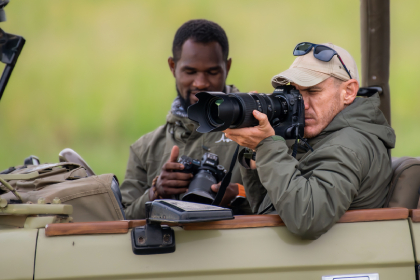
Introduction
Gorilla tracking is one of the most memorable wildlife experiences in East Africa. Whether you visit Volcanoes National Park in Rwanda or Bwindi Impenetrable National Park in Uganda, meeting mountain gorillas in their natural habitat creates moments worth remembering. Many travellers therefore carry cameras to capture photographs of the forest, mountain scenery and gorilla families.
However, taking good photographs requires more than owning an expensive camera. The forest environment presents several challenges. Rain can arrive unexpectedly, humidity can affect camera equipment, and thick vegetation may reduce the amount of natural light. In addition, visitors have limited time with the gorillas and must follow strict wildlife protection rules.
That is why choosing the right gorilla camera accessories matters. A few practical items can protect your equipment, improve your photography and help you avoid unnecessary problems during the trek. You do not need to carry a professional photography studio into the forest. Instead, focus on lightweight accessories that serve a clear purpose.
At Safari O’clock, we encourage travellers to prepare their photography equipment before departure. With the right accessories, you can capture beautiful memories while respecting the animals and their natural environment.
Why Gorilla Camera Accessories Matter During the Trek
Mountain gorilla habitats are often cool, humid and wet. Visitors may walk through thick vegetation, climb steep slopes and cross muddy trails before reaching their assigned gorilla family. These conditions can expose cameras and other electronic equipment to moisture, dust and accidental damage.
Furthermore, the available light can change throughout the trek. A forest canopy may block direct sunlight, while mist and cloud cover can make the environment darker. As a result, photographers need equipment that helps them work with natural light rather than depending on artificial flash.
The encounter also comes with time and distance restrictions. In Rwanda, the Rwanda Development Board permits photography but prohibits flash photography. Its guidance also limits the gorilla viewing period to one hour and requires visitors to maintain a safe distance. Uganda Wildlife Authority guidance also prohibits flash photography. Visitors must follow the applicable park rules and their guides’ instructions.
Therefore, practical accessories can make your camera easier to use. They can help you protect your equipment, change batteries quickly and capture photographs without disturbing wildlife. Safari O’clock recommends prioritising protection, convenience and responsible photography when preparing your camera bag.
Essential Gorilla Camera Accessories to Pack
You do not need to carry every photography accessory available on the market. A few carefully selected items can support most visitors during a gorilla tracking experience. Consider the following accessories when preparing your equipment.
1. Extra Camera Batteries
An extra camera battery is one of the most useful gorilla camera accessories to pack. Photography, reviewing images and using electronic camera features can consume battery power. Cold conditions may also affect battery performance, depending on the camera and battery type.
Imagine reaching a gorilla family after a long hike, only to discover that your camera has run out of power. This can be frustrating, especially when you have waited for the opportunity to photograph the animals. Carrying at least one fully charged spare battery reduces this risk.
Before leaving your lodge, charge all batteries fully. Keep the spare battery in a protective case to prevent contact with metal objects or moisture. You can also keep it in a secure pocket inside your daypack.
If you use a mirrorless camera, check its battery performance before travelling. Some models consume more power because they rely heavily on electronic viewfinders and screens. Carrying an additional battery may therefore be particularly useful.
2. Extra Memory Cards
A memory card stores the photographs and videos you capture during your trek. Running out of storage can interrupt your photography, so carrying an extra card is a sensible decision.
Choose memory cards that match your camera’s requirements. If you plan to capture high-resolution photographs or video, check the recommended card capacity and write speed. A card that is too slow may struggle with continuous shooting or high-quality video recording.
It is also wise to format your memory cards in the camera before your trip, after backing up any important files. This helps prepare the card for use and reduces the risk of compatibility problems.
Carry spare cards in a small protective case. Keep them away from water, dust and unnecessary handling. You should also avoid storing every photograph on one card if you have enough storage options.
For additional security, back up your photographs when you return to your lodge. A laptop, external drive or suitable storage device can help protect your memories if a card becomes damaged or lost.
3. Waterproof Camera Bag or Dry Bag
Rain protection is essential when visiting a mountain forest. Weather conditions can change quickly, and even a short shower may expose your camera to moisture. Therefore, a waterproof camera bag or dry bag deserves a place on your packing list.
A suitable camera bag should protect your equipment while allowing easy access. Look for padded compartments, secure zips and adjustable dividers. These features help prevent your camera and lenses from knocking against other items in your backpack.
A dry bag provides an additional layer of protection. You can place your camera bag or sensitive accessories inside it when rain becomes heavy. However, remember that not every bag described as water-resistant is fully waterproof.
Choose a size that accommodates your equipment without adding unnecessary weight. A compact bag is often easier to manage on narrow forest trails.
Safari O’clock recommends checking your bag’s waterproof protection before travelling. Do not wait until you reach the forest to discover that your equipment is poorly protected.
4. Rain Cover for Your Camera
A waterproof bag protects equipment while it is stored. However, photographers may need to use their cameras while it is raining lightly. This is where a dedicated camera rain cover becomes useful.
A camera rain cover fits over the camera body and helps shield it from rain and moisture. Many designs allow you to operate the camera controls while keeping the equipment covered.
Choose a cover that matches your camera and lens combination. A poorly fitted cover may leave openings where water can enter. Also, practise using it before your trip so that you can access the camera without struggling.
Some cameras have weather-sealed bodies and lenses. However, weather sealing does not mean that equipment is completely waterproof. A rain cover still offers useful additional protection during wet conditions.
5. Comfortable Camera Strap
A good camera strap helps you carry your equipment comfortably throughout the hike. Gorilla tracking can involve long walks, steep sections and uneven ground. Therefore, a strap that distributes weight properly can reduce discomfort.
A padded neck strap may work well for visitors carrying lightweight cameras. However, some photographers prefer a cross-body or shoulder strap because it distributes weight differently and keeps the camera closer to the body.
Choose a strap with secure attachment points. Check the connectors before departure and ensure they fit your camera properly. A loose connection can put your equipment at risk of falling.
You should also consider how the strap behaves when walking through vegetation. Long, loose straps may catch on branches or other obstacles. Keep your camera secure and avoid allowing it to swing freely.
6. Microfibre Lens Cleaning Cloth
Moisture, fingerprints and dust can affect the quality of your photographs. A microfibre lens cleaning cloth helps you remove light smudges from your camera lens without scratching its surface.
Carry the cloth in a clean, sealed pouch. This prevents it from collecting dust or dirt inside your backpack. You can use it to remove fingerprints and light moisture from the lens when necessary.
However, avoid wiping a dirty lens with a dry cloth if it contains grit or sand. First, use a suitable air blower to remove loose particles. Then clean the glass gently with the microfibre cloth.
A clean lens helps preserve image clarity. This small accessory takes up very little space, yet it can be useful throughout the trip.
7. Lens Hood
A lens hood is another practical accessory for wildlife photography. It attaches to the front of a camera lens and helps reduce unwanted light entering from the sides.
In addition, it provides a small amount of physical protection for the front of the lens. It can help reduce accidental contact with branches or other objects while moving through vegetation.
Choose a hood designed for your specific lens. An incorrect hood may appear in your photographs or fail to provide the intended protection.
A lens hood is particularly useful when shooting in changing natural light. Nevertheless, it does not replace a lens cap or protective camera bag. Keep the equipment protected whenever you are not using it.
8. UV or Protective Lens Filter
Some photographers carry a clear protective filter to provide an extra layer of protection for the front element of their lens. A suitable filter can help guard against scratches, dust and accidental contact.
However, a protective filter is not essential for every photographer. Poor-quality filters may reduce image quality or create unwanted reflections. Therefore, choose a reputable filter that matches your lens diameter.
A UV filter may also serve as a protective layer, although modern digital cameras do not generally need one to correct ultraviolet light in the same way older film systems sometimes did.
If you already have a good-quality lens hood and protective case, you may decide that an additional filter is unnecessary. Focus on the accessories that provide real value for your equipment.
9. Small Camera Cleaning Kit
A compact camera cleaning kit can help you maintain your equipment during a longer trip. It may include a soft air blower, a lens brush and suitable cleaning cloths.
The air blower helps remove loose dust from the lens and camera body. A soft brush can remove particles from areas that are difficult to reach. Meanwhile, a microfibre cloth helps clean fingerprints and light smudges.
Avoid using ordinary clothing, rough tissues or unsuitable chemicals on camera lenses. These materials may damage delicate coatings.
You do not need a large professional cleaning kit for one gorilla trek. A few small, camera-safe tools are usually more practical.
10. Power Bank for Compatible Devices
A power bank can help keep your smartphone or other compatible devices charged during travel. It may also support cameras that offer USB charging or power delivery, depending on the model.
Before packing one, check your camera manufacturer’s charging instructions. Not every camera accepts charging from every power bank. You should also confirm the required cable and output specifications.
A power bank is useful for travellers who rely on their phones for navigation, communication and photography. However, keep electronic devices protected from rain and store cables neatly.
Remember that a power bank does not replace spare camera batteries in every situation. Consider it an additional travel accessory rather than your only source of camera power.
Choosing the Right Lens for Gorilla Tracking Photography
Although a lens is not always described as an accessory, it plays a major role in wildlife photography. The right lens can help you capture detailed photographs while maintaining the distance required by park authorities.
A versatile zoom lens is often practical for visitors who want flexibility. It allows you to adjust the framing without constantly changing lenses. This can be useful in a forest where vegetation, movement and available space may limit your positioning.
A telephoto lens can also help capture close-up details from a permitted viewing distance. However, a longer focal length does not give you permission to move closer to the gorillas. Always remain within the distance set by the park and follow your guide’s instructions.
For travellers using smartphones, a phone with a good optical zoom system may provide useful results. Avoid relying too heavily on digital zoom because it can reduce image quality.
Before travelling, test your camera and lens combination in different lighting conditions. Learn how to adjust exposure, shutter speed and ISO. This preparation can save valuable time during the encounter.
How to Protect Gorilla Camera Accessories from Rain and Moisture
Rain and humidity are common considerations in mountain forest environments. Even when the morning begins with sunshine, conditions can change during the hike. Therefore, camera protection should remain a priority.
Start by keeping your camera inside a padded bag when you are not taking photographs. Place spare batteries, memory cards and cleaning tools in separate protective compartments. This reduces the risk of losing small accessories.
Next, use a waterproof cover or dry bag when rain begins. If moisture reaches your camera, follow the manufacturer’s instructions for drying and cleaning it. Avoid switching on equipment that has become wet until you have checked the appropriate safety guidance.
You should also avoid changing lenses in exposed or wet conditions whenever possible. Doing so can allow moisture or dust to enter the camera body. A versatile zoom lens may reduce the need for frequent lens changes.
After the trek, inspect your equipment carefully. Wipe away external moisture with a clean microfibre cloth and allow your equipment to dry in a suitable environment. Do not place wet camera equipment directly in a hot environment or use excessive heat to dry it.
Camera Settings to Prepare Before Gorilla Tracking
Accessories can support your photography, but good camera settings are equally important. Preparing your camera before entering the forest helps you avoid unnecessary adjustments during the encounter.
First, turn off flash photography. Rwanda Development Board and Uganda Wildlife Authority guidance prohibit flash during gorilla encounters. Do not depend on the camera’s automatic flash setting. Check the settings manually before the trek begins.
Next, consider using a higher ISO when the forest becomes dark. A higher ISO allows the camera to work with less available light, although it can introduce image noise. The ideal setting depends on your camera, lens and lighting conditions.
You should also consider shutter speed. Gorillas may move while feeding, grooming or interacting with other family members. A suitable shutter speed helps reduce motion blur, especially when photographing moving subjects.
Autofocus can also be useful when photographing wildlife. Learn how to select an appropriate focus mode and focus area for your camera. However, avoid spending too much time changing settings during the encounter.
Finally, turn off unnecessary camera sounds where possible. Quiet operation helps reduce distractions during the wildlife experience. Practise these settings before your journey so that you can concentrate on observing the gorillas.
Responsible Photography Rules to Remember During Gorilla Tracking
Taking photographs should never come before the safety and wellbeing of mountain gorillas. These animals are vulnerable to human diseases, and park authorities establish rules to reduce disturbance during visits.
One important rule is to avoid flash photography. Flash is prohibited in both Rwanda and Uganda’s gorilla tracking guidance. It is therefore important to check your camera and phone settings before the encounter.
Distance requirements also matter. Rwanda’s official guidance states that visitors should maintain a minimum distance of seven metres. Uganda’s published tracking guidance specifies its own distance requirement. Since rules can differ between destinations and may be updated, always follow the current instructions given by your park authorities and guide.
In addition, move slowly and keep your voice low. Avoid sudden movements, touching the gorillas or attempting to attract their attention for photographs. Never leave your group to find a better camera angle.
The viewing period is limited, so use your time responsibly. Take photographs when appropriate, but also enjoy observing the gorillas without looking through your camera throughout the encounter.
Safari O’clock encourages every traveller to place conservation first. A memorable photograph is valuable, but protecting the animals and respecting their habitat is far more important.
Common Camera Packing Mistakes to Avoid
Even experienced travellers can make mistakes when preparing photography equipment. One common mistake is carrying too many accessories. A heavy camera bag can make a steep hike more tiring. Instead, select equipment that serves a clear purpose.
Another mistake is forgetting spare batteries and memory cards. These small items can make a significant difference if your camera runs out of power or storage. Check them before leaving your accommodation.
Some visitors also forget to protect their cameras from rain. A normal backpack may not provide enough protection during wet conditions. Carry a suitable waterproof cover or dry bag.
Using unfamiliar equipment for the first time during the trek is another mistake. New straps, camera settings and lenses can take time to understand. Test your equipment at home before travelling.
Finally, do not assume that expensive accessories guarantee better photographs. Good preparation, natural light, patience and responsible behaviour are just as important.
Preparing Your Camera Equipment with Safari O’clock
A successful gorilla tracking experience begins with thoughtful preparation. Your camera equipment should be ready before you reach the forest, allowing you to focus on the experience rather than dealing with technical problems.
Safari O’clock encourages travellers to prepare a simple photography kit that includes a camera, spare batteries, extra memory cards, a comfortable strap and suitable waterproof protection. A microfibre cloth and lens hood can also be useful additions.
Before departure, check your camera’s condition and confirm that all accessories work properly. Charge your batteries, test your memory cards and practise using your camera without flash. Also, make sure your camera bag fits comfortably inside your daypack.
If you are travelling with professional photography equipment, consider how much weight you can comfortably carry. A porter may help with your daypack on the hike, but you should keep valuable camera equipment with you when approaching the gorillas. Follow the guide’s instructions about what to carry during the encounter.
Safari O’clock helps travellers prepare for gorilla tracking adventures in Rwanda and across East Africa. With the right information and practical equipment, you can enjoy the journey while capturing memories responsibly.
Frequently Asked Questions About Gorilla Camera Accessories
What camera accessories should I pack for gorilla tracking?
Useful accessories include spare batteries, extra memory cards, a waterproof camera bag, a rain cover, a comfortable camera strap and a microfibre cleaning cloth. You may also carry a lens hood and a compact cleaning kit. Choose items that suit your camera and the expected weather conditions.
Is flash photography allowed during gorilla tracking?
No. Flash photography is prohibited under the official gorilla tracking guidance in Rwanda and Uganda. Turn off the flash on your camera and smartphone before the encounter.
Do I need a professional camera for gorilla tracking?
No. You do not need an expensive professional camera to enjoy gorilla photography. A good smartphone or a basic digital camera can capture memorable photographs. The most important thing is to use your equipment responsibly and follow the park rules.
Should I carry extra camera batteries?
Yes. Carrying at least one fully charged spare battery is a sensible precaution. Photography and electronic camera features consume power, so a spare battery can help prevent interruptions.
Is a waterproof camera bag necessary?
A waterproof bag or suitable dry bag is highly recommended because mountain forest conditions can include rain and high humidity. It helps protect sensitive equipment from moisture during the hike.
Can I use a tripod during gorilla tracking?
Check the current rules with your tour operator and park authorities before packing a tripod. A large tripod may be difficult to manage on narrow, uneven trails and can obstruct other visitors. A lightweight handheld camera setup is often more practical. Never use equipment in a way that disturbs wildlife or interferes with the guide’s instructions.
How can I take clear gorilla photographs without flash?
Use natural light and learn how to adjust your camera’s ISO, shutter speed and aperture. A lens with a wide maximum aperture can also help in low-light conditions. Practise before travelling so you can make quick adjustments without disturbing the encounter.
Should I carry more than one camera lens?
That depends on your photography experience and equipment. A versatile zoom lens can be convenient because it reduces the need to change lenses in a wet or dusty environment. However, a second lens may be useful if you have specific photography needs and can comfortably carry it.
Final Thoughts
Packing the right camera accessories can improve your gorilla tracking photography experience. Spare batteries, memory cards, waterproof protection, a secure strap and a lens-cleaning cloth are among the most practical items to consider. They help protect your equipment and reduce the risk of missing important moments.
However, good wildlife photography requires more than accessories. You must also understand your camera settings, work with natural light and respect the rules established by park authorities. Never use flash, approach the gorillas for a photograph or ignore your guide’s instructions.
With careful preparation, Safari O’clock can help you make the most of your gorilla tracking adventure. Pack wisely, protect your equipment and remember that the best photographs are those captured without disturbing the wildlife.