- DIRECT CONTACTS:
- +256394517569
- tours@safarioclock.africa

Should You Bring Walking Poles for a Rwanda Gorilla Trek?

Camera accessories worth packing for gorilla tracking
November 23, 2026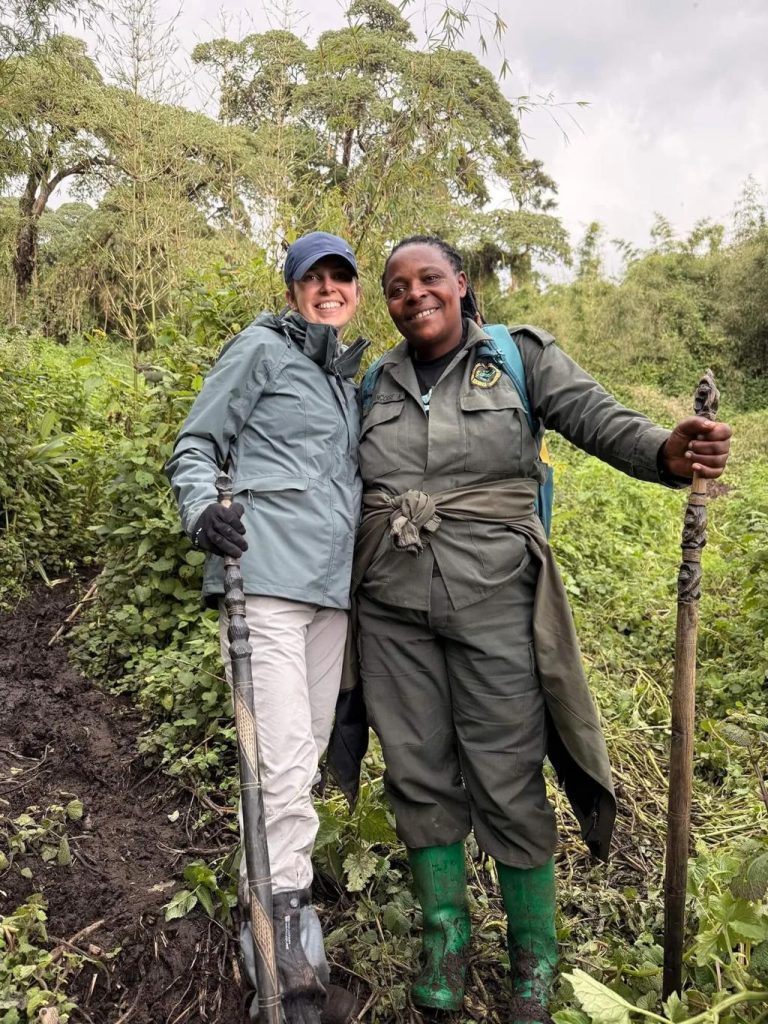
Introduction
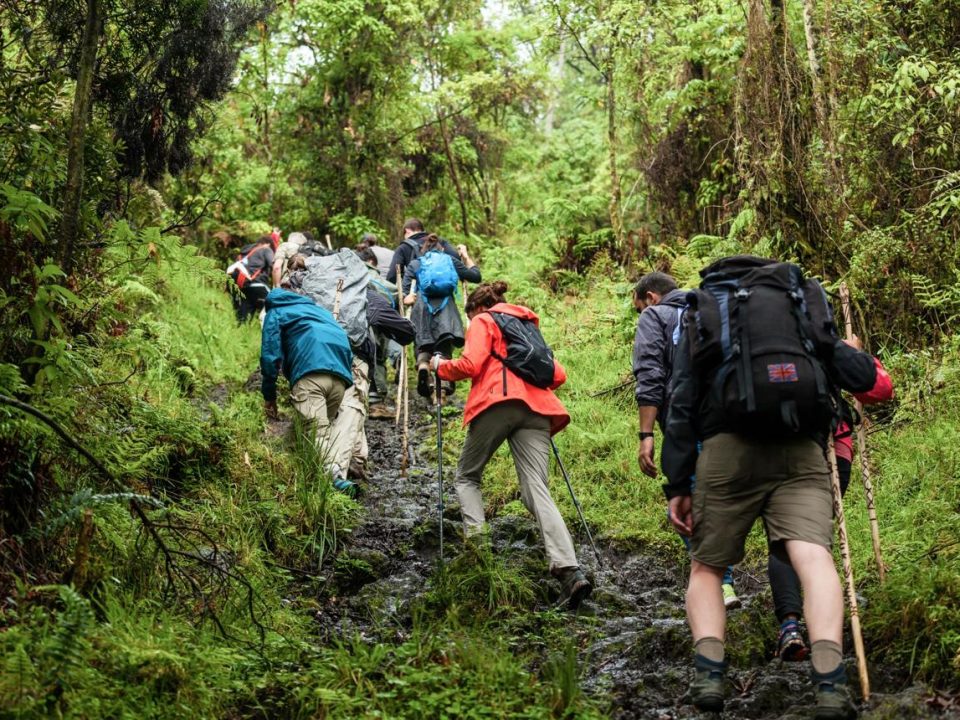
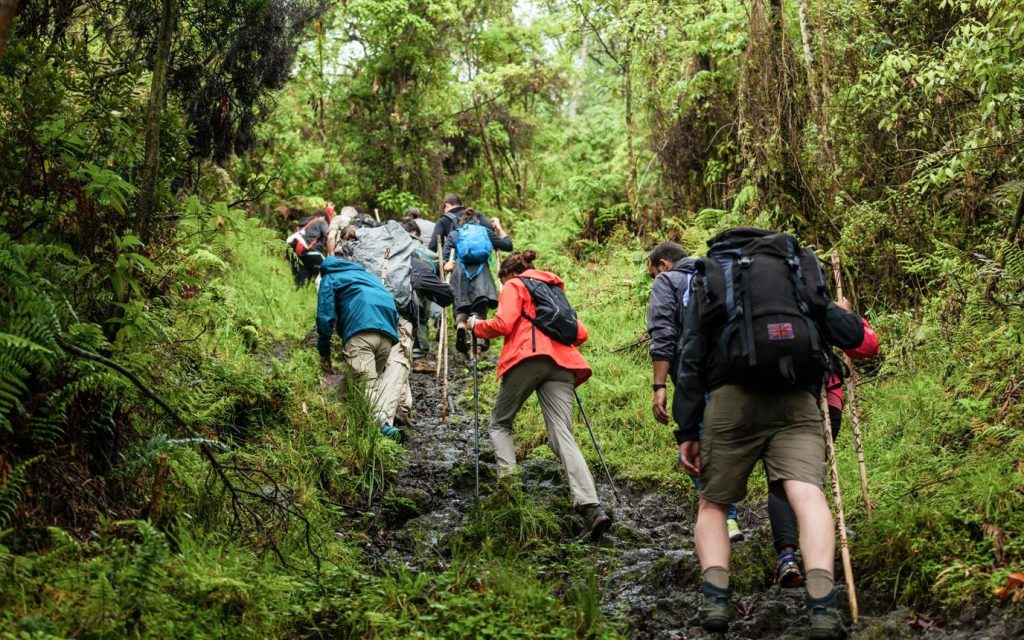
Rwanda gorilla trekking is an unforgettable adventure, but reaching the mountain gorillas can require considerable physical effort. The journey takes visitors through the beautiful mountain forests of Volcanoes National Park. Along the way, you may encounter steep slopes, thick vegetation, muddy paths and uneven ground. Some sections also require careful movement through dense plants and slippery terrain.
Because of these conditions, many travellers wonder whether they should bring walking poles for their gorilla trek. Walking poles can provide extra balance, support and confidence, especially when climbing or descending steep sections. However, they are not compulsory for every visitor.
In fact, visitors may have access to a simple wooden walking stick at the beginning of the trek. Some lodges and tour operators also arrange trekking equipment for their guests. Therefore, you should understand the available options before purchasing or packing expensive hiking poles.
At Safari O’clock, we encourage travellers to prepare according to their comfort, fitness and expected trekking conditions. This guide explains the benefits of walking poles, when you may need them and whether bringing your own equipment is worthwhile.
Why Rwanda Gorilla Trekking Poles Can Be Useful
The landscape of Volcanoes National Park is different from an ordinary walking trail. The park lies within the Virunga volcanic mountain range, where visitors trek through forest vegetation and changing elevations. Depending on the gorilla family’s location, the route may involve steep climbs and difficult descents.
Rwanda Development Board explains that gorilla tracking takes place at high altitudes. The hike can last from around 30 minutes to several hours, depending on where the gorillas are located. Visitors should walk slowly and drink plenty of water.
These conditions explain why some travellers prefer walking support. Rwanda gorilla trekking poles can help you maintain balance when moving across uneven ground. They can also provide extra stability when stepping over roots, rocks and muddy sections.
Moreover, walking poles may reduce the amount of pressure placed on your legs during certain movements. When used correctly, they can help distribute some of the effort between your arms and legs. However, they do not remove the physical challenge of the trek.
A walking pole is especially useful when you feel uncertain about your footing. It can also help you move more confidently during a steep descent. Nevertheless, you should still rely on proper hiking boots, careful movement and your guide’s instructions.
Should You Bring Your Own Rwanda Gorilla Trekking Poles?
The decision depends on your personal needs and the equipment available at your accommodation or trekking starting point. Some visitors prefer to bring familiar hiking poles, while others find that a locally provided wooden walking stick is enough.
If you already own adjustable trekking poles, you may choose to bring them. This is particularly useful if you regularly hike with poles and understand how to use them properly. Familiar equipment can make you feel more comfortable during a demanding outdoor activity.
However, you do not need to purchase expensive poles simply because you are visiting Rwanda. Several gorilla trekking preparation guides explain that wooden walking sticks may be offered at the start of the ascent. Some lodges also provide walking sticks or trekking poles for guests.
For this reason, ask Safari O’clock or your accommodation about available equipment before travelling. You may discover that you can borrow a suitable walking aid instead of carrying your own from home.
If you have never used hiking poles before, practise with them before the trip. Learning how to adjust their height, hold the handles and coordinate your steps can make a difference. Avoid experimenting with unfamiliar equipment for the first time on a steep forest trail.
Wooden Walking Sticks vs Adjustable Trekking Poles
Visitors preparing for a Rwanda gorilla trek can choose between traditional wooden walking sticks and adjustable trekking poles. Both options can provide support, but they have different features.
Wooden Walking Sticks for Gorilla Trekking
A wooden walking stick is a simple option for visitors who need occasional support. It usually has a straightforward design and requires very little adjustment. Some trekking preparation sources report that wooden sticks are offered at the start of the ascent in Volcanoes National Park.
One advantage is convenience. You do not need to worry about complicated locking systems or choosing the correct pole length. You simply select a comfortable stick and use it for additional support.
Wooden sticks can also work well on muddy mountain trails. Their simple construction makes them practical for visitors who do not regularly hike with technical equipment.
However, wooden sticks may not offer the same adjustability as modern trekking poles. You may also find that the length or handle shape does not suit your height perfectly.
Adjustable Hiking Poles
Adjustable hiking poles offer more flexibility. Most models allow you to change their length according to your height and the slope of the trail. Some also fold into smaller sections for easier transport.
Many trekking poles have wrist straps and ergonomic handles. These features can improve comfort when walking for extended periods. Certain models also include interchangeable tips for different surfaces.
For a mountain trek, adjustable poles can be useful because the trail may include both uphill and downhill sections. You can change their length to suit the terrain.
Nevertheless, they require proper handling. Loose locking mechanisms can cause the poles to collapse under pressure. Therefore, inspect them before the trek and ensure that all sections remain secure.
How Rwanda Gorilla Trekking Poles Help on Steep and Muddy Trails
One of the main reasons visitors consider walking poles is the condition of the forest trails. Rainfall can make the ground slippery, while thick vegetation may hide roots and uneven surfaces.
Support During Steep Climbs
Walking uphill requires effort from your legs and core muscles. When the slope becomes steep, poles can provide extra contact points with the ground. This may help you maintain balance while moving forward.
Place the pole securely before taking the next step. Avoid leaning heavily on a pole that has not made firm contact with the ground. Instead, use controlled movements and maintain a comfortable walking rhythm.
You should also avoid rushing. A steady pace gives you more time to assess the ground and choose safe places to step.
Better Balance During Descents
Walking downhill can be challenging because your body must control its movement against gravity. Muddy ground and loose vegetation can make this even more difficult.
A walking pole can offer an additional point of support as you descend. It may help you maintain balance while stepping down from rocks, roots or uneven sections.
However, do not place all your weight on a single pole. Its tip may slide or sink into soft ground. Use it as an additional support tool rather than a replacement for proper footing.
Stability on Muddy Paths
Muddy paths can become slippery after rainfall. In such conditions, walking poles may help you check the firmness of the ground before taking a step.
You can also use them to maintain a more stable walking rhythm. Nevertheless, the pole tips must have a secure grip. Some trekking poles come with different tip attachments for outdoor surfaces.
Avoid planting a pole where it may become trapped between roots or thick vegetation. Always check the surrounding ground before applying pressure.
How to Choose the Right Walking Poles for a Rwanda Gorilla Trek
If you decide to bring your own poles, choose equipment that suits the conditions and your personal comfort. You do not need the most expensive model. A practical, reliable pair is often enough.
First, consider the weight. Lightweight poles are easier to carry during a long hike. Heavy equipment may add unnecessary strain, especially when you already have a daypack.
Next, check the adjustable length. A good pole should allow you to set a comfortable height. When standing on level ground, your elbow should generally form an angle close to 90 degrees while holding the handle.
The grip also matters. Look for comfortable handles that fit naturally in your hands. Cork, foam and rubber grips offer different levels of comfort and moisture handling. Choose a material that feels secure, even when your hands become damp.
Pay attention to the locking system. Adjustable poles may use twist locks or external lever locks. Whatever design you choose, test it before travelling. The sections should remain firmly in place during use.
Finally, consider the tips. A suitable metal or carbide tip can provide traction on natural ground, depending on the model. Rubber tip covers may be useful on hard surfaces, but they are not always suitable for muddy forest trails.
One Walking Pole or Two: Which Is Better for Gorilla Trekking?
Some visitors use one walking stick, while others prefer a pair of trekking poles. The best option depends on your experience, balance and personal comfort.
A single walking stick may be enough if you only need occasional support. It also leaves one hand free for holding other permitted equipment or managing your daypack.
Two poles provide support on both sides of your body. Some hikers find this arrangement more comfortable on steep or uneven trails. It may also help them maintain a consistent walking rhythm.
However, two poles require more coordination. You need to learn how to move them naturally with your steps. They may also be more difficult to manage in dense vegetation.
For many visitors, a single wooden walking stick is a practical starting point. If you regularly hike with two adjustable poles, you may prefer to bring your familiar pair.
The important thing is to choose equipment that supports safe movement without making the trek more complicated.
Can Beginners Use Rwanda Gorilla Trekking Poles?
Yes. Beginners can use walking poles, even if they have little hiking experience. However, they should practise before the trekking day.
Start by adjusting the pole to a comfortable height. Hold the handle naturally and avoid gripping it too tightly. You should feel supported without creating unnecessary tension in your arms and shoulders.
Practise walking on gentle slopes before trying steeper ground. Learn how to position the pole ahead of you and how to move it as you take each step.
When walking downhill, place the pole carefully before shifting your weight. Avoid extending it too far ahead, as this may cause you to lose balance.
If you are unfamiliar with hiking equipment, ask your guide or an experienced hiking companion for basic instructions. You can also practise using a wooden stick before the trip.
Safari O’clock encourages beginners to focus on comfort and controlled movement. You do not need advanced hiking skills to use a simple walking aid, but preparation makes the experience easier.
Do You Need to Carry Walking Poles from Home?
Not necessarily. Before packing your own equipment, find out what is available at your lodge or the Volcanoes National Park trekking starting point.
A preparation guide from Volcanoes National Park Rwanda states that visitors who feel safer with a walking stick can be offered a wooden one at the start of the ascent. Other travel and lodge information also describes borrowing or obtaining walking sticks locally.
This means you may not need to buy additional equipment. If you are travelling with limited luggage, using a locally available stick can also save space.
However, availability can vary. Do not assume that every lodge or trekking location provides the same equipment. Confirm the arrangements before your travel date.
If you have a specific physical need or strongly prefer adjustable poles, bring your own after checking your airline’s baggage requirements. Some trekking poles fold into compact sections, making them easier to pack.
Safari O’clock can help you confirm the practical arrangements for your itinerary. This makes it easier to decide what to bring and what you can obtain locally.
Other Hiking Essentials to Use Alongside Walking Poles
Walking poles can improve support, but they should never be your only preparation for the trek. Proper clothing, footwear and other equipment remain important.
Start with sturdy hiking boots that provide good grip and ankle support. Choose boots that you have already worn on several walks. New footwear may cause blisters and discomfort during a long hike.
Waterproof clothing is also important. Rain can occur in the mountain forest, so carry a suitable rain jacket and consider waterproof trousers. A pair of gardening gloves can protect your hands from stinging plants and rough vegetation.
You should also carry a small daypack with drinking water, snacks and personal essentials. Keep the bag light enough to manage comfortably. If you have several items to carry, consider hiring a porter.
Rwanda Development Board confirms that porters are available to help visitors carry their daypacks. Porters can also provide practical assistance during difficult sections of the hike.
Finally, carry any personal medication you may need and inform your tour operator about relevant mobility concerns before the trek. Good preparation allows your guide to understand your needs and help you plan appropriately.
Important Safety Considerations When Using Walking Poles
Although walking poles provide support, they cannot guarantee that you will not slip or fall. You still need to pay attention to the trail and follow the instructions of your guide.
Avoid using a pole to pull yourself through thick vegetation. Some plants have thorns or stinging hairs, and branches may break unexpectedly. Your guide will help you identify the safest route through difficult sections.
You should also avoid swinging poles around when walking close to other visitors. Keep them under control and allow enough space between members of your group.
Most importantly, remember that walking poles are for the hiking section of the journey. They are not equipment to use freely during the gorilla encounter. Follow your guide’s instructions about where to leave your pole and other belongings before approaching the gorillas.
Do not attempt to use a pole to touch, move or attract wildlife. Mountain gorillas require respectful observation and adequate space. Your guide will explain the rules that apply on the day.
If you experience pain, dizziness or unusual difficulty breathing, inform your guide. Do not force yourself to continue without assistance.
Should You Bring Walking Poles for a Rwanda Gorilla Trek? Our Recommendation
For most visitors, walking poles are useful but optional. If you already own comfortable adjustable poles and regularly use them, bringing them can be a sensible choice. They may offer extra support on steep slopes and muddy paths.
However, if you do not own hiking poles, there is no need to rush into buying an expensive pair. A wooden walking stick may be available at the start of the trek, and some lodges provide suitable equipment for their guests.
Your footwear, physical preparation and ability to follow the guide’s instructions are more important than owning specialised poles. Invest in good hiking boots and practise walking on uneven ground before your trip.
At Safari O’clock, we recommend confirming equipment availability before departure. This helps you avoid carrying unnecessary luggage while ensuring that you have the support you need.
Frequently Asked Questions About Rwanda Gorilla Trekking Poles
Are walking poles compulsory for Rwanda gorilla trekking?
No. Walking poles are not compulsory for every visitor. Some travellers use them for additional support, while others walk comfortably with suitable hiking boots. Wooden walking sticks may also be available at the start of the trek.
Does Volcanoes National Park provide walking sticks?
A Volcanoes National Park preparation guide states that visitors who feel safer with a walking stick can be offered a wooden one at the start of the ascent. However, availability should be confirmed before your trekking date.
Are adjustable trekking poles better than wooden walking sticks?
Not necessarily. Adjustable poles offer more control over length and may suit experienced hikers. Wooden walking sticks are simpler and can be practical for visitors who need occasional support. Your personal comfort should guide the choice.
Can I use walking poles on muddy trails?
Yes. Walking poles can provide additional balance on muddy paths. However, use them carefully and ensure that their tips make secure contact with the ground. They cannot prevent every slip.
Should beginners bring hiking poles for gorilla trekking?
Beginners can use walking poles, but they should practise beforehand. If you have never used them, a simple wooden stick may be easier to manage. Choose the option that feels natural and comfortable.
Can I use walking poles during the gorilla encounter?
Follow the instructions of your park guide. Visitors may be required to leave certain belongings and equipment with their porters or at a designated point before approaching the gorillas. Never use a pole near the animals without permission.
Can I hire a walking pole in Rwanda?
Walking sticks may be available at the trekking starting point, while some lodges offer equipment for guests. Confirm availability and any charges with your accommodation or tour operator before travelling.
Do walking poles make gorilla trekking easier?
They can provide extra balance and support, especially on steep and uneven trails. However, they do not remove the physical demands of the trek. Good footwear, steady movement and preparation remain essential.
Final Thoughts
Walking poles can be valuable companions during a Rwanda gorilla trek, particularly when the trail becomes steep, muddy or uneven. They provide additional support and can help visitors feel more confident while climbing and descending mountain paths.
However, you do not necessarily need to bring your own. Wooden walking sticks may be available at the trekking starting point, and some lodges provide equipment for their guests. Check what is included before purchasing or packing extra gear.
Most importantly, choose equipment that suits your body and hiking experience. Wear proper boots, walk at a steady pace and follow your guide’s instructions throughout the journey.
With the right preparation, Safari O’clock can help you enjoy a comfortable and memorable gorilla trekking adventure in Rwanda.