- DIRECT CONTACTS:
- +256394517569
- tours@safarioclock.africa

Is Gorilla Trekking in Rushaga Sector Difficult

Why 2026 is the year to visit Uganda for gorilla trekking
March 22, 2026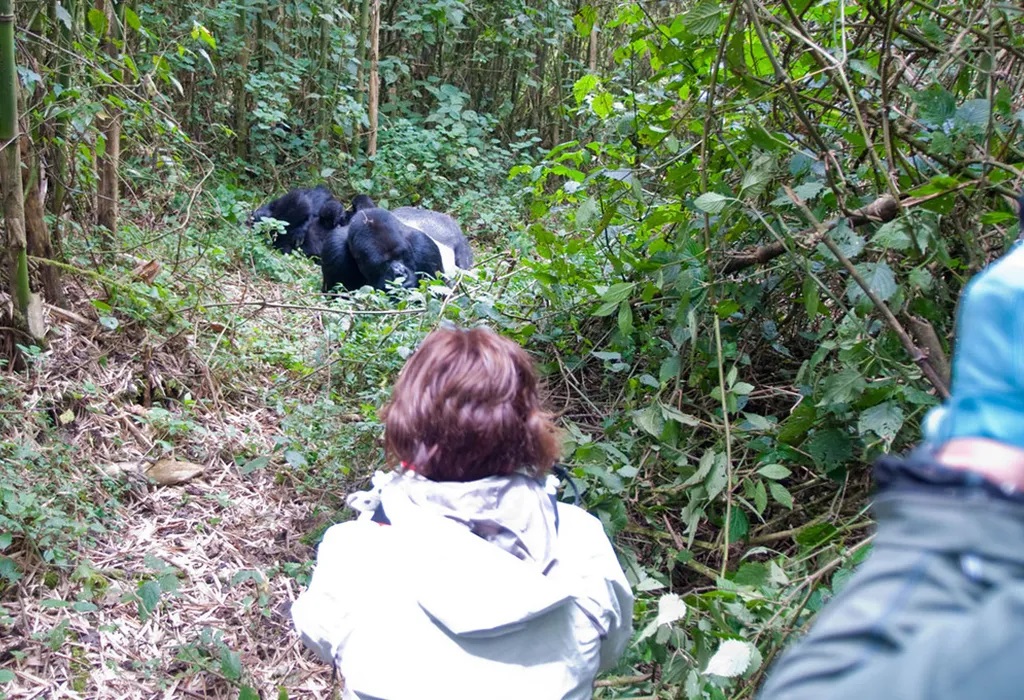
Are you planning or interested in trekking gorillas in Rushaga sector of Bwindi Impenetrable Forest National Park and you want to know Is Gorilla Trekking in Rushaga Sector Difficult before booking, the answer is here? Gorilla trekking in Rushaga Sector is often described as challenging but manageable for most reasonably fit travelers. The difficulty level depends on several factors including terrain, weather conditions, the location of the assigned gorilla family, and your physical fitness. Rushaga is located in the southern part of Bwindi Impenetrable National Park and is known for its dense vegetation, steep slopes, and high altitude. However, thousands of visitors of different ages successfully trek here every year. Is Gorilla Trekking in Rushaga Sector Difficult? With proper preparation, the right expectations, and guidance from experienced rangers, the trek is demanding yet incredibly rewarding rather than overwhelming.
Where Is Rushaga Sector Located
Rushaga Sector is one of the four gorilla trekking sectors in Bwindi Impenetrable National Park in southwestern Uganda. It lies in the southern region of the park near Kisoro town and close to the borders of Rwanda and the Democratic Republic of Congo. The sector is part of the larger Bwindi ecosystem, a UNESCO World Heritage Site known for its exceptional biodiversity and dense montane rainforest.
Rushaga is particularly famous for having the highest number of habituated mountain gorilla families in Bwindi. This increases permit availability and improves the chances of securing trekking slots even during high seasons. The abundance of gorilla groups also means that trekkers can sometimes be assigned families located at varying distances, which can influence how difficult the hike becomes.
Understanding the Terrain in Rushaga
The terrain in Rushaga is characterized by steep hills, narrow forest trails, thick undergrowth, and muddy slopes, especially during rainy seasons. The word impenetrable in Bwindi Impenetrable National Park reflects the density of the forest. The Park sits at an altitude ranging between 1160 and 2600 meters above sea level. In Rushaga, many treks involve descending into valleys and climbing back up, which can be physically demanding.
Trekkers often hike for anywhere between one hour and six hours depending on the movement of the assigned gorilla family. Some groups may be closer to the park boundary, while others may move deeper into the forest. The hike includes uneven ground, exposed tree roots, slippery sections, and occasional use of walking sticks to maintain balance.
Despite these challenges, park rangers carefully assess each trekker’s ability before assigning gorilla families. Older travelers or those who express concerns about steep climbs are often allocated to groups that are generally known to be closer or less demanding to reach, though gorilla movement can never be predicted with certainty.
How Difficult Is the Trek Physically?
Gorilla trekking in Rushaga requires moderate physical fitness. It is not a technical climb, and no mountaineering skills are required. However, the combination of altitude, humidity, and steep forest paths makes it more strenuous than a typical nature walk.
Travelers who regularly walk, hike, or exercise adapt more easily. Those who are less active can still manage with preparation. The pace of the trek is determined by the slowest member of the group, and rangers allow frequent breaks to rest and hydrate.
Porters are available at the trailhead and are highly recommended. They carry backpacks, offer a steadying hand on steep sections, and provide encouragement along the way. Hiring a porter not only makes the trek easier but also supports local community livelihoods.
Mental and Environmental Challenges
Beyond physical exertion, the environment can feel intense. The forest is thick, humid, and sometimes misty. Rain can start unexpectedly, making trails muddy and slippery. The vegetation may brush against you, and navigating through dense foliage can feel adventurous.
However, this environment is also what makes the experience magical. The moment you encounter a gorilla family, watching them feed, groom, and interact at close range, the physical effort fades into the background. The emotional impact of being near mountain gorillas in their natural habitat often becomes the highlight of a lifetime.
A Detailed 3 Day Gorilla Trekking Itinerary in Rushaga
Day 1 Arrival and Transfer to Rushaga
You arrive at either Entebbe International Airport or Kigali International Airport depending on your chosen route. Many travelers prefer flying into Kigali because it offers a shorter drive of about four to five hours to Rushaga. From Entebbe, the journey can take eight to ten hours by road.
The scenic drive takes you through rolling hills, rural villages, terraced farmlands, and lush countryside. Upon arrival in Rushaga, you check into your lodge, relax, and enjoy dinner while listening to a briefing about the next day’s trek.
Day 2 Gorilla Trekking Experience
You wake up early for breakfast and transfer to the park headquarters for registration and briefing. During the briefing, park rangers explain gorilla trekking rules, safety measures, and what to expect in the forest.
Groups of up to eight trekkers are assigned to a habituated gorilla family. The trek begins with a guided walk into the forest. The time taken to locate the gorillas depends on their movements that morning.
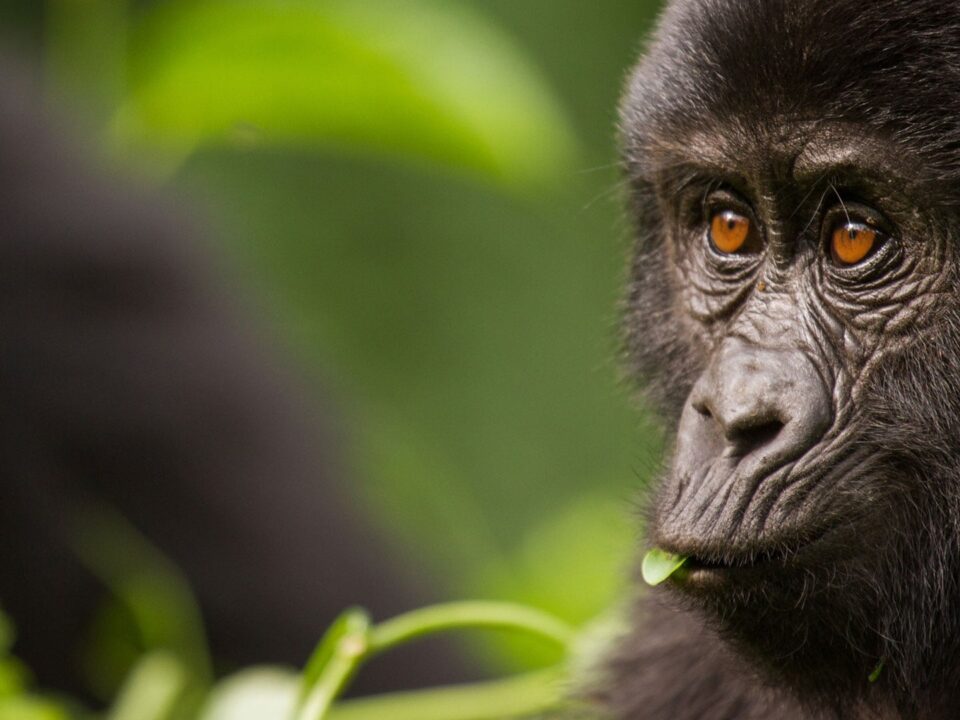
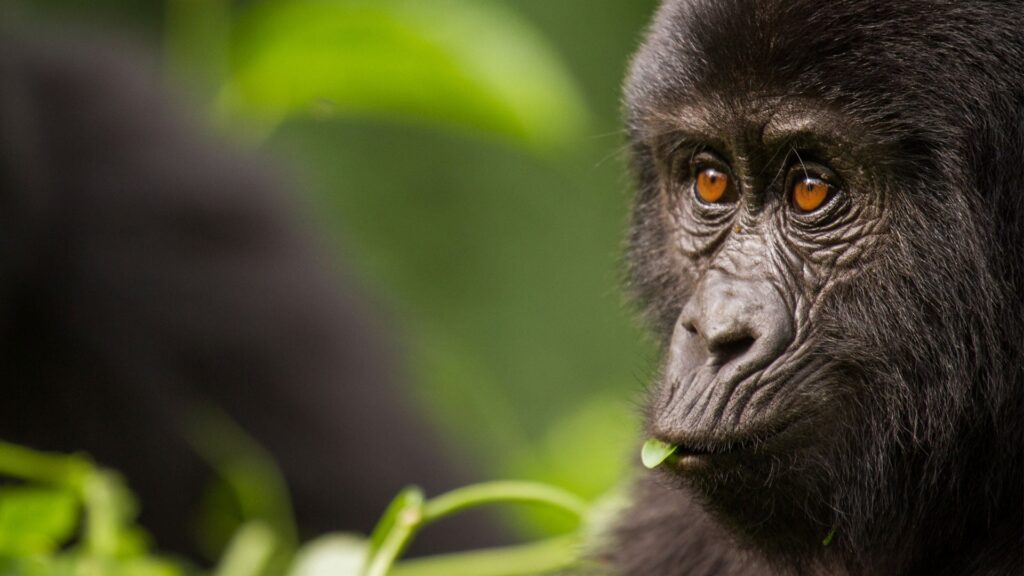
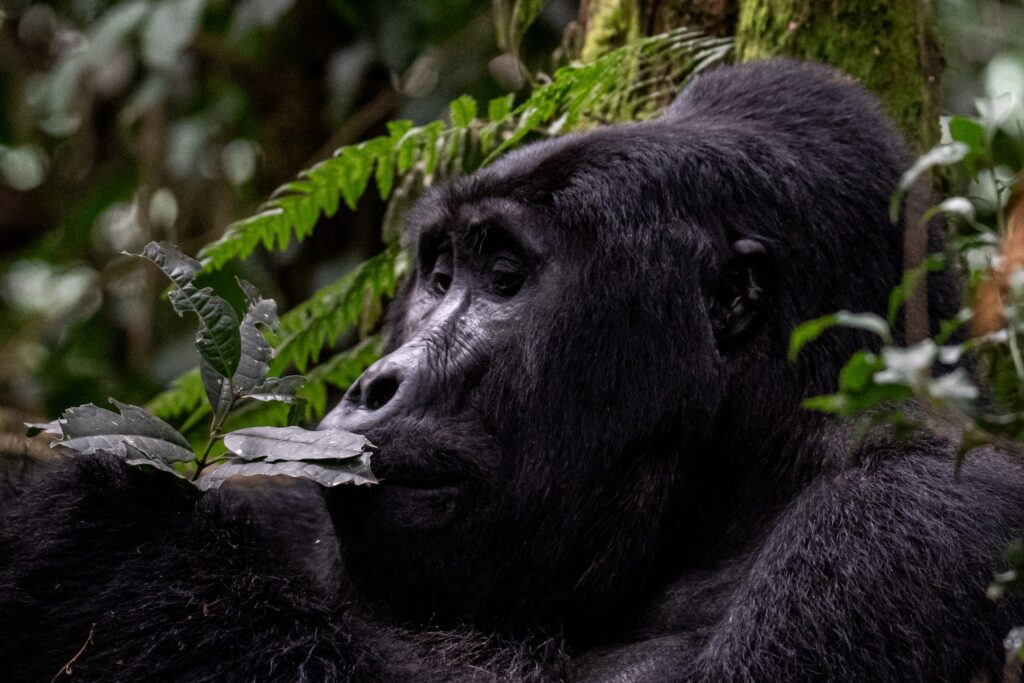
Once the gorilla family is located, you are allowed one hour in their presence. During this time, you observe silverbacks, females, juveniles, and playful infants. Photography is allowed without flash. The experience is intimate and unforgettable.
After the hour ends, you trek back to the starting point and receive a certificate of participation. In the afternoon, you return to your lodge for relaxation. Optional activities may include a community visit or cultural performance in the evening.
Day 3 Departure
After breakfast, you check out and begin your journey back to Kigali or Entebbe for your departure flight. The journey offers additional opportunities for scenic stops and photography.
Best Time to Go Gorilla Trekking in Rushaga
Gorilla trekking in Rushaga is conducted year round. However, the best time is generally during the dry seasons from June to September and from December to February. During these months, trails are less muddy and more manageable, making the hike slightly easier.
The rainy seasons occur from March to May and from October to November. During these months, the forest becomes wetter and trails can be slippery. While trekking is still possible, the physical challenge increases. On the positive side, the forest appears greener, and fewer tourists may be present, offering a quieter experience.
Because Rushaga is located in a tropical rainforest, weather can change quickly. Even during dry seasons, brief showers can occur.
Comparing Rushaga to Other Sectors
Bwindi Impenetrable National Park has four main trekking sectors including Buhoma, Ruhija, Rushaga, and Nkuringo. Rushaga and Nkuringo are generally considered more physically demanding due to steeper terrain. Buhoma is often viewed as slightly less strenuous for some travelers, though difficulty ultimately depends on the assigned gorilla family.
Rushaga’s advantage lies in its large number of habituated gorilla families, which increases flexibility in assignments and permit availability.
Is Gorilla Trekking in Rushaga Suitable for Older Travelers
Many travelers in their sixties and seventies successfully trek gorillas in Rushaga. Age alone does not determine success. What matters more is general health and mobility. Trekkers with knee or joint issues should inform guides in advance.
Sedan chairs are available for hire for those who may struggle with steep terrain. These chairs are carried by a team of porters, allowing visitors with limited mobility to experience gorilla trekking safely.
Preparation Tips to Make the Trek Easier
Preparing physically before arrival improves your experience significantly. Regular walking, stair climbing, and light hiking in the weeks leading up to your trip can increase endurance.
Wearing proper hiking boots with good grip is essential. Long trousers and long sleeved shirts protect against scratches and insects. Gardening gloves are useful for holding onto vegetation while climbing. Carrying enough water and energy snacks also helps maintain stamina.
Hiring a porter, as mentioned earlier, reduces physical strain and supports the local economy.
Why the Difficulty Is Worth It
The difficulty of gorilla trekking in Rushaga is part of what makes the experience meaningful. Mountain gorillas live in remote, protected forest environments. Reaching them requires effort, and that effort enhances the sense of achievement.
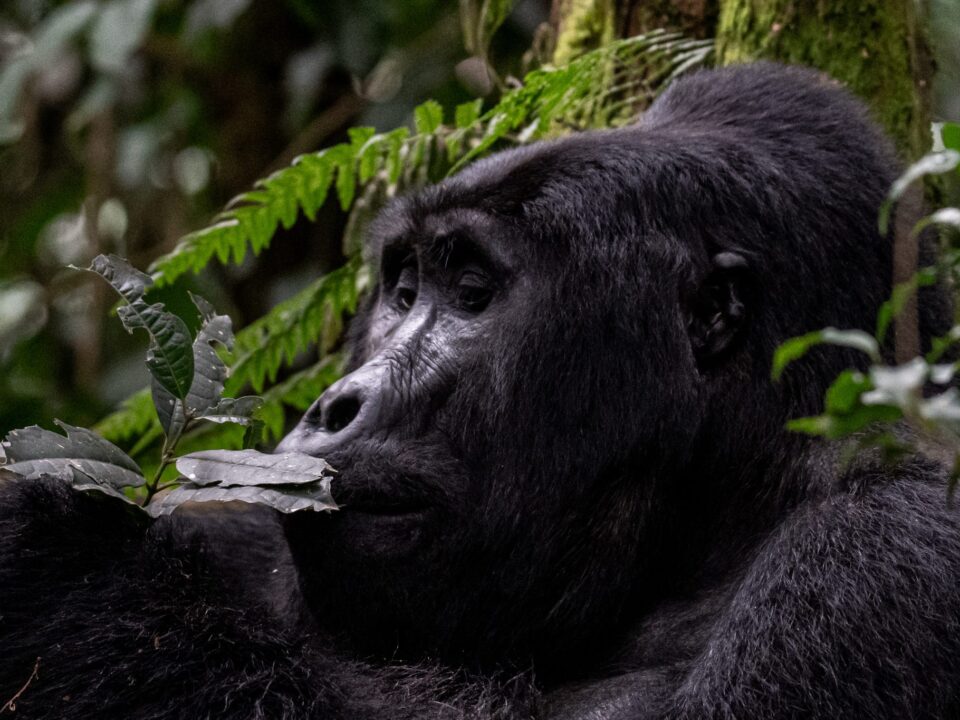
Standing a few meters away from a silverback in Bwindi Impenetrable National Park is a rare privilege. Fewer than a thousand mountain gorillas remain in the wild. The trekking permit contributes directly to conservation and community development, ensuring that these magnificent primates continue to thrive.
The combination of physical challenge, emotional connection, and conservation impact makes gorilla trekking in Rushaga more than just a hike. It becomes a transformative journey.
Final Thoughts on Is Gorilla Trekking in Rushaga Sector Difficult
So, is gorilla trekking in Rushaga Sector difficult? Yes, it can be physically demanding due to steep terrain and forest conditions. However, it is achievable for most travelers with moderate fitness. The Park authorities are experienced in guiding visitors of varying abilities, and support systems such as porters and sedan chairs make the experience accessible. The key is preparation, a positive mindset, and understanding that the reward far outweighs the effort. For many visitors, the moment they lock eyes with a mountain gorilla erases every step of the climb and replaces it with awe, respect, and unforgettable memories.