- DIRECT CONTACTS:
- +256394517569
- tours@safarioclock.africa

New Uganda Gorilla Tracking Permit Price Effective July 2026

Rwanda or Uganda for Gorillas? Your Ultimate Safari Decision Guide
March 1, 2026
Here is the update on the New Uganda Gorilla Trekking Permit Price Effective July 2026. Beginning 1st July 2026, Uganda will implement revised gorilla trekking permit tariffs. The new rates are 800 USD for Foreign Non Residents, 700 USD for Foreign Residents, 500 USD for Rest of Africa, and 300,000 UGX for East African Citizens. While this represents a price adjustment, Uganda continues to offer exceptional value considering the depth of the experience, conservation impact, community benefits, and professional ranger guidance that define gorilla trekking in the country.
Gorilla trekking in Uganda offers access to multiple sectors within Bwindi Impenetrable National Park and Mgahinga Gorilla National Park, giving travelers a wide range of terrain, gorilla families, and trekking difficulty options. The New Uganda Gorilla Trekking Permit Price Effective July 2026 aligns Uganda’s permit fees with long term conservation sustainability goals, ensuring continued protection of endangered mountain gorillas and meaningful support for surrounding communities.
What the New Permit Price Means for Travelers
The updated permit structure reflects the true value of gorilla conservation. Uganda is home to more than half of the world’s remaining mountain gorillas, and managing this fragile population requires sustained investment in ranger salaries, veterinary services, habitat protection, anti poaching patrols, community outreach, and regulated tourism management.
When visitors pay for a gorilla permit, they are not only securing one unforgettable hour with a habituated gorilla family. They are directly contributing to conservation funding, local employment, and community development projects such as schools, health centers, and clean water systems. A portion of the revenue generated from permits is shared with communities living around the parks, creating a strong incentive to protect wildlife rather than exploit it.
Compared to other destinations offering mountain gorilla experiences like Rwanda and Congo, Uganda continues to provide competitive pricing while maintaining high conservation standards and offering multiple trekking sectors to choose from.
Why Uganda Still Offers Exceptional Value
Even at 800 USD for Foreign Non Residents, Uganda remains an outstanding value destination for gorilla trekking for several reasons.
First, Uganda offers more trekking sectors than any other mountain gorilla destination. In Bwindi alone, travelers can trek in Buhoma, Ruhija, Rushaga, and Nkuringo sectors. Each sector offers different terrain profiles ranging from relatively gentle forest slopes to steeper mountainous hikes.
Second, Uganda offers the unique Gorilla Habituation Experience in the southern sector of Bwindi. This experience allows visitors to spend up to four hours with a semi habituated gorilla family under the supervision of researchers and rangers. It provides deeper behavioral insights and exceptional photographic opportunities.
Third, Uganda allows flexibility in combining gorilla trekking with classic safari experiences in Queen Elizabeth National Park, chimpanzee trekking in Kibale National Park, and wildlife viewing in Murchison Falls National Park. This diversity makes Uganda one of the few destinations where primate tracking and Big Five style safaris can be experienced in a single itinerary.
A Detailed 3 Day Gorilla Trekking Itinerary in Uganda
Day 1 Arrival and Transfer to Bwindi Impenetrable National Park
Arrive at Entebbe International Airport where you are welcomed by your driver guide. Begin your scenic journey southwest through rolling hills, tea plantations, and traditional homesteads. The drive to Bwindi takes approximately eight to ten hours depending on the sector. Alternatively, a domestic flight can shorten travel time significantly.
Upon arrival at your lodge, enjoy dinner and a briefing about the next day’s trek. Rest early in preparation for your gorilla encounter.
Day 2 Gorilla Trekking Experience
After an early breakfast, transfer to the park headquarters for registration and briefing. Rangers explain trekking rules, safety measures, and gorilla etiquette. Visitors are assigned to a specific gorilla family based on fitness levels and group size.
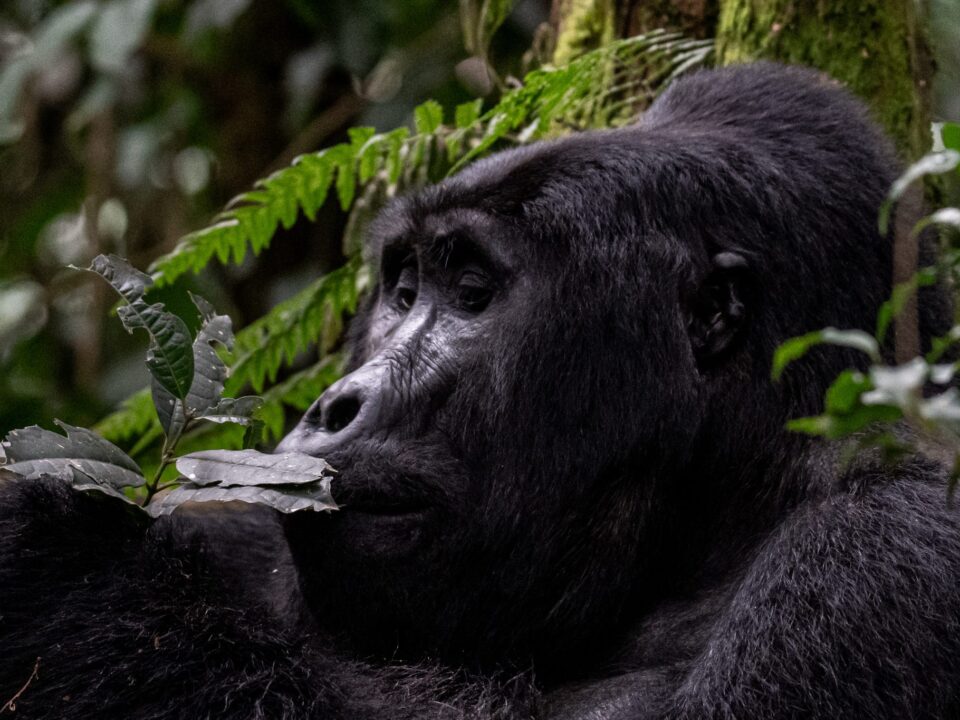
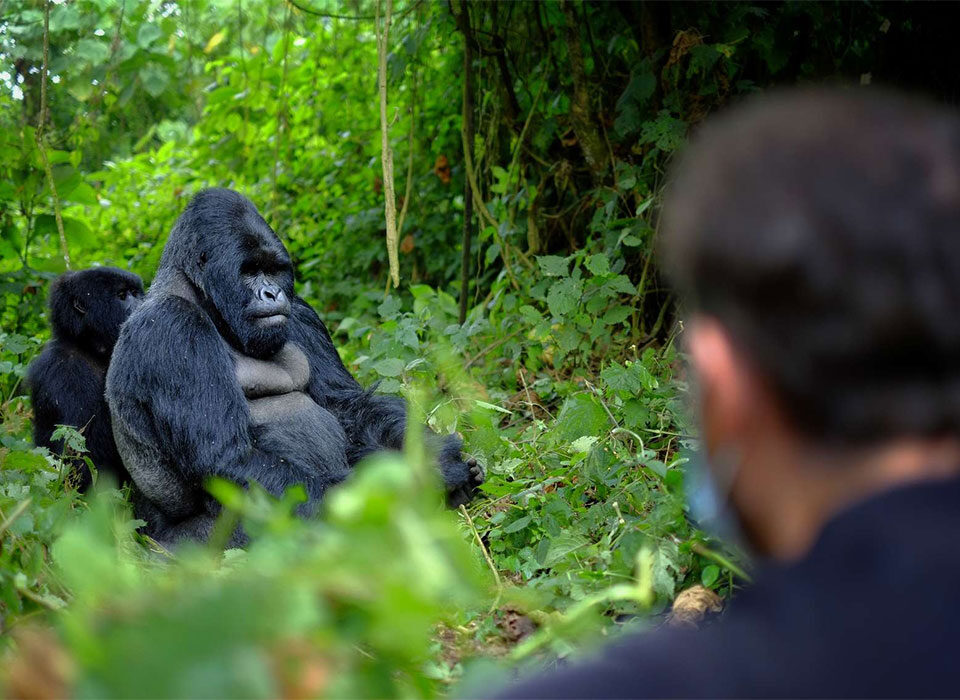
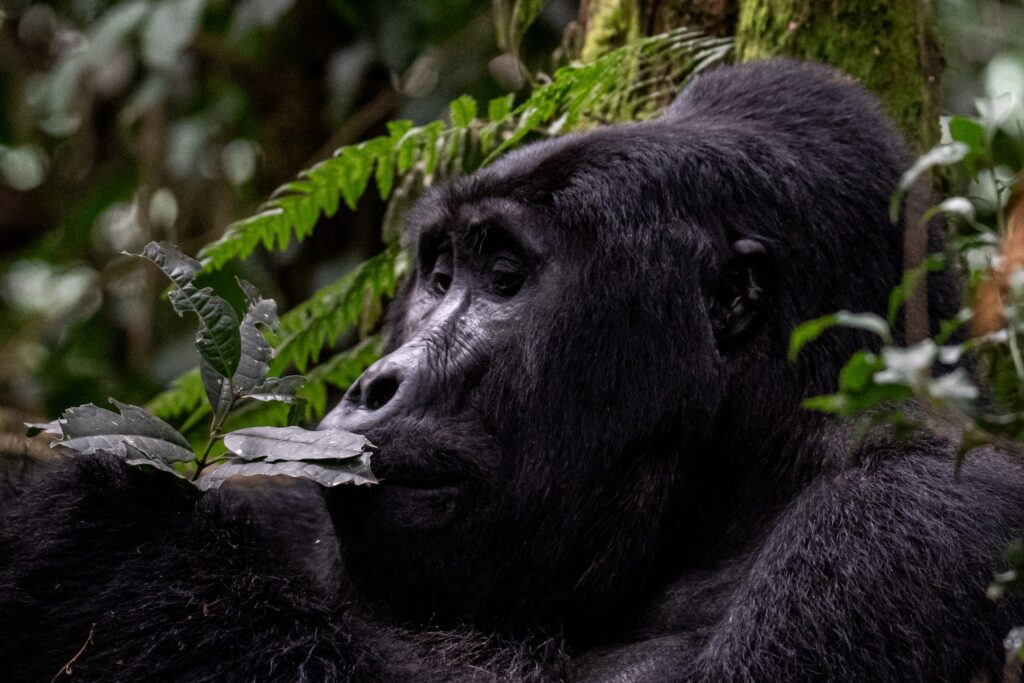
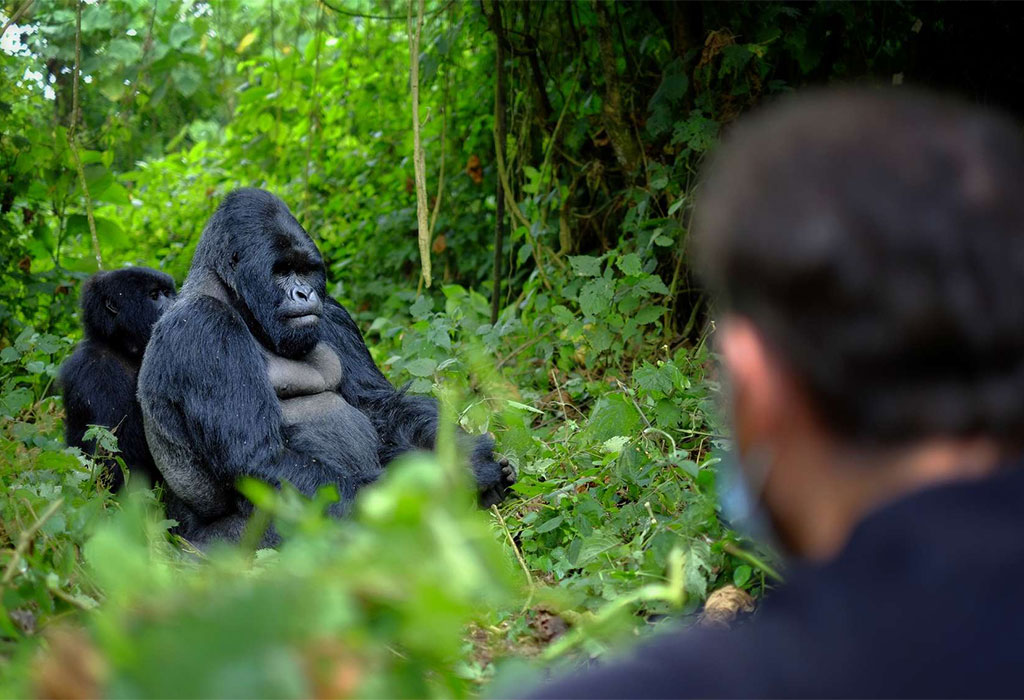
The trek can last from two to six hours depending on the movement of the gorillas. Once located, you are allowed one hour in their presence. Observing a silverback calmly watching over his family, juveniles playing, and mothers nursing infants is a profoundly emotional and humbling experience.
After the trek, return to the lodge for relaxation and reflection.
Day 3 Return to Entebbe
After breakfast, depart Bwindi and travel back to Entebbe. Alternatively, extend your itinerary to include a safari in Queen Elizabeth National Park or chimpanzee trekking in Kibale Forest for a more comprehensive Uganda wildlife adventure.
Best Time for Gorilla Trekking in Uganda
Gorilla trekking in Uganda is available year round, but the best conditions are typically during the dry seasons from June to September and December to February. During these months, trails are less muddy and more manageable, making trekking easier especially for visitors concerned about steep terrain.
The rainy seasons from March to May and October to November bring heavier showers, which can make hiking more challenging. However, these months also offer advantages such as fewer visitors, greener landscapes, and potentially shorter trekking times since gorillas often stay at lower elevations when food is abundant.
Permit availability can become limited during peak dry seasons, so booking several months in advance is strongly recommended, especially after the July 2026 price revision which may influence demand patterns.
Trekking Difficulty and Fitness Considerations
Gorilla trekking in Bwindi can range from moderate to physically demanding depending on the assigned gorilla family and sector. Bwindi is mountainous and covered in dense forest, requiring hikers to navigate uneven terrain, vines, and occasional steep slopes.
Mgahinga Gorilla National Park offers a different experience with volcanic terrain and open bamboo zones in some sections. While still physically engaging, some travelers find Mgahinga slightly less dense in vegetation compared to parts of Bwindi.
Visitors are advised to prepare with regular walking or hiking before travel. Hiring a porter is strongly encouraged. Porters not only assist with carrying bags but also provide a steadying hand on slippery trails, and their employment directly supports local livelihoods.
Conservation Impact of the New Tariffs
The New Uganda Gorilla Trekking Permit Price Effective July 2026 reinforces Uganda’s commitment to conservation sustainability. Mountain gorillas remain endangered, and their survival depends heavily on well funded park management.
Permit revenue supports ranger patrols, veterinary interventions through conservation partnerships, habitat monitoring, and community revenue sharing programs. By adjusting tariffs responsibly, Uganda ensures that tourism continues to fund conservation without exceeding sustainable visitor limits.
Strict regulations remain in place including a maximum of eight visitors per gorilla family per day and a one hour viewing limit. These measures minimize stress on the gorillas and maintain the integrity of their natural behavior.
Comparing Bwindi and Mgahinga Gorilla Experiences
Bwindi Impenetrable National Park is the most popular gorilla trekking destination in Uganda due to the high number of habituated families and varied sectors. The forest is ancient, biodiverse, and rich with birdlife, butterflies, and other primates.
Mgahinga Gorilla National Park, located in the Virunga mountain range, offers dramatic volcanic scenery and the opportunity to combine gorilla trekking with golden monkey tracking. Its open terrain in certain sections can provide excellent photography conditions on clear days.
Travelers choosing between the two should consider access routes, lodge availability, trekking difficulty, and personal preferences for landscape.
Planning Ahead for July 2026 and Beyond
With the new pricing effective 1st July 2026, early planning will be essential. We are expected to adjust package pricing accordingly, and travelers may consider securing permits before the effective date if traveling prior to July 2026.
For travel after July 2026, budgeting should account for the revised permit costs alongside accommodation, transport, and guide services. Despite the increase, the value of standing face to face with a wild mountain gorilla in its natural habitat remains immeasurable.
Final Thoughts on the New Uganda Gorilla Trekking Permit Price Effective July 2026
The revised Uganda gorilla trekking permit prices effective July 2026 reflect a strategic investment in conservation sustainability and community empowerment. At 800 USD for Foreign Non Residents, 700 USD for Foreign Residents, 500 USD for Rest of Africa, and 300,000 UGX for East African Citizens, Uganda continues to balance accessibility with responsible wildlife management.
Gorilla trekking in Bwindi Impenetrable National Park and Mgahinga Gorilla National Park remains one of the most powerful wildlife encounters on earth. With expert ranger guidance, strict conservation protocols, diverse trekking sectors, and strong community partnerships, Uganda offers not just a trek but a transformative journey that directly contributes to the survival of an endangered species. For travelers seeking authenticity, conservation impact, and extraordinary primate encounters, Uganda remains a premier destination even under the new July 2026 permit structure