- DIRECT CONTACTS:
- +256394517569
- tours@safarioclock.africa

Why 2027 is the year to visit Uganda for gorilla trekking

Is Gorilla Trekking in Rushaga Sector Difficult
March 22, 2026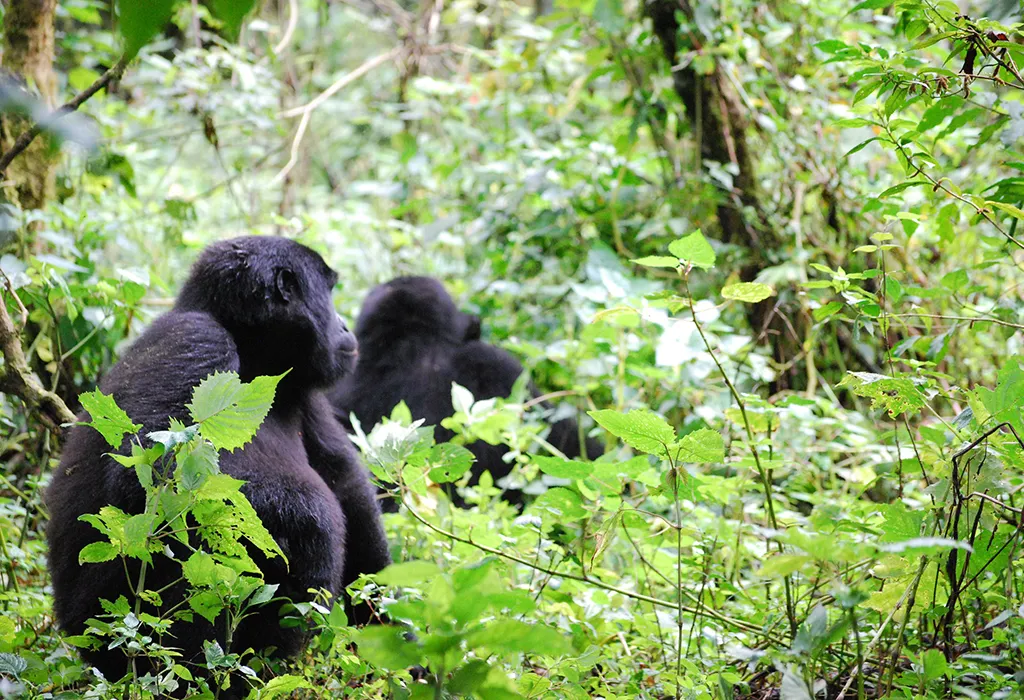
Why 2027 is the year to visit Uganda for gorilla trekking? If you have been thinking about seeing mountain gorillas in the wild, 2027 is the year to turn that dream into reality. Uganda continues to strengthen conservation, improve tourism infrastructure, and refine visitor experiences in a way that makes gorilla trekking more organized, more comfortable, and more impactful than ever before. With stable conservation policies, controlled visitor numbers, improved road access to national parks, and growing global interest in responsible travel, 2027 stands out as the ideal moment to experience one of the most powerful wildlife encounters on earth.
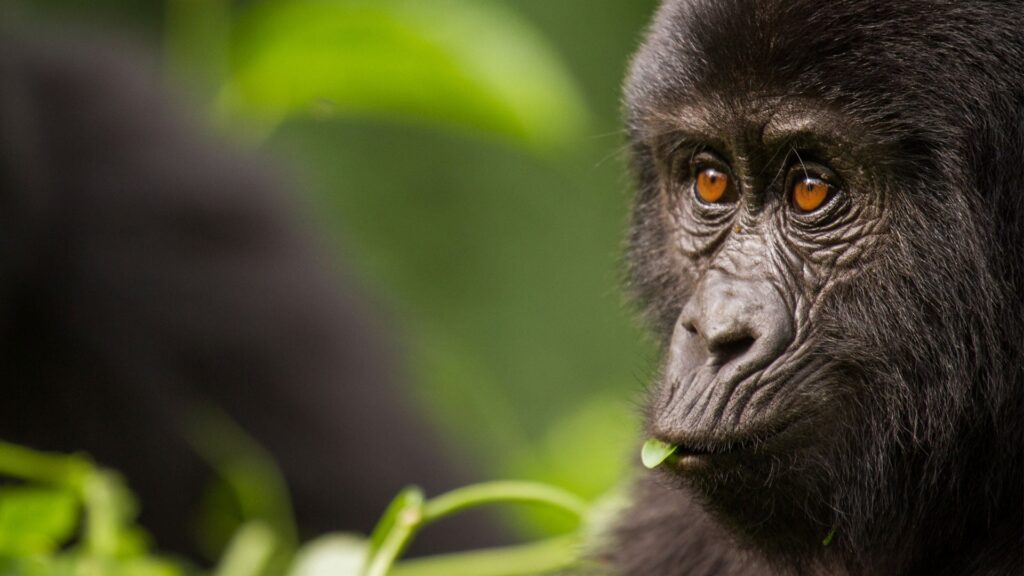
Uganda is home to more than half of the world’s remaining mountain gorillas, found in Bwindi Impenetrable National Park and Mgahinga Gorilla National Park. Trekking through ancient rainforest to spend one hour with a habituated gorilla family is not just a safari activity. It is a life changing conservation experience. In 2027, everything aligns perfectly for travelers seeking authenticity, exclusivity, and meaningful impact.
Uganda Remains the Global Leader in Mountain Gorilla Encounters
Uganda protects its gorillas primarily in Bwindi Impenetrable National Park and Mgahinga Gorilla National Park. Bwindi alone hosts multiple habituated families across four sectors which include Buhoma, Ruhija, Rushaga, and Nkuringo. This diversity of sectors allows visitors to choose trekking experiences that match their fitness level and travel preferences.
The Uganda Wildlife Authority continues to limit permits per day to protect the gorillas and their habitat. This controlled model ensures small trekking groups, minimal stress on the animals, and a deeply personal experience for visitors. By 2027, this structured and sustainable approach will continue to make Uganda one of the most ethically managed gorilla destinations in Africa.
In addition to the standard one hour trek, Uganda offers the Gorilla Habituation Experience in Bwindi, allowing up to four hours with a semi habituated family. This experience is rare and exclusive, designed for those who want deeper observation time and insight into conservation work. The year 2027 is likely to see increasing interest in extended wildlife immersion, making this option even more valuable.
Improved Infrastructure and Accessibility
Over the past few years, Uganda has steadily improved access roads to Bwindi and Mgahinga. Lodges have upgraded facilities while maintaining eco friendly designs. Airstrips such as Kihihi and Kisoro provide domestic flight options that significantly reduce travel time from Entebbe.
By 2027, travelers can expect smoother transfers, better road conditions, and refined lodge services without sacrificing the authenticity of the wilderness experience. This balance between comfort and raw nature is one of the reasons Uganda stands out.
For travelers combining gorilla trekking with chimpanzee tracking in Kibale Forest or wildlife safaris in Queen Elizabeth National Park, road networks connecting these parks have improved, making multi destination itineraries easier and more comfortable.
Conservation Impact and Responsible Travel Momentum
Global tourism trends are shifting toward responsible travel. Visitors increasingly want experiences that contribute directly to conservation and community livelihoods. Gorilla permits in Uganda contribute significantly to national conservation budgets and community revenue sharing programs.
Why 2027 is the year to visit Uganda for gorilla trekking? In 2027, Uganda’s community tourism initiatives surrounding Bwindi and Mgahinga will continue to strengthen. Local guides, lodge staff, cultural performers, and conservation rangers benefit directly from tourism income. Visiting Uganda for gorilla trekking is not only a wildlife adventure but also a direct investment in preserving endangered species and supporting local communities.
Exclusive Yet Affordable Compared to Alternatives
Uganda offers competitive permit pricing compared to neighboring destinations while maintaining high conservation standards. For travelers planning well in advance for 2027, early permit booking ensures availability during peak seasons.
Because gorilla permits are limited and demand is steadily increasing worldwide, planning for 2027 provides both strategic timing and better itinerary flexibility. Travelers who wait until the last minute often face limited sector availability or need to adjust travel dates.
Best Time to Visit Uganda for Gorilla Trekking in 2027
Uganda’s climate allows gorilla trekking year round. However, the best months are typically during the drier seasons from June to September and December to February. During these months, trails are less muddy, visibility is clearer, and trekking conditions are more comfortable.
The rainy seasons from March to May and October to November can still offer rewarding experiences. Fewer tourists visit during these months, meaning greater permit availability and potentially quieter trails. The forest is also lush and vibrant, creating dramatic photographic backdrops.
For 2027 planning, booking during the dry seasons ensures optimal trekking conditions, but flexible travelers may enjoy the benefits of lower visitation during wetter months.
Detailed 8 Day Gorilla and Wildlife Itinerary for 2027
Day 1 Arrival in Entebbe
Arrive at Entebbe International Airport. Transfer to your hotel in Entebbe. Relax and recover from your flight. Optional visit to the botanical gardens or Lake Victoria shoreline.
Day 2 Fly or Drive to Bwindi Impenetrable National Park
Take a scheduled domestic flight to Kihihi or Kisoro airstrip or drive southwest through Uganda’s rolling countryside. Arrive at your lodge in Bwindi. Enjoy scenic views of terraced hills and forest canopy.
Day 3 Gorilla Trekking in Bwindi
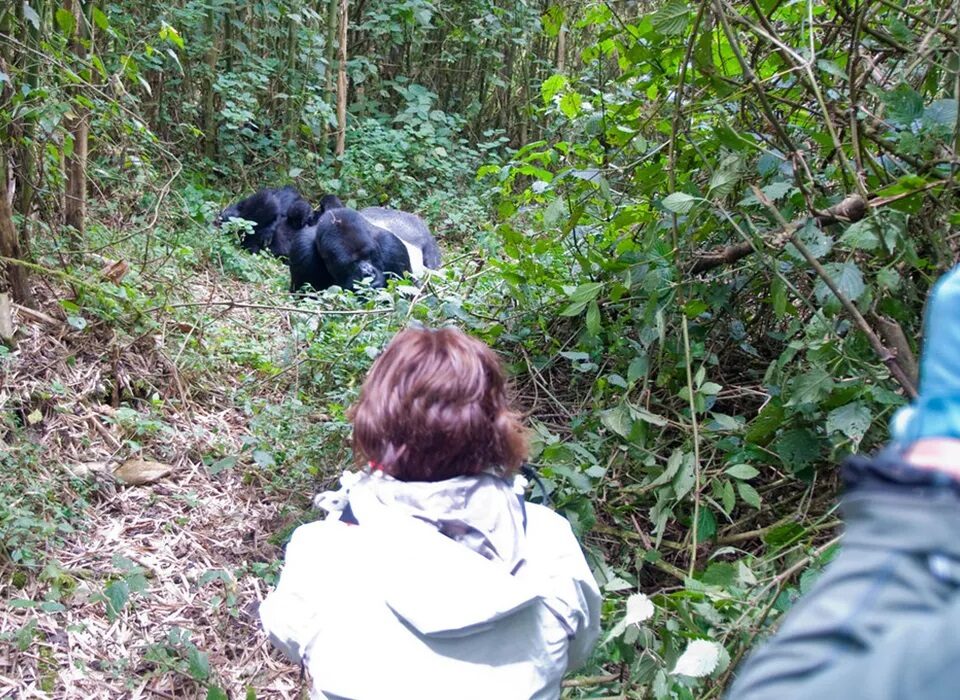
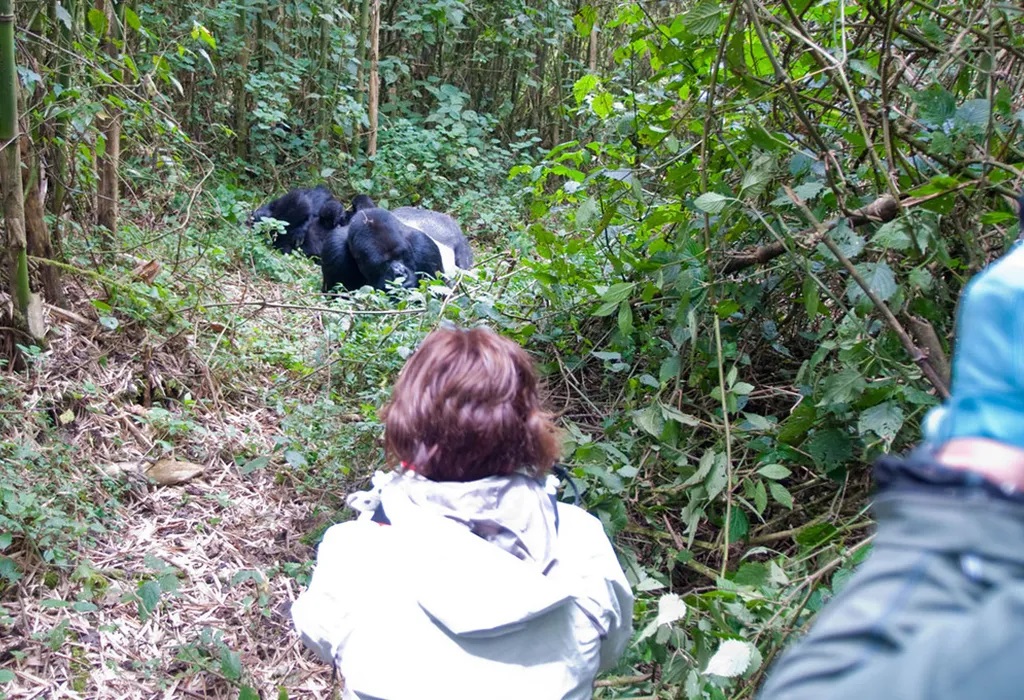
After an early breakfast, transfer to park headquarters for briefing by Uganda Wildlife Authority rangers. You will be assigned a gorilla family based on fitness level and sector availability. Trek through dense forest with experienced guides. Once located, spend one hour observing the gorillas as they feed, groom, and interact. Return to the lodge for relaxation.
Day 4 Community Experience or Second Gorilla Trek
Visit a nearby community project such as a women’s weaving cooperative or cultural village. Alternatively, opt for a second gorilla trek or the Gorilla Habituation Experience for extended time in the forest.
Day 5 Transfer to Queen Elizabeth National Park
Drive north to Queen Elizabeth National Park via the Ishasha sector known for tree climbing lions. Afternoon game drive across the Kasenyi plains.
Day 6 Safari and Boat Cruise
Morning game drive searching for elephants, buffaloes, lions, and antelope species. Afternoon boat cruise along the Kazinga Channel, famous for hippos, crocodiles, and diverse birdlife.
Day 7 Chimpanzee Tracking in Kibale Forest
Drive to Kibale National Park. Afternoon chimpanzee tracking in the tropical forest. Kibale is known for its high primate density and immersive rainforest environment.
Day 8 Return to Entebbe
Drive or fly back to Entebbe. Depart Uganda with unforgettable memories.
This itinerary balances primate encounters with classic savannah wildlife experiences, offering a comprehensive introduction to Uganda’s biodiversity.
Physical Preparation and Trekking Difficulty
Gorilla trekking involves hiking through mountainous rainforest terrain at elevations ranging from approximately 1200 to 2600 meters above sea level. Treks can last from one to six hours depending on gorilla location.
In preparation for 2027 travel, visitors should maintain moderate fitness levels through walking, stair climbing, and light hiking. Hiring a porter during the trek is highly recommended as it supports local employment and eases physical strain.
Uganda Wildlife Authority rangers prioritize safety and adapt group pace according to participant ability. Visitors can also request allocation to families closer to starting points when possible.
Accommodation Options for Every Travel Style
Uganda offers luxury, mid range, and budget lodges near Bwindi and Mgahinga. Many lodges provide stunning views of mist covered hills and operate on eco conscious principles. Solar energy use, rainwater harvesting, and community employment are common features.
By 2027, continued investment in eco tourism facilities ensures higher comfort standards without compromising environmental integrity. Whether staying in a luxury forest lodge or a comfortable mid range guesthouse, travelers experience warm Ugandan hospitality.
Safety and Health Considerations
Uganda remains politically stable and tourism focused. National parks maintain strict ranger presence and regulated visitor access. Gorilla trekking protocols include mandatory briefings, minimum distance rules, and mask use when required to protect the gorillas from human illness.
Travel insurance, yellow fever vaccination, and malaria prevention remain standard recommendations. Visitors in 2027 should consult travel health professionals in advance of departure.
Why Early Planning for 2027 Matters
Gorilla permits are limited daily. As global travel continues to rebound and conservation tourism gains popularity, demand for Uganda permits is expected to increase. Booking well in advance for 2027 ensures sector preference, optimal lodge selection, and smoother itinerary coordination.
Early planning also allows travelers to align trekking dates with other safari extensions such as Murchison Falls National Park, Lake Bunyonyi relaxation, or cultural tours in Kampala.
The Emotional Power of Gorilla Trekking
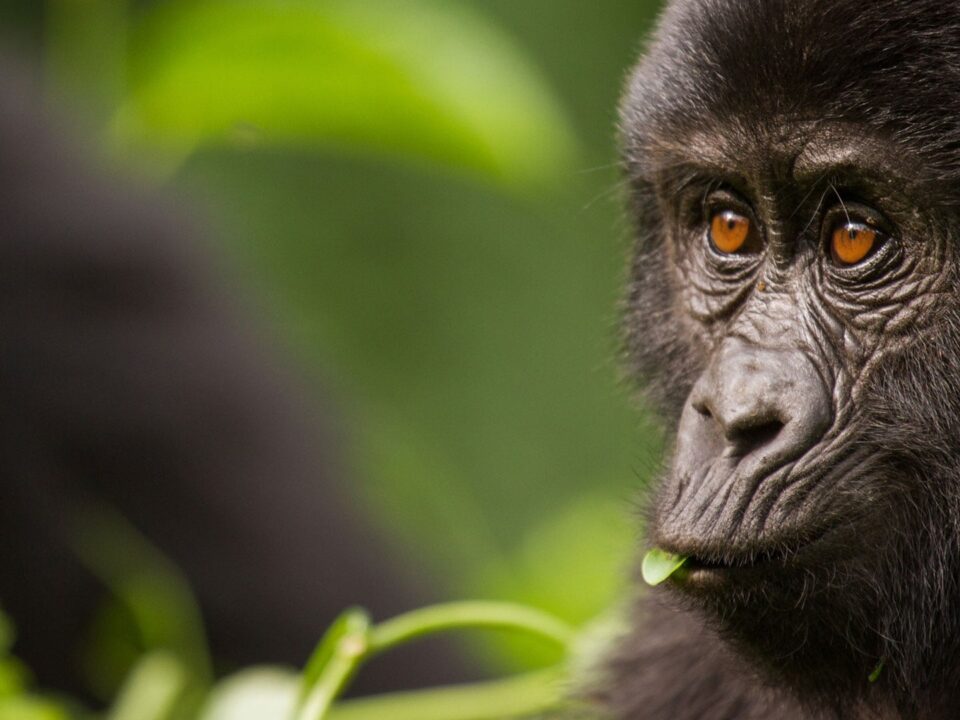
Standing meters away from a silverback gorilla in the misty forest is profoundly humbling. Observing a mother nursing her infant or juveniles playing in the vines creates a rare sense of connection between humans and wildlife.
Uganda offers not just a wildlife sighting but a moment of shared presence. In 2027, as the world continues to value meaningful and responsible travel experiences, Uganda’s gorilla trekking stands as one of the most transformative journeys available.
Conclusion on Why 2027 is the year to visit Uganda for gorilla trekking
The year 2027 represents an ideal window to experience gorilla trekking in Uganda. Conservation stability, improved infrastructure, sustainable tourism growth, and increasing global awareness of responsible travel all converge to create a compelling opportunity.
With flexible travel seasons, diverse accommodation choices, and the possibility to combine gorillas with chimpanzees and classic safari wildlife, Uganda offers unmatched value and authenticity. Planning ahead ensures access to limited permits and preferred trekking sectors. For those seeking adventure, conservation impact, and a deeply personal wildlife encounter, 2027 is the year to visit Uganda for gorilla trekking.