- DIRECT CONTACTS:
- +256394517569
- tours@safarioclock.africa
What Is Rwanda Gorilla Tracking? A First-Time Visitor’s Guide

What Is Often Excluded from a Gorilla Tracking Package?
November 2, 2026
How Close Can Visitors Get to Mountain Gorillas in Rwanda?
November 2, 2026
Rwanda is one of Africa’s most remarkable destinations for wildlife encounters. Among its many attractions, gorilla tracking stands out as an extraordinary experience. It allows visitors to encounter endangered mountain gorillas in their natural habitat. For many travellers, coming face to face with these gentle giants in the misty forests of the Virunga Mountains is a lifelong dream.
However, if you are visiting Rwanda for the first time, you may have several questions. Where does gorilla tracking take place? How much does a permit cost? What should you expect during the trek? Also, how physically demanding is the experience?
Understanding these details makes planning much easier. Fortunately, Rwanda has established a well-organised gorilla tourism system that supports visitors while protecting its endangered mountain gorillas.
At Safari O’clock, we believe every memorable safari begins with proper preparation. Therefore, this guide explains everything first-time visitors need to know about Rwanda gorilla tracking. From understanding the destination to securing your permit and preparing for the forest, we cover the essential details to help you plan confidently.
What Is Rwanda Gorilla Tracking?
Rwanda gorilla tracking is a guided wildlife experience that allows visitors to observe endangered mountain gorillas in their natural forest habitat. The activity takes place in Volcanoes National Park, located in the northwestern part of the country.
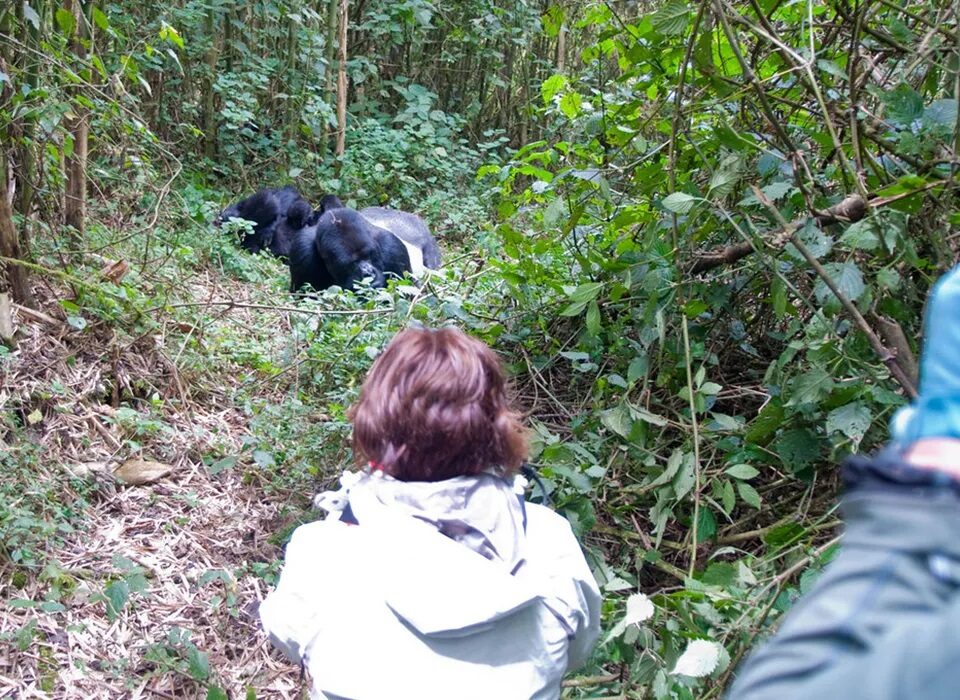
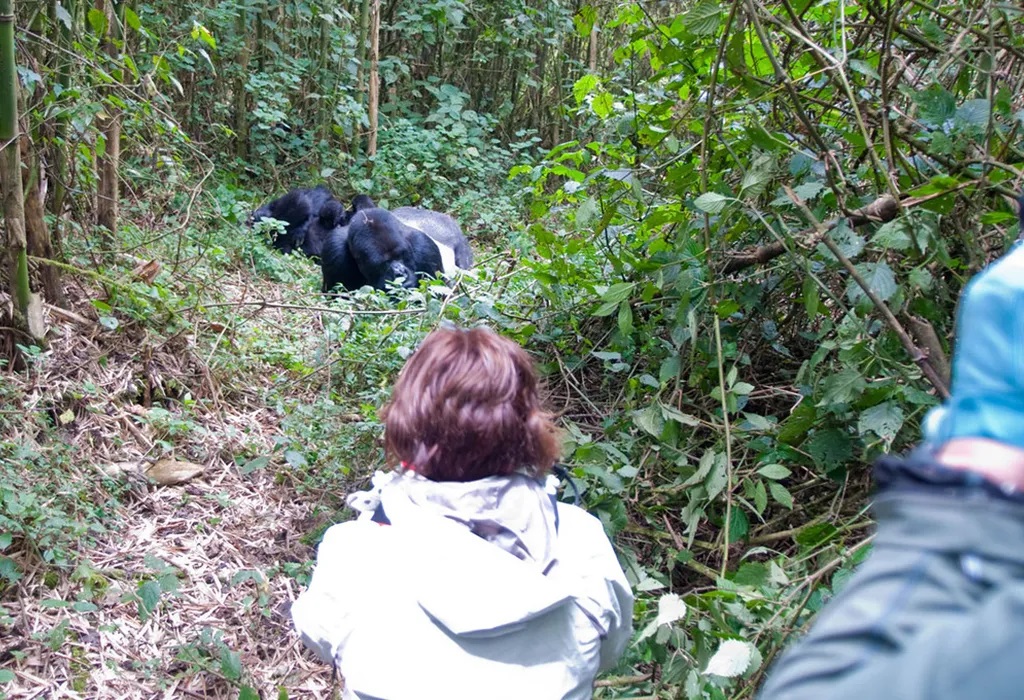
Unlike traditional wildlife game drives, gorilla tracking involves walking through a mountainous rainforest. Visitors follow experienced park guides and trackers who locate habituated gorilla families. These families have become accustomed to the presence of humans through a carefully managed habituation process.
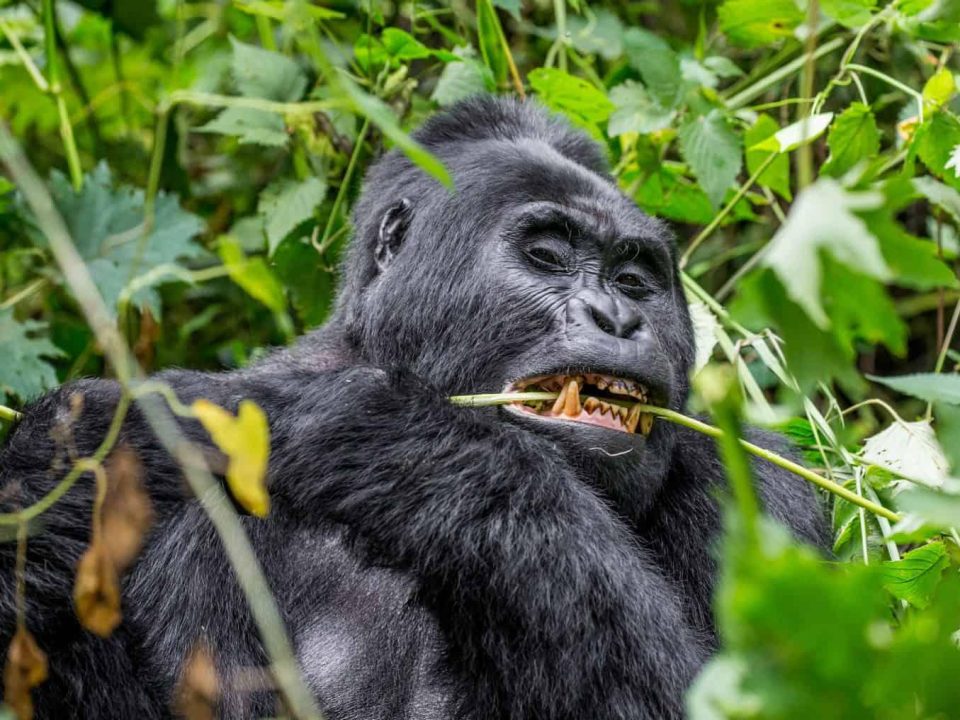
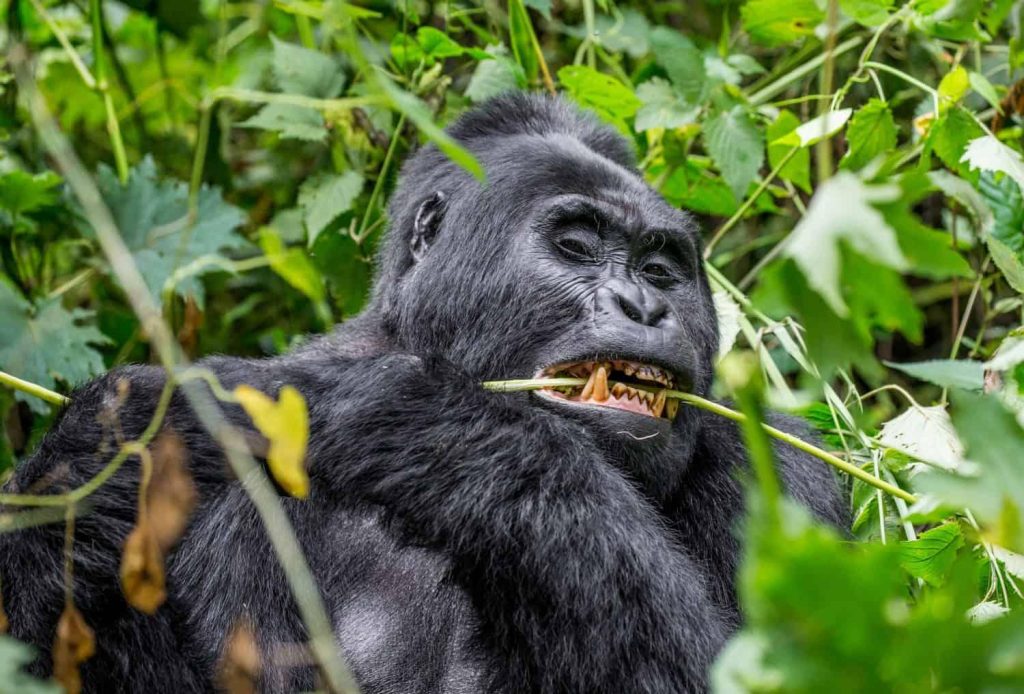
Once the trackers locate the assigned gorilla family, visitors receive an opportunity to observe the animals in their natural environment. You may see a dominant silverback resting, mothers caring for their young or younger gorillas playing among the vegetation.
The experience is particularly special because mountain gorillas share many behavioural and physical characteristics with humans. Watching their interactions offers a fascinating glimpse into their family structures and social relationships.
However, gorilla tracking is not simply a wildlife viewing activity. It also contributes to conservation and supports communities living near the national park.
Through regulated tourism, Rwanda generates revenue that supports wildlife protection, park management and community development.
For first-time visitors, this makes Rwanda gorilla tracking both an unforgettable adventure and an opportunity to contribute to conservation.
Where Does Rwanda Gorilla Tracking Take Place?
Rwanda gorilla tracking takes place in Volcanoes National Park, one of the country’s most important conservation areas.
The park lies in Rwanda’s Northern Province, close to the border with Uganda and the Democratic Republic of the Congo. It forms part of the larger Virunga Conservation Area, a mountainous ecosystem shared by the three countries.
Volcanoes National Park protects sections of the Virunga volcanic mountain range. Its landscape includes bamboo forests, montane vegetation, dense rainforest and volcanic slopes.
The park is home to endangered mountain gorillas. It also protects golden monkeys, forest elephants, buffaloes and several bird species.
Five major volcanoes form part of the park’s dramatic landscape. These include Mount Karisimbi, Mount Bisoke, Mount Muhabura, Mount Gahinga and Mount Sabyinyo.
The different elevations create unique habitats for wildlife. They also contribute to the park’s cool temperatures and changing weather conditions.
For visitors, the journey through this landscape is part of the adventure. You will encounter beautiful countryside, cultivated hillsides and impressive volcanic scenery before reaching the park headquarters.
Safari O’clock recommends including enough time to appreciate the destination rather than treating gorilla tracking as a simple morning activity.
Why Is Rwanda Gorilla Tracking So Special?
Rwanda offers a unique opportunity to observe mountain gorillas in a carefully protected natural environment.
One of the main reasons visitors choose Rwanda is the accessibility of Volcanoes National Park from Kigali. The journey takes approximately three hours by road, depending on traffic and road conditions.
This makes Rwanda particularly attractive to travellers with limited time who still want to experience mountain gorilla tracking.
Another important advantage is the country’s established conservation programme. Rwanda has invested in protecting mountain gorillas through habitat management, research, community participation and responsible tourism.
The experience also offers an intimate wildlife encounter. Only eight visitors can visit a habituated gorilla family per day under the standard tracking arrangement.
Furthermore, visitors spend a maximum of one hour with the gorillas once they locate their assigned family.
This limit reduces disturbance and gives the animals sufficient time to continue their natural activities.
The surrounding scenery adds another layer of beauty. Volcanoes National Park offers breathtaking views of forest-covered mountains, volcanic peaks and mist-covered slopes.
For first-time visitors, the combination of wildlife, scenery and conservation makes Rwanda gorilla tracking an exceptional African adventure.
How Does Rwanda Gorilla Tracking Work?
Understanding how the tracking process works can help first-time visitors feel more prepared.
The experience begins with securing a valid gorilla tracking permit. Visitors must book through the Rwanda Development Board or an authorised booking arrangement.
After confirming your permit, you arrange accommodation and transportation to the Volcanoes National Park region.
On the tracking day, visitors report to the park headquarters at Kinigi for registration and a morning briefing.
During the briefing, park officials explain the tracking procedures, safety requirements and responsible behaviour around the gorillas.
Visitors are then assigned to different habituated gorilla families. The allocation considers factors such as trekking conditions and visitor fitness levels.
After receiving their assignments, visitors meet their guides and trackers before heading into the forest.
The trackers usually move ahead to locate the gorilla family. They communicate with the guides to help direct visitors towards the animals.
Once the group finds the gorillas, visitors receive up to one hour to observe them.
During this period, you may watch the gorillas feed, groom one another, rest or interact with their young.
After the viewing session, the group follows the guides back through the forest to the starting area.
Although the process sounds straightforward, the actual trekking experience can vary considerably depending on the location of the assigned gorilla family.
How Much Does Rwanda Gorilla Tracking Cost?
The cost of Rwanda gorilla tracking is one of the most important considerations when planning your safari.
According to the Rwanda Development Board’s published tourist information, the standard foreign tourist permit costs US$1,500 per person for one tracking day.
However, different visitor categories may qualify for different rates. These include Rwandan citizens, East African Community citizens and eligible residents.
Special promotional arrangements may also apply during designated periods. Therefore, travellers should confirm the applicable rate before making payment.
It is important to understand that a gorilla tracking permit is not the same as a complete safari package.
The permit covers the authorised tracking experience. However, accommodation, airport transfers, meals, international flights and other travel arrangements may require separate payments.
Your total safari budget will depend on the accommodation category, transportation arrangements, number of nights and additional activities.
For example, a luxury gorilla safari will generally cost more than a budget or midrange experience because of differences in accommodation and transport.
At Safari O’clock, we encourage travellers to request a detailed quotation before booking. This helps you understand the actual cost of your trip and avoid unexpected expenses.
What Is Included in a Rwanda Gorilla Tracking Permit?
First-time visitors often confuse a gorilla tracking permit with a complete safari package.
A permit authorises you to participate in the designated gorilla tracking activity on your selected date. It also provides access to the park’s organised tracking arrangements.
The experience includes the services of trained park guides and trackers who lead visitors through the forest.
However, the permit does not automatically cover every expense associated with travelling to Rwanda.
For example, you may still need to arrange:
- International flights to Rwanda.
- Airport transfers.
- Accommodation near Volcanoes National Park.
- Meals outside your accommodation arrangement.
- Personal travel insurance.
- Porter services.
- Personal trekking equipment.
- Optional cultural experiences.
These services may form part of a tour operator’s package, but travellers should confirm each inclusion before booking.
Safari O’clock recommends checking both the permit details and the complete safari quotation to understand exactly what you are paying for.
What Is the Best Time for Rwanda Gorilla Tracking?
One of the most common questions first-time visitors ask concerns the best time to track gorillas in Rwanda.
The good news is that gorilla tracking takes place throughout the year. Mountain gorillas remain in Volcanoes National Park regardless of the season.
However, weather conditions can influence the trekking experience.
Rwanda generally experiences two rainy seasons and two relatively drier periods.
The longer dry season usually runs from June to September. The shorter dry season generally occurs from December to February.
These periods are popular with travellers because forest trails can be less muddy. Walking conditions may also be more comfortable.
The longer rainy season usually runs from March to May. The shorter rainy season occurs around October and November.
During these months, rainfall can make forest trails slippery and more challenging. Nevertheless, gorilla tracking continues, and visitors can still enjoy rewarding encounters.
The rainy seasons also bring lush vegetation and beautiful green landscapes.
Ultimately, the best time depends on your travel schedule, weather preferences and availability of permits.
Safari O’clock recommends booking well in advance, particularly if you intend to travel during the busy June to September period.
How Difficult Is Rwanda Gorilla Tracking?
Rwanda gorilla tracking requires some physical effort because mountain gorillas live in elevated forest environments.
Volcanoes National Park contains steep volcanic slopes, thick vegetation and uneven trails. Depending on the assigned gorilla family, visitors may walk for a relatively short period or spend several hours trekking.
Some tracking experiences last around 30 minutes, while others may take four hours or longer.
The gorillas inhabit elevations of approximately 2,500 to 4,000 metres above sea level. Consequently, altitude can make physical activity more demanding.
However, the difficulty varies from one group to another.
Visitors should not assume that every trek requires the same level of fitness. Park guides consider visitor fitness when allocating gorilla families, although they cannot guarantee a particular trekking distance.
If you have concerns about your physical ability, discuss them with your tour operator before travelling.
It is also helpful to prepare through regular walking, gentle hiking and other suitable physical activities before your safari.
During the trek, maintain a comfortable pace and follow your guide’s instructions.
Remember that you do not need to be a professional mountain climber to enjoy gorilla tracking. However, reasonable physical preparation will make the experience more comfortable.
What Should You Pack for Rwanda Gorilla Tracking?
Packing the right equipment can make a significant difference during your gorilla tracking adventure.
The forest environment can be wet, muddy and densely vegetated. Therefore, comfortable clothing and suitable footwear are essential.
Start with sturdy hiking boots that provide good ankle support and grip. These will help you navigate uneven and slippery trails.
Long trousers and long-sleeved shirts protect your skin from stinging nettles, insects and scratches from vegetation.
A lightweight waterproof jacket is also important because mountain weather can change quickly.
In addition, consider packing gardening gloves. They can protect your hands when holding onto branches or vegetation for support.
Other useful items include:
A comfortable backpack: Choose a small daypack that can hold your personal belongings without becoming uncomfortable during long walks.
Drinking water: Carry sufficient drinking water to remain hydrated throughout the trek.
Energy snacks: Pack a light snack to enjoy away from the gorillas when your guide allows it.
Insect repellent: This helps protect against insect bites during your time in the forest.
A camera: Bring a camera or smartphone to capture the surrounding scenery and wildlife. However, never use flash photography around the gorillas.
Waterproof bags: These protect electronic equipment and important personal items from rain.
Personal medication: Carry any medication you may need during the trek.
Safari O’clock recommends preparing your trekking equipment before arriving in Rwanda. This prevents last-minute shopping and helps you concentrate on enjoying your adventure.
What Are the Rules for Rwanda Gorilla Tracking?
Gorilla tracking follows strict conservation and visitor safety guidelines.
These rules protect the gorillas from human disturbance and reduce the risk of disease transmission.
Before entering the forest, every visitor receives a briefing from park officials. You must follow the instructions provided by your guide throughout the experience.
Some important rules include:
Maintain the required distance. Rwanda’s published tracking guidance instructs visitors to maintain approximately seven metres between themselves and the gorillas. Follow your guide’s directions and any current park instructions.
Do not visit when sick. Visitors with flu, colds or other contagious illnesses should not participate. Mountain gorillas are highly vulnerable to some human respiratory diseases.
Keep your voice low. Avoid shouting or making sudden movements that could disturb the animals.
Never feed the gorillas. Human food can affect their health and natural behaviour.
Do not litter. Carry all rubbish out of the forest.
Avoid flash photography. Flash can disturb the gorillas and should never be used.
Respect the one-hour viewing limit. Visitors may spend a maximum of one hour with the assigned gorilla family.
Follow your guide’s instructions. If a gorilla approaches, displays unusual behaviour or charges, remain calm and follow the guide’s directions.
Additionally, Rwanda sets a minimum age of 15 years for mountain gorilla tracking.
These requirements are essential for responsible wildlife tourism. Following them helps protect the gorillas while ensuring a respectful visitor experience.
Can Children Participate in Rwanda Gorilla Tracking?
Rwanda has a minimum age requirement of 15 years for mountain gorilla tracking.
This means children younger than 15 cannot participate in the activity under the standard park rules.
Families travelling with younger children should consider alternative experiences available in Rwanda.
For example, they can explore cultural attractions, nature experiences and suitable wildlife activities that accept younger visitors.
Parents should confirm the age requirements for each activity before booking.
Safari O’clock can help families plan an itinerary that includes suitable experiences for everyone travelling together.
Where Should You Stay During Rwanda Gorilla Tracking?
Accommodation is another important part of planning your first gorilla tracking safari.
Most visitors stay around Musanze or near Volcanoes National Park.
Musanze, formerly known as Ruhengeri, is the main town serving travellers visiting the park.
It offers access to accommodation ranging from comfortable guesthouses to luxury safari lodges.
Staying close to the park makes it easier to reach the Kinigi headquarters early in the morning.
Several lodges also provide beautiful views of the surrounding volcanic mountains.
Your accommodation choice will depend on your budget, preferred comfort level and travel arrangements.
Budget accommodation provides practical facilities for travellers who want to manage their expenses.
Midrange lodges offer additional comfort and services. Meanwhile, luxury properties provide premium accommodation, personalised services and impressive views.
Safari O’clock recommends staying near Volcanoes National Park at least one night before your scheduled trek. This reduces the pressure of travelling from Kigali early in the morning.
How Do You Get to Volcanoes National Park?
Most international travellers arrive in Rwanda through Kigali International Airport.
From Kigali, you travel north towards Musanze before continuing to the Kinigi area, where the gorilla tracking headquarters are located.
The road journey from Kigali to Volcanoes National Park takes approximately three hours, depending on traffic and road conditions.
Travellers can use private safari vehicles or other available transport arrangements.
A private 4×4 safari vehicle is a convenient option because it offers flexibility and allows you to travel comfortably with your luggage.
You can also arrange airport transfers through your accommodation or tour operator.
If you are visiting Rwanda for the first time, having a driver-guide can make the journey easier. Your guide can assist with local directions, travel arrangements and other practical details.
Safari O’clock can help coordinate your transportation from Kigali to your accommodation and the park headquarters.
Why Should You Book Your Gorilla Tracking Permit in Advance?
Gorilla tracking permits are limited because Rwanda manages visitor numbers to protect mountain gorillas.
Under the standard arrangement, each habituated gorilla family receives a maximum of eight visitors per day.
This creates limited daily availability, particularly during popular travel periods.
Booking early helps you secure your preferred tracking date and coordinate the rest of your safari arrangements.
It also allows you to select suitable accommodation and organise transportation before travelling.
The Rwanda Development Board manages the official gorilla tracking permit system. Visitors can arrange permits directly or work with an authorised tour operator.
When applying, provide accurate personal and passport information. The details must match your travel documents because park officials verify visitor information.
Avoid waiting until the last minute, especially if you have fixed international flight dates.
Safari O’clock recommends starting your booking arrangements several months before your intended travel date whenever possible.
Can You Combine Rwanda Gorilla Tracking with Other Safari Activities?
Absolutely! Rwanda offers several wildlife and cultural experiences that you can combine with gorilla tracking.
This makes it possible to create a more comprehensive East African safari.
One popular addition is golden monkey tracking in Volcanoes National Park.
Golden monkeys are beautiful primates that inhabit the bamboo forests of the Virunga Mountains. Tracking them provides another exciting wildlife experience.
You can also visit the Dian Fossey research and burial site. This experience introduces visitors to the conservation history of mountain gorillas and the work of the renowned primatologist.
For travellers with additional time, Nyungwe National Park offers chimpanzee tracking and opportunities to explore one of Africa’s important montane rainforest ecosystems.
Another option is Akagera National Park, which offers traditional wildlife safari experiences.
Here, visitors can enjoy game drives and look for animals such as elephants, giraffes, zebras, buffaloes and lions.
You can also explore Kigali’s cultural attractions and historical sites.
Combining these experiences creates a diverse itinerary that showcases different aspects of Rwanda.
Safari O’clock can help you select activities that match your interests, available time and travel budget.
How Does Rwanda Support Mountain Gorilla Conservation?
Mountain gorilla tracking plays an important role in Rwanda’s conservation efforts.
The country has developed a tourism model that connects wildlife protection with economic opportunities for surrounding communities.
Permit revenue contributes to conservation activities, park management and community development.
Rwanda also operates a revenue-sharing programme that allocates 10% of tourism revenue generated from national park activities to communities surrounding the parks.
These funds support community projects such as schools, health facilities and infrastructure.
Additionally, tourism creates employment opportunities for local people.
Park rangers, trackers, porters, drivers, guides and hospitality workers all contribute to the gorilla tourism industry.
Local communities also benefit from tourism-related businesses and cultural experiences.
These opportunities create economic incentives for protecting wildlife and maintaining natural habitats.
For travellers, purchasing a gorilla tracking permit therefore contributes to a wider conservation system.
When you choose responsible tourism, you become part of the effort to protect mountain gorillas for future generations.
Is Rwanda Gorilla Tracking Worth the Experience?
For travellers who appreciate wildlife, nature and conservation, Rwanda gorilla tracking offers an exceptional experience.
There is something extraordinary about observing mountain gorillas in their natural habitat.
You may watch a silverback resting peacefully, a mother caring for her infant or young gorillas playing among the trees.
These moments provide a deeper appreciation of the animals and their complex social behaviour.
The surrounding forest also creates a memorable atmosphere. Mist-covered mountains, dense vegetation and fresh mountain air make the journey particularly special.
Beyond the wildlife encounter, the experience introduces visitors to Rwanda’s conservation achievements and the communities that support them.
Although the permit represents a significant travel expense, the experience offers an opportunity that cannot easily be replicated elsewhere.
At Safari O’clock, we encourage travellers to approach gorilla tracking as more than an ordinary sightseeing activity. It is an opportunity to connect with nature while supporting one of Africa’s important conservation programmes.
Plan Your First Rwanda Gorilla Tracking Safari with Safari O’clock
Your first gorilla tracking experience in Rwanda can become one of the most memorable highlights of your African adventure.
From the beautiful volcanic landscape of Volcanoes National Park to the extraordinary mountain gorillas living within its forests, every part of the journey offers something special.
However, proper preparation remains essential.
You need to secure your permit, choose suitable accommodation, arrange transportation and pack the right trekking equipment. Understanding the park regulations and physical demands will also help you enjoy the experience responsibly.
Whether you are planning a short gorilla tracking adventure or a longer Rwanda safari, having a well-organised itinerary makes a significant difference.
At Safari O’clock, we are committed to helping travellers discover Africa through memorable and carefully planned wildlife experiences.
Let us help you organise your Rwanda gorilla tracking safari, from permit arrangements and accommodation to transportation and additional wildlife experiences.
Contact Safari O’clock today and take the first step towards meeting the magnificent mountain gorillas of Rwanda!