- DIRECT CONTACTS:
- +256394517569
- tours@safarioclock.africa

What Makes Mountain Gorilla Trekking Different from Zoo Visits?

How Close Can Visitors Get to Mountain Gorillas in Rwanda?
November 2, 2026
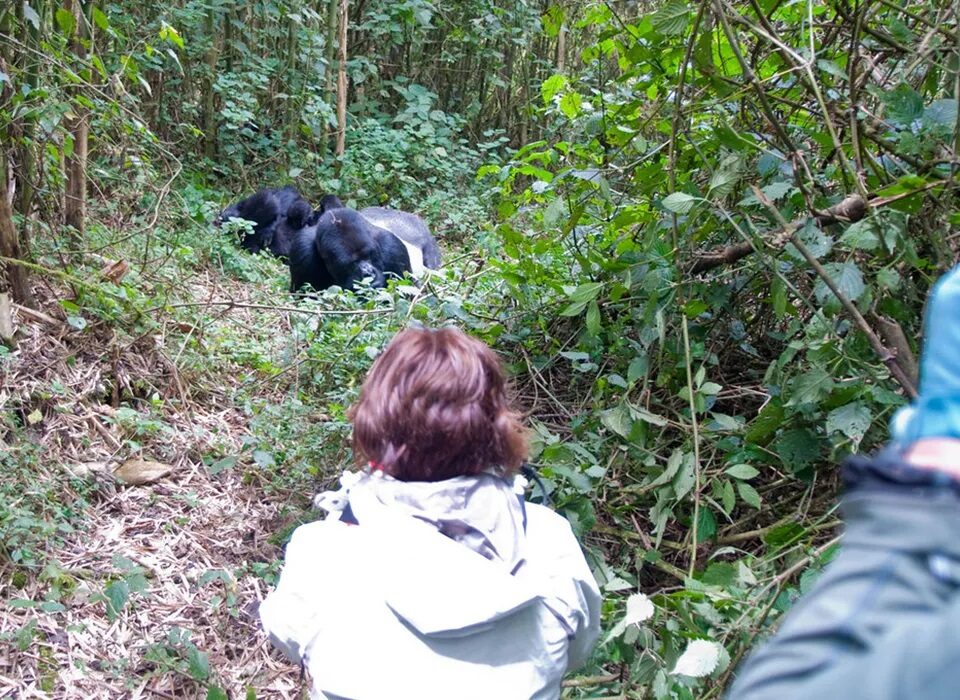
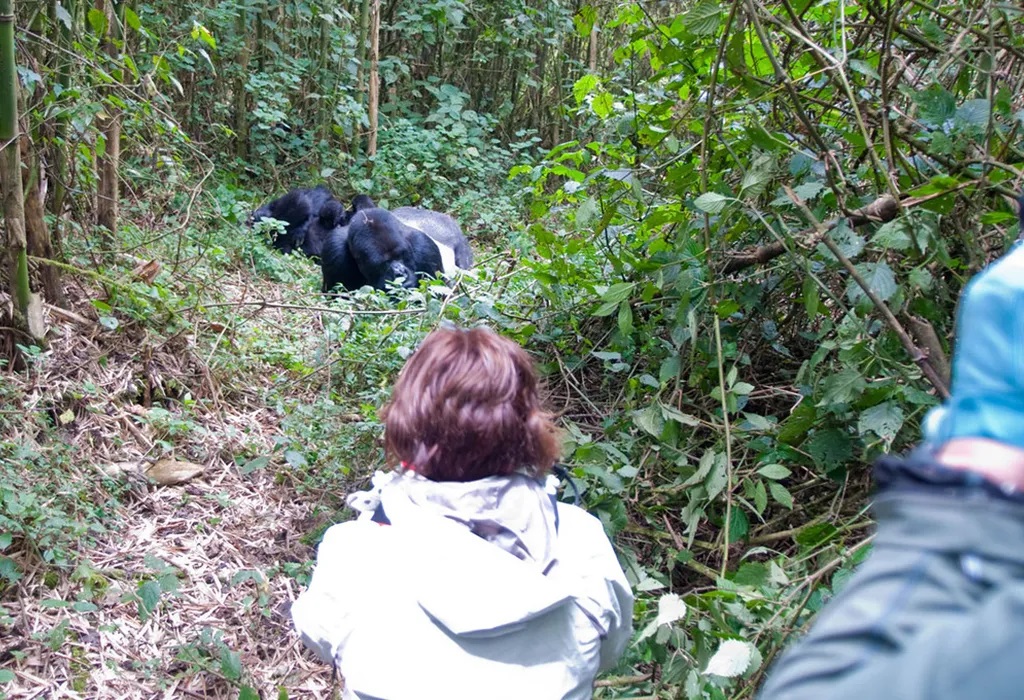
Have you ever wondered what it feels like to encounter a mountain gorilla in its natural habitat? Imagine walking through a lush tropical forest, listening to birds sing overhead, and following experienced guides along narrow jungle trails. Suddenly, you come face-to-face with a family of mountain gorillas feeding, resting, or playing among the vegetation. It is an unforgettable wildlife encounter that offers much more than simply seeing an animal.
Visiting a zoo also provides an opportunity to observe gorillas and learn about their behaviour. However, mountain gorilla trekking offers a completely different experience. Instead of visiting an animal in a managed environment, you travel into its natural habitat and observe its behaviour in the wild.
At Safari O’clock, we believe that understanding these differences helps travellers make informed decisions about their wildlife adventures. Whether you are planning your first African safari or searching for a meaningful encounter with nature, this guide explains what makes mountain gorilla trekking different from zoo visits.
What Is Mountain Gorilla Trekking?
Mountain gorilla trekking is a guided wildlife activity that allows visitors to find and observe habituated mountain gorilla families in their natural forest habitat. In Uganda, visitors can experience this adventure in Bwindi Impenetrable National Park and Mgahinga Gorilla National Park.
Unlike an ordinary wildlife viewing experience, trekking requires visitors to walk through the forest with trained guides and trackers. The journey may involve steep slopes, muddy trails, thick vegetation, and changing weather conditions. Therefore, the experience combines wildlife observation with physical adventure.
According to the Uganda Wildlife Authority, a trek can last approximately two to seven hours, depending on the location of the gorillas and the conditions along the trail. Once visitors find their assigned gorilla family, they generally have up to one hour to observe the animals.
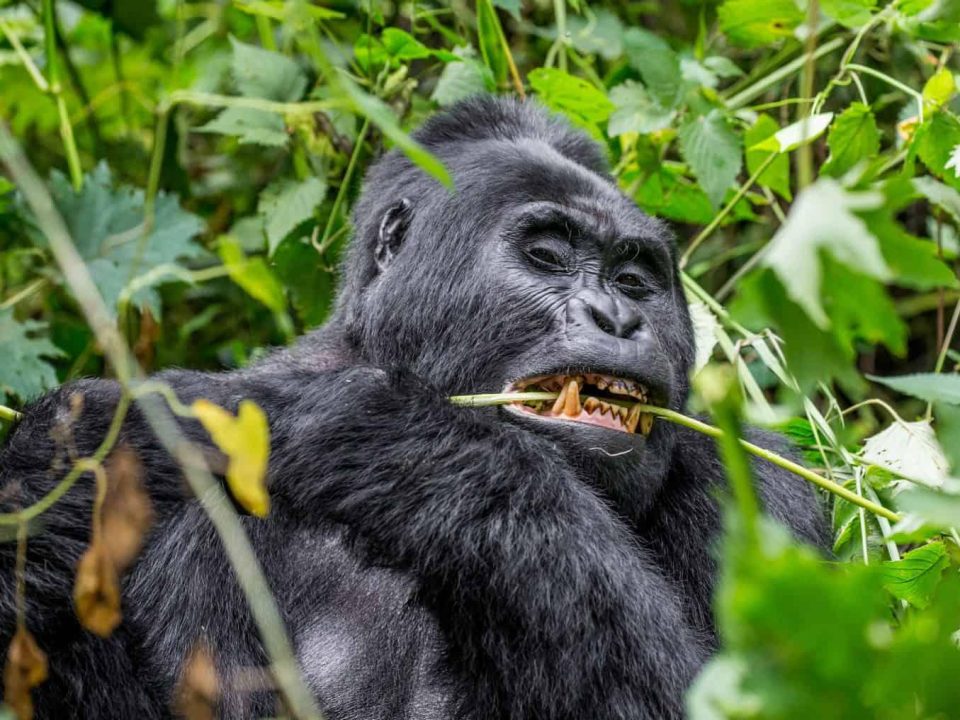
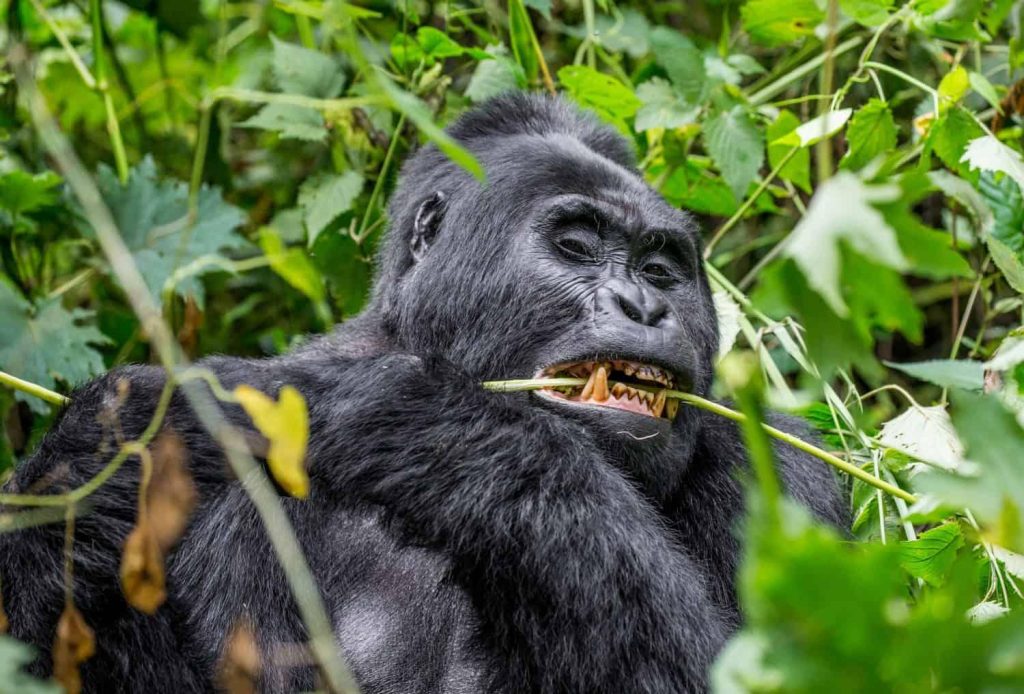
During this time, visitors may witness gorillas feeding on vegetation, grooming one another, caring for their young, or resting together. However, their behaviour varies from day to day. Since gorillas move freely through the forest, every encounter offers a different experience.
Safari O’clock can help travellers understand the trekking process and plan a suitable Uganda safari. With proper preparation, visitors can enjoy this remarkable adventure while respecting the animals and their environment.
What Makes Mountain Gorilla Trekking Different from Zoo Visits?
Although both experiences allow people to observe gorillas, several important differences make mountain gorilla trekking unique.
1. Mountain Gorilla Trekking Takes Place in the Natural Habitat
The most significant difference is the environment in which visitors encounter the gorillas.
During mountain gorilla trekking, visitors enter protected forests where gorillas live naturally. These forests provide food, shelter, nesting sites, and space for gorilla families to move around. The animals follow their natural routines rather than remaining in one viewing area for visitors.
For example, a gorilla family may spend the morning feeding on leaves and stems. Later, the group might move through dense vegetation or rest beneath the forest canopy. Visitors must follow their guides to locate the family.
In contrast, zoos provide managed environments designed to meet animals’ needs while allowing visitors to observe them. These environments vary between facilities and may include outdoor habitats, indoor spaces, climbing structures, and enrichment activities.
Therefore, trekking offers an opportunity to observe mountain gorillas within their native ecosystem. Zoo visits, on the other hand, provide an opportunity to learn about gorillas in a controlled setting.
2. Gorilla Trekking Offers a More Adventurous Experience
Mountain gorilla trekking is more than wildlife viewing. It is also an outdoor adventure that takes visitors into the heart of an African rainforest.
The journey may involve climbing hills, crossing uneven ground, and navigating muddy paths. Furthermore, the weather can change quickly, making suitable clothing and footwear essential.
However, the physical challenge forms part of the experience. Visitors discover the forest gradually, accompanied by knowledgeable guides who understand the terrain and help locate the gorillas.
A zoo visit usually requires much less physical effort. Visitors can walk along established paths, follow accessible viewing areas, and observe animals without undertaking a demanding forest trek.
Consequently, mountain gorilla trekking may appeal to travellers who enjoy nature, hiking, exploration, and adventure. Meanwhile, zoos can offer a more convenient experience for families, visitors with limited mobility, and people who prefer accessible wildlife attractions.
Safari O’clock can help travellers consider their fitness levels, preferred activities, and travel expectations before choosing their wildlife experience.
3. Mountain Gorilla Trekking Reveals Natural Behaviour
Another important difference concerns the behaviour visitors can observe.
Mountain gorillas live in social groups, often consisting of a dominant silverback, adult females, younger males, juveniles, and infants. Their daily activities include feeding, resting, grooming, playing, and maintaining relationships within the group.
During a trek, visitors may observe these behaviours as they happen naturally. For instance, a young gorilla might playfully interact with another juvenile while its mother feeds nearby. Meanwhile, the silverback may rest or monitor the surrounding group.
However, wildlife encounters are unpredictable. Gorillas may remain hidden in thick vegetation, move away from the viewing area, or spend much of the observation period resting. No responsible tour operator can guarantee a particular behaviour or photographic opportunity.
In zoos, gorillas can also display natural behaviours, including climbing, grooming, feeding, and social interaction. Their activities depend on factors such as the enclosure, group structure, daily routines, and enrichment provided by the zoo.
The key difference is that trekking allows visitors to observe gorillas in their natural forest environment, while zoo visits provide opportunities to study them in a managed setting.
4. Gorilla Trekking Creates a Deeper Connection with Nature
A mountain gorilla trekking adventure connects visitors with more than the animals themselves.
The journey introduces travellers to the forest ecosystem, including its plants, birds, insects, and other wildlife. In addition, guides can explain the relationships between gorillas, their habitat, and the communities living around protected areas.
For many visitors, the experience becomes a reminder of how important it is to protect endangered wildlife. Seeing a gorilla family living in its natural environment can make conservation feel more immediate and meaningful.
A zoo visit can also inspire appreciation for wildlife. Many zoos educate visitors about biodiversity, animal welfare, habitat loss, and conservation programmes. Some facilities also participate in scientific research and support conservation initiatives.
Nevertheless, trekking offers a direct experience of the natural landscape that supports mountain gorillas. Visitors can appreciate the forest not simply as a backdrop but as an essential part of the animals’ survival.
At Safari O’clock, we encourage travellers to look beyond photographs and appreciate the ecological importance of the destinations they visit.
Mountain Gorilla Trekking and Zoo Visits: Which Offers Better Conservation Benefits?
Conservation is another important consideration when comparing these experiences. Both responsible wildlife tourism and well-managed zoological institutions can contribute to conservation, although they do so in different ways.
How Mountain Gorilla Trekking Supports Conservation
Mountain gorillas face threats that include habitat loss, disease, and other pressures associated with human activity. Protecting them requires long-term investment in wildlife monitoring, habitat management, veterinary care, and community engagement.
Responsible gorilla tourism can help support this work. In Uganda, visitors purchase permits to participate in regulated gorilla tracking. Tourism also creates employment opportunities for guides, trackers, rangers, porters, accommodation providers, and other local service providers.
Furthermore, tourism can provide economic incentives for protecting forests and wildlife. When local communities benefit from conservation-related activities, protecting natural habitats can become more valuable to the wider community.
The World Wildlife Fund has highlighted the role of responsible gorilla tourism, habitat protection, monitoring, and veterinary intervention in mountain gorilla conservation.
However, tourism alone cannot guarantee the survival of mountain gorillas. Effective conservation also requires law enforcement, scientific research, habitat protection, disease prevention, and cooperation with local communities.
How Zoos Contribute to Gorilla Conservation
Zoos can support conservation through education, scientific research, veterinary medicine, and carefully managed breeding programmes for certain threatened species.
They also give visitors an opportunity to learn about animals they might never encounter in the wild. Through educational displays and conservation programmes, zoos can explain threats to wildlife and encourage responsible environmental behaviour.
Some zoos collaborate with conservation organisations and contribute funding or expertise to projects that protect animals in their natural habitats.
However, these contributions vary between institutions. A zoo visit does not automatically mean that the visitor’s admission fee directly supports mountain gorilla conservation.
Similarly, seeing gorillas in the wild does not automatically make a trip sustainable. The quality of conservation practices, management, and community involvement matters in both settings.
The important distinction is that mountain gorilla trekking takes visitors into a protected ecosystem, where carefully managed tourism can contribute to protecting the animals and their habitat.
The Wildlife Encounter: What Can You Expect?
One of the biggest differences between trekking and zoo visits is how the encounter unfolds.
Finding Mountain Gorillas in the Forest
Mountain gorilla trekking begins with a briefing from park staff. Visitors receive instructions about safety, wildlife etiquette, and the rules they must follow during the encounter.
After the briefing, guides and trackers lead visitors into the forest. The duration and difficulty of the trek depend on where the assigned gorilla family is located.
Trackers use their knowledge of gorilla movements and the forest to help locate the group. Nevertheless, the terrain and walking conditions can make the journey physically demanding.
Once the visitors reach the gorillas, the guide directs the group to an appropriate viewing position. Visitors must remain calm, follow instructions, maintain the required distance, and avoid disturbing the animals.
The encounter may feel deeply personal because the gorillas are living freely in their natural surroundings. However, visitors must remember that these are wild animals, not performers or pets.
Observing Gorillas During a Zoo Visit
A zoo visit usually follows a more predictable pattern.
Visitors enter the facility, follow designated routes, and look for gorillas within their managed habitat. Depending on the facility, they may observe feeding sessions, enrichment activities, or educational presentations.
The viewing experience can also be rewarding because visitors may have time to observe different behaviours and learn from interpretive displays.
Furthermore, some zoos provide accessible facilities, educational resources, and guided activities that help visitors understand gorilla biology and conservation.
However, gorillas may be resting out of sight or occupying another part of their habitat. Therefore, even in a zoo, visitors cannot always expect the animals to be visible or active.
Both experiences require patience. The difference lies mainly in the setting, the journey involved, and the way visitors encounter the animals.
Why Mountain Gorilla Trekking Requires Strict Rules
Mountain gorilla trekking involves close observation of endangered wildlife. Therefore, park authorities enforce rules to protect both visitors and gorillas.
Mountain gorillas are susceptible to some human respiratory infections. Since people and gorillas share biological similarities, responsible tourism practices help reduce the risk of disease transmission.
Visitors must follow their guides’ instructions throughout the trek. They should also avoid visiting gorillas when they are ill and comply with the park’s current health requirements.
Other important rules include avoiding flash photography, keeping voices low, refraining from touching the animals, and never feeding them.
Uganda’s official gorilla tracking guidelines limit ordinary gorilla tracking visits to a maximum of one hour with the gorilla family. The rules also restrict the number of visitors assigned to each group.
Distance requirements should always follow the current instructions issued by the relevant park authorities. Visitors should not approach gorillas simply because the animals appear calm or curious.
These precautions help protect gorilla health and reduce unnecessary disturbance. They also ensure that wildlife encounters remain responsible rather than becoming intrusive.
At Safari O’clock, we believe that a memorable wildlife experience should always respect the animals and the environment that makes the experience possible.
Is Mountain Gorilla Trekking Worth It Compared with a Zoo Visit?
The answer depends on your interests, budget, physical ability, and travel goals.
If you want an adventure that combines forest exploration, wildlife observation, and conservation education, mountain gorilla trekking may be an excellent choice. It offers a rare opportunity to observe endangered mountain gorillas in their natural habitat.
However, trekking requires planning. Visitors need the appropriate permit, suitable clothing, reasonable physical preparation, and enough time for the journey. They must also understand that finding the gorillas can take several hours and that the forest conditions can be challenging.
A zoo visit may be a better choice if you prefer an accessible activity with established walking paths, educational exhibits, and opportunities to learn about several animal species in one place.
Zoos can also suit travellers who have limited time or who cannot comfortably undertake a demanding forest hike.
Ultimately, neither experience needs to replace the other. Both can encourage people to appreciate wildlife and understand conservation.
Nevertheless, if your dream is to travel into an African rainforest and observe a family of endangered mountain gorillas in the wild, trekking offers an experience that a zoo visit cannot fully reproduce.
Experience Mountain Gorilla Trekking in Uganda with Safari O’clock
Uganda is one of the world’s most remarkable destinations for mountain gorilla trekking. Its protected forests provide habitat for these endangered primates and create opportunities for visitors to experience wildlife conservation firsthand.
Bwindi Impenetrable National Park is particularly well known for gorilla tracking. The park contains several trekking sectors, including Buhoma, Ruhija, Rushaga, and Nkuringo. Mgahinga Gorilla National Park offers another opportunity to encounter mountain gorillas in Uganda.
Choosing the right destination involves more than selecting a park. Travellers should consider permit availability, accommodation, transport, trekking difficulty, travel dates, and the amount of time they want to spend exploring the region.
Safari O’clock can help travellers plan their safari around their interests and practical requirements. Whether you are travelling alone, with friends, as a couple, or in a small group, careful preparation can make your experience more enjoyable.
Beyond the gorilla encounter, visitors may explore Uganda’s beautiful landscapes, experience local cultures, and discover other wildlife attractions. These additional activities can turn a gorilla trek into a more comprehensive African safari.
Above all, remember that mountain gorilla trekking is a privilege. It gives visitors a chance to witness wildlife in its natural environment while recognising the importance of protecting that environment for future generations.
Final Thoughts: Mountain Gorilla Trekking vs Zoo Visits
Mountain gorilla trekking and zoo visits both offer valuable opportunities to appreciate these remarkable primates. However, they differ in setting, physical demands, wildlife encounters, and their relationship with natural habitats.
A zoo visit offers an accessible way to learn about gorillas, observe their behaviour, and explore conservation education. Mountain gorilla trekking, on the other hand, takes visitors into a protected forest where they can observe habituated gorilla families in the wild.
The trek combines adventure, patience, wildlife observation, and an appreciation of conservation. Although the journey can be physically challenging, the opportunity to witness mountain gorillas in their natural environment makes it a special experience for many travellers.
If you are planning a Uganda safari, let Safari O’clock help you explore your options and prepare for an unforgettable journey.
Your next great wildlife adventure could begin in the heart of Uganda’s mountain forests.