- DIRECT CONTACTS:
- +256394517569
- tours@safarioclock.africa

How a Typical Gorilla Tracking Day Unfolds From Start to Finish

What Makes Volcanoes National Park Suitable for Gorilla Tracking?
November 9, 2026
How to Choose the Right Rwanda Gorilla Tracking Package
November 9, 2026
Gorilla tracking is one of the most memorable wildlife experiences in Africa. It takes travellers into the natural habitat of endangered mountain gorillas, where they can observe these remarkable primates in their forest environment. However, the experience involves much more than the moment visitors finally see a gorilla family.
A typical gorilla tracking day begins before sunrise. Travellers prepare for the trek, travel to the park headquarters, attend a safety briefing, and follow experienced guides into the forest. After locating the gorillas, visitors spend a limited period observing their behaviour before returning to the starting point.
For anyone planning a Rwanda gorilla safari, understanding this daily routine helps make the journey easier and more enjoyable. It also allows visitors to prepare for the physical demands of trekking and appreciate the conservation measures that protect the gorillas.
At Safari O’clock, we believe that good travel planning begins with knowing what to expect. This guide explains how a typical gorilla tracking day unfolds from start to finish, helping you prepare for an unforgettable adventure in Rwanda’s Volcanoes National Park.
1. The Early Morning Wake-Up Before Gorilla Tracking
A typical gorilla tracking day starts early, often before sunrise. Most visitors stay in lodges around Musanze or near Volcanoes National Park. Their accommodation location determines how early they need to wake up.
Many travellers rise between 5:00 a.m. and 6:00 a.m. This gives them enough time to dress, eat breakfast, check their equipment, and travel to the park headquarters in Kinigi.
Breakfast is important because tracking can involve several hours of walking. A meal containing carbohydrates and protein can provide useful energy for the morning. Visitors should also drink water before setting out and carry enough drinking water for the trek.
Before leaving the lodge, check that you have your required travel documents, suitable hiking boots, a waterproof jacket, and any personal medication. A camera is also useful, but remember to disable its flash before taking photographs.
The early start may feel challenging, especially for travellers who have just arrived in Rwanda. Nevertheless, it gives everyone time to complete the registration and briefing before entering the forest.
Safari O’clock recommends preparing most of your equipment the previous evening. This simple step reduces morning stress and helps you begin your gorilla tracking adventure with confidence.
2. Arriving at Volcanoes National Park Headquarters
After breakfast, visitors travel to the park headquarters at Kinigi. This is the main meeting point for tourists tracking mountain gorillas in Rwanda’s Volcanoes National Park.
Visitors generally need to report at 7:00 a.m. The exact arrangements should always be confirmed before the trip, particularly if park authorities change their procedures.
At the headquarters, staff check the necessary documents and organise the day’s activities. Visitors meet their guides and other travellers who will join their tracking group.
The atmosphere is often filled with excitement. Some visitors have planned their gorilla safari for months, while others may be experiencing their first major wildlife adventure. People exchange stories, take photographs, and prepare for the journey ahead.
Depending on the arrangements, visitors may also have an opportunity to enjoy refreshments while waiting for the briefing and group allocation.
This stage is important because the park team must organise the day’s tracking activities carefully. Mountain gorillas live in different areas of the forest, and each group follows an organised plan for visiting an assigned family.
Safari O’clock encourages travellers to arrive on time and follow their guide’s instructions. A relaxed start helps everyone focus on the experience rather than worrying about missing important arrangements.
3. The Gorilla Tracking Briefing and Group Allocation
The briefing is one of the most important parts of a gorilla tracking day. Before entering the forest, visitors receive instructions about the trekking process, gorilla behaviour, safety, and conservation.
Park guides explain how to behave when approaching a gorilla family. They also discuss the rules visitors must follow during the encounter.
For example, visitors must remain quiet, avoid sudden movements, and never attempt to touch the gorillas. They must also respect the required viewing distance and follow the guide’s instructions if a gorilla approaches.
The briefing team then organises visitors into tracking groups. Rwanda’s standard gorilla tracking system permits a maximum of eight visitors per gorilla family per day. Group arrangements and family assignments follow the park’s management procedures.
Guides may consider visitors’ fitness levels and the practical demands of the trek when making assignments. However, visitors should not assume they can choose a particular gorilla family or guarantee a short walk.
Why the gorilla tracking briefing matters
The briefing prepares visitors for a real wildlife encounter. Mountain gorillas are wild animals, even when they belong to families accustomed to seeing people.
Their behaviour can change, and the forest presents challenges that visitors may not encounter during ordinary sightseeing. Clear instructions help people respond appropriately while reducing unnecessary disturbance.
The rules also protect the gorillas from human diseases. Visitors who feel unwell should inform the relevant park staff before tracking, because certain illnesses can pose a serious risk to these endangered primates.
Safari O’clock encourages travellers to listen carefully and ask questions during the briefing. Understanding the rules before entering the forest makes the experience safer and more responsible.
4. Preparing for the Walk Into the Forest
Once the briefing ends, visitors prepare to leave for the tracking area. Depending on the assigned gorilla family and the day’s arrangements, the group may drive from the headquarters to a designated starting point.
Before the walk begins, guides check that everyone has suitable clothing and essential supplies. Visitors may also arrange for a local porter to carry a backpack or help them manage difficult sections of the trail.
Hiring a porter can be particularly useful for people carrying cameras, water, or other equipment. Porters also earn income from tourism, allowing visitors to support people who live near the protected area.
The terrain determines much of the preparation required. Trails may pass through farmland near the forest boundary before entering thicker vegetation. Further along, the route may become steep, muddy, slippery, or difficult to navigate.
Visitors should wear sturdy hiking boots with good grip. Long trousers and long-sleeved shirts help protect the skin from scratches and stinging vegetation. A waterproof jacket is useful because mountain weather can change quickly.
Gardening-style gloves can also help protect the hands when moving through vegetation, although visitors must never damage plants unnecessarily.
Safari O’clock recommends packing light. Carry essential items, but avoid unnecessary luggage that could make the walk more tiring.
5. Beginning the Gorilla Tracking Trek
The walk into the forest marks the beginning of the main adventure. Visitors follow their guide through the landscape while trackers help locate the assigned gorilla family.
Gorilla tracking does not follow a fixed walking route every day. Mountain gorillas move through their habitat to find food, rest, and interact with other members of their group.
Experienced trackers often begin searching earlier in the morning. They use their knowledge of the animals and signs such as feeding areas and previous nesting sites to help locate the families.
The tracking team communicates relevant information to the guides, helping them direct visitors towards the gorillas.
However, the length of the trek varies considerably. Some visitors reach a gorilla family relatively quickly, while others walk for several hours through challenging terrain.
The journey may include climbing slopes, crossing muddy ground, stepping over roots, and moving through thick vegetation. Guides usually set a manageable pace and may allow breaks when necessary.
Visitors should walk steadily rather than rush. Drinking water, following the guide, and paying attention to the trail can help make the trek more comfortable.
What visitors may see along the way
The forest itself is an important part of the experience. Visitors may encounter different plants, hear birds calling, and notice insects or other wildlife along the route.
Guides can also explain the local ecosystem and the relationship between the forest and the gorillas that depend on it.
The landscape changes as the group moves through different vegetation zones. In some places, the forest feels open and bright. Elsewhere, thick vegetation creates a more enclosed environment.
These details make the walk meaningful even before visitors see the gorillas.
Safari O’clock encourages travellers to enjoy the entire journey rather than treating the trek as a race to reach the destination.
6. The Exciting Moment When Trackers Locate the Gorillas
After walking through the forest, visitors eventually receive news that the assigned gorilla family is nearby. For many travellers, this is one of the most exciting moments of the day.
The guide prepares the group to approach carefully. Visitors may need to leave their bags or walking sticks with their porters, depending on the circumstances and the instructions provided.
Before moving closer, the guide reminds everyone to remain quiet and follow the required viewing rules.
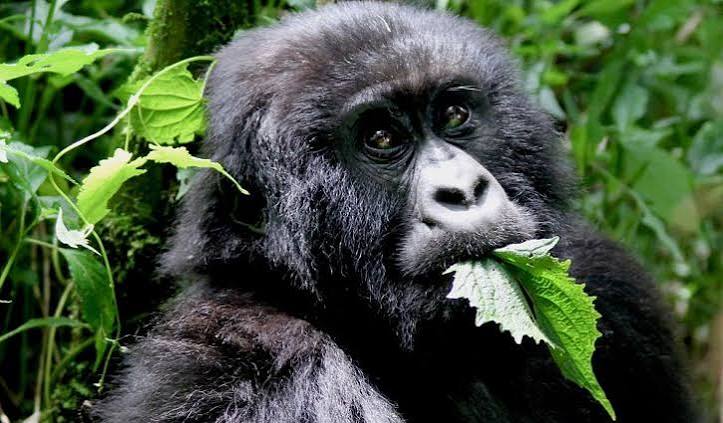
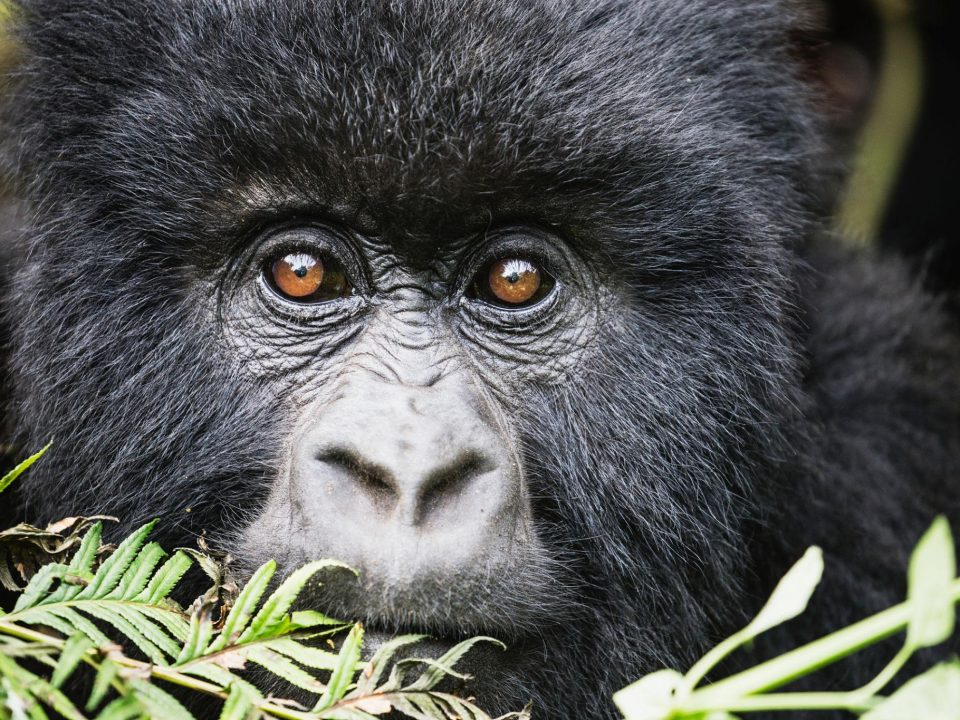
The first sight of a mountain gorilla can be surprising. These animals are powerful, yet visitors may see them feeding peacefully, resting beneath vegetation, or caring for their young.
A silverback may sit nearby while younger gorillas explore their surroundings. Females may groom one another, while infants stay close to their mothers.
However, no two encounters are identical. Some families may be active and move through the forest, while others spend much of the time resting or feeding.
Visitors should allow the gorillas to behave naturally. The guide manages the encounter and determines how the group should move.
At this stage, patience is essential. The best wildlife experiences happen when people respect the animals instead of trying to control their behaviour.
7. Spending One Hour With the Mountain Gorillas
The highlight of a standard gorilla tracking experience is the opportunity to observe the gorillas in their natural habitat.
In Rwanda, visitors can spend a maximum of one hour with their assigned gorilla family. This limit helps reduce disturbance and supports responsible wildlife management.
During this time, travellers may observe feeding, grooming, resting, playing, and interactions between different members of the family.
Watching these behaviours can reveal how gorillas communicate and maintain social relationships. A mother may care for her infant, while juveniles play nearby. An adult gorilla may move through the vegetation in search of food.
The experience also offers opportunities for photography. Visitors should prepare their cameras in advance, avoid flash photography, and follow the guide’s instructions about where to stand.
However, photographs should never become more important than the animals’ welfare. Visitors must not move closer simply to obtain a better picture.
Rules to follow during the gorilla encounter
Visitors must maintain the required distance from the gorillas and avoid touching them. They should also speak quietly and avoid sudden movements that could frighten the animals.
Eating, drinking, and smoking near the gorillas are prohibited under the applicable visitor guidelines. Anyone who needs to cough should follow the guide’s instructions and take precautions to reduce the risk of disease transmission.
If a gorilla approaches, visitors should remain calm and follow the guide’s directions. They must not attempt to touch, feed, or chase the animal.
These rules are essential because mountain gorillas can catch certain human illnesses. Responsible behaviour helps protect the animals while allowing visitors to observe them safely.
Safari O’clock encourages every traveller to treat this special hour with patience and respect. It is a privilege to observe mountain gorillas in the wild, and protecting their well-being must remain a priority.
8. Saying Goodbye to the Gorilla Family
The viewing period may feel short, especially after a long walk through the forest. Nevertheless, the guide must end the encounter when the permitted hour is over.
Visitors then leave the gorilla family and begin the return journey. The guide determines the appropriate route and helps the group withdraw without causing unnecessary disturbance.
Some travellers feel emotional when the encounter ends. Others feel excited as they reflect on the animals they have just seen.
The experience may also change how visitors think about wildlife conservation. Seeing a gorilla family in its natural habitat can make the importance of protecting endangered species more personal.
Before leaving the tracking area, visitors should check that they have collected their belongings and followed all instructions.
The return route may follow the same trail or use another suitable route, depending on the terrain and the day’s arrangements.
Safari O’clock encourages travellers to appreciate the encounter without expecting the gorillas to perform for visitors. Their natural behaviour is what makes the experience so special.
9. Walking Back to the Starting Point
After leaving the gorillas, visitors walk back towards the designated meeting point. The return journey may feel easier because the group has completed the main objective. However, it can still be physically demanding.
Slippery slopes, uneven ground, and tired legs may make the descent challenging. Visitors should continue following their guide and avoid rushing through difficult sections.
Taking care on the trail is especially important after several hours of walking. Proper footwear, steady movement, and assistance from a porter can make the return journey more manageable.
The total time spent in the forest depends on where the gorilla family was located and the terrain covered during the trek.
Consequently, visitors should avoid arranging activities that require an immediate departure from the park. A longer trek may delay their return to the lodge.
Safari O’clock recommends leaving enough flexibility in the day’s itinerary. This allows travellers to enjoy the experience without worrying about strict afternoon schedules.
10. Returning From the Trek and Receiving Recognition
Once the group returns to the starting point, visitors can rest and reflect on the experience. Depending on the arrangements, they may return to the park headquarters or continue to their vehicle.
Some tracking programmes provide certificates to recognise visitors who have completed the activity. The availability and format of these certificates can vary, so travellers should confirm the arrangements with their operator.
After the trek, visitors usually appreciate a chance to freshen up, enjoy a meal, and relax at their accommodation.
The day may leave them physically tired, but many travellers remember it as a highlight of their African journey.
Visitors may also share photographs, write about their experience, or discuss the behaviours they observed during the encounter.
However, the experience should not end with personal memories alone. Learning about conservation and supporting responsible tourism can help extend its value beyond the visit.
Safari O’clock encourages travellers to reflect on the importance of preserving mountain gorilla habitats and supporting the communities that live around protected areas.
11. What Happens After a Gorilla Tracking Day?
After returning to the lodge, visitors can spend the rest of the day relaxing or exploring nearby attractions, depending on their energy levels and schedule.
Some travellers prefer a quiet evening after the physical demands of trekking. Others may enjoy a meal with fellow travellers or discuss their experiences with their guides.
Visitors staying longer in the region can consider other activities around Volcanoes National Park. These may include golden monkey tracking, guided nature experiences, cultural visits, or mountain hiking.
However, additional activities should be planned according to available time, fitness, and current operating arrangements.
Travellers should also review their photographs and back up important files while their devices still have sufficient battery power.
For those continuing their Rwanda journey, the experience provides a useful introduction to the country’s wildlife and conservation efforts.
Safari O’clock can help visitors organise additional activities that complement their gorilla tracking adventure. A thoughtful itinerary allows travellers to explore more of Rwanda without making the trip unnecessarily rushed.
How Long Does a Typical Gorilla Tracking Day Take?
A gorilla tracking day can occupy most of the morning and sometimes extend into the afternoon. The exact duration depends on the location of the gorilla family, the terrain, the group’s pace, and the time required for the return journey.
Visitors generally report to the park headquarters early in the morning. After registration, briefing, and group allocation, they travel to the starting point and enter the forest.
The walk to the gorillas may take less than an hour or several hours. Once the group reaches the assigned family, the standard viewing period lasts a maximum of one hour.
The return walk follows, and the group eventually reaches the starting point.
Although a typical itinerary provides a useful guide, travellers should not expect every trek to follow an identical timetable. Gorilla tracking is a wildlife activity, and the animals’ movements influence the day’s schedule.
For this reason, Safari O’clock recommends keeping the remainder of the day flexible. Visitors should confirm their reporting time, transport arrangements, and accommodation details before the tracking date.
What Should You Pack for a Gorilla Tracking Day?
Packing the right equipment can make the trek more comfortable. Visitors should choose practical items that help them manage changing weather and uneven terrain.
Sturdy hiking boots are essential because trails can become muddy or slippery. Long trousers and long-sleeved shirts help protect the skin from scratches and stinging plants.
A waterproof jacket is useful because rain can occur even when the morning begins with clear skies. Gardening-style gloves can also protect the hands when moving through vegetation.
Carry enough drinking water for the walk and consider bringing a small snack for consumption away from the gorillas, following your guide’s instructions.
A camera or smartphone can capture memorable moments, but visitors should disable flash photography. They should also bring spare batteries or ensure their devices are fully charged.
Other useful items include personal medication, insect protection where appropriate, and a small daypack.
A porter can help carry equipment and provide assistance on difficult sections of the trail. Visitors should also carry their required documents and follow the park’s guidance about permitted items.
Safari O’clock recommends preparing everything the night before. This simple routine helps travellers start the morning calmly and focus on the adventure ahead.
How Safari O’clock Helps You Prepare for Gorilla Tracking
Planning a gorilla safari involves several details, including permits, transport, accommodation, and the practical requirements of trekking.
Safari O’clock helps travellers understand these arrangements and plan a journey that suits their interests, available time, and budget.
Before departure, travellers should confirm their gorilla tracking permit, reporting time, accommodation location, and transport arrangements. They should also check current park rules and prepare suitable clothing for the terrain.
Good preparation makes the experience more enjoyable, but it cannot determine exactly how the day will unfold. The gorillas move freely through their habitat, and tracking conditions change from one day to another.
Safari O’clock encourages visitors to approach the experience with patience, realistic expectations, and respect for wildlife.
Whether you are visiting Rwanda for the first time or returning for another wildlife adventure, understanding the tracking process can help you appreciate every stage of the journey.
Conclusion: A Gorilla Tracking Day Is an Experience to Remember
A typical gorilla tracking day unfolds through several stages, beginning with an early wake-up and ending with a return to the lodge.
Visitors prepare for the trek, report to the park headquarters, attend a briefing, and follow experienced guides into the forest. After locating the assigned gorilla family, they spend up to one hour observing the animals before walking back to the starting point.
Every stage contributes to the experience. The early preparation builds anticipation, the forest walk reveals Rwanda’s natural beauty, and the encounter provides a rare opportunity to observe mountain gorillas in the wild.
However, responsible behaviour remains essential throughout the journey. Following park rules helps protect the gorillas and supports the conservation efforts that make this experience possible.
With thoughtful preparation and realistic expectations, travellers can enjoy a meaningful wildlife adventure in Volcanoes National Park.
Ready to experience gorilla tracking in Rwanda? Contact Safari O’clock to start planning your adventure and discover the unforgettable world of mountain gorillas.