- DIRECT CONTACTS:
- +256394517569
- tours@safarioclock.africa

What Makes Volcanoes National Park Suitable for Gorilla Tracking?

How Gorilla Tracking Is a Carefully Managed Wildlife Experience
November 9, 2026
How a Typical Gorilla Tracking Day Unfolds From Start to Finish
November 9, 2026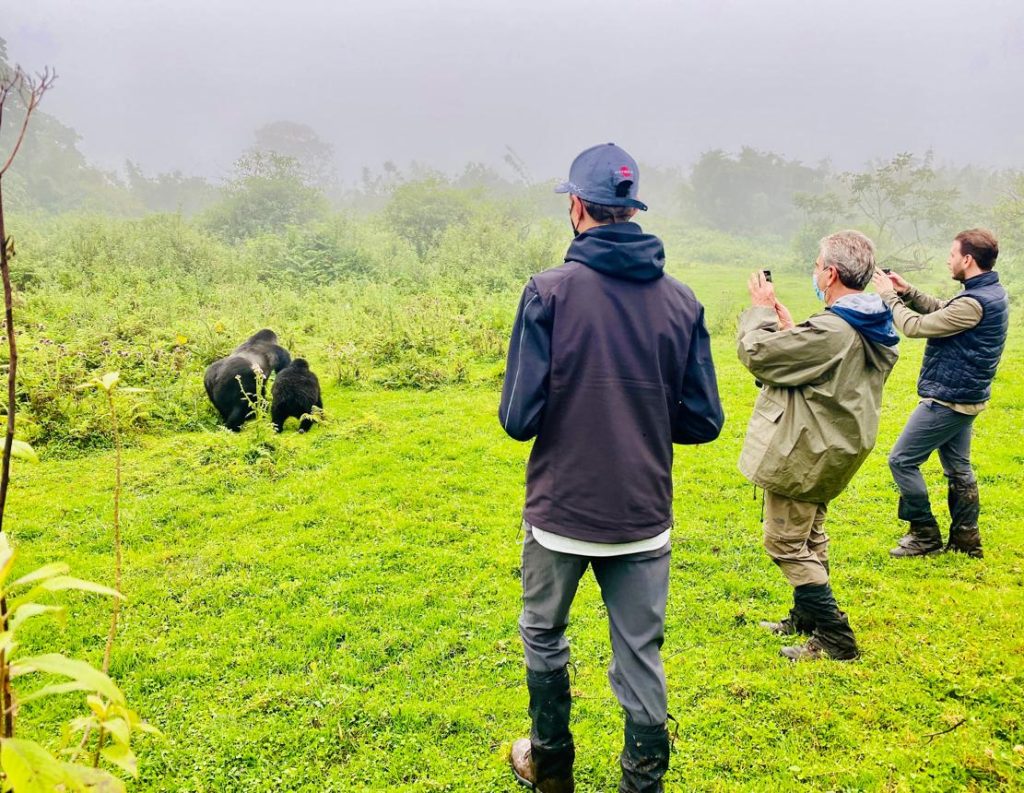
Volcanoes National Park is one of Africa’s most remarkable destinations for mountain gorilla tracking. Located in northwestern Rwanda, the park protects a unique mountain ecosystem where endangered mountain gorillas live in their natural habitat. Its beautiful volcanic landscape, rich forests, experienced park guides, and strong conservation programmes make it an outstanding destination for wildlife enthusiasts.
For travellers planning a gorilla safari in Rwanda, choosing the right destination is essential. Volcanoes National Park offers an opportunity to observe mountain gorillas while learning about their behaviour, habitat, and conservation. Moreover, its well-organised tracking system helps protect these endangered animals while giving visitors a memorable wildlife experience.
Safari O’clock helps travellers explore Rwanda’s natural attractions and plan meaningful gorilla tracking experiences. Understanding what makes this park special can help visitors appreciate why it attracts wildlife lovers from around the world.
1. A Natural Habitat for Endangered Mountain Gorillas
One of the main reasons Volcanoes National Park is suitable for gorilla tracking is its role in protecting endangered mountain gorillas. The park forms part of the Virunga Massif, a chain of volcanic mountains shared by Rwanda, Uganda, and the Democratic Republic of Congo.
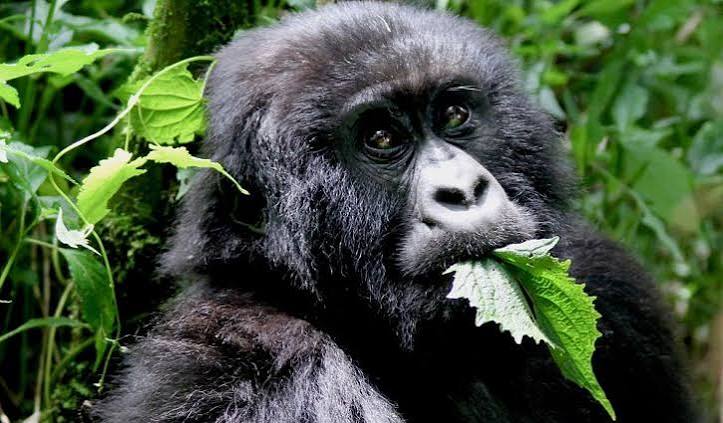
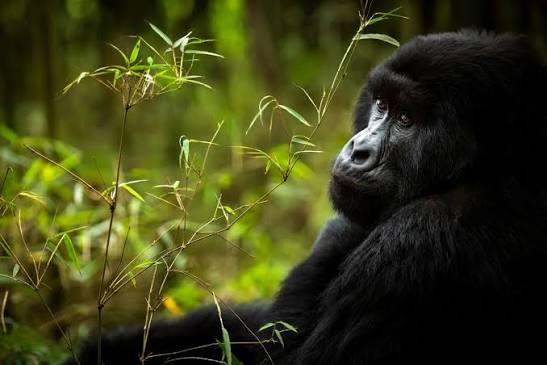
The mountain gorillas thrive in this high-altitude environment. They depend on its forests, vegetation, and natural food sources for survival. The park provides a protected landscape where gorilla families can feed, rest, raise their young, and move through their natural territories.
Unlike a zoo visit, gorilla tracking allows travellers to observe these remarkable primates in the wild. Visitors may see gorillas feeding on plants, grooming one another, caring for infants, or interacting within their family groups. These everyday activities provide valuable insight into their social lives.
For travellers booking through Safari O’clock, visiting this natural habitat offers more than an opportunity to take photographs. It creates a chance to understand the importance of protecting wildlife and the environments that support it.
Why the gorillas’ natural habitat matters
Mountain gorillas require a suitable environment to meet their daily needs. Their habitat provides food, shelter, and space for social interaction. Protecting this environment also helps preserve the wider ecosystem, including other animals and plant species.
Volcanoes National Park protects a range of mountain habitats. These include bamboo forests, montane forests, grasslands, and areas of heath vegetation. Each habitat contributes to the park’s ecological diversity.
Consequently, the park offers an appropriate setting for responsible gorilla tracking. Visitors can observe the animals without removing them from the environment in which they naturally live.
2. Volcanoes National Park Offers Habituated Gorilla Families
Another important reason Volcanoes National Park is suitable for gorilla tracking is the presence of mountain gorilla families that have been habituated for tourism.
Habituation is a gradual process through which gorillas become accustomed to the presence of people. Specially trained researchers and conservation teams carefully manage this process. It helps gorillas tolerate controlled human observation while retaining their natural behaviour.
However, habituated gorillas remain wild animals. They can move freely, interact with their families, and respond naturally to their surroundings. Visitors must therefore follow the instructions provided by park guides throughout the tracking experience.
Rwanda has several gorilla families available for authorised tourist visits. Park staff allocate visitors to particular families according to the park’s management procedures and prevailing conditions.
This system makes it possible for travellers to observe gorillas while limiting unnecessary disturbance. It also supports the daily monitoring of gorilla families by conservation teams.
How habituation improves gorilla tracking
Habituation helps guides take visitors into the forest to observe gorillas under carefully managed conditions. Trackers monitor the animals’ movements and help the guides locate the assigned family.
Nevertheless, finding gorillas in the forest is not always immediate. Families move around to find food, rest, and use different parts of their territories. Therefore, tracking time varies according to their location and the terrain.
Safari O’clock can help travellers understand these arrangements before their trip. Knowing what to expect allows visitors to prepare for a genuine wildlife experience rather than expecting a guaranteed, fixed encounter at a particular location.
3. The Volcanic Landscape Creates a Unique Tracking Environment
Volcanoes National Park takes its name from the Virunga volcanic mountains that dominate the surrounding landscape. Five of these volcanoes lie within the park: Karisimbi, Bisoke, Muhabura, Gahinga, and Sabyinyo.
These mountains create a dramatic setting for gorilla tracking. Their slopes support different vegetation zones, while mist often moves across the forested hills. As a result, visitors experience a landscape that feels both peaceful and wild.
The park’s volcanic terrain also supports the varied habitats that mountain gorillas need. Changes in altitude and vegetation influence the distribution of plants and other natural resources throughout the forest.
However, this landscape presents some physical challenges. Trails may cross steep slopes, thick vegetation, muddy ground, and uneven terrain. Rain can make certain sections slippery, even during periods that travellers consider relatively dry.
For this reason, preparation plays an important role in a successful gorilla safari. Sturdy hiking boots, suitable clothing, drinking water for use before or after the gorilla encounter, and a waterproof jacket can help visitors manage the conditions.
Safari O’clock encourages travellers to consider their fitness levels and prepare for the demands of mountain trekking. A well-prepared visitor can enjoy the scenery while focusing on the experience of exploring one of Rwanda’s most distinctive natural environments.
4. Expert Guides and Trackers Support the Experience
A successful gorilla tracking experience depends on more than the presence of gorillas. Knowledgeable guides, experienced trackers, and clear visitor procedures also play important roles.
At Volcanoes National Park, trained personnel lead visitors through the tracking process. Before entering the forest, visitors attend a briefing that explains the rules, safety measures, and expected behaviour around the gorillas.
Trackers also help locate gorilla families by following their movements and sharing relevant information with the guiding team. Their knowledge of the forest and the animals supports the daily tracking operation.
During the trek, guides help visitors navigate the terrain and respond appropriately to changing conditions. They may also explain the gorillas’ behaviour, feeding habits, and family relationships.
This guidance helps visitors understand what they observe instead of treating the encounter as a simple photographic opportunity.
Why professional guidance matters
Mountain gorillas are powerful wild animals, even when they appear calm around visitors. Their behaviour can change, so people must respect their space and follow instructions carefully.
Guides help visitors maintain appropriate behaviour throughout the encounter. They also explain what to do if a gorilla approaches or if the group needs to adjust its position.
For travellers working with Safari O’clock, understanding the role of guides and trackers helps set realistic expectations. The goal is not to control wildlife but to observe it responsibly under the park’s established procedures.
5. Strict Conservation Rules Protect the Gorillas
Volcanoes National Park is suitable for gorilla tracking because it combines tourism with measures designed to protect endangered wildlife.
Mountain gorillas share many biological similarities with humans. Consequently, they can catch certain human respiratory infections and other diseases. Close contact with visitors can create risks if people ignore the park’s health and hygiene rules.
To reduce these risks, the authorities limit the number of visitors allowed to see each gorilla family. Under the established tourism system, a group generally consists of no more than eight visitors, although special circumstances may require a smaller group. Visitors can spend a maximum of one hour with the gorillas.
Park authorities also enforce health and behavioural guidelines. Visitors who have potentially contagious illnesses may be prevented from tracking. Guides instruct guests to maintain the required distance, avoid touching the gorillas, speak quietly, and follow all directions.
These rules protect both visitors and wildlife. They also help prevent excessive human disturbance in the forest.
Safari O’clock encourages every traveller to treat these regulations as an essential part of the experience. Responsible behaviour ensures that the opportunity to see mountain gorillas does not come at the expense of their health and well-being.
Responsible tourism makes a difference
Gorilla tracking contributes to conservation by creating economic value for protecting wildlife and natural habitats. Permit revenue supports the management of protected areas, while tourism can create opportunities for guides, accommodation providers, transport operators, and other local businesses.
Community participation also matters. People living near protected areas have an important relationship with the surrounding environment. Responsible tourism can support livelihoods and strengthen incentives to conserve wildlife.
However, tourism alone cannot guarantee conservation success. Effective protection also requires scientific research, veterinary support, habitat management, law enforcement, and cooperation between conservation organisations and neighbouring communities.
By choosing responsible travel arrangements through Safari O’clock, visitors can make informed decisions about their gorilla safari and the standards they expect from their trip.
6. The Park Is Relatively Accessible from Kigali
Accessibility is another factor that makes Volcanoes National Park attractive to gorilla tracking visitors.
The park lies in northwestern Rwanda, near Musanze and the town of Kinigi, where visitors report for the morning tracking briefing. Travellers arriving through Kigali International Airport can reach the Musanze area by road.
The drive from Kigali generally takes around two to three hours, depending on traffic, weather, road conditions, and the precise starting point. This makes it possible for visitors to include gorilla tracking in a short Rwanda itinerary.
For example, travellers with limited time may combine a stay in Kigali with an overnight visit near the park. Others may choose a longer itinerary that includes cultural experiences, nature walks, or additional national parks.
Although the road journey is relatively manageable, visitors should not underestimate the early start required for tracking. Reporting times and briefing arrangements must be confirmed before travel.
Safari O’clock can help travellers plan suitable transport, accommodation, and departure arrangements. Staying near the park before the tracking day can also reduce early-morning travel pressure and make the experience more comfortable.
7. Mountain Gorillas Can Be Observed in Their Natural Social Groups
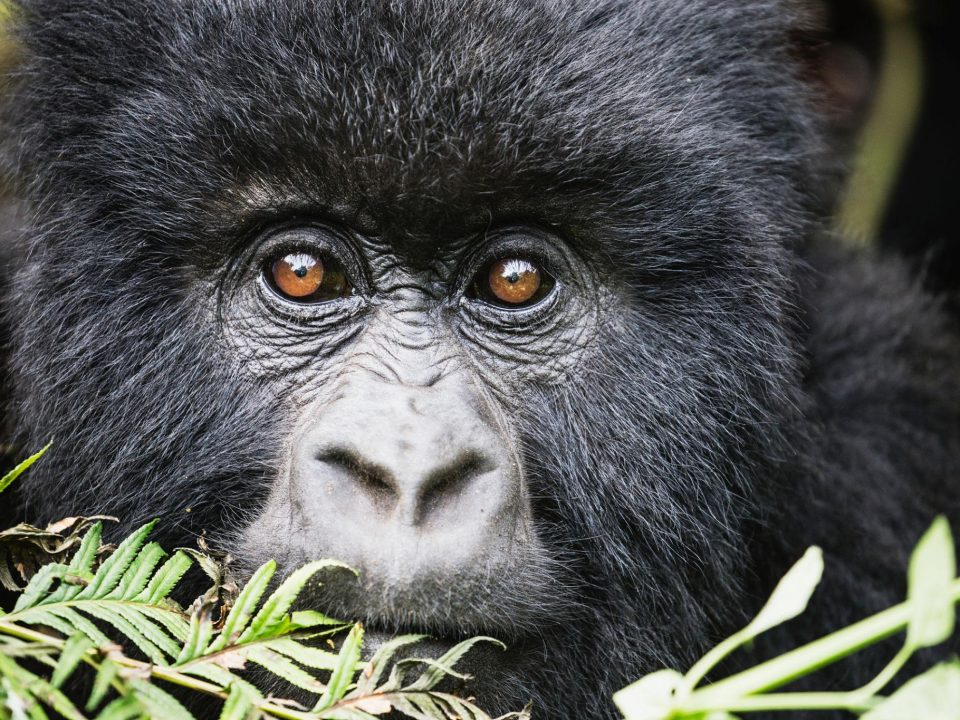
Mountain gorillas live in social groups with complex relationships. A family may include a dominant silverback, adult females, younger males, juveniles, and infants, although the composition varies between groups.
Observing these relationships is one of the most rewarding aspects of tracking in Volcanoes National Park.
During an encounter, visitors may watch a silverback resting nearby while younger gorillas play or climb through the vegetation. They may also see females grooming one another or adults caring for young members of the group.
These behaviours reveal how gorillas communicate and maintain social bonds. Guides can help visitors interpret what they see while ensuring that the group follows the park’s rules.
However, wildlife behaviour is never entirely predictable. Some encounters may involve active movement, while others may show gorillas resting or feeding quietly. Visitors should appreciate these natural differences rather than expect a particular action.
Safari O’clock encourages travellers to approach gorilla tracking with patience and curiosity. Allowing the animals to behave naturally makes the experience more meaningful and supports responsible wildlife observation.
8. The Park Offers More Than Gorilla Tracking
Although mountain gorillas are the park’s main attraction, the surrounding area offers other nature-based experiences. These activities can help travellers make better use of their time in northwestern Rwanda.
Golden monkey tracking is one popular option. The park’s bamboo forests provide habitat for these distinctive primates, offering visitors another opportunity to learn about Rwanda’s wildlife.
Travellers can also explore hiking opportunities in the Virunga Mountains. Mount Bisoke, for example, is known for its crater lake, while Mount Karisimbi attracts hikers seeking a more demanding mountain adventure.
Other activities in the wider region include visiting local communities, learning about Rwandan culture, and exploring nearby natural attractions. The best choices depend on a traveller’s interests, available time, fitness, and budget.
Combining several activities can create a more varied itinerary. Nevertheless, visitors should allow sufficient time for recovery after a challenging gorilla trek, particularly if they plan another hike.
Safari O’clock can help travellers decide which activities complement their gorilla tracking experience. A well-planned itinerary offers a broader understanding of Rwanda’s landscapes, wildlife, and cultural heritage.
9. Gorilla Tracking Supports Conservation Awareness
A visit to Volcanoes National Park can help travellers understand the importance of protecting endangered species.
Mountain gorillas have faced serious threats from habitat loss, disease, poaching, and other human pressures. Their conservation requires sustained effort from governments, researchers, conservation organisations, local communities, and responsible visitors.
Tracking gives travellers an opportunity to see why these efforts matter. Observing gorillas in the wild can make conservation issues more tangible than reading about them alone.
Visitors can also learn how protected areas help safeguard habitats and how tourism can contribute to conservation funding and local livelihoods.
At the same time, responsible visitors must recognise that the forest is the gorillas’ home. The experience should prioritise animal welfare rather than personal convenience or photography.
Safari O’clock believes that informed travel can encourage greater appreciation of Rwanda’s natural heritage. By learning about conservation before the trip, visitors can make more responsible choices during their stay.
10. The Experience Is Suitable for Travellers Seeking Meaningful Wildlife Encounters
Volcanoes National Park attracts a wide range of wildlife enthusiasts, including photographers, nature lovers, conservation supporters, and travellers seeking a distinctive African adventure.
Gorilla tracking combines physical activity, natural scenery, wildlife observation, and learning. Visitors walk through a mountain forest with trained guides before spending a limited period observing a gorilla family.
The experience can be emotionally powerful because mountain gorillas display recognisable social behaviours. Watching them care for their young, interact with family members, and move through their habitat can create a lasting impression.
However, travellers should understand that gorilla tracking requires preparation. The terrain may be demanding, weather conditions can change, and the time needed to locate a family is unpredictable.
The minimum age for gorilla tracking in Rwanda is 15 years. Travellers should also check current permit requirements, health guidelines, and booking conditions before confirming their plans.
With appropriate preparation and realistic expectations, visitors can enjoy a rewarding experience while respecting the needs of the gorillas.
Safari O’clock helps travellers approach this adventure with an understanding of both its attractions and its responsibilities.
How to Prepare for Gorilla Tracking in Volcanoes National Park
Preparation begins with securing a valid gorilla tracking permit. Demand can be high, so travellers should confirm availability well before their intended travel dates. Official permit conditions, prices, and eligibility requirements should be checked through the Rwanda Development Board or an authorised booking channel.
Next, arrange transport and accommodation. Staying near Kinigi or Musanze can make it easier to reach the briefing point on time. Travellers should confirm their reporting time and leave enough room in their itinerary for possible delays.
Clothing also matters. Wear sturdy hiking boots with good grip, long trousers, and a long-sleeved top. Carry a waterproof jacket, gardening-style gloves for handling vegetation, and any personal medication you may need. A walking stick and a porter can be useful on steep or muddy sections.
Visitors should prepare physically for walking on uneven terrain. Regular walks and moderate exercise before the trip can help build stamina. However, the difficulty of each trek varies according to the gorilla family’s location and the day’s conditions.
Finally, learn the gorilla viewing rules before arriving. Do not touch the animals, keep the required distance, avoid loud noises, and follow the guide’s instructions. If you feel unwell before the trek, inform the relevant authorities or your tour operator.
Safari O’clock can help travellers organise the practical details of their trip so they can focus on enjoying the forest and understanding its wildlife.
Why Choose Safari O’clock for Your Rwanda Gorilla Safari?
Planning a gorilla safari involves several important decisions. Travellers must consider permits, transport, accommodation, tracking requirements, and the other activities they would like to enjoy.
Safari O’clock helps visitors explore these options and organise an itinerary that matches their interests and available time. Whether you are planning a dedicated gorilla tracking trip or a broader Rwanda holiday, careful planning can make the journey smoother.
The company can help travellers understand what to expect before the trek, prepare suitable clothing, and consider accommodation close to the park. It is also important to verify permit availability and current regulations before making final arrangements.
A responsible gorilla safari should balance visitor enjoyment with the protection of wildlife. Safari O’clock encourages travellers to respect conservation guidelines and appreciate the park as a living ecosystem rather than simply a tourist attraction.
With the right preparation, a visit to Volcanoes National Park can become one of the highlights of a Rwanda adventure.
Conclusion: Volcanoes National Park Is an Outstanding Gorilla Tracking Destination
Volcanoes National Park is suitable for gorilla tracking because it combines a protected mountain habitat, habituated gorilla families, experienced guides, organised visitor procedures, and strong conservation priorities.
Its volcanic scenery and rich vegetation create a remarkable setting for observing endangered mountain gorillas. Furthermore, the park’s location within reach of Kigali makes it a practical choice for travellers with different itineraries.
However, the real value of gorilla tracking extends beyond seeing these magnificent animals. It also offers an opportunity to learn about conservation, respect wildlife, and understand the importance of protecting natural habitats.
For travellers planning this experience, Safari O’clock can help organise a thoughtful and well-prepared Rwanda gorilla safari.
Ready to experience mountain gorillas in their natural habitat? Contact Safari O’clock to start planning your Volcanoes National Park adventure.