- DIRECT CONTACTS:
- +256394517569
- tours@safarioclock.africa

How Gorilla Tracking Tourism Supports Conservation in Rwanda

Why the Cheapest Gorilla Tracking Package May Not Be the Best Value
November 11, 2026Why Mountain Gorilla Habitat Protection Matters
November 11, 2026
Gorilla tracking tourism plays an important role in protecting Rwanda’s mountain gorillas. Every year, visitors travel to Rwanda to experience these remarkable animals in their natural habitat. However, the experience involves much more than observing wildlife in the forest. It also connects tourism with conservation, local livelihoods and the protection of natural ecosystems.
Rwanda has developed a tourism model that places significant value on its natural heritage. The country’s mountain gorillas attract visitors from around the world. Their protection also supports jobs, community projects and conservation programmes around protected areas.
Through responsible tourism, visitors can contribute to a system that gives wildlife conservation economic and social value. Nevertheless, tourism alone cannot protect gorillas. Effective conservation also requires scientific research, trained park staff, habitat protection and the involvement of communities living near the forest.
At Safari O’clock, we believe travellers should understand the positive role responsible tourism can play in protecting wildlife. This guide explains how gorilla tracking tourism supports conservation in Rwanda and why these efforts matter for future generations.
Understanding Gorilla Tracking Tourism in Rwanda
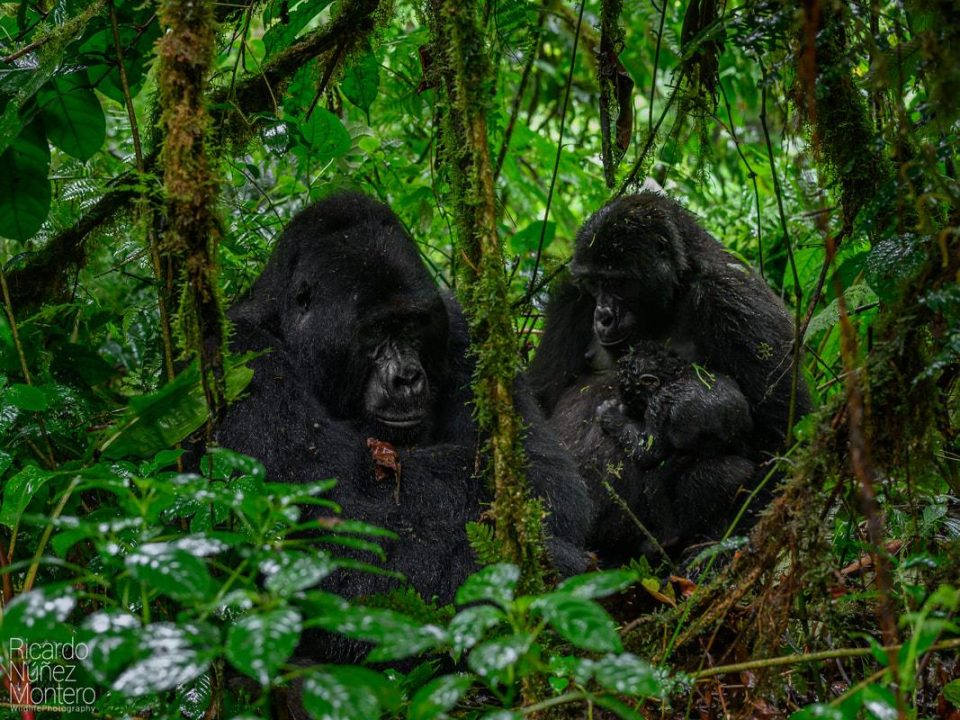
Gorilla tracking tourism allows visitors to observe habituated mountain gorilla groups in their natural habitat under strict park rules. In Rwanda, this experience takes place in Volcanoes National Park, part of the wider Virunga mountain ecosystem.
Mountain gorillas once faced serious threats from habitat loss, poaching, disease and human pressure. Conservation programmes have helped address these challenges through protection, monitoring, research and community involvement.
Today, gorilla tracking is one of Rwanda’s best-known wildlife experiences. It also generates tourism income that can support conservation and development. According to the Rwanda Development Board, tourism revenue sharing directs 10% of national park tourism revenue towards community development in areas surrounding protected areas. The programme supports projects that benefit local communities while strengthening the relationship between people and conservation.
However, a gorilla permit is not simply an entrance ticket to see wildlife. It forms part of a carefully managed conservation tourism system. Authorities limit visitor numbers and establish rules to reduce disturbance and protect gorilla health.
Therefore, responsible gorilla tracking requires cooperation between park authorities, conservation organisations, tour operators, visitors and local communities.
1. Gorilla Tracking Tourism Generates Revenue for Conservation
One of the main ways gorilla tracking tourism supports conservation is through the income it generates. Visitors pay for permits to participate in the experience. This creates a source of tourism revenue linked directly to Rwanda’s natural heritage.
The value of this income extends beyond the visitor’s time with the gorillas. A well-managed tourism sector can help sustain the wider system needed to protect wildlife and manage protected areas.
Conservation requires trained staff, monitoring, research, equipment and long-term planning. These activities need reliable financial support. Tourism revenue can contribute to this work alongside government funding, conservation partnerships and other sources of support.
Rwanda’s approach also shows how wildlife can have economic value while remaining protected in its natural habitat. Instead of treating the forest only as land for other uses, conservation tourism creates an incentive to maintain it as a living ecosystem.
The Rwanda Development Board reported that Rwanda generated USD 647 million in tourism revenue in 2024, with gorilla tourism helping drive growth. These figures represent the wider tourism sector, not income from gorilla permits alone.
For travellers booking with Safari O’clock, understanding this connection adds meaning to the experience. A well-managed gorilla safari can contribute to an industry that values wildlife protection and responsible travel.
2. Gorilla Tracking Tourism Supports Local Communities
Conservation works best when communities living near protected areas can also benefit from them. People around national parks have daily needs, including education, healthcare, clean water, housing and income opportunities.
If conservation provides no visible benefits to local residents, it can become harder to build lasting support. Therefore, Rwanda has developed initiatives that connect tourism revenue with community development.
How Gorilla Tracking Tourism Funds Community Projects
Rwanda’s Tourism Revenue Sharing Programme directs 10% of national park tourism revenue towards community development around protected areas. The funding supports projects that address local priorities.
According to the Rwanda Development Board, the programme has supported nearly 1,300 community projects, with more than RWF 23 billion invested over its history as reported in 2026. These projects have included schools, health facilities, water infrastructure and livelihood initiatives.
Such projects can improve access to important services. For example, a community may benefit from better access to clean water or improved educational facilities. These improvements matter because conservation takes place within a wider social and economic environment.
However, revenue sharing does not mean every household receives a direct cash payment. Funding often supports community projects and shared services. The impact also depends on how projects are selected, managed and distributed.
Safari O’clock encourages visitors to learn about the communities around Volcanoes National Park. Their lives, knowledge and participation form an important part of Rwanda’s wider conservation story.
3. Gorilla Tracking Tourism Creates Jobs and Livelihoods
Tourism creates employment opportunities for people living in and around Rwanda’s national parks. These opportunities help connect local livelihoods with the protection of natural resources.
For example, gorilla tracking depends on a range of workers. Park rangers help protect wildlife and enforce park rules. Trackers monitor gorilla movements and help locate the groups assigned to visitors. Guides support visitors during their experience, while porters can carry bags and assist on difficult sections of the trail.
Tourism also supports people working in accommodation, restaurants, transport, handicrafts and other services. Some people work directly with visitors, while others supply goods and services to tourism businesses.
As a result, gorilla tracking can contribute to a wider local economy. Visitors may pay for accommodation, meals, transport, cultural experiences and locally made products. These purchases can create income beyond the permit itself.
Nevertheless, the benefits are not always shared equally. Some people have more access to tourism jobs and business opportunities than others. Training, fair employment practices and opportunities for local entrepreneurs remain important.
Safari O’clock can help travellers make informed choices about their safari services. Where practical, visitors can also support local businesses and service providers during their stay.
4. Gorilla Tracking Tourism Helps Protect Natural Habitats
Mountain gorillas depend on suitable forest habitat for food, shelter and movement. Protecting the gorillas therefore requires more than focusing on individual animals. It also requires protecting the ecosystems in which they live.
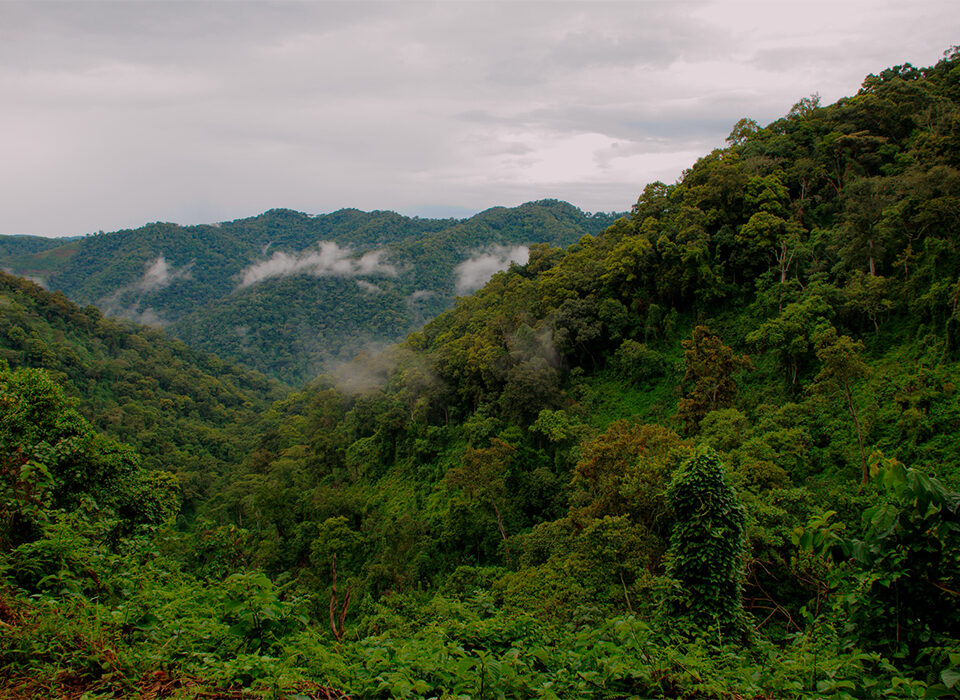
In Rwanda, Volcanoes National Park protects part of the Virunga mountain landscape. Its forests support mountain gorillas and many other forms of biodiversity. The wider ecosystem also contributes to important natural processes, including water regulation and soil protection.
Tourism gives the protected landscape economic importance. When visitors travel specifically to experience wildlife, they help create demand for maintaining the park and its conservation value.
However, tourism must remain compatible with habitat protection. Poorly managed tourism can create waste, disturb wildlife or put pressure on sensitive areas. Authorities must therefore manage access, visitor behaviour and tourism development carefully.
Rwanda has also announced plans connected to the expansion and restoration of Volcanoes National Park. The Rwanda Development Board’s 2026 reporting describes initiatives intended to increase wildlife habitat while supporting community resilience and local livelihoods.
These efforts demonstrate that gorilla conservation involves both wildlife protection and wider landscape management. A healthy forest helps gorillas survive, while responsible tourism can provide an economic reason to protect that forest.
5. Gorilla Tracking Tourism Supports Monitoring and Protection
Mountain gorilla conservation requires regular monitoring. Researchers and conservation teams need information about gorilla health, behaviour, group movements and possible threats.
Tourism operates alongside this conservation work. Habituated gorilla groups are monitored by trained teams, and park authorities establish rules to reduce risks during visitor encounters.
Monitoring can help conservation teams identify changes in the animals’ condition or behaviour. It also supports efforts to understand their needs and respond to potential threats.
In addition, park protection helps address dangers such as snares, illegal activities and habitat disturbance. Rangers and other conservation personnel play important roles in protecting wildlife and maintaining the integrity of protected areas.
Tourism revenue can contribute to the wider conservation system. However, it would be misleading to suggest that every permit payment funds one specific ranger, patrol or research project. The use of revenue depends on the relevant management and funding arrangements.
At Safari O’clock, we encourage visitors to respect the work of park staff. Following their instructions helps maintain a safe and well-managed experience for both people and gorillas.
6. Gorilla Tracking Tourism Promotes Environmental Awareness
Meeting mountain gorillas in the wild can change how visitors understand wildlife conservation. Seeing the animals in their natural habitat allows travellers to appreciate their behaviour, social relationships and dependence on a healthy environment.
This experience can also help people understand the challenges facing endangered wildlife. Habitat loss, human activity, disease and other pressures can affect gorilla populations. Conservation efforts therefore require long-term commitment rather than occasional attention.
Visitors can carry these lessons home. They may share what they learned with family, friends and colleagues. Some may also support conservation organisations or make more responsible choices during future trips.
However, tourism does not automatically make every visitor a conservation supporter. The educational value depends partly on the quality of interpretation and the visitor’s willingness to learn.
Tour guides and park staff can help explain the importance of conservation rules. Visitors should listen carefully, ask respectful questions and avoid treating gorilla tracking as an ordinary entertainment activity.
Safari O’clock believes that a meaningful wildlife experience should leave visitors with a deeper appreciation of nature. The aim is not only to see gorillas, but also to understand why their protection matters.
7. Gorilla Tracking Tourism Encourages Responsible Visitor Behaviour
Responsible tourism depends on the choices visitors make before and during their trek. Even a well-funded conservation programme can face risks if people ignore the rules designed to protect wildlife.
Mountain gorillas are vulnerable to some human diseases. Therefore, visitors must follow the health instructions provided by park authorities. Anyone who feels unwell should report their condition before tracking and follow the official guidance.
During the encounter, visitors must follow their guide’s instructions. They should keep the required distance, speak quietly, avoid sudden movements and never attempt to touch or feed the gorillas.
The Rwanda Development Board’s official guidance also limits viewing time to one hour and restricts the number of visitors in a gorilla group. These measures help manage human contact and reduce disturbance. Visitors should always follow the current instructions given by park staff.
Visitors should also avoid littering and respect the surrounding environment. They must remain with their group and never approach wildlife independently.
Safari O’clock encourages travellers to prepare for these responsibilities before arrival. A responsible visitor protects more than their own experience. Their behaviour also helps safeguard the animals and the people working to conserve them.
8. Gorilla Tracking Tourism Can Help Reduce Human-Wildlife Conflict
People living near national parks may face challenges when wildlife enters farmland or affects their livelihoods. Crop damage can cause financial losses and create tension between residents and conservation authorities.
These challenges matter because communities need practical ways to live alongside wildlife. Conservation cannot depend on asking people to tolerate losses without support.
Rwanda has developed measures to help address human-wildlife conflict. Visit Rwanda describes a compensation fund for local farmers whose crops are damaged by gorillas, alongside the tourism revenue-sharing programme.
Such measures can help reduce the burden on affected households. Community development projects may also improve access to services and create alternative livelihood opportunities.
However, these programmes do not remove every conflict. Compensation arrangements have rules, and not every loss is necessarily covered. The effectiveness of these measures depends on implementation, access and community trust.
For long-term conservation, authorities must continue listening to residents and addressing the costs of living near wildlife. Tourism can help provide resources, but it must work alongside fair policies and meaningful community participation.
9. Gorilla Tracking Tourism Supports Conservation Partnerships
Protecting mountain gorillas requires cooperation between different organisations. Government authorities, park staff, conservation groups, researchers, veterinarians and local communities all contribute to this work.
Each group brings different skills and responsibilities. Researchers study gorilla behaviour and ecology. Veterinary teams help respond to health concerns. Rangers protect the park, while community organisations support local engagement and education.
Tourism can strengthen this wider system by generating income and maintaining international interest in conservation. It can also create opportunities for visitors to learn about the organisations involved in wildlife protection.
Nevertheless, tourism operators and conservation organisations do not all perform the same role. A travel company arranges a visitor’s trip, while park authorities and specialist conservation teams carry out their designated management, research and protection duties.
This distinction matters when travellers choose a safari provider. A responsible tour operator should explain the rules clearly and organise the trip in a way that respects the park’s requirements.
Safari O’clock supports responsible tourism by encouraging informed travel choices and respect for conservation guidelines. Visitors can contribute by choosing appropriate services and behaving responsibly throughout their journey.
10. Gorilla Tracking Tourism Gives Rwanda’s Conservation Efforts International Visibility
Mountain gorillas have become one of Rwanda’s most recognised wildlife attractions. Their presence draws international attention to the country’s natural heritage and conservation work.
This visibility can encourage people to learn more about mountain gorillas and the challenges of protecting them. It can also attract researchers, conservation partners and visitors interested in responsible wildlife experiences.
Rwanda’s annual Kwita Izina gorilla-naming ceremony provides another platform for conservation awareness. The event celebrates newborn gorillas while highlighting conservation efforts, community participation and the country’s natural heritage.
International attention can create opportunities for education and support. However, visibility alone does not protect wildlife. Conservation still depends on effective management, reliable funding, suitable habitat and responsible human behaviour.
Tourism promotion must therefore remain connected to the realities of conservation. The goal should be to attract visitors while protecting the animals and ecosystems that make the experience possible.
For travellers with Safari O’clock, learning about these efforts can make the journey more meaningful. It provides context for understanding why Rwanda places such importance on mountain gorilla protection.
11. The Challenges of Gorilla Tracking Tourism
Although gorilla tracking tourism offers important benefits, it also presents challenges. Understanding these challenges helps explain why responsible management is essential.
First, tourism can create health risks for gorillas if visitors do not follow disease-prevention rules. Park authorities must therefore enforce health requirements and manage contact between people and wildlife.
Second, tourism benefits may not reach every household equally. Some residents may gain employment or business opportunities, while others may receive fewer direct benefits. Fair project selection, community involvement and transparent management can help address this concern.
Third, local communities may experience costs associated with living near wildlife. Crop damage, restricted access to certain natural resources and other pressures can affect livelihoods. Revenue sharing and compensation measures can help, but authorities must continue evaluating their effectiveness.
Finally, tourism can be affected by external events. Travel disruptions, health emergencies and changes in visitor demand may reduce income. Conservation programmes therefore benefit from reliable long-term planning and a range of funding sources.
These challenges do not mean that gorilla tracking tourism has no conservation value. Instead, they show why authorities and tourism stakeholders must manage it carefully.
Safari O’clock believes that responsible travel should recognise both the benefits and the responsibilities involved in wildlife conservation.
How Travellers Can Support Gorilla Conservation in Rwanda
Visitors can support conservation through practical choices before, during and after their safari. They do not need to be conservation experts to make a positive contribution.
Start by choosing a tour operator that communicates clearly about permits, park rules and responsible visitor behaviour. Confirm that your itinerary follows official park requirements and allows enough time for the planned activities.
Next, prepare for the trek. Bring suitable clothing, follow health guidance and listen to your guide. Never touch, feed or deliberately approach a gorilla. These rules protect both wildlife and visitors.
Where possible, support local businesses. You can purchase genuine local crafts, use local services and learn about community experiences offered responsibly. Treat local people with respect and ask permission before taking photographs of them.
You can also share accurate information about mountain gorilla conservation after your trip. Avoid spreading misleading claims or encouraging behaviour that disturbs wildlife.
Finally, remember that conservation involves more than the permit fee. Responsible tourism depends on protecting wildlife, respecting communities and supporting effective management over time.
Safari O’clock encourages travellers to approach gorilla tracking with curiosity, respect and a willingness to learn.
Conclusion: Gorilla Tracking Tourism and the Future of Conservation in Rwanda
Gorilla tracking tourism can support Rwanda’s conservation efforts in several ways. It generates tourism revenue, helps fund community projects, creates employment and strengthens the economic value of protecting natural habitats.
It also provides opportunities to educate visitors about wildlife and the importance of responsible behaviour. At the same time, conservation requires more than tourism income. It depends on scientific monitoring, effective park management, disease prevention, habitat protection and meaningful community involvement.
Rwanda’s experience demonstrates how wildlife tourism can contribute to conservation when authorities manage it carefully and connect it with local development. However, the benefits must continue to be assessed, and the needs of communities living near protected areas must remain part of the conversation.
When you plan your next gorilla tracking adventure with Safari O’clock, remember that the experience is about more than meeting mountain gorillas. It is also an opportunity to understand the work, partnerships and responsibilities involved in protecting them.
By following park rules, supporting responsible tourism and respecting local communities, visitors can help make their journey part of a wider commitment to conservation. Protecting mountain gorillas today helps preserve Rwanda’s natural heritage for future generations.