- DIRECT CONTACTS:
- +256394517569
- tours@safarioclock.africa

How to Prepare Camera Batteries for a Long Trek

How to Photograph Dark Fur Against Green Forest Backgrounds
November 11, 2026
A gorilla trekking experience can last several hours. During this time, you may take photographs, record short videos and review your images. All these activities use camera power. Therefore, preparing your camera batteries before leaving for the forest is an important part of your photography checklist.
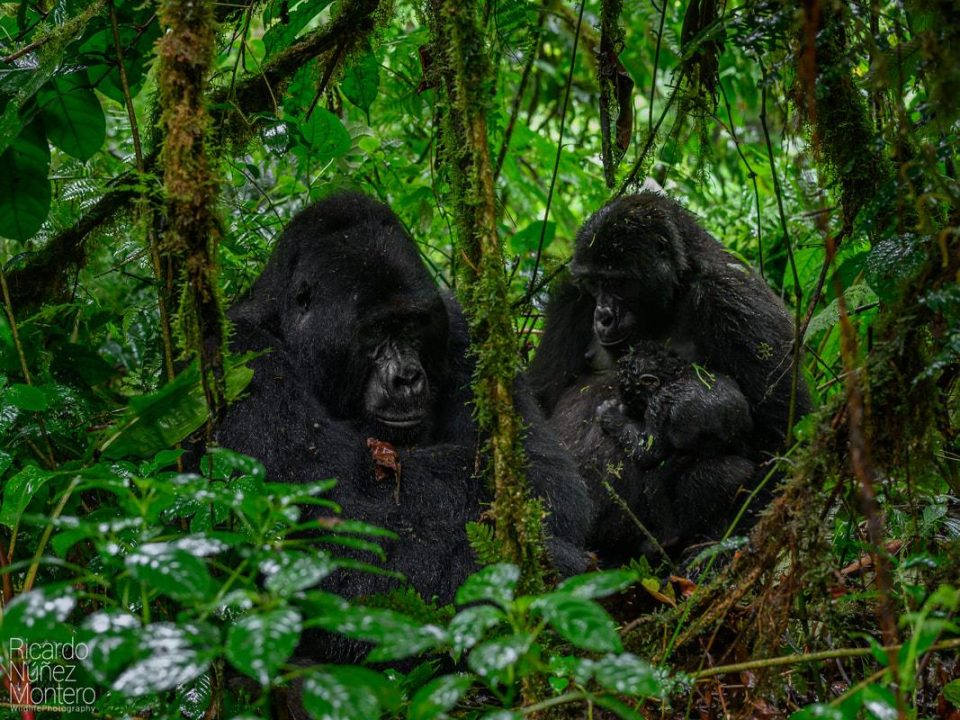
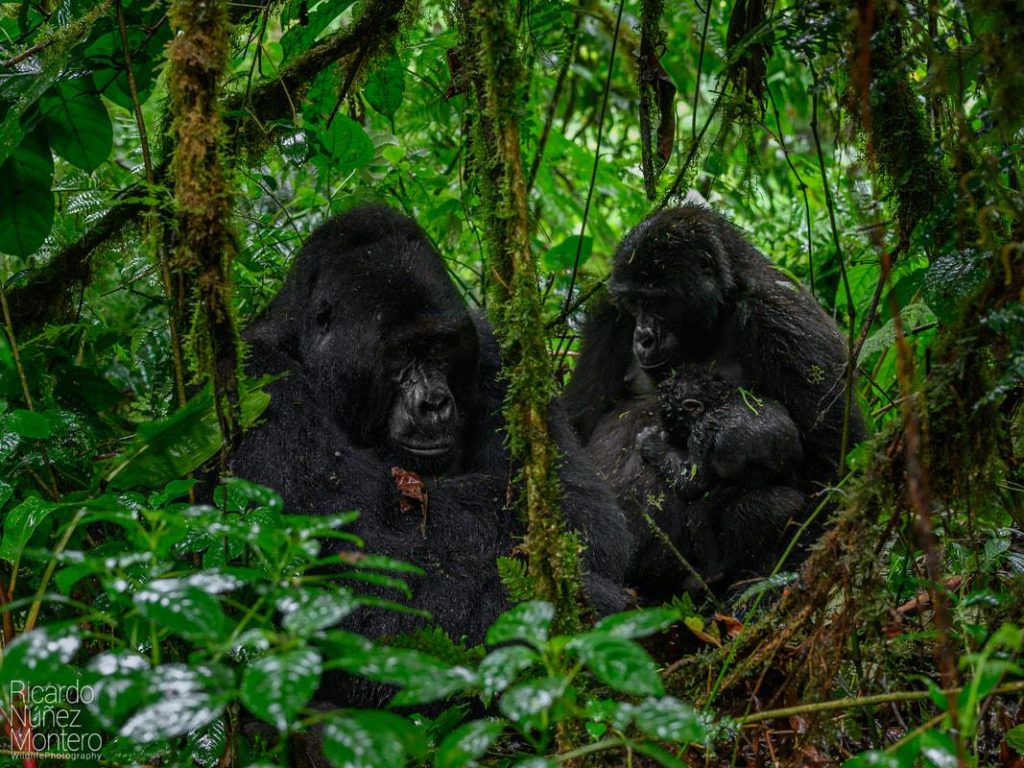
Imagine reaching a mountain gorilla family after a challenging walk. You raise your camera to capture a beautiful moment, only to discover that the battery is almost empty. This can be frustrating, especially when you have travelled a long distance for the experience.
Fortunately, proper preparation can reduce this risk. You do not need complicated equipment to keep your camera powered throughout the trek. Instead, you need fully charged batteries, suitable storage and a few simple power-saving habits.
For travellers preparing for a gorilla safari, Safari O’clock encourages planning photography equipment before the trekking day. This includes checking battery condition, carrying suitable spares and understanding how different activities affect power consumption.
In this guide, we explain how to prepare camera batteries for a long trek and protect your photography plans from avoidable interruptions.
Why Camera Battery Preparation Matters Before a Long Trek
Wildlife photography requires patience. You may spend long periods observing animals before the right photographic opportunity appears. During this time, your camera remains an important tool.
However, cameras consume power even when you are not taking photographs. The screen, autofocus system, image stabilisation and wireless features can all contribute to battery use. Recording videos and reviewing images can also drain power quickly.
Forest conditions add another challenge. In cooler environments, battery performance can decrease. Some camera batteries may also lose their charge gradually while stored.
Furthermore, a long trek may take you far from your accommodation or vehicle. You cannot always return to recharge your equipment when the battery becomes low.
Good camera battery preparation helps you avoid these problems. It also allows you to concentrate on observing wildlife instead of constantly worrying about your remaining power.
Camera Battery Preparation Starts the Night Before
The best time to prepare your camera batteries is the evening before your trek. Avoid waiting until the morning when you may already be busy checking your clothing, documents and other equipment.
Fully Charge Your Camera Batteries
Start by charging every battery you intend to carry. Use the charger recommended by your camera manufacturer or a compatible charging accessory.
Check the charging indicator before removing each battery. Some chargers use a light to show when charging is complete. Do not assume that a battery is full simply because it has been connected for a long time.
Sony recommends charging its battery packs within an ambient temperature of 10°C to 30°C. However, charging requirements can differ between manufacturers and battery models. Always follow your camera’s manual.
After charging, remove the batteries and store them safely. Remember that rechargeable batteries gradually lose some charge, even when you are not using them. Therefore, charge them close to your travel date.
Test Each Battery Before Leaving
A battery can show a full charge and still perform poorly because of age or damage. For this reason, test your batteries before an important photography trip.
Insert each battery into your camera and check whether the camera recognises it correctly. Take a few test photographs and observe how quickly the charge level changes.
Also, inspect the battery for swelling, cracks, leakage or unusual heat. Do not use a damaged battery. Replace it with a suitable battery recommended for your camera.
Battery capacity also decreases as rechargeable batteries age. If one battery drains much faster than the others, consider replacing it before your safari.
Check Your Charger and Charging Accessories
Your preparation should include more than the batteries themselves. Check that your charger works properly and that its cable has no visible damage.
If you use a dual-battery charger, test both charging slots. Also, confirm that you have the correct charging cable and any required power adapter.
Some modern cameras support USB charging through a compatible cable or power source. However, this feature does not work in the same way across all camera models. Check your manufacturer’s instructions before relying on it.
How Many Camera Batteries Should You Carry?
The number of batteries you need depends on your camera, battery condition and photography habits. A photographer who mainly takes still photographs may use less power than someone who records long videos.
Your camera manual usually provides an estimated battery life or number of photographs per charge. However, actual performance varies with temperature, screen use, autofocus activity and other settings.
For a long gorilla trek, carrying at least one fully charged spare is a sensible starting point. If you expect heavy photography or use an older battery, consider carrying additional compatible spares.
Sony recommends keeping spare batteries available, with enough capacity for two or three times the expected shooting time. This is a useful reminder to plan beyond your minimum estimated needs.
Nevertheless, avoid carrying unnecessary equipment. Choose a practical number of batteries that gives you confidence without adding too much weight to your bag.
Separate Fully Charged and Used Batteries
Battery organisation becomes important when you carry several spares. Without a simple system, you may forget which batteries are full and which ones need charging.
Use a battery case with separate spaces for each battery. You can also use a small label or another clear identification method.
For example, place fully charged batteries in one section and used batteries in another. Move each battery to the used section immediately after removing it from your camera.
This simple habit prevents confusion during a busy trek. It also reduces the risk of repeatedly selecting a battery that has already been used.
Protect Camera Batteries During a Rainforest Trek
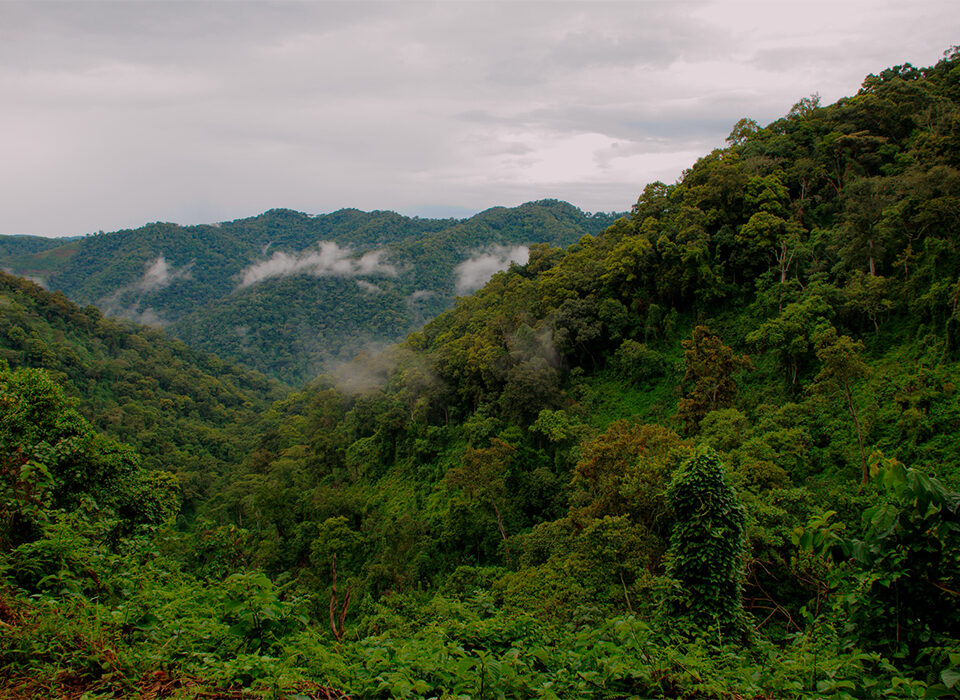
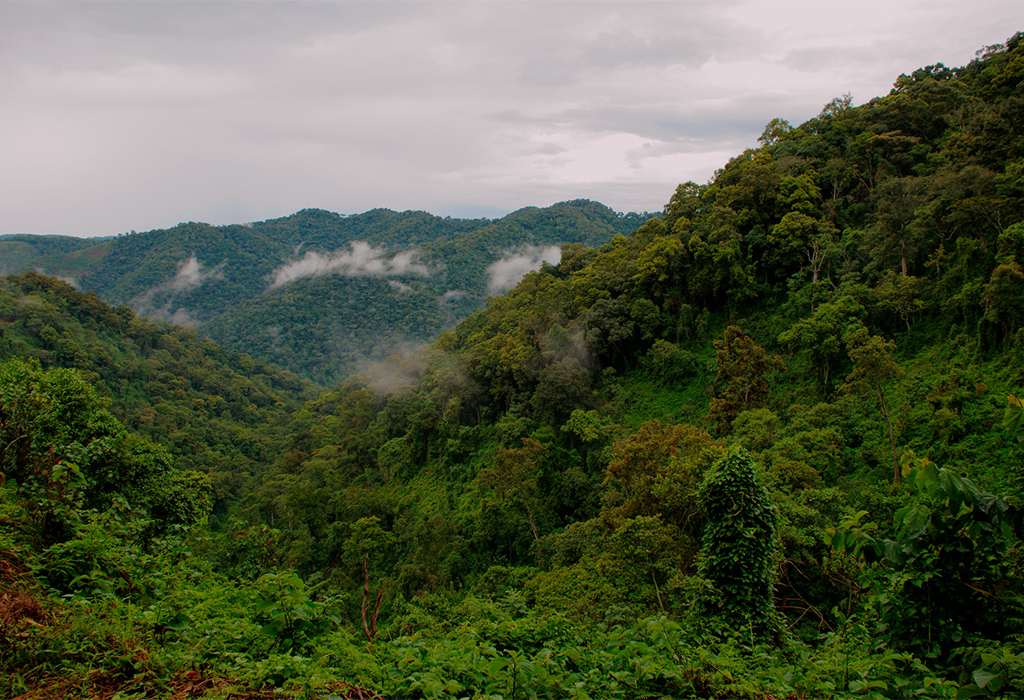
Mountain gorilla trekking takes place in forest environments where rain, moisture and changing temperatures are possible. Your batteries therefore need suitable protection throughout the journey.
Use a Protective Battery Case
Never carry loose batteries in a bag with keys, coins or other metal objects. Metal can connect the battery terminals and create a short circuit.
Instead, use a dedicated battery case. If your battery came with a protective terminal cover, use it whenever the battery is outside your camera.
Keep spare batteries in a secure compartment inside your backpack. This protects them from unnecessary contact with equipment and other objects.
Canon also advises protecting battery terminals from metal objects because contact can cause short circuits and damage.
Keep Spare Batteries Dry
Rain and moisture can create problems for electronic equipment. Although your camera bag may protect your camera, small amounts of water can still enter through openings and zips.
Store spare batteries in a dry protective case or sealed pouch. You can also place the case inside a waterproof section of your backpack.
However, do not assume that a sealed pouch makes damaged or wet batteries safe to use. Keep battery contacts clean and dry. If a battery becomes wet or shows signs of damage, follow the manufacturer’s safety guidance before using it again.
A small dry cloth can also help you manage moisture around your equipment. Keep it separate from the batteries to prevent accidental contact with damp fabric.
Avoid Extreme Heat and Sudden Temperature Changes
Heat can affect battery performance and long-term condition. Therefore, avoid leaving spare batteries in direct sunlight or inside a hot vehicle.
Likewise, cold temperatures can temporarily reduce the amount of power a battery can deliver. This can cause the battery indicator to drop faster than expected.
Nikon explains that battery capacity can decrease in low temperatures. It also recommends keeping spare batteries warm when shooting in cold conditions.
During a trek, keep spare batteries in a secure inner pocket or protected compartment. Follow the manufacturer’s temperature recommendations and avoid exposing them to extreme conditions.
For Rwanda’s mountain forests, cool early mornings and changing weather make sensible storage useful. You do not need to treat every rainforest trek like an expedition in freezing conditions. Instead, protect your batteries from moisture, excessive heat and unnecessary temperature changes.
Simple Ways to Make Camera Batteries Last Longer
Carrying spare batteries is important, but good camera habits can also help you use available power efficiently.
Reduce Unnecessary Screen Use
Your camera screen makes it easy to review photographs immediately. However, repeatedly checking every image can consume additional power.
Instead, review important photographs when necessary. Avoid leaving the screen on for long periods between shots.
You can also reduce screen brightness when conditions allow. However, make sure you can still see your images and camera settings clearly.
Switch Off Wireless Features When Not Needed
Some cameras include Wi-Fi, Bluetooth and GPS functions. These features can use additional power, depending on the camera and how you use them.
If you do not need wireless connectivity during the trek, consider switching it off. You can reconnect your camera to your phone later when you have time.
Check your camera manual because power consumption differs between models.
Limit Unnecessary Video Recording
Video recording can consume more power than taking occasional still photographs. Long recordings also keep the camera’s sensor and processing systems active.
Before recording, consider whether the moment is worth capturing on video. You can save battery power by taking photographs when a video is not necessary.
Also, avoid repeatedly switching the camera on and off without a reason. Develop a simple routine that keeps the camera ready when you expect to photograph wildlife.
Sony identifies frequent zoom use, video recording and high screen brightness as activities that can shorten battery life.
Carry a Power Bank Only If Your Camera Supports It
A power bank can be useful during travel. However, it is not a universal replacement for spare camera batteries.
Some cameras allow charging through USB. Others may only support USB power while operating under specific conditions. Some require a compatible power delivery standard or cable.
Check your camera manual before packing a power bank for this purpose. Confirm the required voltage, output and charging method.
You should also remember that a power bank cannot help if your camera does not support charging from an external USB source. In that case, spare batteries remain the more reliable option during the trek.
What to Do If Your Camera Battery Runs Low During the Trek
Even with careful preparation, your camera battery may run low unexpectedly. The important thing is to remain calm and manage the situation carefully.
First, check the battery indicator. If the camera shows a low charge, prepare to replace the battery before it shuts down completely.
Choose a safe moment to make the change. Avoid rushing or dropping equipment while walking through uneven forest terrain.
Keep the camera secure while changing batteries. If rain is falling, protect the camera opening from moisture. Avoid exposing the battery compartment unnecessarily.
After removing the used battery, place it in the correct section of your battery case. Then insert a fully charged spare and check that the camera operates normally.
Most importantly, never allow battery concerns to distract you from the guide’s instructions. Follow the trekking rules and remain aware of your surroundings.
A Practical Camera Battery Checklist Before Gorilla Trekking
A simple checklist can help you avoid forgetting important items. Before leaving your accommodation, confirm that you have prepared the following:
- Fully charged camera batteries.
- At least one suitable spare battery.
- A working battery charger.
- A protective battery case.
- A compatible charging cable, if required.
- A suitable power bank, if your camera supports external charging.
- A dry pouch for protecting spare batteries.
- Clean battery contacts and undamaged equipment.
Also, check your camera’s battery indicator before leaving. Make sure your memory cards have enough storage space. This reduces the need to spend valuable time managing equipment during the trek.
Safari O’clock encourages travellers to prepare their photography equipment early. A few minutes of checking the night before can make the following morning much easier.
How Safari O’clock Encourages Better Photography Preparation
A successful gorilla trekking experience involves more than obtaining a permit and reaching the national park. Travellers also need to prepare for the practical conditions they may encounter in the forest.
Photography equipment is part of this preparation. A working camera, sufficient battery power and suitable protection can help you make the most of your encounter.
Safari O’clock encourages travellers to understand their equipment before the trekking day. Practising battery changes, learning basic camera settings and testing spare batteries can reduce unnecessary interruptions.
It is also important to remember that photography should never take priority over responsible wildlife viewing. Follow your guide’s instructions, respect the gorillas’ space and avoid actions that could disturb the animals.
When you prepare properly, you can concentrate on the experience rather than worrying about equipment problems.
Final Thoughts on Preparing Camera Batteries for a Long Trek
Preparing your camera batteries is a small task that can make a big difference during a long wildlife trek. Fully charged batteries, reliable spares and safe storage help reduce the risk of losing power at an important moment.
Remember to test your batteries before travelling, protect them from moisture and avoid unnecessary power consumption. Also, check your camera manufacturer’s recommendations because battery requirements differ between models.
Most importantly, prepare your equipment before the trekking morning. This gives you more time to enjoy the forest and appreciate the mountain gorillas in their natural habitat.
With proper planning and responsible photography habits, Safari O’clock hopes your next gorilla trekking experience will be both memorable and well documented.