- DIRECT CONTACTS:
- +256394517569
- tours@safarioclock.africa

Why Mountain Gorilla Habitat Protection Matters
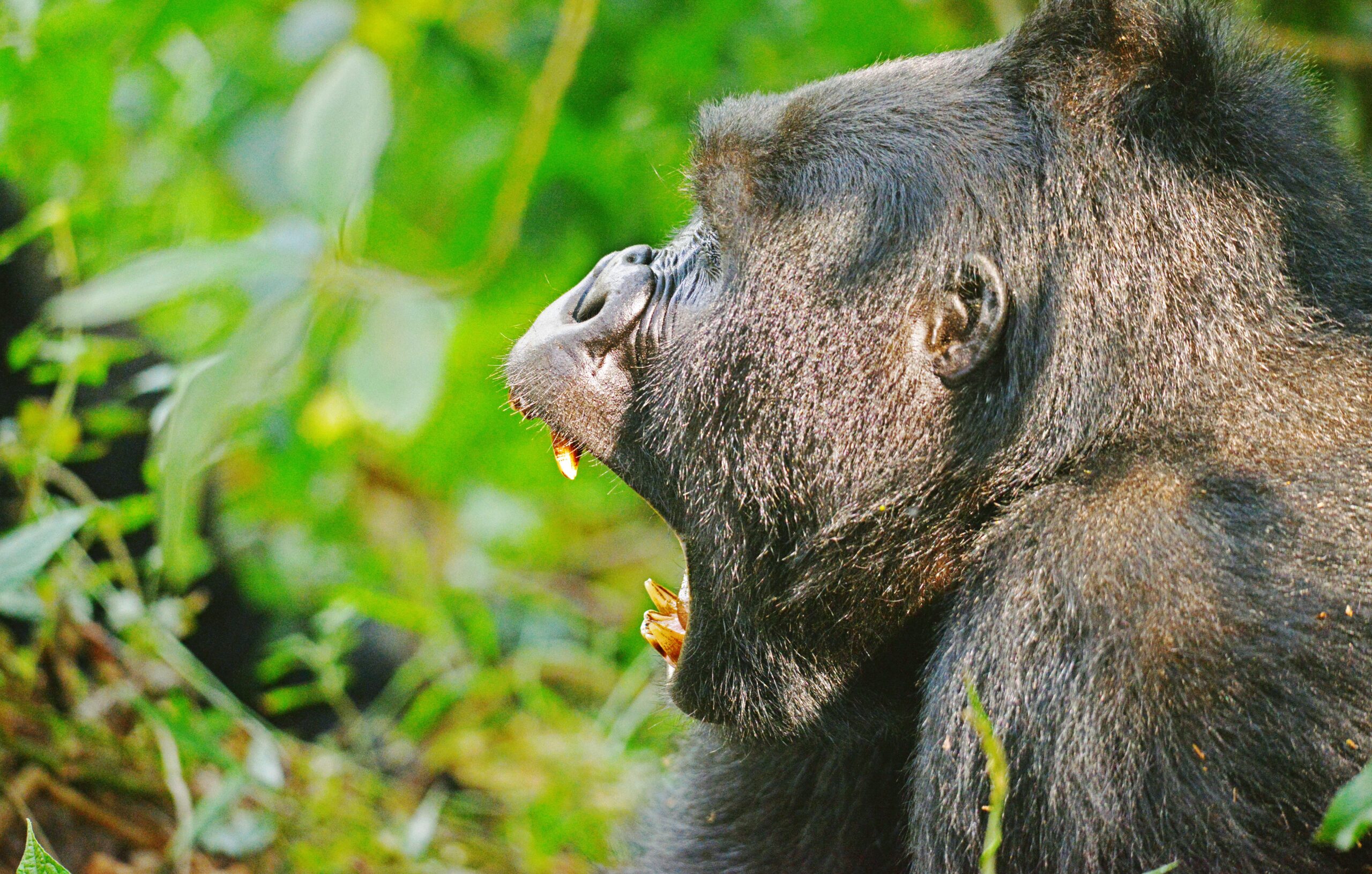
How Gorilla Tracking Tourism Supports Conservation in Rwanda
November 11, 2026
How Local Communities Benefit from Gorilla Tourism
November 11, 2026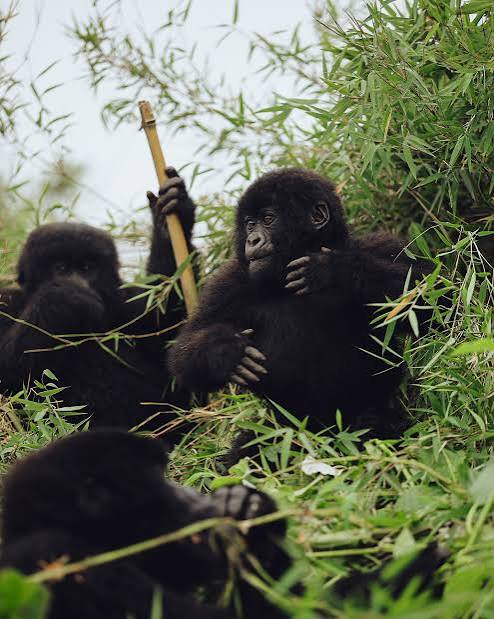
Mountain gorillas are among the world’s most remarkable wildlife species. They live in the high-altitude forests of Central Africa, where they depend on natural vegetation for food, shelter and survival. However, protecting these animals requires more than preventing poaching. It also requires protecting the forests and landscapes they call home.
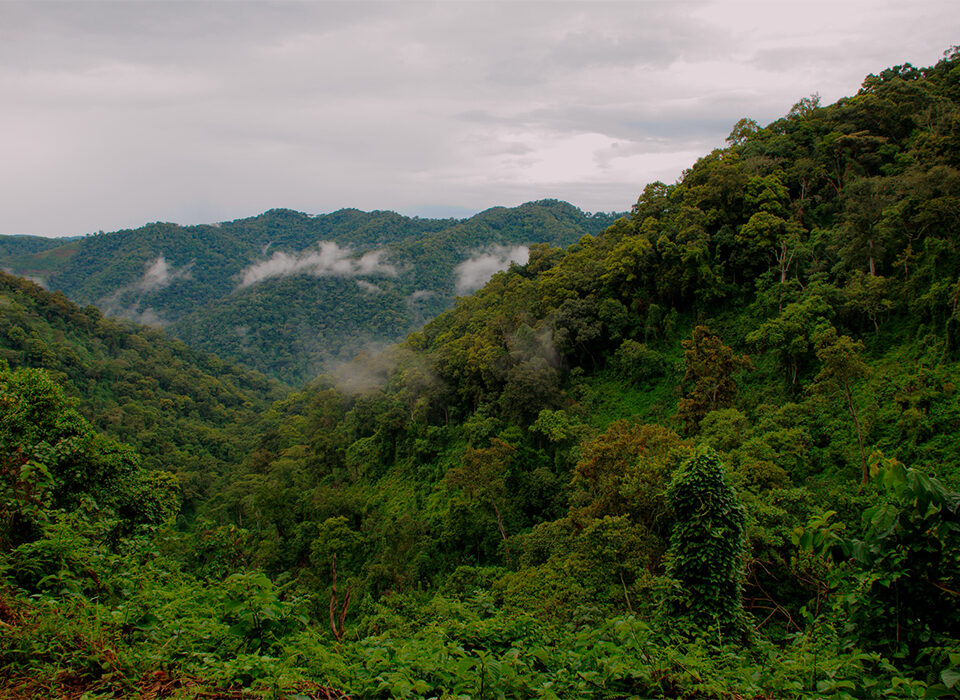
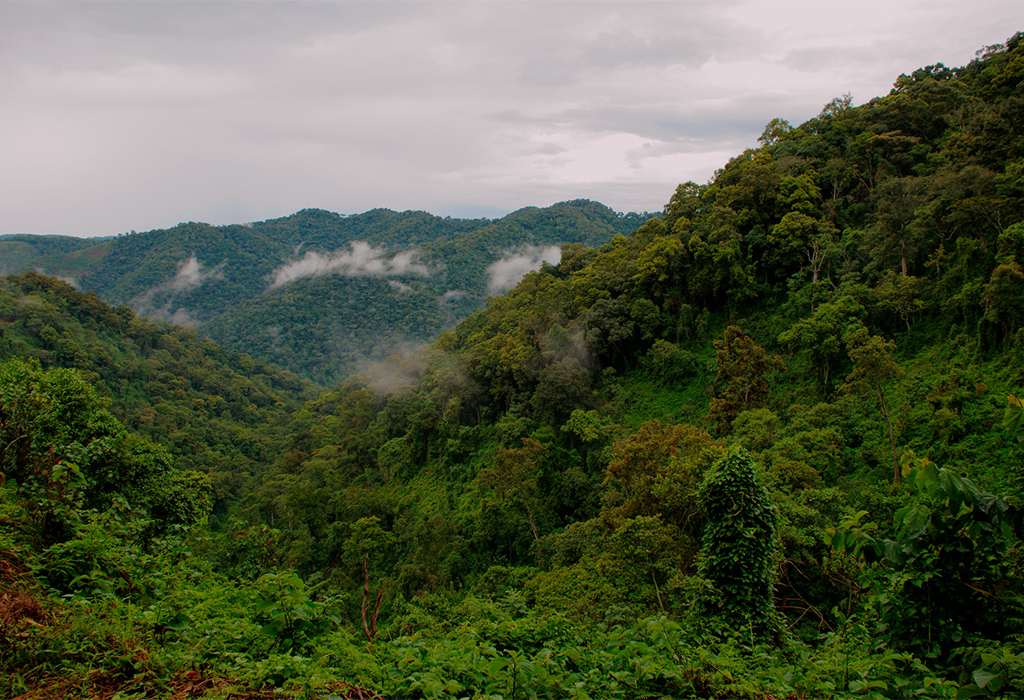
In Rwanda, Volcanoes National Park provides essential habitat for mountain gorillas. Its forests form part of the wider Virunga mountain ecosystem, which extends across Rwanda, Uganda and the Democratic Republic of Congo. These forests support wildlife, protect biodiversity and provide important environmental benefits.
Despite progress in gorilla conservation, habitat protection remains essential. Growing pressure on land, human-wildlife conflict and the need for sustainable livelihoods can affect the environment around protected areas. Therefore, conservation efforts must protect gorillas while also considering the needs of nearby communities.
At Safari O’clock, we believe that understanding wildlife conservation makes a gorilla tracking experience more meaningful. Visitors should learn not only about the animals they hope to see, but also about the habitats that allow them to survive. This guide explains why mountain gorilla habitat protection matters in Rwanda and what responsible tourism can do to support it.
What Is Mountain Gorilla Habitat Protection?
Mountain gorilla habitat protection means safeguarding the natural environment that these animals need to survive. It includes protecting forests, maintaining suitable feeding areas, reducing habitat destruction and managing human activities around protected areas.
Mountain gorillas live in high-altitude forests and other vegetation zones within the Virunga mountains and the Bwindi-Sarambwe region. These habitats provide leaves, stems, shoots and other plant foods. They also offer places to rest, build sleeping nests and raise young.
However, a suitable habitat needs more than trees. Gorillas require enough space to find food and move through their environment. They also need conditions that support healthy social groups and reduce unnecessary contact with people.
Habitat protection therefore involves several activities. Conservation teams monitor wildlife, manage protected areas and respond to threats. Authorities also work with communities to reduce pressure on forests and encourage sustainable land use.
In Rwanda, Volcanoes National Park plays a central role in protecting mountain gorilla habitat. The park also supports other wildlife and valuable mountain ecosystems. Protecting this landscape helps conserve more than one species.
1. Mountain Gorilla Habitat Protection Helps Gorillas Find Food
One of the most important reasons to protect mountain gorilla habitat is to maintain a reliable supply of natural food. Mountain gorillas feed on a variety of plant materials, including leaves, stems, shoots and other vegetation. The plants available to them depend on the location, altitude and season.
Healthy habitat allows gorillas to find food as they move through the forest. When suitable vegetation becomes damaged or unavailable, they may need to travel farther to meet their needs. This can increase pressure on the remaining feeding areas.
Habitat loss can also bring gorillas closer to farms and settlements. When wildlife moves beyond protected areas, it may encounter crops, people and domestic animals. These interactions can create conflict between local communities and conservation authorities.
Protecting natural vegetation helps reduce these pressures. It also allows gorillas to follow their normal feeding patterns within suitable habitat.
For visitors planning a gorilla tracking safari with Safari O’clock, this highlights an important point. Seeing gorillas feeding peacefully in the forest depends on the long-term protection of the plants and landscapes around them.
2. Mountain Gorilla Habitat Protection Provides Space for Families
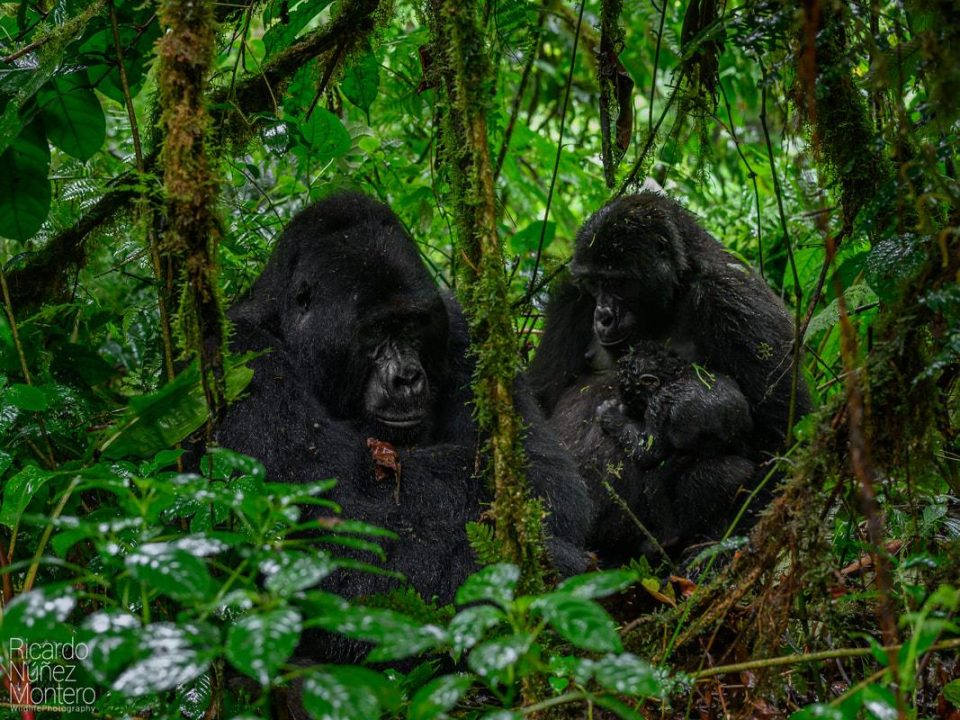
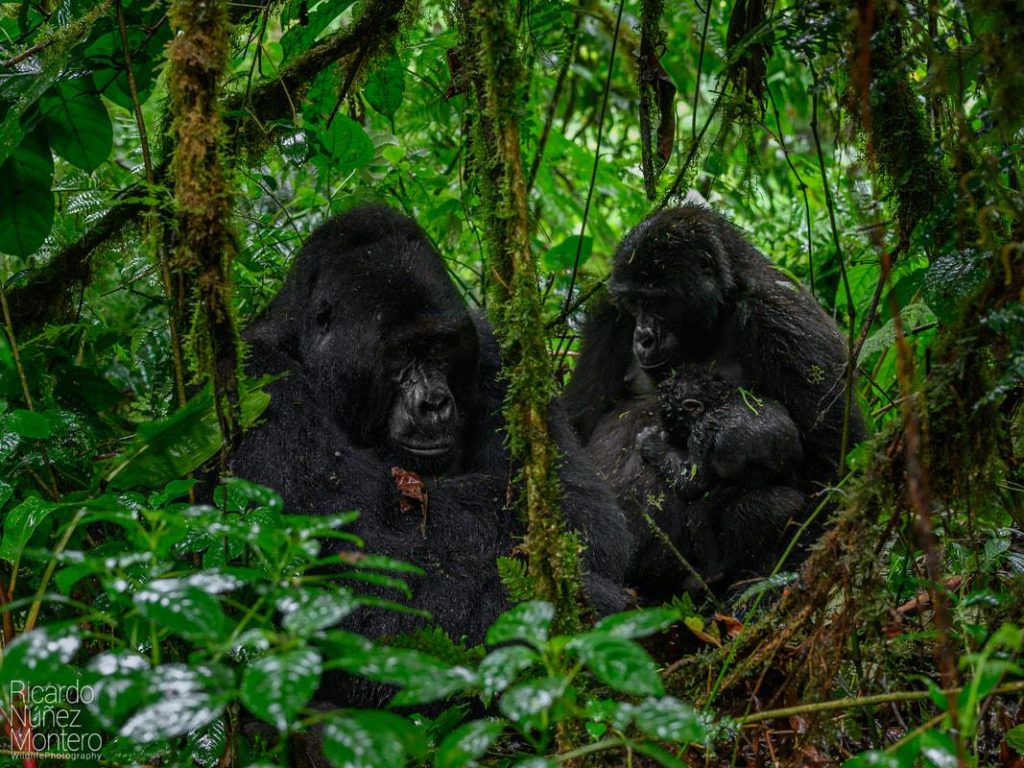
Mountain gorillas live in social groups. These groups often include a dominant silverback, adult females, young gorillas and infants. Their daily lives involve feeding, resting, travelling and interacting with other group members.
To maintain these activities, gorillas need enough suitable habitat. They must be able to move between feeding areas and find safe places to rest. They also need space to maintain their social relationships and raise their young.
When habitat becomes fragmented, movement can become more difficult. Roads, farms, settlements and other forms of development may interrupt natural areas. As a result, gorillas can face greater pressure when searching for food or moving through their environment.
Protecting connected areas of suitable habitat helps reduce these problems. It supports natural movement and gives wildlife a better chance of meeting its needs.
Rwanda has recognised the importance of creating more space for wildlife. In 2026, the Rwanda Development Board reported plans to expand Volcanoes National Park by approximately 3,740 hectares and establish about 6,620 hectares of buffer zones. These plans form part of wider efforts to improve habitat and support communities living near the park.
Habitat expansion requires careful planning. Authorities must consider land use, community needs and the long-term management of the protected area. Nevertheless, creating suitable space for wildlife remains an important conservation goal.
3. Mountain Gorilla Habitat Protection Preserves Biodiversity
Mountain gorillas are not the only species that benefit from healthy forests. Volcanoes National Park supports a wider range of plants, animals and other living organisms.
Protecting gorilla habitat therefore helps preserve biodiversity. Biodiversity refers to the variety of life within an area, including different species, their genetic diversity and the ecosystems in which they live.
The forests of the Virunga mountains provide habitat for other mammals, birds, insects and plant species. Some of these organisms may depend on particular vegetation zones or environmental condition