- DIRECT CONTACTS:
- +256394517569
- tours@safarioclock.africa
How Tourism Can Help Fund Protected Areas
Why Forest Restoration Matters Around Gorilla Habitat
November 11, 2026
How to Choose a Responsible Rwanda Gorilla Tracking Operator
November 11, 2026
Protected areas play an important role in protecting wildlife, forests, wetlands and other natural environments. However, managing these places requires money, skilled workers and long-term planning. Park authorities need resources to monitor wildlife, maintain facilities, prevent illegal activities and protect habitats. Tourism can help provide some of this funding.
When visitors travel to national parks, they spend money on entrance fees, permits, accommodation, transport and guided activities. Some of this money can support conservation directly. Other spending benefits local businesses and communities, helping build economic support for protecting nature.
In Rwanda and Uganda, nature-based tourism creates opportunities to connect wildlife conservation with local development. Visitors travel to see mountain gorillas, chimpanzees, elephants, birds and beautiful landscapes. Their visits can generate income that helps sustain protected areas and the people living around them.
However, tourism does not automatically guarantee conservation success. The benefits depend on how authorities collect, manage and distribute the money. Responsible planning is essential to ensure that tourism protects the natural attractions on which it depends.
At Safari O’clock, we believe that understanding the connection between tourism and conservation makes every wildlife journey more meaningful. When travellers understand how tourism can help fund protected areas, they can make more informed choices and appreciate the work behind every conservation experience.
What Does It Mean to Fund Protected Areas?
Funding protected areas means providing the money needed to manage and conserve places set aside for nature. These places may include national parks, wildlife reserves, marine protected areas and forest reserves.
Park authorities require financial resources to carry out many activities. For example, rangers patrol protected areas, monitor wildlife and respond to threats. Conservation teams may also restore damaged habitats, control invasive species and collect scientific data. In addition, parks need visitor facilities, roads, communication systems and safety equipment.
Some protected areas receive government funding. Others rely on grants, donations, conservation partnerships and income generated through tourism. Many combine several sources because no single funding stream can meet every conservation need.
Tourism offers an important opportunity to generate income from natural attractions. Visitors pay to experience landscapes and wildlife, while park managers can use tourism revenue to support management activities where the relevant financial arrangements allow.
According to the World Bank, entrance fees are among the most common sources of income for protected and conserved areas. The organisation also highlights the importance of designing fees and revenue systems that support conservation and local development.
Therefore, tourism funding is not simply about bringing more visitors into a park. It is about managing tourism in a way that creates reliable financial support while protecting the environment.
How Tourism Fees Help Fund Protected Areas
One of the most direct ways tourism supports conservation is through fees charged to visitors. Depending on the destination, these may include park entrance fees, gorilla permits, trekking permits, camping fees and payments for authorised activities.
These charges help generate income from the use of protected natural areas. However, the amount collected and the way authorities spend it vary by country, park and management system.
Park Entrance Fees Fund Protected Areas
Visitors often pay an entrance fee before entering a national park or wildlife reserve. These payments can contribute to the management of the protected area.
For example, park authorities may use tourism revenue to support ranger operations, visitor safety, environmental monitoring and the maintenance of facilities. They may also invest in equipment needed to manage tourism and protect wildlife.
The exact allocation depends on the park’s budget and financial rules. In some systems, authorities retain revenue for the park. In others, income goes into a wider national budget that supports several protected areas.
This distinction matters because collecting fees does not automatically mean that every payment goes directly to the specific park a visitor enters.
Nevertheless, well-designed entrance fee systems can provide an important source of conservation funding. The World Bank notes that authorities should review fees carefully and balance revenue generation with visitor management and environmental protection.
For travellers visiting Rwanda or Uganda, paying the required park fees contributes to the formal system that manages access to these natural environments.
Gorilla Permits Help Support Conservation Systems
Mountain gorilla trekking is a major wildlife tourism activity in Rwanda and Uganda. Visitors must obtain the appropriate permit to participate in regulated gorilla trekking experiences.
Gorilla permits provide revenue within the tourism and protected-area management systems. These systems support the wider work needed to maintain gorilla tourism and conserve their habitats.
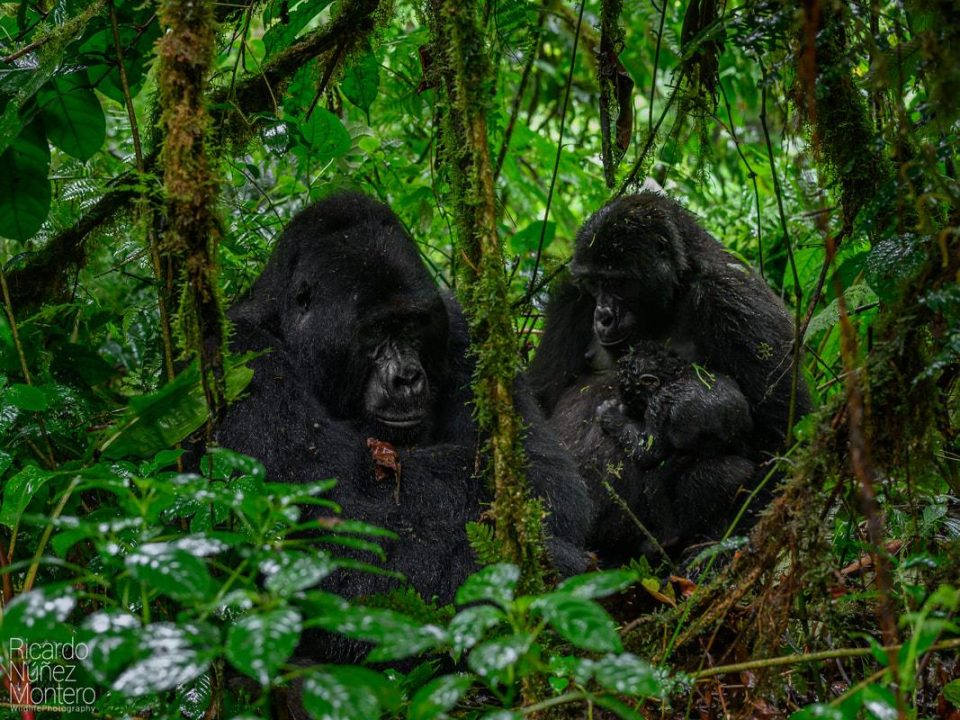
Mountain gorillas live in forests that require ongoing protection. Conservation efforts include monitoring gorilla groups, training and equipping field teams, managing visitor access and reducing threats to the animals.
However, it is important not to assume that every dollar or shilling from a gorilla permit pays for one specific activity. Authorities manage revenue according to their financial policies and operational priorities.
Gorilla tourism can also generate wider economic benefits. Visitors need accommodation, transport, food, guiding services and other travel arrangements. These purchases create opportunities for businesses and workers in surrounding communities.
At Safari O’clock, we encourage travellers to understand the conservation responsibilities behind gorilla trekking. A permit provides authorised access to a carefully managed wildlife experience, while the wider tourism system can help support the destination’s economy and conservation work.
How Tourism Can Fund Protected Areas in Uganda
Uganda offers important examples of how nature-based tourism can support protected areas and local economies. The country attracts visitors to national parks, forests, wetlands and wildlife destinations.
Bwindi Impenetrable National Park is especially well known for mountain gorilla trekking. Queen Elizabeth National Park, Murchison Falls National Park and Kibale National Park also attract visitors interested in wildlife and nature.
Tourism generates income through park fees, permits and related visitor spending. Depending on the financial arrangements, park revenue can contribute to conservation operations and the wider management of protected areas.
Tourism Revenue Supports Uganda’s National Parks
Managing a national park involves many expenses. Authorities need staff, equipment, transport, communication systems and facilities to support daily operations.
Revenue from park visits can help meet some of these costs. For example, protected-area managers need resources to monitor wildlife, maintain visitor access and respond to conservation threats.
A World Bank study on nature-based tourism in Uganda examined how tourist spending affects local economies. It found that spending associated with Queen Elizabeth National Park can generate wider income benefits for surrounding communities.
The study estimated that each tourist dollar generated an increase of approximately US$2.03 in local incomes around Queen Elizabeth National Park under its model. This figure reflects estimated local economic effects, not money paid directly into the park’s conservation budget.
That distinction is important. Tourism creates both direct revenue for management systems and indirect benefits through local businesses and household spending.
Together, these effects show why protected areas can be valuable to both conservation and economic development.
Tourism Revenue Can Benefit Communities Around Bwindi
Communities around Bwindi Impenetrable National Park live near a globally important mountain gorilla habitat. Tourism creates opportunities for local guides, accommodation providers, transport operators, craft makers and other businesses.
The World Bank’s research on Uganda’s nature-based tourism also examined the wider economic benefits associated with Bwindi. Its analysis reported substantial economic benefits from tourism compared with the park’s operating budget.
These figures illustrate the potential value of tourism, but they should not be confused with the park’s direct income or the amount available for conservation spending.
Community revenue-sharing arrangements can provide another link between tourism and local development. Uganda Wildlife Authority operates a revenue-sharing programme under which a portion of revenue from protected areas supports eligible community projects. The precise arrangements and allocations depend on the applicable policies.
Such projects can support services and development priorities in communities neighbouring protected areas. When local people see practical benefits from conservation, tourism may help strengthen their support for protecting wildlife and natural habitats.
For Safari O’clock travellers, this is an important part of the story. A gorilla trekking trip is not only about seeing gorillas. It also takes place within a wider system involving park management, local businesses and surrounding communities.
How Tourism Helps Fund Protected Areas in Rwanda
Rwanda has developed a strong international reputation for mountain gorilla tourism. Volcanoes National Park attracts visitors who want to experience the country’s mountain forests and observe gorillas under regulated conditions.
Tourism contributes to Rwanda’s economy through permits, accommodation, transport and other services. The country has also established mechanisms to share some tourism revenue with communities living around its national parks.
These approaches recognise that protected areas need funding and that neighbouring communities should have opportunities to benefit from conservation-related economic activity.
Rwanda’s Tourism Revenue-Sharing Programme
Rwanda operates a tourism revenue-sharing programme that directs a portion of national park tourism revenue towards community development around protected areas.
The Rwanda Development Board has reported that the programme reinvests 10% of tourism revenue generated by national parks in surrounding communities. According to its August 2026 announcement, the programme had supported nearly 1,300 projects and channelled more than RWF 23 billion into communities over the preceding 20 years.
Supported priorities have included education, healthcare, water access and livelihoods. These projects demonstrate how tourism income can help communities receive tangible benefits from nearby protected areas.
Revenue-sharing programmes can also help strengthen relationships between communities and conservation authorities. When local people benefit from tourism, they may have greater incentives to support the protection of wildlife and natural resources.
However, revenue sharing does not remove every challenge. Communities may have different needs, and benefits may not reach every household equally. Authorities must therefore use transparent processes and consider local priorities when allocating funds.
Safari O’clock recognises that community participation is an important part of responsible tourism. Protecting wildlife becomes more sustainable when conservation planning also respects the needs and aspirations of people living near protected areas.
Tourism Can Support Wildlife Protection and Habitat Management
Tourism revenue can help sustain the broader systems needed to manage Rwanda’s protected areas. These systems may include wildlife monitoring, ranger operations, habitat management and visitor services.
Protected areas need regular attention even when tourists are not present. Rangers and conservation teams continue their work throughout the year, monitoring wildlife and responding to threats.
Tourism income can help support this work when the relevant financial arrangements direct funds towards park management. Government budgets, conservation partnerships and other sources may provide additional support.
Rwanda’s experience also illustrates the importance of connecting conservation with community development. When tourism revenue supports local priorities, it can help build stronger relationships between protected areas and the communities that surround them.
Still, tourism should not be treated as a complete solution to conservation financing. Visitor numbers can fluctuate, and parks need funding for essential work even during difficult tourism periods.
A balanced approach combines tourism revenue with other sources of financial support.
How Tourism Spending Supports Protected Areas Beyond Park Fees
Not every conservation benefit comes from a payment made at a park gate. Visitors also spend money on accommodation, transport, meals, guiding services and locally produced goods.
This spending supports the businesses that make tourism possible. As those businesses earn income, they may hire workers, purchase supplies and pay for services from other local enterprises.
The World Bank describes these effects as part of tourism’s wider economic impact. Its research shows that tourist spending can stimulate additional economic activity beyond the initial transaction.
Accommodation and Transport Create Local Income
Visitors travelling to gorilla destinations often need accommodation before and after their trek. They may also hire drivers, use local guides, buy meals and purchase supplies.
These activities create business opportunities for people living near tourism destinations. Hotels and lodges employ staff, while transport companies need drivers and maintenance services. Restaurants purchase food, and shops sell goods to visitors.
Not all this money goes directly to conservation. Nevertheless, tourism can strengthen local economies and create jobs linked to healthy natural environments.
Businesses may also contribute to conservation through voluntary donations, formal partnerships, responsible sourcing or participation in community projects. These contributions are separate from mandatory park fees and should be described accurately.
For example, a lodge might support a community tree-planting initiative or purchase produce from local farmers. Such activities can strengthen the relationship between tourism and conservation when they meet genuine local needs.
At Safari O’clock, we encourage travellers to consider the wider impact of their spending. Choosing responsible local services can help keep more tourism income within the destination.
Local Tourism Businesses Can Support Conservation
Tour operators, accommodation providers and other tourism businesses depend on the natural attractions that bring visitors to a destination. Healthy forests, wildlife and landscapes help sustain the experiences they sell.
Businesses can support conservation in several ways. They can follow environmental regulations, reduce waste, use resources responsibly and educate clients about protected-area rules.
Some businesses also support conservation organisations or community initiatives through donations and partnerships. However, such support should be based on clear commitments rather than vague environmental claims.
Tour operators can help by explaining why visitors must follow wildlife viewing rules, respect local cultures and avoid damaging natural habitats.
Safari O’clock can contribute to responsible tourism by helping travellers understand destination requirements and encouraging respectful behaviour during wildlife experiences.
These efforts do not replace the responsibilities of governments and park authorities. Instead, they complement formal conservation systems and help create a tourism industry that values the natural places on which it depends.
How Tourism Funding Supports Rangers and Wildlife Monitoring
Rangers play an essential role in many protected areas. Their responsibilities can include patrolling, observing wildlife, reporting illegal activities and helping visitors follow park regulations.
Protected-area authorities also need reliable information about wildlife populations and habitat conditions. Researchers and monitoring teams collect data that helps managers understand ecological changes and make informed decisions.
These activities require trained personnel, transport, equipment, communication systems and other resources. Tourism revenue may help fund some of these needs when authorities allocate funds to park operations.
Tourism Can Help Resource Ranger Operations
Ranger teams need practical tools to carry out their duties. Depending on the protected area, these may include uniforms, radios, transport, field equipment and training.
They also need resources to patrol large or difficult landscapes. In some places, teams work in remote forests or mountainous terrain where reaching certain areas takes time and effort.
Funding helps authorities maintain these operations. However, the exact contribution from tourism depends on each park’s financial arrangements.
Effective ranger work supports more than visitor safety. It can also help detect illegal activities, monitor habitat conditions and respond to threats affecting wildlife.
For visitors, these activities are often less visible than a guided wildlife encounter. Yet they form part of the work that keeps protected areas functioning.
Tourism Can Help Support Conservation Research
Research helps conservation teams understand wildlife behaviour, population trends, disease risks and habitat changes. This information can guide decisions about protecting species and managing tourism.
Research programmes may need funding for fieldwork, equipment, data collection and collaboration among scientists and park authorities.
Tourism revenue can contribute to wider conservation budgets, while research organisations may rely on grants, universities and dedicated conservation funding. Therefore, not every study in a tourist destination is financed by visitor payments.
In mountain gorilla habitats, scientific monitoring helps conservationists understand the needs of gorillas and the pressures affecting their environment.
Tourism supports the wider conservation system when it helps maintain the protected areas, staff and management structures that make research and monitoring possible.
Safari O’clock encourages travellers to recognise that conservation includes both visible activities, such as guided treks, and less visible work, such as monitoring, research and habitat protection.
Can Tourism Funding Help Restore Forests and Habitats?
Protected areas need healthy ecosystems to support wildlife. However, forests and other habitats can suffer from invasive species, erosion, human pressure and environmental changes.
Restoring damaged areas can involve planting appropriate native vegetation, protecting natural regeneration and improving degraded landscapes. Such work requires planning, suitable materials, trained workers and ongoing monitoring.
Tourism revenue may contribute to restoration when park authorities or conservation partners allocate funds to habitat management. Other restoration projects receive support from governments, charities, development agencies and private donors.
Tourism Can Help Finance Habitat Restoration
A restoration project may need money to assess the site, select suitable native species, prepare the land and care for young plants. Teams may also need to monitor plant survival and check whether the habitat is recovering.
Tourism can help provide resources for this work when restoration forms part of an approved conservation budget or partnership.
However, restoration should not be measured only by the number of trees planted. Managers also need to consider plant survival, species diversity, soil conditions and the recovery of ecological functions.
In gorilla habitats, these considerations are particularly important because mountain gorillas depend on healthy forest vegetation for food and shelter.
Tourism can contribute to the wider system that protects these forests. Nevertheless, travellers should not assume that their permit or tour payment automatically funds a particular tree-planting project.
Safari O’clock encourages visitors to seek clear information about conservation initiatives and to support credible projects when they wish to make an additional contribution.
Why Tourism Must Be Managed Responsibly
Tourism can generate valuable conservation income, but poorly managed tourism can also damage the places it depends on. Too many visitors may create pressure on fragile habitats, while waste, noise and unsuitable infrastructure can affect wildlife and local communities.
For this reason, protected-area managers must balance tourism revenue with environmental protection. They may use visitor limits, designated trails, booking systems and rules for wildlife encounters to reduce harmful impacts.
In mountain gorilla destinations, strict trekking rules help control how visitors approach gorilla groups. These rules reduce disturbance and help manage the risks associated with close contact between humans and wildlife.
Tourism planning should also consider water use, waste management, energy consumption and the impact of new accommodation or transport infrastructure.
Conservation Funding Needs Transparent Management
Collecting tourism revenue is only one part of effective conservation financing. Authorities also need clear budgets, sound financial controls and transparent reporting.
These measures help decision-makers understand how much money comes in, where it goes and whether spending supports agreed priorities.
Transparency is especially important when a programme shares revenue with local communities. People need to understand how projects are selected, how funds are allocated and how results are measured.
Strong management can also help protect conservation funding during periods of low visitor numbers. Depending on the destination, authorities may combine tourism income with government allocations, grants, donations and other funding sources.
The World Bank highlights the importance of reviewing entrance fee systems and considering how revenue can support conservation and local development.
For Safari O’clock travellers, the lesson is simple: responsible tourism depends not only on the money visitors spend, but also on how the destination manages that money.
What Happens When Tourism Revenue Falls?
Tourism can be affected by economic downturns, disease outbreaks, travel restrictions, insecurity and other unexpected events. When visitor numbers decline, destinations may lose income from permits, accommodation and related services.
This can create financial pressure for protected-area management and businesses that depend on tourism. Some conservation activities still need to continue even when fewer visitors arrive.
Rangers must still monitor wildlife. Protected areas still need maintenance, and conservation teams may need to respond to illegal activities or ecological threats.
The experience of the COVID-19 pandemic highlighted the vulnerability of destinations that rely heavily on tourism. It also reinforced the need to build more resilient conservation financing systems.
Protected Areas Need Diverse Funding Sources
A reliable conservation budget should not depend entirely on one source of income. Governments, tourism revenue, grants, donations and conservation partnerships can each play a role.
The right mix depends on the country’s policies, the park’s financial needs and the conservation priorities involved.
Some protected areas may also explore carefully managed concessions, sustainable business partnerships or payments for ecosystem services. These options require appropriate safeguards to ensure that income generation does not undermine conservation goals.
Diversifying funding can help managers maintain essential activities when visitor numbers change. It also allows protected areas to plan for long-term needs rather than focusing only on immediate tourism income.
Tourism remains valuable, but it works best as part of a broader conservation financing strategy.
How Travellers Can Help Fund Protected Areas Responsibly
Travellers can support conservation through informed decisions before and during their trips. Paying required park fees and permits contributes to formal tourism systems. Choosing responsible operators and supporting local businesses can also help destinations retain economic benefits.
However, travellers should look beyond marketing claims. A company may describe a trip as sustainable without explaining how it supports conservation or local communities.
As a result, asking clear questions can help visitors make better choices.
Choose Responsible Tourism Operators
Before booking a wildlife trip, travellers can ask how an operator follows park regulations, works with local service providers and communicates conservation information.
They can also look for evidence of responsible business practices. These may include transparent pricing, respect for wildlife rules, fair treatment of workers and cooperation with authorised local guides.
At Safari O’clock, we believe that informed travel planning helps visitors understand the responsibilities involved in wildlife tourism. Our aim is to help travellers prepare for meaningful experiences while respecting the destinations they visit.
Visitors should also follow their guide’s instructions, avoid leaving litter and respect local customs. These actions help reduce negative impacts during their journey.
Support Local Communities and Credible Conservation Projects
Travellers can support local businesses by choosing locally owned services, purchasing authentic crafts and using authorised guides where available.
They may also choose to donate to a credible conservation organisation or support a clearly described community project. Before donating, they should check who manages the project, how contributions are used and whether it reports its results.
Additional donations are different from required park fees. Visitors should not assume that paying for a tour automatically funds every conservation activity associated with the destination.
Responsible spending can nevertheless strengthen the economic links between tourism, local livelihoods and conservation.
Safari O’clock encourages travellers to explore Rwanda and Uganda with respect for wildlife, natural habitats and the people who live near protected areas.
The Future of Tourism as a Source of Conservation Funding
Tourism has the potential to provide valuable support for protected areas. Entrance fees and permits can generate direct income, while visitor spending supports jobs and businesses around natural destinations.
Examples from Uganda and Rwanda demonstrate how tourism can contribute to conservation systems and community development. Uganda’s national parks generate economic activity around wildlife destinations, while Rwanda’s tourism revenue-sharing programme provides a formal way to direct part of park tourism revenue towards surrounding communities.
Still, long-term conservation requires more than attracting visitors. Park authorities need reliable budgets, trained staff, scientific information and effective partnerships. They must also manage tourism carefully to protect the natural environments that attract travellers.
Communities need opportunities to participate in conservation and receive fair benefits. Meanwhile, tourism businesses must operate responsibly and communicate their contributions honestly.
For Safari O’clock, responsible travel means helping visitors understand the full value of the places they explore. When tourism is well planned and fairly managed, it can help support wildlife protection, local livelihoods and the future of protected areas.
Conclusion: Tourism Can Help Fund Protected Areas
Tourism can help fund protected areas through entrance fees, permits, concessions and other carefully managed revenue systems. It can also support local economies by creating jobs and generating demand for transport, accommodation, food and other services.
In Uganda, tourism contributes to the economic value of destinations such as Bwindi Impenetrable National Park and Queen Elizabeth National Park. In Rwanda, tourism revenue sharing provides a practical example of how part of the income generated by national parks can benefit surrounding communities.
However, tourism alone cannot meet every conservation need. Protected areas require transparent financial management, responsible visitor policies and additional sources of funding to remain resilient.
Travellers also have a role to play. By following park rules, choosing responsible services and supporting local communities, they can help create a tourism industry that values nature.
Safari O’clock invites travellers to discover Rwanda and Uganda responsibly and appreciate the conservation work behind every wildlife experience. Protecting natural areas benefits wildlife, communities and future generations. When tourism revenue is managed well, travel can become an important part of that effort.