- DIRECT CONTACTS:
- +256394517569
- tours@safarioclock.africa

How Conservation Education Can Enrich a Gorilla Trek

How Community-Owned Tourism Can Support Local Livelihoods
November 11, 2026
How Rwanda’s Gorilla Conservation Story Has Evolved
November 11, 2026
A mountain gorilla trek is more than a walk through a beautiful forest. It is an opportunity to experience wildlife in its natural environment and understand why protecting it matters. For many travellers, seeing mountain gorillas in Rwanda or Uganda is a lifelong dream. However, the experience becomes even more meaningful when visitors learn about the animals, their habitat, and the conservation work that protects them.
This is where conservation education makes a difference. It helps visitors understand what happens beyond the excitement of meeting a gorilla family. Travellers learn about the challenges facing mountain gorillas, the role of local communities, and the importance of following responsible tourism practices. As a result, they leave the forest with more than photographs and memories.
At Safari O’clock, we believe that an informed traveller can enjoy a more meaningful wildlife experience. Understanding conservation also helps visitors appreciate the work of park authorities, guides, researchers, and communities who contribute to protecting these remarkable animals.
What Is Conservation Education During Gorilla Trekking?
Conservation education involves sharing knowledge about wildlife, natural habitats, environmental challenges, and practical ways to protect nature. During a gorilla trek, it helps visitors understand the relationship between mountain gorillas, their forest home, and the people who live nearby.
This learning can begin before visitors enter the national park. Tour operators, park staff, and guides can explain the importance of mountain gorilla protection. They can also introduce visitors to the rules that govern gorilla encounters. These lessons prepare travellers to behave responsibly throughout the experience.
For example, visitors may learn why they must maintain the required distance from gorillas. They may also discover why guides discourage loud conversations, touching, feeding, and flash photography. These instructions are not simply restrictions. They help reduce disturbance and protect gorilla health.
The International Gorilla Conservation Programme (IGCP) promotes responsible tourism practices that minimise disruption to mountain gorillas and reduce disease transmission risks. Its work also includes community engagement, environmental education, and conservation science. These activities show that education plays an important role in protecting gorillas and their habitat.
How Conservation Education Prepares Visitors Before a Gorilla Trek
A successful gorilla trekking experience begins with preparation. Visitors who understand the purpose of the park rules are more likely to follow them. Therefore, conservation education before the trek helps travellers approach the experience with respect and realistic expectations.
Understanding Gorilla Trekking Rules Through Conservation Education
Before entering the forest, visitors receive guidance from park staff. The briefing explains how to behave around mountain gorillas and what to expect during the trek. However, understanding the reasons behind each rule makes the instructions more meaningful.
For instance, visitors learn that mountain gorillas can be vulnerable to human diseases. Therefore, anyone who feels unwell should report their condition and follow the park authority’s health instructions. Visitors also learn to avoid direct contact with gorillas and to respect the viewing distance set by the park.
Other instructions include keeping voices low, avoiding sudden movements, and following the guide throughout the trek. Visitors must also avoid littering and damaging vegetation. These simple actions help protect the forest and reduce unnecessary disturbance.
Safari O’clock can help travellers prepare by explaining responsible trekking expectations before their journey. When visitors understand these guidelines early, they can arrive ready to participate responsibly.
Learning What to Expect in the Forest
Conservation education also helps visitors understand the nature of the trekking experience. Mountain gorillas live in forest habitats with thick vegetation, steep slopes, and changing weather conditions. Finding a gorilla family may involve walking for several hours, depending on its location and movement.
During the preparation process, visitors can learn about the importance of following their guide’s instructions. They can also understand why trackers and rangers work together to locate and monitor gorilla groups.
This knowledge helps travellers appreciate the effort behind every encounter. Instead of viewing the trek as a simple sightseeing activity, they begin to recognise it as a carefully managed wildlife experience.
How Conservation Education Helps Visitors Understand Mountain Gorillas
Meeting mountain gorillas in the wild can be an emotional experience. However, learning about their behaviour and social lives adds another level of appreciation. Visitors begin to recognise that these animals are not simply tourist attractions. They are intelligent, social wildlife with complex relationships and natural needs.
Learning About Gorilla Families and Social Behaviour
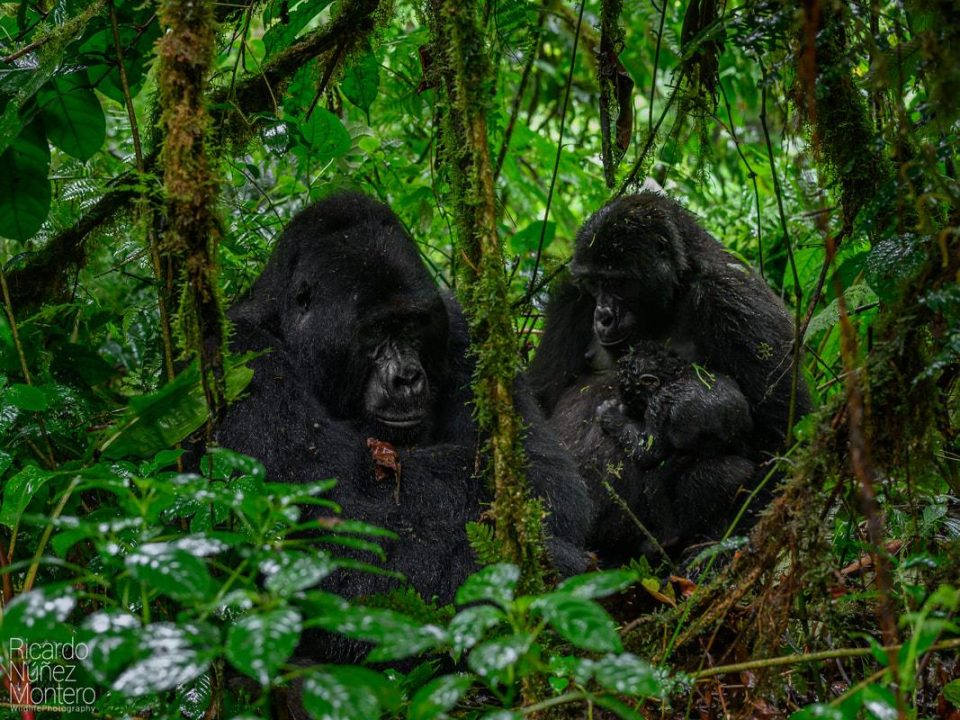
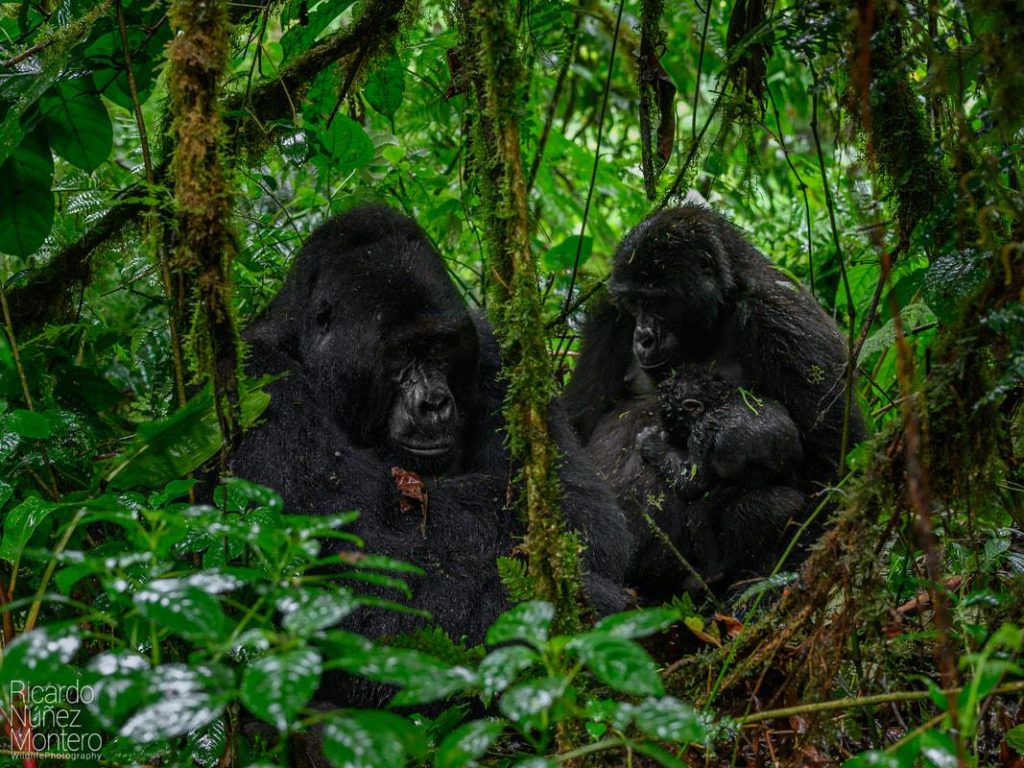
Mountain gorillas live in social groups that usually include a dominant silverback, adult females, younger males, and infants. The silverback often plays an important leadership role. He helps guide the group and responds to potential threats.
During a trek, visitors may observe gorillas feeding, resting, grooming, playing, or caring for their young. A knowledgeable guide can explain some of these behaviours while ensuring that the group does not disturb the animals.
For example, a mother caring for her infant offers visitors a glimpse into the strong family relationships within a gorilla group. Similarly, observing a silverback can help visitors understand his role in the group’s social structure.
These explanations turn a brief wildlife encounter into a learning experience. Visitors begin to appreciate the importance of allowing gorillas to behave naturally without human interference.
Understanding Why Mountain Gorillas Need Protection
Mountain gorillas have faced several threats over the years. These include habitat loss, human-wildlife conflict, disease, and illegal activities such as poaching. Although conservation efforts have supported their recovery, the species still requires careful protection.
According to the World Wide Fund for Nature (WWF), habitat loss and degradation remain important challenges for mountain gorillas. Human activities around protected forests can also increase pressure on their habitat. Conservation programmes therefore work with communities and park authorities to address these challenges.
When visitors learn about these threats, they understand why conservation cannot stop after a successful trek. Protecting mountain gorillas requires long-term commitment, responsible tourism, scientific research, and cooperation with surrounding communities.
How Conservation Education Explains the Importance of the Gorilla Habitat
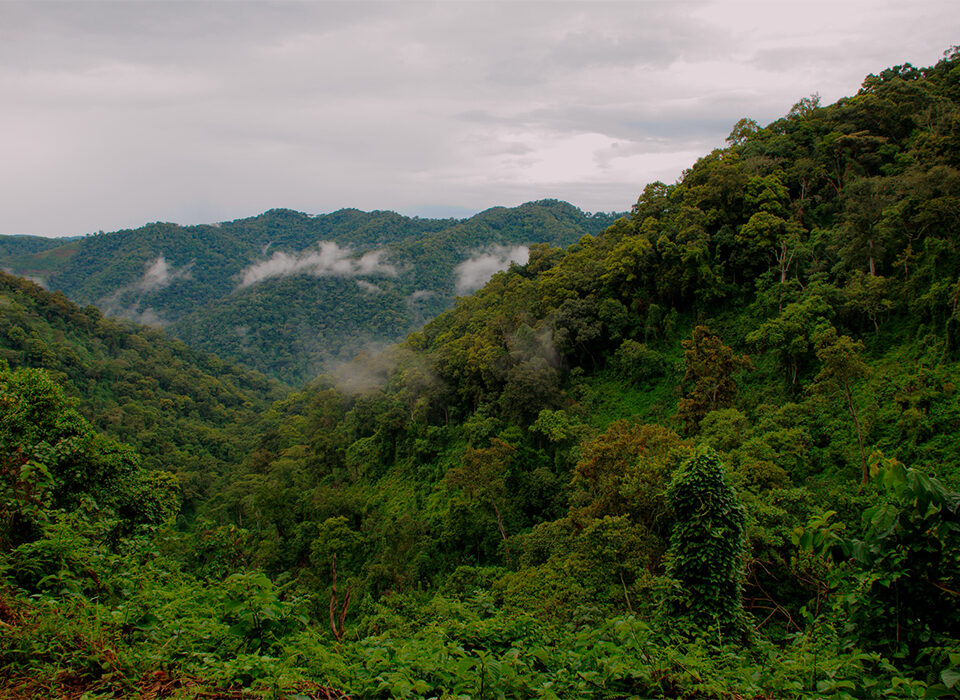
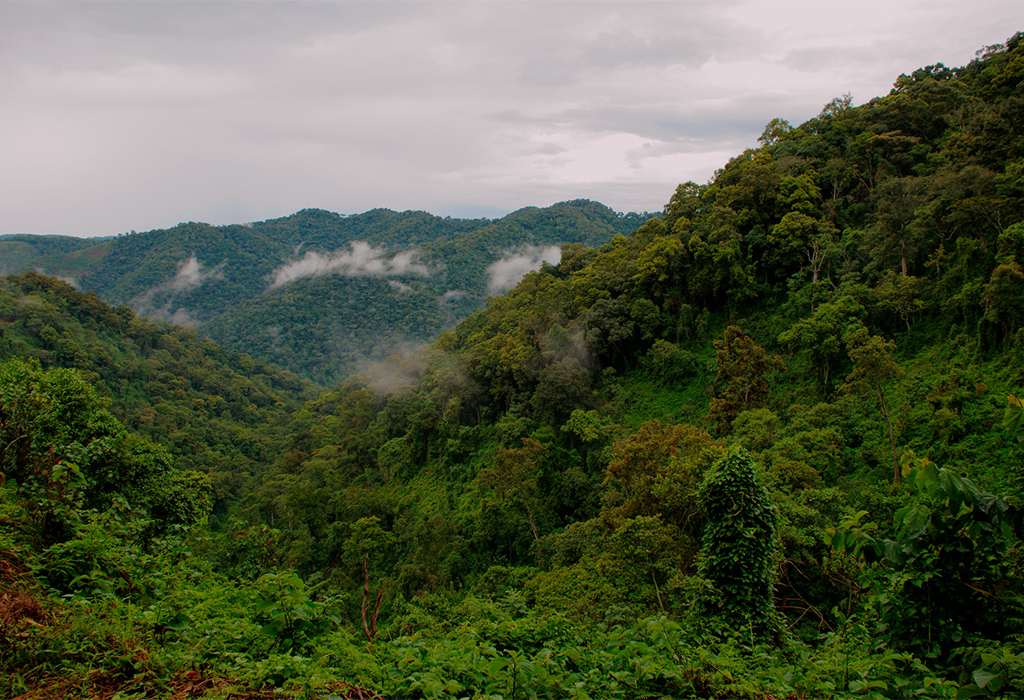
Mountain gorillas depend on healthy forest ecosystems for food, shelter, and space. Their habitat also supports many other plants and animals. Therefore, protecting gorilla forests helps maintain a wider natural environment.
Discovering the Importance of Forest Ecosystems
During a trek, visitors walk through a living ecosystem. They may notice different plant species, insects, birds, and other signs of wildlife. Each part of the forest contributes to the wider ecological balance.
Conservation education helps visitors understand that forests do much more than provide shelter for gorillas. They support biodiversity, help regulate water systems, store carbon, and protect soil. Healthy forests also provide important resources and environmental benefits to surrounding communities.
For example, forests help maintain water sources that people and wildlife depend on. They also provide habitats for many species that may not be visible during a gorilla trek.
As visitors learn about these connections, they begin to appreciate why protecting the entire ecosystem matters. Gorilla conservation is closely connected to protecting the forest that sustains the animals.
Understanding Why Visitors Must Protect the Forest
Every visitor has a responsibility to minimise their impact on the environment. Conservation education explains why travellers should avoid littering, picking plants, damaging vegetation, or leaving marked routes without permission.
Even small actions can create unnecessary pressure on a protected area when repeated by many visitors. Therefore, guides encourage travellers to follow park rules and leave the forest as they found it.
Visitors should also carry their personal waste out of the forest and avoid disturbing other wildlife. These actions help maintain the natural environment for future visitors and the animals that depend on it.
Safari O’clock encourages travellers to approach gorilla trekking with this responsibility in mind. A memorable experience should never come at the expense of the forest.
How Conservation Education Connects Gorilla Tourism with Local Communities
Mountain gorilla conservation does not happen in isolation. People living around protected areas are important partners in protecting wildlife and natural resources. Conservation education helps visitors understand their relationship with the forests and the benefits of involving local communities.
Learning About Community Participation in Conservation
Communities around mountain gorilla habitats experience both opportunities and challenges associated with living near protected areas. While wildlife tourism can create employment and business opportunities, people may also experience crop damage and other forms of human-wildlife conflict.
Conservation programmes therefore work with communities to encourage participation and improve relationships between people and protected areas.
The International Gorilla Conservation Programme supports community engagement through environmental education, community-based monitoring, and awareness activities. In Rwanda, its work has included training local conservation ambassadors to share information about the environment and the value of forests with surrounding communities.
When visitors learn about these initiatives, they gain a better understanding of the people behind conservation. They also recognise that successful wildlife protection depends on cooperation between communities, governments, conservation organisations, and tourism businesses.
Understanding How Tourism Can Support Local Livelihoods
Gorilla tourism can create economic opportunities for communities around national parks. These opportunities may include employment as guides, porters, hospitality workers, drivers, and craft producers. Local accommodation providers, restaurants, and other businesses can also benefit from visitors.
Tourism revenue can also support protected area management and community development initiatives. However, the distribution of benefits depends on the policies and programmes operating in each destination.
WWF explains that mountain gorilla tourism can provide economic incentives for communities to support conservation. Through partnerships and community initiatives, conservation organisations have also supported alternative livelihoods and efforts to reduce human-wildlife conflict.
For visitors, this knowledge makes the journey more meaningful. They begin to see that choosing local services and respecting community traditions can form part of responsible travel.
How Conservation Education Encourages Responsible Gorilla Encounters
Responsible behaviour is one of the most important lessons visitors can take from a gorilla trek. Mountain gorillas share many biological similarities with humans. This makes health precautions particularly important during close encounters.
Understanding the Importance of Disease Prevention
Human illnesses can pose serious risks to mountain gorillas. Respiratory infections are a particular concern because people and gorillas can share certain pathogens.
Conservation education helps visitors understand why park authorities enforce health precautions. Travellers should not visit gorillas when they are sick. They must also follow instructions on mask use, physical distance, coughing, sneezing, and other hygiene practices.
These precautions help reduce the risk of disease transmission. They also remind visitors that protecting gorillas involves more than avoiding physical contact.
The IGCP identifies reducing disease transmission as a key part of responsible mountain gorilla tourism. Its Gorilla Friendly tourism standards also promote visitor practices that minimise disturbance and protect gorilla health.
Learning to Observe Without Disturbing Wildlife
A gorilla trek gives visitors a rare opportunity to observe wild animals at close range. However, the experience should always respect the animals’ natural behaviour.
Visitors should remain with their guides and follow all instructions during the encounter. They should avoid calling to gorillas, attempting to attract their attention, touching them, or moving closer for photographs.
Instead, travellers can observe quietly and allow the gorillas to continue their normal activities. They may watch the animals feed, rest, groom, or interact with other members of the group.
This approach protects the animals while giving visitors a more authentic wildlife experience. It also reinforces an important conservation lesson: humans are guests in the gorillas’ natural habitat.
How Guides and Rangers Make Conservation Education Meaningful
Guides and rangers play an important role in connecting visitors with conservation. Their work goes beyond helping tourists find gorillas. They also provide information, explain park rules, monitor wildlife, and help manage visitor behaviour.
During the trek, guides can explain the terrain, vegetation, gorilla behaviour, and conservation challenges. They can also answer questions about the protected area and the work involved in managing wildlife tourism.
Rangers and trackers contribute through activities such as monitoring gorilla groups, conducting patrols, and helping protect the forest. Their knowledge gives visitors a better understanding of the work required to maintain a safe environment for wildlife.
Uganda Wildlife Authority describes gorilla conservation as a long-term effort involving research, law enforcement, tourism, and community participation. Its September 2026 conservation update highlights the importance of these combined efforts in Uganda’s gorilla conservation journey.
Through these explanations, visitors gain a clearer picture of conservation as practical daily work. They also learn to appreciate the people who dedicate their time to protecting mountain gorillas.
How Conservation Education Can Inspire Visitors After the Trek
The value of conservation education should not end when visitors leave the forest. The lessons they gain can influence their attitudes and decisions long after their trip.
For example, travellers may become more conscious of wildlife protection when choosing future destinations. They may also share accurate information about mountain gorillas with friends, family, and their wider communities.
Some visitors may choose to support reputable conservation organisations, participate in environmental initiatives, or promote responsible tourism. Others may simply become more careful about their environmental choices at home.
These actions may seem small, but they help keep conservation conversations alive. Education creates awareness, while informed decisions can encourage wider support for protecting wildlife.
Visitors can also use their photographs and travel stories responsibly. Rather than sharing only close-up images, they can explain the importance of respecting park rules and protecting gorilla habitats. This helps their audiences understand that a gorilla encounter comes with responsibility.
How Safari O’clock Can Help You Enjoy a More Meaningful Gorilla Trek
At Safari O’clock, we understand that a rewarding gorilla trekking journey involves more than reaching the forest and seeing a gorilla family. Travellers also benefit from understanding the destination, the wildlife, and the conservation principles that guide responsible visits.
We help travellers plan gorilla trekking experiences in Rwanda and Uganda while encouraging preparation and respect for park regulations. From understanding the trekking process to preparing for the forest conditions, visitors can approach their journey with greater confidence.
We also encourage travellers to learn about the communities and conservation efforts connected to mountain gorilla tourism. This knowledge helps them appreciate the wider value of their visit.
Whether you are planning to track gorillas in Rwanda’s Volcanoes National Park or Uganda’s Bwindi Impenetrable National Park, Safari O’clock can help you prepare for an experience that combines adventure, learning, and responsible travel.
Conclusion: Conservation Education Makes Every Gorilla Trek More Meaningful
A gorilla trek offers a rare opportunity to observe one of the world’s most remarkable wildlife species. However, the experience becomes even more valuable when visitors understand the importance of protecting mountain gorillas and their forest habitat.
Conservation education helps travellers learn about gorilla behaviour, environmental threats, disease prevention, responsible tourism, and community participation. It also encourages them to respect park rules and make informed decisions throughout their journey.
Most importantly, education reminds visitors that mountain gorillas need more than admiration. They need healthy forests, effective protection, responsible tourism, and the continued support of surrounding communities.
With Safari O’clock, your gorilla trekking journey can become an opportunity to explore, learn, and appreciate the work behind wildlife conservation. The memories may begin with seeing mountain gorillas in the wild, but the lessons can last long after you leave the forest.