- DIRECT CONTACTS:
- +256394517569
- tours@safarioclock.africa

How Rwanda’s Gorilla Conservation Story Has Evolved

How Conservation Education Can Enrich a Gorilla Trek
November 11, 2026
Why Mountain Gorillas Need Space from Human Visitors
November 11, 2026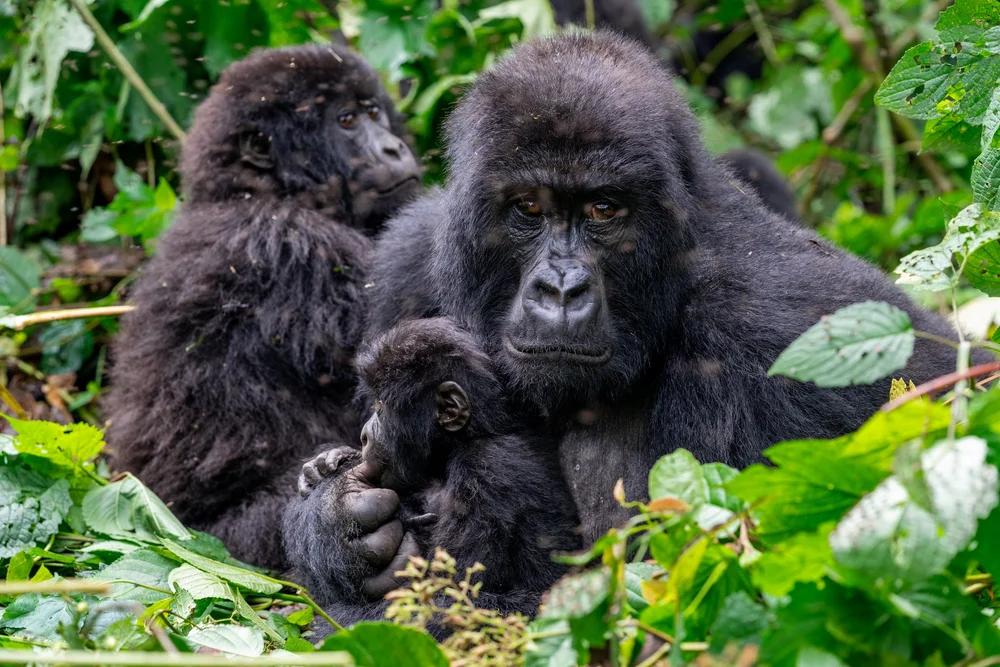
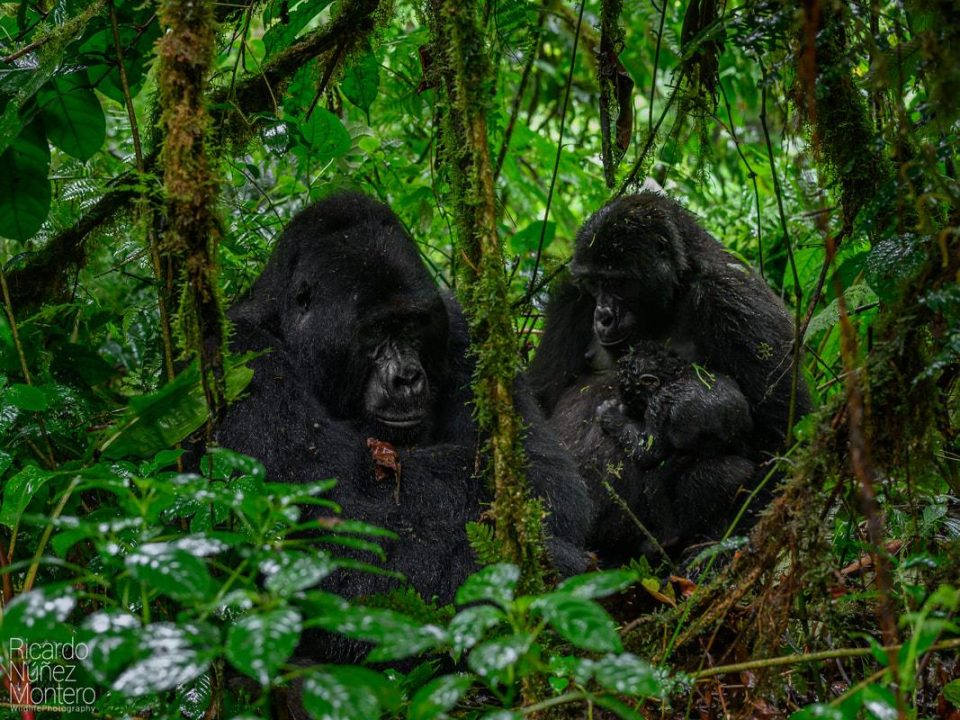
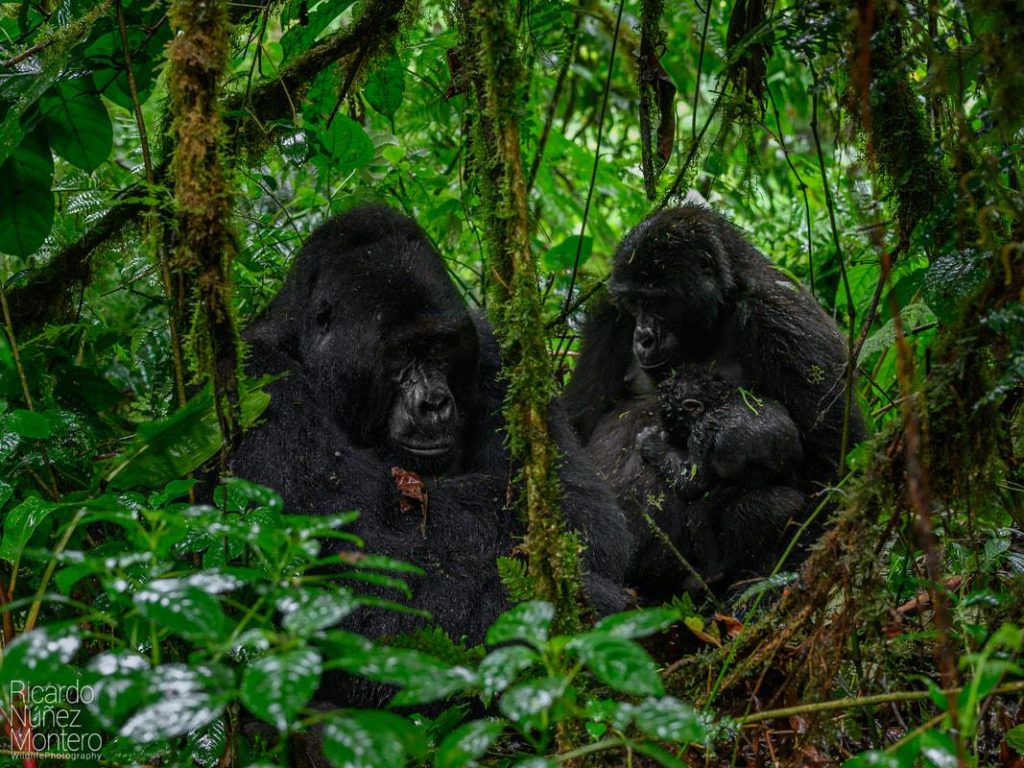
Rwanda’s mountain gorilla conservation story is a journey of determination, cooperation and gradual progress. Today, the country is recognised internationally for its mountain gorilla protection efforts. Visitors travel from different parts of the world to experience gorilla trekking in Volcanoes National Park. However, behind this experience lies a long history of conservation work.
Mountain gorillas once faced serious threats across the Virunga Massif. Poaching, habitat loss, human-wildlife conflict and political instability placed enormous pressure on their survival. At the time, few people could have imagined how much the conservation landscape would change.
Over the decades, Rwanda developed a stronger approach to protecting these endangered animals. The country moved beyond basic wildlife protection and embraced scientific research, responsible tourism, community participation and international partnerships.
Today, Rwanda’s gorilla conservation story reflects the importance of bringing different groups together. Park authorities, conservation organisations, researchers, veterinarians, tourism operators and local communities all contribute to protecting mountain gorillas.
For travellers planning a gorilla trekking experience, understanding this history adds meaning to the journey. At Safari O’clock, we believe that knowing the conservation story behind a destination helps visitors appreciate more than the wildlife encounter itself.
The Early History of Rwanda Gorilla Conservation
To understand how Rwanda’s conservation approach evolved, it is important to look at the early history of mountain gorilla protection in the Virunga Mountains.
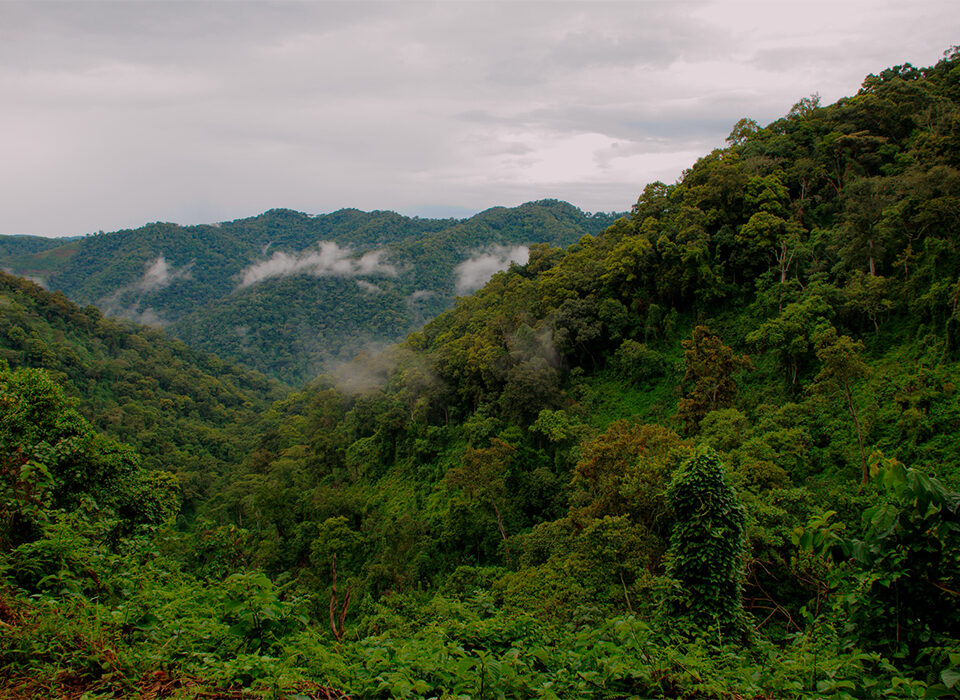
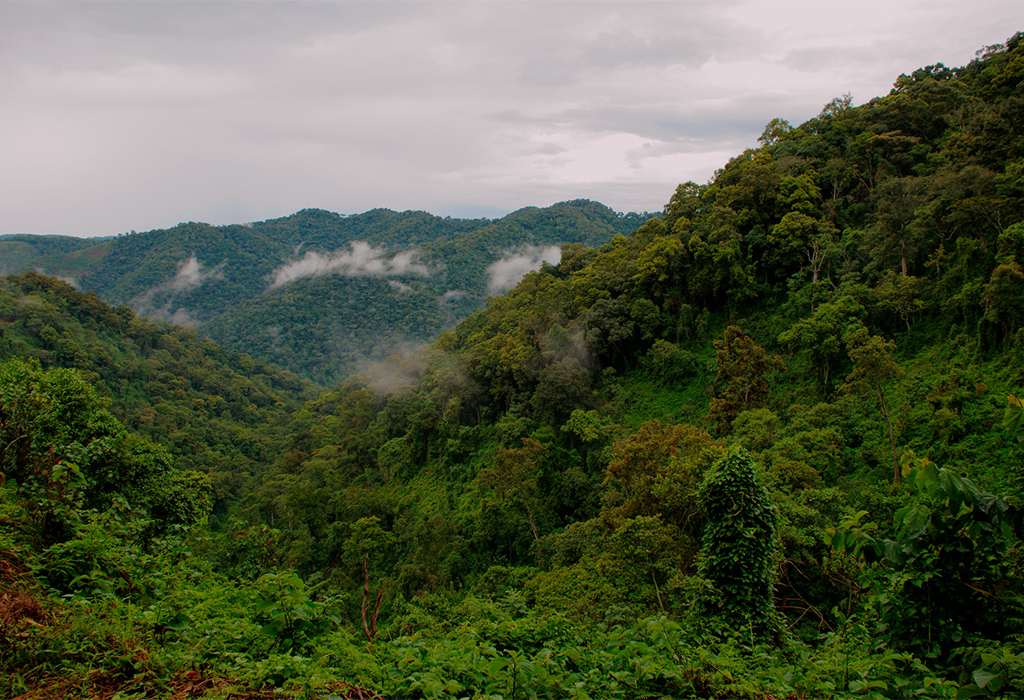
The Virunga region stretches across Rwanda, Uganda and the Democratic Republic of Congo. It contains important mountain gorilla habitat, including Rwanda’s Volcanoes National Park. However, human activities and pressure on forest resources created serious challenges for wildlife protection.
The Establishment of Volcanoes National Park
The protection of mountain gorillas in the Virunga region began long before modern gorilla tourism. In 1925, Belgian colonial authorities established the Albert National Park, which included part of the volcanic mountain region.
The park later developed into separate protected areas following political and administrative changes. Rwanda’s section became Volcanoes National Park.
Although the creation of protected areas offered an important foundation, it did not remove every threat. Communities continued to depend on surrounding land and natural resources. Agricultural expansion and other human activities also placed pressure on the forest.
As a result, conservation required more than drawing boundaries around wildlife habitats. Authorities and conservation partners needed stronger protection measures and better relationships with surrounding communities.
The Arrival of Dian Fossey and Long-Term Gorilla Research
Another important chapter began in 1967 when American primatologist Dian Fossey established the Karisoke Research Center in Rwanda’s Virunga Mountains.
Fossey devoted much of her life to studying mountain gorillas. Her research helped the world understand their behaviour, family relationships and social structures. She also brought international attention to the threats facing these animals.
Her work highlighted the importance of long-term scientific research in wildlife conservation. Researchers could monitor individual gorillas, study their health and understand changes within their social groups.
However, Fossey also became strongly involved in anti-poaching efforts. Her work helped raise awareness about the dangers of snares, illegal hunting and other threats.
Her contribution remains an important part of Rwanda’s conservation history. Nevertheless, today’s protection efforts involve many organisations and professionals who have continued developing the work started by earlier researchers.
How Rwanda Gorilla Conservation Changed in the 1970s and 1980s
By the late 1970s, mountain gorilla protection needed a more coordinated approach. Poaching and habitat pressure remained serious concerns. Therefore, conservation organisations began working together to strengthen protection in the Virunga region.
The Launch of the Mountain Gorilla Project
In 1979, conservation organisations began collaborating through an initiative known as the Mountain Gorilla Project. The programme initially focused on protecting mountain gorillas in Rwanda.
Its approach combined three important activities: anti-poaching work, public education and tourism development. This was significant because it recognised that wildlife protection required more than patrols alone.
The project also explored how responsible tourism could create economic reasons to protect gorillas and their habitat. By allowing carefully managed visits, conservation leaders hoped to generate income, employment and wider public support.
This approach helped establish the foundations of Rwanda’s modern gorilla tourism industry.
According to the International Gorilla Conservation Programme, the Mountain Gorilla Project later evolved into a wider regional conservation initiative. Its early work helped shape the protection strategies used across the mountain gorilla range.
The Challenges Facing Mountain Gorillas
Despite these early efforts, the 1980s remained a difficult period for mountain gorillas.
Poaching, snares, habitat pressure and political challenges continued to threaten their survival. In addition, limited resources made it difficult to maintain consistent protection across the region.
Rwanda Development Board accounts report that the mountain gorilla population in the Virunga Massif had fallen to approximately 242 individuals in 1981. This figure illustrates the seriousness of the conservation crisis at the time.
The situation encouraged stronger international attention and cooperation. Conservationists recognised that protecting the remaining gorillas required long-term planning, reliable monitoring and support from surrounding communities.
The Growth of Regional Cooperation in Rwanda Gorilla Conservation
One of the biggest changes in Rwanda’s conservation story was the move towards regional cooperation. Mountain gorillas do not recognise national borders. Their habitat extends across Rwanda, Uganda and the Democratic Republic of Congo.
Therefore, protecting them requires communication and collaboration between the countries that share the Virunga landscape.
The Formation of the International Gorilla Conservation Programme
In 1991, the Mountain Gorilla Project evolved into the International Gorilla Conservation Programme (IGCP).
The programme brought together three conservation organisations: African Wildlife Foundation, Fauna & Flora International and the World Wide Fund for Nature. Its work expanded beyond Rwanda to cover the mountain gorilla range across the three countries.
This development marked an important shift. Conservation partners could coordinate their efforts, share knowledge and support protection activities across national boundaries.
The programme’s work has included support for community engagement, ranger capacity, conservation planning and responsible tourism.
Regional cooperation also helps address challenges that affect gorillas across borders. For example, conservation partners can share information about wildlife movements and support coordinated monitoring of gorilla groups.
How Political Instability Affected Conservation
Rwanda’s conservation journey also faced serious setbacks during the 1990s.
The 1994 Genocide against the Tutsi caused immense human suffering and disrupted many institutions and services. The wider Great Lakes region also experienced conflict and instability during this period.
These events affected conservation activities, park management and the work of organisations operating in the region.
However, conservation partners and park authorities gradually worked to restore operations and rebuild essential capacity. The International Gorilla Conservation Programme records support for restoring park operations, rebuilding infrastructure and implementing recovery plans after the conflict.
This period demonstrated that conservation depends on stable institutions, trained personnel and continued cooperation. It also showed why long-term protection needs strong partnerships that can respond to difficult circumstances.
How Gorilla Tourism Transformed Rwanda Gorilla Conservation
Tourism became an increasingly important part of Rwanda’s conservation approach. Instead of treating wildlife protection and tourism as separate activities, the country developed a model that connects responsible visitor experiences with conservation and economic opportunities.
Gorilla trekking in Volcanoes National Park became a major part of this approach. Visitors could experience mountain gorillas in their natural habitat while contributing to a tourism sector linked to protected area management.
The Growth of Responsible Gorilla Trekking
Rwanda developed a carefully managed gorilla trekking experience. Visitors must obtain permits and follow strict rules during their encounters with gorilla families.
These rules help reduce disturbance and protect gorilla health. They include limits on visitor numbers, viewing time and the behaviour expected around the animals.
For example, visitors must maintain the required distance, avoid touching gorillas and follow their guides’ instructions. Anyone who feels unwell should follow the park authority’s health guidance rather than risk exposing gorillas to human illnesses.
This controlled approach recognises that tourism can create risks if authorities do not manage visitor activities properly.
Responsible gorilla trekking therefore serves two purposes. It allows visitors to appreciate mountain gorillas while helping maintain safeguards around their natural behaviour and health.
How Gorilla Tourism Supports Conservation
Gorilla tourism also creates economic value around protected areas. Permit sales and other tourism activities contribute to Rwanda’s wider tourism economy.
However, the relationship between tourism and conservation goes beyond visitor payments. Tourism supports employment for guides, trackers, drivers, porters, hospitality workers and other service providers.
It can also create business opportunities for accommodation providers, restaurants, craft producers and community enterprises.
These economic connections can strengthen public support for wildlife protection. When local people benefit from tourism, conservation becomes more closely connected to livelihoods and community development.
Rwanda’s model has continued to evolve. Today, the country places strong emphasis on responsible tourism, environmental protection and community participation.
The Role of Communities in Rwanda Gorilla Conservation
An important development in Rwanda’s conservation history has been the growing recognition that local communities must participate in protecting wildlife.
People living around Volcanoes National Park interact with the landscape in their daily lives. Their needs, activities and experiences influence the long-term success of conservation programmes.
Therefore, conservation policies increasingly recognise the importance of sharing benefits and addressing challenges faced by communities.
The Introduction of Tourism Revenue Sharing
Rwanda introduced its Tourism Revenue Sharing Programme to help communities surrounding national parks benefit from tourism.
The programme was formalised in 2005. It initially allocated a share of park tourism revenue to projects in neighbouring communities. Rwanda later increased the allocation to 10 per cent of national park tourism revenue.
The programme supports community projects such as schools, health facilities, water infrastructure and livelihood initiatives.
The Rwanda Development Board reported in 2025 that the programme had directed more than RWF 23 billion towards nearly 1,300 community projects.
This approach recognises that conservation and community development are connected. People who live near protected areas should have opportunities to benefit from the natural heritage that attracts visitors.
Supporting Community Participation
Community participation also extends beyond financial benefits.
Local people contribute through employment, conservation education, awareness programmes and tourism-related businesses. Former poachers and other community members can also become involved in alternative livelihood activities.
For example, community organisations around Volcanoes National Park have supported local enterprises and initiatives that connect livelihoods with conservation.
These efforts help build relationships between communities and protected area authorities. They also encourage people to see the forest as an important natural resource that deserves long-term protection.
Safari O’clock encourages visitors to learn about these community connections when planning a Rwanda gorilla trekking journey. Understanding the people behind conservation gives travellers a wider appreciation of the destination.
Kwita Izina: A New Chapter in Rwanda Gorilla Conservation
One of the most recognisable symbols of Rwanda’s conservation journey is Kwita Izina, the annual mountain gorilla naming ceremony.
The event draws inspiration from a long-standing Rwandan tradition of naming newborn children in the presence of family and community members.
Rwanda introduced the official gorilla naming ceremony in 2005. It created a platform to celebrate conservation achievements, recognise the people protecting mountain gorillas and raise public awareness.
Why Rwanda Introduced Kwita Izina
Before the public ceremony began, researchers and park staff already gave names to gorilla infants. These names helped them identify individual animals and monitor their development within family groups.
Kwita Izina brought this practice into a national celebration. It also created an opportunity to recognise communities, conservation organisations, researchers, veterinarians, rangers and tourism partners.
Over time, the event attracted international attention. It became an important platform for discussing wildlife protection, sustainable tourism and community development.
The ceremony also helps connect Rwandan culture with wildlife conservation. It reminds people that mountain gorillas form part of the country’s natural heritage.
How Kwita Izina Promotes Conservation Awareness
Each naming ceremony provides an opportunity to share conservation messages with a wider audience.
The event celebrates newborn gorillas while highlighting the work required to protect their families and habitat. It also recognises the contribution of communities and conservation professionals.
By 2025, Rwanda’s 21st Kwita Izina ceremony had brought the total number of gorillas named through the event since 2005 to 460.
This milestone shows how the ceremony has grown from a national conservation initiative into an internationally recognised event.
For visitors, Kwita Izina offers another way to understand Rwanda’s conservation identity beyond the trekking experience.
The Recovery of Mountain Gorillas and Conservation Milestones
The progress made in mountain gorilla conservation is one of the most encouraging parts of Rwanda’s story.
However, it is important to understand that mountain gorillas live in two main populations. One occupies the Virunga Massif, which includes Rwanda, Uganda and the Democratic Republic of Congo. The other lives in the Bwindi-Sarambwe ecosystem, mainly in Uganda.
This distinction matters when discussing population figures. Statistics for the Virunga Massif should not be confused with the total global mountain gorilla population.
Growth in the Virunga Massif Population
The Virunga Massif experienced a notable population recovery over several decades.
Rwanda Development Board records report approximately 242 mountain gorillas in the massif in 1981. The 2010 census recorded 480 individuals. By 2016, the population had increased to 604.
These figures reflect the progress made through sustained protection, veterinary support, research, monitoring and cooperation across borders.
The 2018 census of the wider mountain gorilla population also recorded a combined global total of 1,063 individuals across the Virunga Massif and Bwindi-Sarambwe ecosystem.
In 2025, Rwanda Development Board reported that more than 1,060 mountain gorillas lived in the wild across these two ecosystems, including more than 600 in the Virunga Massif.
These figures show considerable progress compared with earlier decades. Nevertheless, population recovery does not mean that mountain gorillas no longer need protection.
Why Conservation Work Must Continue
Mountain gorillas still face challenges that require ongoing attention.
Habitat pressure remains important because these animals depend on a relatively limited forest environment. Human activities around protected areas can also create risks through habitat disturbance and disease transmission.
Furthermore, snares and other illegal activities can injure wildlife. Climate and environmental changes may also affect forest ecosystems over time.
For this reason, conservation organisations continue to support monitoring, research, veterinary care, ranger activities and community engagement.
The progress achieved so far provides encouragement, but it also creates a responsibility to maintain the systems that made recovery possible.
How Rwanda Gorilla Conservation Has Evolved Through Science and Technology
Scientific research has remained central to mountain gorilla protection. However, the tools and methods used to support conservation have developed over time.
Early research focused heavily on observing gorilla behaviour and understanding their social lives. Today, conservation teams combine long-term field observations with veterinary expertise, population surveys and other monitoring methods.
The Importance of Gorilla Monitoring
Monitoring helps conservation teams understand the condition of gorilla families and identify changes that may require attention.
Researchers and trackers observe individual animals, family relationships, births, deaths and group movements. This information helps authorities make informed decisions about wildlife protection.
Monitoring can also support the identification of injuries and unusual behaviour. When teams detect possible health problems, veterinary professionals can assess the situation and determine whether intervention is necessary.
These activities require experience and careful coordination. They also help conservation teams understand how gorilla populations respond to changes in their environment.
The Role of Veterinary Care
Mountain gorillas can face health risks from injuries, infections and diseases. Veterinary professionals therefore play an important role in conservation.
The work of organisations such as the Gorilla Doctors programme includes monitoring mountain gorilla health and providing veterinary intervention when necessary.
However, veterinary intervention does not happen in every situation. Experts assess each case carefully and consider the potential risks before taking action.
Disease prevention also remains a major priority. Visitors and tourism operators must follow health rules because human illnesses can threaten gorilla populations.
Together, research and veterinary care have strengthened Rwanda’s ability to protect mountain gorillas and respond to emerging challenges.
Expanding and Protecting Gorilla Habitat in Rwanda
Population recovery creates another important conservation responsibility: ensuring that mountain gorillas have enough suitable habitat.
Volcanoes National Park provides essential habitat for Rwanda’s mountain gorillas. However, the park has a history of boundary changes and pressure from surrounding human activities.
As gorilla numbers increase, habitat management becomes even more important.
Why Habitat Expansion Matters
Mountain gorillas depend on healthy forests for food, shelter and movement. When their habitat becomes limited, conservation teams must consider how to protect existing forest and improve available space.
In January 2018, the Rwanda Development Board received a 27.8-hectare property donated by the African Wildlife Foundation. The land was intended for incorporation into Volcanoes National Park.
This development highlighted the importance of securing additional land for wildlife habitat.
More recently, Rwanda’s conservation plans have included wider ambitions to expand Volcanoes National Park and establish buffer zones. These plans aim to improve habitat protection while considering the needs of surrounding communities.
Habitat expansion requires careful planning. Authorities must balance ecological priorities with land use, community livelihoods and long-term environmental management.
Protecting the Forest Beyond the Gorilla Encounter
Gorilla conservation also depends on protecting the wider forest ecosystem.
Healthy forests support many species and provide important environmental benefits. They help regulate water systems, protect soil and store carbon.
Therefore, conservation work must consider more than the animals visitors come to see.
Forest restoration, responsible land management and community participation all contribute to the long-term health of the ecosystem.
For visitors, this is an important reminder. A gorilla trekking permit provides access to a wildlife experience, but the forest itself deserves respect and protection.
What Rwanda’s Gorilla Conservation Story Means for Today’s Travellers
Rwanda’s conservation journey has changed the way visitors experience mountain gorillas.
Today’s gorilla trekking experience takes place within a carefully managed conservation environment. Park staff provide briefings, guides lead visitors through the forest, and authorities enforce rules designed to protect wildlife.
However, visitors also have a role to play.
Travellers should follow instructions, avoid visiting when sick, maintain the required distance and never attempt to touch or feed gorillas. They should also avoid littering and respect the natural environment.
Learning about conservation before travelling can make these responsibilities easier to understand.
At Safari O’clock, we encourage travellers to look beyond the excitement of seeing mountain gorillas. Understanding the history of Volcanoes National Park, the role of local communities and the work of conservation teams can make the journey more rewarding.
Whether you are visiting Rwanda for the first time or returning for another wildlife experience, the country’s conservation story offers valuable lessons about patience, cooperation and environmental responsibility.
How Safari O’clock Helps You Explore Rwanda’s Conservation Story
At Safari O’clock, we believe that a gorilla trekking journey should combine adventure with an appreciation of the destination.
We help travellers plan experiences in Rwanda, including gorilla trekking in Volcanoes National Park. We also encourage visitors to prepare for the trek, understand park regulations and learn about the conservation work connected to mountain gorilla protection.
From planning your itinerary to understanding what happens during the trek, preparation helps you enjoy the experience with greater confidence.
We also encourage visitors to appreciate the people who make conservation possible. These include local communities, guides, trackers, researchers, veterinarians and park authorities.
When you travel with an understanding of Rwanda’s conservation journey, you gain a deeper appreciation of the forest and the animals that call it home.
Conclusion: Rwanda Gorilla Conservation Is a Story of Progress and Responsibility
Rwanda’s gorilla conservation story has evolved through decades of effort. It began with early protected-area initiatives and scientific research. It later developed through anti-poaching programmes, regional cooperation, responsible tourism and stronger community participation.
The introduction of Kwita Izina, tourism revenue sharing and continued investment in research and habitat protection further strengthened this approach.
Today, the recovery of mountain gorilla numbers offers an encouraging example of what sustained conservation work can achieve. However, the journey is not complete. Mountain gorillas still need protected forests, responsible tourism, veterinary care and the continued support of surrounding communities.
For travellers, a visit to Volcanoes National Park is an opportunity to witness this story firsthand. With Safari O’clock, you can explore Rwanda’s mountain gorilla habitat while gaining a better understanding of the conservation work behind the experience.
Ultimately, Rwanda’s story reminds us that protecting wildlife is not a one-time achievement. It is a shared responsibility that requires commitment from one generation to the next.