- DIRECT CONTACTS:
- +256394517569
- tours@safarioclock.africa

Why Mountain Gorillas Need Space from Human Visitors

How Rwanda’s Gorilla Conservation Story Has Evolved
November 11, 2026
How to Explain Gorilla Conservation to Children Before a Trip
November 11, 2026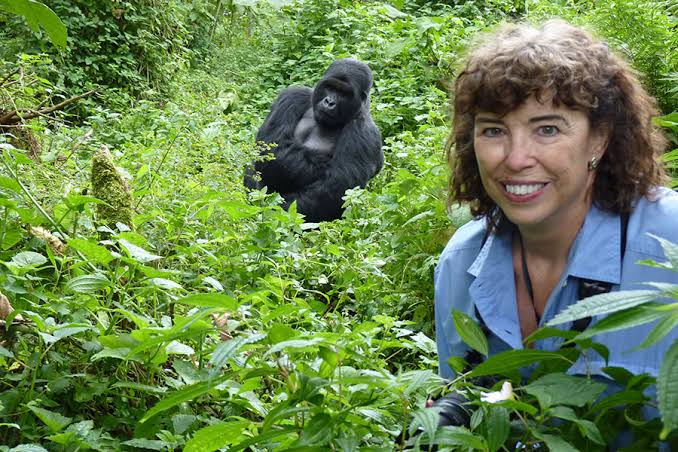
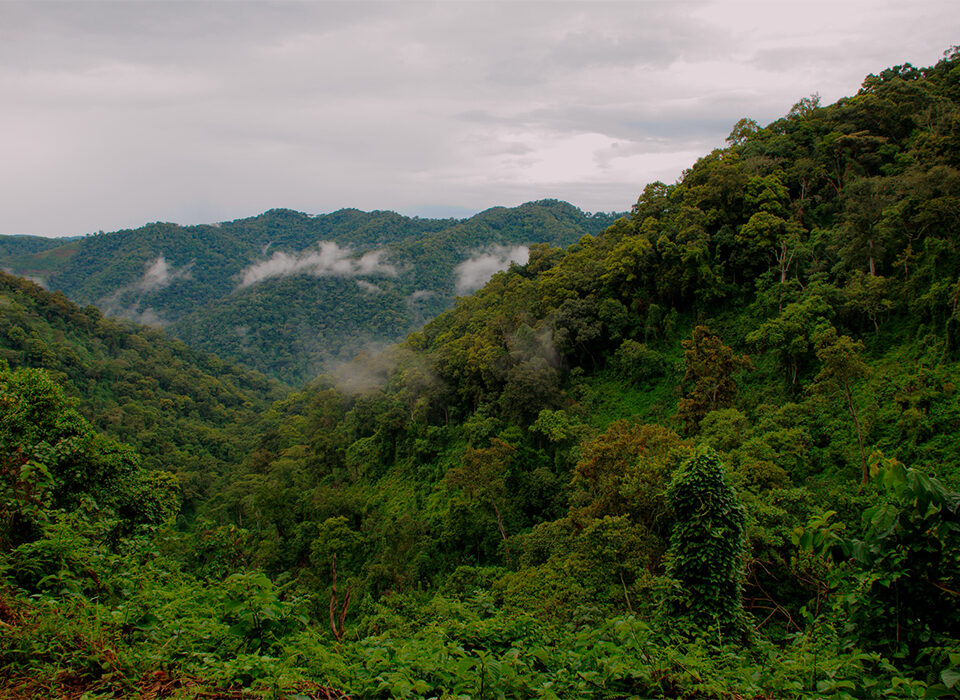
Meeting mountain gorillas in their natural habitat is one of the most memorable wildlife experiences in Africa. Visitors travel to Rwanda and Uganda to observe these remarkable animals in the forests where they live. However, seeing a gorilla at close range does not mean visitors should move closer or attempt to interact with it.
Mountain gorillas need space from people for several important reasons. Human contact can expose them to diseases, disturb their natural behaviour and create unnecessary stress. Even a seemingly harmless action, such as moving closer for a photograph, can affect the quality and safety of a wildlife encounter.
This is why gorilla trekking authorities establish strict rules for visitors. These guidelines control viewing distances, group sizes, viewing periods and visitor behaviour. They help protect gorillas while allowing people to appreciate them in their natural environment.
At Safari O’clock, we believe that understanding these rules makes a gorilla trekking experience more meaningful. Visitors should not only look forward to seeing mountain gorillas. They should also understand why respecting their space is essential to conservation.
Why Gorilla Viewing Distance Matters During a Trek
Gorilla viewing distance refers to the space visitors must maintain between themselves and mountain gorillas during an encounter. This distance helps reduce direct contact and limits some of the risks associated with human presence.
Mountain gorillas share many biological similarities with humans. As a result, they can be vulnerable to certain illnesses that people carry. Close encounters can also interrupt their natural activities, especially when visitors move suddenly or gather too closely around a family.
The distance rule therefore serves both health and behavioural protection purposes. It gives gorillas room to continue feeding, resting, grooming and interacting with their group.
According to the Rwanda Development Board, visitors tracking mountain gorillas in Volcanoes National Park must maintain a distance of at least seven metres. The authority also limits viewing time to one hour and allows a maximum of eight visitors per gorilla group. These measures help manage the impact of tourism on the animals.
The exact instructions can vary by destination and may change as conservation guidance develops. Therefore, visitors should always follow the current rules given by the relevant park authority and their guide.
How Gorilla Viewing Distance Helps Prevent Disease Transmission
One of the biggest reasons mountain gorillas need space from human visitors is disease prevention. Although gorillas live in forests, they are not protected from every illness that affects people.
Humans and gorillas can share certain infectious diseases. Respiratory infections are a particular concern because visitors may carry viruses or other pathogens without immediately recognising their symptoms.
Why Human Illnesses Can Threaten Mountain Gorillas
Mountain gorillas have close biological relationships with humans. This makes them vulnerable to some of the same infectious diseases.
A visitor with a cold, flu or another respiratory infection may expose gorillas to harmful pathogens. Coughing, sneezing and close face-to-face proximity can increase the risk of transmission.
Disease outbreaks can have serious consequences for wild gorilla populations. Unlike people, gorillas cannot easily access hospitals or receive routine medical treatment. Wildlife veterinarians may intervene in certain cases, but preventing exposure remains extremely important.
A study published in Frontiers in Public Health in 2020 examined human behaviour during gorilla tourism encounters in Uganda’s Bwindi Impenetrable National Park. Researchers found frequent violations of the recommended seven-metre distance rule during the observed treks. The findings highlighted the need for better visitor awareness and stronger compliance with health precautions.
This research shows why visitors must take distance rules seriously. Even a short encounter can create unnecessary health risks when people ignore the recommended space.
Why Sick Visitors Should Not Track Gorillas
Visitors should never treat a gorilla trek as an activity they must complete regardless of their health.
Anyone experiencing a cold, flu or other contagious symptoms should report their condition to the park authorities or tour operator. They should follow the instructions provided rather than risk exposing gorillas to infection.
The Rwanda Development Board specifically advises visitors with contagious illnesses not to visit mountain gorillas. Its guidance also instructs visitors to cover their mouths and turn away if they need to cough.
These precautions protect more than the gorilla family being visited. They also help reduce the possibility of introducing infections into the wider population.
Safari O’clock encourages travellers to consider their health before travelling for a trek. If you become unwell, communicate early and ask your operator about the applicable permit and rescheduling arrangements.
How Human Presence Can Affect Natural Gorilla Behaviour
Mountain gorillas have complex social lives. They spend much of their time feeding, resting, moving through the forest and interacting with other members of their family.
Although habituated gorillas tolerate carefully managed human observation, they still need freedom to behave naturally. Too much disturbance can affect how they respond to visitors and their surroundings.
Why Gorillas Need Space to Feed and Rest
Feeding and resting are important parts of a gorilla’s daily routine. Mountain gorillas consume a variety of vegetation, including leaves, stems, shoots and other forest plants.
They also spend time resting and grooming. These activities help maintain their physical condition and strengthen social relationships within the group.
When visitors crowd around a gorilla family, the animals may become distracted or move away. Sudden movements and loud conversations can also interrupt their normal activities.
Maintaining the recommended distance allows visitors to observe without unnecessarily interfering. It gives gorillas more room to continue their daily routines while people watch quietly.
Why Space Protects Gorilla Family Relationships
Mountain gorillas live in social groups with established relationships. A typical group may include a dominant silverback, adult females, younger males and infants.
Members interact through grooming, playing, feeding and other social behaviours. Mothers also spend time caring for their young.
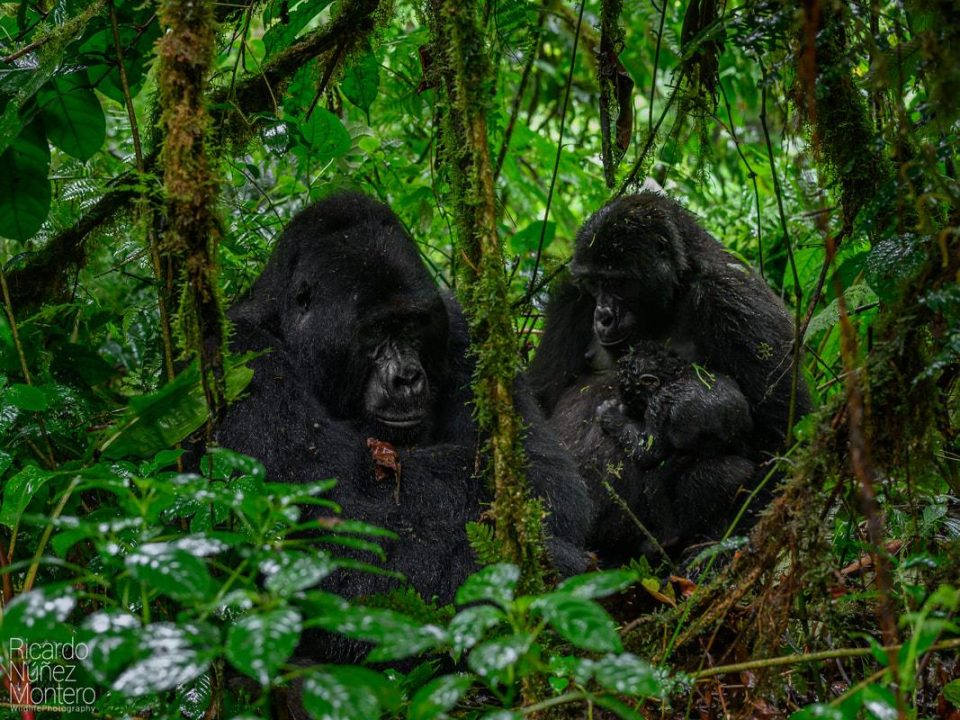
Human visitors should avoid interfering with these relationships. For example, nobody should attempt to attract an infant gorilla’s attention or move closer for a photograph.
Instead, visitors should remain together, observe quietly and allow the animals to interact naturally.
This is particularly important when a family includes young gorillas. Their safety and normal development depend on the protection of the group and its habitat.
Why Gorilla Viewing Distance Reduces Stress and Disturbance
Mountain gorillas are wild animals. Although some groups have become accustomed to the presence of trained researchers and tourists, this does not mean they enjoy unrestricted human contact.
Habituation involves a gradual process through which animals become accustomed to people who do not pose a threat. However, habituated gorillas still require protection from excessive disturbance.
Understanding the Difference Between Habituation and Domestication
Habituation and domestication are not the same.
Habituation allows wild animals to tolerate a controlled level of human presence. Domestication involves changes associated with generations of human management and selective breeding.
Mountain gorillas remain wild, even when they belong to groups that tourists can visit. Their tolerance of guided visitors does not give people permission to touch, feed or approach them.
The International Gorilla Conservation Programme explains that responsible gorilla tourism should minimise disruption and behavioural changes in mountain gorillas. Its Gorilla Friendly tourism standards encourage practices that reduce unnecessary human-gorilla interactions.
This distinction is important for visitors. A gorilla that continues feeding while people observe is not inviting physical contact. It is simply carrying on with its natural activities.
How Crowding Can Change Gorilla Behaviour
Crowding can create unnecessary disturbance during wildlife encounters. Visitors who move too close may cause gorillas to change their position or interrupt what they are doing.
Loud voices, sudden movements and attempts to get a better photograph can increase this disturbance.
The International Union for Conservation of Nature’s Best Practice Guidelines for Great Ape Tourism also warn against excessive habituation. The guidelines explain that overly close contact can increase the risk of aggression, injury and disease transmission.
Therefore, maintaining space is not only about following a distance measurement. It is also about allowing gorillas to remain wild and reducing the pressure they experience from human observers.
Why Gorilla Viewing Distance Is Important for Visitor Safety
Giving mountain gorillas enough space protects visitors as well as wildlife.
Mountain gorillas are powerful animals. They usually avoid unnecessary conflict, but they can react defensively when they feel threatened or disturbed.
Visitors should therefore never assume that a habituated gorilla will behave like a tame animal.
Why Visitors Should Avoid Touching Gorillas
Touching a gorilla may seem exciting, especially when an animal comes close. However, physical contact creates unnecessary risks for both humans and wildlife.
It can expose the gorilla and visitor to infectious diseases. It may also trigger an unpredictable reaction from an animal that feels threatened.
Visitors must never reach out, attempt to hold a gorilla or encourage it to approach. If a gorilla moves closer, travellers should remain calm and follow the guide’s instructions.
A close encounter does not remove the need to respect wildlife boundaries.
Why Visitors Must Follow Their Guides
Park guides have experience working in gorilla habitats. They understand the terrain, gorilla behaviour and the rules governing wildlife encounters.
They also help visitors respond appropriately when gorillas move closer or display unusual behaviour.
For instance, if a gorilla approaches the group, visitors should not attempt to touch it or move towards it. Instead, they should remain calm and follow the guide’s directions.
Guides may also adjust the group’s position to maintain a safe viewing arrangement. Their instructions should always take priority over personal photography preferences.
At Safari O’clock, we encourage travellers to listen carefully during the pre-trek briefing. Understanding the guide’s role helps visitors enjoy the encounter responsibly.
Why Gorilla Viewing Distance Supports Responsible Photography
Photography is one of the highlights of gorilla trekking. Visitors naturally want to capture memories of their time in the forest. However, taking good photographs should never come before animal welfare.
Some travellers may feel tempted to move closer to get a clearer image. Others may try to position themselves around the group to avoid vegetation blocking their cameras.
These actions can disturb the gorillas and encourage unsafe behaviour.
How to Take Gorilla Photographs Without Getting Too Close
Visitors should use their cameras or phones from the permitted viewing distance. They should avoid stepping forward, stretching out their arms or moving around the group without permission.
A camera with a suitable zoom function can help capture details without disturbing the animals. Visitors should also follow park rules on flash photography and other equipment.
In Rwanda, the official gorilla tracking guidance prohibits flash photography. Travellers should check the current rules for their chosen destination before the trek.
It is also important to remember that not every photograph needs to show a gorilla’s face in extreme detail. A wider photograph can capture the forest, the animal’s natural surroundings and the atmosphere of the encounter.
The best wildlife photographs respect the subject. They do not require visitors to ignore conservation rules.
Why Small Gorilla Trekking Groups Help Protect Wildlife
Limiting the number of visitors is another important way to manage human presence around mountain gorillas.
Large crowds can create more noise, movement and disturbance. They may also make it harder for guides to monitor visitor behaviour and maintain the required distance.
For this reason, gorilla trekking authorities restrict the number of people who can visit a habituated gorilla group.
Why Visitor Numbers Are Controlled
Rwanda’s official guidance allows a maximum of eight visitors per gorilla group during a visit. It also limits viewing time to one hour.
These restrictions help reduce the amount of human activity around each group. They also make it easier for guides to supervise visitors and maintain responsible viewing practices.
Small groups can move through the forest more carefully. They also create fewer opportunities for crowding during the encounter.
However, group size alone does not guarantee responsible behaviour. Every visitor must still respect the distance rule and follow the guide’s instructions.
How Responsible Tourism Helps Maintain Conservation Standards
Responsible tourism depends on cooperation between visitors, park authorities and tourism operators.
Park authorities establish the regulations. Guides communicate and enforce instructions during the trek. Tour operators prepare travellers and help them understand what responsible behaviour involves.
The International Gorilla Conservation Programme’s Gorilla Friendly tourism initiative promotes standards that reduce disturbance and disease transmission. It also recognises the importance of training guides and encouraging responsible visitor conduct.
Safari O’clock supports this approach by encouraging travellers to understand park regulations before arriving for their gorilla trekking experience.
What Should You Do If a Gorilla Comes Closer to You?
One question many first-time visitors ask is what happens when a gorilla approaches the group.
Mountain gorillas move freely through their habitat. They may walk near visitors while feeding, travelling or interacting with other members of their family.
This means that maintaining the required distance is not always entirely within the visitor’s control. However, travellers can control their own movements and reactions.
If a gorilla comes closer, remain calm. Do not reach out, attempt to touch it or move towards it. Follow the guide’s instructions and allow the animal to move freely.
Visitors should also avoid sudden movements and loud reactions. The goal is to prevent unnecessary disturbance while allowing the gorilla to continue its natural behaviour.
The guide may reposition the group when necessary. Therefore, travellers should remain attentive throughout the encounter.
How Safari O’clock Helps Travellers Understand Responsible Gorilla Trekking
At Safari O’clock, we believe that responsible gorilla trekking begins with preparation and awareness.
Before visiting Rwanda or Uganda, travellers should understand the purpose of the trekking rules. They should know why distance matters, why sick visitors must stay away and why guides control behaviour during the encounter.
We help travellers plan gorilla trekking experiences while encouraging respect for wildlife and park regulations. Whether you are visiting Volcanoes National Park in Rwanda or Bwindi Impenetrable National Park in Uganda, preparation can make your journey more rewarding.
We also encourage visitors to look beyond the excitement of seeing mountain gorillas. Understanding their health needs, social behaviour and conservation challenges creates a deeper connection with the experience.
A responsible visitor does not measure a successful trek by how close they get to a gorilla. Instead, they value the opportunity to observe these animals without disturbing them.
Conclusion: Giving Mountain Gorillas Space Is an Act of Conservation
Mountain gorillas need space from human visitors because their health, behaviour and safety depend on responsible wildlife encounters.
Maintaining the required distance helps reduce disease transmission risks. It also gives gorillas room to feed, rest and interact naturally. Furthermore, it protects visitors and supports the long-term management of gorilla tourism.
Every traveller has a responsibility to respect these boundaries. Following park rules, listening to guides, avoiding physical contact and staying away when sick all contribute to safer encounters.
For anyone planning a gorilla trekking experience, understanding these responsibilities is just as important as preparing for the hike.
With Safari O’clock, you can explore the forests of Rwanda and Uganda while learning why responsible tourism matters. Remember, the privilege of seeing mountain gorillas comes with a responsibility to protect their space.y Mountain Gorillas Need Space from Human Visitors
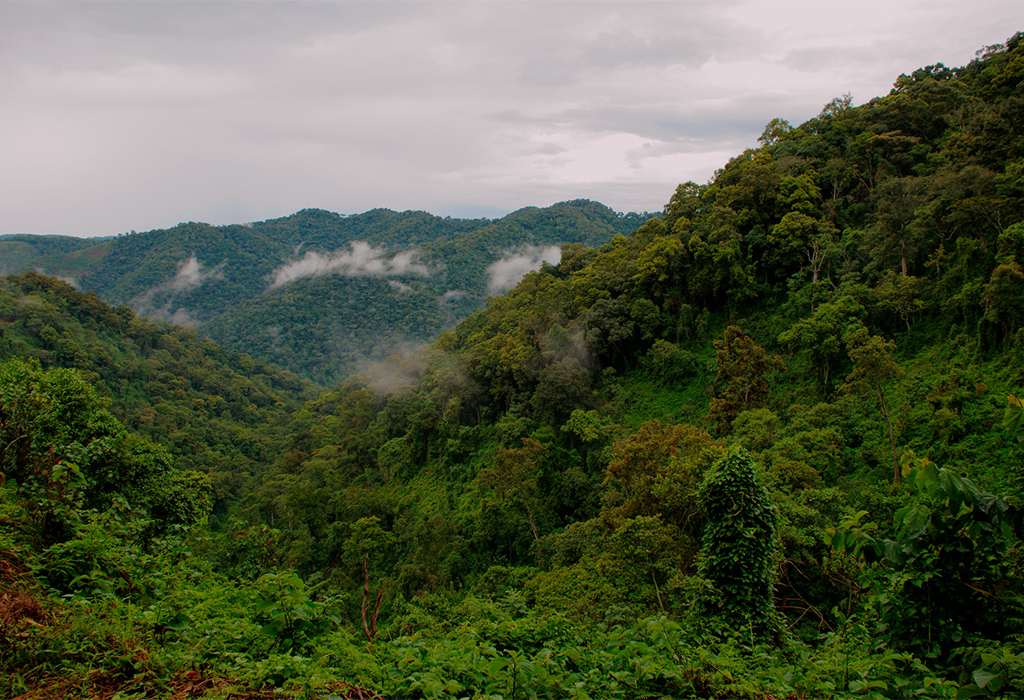
Meeting mountain gorillas in their natural habitat is one of the most memorable wildlife experiences in Africa. Visitors travel to Rwanda and Uganda to observe these remarkable animals in the forests where they live. However, seeing a gorilla at close range does not mean visitors should move closer or attempt to interact with it.
Mountain gorillas need space from people for several important reasons. Human contact can expose them to diseases, disturb their natural behaviour and create unnecessary stress. Even a seemingly harmless action, such as moving closer for a photograph, can affect the quality and safety of a wildlife encounter.
This is why gorilla trekking authorities establish strict rules for visitors. These guidelines control viewing distances, group sizes, viewing periods and visitor behaviour. They help protect gorillas while allowing people to appreciate them in their natural environment.
At Safari O’clock, we believe that understanding these rules makes a gorilla trekking experience more meaningful. Visitors should not only look forward to seeing mountain gorillas. They should also understand why respecting their space is essential to conservation.
Why Gorilla Viewing Distance Matters During a Trek
Gorilla viewing distance refers to the space visitors must maintain between themselves and mountain gorillas during an encounter. This distance helps reduce direct contact and limits some of the risks associated with human presence.
Mountain gorillas share many biological similarities with humans. As a result, they can be vulnerable to certain illnesses that people carry. Close encounters can also interrupt their natural activities, especially when visitors move suddenly or gather too closely around a family.
The distance rule therefore serves both health and behavioural protection purposes. It gives gorillas room to continue feeding, resting, grooming and interacting with their group.
According to the Rwanda Development Board, visitors tracking mountain gorillas in Volcanoes National Park must maintain a distance of at least seven metres. The authority also limits viewing time to one hour and allows a maximum of eight visitors per gorilla group. These measures help manage the impact of tourism on the animals.
The exact instructions can vary by destination and may change as conservation guidance develops. Therefore, visitors should always follow the current rules given by the relevant park authority and their guide.
How Gorilla Viewing Distance Helps Prevent Disease Transmission
One of the biggest reasons mountain gorillas need space from human visitors is disease prevention. Although gorillas live in forests, they are not protected from every illness that affects people.
Humans and gorillas can share certain infectious diseases. Respiratory infections are a particular concern because visitors may carry viruses or other pathogens without immediately recognising their symptoms.
Why Human Illnesses Can Threaten Mountain Gorillas
Mountain gorillas have close biological relationships with humans. This makes them vulnerable to some of the same infectious diseases.
A visitor with a cold, flu or another respiratory infection may expose gorillas to harmful pathogens. Coughing, sneezing and close face-to-face proximity can increase the risk of transmission.
Disease outbreaks can have serious consequences for wild gorilla populations. Unlike people, gorillas cannot easily access hospitals or receive routine medical treatment. Wildlife veterinarians may intervene in certain cases, but preventing exposure remains extremely important.
A study published in Frontiers in Public Health in 2020 examined human behaviour during gorilla tourism encounters in Uganda’s Bwindi Impenetrable National Park. Researchers found frequent violations of the recommended seven-metre distance rule during the observed treks. The findings highlighted the need for better visitor awareness and stronger compliance with health precautions.
This research shows why visitors must take distance rules seriously. Even a short encounter can create unnecessary health risks when people ignore the recommended space.
Why Sick Visitors Should Not Track Gorillas
Visitors should never treat a gorilla trek as an activity they must complete regardless of their health.
Anyone experiencing a cold, flu or other contagious symptoms should report their condition to the park authorities or tour operator. They should follow the instructions provided rather than risk exposing gorillas to infection.
The Rwanda Development Board specifically advises visitors with contagious illnesses not to visit mountain gorillas. Its guidance also instructs visitors to cover their mouths and turn away if they need to cough.
These precautions protect more than the gorilla family being visited. They also help reduce the possibility of introducing infections into the wider population.
Safari O’clock encourages travellers to consider their health before travelling for a trek. If you become unwell, communicate early and ask your operator about the applicable permit and rescheduling arrangements.
How Human Presence Can Affect Natural Gorilla Behaviour
Mountain gorillas have complex social lives. They spend much of their time feeding, resting, moving through the forest and interacting with other members of their family.
Although habituated gorillas tolerate carefully managed human observation, they still need freedom to behave naturally. Too much disturbance can affect how they respond to visitors and their surroundings.
Why Gorillas Need Space to Feed and Rest
Feeding and resting are important parts of a gorilla’s daily routine. Mountain gorillas consume a variety of vegetation, including leaves, stems, shoots and other forest plants.
They also spend time resting and grooming. These activities help maintain their physical condition and strengthen social relationships within the group.
When visitors crowd around a gorilla family, the animals may become distracted or move away. Sudden movements and loud conversations can also interrupt their normal activities.
Maintaining the recommended distance allows visitors to observe without unnecessarily interfering. It gives gorillas more room to continue their daily routines while people watch quietly.
Why Space Protects Gorilla Family Relationships
Mountain gorillas live in social groups with established relationships. A typical group may include a dominant silverback, adult females, younger males and infants.
Members interact through grooming, playing, feeding and other social behaviours. Mothers also spend time caring for their young.
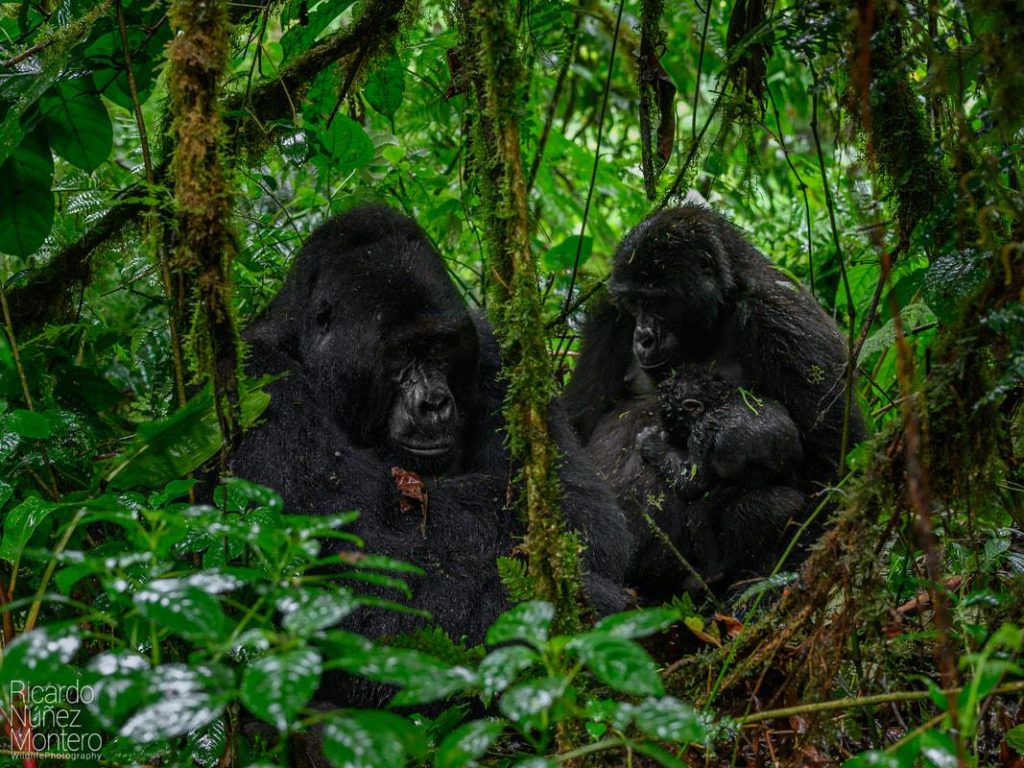
Human visitors should avoid interfering with these relationships. For example, nobody should attempt to attract an infant gorilla’s attention or move closer for a photograph.
Instead, visitors should remain together, observe quietly and allow the animals to interact naturally.
This is particularly important when a family includes young gorillas. Their safety and normal development depend on the protection of the group and its habitat.
Why Gorilla Viewing Distance Reduces Stress and Disturbance
Mountain gorillas are wild animals. Although some groups have become accustomed to the presence of trained researchers and tourists, this does not mean they enjoy unrestricted human contact.
Habituation involves a gradual process through which animals become accustomed to people who do not pose a threat. However, habituated gorillas still require protection from excessive disturbance.
Understanding the Difference Between Habituation and Domestication
Habituation and domestication are not the same.
Habituation allows wild animals to tolerate a controlled level of human presence. Domestication involves changes associated with generations of human management and selective breeding.
Mountain gorillas remain wild, even when they belong to groups that tourists can visit. Their tolerance of guided visitors does not give people permission to touch, feed or approach them.
The International Gorilla Conservation Programme explains that responsible gorilla tourism should minimise disruption and behavioural changes in mountain gorillas. Its Gorilla Friendly tourism standards encourage practices that reduce unnecessary human-gorilla interactions.
This distinction is important for visitors. A gorilla that continues feeding while people observe is not inviting physical contact. It is simply carrying on with its natural activities.
How Crowding Can Change Gorilla Behaviour
Crowding can create unnecessary disturbance during wildlife encounters. Visitors who move too close may cause gorillas to change their position or interrupt what they are doing.
Loud voices, sudden movements and attempts to get a better photograph can increase this disturbance.
The International Union for Conservation of Nature’s Best Practice Guidelines for Great Ape Tourism also warn against excessive habituation. The guidelines explain that overly close contact can increase the risk of aggression, injury and disease transmission.
Therefore, maintaining space is not only about following a distance measurement. It is also about allowing gorillas to remain wild and reducing the pressure they experience from human observers.
Why Gorilla Viewing Distance Is Important for Visitor Safety
Giving mountain gorillas enough space protects visitors as well as wildlife.
Mountain gorillas are powerful animals. They usually avoid unnecessary conflict, but they can react defensively when they feel threatened or disturbed.
Visitors should therefore never assume that a habituated gorilla will behave like a tame animal.
Why Visitors Should Avoid Touching Gorillas
Touching a gorilla may seem exciting, especially when an animal comes close. However, physical contact creates unnecessary risks for both humans and wildlife.
It can expose the gorilla and visitor to infectious diseases. It may also trigger an unpredictable reaction from an animal that feels threatened.
Visitors must never reach out, attempt to hold a gorilla or encourage it to approach. If a gorilla moves closer, travellers should remain calm and follow the guide’s instructions.
A close encounter does not remove the need to respect wildlife boundaries.
Why Visitors Must Follow Their Guides
Park guides have experience working in gorilla habitats. They understand the terrain, gorilla behaviour and the rules governing wildlife encounters.
They also help visitors respond appropriately when gorillas move closer or display unusual behaviour.
For instance, if a gorilla approaches the group, visitors should not attempt to touch it or move towards it. Instead, they should remain calm and follow the guide’s directions.
Guides may also adjust the group’s position to maintain a safe viewing arrangement. Their instructions should always take priority over personal photography preferences.
At Safari O’clock, we encourage travellers to listen carefully during the pre-trek briefing. Understanding the guide’s role helps visitors enjoy the encounter responsibly.
Why Gorilla Viewing Distance Supports Responsible Photography
Photography is one of the highlights of gorilla trekking. Visitors naturally want to capture memories of their time in the forest. However, taking good photographs should never come before animal welfare.
Some travellers may feel tempted to move closer to get a clearer image. Others may try to position themselves around the group to avoid vegetation blocking their cameras.
These actions can disturb the gorillas and encourage unsafe behaviour.
How to Take Gorilla Photographs Without Getting Too Close
Visitors should use their cameras or phones from the permitted viewing distance. They should avoid stepping forward, stretching out their arms or moving around the group without permission.
A camera with a suitable zoom function can help capture details without disturbing the animals. Visitors should also follow park rules on flash photography and other equipment.
In Rwanda, the official gorilla tracking guidance prohibits flash photography. Travellers should check the current rules for their chosen destination before the trek.
It is also important to remember that not every photograph needs to show a gorilla’s face in extreme detail. A wider photograph can capture the forest, the animal’s natural surroundings and the atmosphere of the encounter.
The best wildlife photographs respect the subject. They do not require visitors to ignore conservation rules.
Why Small Gorilla Trekking Groups Help Protect Wildlife
Limiting the number of visitors is another important way to manage human presence around mountain gorillas.
Large crowds can create more noise, movement and disturbance. They may also make it harder for guides to monitor visitor behaviour and maintain the required distance.
For this reason, gorilla trekking authorities restrict the number of people who can visit a habituated gorilla group.
Why Visitor Numbers Are Controlled
Rwanda’s official guidance allows a maximum of eight visitors per gorilla group during a visit. It also limits viewing time to one hour.
These restrictions help reduce the amount of human activity around each group. They also make it easier for guides to supervise visitors and maintain responsible viewing practices.
Small groups can move through the forest more carefully. They also create fewer opportunities for crowding during the encounter.
However, group size alone does not guarantee responsible behaviour. Every visitor must still respect the distance rule and follow the guide’s instructions.
How Responsible Tourism Helps Maintain Conservation Standards
Responsible tourism depends on cooperation between visitors, park authorities and tourism operators.
Park authorities establish the regulations. Guides communicate and enforce instructions during the trek. Tour operators prepare travellers and help them understand what responsible behaviour involves.
The International Gorilla Conservation Programme’s Gorilla Friendly tourism initiative promotes standards that reduce disturbance and disease transmission. It also recognises the importance of training guides and encouraging responsible visitor conduct.
Safari O’clock supports this approach by encouraging travellers to understand park regulations before arriving for their gorilla trekking experience.
What Should You Do If a Gorilla Comes Closer to You?
One question many first-time visitors ask is what happens when a gorilla approaches the group.
Mountain gorillas move freely through their habitat. They may walk near visitors while feeding, travelling or interacting with other members of their family.
This means that maintaining the required distance is not always entirely within the visitor’s control. However, travellers can control their own movements and reactions.
If a gorilla comes closer, remain calm. Do not reach out, attempt to touch it or move towards it. Follow the guide’s instructions and allow the animal to move freely.
Visitors should also avoid sudden movements and loud reactions. The goal is to prevent unnecessary disturbance while allowing the gorilla to continue its natural behaviour.
The guide may reposition the group when necessary. Therefore, travellers should remain attentive throughout the encounter.
How Safari O’clock Helps Travellers Understand Responsible Gorilla Trekking
At Safari O’clock, we believe that responsible gorilla trekking begins with preparation and awareness.
Before visiting Rwanda or Uganda, travellers should understand the purpose of the trekking rules. They should know why distance matters, why sick visitors must stay away and why guides control behaviour during the encounter.
We help travellers plan gorilla trekking experiences while encouraging respect for wildlife and park regulations. Whether you are visiting Volcanoes National Park in Rwanda or Bwindi Impenetrable National Park in Uganda, preparation can make your journey more rewarding.
We also encourage visitors to look beyond the excitement of seeing mountain gorillas. Understanding their health needs, social behaviour and conservation challenges creates a deeper connection with the experience.
A responsible visitor does not measure a successful trek by how close they get to a gorilla. Instead, they value the opportunity to observe these animals without disturbing them.
Conclusion: Giving Mountain Gorillas Space Is an Act of Conservation
Mountain gorillas need space from human visitors because their health, behaviour and safety depend on responsible wildlife encounters.
Maintaining the required distance helps reduce disease transmission risks. It also gives gorillas room to feed, rest and interact naturally. Furthermore, it protects visitors and supports the long-term management of gorilla tourism.
Every traveller has a responsibility to respect these boundaries. Following park rules, listening to guides, avoiding physical contact and staying away when sick all contribute to safer encounters.
For anyone planning a gorilla trekking experience, understanding these responsibilities is just as important as preparing for the hike.
With Safari O’clock, you can explore the forests of Rwanda and Uganda while learning why responsible tourism matters. Remember, the privilege of seeing mountain gorillas comes with a responsibility to protect their space.