- DIRECT CONTACTS:
- +256394517569
- tours@safarioclock.africa

How to Photograph Gorilla Portraits Without Disturbing Wildlife

Photography Etiquette During a Mountain Gorilla Encounter
November 11, 2026
Capturing Gorilla Family Interactions Respectfully
November 11, 2026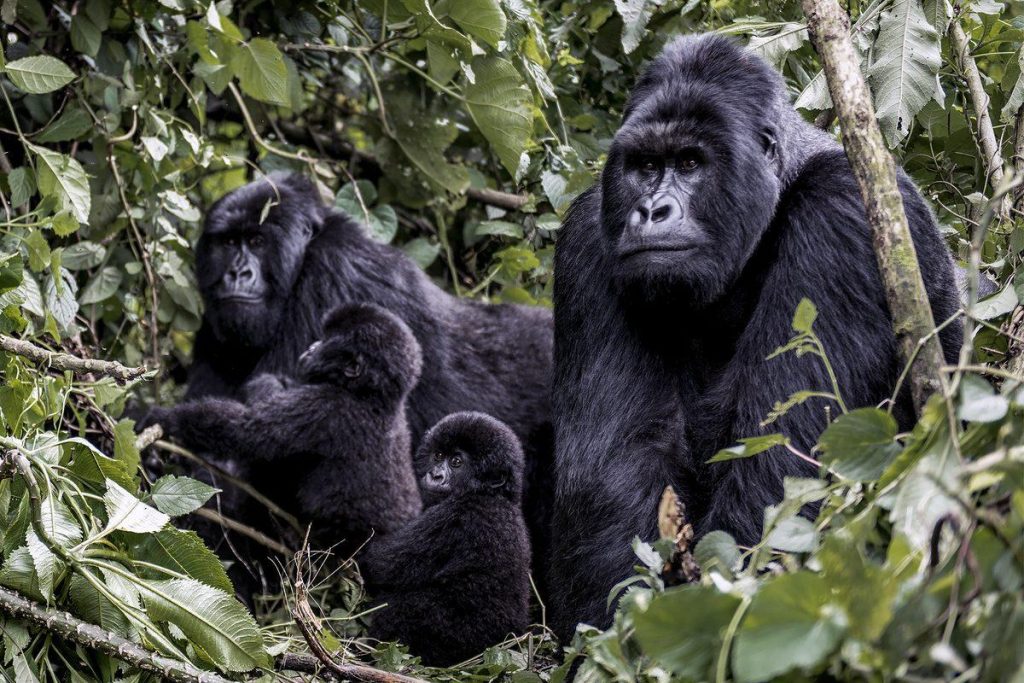
A mountain gorilla portrait can capture more than the appearance of an animal. It can reveal a gentle expression, the texture of its fur, the strength of a silverback or the bond between a mother and her infant. For travellers visiting Rwanda and Uganda, photographing mountain gorillas is often one of the most memorable parts of the trekking experience.
However, taking a beautiful photograph should never come at the expense of wildlife. Mountain gorillas live in sensitive forest environments. They need space to feed, rest, interact and care for their young. Therefore, visitors must approach photography with patience and respect.
Ethical gorilla photography begins with understanding the animals and following the instructions of park guides. It also requires suitable camera settings, thoughtful composition and responsible behaviour. You do not need to attract a gorilla’s attention or move closer to capture a meaningful portrait.
At Safari O’clock, we encourage travellers to put wildlife welfare before photography. A good portrait should preserve a natural moment without disturbing the animal. This guide explains how to achieve that during a mountain gorilla encounter.
Why Ethical Gorilla Photography Matters
Mountain gorillas are endangered primates that depend on protected forest habitats. They live in close-knit family groups and spend much of their day feeding, resting, moving through the forest and interacting with other members.
Human presence can affect wildlife, especially when visitors make sudden movements, create loud noises or attempt to get closer for photographs. Such behaviour can interrupt natural activities and create unnecessary stress.
There is also an important health concern. Gorillas can catch some human respiratory infections. Their close genetic relationship with humans makes disease prevention a major part of responsible gorilla tourism.
Photography must therefore follow the same conservation principles as gorilla tracking. Visitors should maintain the required distance, avoid flash and follow their guides. They should never touch, feed or deliberately attract the animals.
Ethical photography also protects the forest. Pushing branches aside, breaking plants or leaving designated areas can damage the habitat. These actions may seem small, but they can create unnecessary disturbance.
For Safari O’clock travellers, understanding these responsibilities helps make the encounter more meaningful. You can enjoy photography while respecting the animals and the environment.
Prepare for Ethical Gorilla Photography Before the Trek
Good wildlife portraits often begin before the photographer reaches the subject. Preparation helps you avoid unnecessary movement and camera adjustments during the encounter.
Start by checking your camera or smartphone. Charge the battery, clear enough memory space and clean the lens. If you use a camera, select a suitable lens before entering the forest.
A medium telephoto zoom can offer useful flexibility. For example, a 70–200mm lens can help capture individual gorilla portraits from the permitted viewing distance. A wider lens may work better when photographing several gorillas together.
However, equipment alone does not guarantee a good photograph. You should understand how to adjust your camera in low forest light. Practise using ISO, shutter speed and autofocus before travelling.
Most importantly, switch off flash before the trek. Do not wait until you reach the gorilla family to check this setting. Some cameras activate flash automatically in dark conditions, so confirm that it remains disabled.
Check your camera settings in advance
Dense forest environments often have limited natural light. Therefore, learn how your camera performs in shaded conditions.
A wide aperture can help the camera collect more light. A suitable shutter speed can reduce blur when a gorilla moves. You may also need to increase ISO when the forest becomes darker.
If your camera supports animal eye detection, practise using it before the trek. This feature can help focus on a gorilla’s eye when the face is clearly visible. However, leaves and branches may interfere with autofocus.
Prepare your equipment so you can take photographs without constantly changing settings. This allows you to spend more time observing the gorillas.
Follow Park Rules During Gorilla Portrait Photography
Every gorilla trekking destination has rules that protect visitors and wildlife. These rules apply to photographers just as much as they apply to other travellers.
In Rwanda, official visitor guidance requires people to maintain a minimum distance of seven metres from mountain gorillas. Visitors must also keep their voices low, avoid sudden movements and switch off flash. Normal viewing time is limited to one hour.
Uganda also applies specific gorilla tracking rules through the Uganda Wildlife Authority. These include guided visits, restrictions on flash photography and a limited viewing period. Travellers should confirm the current requirements for their particular park before the trek.
Never assume that a photography opportunity gives you permission to ignore these instructions. A close-up photograph is not worth putting a gorilla or visitor at risk.
Maintain the required viewing distance
Distance is one of the most important parts of responsible gorilla photography. It helps reduce the risk of disease transmission and unnecessary disturbance.
Never move closer to improve your portrait. Instead, use your optical zoom or select a suitable focal length. You can still capture facial details without approaching the animal.
If a gorilla moves towards your group, remain calm and follow the guide’s instructions. Do not reach out to touch it or attempt to take a close selfie.
Remember that the required distance protects the gorillas as well as visitors. It is not an optional photography guideline.
Never use flash to brighten a portrait
Flash photography is prohibited during Rwanda gorilla tracking. Uganda’s official visitor rules also prohibit flash photography.
A sudden burst of light can disturb wildlife. Therefore, prepare your camera to work with natural light.
If the forest is dark, increase ISO or use a wider aperture where appropriate. You can also adjust shutter speed according to the animal’s movement. A photograph with some digital noise is better than disturbing a gorilla with prohibited lighting.
Smartphone users should also switch off the flash. Do not assume that a phone’s night mode makes flash acceptable.
Use Natural Light for Beautiful Gorilla Portraits
Natural light can reveal details that make a gorilla portrait special. It can highlight facial expressions, fur texture and the shape of the animal’s face.
However, forest lighting changes throughout the encounter. Thick leaves may block direct sunlight, while small openings in the canopy create brighter patches. As a result, some gorillas may appear in shadow even during the day.
Rather than trying to change the environment, learn to work with the available light. Adjust your exposure settings and observe how light falls on the gorilla.
Soft natural light can create attractive portraits. It often reduces harsh shadows and helps preserve detail. However, avoid exposing the photograph too brightly when the gorilla sits in a small patch of sunlight.
Avoid disturbing gorillas for better lighting
Never ask guides to move a gorilla into a brighter area. Do not make noises, throw objects or change the animal’s behaviour to improve your photograph.
You should also avoid pushing branches aside or breaking vegetation. If leaves obstruct your view, ask your guide whether a safe viewing position is available.
Sometimes the gorilla may remain partly hidden. That is part of observing wildlife in its natural habitat. A photograph that shows the animal among leaves can still tell a beautiful story.
Focus on the Gorilla’s Eyes and Natural Expressions
The eyes often form the strongest part of a wildlife portrait. They help create a connection between the subject and the person viewing the photograph.
When the gorilla’s face is visible, try to focus on the nearest eye. This can make the portrait feel more engaging and help draw attention to the animal’s expression.
Modern cameras may offer animal eye detection or subject tracking. These features can help maintain focus, especially when the gorilla moves slightly. However, autofocus may struggle when vegetation blocks the face.
If that happens, select a smaller focus area and position it over the visible eye or face. Take a moment to check the result when conditions allow.
Do not make sudden movements to find a better angle. Work with the view available from your position.
Capture natural expressions instead of seeking poses
Gorillas do not pose for visitors. They continue with their normal activities during the encounter.
You may see a silverback resting, a female grooming another family member or a young gorilla exploring its surroundings. These moments offer meaningful photography opportunities.
Observe the animal before pressing the shutter. Watch its expressions and movements. Then take a photograph when the moment naturally develops.
Avoid calling the gorilla, imitating its sounds or making gestures to attract its attention. The animal should never have to perform for your camera.
Compose Gorilla Portraits Without Changing Their Behaviour
Composition determines how the subject appears within a photograph. It helps the photographer guide attention towards important details.
For a close portrait, you can place the gorilla’s face near the centre or slightly to one side. Leave some space in the direction the animal is looking. This can create a balanced image.
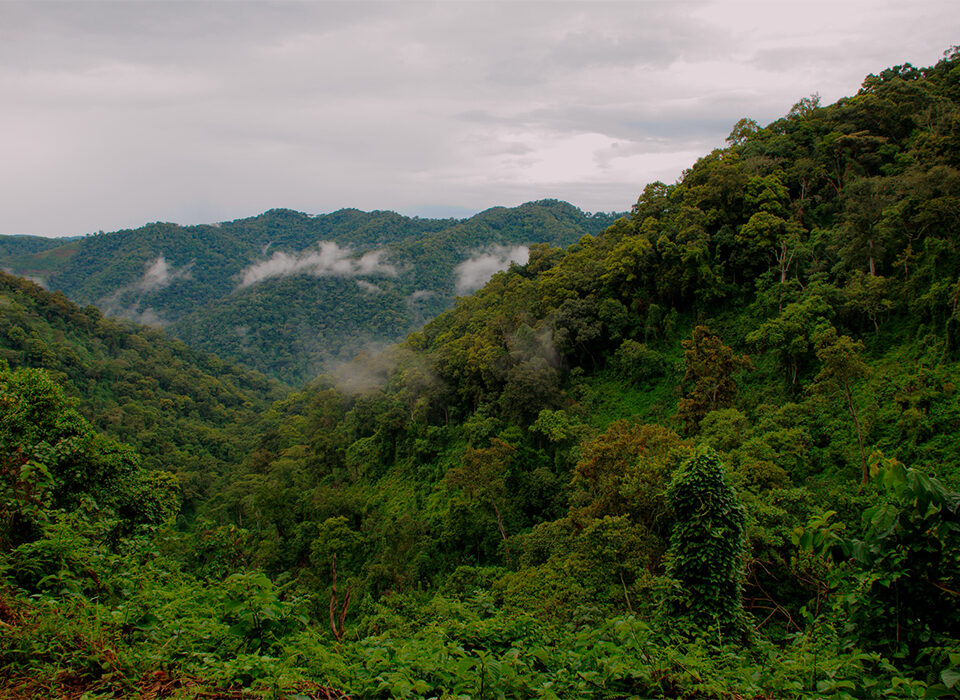
You can also include the surrounding forest. Leaves, tree trunks and natural vegetation help show the gorilla within its habitat.
However, avoid trying to create a perfect background by removing branches or moving plants. The forest is part of the photograph, not an obstacle that you must eliminate.
Include the forest in your portrait
A gorilla portrait does not always need to show only the animal’s face. Including part of the forest can help communicate where the gorilla lives.
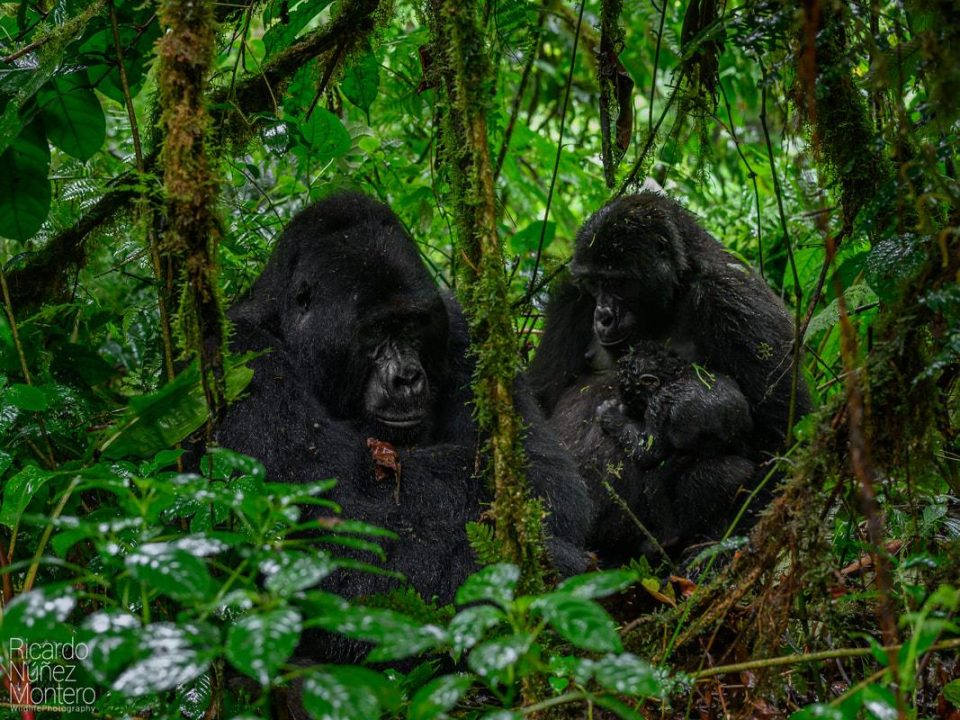
For example, you could photograph a silverback sitting among green vegetation. You might also capture a mother holding her infant beneath the forest canopy.
These wider compositions tell a conservation story. They remind viewers that mountain gorillas depend on healthy forest habitats.
Safari O’clock encourages travellers to appreciate both the animal and its surroundings. A photograph can celebrate the gorilla while also showing the importance of protecting its home.
Avoid misleading close-up photographs
A tightly cropped photograph can make an animal appear closer than it really was. This may create misleading impressions when people share the image online.
Do not edit photographs to suggest that you approached a gorilla beyond the permitted distance. Also, avoid captions that encourage viewers to touch or approach wild primates.
Responsible images should represent the encounter honestly. They should not make unsafe behaviour appear acceptable.
Keep Your Movements Quiet and Controlled
The way you handle your camera can affect the encounter. Sudden movements, loud sounds and repeated changes in position may disturb the animals.
Raise your camera slowly and avoid waving it around. Keep your equipment secure and remain with your group.
Some cameras produce shutter sounds or electronic beeps. Where possible, disable unnecessary sounds before the trek. You can also avoid long bursts of continuous shooting.
If you need to change your position, ask your guide first. Never move around the gorilla family without permission.
These habits also help you take better photographs. Calm movements give you time to observe the subject and compose your images carefully.
Avoid Touching or Interacting With Gorillas
A gorilla portrait should never require physical contact. Even when a gorilla appears calm or curious, visitors must not touch it.
Human contact creates disease risks. It may also cause unpredictable reactions from a wild animal.
Never extend your hand towards a gorilla for a photograph. Do not attempt to hold a phone close to its face or take a selfie that requires approaching it.
If a gorilla approaches, remain calm and follow your guide’s instructions. Do not attempt to control its movement or attract its attention.
The best wildlife photographs come from observation. They do not require interaction.
Give Other Visitors Room to Photograph
Gorilla tracking is a shared experience. Other visitors have also travelled to see the animals, and everyone deserves an opportunity to enjoy the encounter.
Avoid stepping in front of someone who is taking a photograph. Do not push through the group to secure a better angle. Keep your camera and arms within your space as much as possible.
If you need to adjust your position, ask your guide first. They can help manage the group without disturbing the gorillas.
Remember that some travellers prefer to watch rather than take photographs. Respect their space and avoid blocking their view.
A considerate photographer understands that the encounter is not a private photo session. Sharing the viewing space creates a better experience for everyone.
Know When to Put Your Camera Down
It is easy to become focused on photography during a gorilla encounter. You may want to capture every expression and movement. However, spending the entire hour behind a camera can cause you to miss the experience itself.
Take a few photographs, then pause and observe the animals. Watch how the family interacts and how the gorillas move through their habitat.
You may notice details that are difficult to appreciate through a camera screen. These include the sounds of the forest, the behaviour of young gorillas and the relationships between family members.
The viewing period is limited. In Rwanda, the standard visit lasts up to one hour. Authorities may also end an encounter earlier when circumstances require it.
Use the time thoughtfully. Capture a few meaningful images and enjoy the privilege of seeing mountain gorillas in the wild.
Share Gorilla Portraits Responsibly After the Trek
Your responsibility continues after leaving the forest. Photographs shared online can influence how other people understand wildlife tourism.
Choose images that show respectful behaviour. Avoid sharing photographs that appear to show visitors touching gorillas or standing too close to them.
The International Union for Conservation of Nature’s guidance on responsible images of non-human primates highlights the risks of sharing images that portray people in close proximity to wild primates. Such images can create harmful expectations and encourage unsafe interactions.
Therefore, think carefully before publishing your photographs. Use honest captions and avoid presenting unusual or unsafe encounters as normal tourist experiences.
You can also use your photographs to encourage conservation awareness. Explain why gorillas need protected habitats, why visitors must follow park rules and how responsible tourism supports conservation.
Safari O’clock encourages travellers to share images that celebrate mountain gorillas without promoting harmful behaviour. A responsible photograph can inspire appreciation while reminding others to respect wildlife.
Common Mistakes to Avoid When Photographing Gorilla Portraits
Some photography mistakes happen because visitors become excited during the encounter. However, knowing what to avoid can help you prepare.
Using flash is one mistake. Always disable it before entering the forest. Another mistake is moving closer to capture facial details. Use your zoom instead.
Some visitors also make noises to attract a gorilla’s attention. This can interfere with natural behaviour. Allow the animal to continue its activities without interruption.
Pushing vegetation aside is another harmful practice. Branches and leaves form part of the gorilla’s habitat. Do not damage them for a clearer view.
Finally, avoid spending the entire encounter taking photographs. Remember to observe the animals and follow your guide’s instructions.
Final Thoughts on Photographing Gorilla Portraits Without Disturbing Wildlife
Photographing mountain gorillas is a special opportunity. It allows travellers to preserve memories of an endangered species in its natural habitat. However, every photograph should reflect respect for the animals and their environment.
Prepare your camera before the trek. Use natural light, focus carefully and compose your portraits from the permitted viewing distance. Avoid flash, sudden movements and unnecessary noise.
Most importantly, never change a gorilla’s behaviour for a photograph. Do not touch, feed, call or move closer to the animal. Follow your guide and respect the instructions of park authorities.
At Safari O’clock, we believe responsible wildlife photography should celebrate nature without disturbing it. A meaningful portrait is not simply one that looks beautiful. It is one taken with patience, respect and care for the animal.
When you photograph mountain gorillas responsibly, you preserve more than a memory. You also help promote a culture of wildlife appreciation and conservation.