- DIRECT CONTACTS:
- +256394517569
- tours@safarioclock.africa

How to Keep Your Camera Dry During a Rainy Trek

Capturing Gorilla Family Interactions Respectfully
November 11, 2026
Should You Use a Smartphone or Camera for Gorilla Trekking?
November 11, 2026
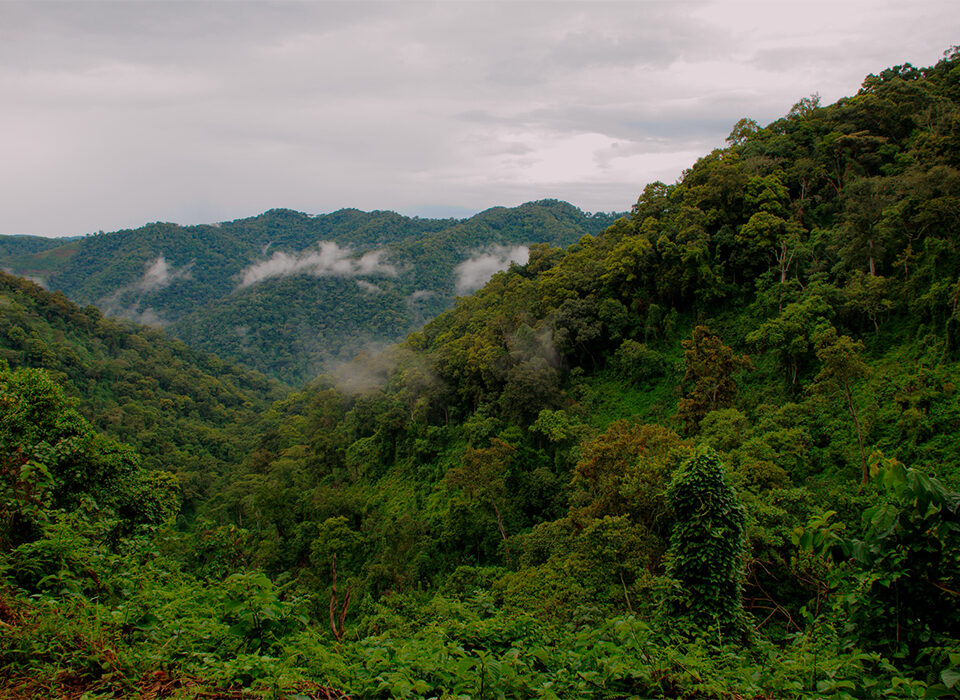
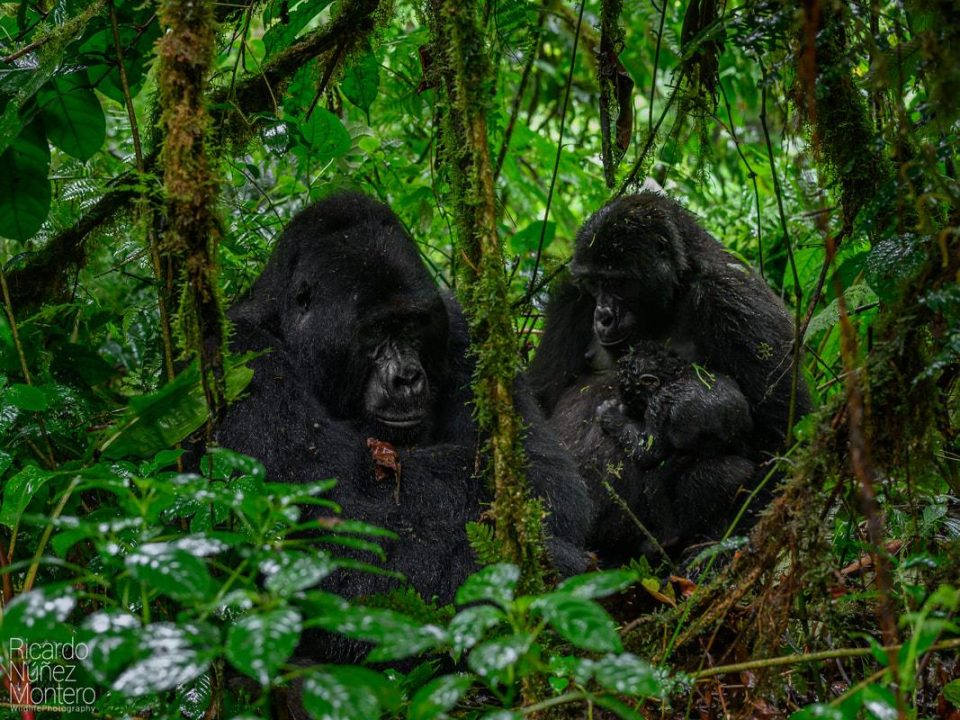
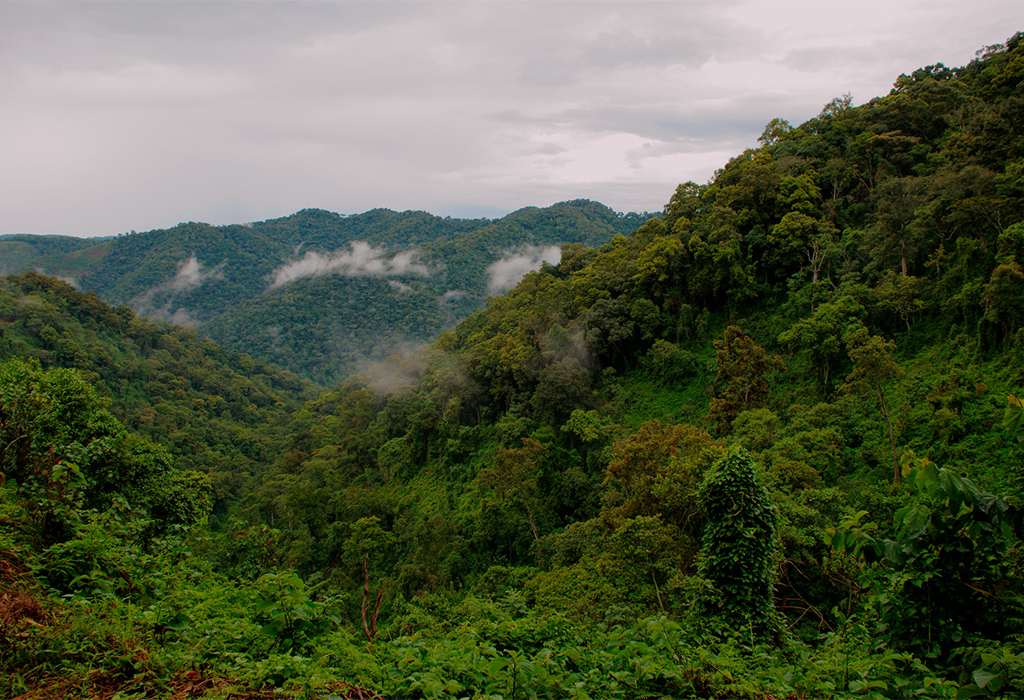
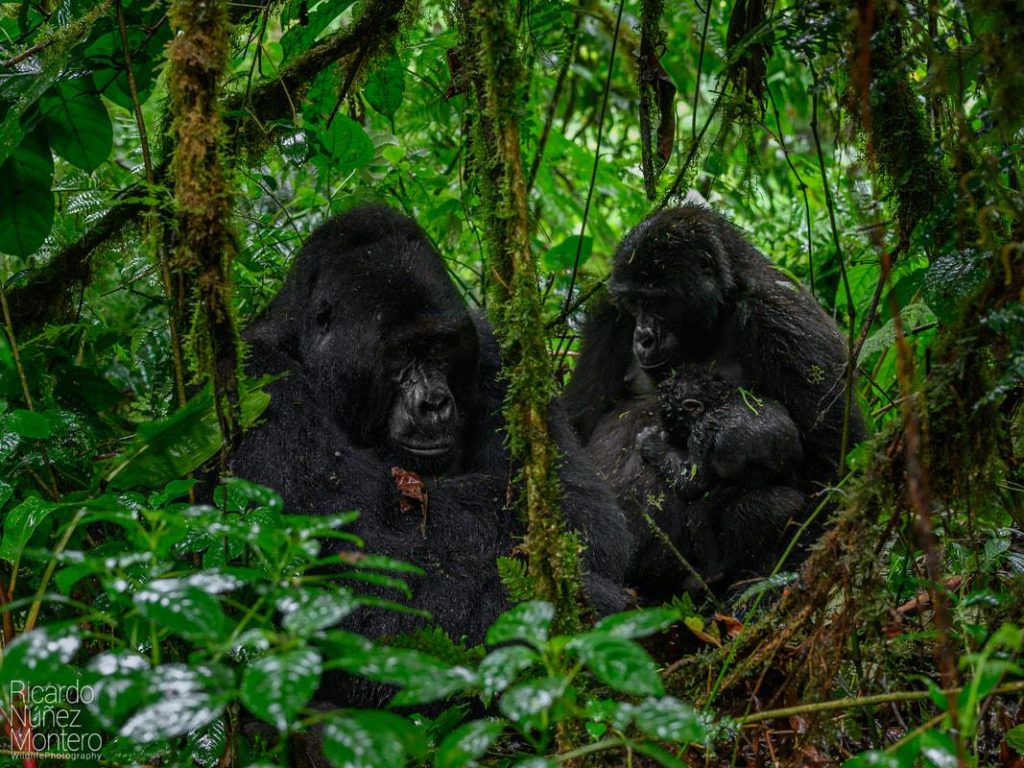
A rainy gorilla trek can create beautiful photography opportunities. The forest becomes greener, mist moves through the vegetation and raindrops settle on leaves. Mountain gorillas may also appear with wet fur as they move through their natural habitat. However, these conditions can make photography challenging, especially when you need to protect expensive camera equipment.
Mountain gorilla trekking takes place in forest environments where weather conditions can change quickly. A morning that begins with clear skies may become cloudy or rainy during the hike. Therefore, photographers should prepare for moisture even when the weather forecast looks favourable.
At Safari O’clock, we encourage travellers to prepare their photography equipment before entering the forest. Protecting your camera helps prevent water damage and allows you to enjoy the experience with fewer worries.
This guide explains how to keep your camera dry during a rainy trek. It also covers useful equipment, safe handling techniques and practical steps to follow if your camera gets wet.
Why Camera Protection Matters During a Rainy Trek
Rain can affect cameras in several ways. Water may enter through buttons, connection points, battery compartments or other openings. Moisture can also affect lenses, memory cards and electronic components.
Even a small amount of water can cause problems if it reaches sensitive internal parts. In some cases, damage may not appear immediately. Moisture can also contribute to corrosion over time.
Humidity creates another challenge. Tropical forests often contain considerable moisture in the air. This can affect camera equipment, especially when photographers move between environments with different temperatures.
During gorilla trekking, visitors may also pass through wet vegetation. Leaves and branches can brush against camera bodies and lenses. In addition, mist and light rain can settle on the front glass.
For these reasons, camera protection should be part of every photographer’s trekking preparation. Safari O’clock recommends treating waterproofing as essential rather than waiting until rain begins.
Prepare Your Camera for a Rainy Trek Before Leaving
Good camera protection begins before you reach the forest. Preparing your equipment at the lodge helps you avoid unnecessary adjustments during the trek.
Choose a Suitable Camera Rain Cover
A camera rain cover is one of the most useful accessories for outdoor photography. It provides an additional protective layer over the camera body and lens.
Most rain covers have openings that allow photographers to operate the camera while keeping much of the equipment covered. Some designs also include adjustable sections for different lens sizes.
Choose a cover that fits your camera and lens combination. A loose cover may expose important areas to rain. On the other hand, a cover that is too tight may restrict access to the controls.
Test the cover before your trek. Make sure you can reach the shutter button, adjust settings and operate the zoom without exposing unnecessary parts of the camera.
A properly fitted rain cover allows you to take photographs during light rain while reducing direct exposure to water. However, it does not make every camera completely waterproof.
Pack Your Camera in a Waterproof Bag
A waterproof bag provides another important layer of protection. It helps keep your camera dry when you are not taking photographs.
You can use a dedicated waterproof camera backpack or place your camera bag inside a waterproof dry bag. Both options can help protect your equipment from rain and splashing water.
If your camera bag is not waterproof, consider using a waterproof liner. You can also place smaller accessories in separate sealed bags.
A good arrangement keeps your camera protected while allowing you to reach it easily. Avoid packing everything loosely because this makes it harder to find equipment when the weather changes.
Before leaving, check that all zips and closures are properly secured. Remember that a water-resistant bag is not necessarily suitable for heavy rain or complete immersion.
Carry Waterproof Pouches for Small Accessories
Camera equipment includes more than the camera body and lens. Memory cards, spare batteries, chargers and other accessories also need protection.
Small waterproof pouches or sealable plastic bags can help keep these items dry. Store spare memory cards in a protective case before placing the case inside a sealed pouch.
Keep batteries away from loose metal objects. Also, avoid handling memory cards with wet hands.
This simple arrangement reduces the risk of moisture reaching important accessories. It also helps you organise your equipment during the trek.
Check Your Camera’s Weather Sealing
Some cameras and lenses have weather-sealing features. These designs use protective seals around selected openings to help resist dust and moisture.
However, weather-sealed does not mean completely waterproof. The level of protection varies between camera models and lenses.
Before your trip, check the manufacturer’s specifications. Find out whether your equipment can withstand light rain or only limited exposure to moisture.
Even if your camera has weather sealing, use an additional rain cover during a rainy trek. This provides extra protection against prolonged exposure and water running over the equipment.
How to Keep Your Camera Dry While Walking Through the Forest
Preparing your equipment is important, but the way you handle it during the trek matters just as much. Rain can begin suddenly, so develop simple habits that protect your camera throughout the journey.
Keep Your Camera Covered Between Photographs
Do not leave your camera exposed when you are not using it. Place it inside its rain cover or waterproof bag whenever possible.
This reduces contact with rain, mist and wet vegetation. It also prevents water from collecting around buttons and other openings.
During a gorilla trek, you may need to move through narrow forest paths. Branches and leaves can brush against your equipment as you walk. Keeping the camera covered reduces this exposure.
When you reach a suitable photography position, uncover only the parts you need. Once you finish taking pictures, protect the equipment again.
Use a Rain Sleeve While Taking Photographs
Sometimes, the rain continues even after you reach the gorilla family. In this situation, a rain sleeve can help you protect your camera while taking photographs.
A good sleeve covers the camera body and extends over the lens. It should allow you to operate the essential controls without removing the protection.
Keep the front of the lens clear so that the camera can focus properly. Also, make sure the sleeve does not obstruct the lens hood or interfere with zooming.
Do not allow water to collect around the lens opening. Check the cover regularly and adjust it if necessary.
Remember that camera protection should never distract you from the gorilla viewing rules. Follow your guide’s instructions and maintain the required distance throughout the encounter.
Keep a Clean Microfibre Cloth Within Reach
Rain and mist can leave droplets on the front of your lens. These droplets may appear in photographs as blurred patches or unwanted marks.
A clean microfibre cloth helps remove moisture from the front glass. Carry it in a small sealed pouch so that it remains dry.
Use the cloth gently and avoid wiping the lens with wet clothing or ordinary paper. These materials may leave dirt or fibres on the glass.
It is also helpful to carry a second cloth for drying the outside of the camera cover. Keep the two cloths separate so that you do not transfer moisture onto the lens.
Avoid Changing Lenses in the Rain
Changing lenses exposes the camera’s interior to the surrounding environment. Rain, dust and moisture may enter through the open lens mount.
Therefore, choose a suitable lens before beginning your trek. A versatile zoom lens can reduce the need to change equipment during the journey.
If you must change lenses, first find a sheltered and dry location. Turn off the camera and follow the manufacturer’s instructions.
Avoid changing lenses in heavy rain or when your hands are wet. Protect the replacement lens until you are ready to attach it.
For most gorilla photography trips, a simple setup is easier to manage. Carrying fewer accessories also reduces the weight of your backpack.
Protect Your Camera from Condensation and Humidity
Rain is not the only source of moisture during a forest trek. Changes in temperature can also cause condensation to form on camera equipment.
Condensation happens when moist air meets a cooler surface. Water droplets may then develop on the outside or inside parts of the equipment.
This can happen when you move from a cold outdoor environment into a warmer room. It can also occur when you take a camera from an air-conditioned vehicle into humid surroundings.
Allow Your Camera to Adjust Gradually
Avoid exposing your camera to sudden temperature changes whenever possible.
If you move from a cool environment into a warm, humid room, place the camera inside a sealed plastic bag before the temperature change. Allow it to adjust gradually while sealed.
This helps reduce the chance of condensation forming on the equipment as it warms.
Do not open the bag immediately if the camera still feels cold. Give it time to reach the surrounding temperature before removing it.
Carry Silica Gel Packs
Silica gel absorbs moisture from the air inside enclosed storage spaces. Small packets can help keep your camera bag and accessory cases drier.
Place a few suitable silica gel packs inside your camera bag. Keep them away from direct contact with delicate equipment unless the manufacturer recommends otherwise.
Check the packets regularly. Some types change colour when they need replacing or reactivating.
However, silica gel is not a substitute for a waterproof camera cover. It helps manage moisture inside storage spaces but cannot protect an exposed camera from falling rain.
What to Do If Your Camera Gets Wet During a Trek
Even careful photographers can experience unexpected downpours. A rain cover may shift, a bag may open or water may reach the camera during a difficult section of the trail.
If your camera gets wet, act carefully. Avoid rushing to test whether it still works.
First, stop using the camera if you suspect that water has entered its body. If it is safe to do so, switch it off.
If the camera is heavily wet, remove the battery and memory card only if you can do so safely without spreading water into the compartments. Do not force open wet or stuck covers.
Gently wipe the exterior with a clean, dry cloth. Keep the camera away from additional moisture and store it in a dry protective bag.
Do not use a hair dryer, heater or direct sunlight to dry the equipment. Excessive heat can damage sensitive components.
If water may have entered the camera, contact a qualified camera technician or the manufacturer’s service centre. Do not switch it back on simply to check whether it works.
Professional inspection is especially important after significant water exposure. A camera may appear functional while moisture remains inside.
Essential Camera Protection Items for a Rainy Gorilla Trek
Packing the right accessories makes camera protection easier. You do not need a large collection of equipment. Instead, focus on items that serve clear purposes.
A camera rain cover protects the camera while you take photographs. A waterproof dry bag provides additional protection when you are walking or resting. Meanwhile, a microfibre cloth helps remove droplets from the lens.
Small sealed pouches protect memory cards and batteries. Silica gel packs help manage moisture inside your camera bag. A lens hood can also help reduce the amount of rain reaching the front element, although it cannot replace a rain cover.
It is useful to carry a spare battery in a dry pouch. Cold and damp conditions can make battery management more challenging, so check your charge before leaving the lodge.
Keep your packing simple. Heavy equipment can make a long trek more tiring, especially when the trails are muddy or steep.
Safari O’clock encourages travellers to choose practical equipment that suits their camera, trekking conditions and photography experience.
Common Camera Protection Mistakes to Avoid During a Rainy Trek
Some mistakes can expose camera equipment to unnecessary moisture. Fortunately, most are easy to prevent with proper preparation.
One common mistake is assuming that a weather-sealed camera can withstand every type of rain. Weather sealing offers some protection, but it does not guarantee waterproof performance.
Another mistake is keeping the camera outside the bag throughout the trek. Even when it is not raining heavily, mist and wet vegetation can expose the equipment to moisture.
Some photographers also use their clothing to wipe the lens. This can leave fibres, dirt or scratches on the glass. A clean microfibre cloth is a better choice.
Changing lenses in an exposed location is another avoidable risk. It increases the chance of moisture entering the camera body.
Finally, never ignore a wet camera. Continuing to operate equipment after significant water exposure can increase the risk of damage.
Good preparation helps prevent these problems and makes photography more enjoyable.
Balancing Camera Protection with Responsible Gorilla Photography
Protecting your equipment should never take priority over the welfare of the gorillas or your safety on the trail.
During a gorilla encounter, visitors must follow the instructions of their guides and park authorities. Rwanda and Uganda have specific rules governing visitor distance, photography and behaviour.
For example, Rwanda’s official guidance requires visitors to maintain a minimum distance of seven metres from mountain gorillas. Uganda Wildlife Authority’s July 2024 tracking guidelines specify a minimum distance of ten metres. Always confirm the latest rules for your destination before travelling.
Flash photography is not permitted during gorilla encounters. Visitors should also avoid sudden movements, loud noises and actions that attract the animals’ attention.
A rain cover can help you take photographs without exposing your camera unnecessarily. However, do not struggle with complicated equipment while standing near the gorillas.
If the rain becomes heavy, put the camera away and follow your guide’s instructions. There will be other opportunities to photograph wildlife during your travels.
Safari O’clock encourages travellers to remember that a gorilla trek is a wildlife experience, not a photography competition. The best memories come from enjoying the encounter responsibly.
How Safari O’clock Helps Travellers Prepare for Rainy Treks
Preparing for a rainy trek involves more than choosing a camera. Travellers should also consider suitable clothing, waterproof footwear and the physical demands of walking through a forest.
Safari O’clock encourages visitors to pack rain protection for themselves and their photography equipment. A waterproof jacket, suitable hiking boots and a protective daypack can make the experience more comfortable.
We also recommend checking your camera equipment before departure. Test your rain cover, charge your batteries and organise your accessories while you still have access to a dry environment.
Most importantly, prepare for changing weather. Mountain rainforest conditions can be unpredictable, so even visitors travelling during a drier season should carry suitable protection.
With the right preparation, you can enjoy the forest, appreciate the mountain gorillas and protect your photography equipment throughout the journey.
Conclusion: Keep Your Camera Dry and Enjoy the Trek
Rain should not prevent you from enjoying a gorilla trekking experience. However, it should remind you to prepare your photography equipment carefully.
A suitable rain cover, waterproof bag, sealed accessory pouches and clean microfibre cloth can make a significant difference. You should also understand your camera’s weather-sealing limits and avoid exposing it to unnecessary moisture.
If your camera gets wet, stop using it when necessary and seek professional assistance after significant water exposure.
Safari O’clock encourages every traveller to prepare responsibly and enjoy the natural beauty of the forest. Protect your camera, respect the wildlife and remember that the experience itself is just as valuable as the photographs you bring home.