- DIRECT CONTACTS:
- +256394517569
- tours@safarioclock.africa
Should You Use a Smartphone or Camera for Gorilla Trekking?

How to Keep Your Camera Dry During a Rainy Trek
November 11, 2026
How to Photograph Dark Fur Against Green Forest Backgrounds
November 11, 2026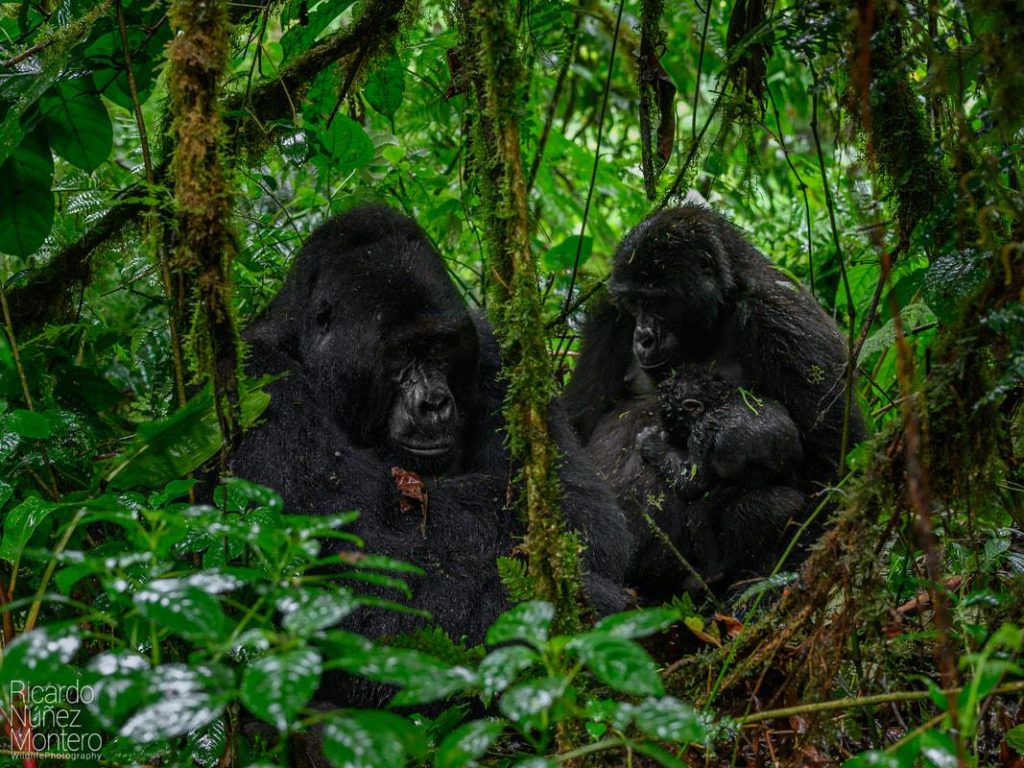
Preparing for a mountain gorilla trek often raises an important question: should you carry a smartphone or a dedicated camera? Both devices can help you capture beautiful memories. However, each offers different advantages, especially in a rainforest environment.
Gorilla trekking takes place in natural forest habitats. These environments often have thick vegetation, changing light and unpredictable weather. Visitors may also need to walk for several hours before reaching their assigned gorilla family. Therefore, choosing the right photography equipment can make a difference to your experience.
A smartphone offers convenience and simplicity. A dedicated camera, on the other hand, provides greater control over photography settings and lens choices. However, owning expensive equipment does not automatically guarantee better photographs.
At Safari O’clock, we encourage travellers to choose equipment that suits their needs while respecting wildlife. The most important part of gorilla trekking is enjoying the encounter responsibly. Photographs should preserve the memory without disturbing the animals.
This guide compares smartphones and cameras for gorilla trekking. It explains their strengths, limitations and the factors to consider before choosing what to carry.
Understanding Gorilla Trekking Photography
Gorilla trekking photography is different from taking pictures during an ordinary sightseeing trip. Visitors enter a natural habitat where lighting, weather and viewing conditions can change quickly.
Mountain gorillas live in dense forests across the Virunga Massif and the Bwindi-Sarambwe landscape. These environments contain thick vegetation, tall trees and shaded areas. Consequently, photographers may find it difficult to capture clear images in some locations.
The animals also move naturally. A gorilla may sit behind leaves, walk through vegetation or interact with other family members. Visitors must never move closer or disturb the animals to obtain a better photograph.
There are also strict wildlife protection rules. For example, flash photography is prohibited during gorilla encounters. Visitors must follow the instructions of park authorities and their guides.
These conditions make equipment choice important. A good device should help you capture natural moments without creating unnecessary distractions.
Should You Use a Smartphone for Gorilla Trekking Photography?
A smartphone can be an excellent choice for travellers who want simple, convenient photography. Modern smartphones offer improved camera systems, image stabilisation and software features that help users capture attractive photographs.
Most visitors already know how to operate their phones. They can open the camera, adjust focus and take pictures without carrying additional equipment.
This simplicity is useful during a trek. You do not need to understand complicated camera settings before capturing a memorable moment.
Advantages of Using a Smartphone
One major advantage of a smartphone is its portability. It is lightweight and fits easily into a pocket or small bag. This makes it convenient during a trek through steep, muddy or densely vegetated forest paths.
Smartphones also allow visitors to capture photographs and short videos using the same device. Some models offer portrait modes, night modes and image stabilisation. These features can improve photographs in suitable conditions.
Another advantage is immediate sharing. After the trek, travellers can organise their photographs, edit them and share selected memories with friends and family.
Smartphones are also easier to use for beginners. You can tap the screen to focus on a gorilla and adjust the composition without learning many technical controls.
The Natural History Museum recommends learning your phone’s camera features before photographing wildlife. It also highlights the importance of clean lenses, good lighting and stable handling.
For travellers who mainly want personal memories, a smartphone may provide everything they need.
Limitations of Using a Smartphone
Despite their convenience, smartphones have some limitations. One important challenge is optical zoom.
Many smartphones use digital zoom or combine several camera lenses to increase magnification. Digital zoom enlarges an image, but it may reduce detail and image quality.
This matters during gorilla trekking because visitors must observe the required viewing distance. They cannot simply walk closer when a gorilla appears small in the frame.
Smartphones may also struggle in very low light. Dense forest vegetation can reduce the amount of natural light reaching the camera. As a result, photographs may appear grainy or blurred.
Battery life is another consideration. Photography, video recording and screen use can consume power quickly. Cold conditions may also affect battery performance.
Furthermore, small phone controls can be difficult to operate while wearing gloves or handling the device in wet weather.
Therefore, smartphone users should prepare their devices before entering the forest. Clean the lens, charge the battery and check the camera settings.
Should You Carry a Dedicated Camera for Gorilla Trekking Photography?
A dedicated camera can be a better choice for travellers who enjoy photography and want greater control over their images.
Digital cameras often offer larger image sensors, interchangeable lenses and more advanced exposure controls. These features can help photographers work in challenging lighting conditions.
However, the results depend on the camera model, lens, photographer’s experience and available light. A professional camera will not automatically produce excellent photographs without proper technique.
Advantages of Using a Dedicated Camera
One major advantage is optical zoom through interchangeable lenses. Photographers can select a lens that suits their preferred photography style.
For example, a telephoto lens can help capture facial expressions and other details from the permitted viewing position. This is useful when photographing gorillas without approaching them.
Dedicated cameras also provide greater control over shutter speed, aperture and ISO. These settings help photographers manage exposure in shaded forest environments.
A larger sensor may also capture more light and retain more detail, depending on the camera and lens. This can be helpful when photographing gorillas under a thick forest canopy.
Another advantage is autofocus performance. Some modern cameras offer animal-detection autofocus features. These systems can help identify and focus on animals within the frame.
Image stabilisation is another useful feature. It helps reduce blur caused by camera movement, especially when using longer lenses.
For travellers who enjoy wildlife photography, a dedicated camera can provide greater creative flexibility.
Limitations of Using a Dedicated Camera
A dedicated camera can be heavier and more complicated to operate than a smartphone. Some photographers carry several lenses, batteries and accessories. This can increase the weight of their trekking bags.
Learning camera settings also takes time. A beginner may struggle to adjust exposure or focus quickly when a gorilla changes position.
Dedicated cameras can also be expensive. Professional camera bodies and quality lenses require a considerable investment.
Weather protection is another concern. Rain, mist and humidity can affect camera equipment. Photographers should carry suitable rain covers and waterproof storage.
Finally, some camera systems require additional batteries and memory cards. Travellers should prepare these accessories before leaving their accommodation.
A dedicated camera is therefore most suitable for visitors who understand their equipment and are comfortable carrying it through the forest.
Smartphone vs Camera: Which Performs Better in Forest Conditions?
The forest environment creates specific challenges for photography. Understanding how each device performs can help you make a practical decision.
1. Smartphone vs Camera in Low Light
Low light is one of the biggest challenges during gorilla trekking. Thick vegetation can block sunlight and create dark areas.
Modern smartphones use computational photography to improve images. They may combine several exposures and process the results to brighten photographs.
However, a dedicated camera with a larger sensor and a suitable lens may capture more natural detail in challenging lighting conditions.
A fast lens can also allow more light to reach the sensor. This helps photographers use faster shutter speeds when animals move.
Nevertheless, the camera must be configured correctly. A poor exposure or slow shutter speed can still produce blurred photographs.
2. Smartphone vs Camera for Zoom
Zoom is another important consideration. Gorillas may appear at different distances within the permitted viewing area.
Some smartphones have optical telephoto lenses. Others depend mainly on digital zoom. Therefore, performance varies significantly between models.
Dedicated cameras offer a wider choice of telephoto lenses. These can provide more flexibility when photographing animals from a distance.
However, a longer lens is not always necessary. A moderate zoom may be easier to handle in dense forest conditions.
Remember that zoom should help you photograph wildlife from the permitted position. It must never encourage you to move closer to the gorillas.
3. Smartphone vs Camera for Video
Both smartphones and dedicated cameras can record videos. However, their performance depends on the specific device.
Smartphones are convenient for short video clips. They also offer simple stabilisation and easy file sharing.
Dedicated cameras may provide more control over video quality, focus and exposure. Some models also support interchangeable lenses and external microphones.
Regardless of your choice, keep your recording brief and quiet. Do not allow video recording to distract you from observing the gorillas.
Always follow the instructions of your guide and the park authority regarding photography and recording.
4. Smartphone vs Camera for Portability
A smartphone is usually easier to carry. It takes up little space and does not require a separate camera bag.
A dedicated camera may require a protective bag, lens cover and additional accessories. This can make your backpack heavier.
Portability matters because gorilla trekking can involve steep slopes, muddy paths and thick vegetation. Carrying unnecessary equipment may make the journey more tiring.
If you choose a dedicated camera, consider carrying only the equipment you expect to use.
Important Photography Rules for Both Smartphones and Cameras
The choice between a smartphone and a camera does not change the responsibility visitors have towards mountain gorillas.
Both devices must be used carefully. Visitors should follow the rules of the destination and the instructions provided by their guides.
Avoid Flash Photography
Flash photography is prohibited during gorilla encounters. A sudden burst of light can disturb the animals.
Check your device before entering the forest. Turn off the camera flash and avoid any additional lighting features.
Some smartphones may automatically activate flash in dark conditions. Therefore, confirm the settings instead of assuming the flash will remain off.
Maintain the Required Distance
Visitors must maintain the distance specified by the relevant wildlife authority. This helps reduce disease transmission risks and limits disturbance.
The applicable guidance can differ between destinations and may be updated. Therefore, confirm the current requirements for Rwanda or Uganda before your trek.
Never move closer to a gorilla to improve your photograph. Instead, use your device’s available optical zoom and follow your guide’s instructions.
Avoid Sudden Movements and Loud Sounds
Keep your phone or camera on silent mode where possible. Avoid loud shutter sounds, sudden movements and unnecessary repositioning.
If a gorilla approaches, stop focusing on the photograph and follow the guide’s instructions.
Visitors should also avoid touching, feeding or attempting to attract the animals.
Respect the Limited Viewing Period
Gorilla encounters have strict time limits. In Rwanda, visitors are generally allowed one hour with their assigned gorilla family. Uganda also provides for a one-hour viewing period under its tracking guidelines.
Prepare your equipment before reaching the gorillas. This allows you to spend less time adjusting settings and more time observing the animals.
Remember that the encounter is about experiencing wildlife in its natural habitat. Photography should never take priority over conservation rules.
How to Prepare Your Smartphone for Gorilla Trekking
If you decide to use a smartphone, a few simple preparations can improve your experience.
Start by cleaning the camera lenses with a soft microfibre cloth. Fingerprints and dust can reduce image clarity.
Next, charge your phone fully. Consider carrying a suitable power bank in a waterproof pouch. However, keep your equipment safely stored while walking through the forest.
Check your camera settings before the trek. Turn off flash and unnecessary camera sounds. You can also activate grid lines to help with composition.
Learn how to switch between the available lenses. Practise using optical zoom rather than relying heavily on digital enlargement.
Protect your phone from rain and humidity. A suitable waterproof pouch or protective case can reduce exposure to moisture.
Finally, free enough storage space for photographs and videos. You do not want to discover that your phone is full during the encounter.
Safari O’clock encourages travellers to test their phones before departure. Familiarity with your device makes photography easier when opportunities arise.
How to Prepare a Dedicated Camera for Gorilla Trekking
Photographers carrying dedicated cameras should prepare their equipment before arriving at the park.
First, select a suitable lens. A versatile zoom lens may be more practical than carrying several lenses. It allows you to adjust your composition without changing equipment frequently.
Next, charge your batteries and carry a spare. Check your memory cards and ensure they have enough storage space.
Practise adjusting shutter speed, aperture and ISO. These settings can help you manage the changing light conditions inside the forest.
You should also test your autofocus and image stabilisation features. Familiarity with these controls can help you capture sharper photographs.
Protect the camera with a suitable rain cover. Store spare batteries and memory cards in dry pouches.
Most importantly, avoid bringing equipment that you cannot operate comfortably. A simple camera setup that you understand is often more useful than a heavy collection of accessories.
Can You Use Both a Smartphone and a Camera?
Yes, some travellers prefer carrying both devices. This approach offers flexibility because each device serves a different purpose.
A dedicated camera can handle detailed photographs, while a smartphone provides convenient personal pictures and short videos.
However, carrying two devices is not necessary for everyone. It may increase the weight of your equipment and create additional distractions.
If you decide to bring both, organise them carefully. Keep your smartphone somewhere accessible and protect your camera inside a suitable bag.
You should also avoid switching between devices constantly during the encounter. The viewing period is limited, and you deserve time to appreciate the gorillas without looking at a screen.
Safari O’clock recommends choosing a primary device before the trek. Use the second device only when it adds genuine value to your experience.
So, Which Device Should You Choose for Gorilla Trekking?
The best choice depends on your expectations and photography experience.
If you want simple photographs and personal memories, a smartphone may be enough. It is lightweight, convenient and easy to operate.
If you enjoy wildlife photography and want greater control over your images, a dedicated camera may be more suitable. Its lens options and manual settings provide additional flexibility.
However, neither device guarantees perfect results. Lighting, weather, viewing conditions and photography skills all influence the final image.
Consider your budget, equipment experience and physical comfort before making a decision.
Most importantly, remember that you do not need expensive equipment to appreciate a mountain gorilla encounter. A memorable experience is not measured by the price of your camera.
How Safari O’clock Helps You Prepare for Gorilla Trekking
At Safari O’clock, we believe that good preparation makes a wildlife experience more enjoyable. Choosing the right photography equipment is one part of that preparation.
Travellers should understand the conditions they may encounter in the forest. They should also pack suitable clothing, waterproof protection and essential personal items.
We encourage visitors to learn the photography rules before their trek. This includes avoiding flash, respecting the required viewing distance and following the instructions of park guides.
Whether you choose a smartphone or a professional camera, responsible behaviour remains essential.
A gorilla trek offers an opportunity to observe endangered wildlife in its natural environment. Every visitor should approach this experience with patience, respect and an appreciation for conservation.
Conclusion: The Best Camera Is the One You Can Use Responsibly
Choosing between a smartphone and a dedicated camera for gorilla trekking depends on your needs, budget and photography experience.
A smartphone offers convenience, portability and simple operation. A dedicated camera provides greater control, lens flexibility and potential advantages in challenging lighting conditions.
Both can help you preserve beautiful memories. However, neither should interfere with the gorillas or the rules that protect them.
Prepare your device, protect it from rain and check its settings before entering the forest. Then focus on enjoying the encounter rather than chasing perfect photographs.
Safari O’clock encourages every traveller to capture memories responsibly. Whether you carry a smartphone or a camera, the most important thing is to respect the gorillas and their natural home.