- DIRECT CONTACTS:
- +256394517569
- tours@safarioclock.africa

Filming a Gorilla Trek: Rules and Respectful Practices

How to Store Photos Safely During a Rwanda Safari
November 19, 2026
How to Photograph a Silverback Without Blocking Other Visitors
November 20, 2026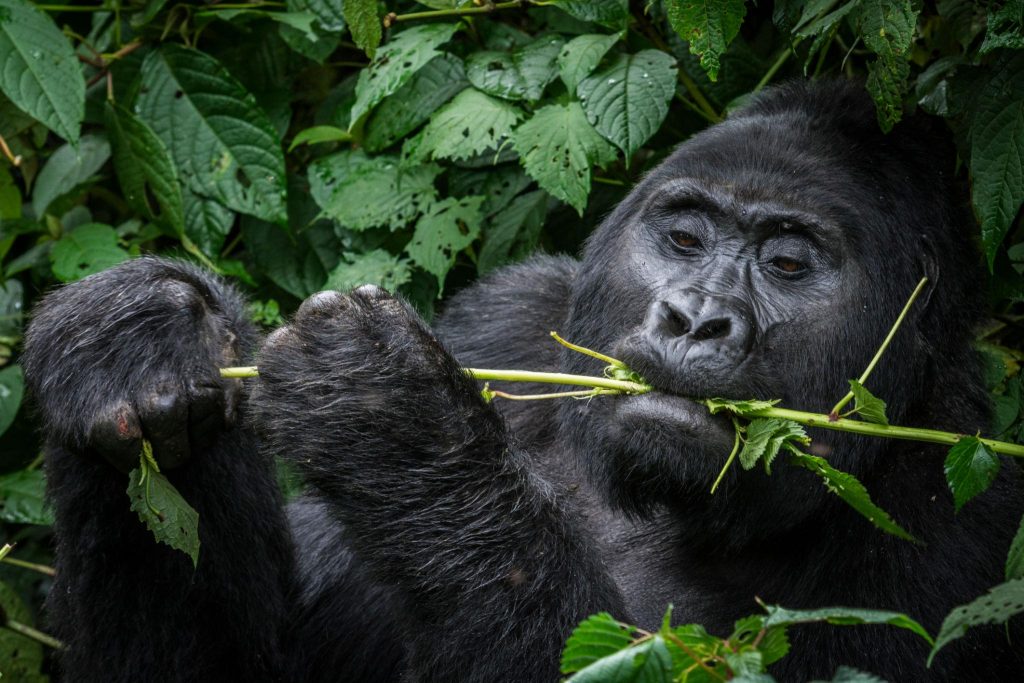
A mountain gorilla encounter is one of the most remarkable experiences a visitor can have in Africa. Watching a gorilla family feed, groom, rest or care for its young in the forest creates memories that last a lifetime. Naturally, many visitors want to record these moments through photographs and videos. However, filming a gorilla trek comes with an important responsibility: protecting the gorillas while capturing the experience.
Mountain gorillas are endangered wild animals. They need a peaceful environment, and human presence can expose them to diseases or disturb their natural behaviour. Therefore, visitors must follow the instructions of park authorities and professional ranger guides throughout the encounter. A good video should never come at the expense of wildlife safety.
At Safari O’clock, we encourage travellers to enjoy every moment of their gorilla trekking experience while practising responsible wildlife tourism. Whether you are visiting Bwindi Impenetrable National Park or Mgahinga Gorilla National Park in Uganda, or Volcanoes National Park in Rwanda, understanding the filming rules helps you prepare for a respectful encounter.
Why Responsible Gorilla Trek Filming Matters
Filming allows visitors to preserve memories and share the beauty of mountain gorillas with others. It can also help people appreciate wildlife conservation. However, cameras and phones should never become a reason to disturb the animals.
Gorillas are sensitive to human behaviour. Loud sounds, sudden movements and people getting too close can cause unnecessary stress. In addition, humans can transmit respiratory infections and other illnesses to gorillas. This is why park authorities control visitor numbers, viewing distances and the time spent with each gorilla family.
Responsible gorilla trek filming means recording the encounter without changing the animals’ behaviour. Visitors should remain calm, follow their guide and allow the gorillas to move freely. The best footage often comes from patience rather than trying to control the scene.
Safari O’clock encourages every visitor to remember that the forest is the gorillas’ home. You are a guest in their environment, so your actions should reflect respect and care.
Understand the Gorilla Trek Filming Rules Before You Travel
Before entering the forest, visitors receive a briefing from park officials and ranger guides. This briefing explains how to behave during the trek and what to do when the group meets the gorillas. Pay close attention because rules may differ slightly between parks and can change when authorities introduce new conservation measures.
For example, Rwanda Development Board guidance permits visitors to take photographs but prohibits flash photography. Its current mountain gorilla tracking guidance also sets a maximum viewing time of one hour and a maximum of eight visitors per group. Uganda’s published guidance also prohibits flash and limits the encounter to one hour. Visitors should always follow the instructions given by the park authority on the day.
Keep the Required Distance While Filming Gorillas
One of the most important gorilla trek filming rules concerns distance. Visitors must maintain the minimum distance set by the park authority and their ranger guide. This space helps reduce the risk of disease transmission and limits disturbance to the animals.
Never move closer simply because you want a better video. Instead, use your camera’s optical zoom where possible. If a gorilla approaches the group, do not try to touch it, follow it or extend your camera towards it. Remain calm and follow the guide’s instructions.
Distance requirements can vary by destination and may be updated. For that reason, do not rely on an old travel article or another visitor’s experience. Listen to the official briefing and maintain the distance your guide instructs you to keep.
Never Use Flash or Artificial Lights
Flash photography is not permitted during gorilla encounters. A sudden burst of light can disturb the animals and interfere with a peaceful observation experience. Therefore, check your camera and phone settings before the trek begins.
Turn off automatic flash, camera lights and any bright video-assist light. Do not assume that your device will remain in the correct setting when the forest becomes dark. Check it in advance.
The forest can be shaded, even during daylight. However, poor lighting does not give visitors permission to use flash. Instead, adjust your camera settings, increase the ISO where necessary or record shorter clips when the natural light is suitable.
Keep Your Voice Low and Avoid Sudden Movements
A good wildlife video should not require a loud commentary. Keep your voice low and avoid shouting instructions to other visitors while filming. Also, silence phone notifications, alarms and unnecessary camera sounds before entering the forest.
Move slowly when changing your position. Do not rush across the group to find a better angle or stand in front of another visitor. Sudden movements can disturb the gorillas and make the encounter uncomfortable for everyone.
If you need to change your position, ask your guide first. Never leave the group or move around the gorillas without permission.
How to Film a Gorilla Trek Without Disturbing Wildlife
Following the rules does not mean you cannot capture beautiful footage. With good preparation, you can record meaningful moments while allowing the gorillas to behave naturally.
Use Natural Light for Gorilla Trek Filming
Natural light is the safest option for recording gorillas. It also helps preserve the natural appearance of the forest. Since the canopy blocks much of the sunlight, some areas may look dark even during the day.
Prepare your camera before the trek. If you use a camera with manual settings, consider a wider aperture and an appropriate ISO to help manage low light. Keep your shutter speed suitable for the movement you are recording. For phone users, tap the screen to focus and adjust exposure where the device allows it.
Avoid making repeated adjustments while standing close to the gorillas. It is better to learn your equipment before the trek. Safari O’clock recommends practising with your camera in low-light conditions before travelling to the park.
Choose a Suitable Camera or Smartphone
You do not need expensive filming equipment to record a memorable gorilla encounter. A modern smartphone can capture useful videos when the light is good and the visitor follows the park rules.
However, a camera with a suitable zoom lens can help you record details while maintaining the required distance. Choose equipment that you can operate comfortably. Complicated settings may waste valuable time during the short encounter.
Also, avoid carrying unnecessary accessories that make movement difficult. A simple setup allows you to pay attention to the guide and the gorillas. Keep your equipment secure, especially when walking through steep, muddy or densely vegetated forest trails.
Record Short, Steady Clips
Instead of filming continuously, record a few short clips of interesting behaviour. You might capture a gorilla feeding, grooming, resting or moving through the vegetation. These moments can tell a meaningful story without requiring long recordings.
Hold your phone or camera steadily. Avoid sudden zooming, quick panning and repeated movements. If your device has image stabilisation, learn how to use it before the trek.
Most importantly, do not spend the entire encounter looking through a screen. Put the camera down at times and observe the gorillas directly. The experience is about connecting with wildlife, not simply collecting videos.
Respect the Gorilla’s Natural Behaviour
The purpose of filming is to document what happens naturally. Visitors should never attempt to make gorillas perform for the camera.
Do not call the gorillas, imitate their sounds, clap, whistle or make unusual noises to attract their attention. Never throw objects or move vegetation to create a clearer view. If leaves or branches block your camera, ask the ranger whether a safe viewing position is available. The guide will decide what is appropriate.
You should also avoid following a gorilla that moves away from the group. Do not block its path or try to get a close-up of a young gorilla. A mother and her infant need space, just like other members of the family.
Sometimes a gorilla may look towards visitors, move closer or display behaviour that makes the group uncomfortable. Do not treat such moments as an opportunity for dramatic footage. Stop filming if the guide instructs you to do so. Follow their directions and give the animals space.
A respectful video captures the gorillas as they are. It does not force an interaction or interrupt their daily activities.
Follow the One-Hour Gorilla Viewing Limit
Gorilla trekking encounters have a limited viewing period. In Uganda and Rwanda, visitors are generally allowed a maximum of one hour with a habituated gorilla family, subject to the rules of the park.
This time limit helps reduce disturbance and allows the gorillas to continue their natural activities. It also means that visitors should use their time wisely.
Do not spend the entire hour recording the same scene. Take a few videos, observe different behaviours and listen to the guide’s explanations. You may see gorillas feeding, resting, grooming or interacting with other members of the family.
When the guide announces that the visit is over, stop filming and prepare to leave. Do not request extra time for one final video. Respecting the time limit is part of responsible gorilla tourism.
Health and Hygiene Rules Apply When Filming
Camera equipment does not exempt visitors from health requirements. Gorillas can be vulnerable to human respiratory illnesses and other infections. Therefore, visitors who feel unwell should inform their tour operator and park authorities before the trek.
Do not enter the forest if you have a contagious illness or symptoms that make you unfit to visit. Park authorities may deny entry to visitors with certain illnesses. Follow the current health guidance provided during the briefing.
Wash or sanitise your hands as directed. If you need to cough or sneeze while near the gorillas, turn away and cover your mouth and nose. Avoid spitting in the forest, and never eat, drink or smoke while observing the gorillas where park rules prohibit these activities.
Keep your camera and other personal equipment clean. Do not place bags or devices on the forest floor unnecessarily. These simple actions support hygiene and help protect the gorillas and their habitat.
Commercial Gorilla Trek Filming May Require Permission
There is an important difference between recording personal holiday memories and producing footage for commercial purposes. A visitor who takes a few personal videos may be subject to different requirements from a professional filmmaker producing a documentary, advertisement or paid promotional project.
In Uganda, the Uganda Wildlife (Mgahinga Gorilla National Park) Regulations, 2019 specifically require a permit for photography or filming within the park for commercial purposes. The regulations also prohibit flash and restrict where photography and filming may take place. Uganda Wildlife Authority’s conservation tariff provides further information on commercial filming fees and prior booking.
For Rwanda, visitors planning professional or commercial filming should contact the Rwanda Development Board or relevant park management before the trip. Do not assume that a standard gorilla trekking permit automatically covers a commercial production.
If you work with a production company, travel brand, media organisation or content agency, make your filming plans clear before arrival. Ask about permits, equipment restrictions, fees, crew numbers and any additional conditions. Safari O’clock can help travellers understand the importance of checking the relevant requirements when planning a gorilla trekking experience.
Common Gorilla Trek Filming Mistakes to Avoid
Even experienced travellers can make mistakes when excitement takes over. One common mistake is switching on flash because the forest appears dark. Check your settings before the encounter and keep flash disabled.
Another mistake is moving closer to the gorillas for a better angle. This can put both visitors and animals at risk. Use your zoom instead and remain within the distance set by the guide.
Some visitors also record continuously without listening to instructions. This can cause them to miss important safety information. Keep one ear available to hear the ranger and stop recording whenever necessary.
Avoid using loud music, voiceovers or sound effects while filming near the gorillas. Do not play gorilla calls or other animal sounds to attract attention. These actions can disturb wildlife.
Finally, do not allow social media pressure to influence your behaviour. A dramatic video is never more important than the safety and welfare of a gorilla family. You can share your experience without putting the animals under pressure.
How to Prepare Your Camera Before a Gorilla Trek
Good preparation makes filming easier and reduces distractions during the encounter. Charge your camera, phone and spare batteries fully before leaving your accommodation. Carry enough storage space so that you do not need to delete files in the forest.
Check your flash settings, focus mode and video resolution in advance. If you plan to use a zoom lens, practise operating it smoothly. Also, protect your equipment from rain, moisture and dust because forest conditions can change quickly.
Carry your equipment in a secure, comfortable bag. Avoid unnecessary accessories that may slow you down on the trail. If you are using a phone, switch off notifications or activate a suitable silent mode before the trek.
Most importantly, listen to the park briefing. Your guide may provide additional instructions based on the gorilla family’s location, behaviour and the conditions in the forest.
Share Gorilla Videos Responsibly After the Trek
Your responsibility does not end when you leave the forest. Think carefully about how you share your videos online. Avoid captions that encourage visitors to touch, approach or disturb gorillas. Do not present unsafe behaviour as an exciting or acceptable part of trekking.
You can use your footage to educate others about mountain gorilla conservation. Explain why visitors must keep their distance, avoid flash and follow ranger instructions. You can also highlight the importance of responsible tourism and the work of conservation teams.
When sharing videos, be honest about what happened. Do not edit footage in a way that suggests you were closer to the gorillas than the rules allow. Avoid sharing sensitive location details if park authorities advise against it.
Safari O’clock encourages travellers to use their memories to inspire respect for wildlife. A thoughtful video can help other people understand why mountain gorillas deserve protection.
Enjoy the Moment Beyond the Camera with Safari O’clock
Filming a gorilla trek can help preserve a special travel memory. However, the most meaningful experience comes from watching the gorillas without disturbing them. A camera should support the experience, not control it.
By keeping the required distance, avoiding flash, staying quiet and following the ranger guide, visitors can record beautiful footage while protecting mountain gorillas. They should also respect the one-hour viewing limit and obtain the necessary authorisation for commercial filming.
Safari O’clock believes that responsible travel begins with respect for nature. When you plan your gorilla trekking adventure with us, prepare to explore the forest, learn about conservation and enjoy a remarkable wildlife encounter.
Capture the memories, respect the rules and leave the gorillas in peace. That is the true meaning of responsible gorilla trek filming.