- DIRECT CONTACTS:
- +256394517569
- tours@safarioclock.africa
How to Compare Gorilla Tracking Quotes Fairly

How Meals and Drinks Affect the Total Cost of a Gorilla Trip
November 21, 2026
How to Read a Rwanda Gorilla Safari Quote Line by Line
November 21, 2026
Planning a gorilla tracking safari is an exciting experience. However, choosing the right tour operator requires careful research. Travellers often request quotations from several safari companies before making a booking. They may receive different prices for what appears to be the same gorilla tracking experience.
One company may offer a very affordable package. Another may provide a higher quotation for a similar number of days. Naturally, travellers want to understand why these differences exist. However, choosing the cheapest offer does not always mean getting the best deal.
Gorilla safari packages can include different services. These may involve permits, accommodation, meals, transport, professional guides and additional activities. Some companies include nearly everything in one price, while others leave several expenses for travellers to pay separately.
At Safari O’clock, we believe travellers deserve clear information before making a booking decision. Comparing quotations fairly helps you understand what each company offers. It also protects your travel budget from unexpected expenses.
This guide explains how to compare gorilla safari quotes fairly. You will learn what to check, which questions to ask and how to identify genuine value when planning a gorilla tracking adventure in Rwanda or Uganda.
Why You Should Compare Gorilla Safari Quotes Carefully
A gorilla tracking safari is not a standard product with one fixed package price. The final cost depends on several travel arrangements. These include the destination, number of days, accommodation category, transport and meal arrangements.
For example, one traveller may choose a three-day Rwanda gorilla safari. Another may prefer a four-day Uganda gorilla safari. Although both trips include gorilla tracking, their total costs may differ considerably.
The location also influences the price. A lodge near the trekking starting point may cost more than accommodation farther away. However, the closer property may reduce travel time on the morning of the trek.
Transport creates another difference. Some packages use private 4×4 safari vehicles, while others use shared transport. The type of vehicle, distance covered and number of travellers can all affect the quotation.
Therefore, comparing only the final price can lead to the wrong decision. You need to examine the services behind each offer.
Safari O’clock encourages travellers to look beyond attractive headline prices. A fair comparison considers the complete experience, service quality and booking conditions.
Compare Gorilla Safari Quotes by Checking Permit Costs
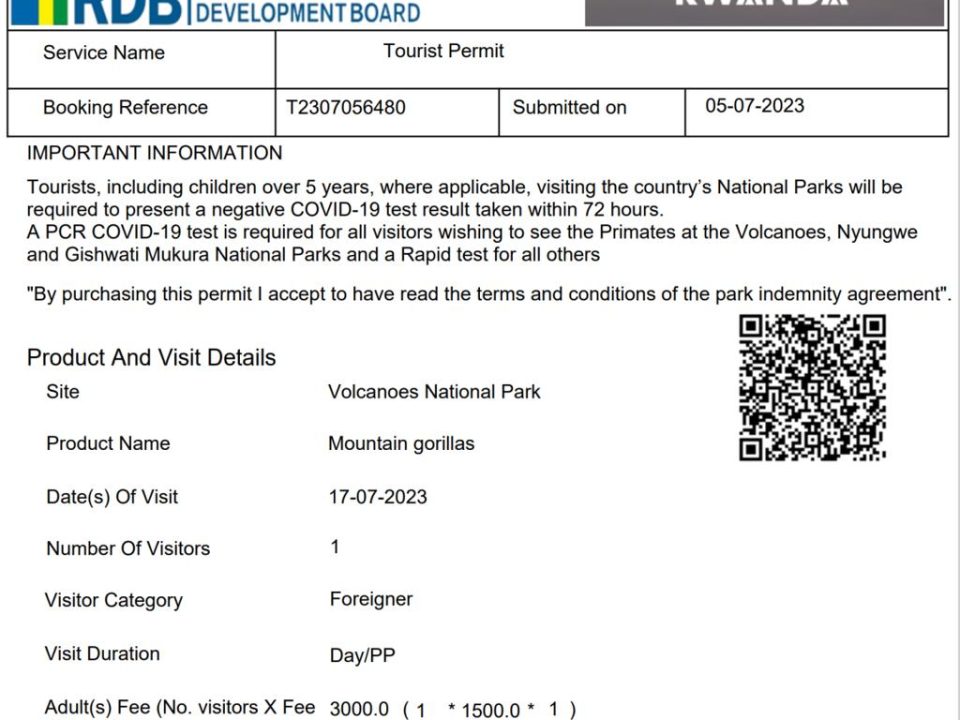
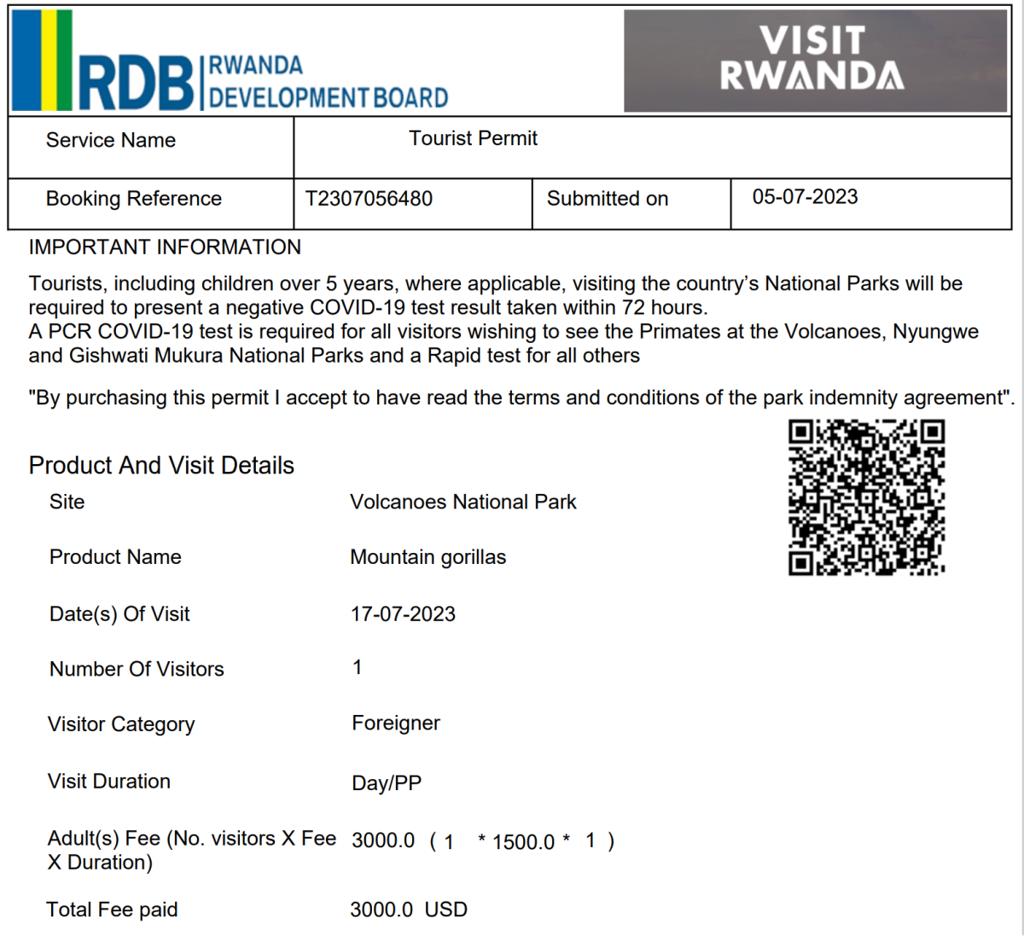
The gorilla tracking permit is one of the most important items in your safari budget. Visitors need a valid permit to participate in the regulated tracking experience.
Uganda and Rwanda have separate permit systems. The Uganda Wildlife Authority manages gorilla tracking permits for Bwindi Impenetrable National Park and Mgahinga Gorilla National Park. The Rwanda Development Board manages permits for Volcanoes National Park.
Permit prices also depend on visitor categories and the applicable rates. For example, nationality and residency status can affect the amount a traveller pays.
When comparing gorilla safari quotes, ask each operator to explain the permit cost. Confirm that the quotation includes the correct permit for your destination and travel date.
You should also establish whether the permit has been secured or whether the operator is still checking availability. These are two different situations.
A company may include a permit estimate in its quotation before completing the booking. Another may have already secured the permit. Therefore, request clear confirmation of the booking status.
The official authorities publish their own permit prices. Tour operators arrange the wider safari services around those charges. Consequently, a suspiciously cheap permit offer deserves careful verification.
For accurate information, check the official Rwanda Development Board gorilla tracking portal and the Uganda Wildlife Authority.
Compare Gorilla Safari Quotes by Checking What Is Included
This is one of the most important steps when evaluating different safari packages. A quotation should clearly explain every service included in the price.
For example, one company may include the gorilla permit, two nights of accommodation, meals, private transport and a driver-guide. Another may offer the permit and transport only.
The second package may appear cheaper. However, you will need to pay for accommodation and meals separately. Once you add these expenses, the final cost may become higher.
Ask every operator to provide a written list of inclusions and exclusions. Do not rely on general descriptions such as “complete gorilla safari package” without further details.
Your comparison should cover accommodation, meals, transport, fuel, park-related charges and other services. It should also identify expenses that you must pay personally.
A transparent quotation makes these details easy to understand. It allows you to compare the actual value of each package.
Accommodation and Room Categories
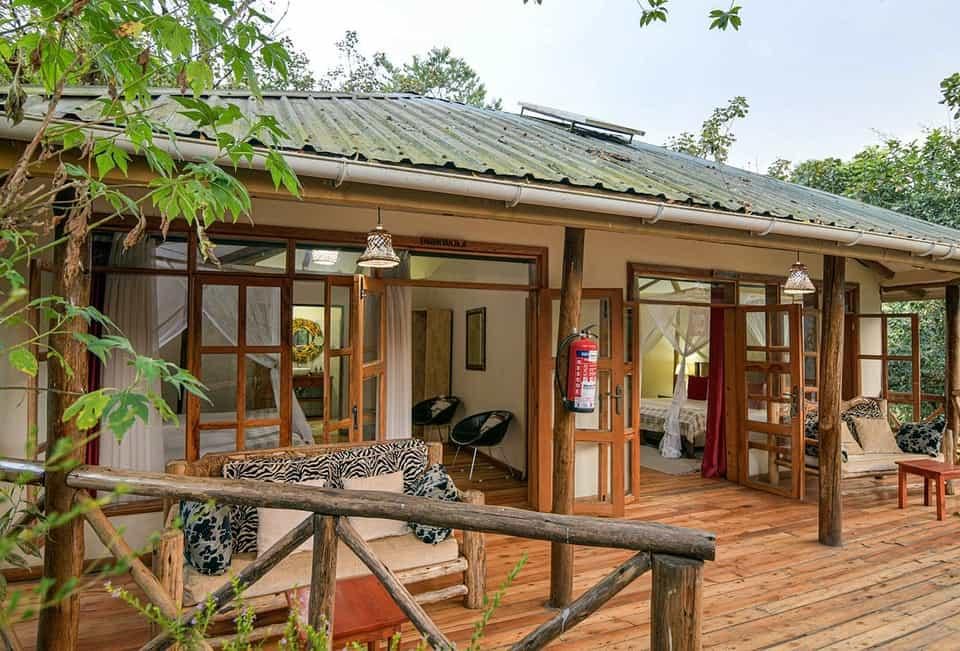
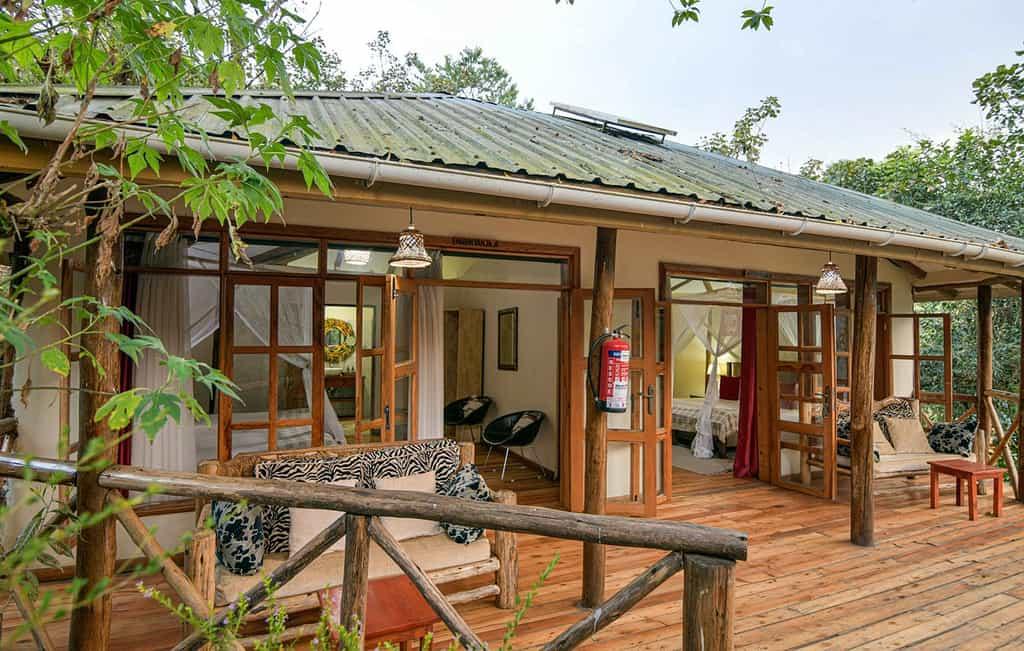
Accommodation can create a major difference between two gorilla safari quotations. Lodges near gorilla trekking destinations range from budget guesthouses to luxury safari properties.
However, two quotations may use different accommodation standards even when they advertise the same safari duration.
Ask each company to provide the names of the proposed lodges. Then check their locations, room facilities and general standards.
You should also confirm the room arrangement. A single room usually costs more per person than sharing a double or twin room. Therefore, the number of travellers and room allocation can influence the final price.
Another important detail is whether the accommodation is confirmed. Some operators list a preferred lodge but may substitute another property if rooms are unavailable.
Safari O’clock encourages travellers to check the actual accommodation rather than relying only on labels such as budget, mid-range or luxury.
Meals and Drinks
Food arrangements can also affect the total cost of a gorilla safari. Some accommodation packages include breakfast only. Others provide half board or full board.
A full-board package generally includes breakfast, lunch and dinner. However, drinks may still attract additional charges.
Ask whether the quotation includes packed lunches for trekking days. Also, confirm whether drinking water, soft drinks and other beverages are covered.
These details matter because visitors may spend several days near remote trekking destinations. Eating at the lodge can be more convenient when restaurants are limited.
A package with meals included may offer better value than a cheaper quotation that excludes them.
Transport and Fuel
Transport is another major factor when comparing safari quotations. Travellers visiting Volcanoes National Park usually travel from Kigali or another location in Rwanda. Visitors heading to Bwindi or Mgahinga may travel from Entebbe, Kampala or Kigali.
The distance and road conditions influence the transport arrangements. Therefore, ask each company which vehicle it will use and whether the price includes fuel.
A private safari vehicle provides flexibility and personal space. Shared transport may reduce the cost, but it can involve fixed schedules and additional passengers.
You should also confirm whether airport transfers are included. Some companies include them in the package, while others charge separately.
Ask whether the driver-guide remains with you throughout the safari. This helps you understand the level of support offered.
Compare Gorilla Safari Quotes Using the Same Itinerary
The fairest way to compare quotations is to request the same itinerary from every company.
Imagine you want a three-day gorilla tracking safari in Rwanda. You contact three tour operators and receive different prices.
The first quotation includes a gorilla permit, two nights in a mid-range lodge, full-board meals and private transport.
The second includes the permit, one night in a budget hotel and shared transport. It excludes lunch and dinner.
The third includes a luxury lodge, private transport, meals and an additional cultural experience.
Although all three companies advertise a three-day gorilla safari, they are not offering identical services.
To compare them fairly, provide every operator with the same travel requirements. Specify your preferred destination, dates, number of travellers and accommodation category.
Also, explain your meal preferences and transport expectations. If you want a private vehicle, make sure every company quotes for the same arrangement.
This approach makes the differences easier to identify. It also prevents you from choosing a package simply because its headline price looks attractive.
Check the Distance Between Accommodation and the Trekking Point
The location of your accommodation can influence both comfort and transport expenses.
For example, travellers tracking gorillas in Rwanda usually stay around Musanze or Kinigi. In Uganda, visitors choose accommodation near their preferred Bwindi sector or Mgahinga.
Bwindi has several trekking sectors, including Buhoma, Ruhija, Rushaga and Nkuringo. The correct accommodation location depends on the sector assigned for your trek.
A lodge may appear affordable but require a longer drive to the briefing point. This can affect your morning schedule and increase transport requirements.
Therefore, ask each operator for the lodge location and the expected driving time to the trekking starting point.
You should also confirm whether the quotation includes transfers between the lodge and the park headquarters.
Safari O’clock recommends choosing accommodation that suits your actual trekking arrangements. A convenient location can make the overall experience more comfortable.
Compare the Quality of Transport and Guiding Services
The transport experience can differ considerably between safari companies. Some use private 4×4 vehicles, while others arrange shared transfers or standard cars.
When comparing quotations, ask for details about the vehicle. Find out whether it has enough passenger space and luggage capacity.
You should also ask whether the vehicle is suitable for the roads on your itinerary. Some routes to gorilla trekking destinations involve rough or steep sections.
The driver-guide is another important consideration. A professional guide helps manage the itinerary, provides information and supports communication throughout the trip.
Ask whether the guide speaks your preferred language. Also, confirm whether the same guide will accompany you throughout the safari.
A low quotation may use different transport arrangements from a higher one. Understanding these differences helps you assess whether the price reflects the service.
Check Whether Extra Expenses Are Included
Some safari costs do not appear in the main package price. These expenses may seem small individually, but they can increase your total travel budget.
Common examples include porter hire, tips, drinks, visa fees, travel insurance and personal purchases.
Porter hire is particularly useful for visitors who want assistance carrying their backpacks during the trek. However, it is generally arranged separately from the gorilla permit.
Tips are also usually optional. Travellers may choose to appreciate guides, porters and other service providers after receiving good service.
Other possible expenses include laundry, souvenirs and additional activities. Some travellers may also need domestic flights or extra transfers.
Ask every operator to identify these costs before you book. A good quotation should explain which expenses are included and which ones remain your responsibility.
This allows you to calculate a more realistic safari budget.
Compare Gorilla Safari Quotes by Checking Payment Terms
The payment arrangement is just as important as the safari price. Before sending money, understand how the company expects you to pay.
Some operators require full payment for gorilla permits because the wildlife authority controls permit reservations. Other safari services may follow a deposit and balance arrangement.
However, payment conditions differ between companies. Therefore, never assume that every operator uses the same booking procedure.
Ask how much deposit you need to pay. Confirm when the remaining balance becomes due and which currency the company accepts.
You should also check the official payment details. Make sure the account name matches the company or an authorised payment arrangement.
Request a written receipt for every payment. Keep copies of the quotation, invoice and booking confirmation.
Most importantly, avoid sending money to an unfamiliar personal account without verifying the arrangement.
A professional operator should explain the payment process clearly. This helps you make a confident booking decision.
Review Cancellation and Refund Policies Before Booking
Travel plans can change because of illness, emergencies, flight delays or other unexpected situations. Therefore, cancellation terms deserve attention before you pay.
Gorilla permits follow specific rules set by the relevant wildlife authority. These rules may differ from the cancellation conditions for accommodation and other safari services.
For example, Rwanda Development Board publishes specific refund conditions for certain unsuccessful tracking situations. Its rules also state that late arrivals, flight delays and cancellations for other reasons do not qualify for a refund under the listed conditions.
This means travellers should never assume that every permit payment is refundable.
Ask your tour operator to explain the following:
- What happens if you cancel the safari?
- Can you change your trekking date?
- What happens if the requested permit is unavailable?
- Are accommodation payments refundable?
- What happens if the operator changes a lodge?
- Are administrative or cancellation fees charged?
- What happens if the operator cannot deliver the agreed services?
Request the answers in writing. Also, read the company’s booking terms before making payment.
Travel insurance may help protect you against certain unexpected events. However, coverage depends on the policy, exclusions and circumstances. Read the policy carefully before purchasing it.
Check the Tour Operator’s Professional Credibility
Price alone cannot tell you whether a safari company is reliable. You should also examine its business identity, experience and communication.
Start by checking whether the company provides clear contact information. Look for a physical address, working telephone number and professional email address.
You can also review its website and social media platforms. Look for clear information about destinations, safari packages and booking procedures.
Customer reviews can provide additional insight. However, read them carefully and look for consistent feedback across different platforms.
Pay attention to how the company answers questions. Does it explain the quotation clearly? Does it provide the names of accommodation properties? Does it respond professionally when you request additional information?
You can also ask whether the company has the relevant tourism registration or licence. Where possible, verify the information with the appropriate tourism authority.
A genuine operator should be willing to explain its services. It should not pressure you into paying before you understand the booking conditions.
Watch Out for Prices That Seem Too Good to Be True
An unusually cheap gorilla safari quotation deserves further investigation. It does not automatically mean the company is dishonest. However, you should understand why the price is lower.
The operator may use budget accommodation, shared transport or a shorter itinerary. It may also exclude meals, transfers or other services.
These arrangements can be perfectly reasonable if the company explains them clearly.
However, be careful when a quotation promises a complete luxury safari at an unusually low price. Ask how the company plans to cover the permit, accommodation, transport and other services.
Also, verify the permit arrangement directly with the relevant authority where necessary.
Remember that tour operators do not independently set official permit tariffs. The wildlife authorities control those charges.
A company should never mislead you with false claims about discounted permits or guaranteed availability.
At Safari O’clock, we encourage travellers to ask questions whenever a quotation is unclear. Understanding the offer is more important than rushing to secure a low price.
How to Identify the Best Value Between Gorilla Safari Quotes
The best quotation is not always the cheapest. It is the one that provides the services you need at a price that matches your expectations.
For example, a traveller who values comfort may prefer a mid-range lodge, private transport and full-board meals. Another visitor may choose a budget property and shared transport to reduce expenses.
Both choices can offer good value. The important thing is that the quotation matches the traveller’s priorities.
Consider the following areas when evaluating the offers:
Price: Does the total cost fit your budget?
Permit: Is the correct permit included and confirmed?
Accommodation: Are the proposed lodges suitable for your comfort expectations?
Transport: Is the vehicle appropriate for the itinerary?
Meals: Are the included meals clearly explained?
Guiding: Does the package provide the guiding support you expect?
Extras: Are additional expenses listed?
Payment: Are the payment terms clear and reasonable?
Cancellation: Do you understand the refund and date-change conditions?
Once you review these areas, you can identify which company offers the strongest overall value.
A Simple Gorilla Safari Quote Comparison Checklist
Use the following checklist when reviewing quotations from different safari companies.
| Comparison area | What to check |
|---|---|
| Travel dates | Are the dates identical? |
| Number of travellers | Are all quotes based on the same group size? |
| Gorilla permit | Is the correct permit included? |
| Permit status | Is it confirmed or still pending? |
| Accommodation | Are the lodge names and room types provided? |
| Number of nights | Do all quotations include the same nights? |
| Meals | Are breakfast, lunch and dinner explained? |
| Transport | Is it private or shared? |
| Fuel | Is fuel included? |
| Driver-guide | Is guiding included throughout the trip? |
| Park-related fees | Are all applicable charges explained? |
| Porter services | Are they included or optional? |
| Airport transfers | Are they included? |
| Extra activities | Are they included or separately charged? |
| Payment terms | Are the deposit and balance dates clear? |
| Cancellation | Are the refund conditions provided? |
| Exclusions | Are personal and additional expenses listed? |
Complete this checklist for every quotation you receive. It will help you identify missing services and compare similar packages.
Questions to Ask Before Accepting a Gorilla Safari Quote
Before choosing a tour operator, ask questions that remove uncertainty.
Start by confirming the permit. Ask whether it is included, available and secured for your preferred date.
Next, request the accommodation names. Find out whether the properties are confirmed or subject to availability.
Ask about the transport arrangement. Confirm whether you will have a private vehicle and whether fuel is included.
You should also ask about meals and drinks. Find out whether the lodge provides packed lunches on trekking days.
Then, request a list of excluded expenses. This should include optional services, tips and personal purchases.
Finally, ask about payment and cancellation terms. Make sure you understand what happens if your plans change.
A good safari company should welcome these questions. Clear communication helps build trust before the journey begins.
How Safari O’clock Helps You Compare Gorilla Safari Quotes
Planning a gorilla safari should be exciting, not confusing. However, different package prices can make the booking process difficult.
Safari O’clock helps travellers plan gorilla tracking experiences in Rwanda and Uganda. We encourage visitors to understand their itinerary, accommodation, transport and other travel arrangements before confirming a booking.
Our approach focuses on clear information and realistic planning. We want travellers to understand what their safari includes and which expenses they may need to pay separately.
Whether you prefer a budget, mid-range or luxury experience, your quotation should reflect your travel needs.
We also encourage guests to ask questions about permits, accommodation and trekking arrangements. This makes it easier to prepare a safari that matches their expectations.
When comparing Safari O’clock with other providers, use the same checklist and itinerary. Examine the services, booking conditions and overall value rather than focusing on the final price alone.
A well-informed traveller can make a better booking decision and enjoy the journey with greater confidence.
Final Thoughts on Comparing Gorilla Safari Quotes Fairly
Comparing gorilla safari quotations fairly requires more than looking at the final price. You need to understand the services, accommodation, transport and conditions behind each offer.
Start by checking the gorilla permit and confirming its booking status. Then compare the accommodation, meals, vehicle arrangements and guiding services.
Also, review extra expenses, payment conditions and cancellation policies. These details can make a significant difference to your total safari budget.
Most importantly, request quotations based on the same itinerary. This gives you a fair basis for comparing different companies.
The cheapest offer may not provide the experience you want. Similarly, the most expensive quotation does not automatically guarantee the best service.
Choose the package that offers clear information, reliable arrangements and genuine value for your money.
Let Safari O’clock help you plan your next gorilla tracking adventure. Compare wisely, ask the right questions and prepare for an unforgettable experience in the forests of Rwanda or Uganda.