- DIRECT CONTACTS:
- +256394517569
- tours@safarioclock.africa

How to Photograph a Silverback Without Blocking Other Visitors

Filming a Gorilla Trek: Rules and Respectful Practices
November 20, 2026
Using Burst Mode Carefully During a Gorilla Encounter
November 20, 2026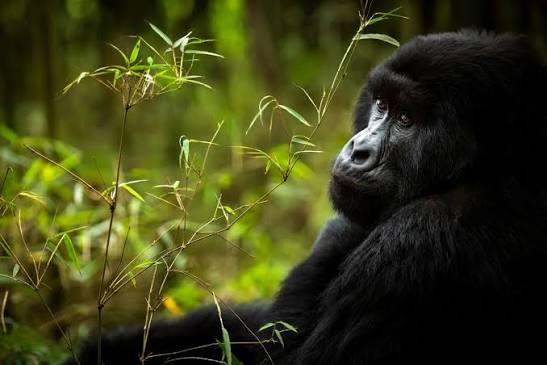
Seeing a mountain gorilla silverback in its natural habitat is one of the most exciting moments of a gorilla trekking adventure. His impressive size, broad chest and calm presence make him a fascinating subject for wildlife photography. Naturally, visitors want to capture clear photographs that preserve this special experience.
However, gorilla trekking is a shared wildlife experience. You are not the only visitor hoping to take a beautiful photograph. Other people have also travelled long distances to see the gorillas. Therefore, your camera position, movements and behaviour can affect their experience.
Photographing a silverback responsibly requires patience, awareness and respect for the group. You must capture your memories without blocking another visitor’s view, disturbing the gorillas or moving beyond the position approved by your ranger guide.
At Safari O’clock, we encourage travellers to practise responsible wildlife photography throughout their gorilla trekking experience. Whether you visit Bwindi Impenetrable National Park or Mgahinga Gorilla National Park in Uganda, or Volcanoes National Park in Rwanda, thoughtful positioning helps everyone enjoy the encounter.
Why Silverback Photography Etiquette Matters
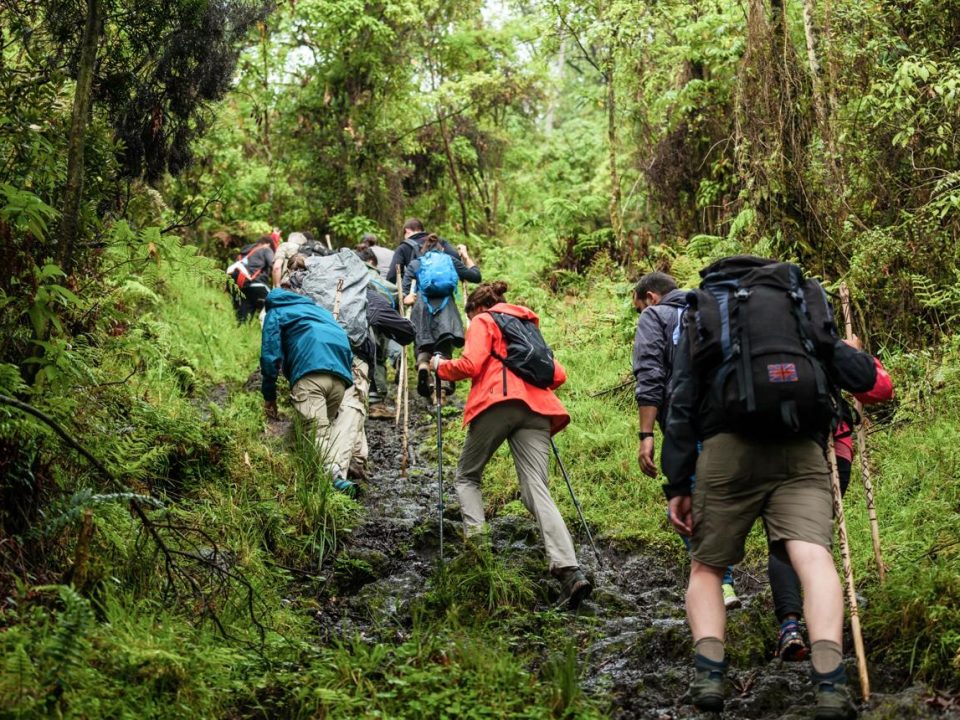
Gorilla trekking takes place in a natural forest environment. Visitors usually gather in a small group when they reach the gorilla family. The ranger guide helps position everyone while keeping the animals and visitors safe.
Unlike a photography studio, the forest does not offer unlimited space. Trees, vines, shrubs and uneven ground can restrict movement. As a result, visitors may have different views of the silverback. Someone standing directly in front of another person can easily block an important photograph.
Good silverback photography etiquette helps prevent this problem. It encourages visitors to remain aware of their surroundings and consider the people standing beside or behind them. It also reduces unnecessary movement around the gorillas.
Most importantly, responsible photography protects the animals. Visitors should never move closer, separate from the group or disturb vegetation simply to improve a photograph.
Safari O’clock believes that a successful gorilla encounter should be enjoyable for everyone. You can capture beautiful images while allowing other visitors to do the same.
Choose Your Position Carefully for Silverback Photography
Your position can determine whether you capture a clear photograph or block someone else’s view. Before raising your camera, observe how the ranger has arranged the group.
Do not immediately rush to the front when you see the silverback. Instead, look for an available position that gives you a reasonable view without forcing another visitor to move.
If you already have a clear view, remain in your position. Avoid repeatedly changing places because another angle looks more attractive. Every movement should have a purpose and must follow the guide’s instructions.
Avoid Standing Directly in Front of Other Visitors
One of the easiest ways to spoil another visitor’s photograph is to step directly into their line of sight. This often happens when someone sees the silverback moving and quickly raises a camera.
Before taking a photograph, check whether another visitor is already looking at the same subject. If they are, avoid moving in front of them. You can often take a good photograph from your current position.
Also, remember that a camera held above your head can block someone’s view even when you are not physically standing in front of them. Keep your equipment at a comfortable height and avoid stretching your arms unnecessarily.
If the ranger asks the group to adjust its position, follow the instructions calmly. Do not compete with other visitors for the closest or most central spot.
Use Available Gaps Without Pushing Forward
Sometimes vegetation creates small openings through which you can see the silverback. These natural gaps can provide excellent photography opportunities.
Look for an opening from your existing position. If another visitor already occupies it, respect their space. You can wait for an opportunity rather than pushing past them.
Avoid stepping between people or squeezing into narrow spaces. Such actions can cause unnecessary movement and make the group uncomfortable.
If the vegetation blocks everyone’s view, ask the ranger whether there is a suitable alternative position. The guide understands the terrain and knows how to manage the group’s movement safely.
Use Your Camera Zoom Instead of Moving Closer
A common photography mistake is moving forward to make the silverback appear larger in the frame. However, this can interfere with the viewing arrangement and may bring you too close to the gorillas.
Your camera’s zoom can help you capture details without changing your position. A suitable zoom lens allows you to photograph the silverback’s face, upper body and natural behaviour while respecting the required viewing distance.
Smartphones also offer zoom features. However, digital zoom can reduce image quality, especially in low light. If your phone has optical zoom, use it where possible. Otherwise, take a wider photograph and crop it later.
The goal is to improve your composition without moving your feet towards the animals. Always maintain the distance required by the park authority and your ranger guide.
Safari O’clock recommends testing your camera’s zoom before the trek. This saves time and helps you avoid unnecessary movements during the short viewing period.
Practise Respectful Movement During Silverback Photography
The silverback may change position several times during your encounter. He may sit beneath a tree, feed on vegetation, move through the forest or interact with other members of the family.
These movements can tempt visitors to follow him for a better view. However, you should never chase the silverback or move around the group without permission.
Wait for the Silverback to Move Naturally
Patience is one of the most valuable skills in wildlife photography. Rather than trying to control the scene, allow the silverback to move naturally.
If he turns away from your camera, wait. He may change direction or settle into a position that offers a better view. You may also capture an interesting photograph of him interacting with another gorilla.
Avoid making noises, calling the animal or waving your arms to attract its attention. Never throw anything or attempt to make the silverback look towards your camera.
A photograph of natural behaviour is more meaningful than an image created by disturbing the animal.
Do Not Cross the Group to Find Another Angle
Moving across the group can block other visitors and create unnecessary disturbance. It can also take you away from the position selected by the ranger.
If you cannot see the silverback clearly, remain patient and ask the guide for advice. Do not walk around other visitors or attempt to reach the opposite side of the gorilla family.
Remember that the ranger guide manages the encounter. They consider the visitors’ safety, the gorillas’ behaviour and the available space before allowing anyone to change position.
Follow their instructions even when you believe another angle would produce a better photograph.
Take Turns When Several Visitors Want the Same View
Some moments attract the attention of the entire group. For example, a silverback sitting in an open area may provide a beautiful opportunity for photographs. Several visitors may want to capture the same scene.
In such situations, cooperation makes a difference. Allow other visitors to take their photographs without rushing into their space. If the group has room, the ranger may help visitors adjust their positions.
You can also agree informally to avoid holding your camera in front of someone for an extended period. Take a few photographs, lower your device and allow others to enjoy the view.
However, do not organise your own movement system or ask visitors to move around without the ranger’s approval. The guide remains responsible for managing the group.
A shared encounter should never become a competition. Everyone has paid for an opportunity to observe the gorillas, and everyone deserves a fair chance to enjoy it.
Choose Camera Settings That Reduce the Need to Reposition
The forest environment can make photography challenging. Dense vegetation blocks natural light, while the silverback may move between shaded and brighter areas.
Preparing your camera settings before reaching the gorillas can help you take better photographs without changing position repeatedly.
Prepare for Low-Light Silverback Photography
Mountain gorilla habitats often have thick vegetation and limited sunlight. As a result, photographs may appear dark or blurry if your settings do not suit the conditions.
Use a wide aperture where your lens allows it. This helps the camera capture more available light. You may also need to increase the ISO to maintain a suitable shutter speed.
If the silverback is moving, choose a faster shutter speed to reduce motion blur. When he is resting, you may be able to use a slightly slower shutter speed, provided you can hold the camera steadily.
Avoid using flash. Flash photography is prohibited during gorilla encounters. Instead, learn to work with natural light and adjust your settings before the trek.
Use a Suitable Lens or Smartphone
A versatile zoom lens can help you photograph the silverback without changing your position. However, you do not need the largest or most expensive lens to enjoy the experience.
A modern smartphone can also capture useful photographs. Learn how its camera focuses, adjusts exposure and controls zoom before travelling.
Choose equipment that you can operate comfortably. Complicated settings may distract you from the guide’s instructions and the experience itself.
Also, keep your camera strap secure and avoid carrying accessories that make movement difficult. A simple setup helps you remain steady and considerate of other visitors.
Keep Your Camera at a Respectful Height
The way you hold your camera matters. Raising it above your head can block the view of people behind you. Holding it sideways across the group can also interfere with another visitor’s space.
Whenever possible, keep your camera close to your body. Hold it at eye level or use the screen without stretching your arms into someone else’s viewing area.
Avoid using long selfie sticks or extending equipment towards the gorillas. Such equipment can create safety concerns and may violate park instructions. Follow the guide’s directions about permitted equipment.
If you need to review a photograph, do so without stepping into another visitor’s space. You can check your images after the encounter instead of spending valuable viewing time adjusting your camera.
Understand the Role of the Ranger Guide
Your ranger guide plays an important role in creating a safe and organised gorilla encounter. They understand the gorillas’ behaviour, the forest environment and the rules visitors must follow.
They also help position the group so that visitors can observe the animals without causing unnecessary disturbance.
If you cannot see the silverback, explain the problem politely. The guide may identify a safe viewing opportunity or suggest a suitable adjustment. However, they may also ask you to remain where you are because moving could disturb the gorillas.
Do not ignore their instructions because you want a better photograph. The guide’s decisions take priority over photography preferences.
In addition, avoid distracting the ranger with repeated requests while they are monitoring the gorilla family’s behaviour. Listen carefully to their instructions and ask questions when the situation allows.
Respect the One-Hour Gorilla Viewing Limit
Standard mountain gorilla trekking visits in Uganda and Rwanda have a maximum viewing period of one hour. This limit helps manage human presence around the gorillas and supports their protection.
Because the time is limited, visitors may feel pressure to take as many photographs as possible. However, rushing can lead to poor decisions, including blocking others or moving too close.
Instead, prepare your camera before reaching the gorillas. Take a few photographs when the opportunity appears, then lower your camera and enjoy the encounter.
You do not need hundreds of photographs to remember the experience. A few clear images can preserve the moment while leaving you enough time to observe the silverback directly.
The ranger may also end the encounter earlier if the gorillas become unsettled or conditions require it. Always follow their instructions and never request extra time for photography.
What to Do When a Silverback Moves Towards the Group
Mountain gorillas are wild animals, even when they are habituated to human presence. A silverback may sometimes move towards visitors or pass close to the group.
If this happens, remain calm and follow your ranger guide’s instructions. Do not step forward to capture a close-up. Avoid reaching out, touching the animal or trying to take a photograph during a stressful situation.
Lower your camera if the guide instructs you to do so. Your safety and the gorilla’s welfare are more important than any photograph.
If the silverback displays or charges, do not attempt to continue filming. Follow the guide’s example and instructions. Never run or make sudden movements.
A responsible photographer understands when to stop taking pictures. Sometimes the best decision is to put the camera away and allow the encounter to continue safely.
Common Photography Mistakes That Block Other Visitors
Several small habits can make a shared gorilla encounter difficult. One common mistake is holding a camera or phone above the head for a long time. This blocks the view of visitors behind you.
Another mistake is moving from one side of the group to another whenever the silverback changes position. This can interrupt other people’s photographs and disturb the viewing arrangement.
Some visitors also use large camera bags that take up limited space. Keep your equipment organised and close to your body. Avoid placing bags where other visitors need to stand or walk.
Taking too long to adjust camera settings can also create problems. Prepare your equipment before the encounter so that you do not need to make repeated adjustments.
Finally, avoid arguing over the best position. The ranger guide manages the group, and every visitor should respect that arrangement.
Prepare for a Respectful Gorilla Photography Experience with Safari O’clock
A successful silverback photograph does not require pushing forward, blocking another visitor or disturbing the gorillas. It requires preparation, patience and respect for the shared experience.
Before your trek, learn how to use your camera and prepare for low-light conditions. During the encounter, remain in your assigned position, use your zoom and allow other visitors to enjoy the view. Most importantly, follow your ranger guide and respect every park rule.
Safari O’clock encourages travellers to make responsible choices when exploring the mountain gorilla habitats of Uganda and Rwanda. Our goal is to help visitors enjoy meaningful wildlife experiences while supporting the conservation principles that protect these remarkable animals.
The next time you stand before a magnificent silverback, remember that you are sharing a special moment with other travellers. Capture your memories, respect their space and leave the gorillas undisturbed. That is the beauty of responsible silverback photography.