- DIRECT CONTACTS:
- +256394517569
- tours@safarioclock.africa

How to Check Gorilla Permit Availability for Your Travel Dates

Why Passport Details Must Match Your Gorilla Permit Application
November 20, 2026
What to Confirm Before Paying for a Gorilla Trekking Permit
November 21, 2026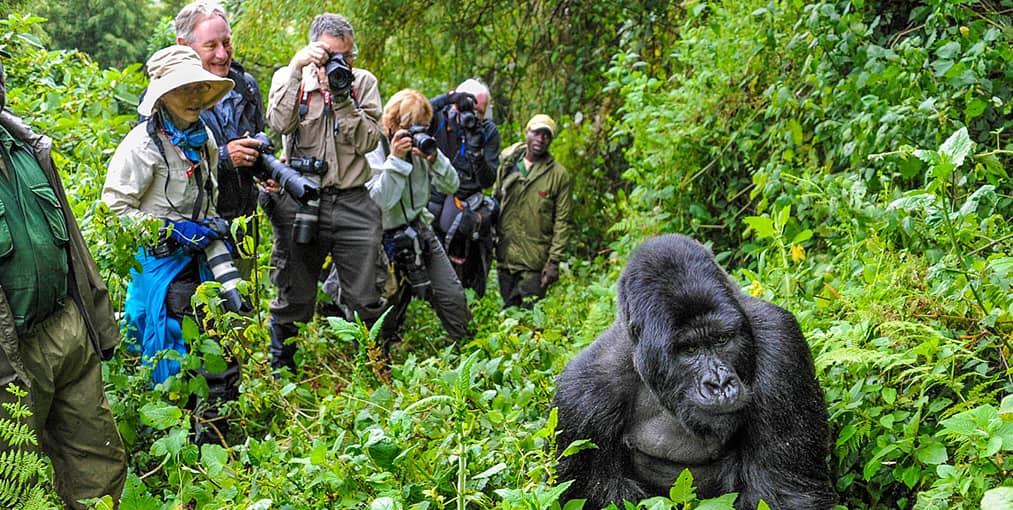
Planning a mountain gorilla trekking safari is an exciting experience. However, before booking flights, reserving accommodation or preparing your safari bags, there is one important thing every traveller should do: check gorilla permit availability for their preferred travel dates.
Mountain gorilla trekking takes place in carefully protected environments. Visitors can experience this activity in Uganda’s Bwindi Impenetrable National Park and Mgahinga Gorilla National Park, as well as Rwanda’s Volcanoes National Park. However, the number of visitors allowed to track gorillas each day is limited. Therefore, travellers cannot simply arrive at the park and expect to purchase a permit.
A gorilla trekking permit gives a visitor permission to join an organised trek to see a habituated mountain gorilla family. Park authorities regulate these permits to protect the gorillas, their natural environment and the quality of the visitor experience.
For this reason, checking availability early is an essential part of planning a successful gorilla safari.
At Safari O’clock, we encourage travellers to confirm their permits before making other major travel arrangements. This approach helps avoid unnecessary expenses, last-minute changes and disappointment. In this guide, we explain how to check gorilla permit availability, where to find accurate information and what to do when your preferred dates are fully booked.
Why You Should Check Gorilla Permit Availability Early
Gorilla trekking is one of Africa’s most sought-after wildlife experiences. Visitors travel from different parts of the world to encounter mountain gorillas in their natural habitats. As a result, demand for permits can be high, particularly during popular travel seasons.
Unlike ordinary national park visits, gorilla trekking operates under strict visitor limits. In Uganda, each habituated gorilla family can receive a maximum of eight visitors per day. Rwanda also controls daily visitor numbers through its permit system.
These restrictions mean that permits can sell out for particular dates. This is especially common during the busy travel months of June to September and December to February.
Checking availability early gives you more freedom when organising your safari. You can select suitable trekking dates, compare accommodation options and arrange transport without rushing.
Furthermore, early confirmation helps travellers who have fixed holiday schedules. For example, someone planning a two-week African holiday may have only one or two days available for gorilla trekking. If permits are unavailable on those dates, changing the entire itinerary can become expensive.
Safari O’clock therefore recommends checking gorilla permit availability before confirming non-refundable flights and accommodation.
How to Check Gorilla Permit Availability for Your Travel Dates
There are several ways to confirm whether gorilla permits are available. The best approach depends on your destination, travel arrangements and whether you prefer booking independently or working with a tour operator.
1. Choose Your Gorilla Trekking Destination
The first step is deciding where you want to see mountain gorillas. Uganda and Rwanda offer different trekking experiences, and each country manages its permits through its respective wildlife and tourism authorities.
In Uganda, gorilla trekking takes place in Bwindi Impenetrable National Park and Mgahinga Gorilla National Park. Bwindi has several trekking sectors, including Buhoma, Ruhija, Rushaga and Nkuringo. Each sector has its own habituated gorilla families and permit allocations.
In Rwanda, visitors track mountain gorillas in Volcanoes National Park. The Rwanda Development Board (RDB) manages the country’s gorilla tourism permits.
Your destination matters because availability in one country does not automatically mean availability in another. Similarly, a fully booked trekking sector in Uganda does not necessarily mean that every other sector is full.
Safari O’clock helps travellers compare these destinations and identify suitable alternatives based on their preferred travel dates, budget and overall safari plans.
2. Identify Your Preferred Trekking Dates
Once you select a destination, identify the exact dates when you would like to track gorillas.
It is helpful to have at least two alternative dates. This gives you flexibility if your first choice is unavailable.
For example, imagine that you plan to visit Bwindi on 15 August. Your first choice may be the Rushaga sector. However, if permits are unavailable on that date, you can ask about 14 or 16 August or check another suitable sector.
When checking availability, provide the following information:
- Your preferred trekking date.
- The number of people travelling.
- Your preferred country and national park.
- Your preferred trekking sector in Uganda, if applicable.
- Alternative dates, if available.
Providing accurate information helps the booking team search for the correct permits rather than giving you general information about availability.
3. Contact the Official Wildlife Authority
One reliable way to check gorilla permit availability is through the responsible government authority.
In Uganda, the Uganda Wildlife Authority (UWA) manages gorilla trekking permits. Travellers can enquire through its reservations office or use the applicable official booking arrangements.
UWA’s published permit management guidelines explain that its booking system displays a calendar showing dates and locations with available permits. If a date or location has no availability, the system does not allow the booking to proceed.
The authority also issues booking references and invoices through its official booking process. Travellers should follow the payment instructions provided through the authorised channels.
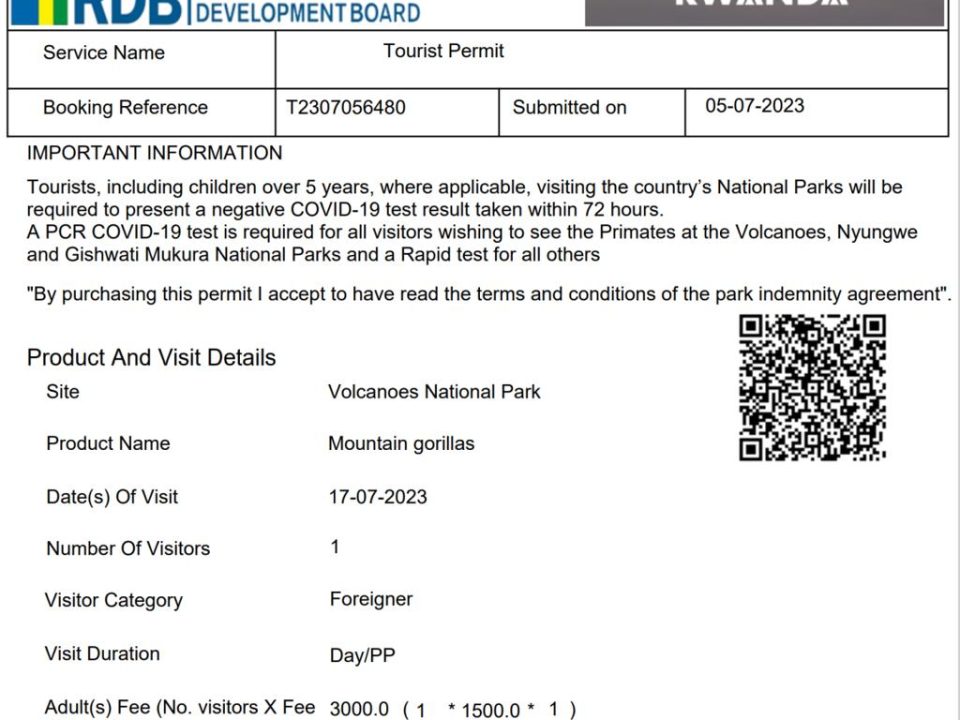
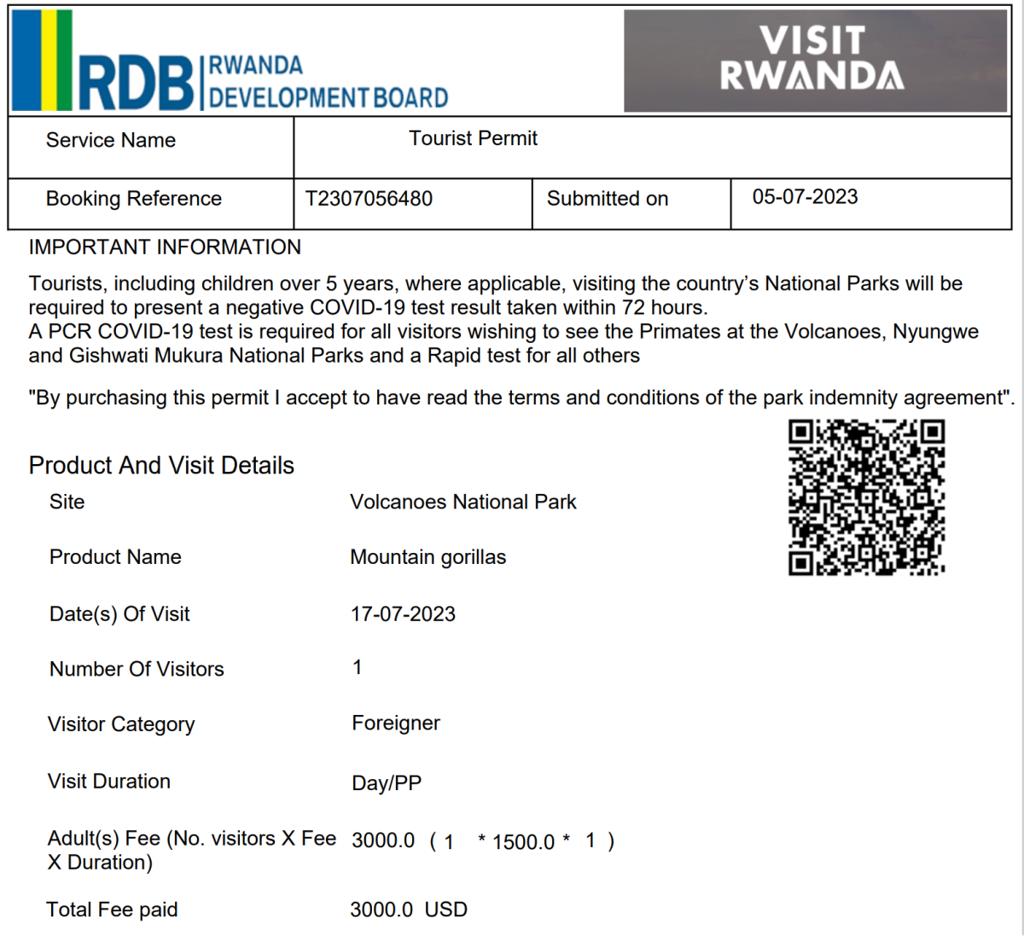
In Rwanda, the Rwanda Development Board operates an official online tourism booking platform. Visitors can select mountain gorilla tracking, check available dates and proceed with the application process.
RDB processes applications through its online permit system. Bookings are handled on a first-come, first-served basis.
Checking directly with the relevant authority helps travellers obtain accurate information about the permit process and applicable requirements.
4. Ask a Licensed Tour Operator to Check Availability
Another convenient way to check gorilla permit availability is through a reputable, licensed tour operator.
Many international visitors prefer this option because they may not be familiar with the local booking procedures. A tour operator can check available dates, explain the different trekking locations and help organise the remaining safari arrangements.
For travellers visiting Uganda, foreign non-residents must purchase gorilla and chimpanzee permits through tour operators licensed by the Uganda Tourism Board, according to UWA’s published purchasing guidelines. Other eligible categories have different direct booking arrangements.
A professional tour operator can also help you understand how permit availability affects your itinerary.
For example, if your preferred date is fully booked in Buhoma, the operator may check Ruhija, Rushaga or Nkuringo. They can also investigate alternative dates or discuss whether Rwanda would suit your plans.
Safari O’clock assists travellers with gorilla safari planning by checking the relevant permit arrangements before proceeding with other bookings.
When contacting a tour operator, always provide your intended travel dates and the number of people in your group. Also, ask for clear confirmation of the permit status before making payments.
5. Confirm the Exact Number of Available Permits
Finding out that a date has availability is not always enough, especially when travelling as a group.
You should confirm that enough permits are available for everyone who wants to participate in the trek.
For example, a couple may need two permits, while a family or group of six needs six permits for the same trekking date.
In Uganda, the daily visitor limit for each habituated gorilla family is eight. Therefore, a particular family may have only a few places remaining even when the trekking sector still has permits available elsewhere.
Rwanda also operates a controlled permit allocation system.
Always ask the booking team to confirm the number of places available for your group. This helps avoid situations where some members secure permits while others cannot join the same trekking experience.
Safari O’clock encourages group travellers to confirm all required permits together before making other arrangements.
When Is the Best Time to Check Gorilla Permit Availability?
Although gorilla trekking takes place throughout the year, permit demand changes with the seasons.
Some months attract more international visitors, while others offer quieter travel conditions. Understanding these patterns can help you plan when to check gorilla permit availability.
Check Gorilla Permit Availability During Peak Seasons
The months of June, July, August and September generally attract many gorilla trekking visitors. December, January and February are also popular travel months.
During these periods, travellers often combine gorilla trekking with other African safari experiences. Consequently, permits for popular dates may become unavailable quickly.
If you plan to travel during these months, start checking availability approximately three to six months in advance. Consider booking earlier if you have a large group or specific travel dates.
For Rwanda, the Rwanda Development Board also advises visitors to book in advance, particularly during the high season.
Early enquiries give you a wider selection of dates and reduce the pressure of making last-minute arrangements.
Check Gorilla Permit Availability During the Low Seasons
The wetter months can offer additional opportunities for travellers with flexible schedules.
In Uganda, April, May and November are generally considered wetter travel months. These periods may attract fewer visitors compared with the busiest trekking seasons.
However, fewer visitors do not guarantee that every date will have available permits. Demand can still vary depending on the trekking sector, group size and other travel activities.
Travellers who can adjust their schedules should consider checking these months for possible availability.
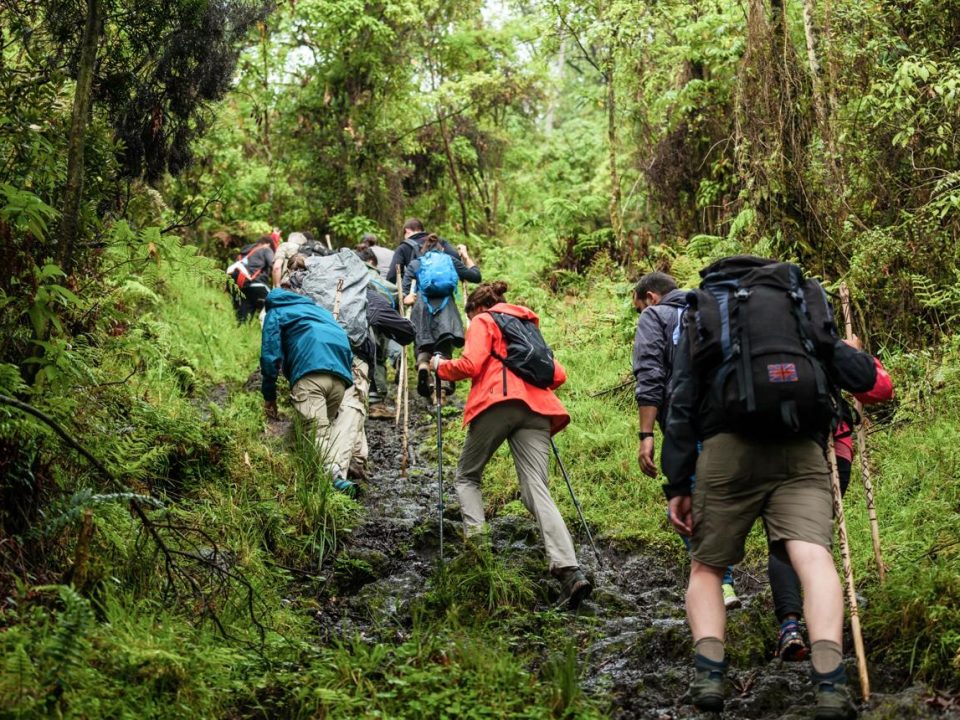
Another advantage is that quieter travel periods may provide more accommodation choices. Nevertheless, travellers should prepare for muddy forest trails and occasional heavy rainfall.
Safari O’clock can help you compare seasonal conditions and identify dates that suit your expectations.
What Should You Do If Your Preferred Gorilla Trekking Date Is Fully Booked?
Discovering that your preferred date has no available permits can be disappointing. However, it does not necessarily mean that you must cancel your entire safari.
There are several alternatives worth considering.
1. Check Gorilla Permit Availability on Alternative Dates
The easiest solution is to move your trekking date.
If your preferred date is fully booked, ask the booking team to check the day before or after. Even a small adjustment can make a difference.
For example, if 20 December has no available permits, 19 or 21 December may offer another opportunity.
However, always confirm the new date before changing flights, accommodation or other travel arrangements.
2. Consider Another Trekking Sector in Uganda
Travellers visiting Uganda have several trekking sectors to consider within Bwindi Impenetrable National Park.
These include Buhoma, Ruhija, Rushaga and Nkuringo. Each offers access to habituated mountain gorilla families.
If your preferred sector has no available permits, ask whether another sector has space on the same date.
Rushaga, for example, has several habituated gorilla families. However, you should never assume that it will automatically have available permits. The booking team must confirm the actual availability.
Remember that changing sectors can also affect your accommodation and driving arrangements. Some sectors are separated by considerable distances, so it is important to review your itinerary before making changes.
3. Consider Trekking in Rwanda Instead
If Uganda has no suitable permits for your dates, Rwanda may offer another option.
Volcanoes National Park provides mountain gorilla trekking in the Virunga Mountains. The park is relatively accessible from Kigali, making it attractive to travellers who prefer shorter road transfers.
However, Rwanda has its own permit prices, booking requirements and availability limits. Therefore, compare the total safari costs before making a decision.
Safari O’clock can help travellers explore the differences between Uganda and Rwanda when searching for suitable trekking dates.
4. Ask About Possible Cancellations
Sometimes, previously booked permits may become available again when travellers cancel or change their arrangements.
However, cancellations do not guarantee that a particular date will reopen.
You can ask your tour operator or the relevant authority to check for newly available spaces. If you have flexible travel dates, this may provide another opportunity.
Do not make non-refundable travel arrangements based on the assumption that a cancelled permit will become available.
5. Adjust Your Entire Safari Itinerary
Another option is to rearrange your safari schedule around the available gorilla trekking date.
For example, you can begin with a wildlife safari in Queen Elizabeth National Park before travelling to Bwindi for gorilla trekking.
Alternatively, travellers in Rwanda can explore other attractions around the country before visiting Volcanoes National Park.
This approach allows you to maintain your overall holiday plans while accommodating the available permit dates.
Information You Need Before Checking Gorilla Permit Availability
Preparing the correct information makes the booking process easier and faster.
Before contacting Safari O’clock or a wildlife authority, organise the following details.
Your preferred travel dates: Identify the exact day you would like to track gorillas. Include alternative dates if possible.
Number of travellers: State how many people require permits. Each participating visitor needs an individual permit.
Destination: Indicate whether you prefer Uganda or Rwanda. If you choose Uganda, mention your preferred national park and sector where possible.
Nationality and residency status: These details help determine the correct permit category and applicable requirements.
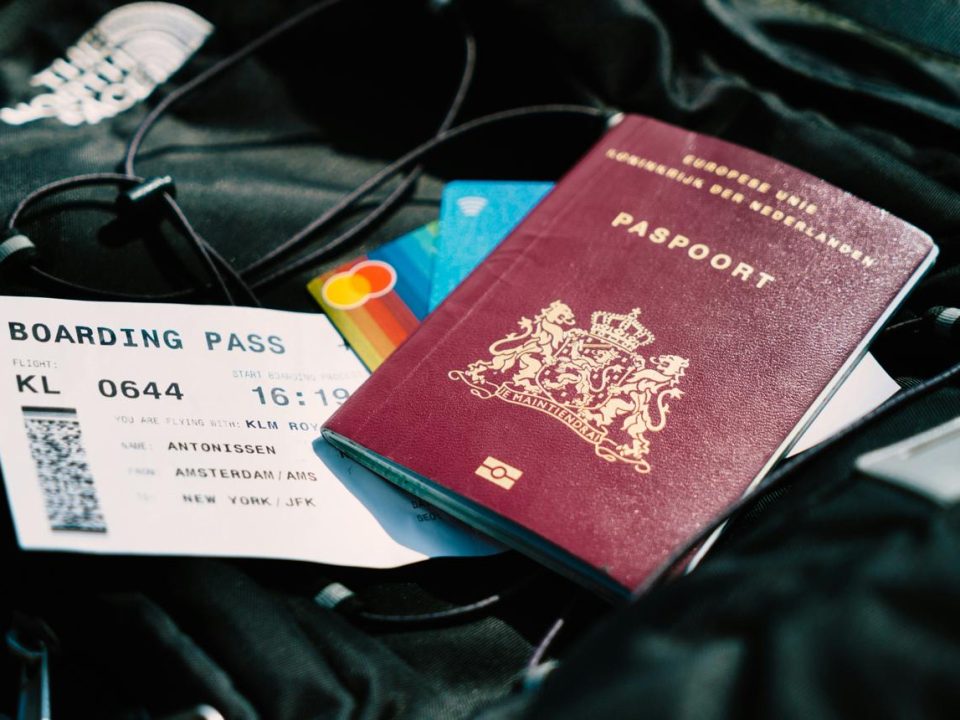
Passport information: Have your passport details ready when proceeding with a booking. Ensure that names and identification details match your travel documents.
Travel flexibility: Explain whether you can change your trekking date or consider another trekking location.
Providing these details helps the booking team check the correct permit options and guide you through the next steps.
How Long Should You Wait Before Paying for a Gorilla Permit?
Once you identify an available date, the next step is understanding how to secure it.
Permit availability and confirmed booking are two different things. A date may show available spaces, but that does not mean a permit is automatically reserved in your name.
In Uganda, UWA’s published booking guidelines require full payment through the authorised booking process. Unpaid reservations may be cancelled if payment is not completed as required.
In Rwanda, the RDB online system guides applicants through selecting an available slot, submitting the required details and paying the applicable permit fee.
Therefore, once you receive confirmation of availability, ask about the payment deadline and booking conditions.
Before making payment, check the following:
- The correct trekking date.
- The correct national park and trekking sector, where applicable.
- The number of permits required.
- The traveller’s personal details.
- The official payment amount and currency.
- The cancellation, rescheduling and refund conditions.
Always request an official booking confirmation or receipt after successful payment. Keep these documents safely because you may need them when preparing for your trek.
Common Mistakes to Avoid When Checking Gorilla Permit Availability
Planning a gorilla safari requires attention to detail. Even small mistakes can create unnecessary problems during the booking process.
One common mistake is booking flights before confirming permit availability. International flights may have strict cancellation or change conditions. If your preferred trekking date is unavailable, you may have to spend extra money adjusting your travel plans.
Another mistake is assuming that all trekking sectors have the same availability. Uganda’s different Bwindi sectors operate with separate permit allocations. Therefore, always check the exact location you intend to visit.
Some travellers also confuse an availability enquiry with a confirmed booking. Receiving a message that permits are available does not mean that your permit has been issued. Always follow the official payment and confirmation procedures.
Additionally, avoid sending money to unknown individuals who promise guaranteed permits. Use the relevant wildlife authority or a properly licensed tour operator.
Finally, do not provide incorrect passport details. Rwanda’s permit application process requires accurate visitor information, and authorities verify travel documents at the park entrance. Incorrect or incomplete applications can result in entry being denied.
By avoiding these mistakes, you can make your gorilla trekking arrangements with greater confidence.
How Safari O’clock Helps You Check Gorilla Permit Availability
Planning a gorilla trekking safari involves more than choosing a national park and selecting a travel date. You must also understand the permit system, available trekking locations, accommodation options and transport arrangements.
Safari O’clock helps travellers navigate these important steps.
When you contact us with your preferred travel dates, we can guide you through the relevant permit enquiry process and help establish suitable options for your trip.
Our planning approach focuses on understanding your travel requirements before recommending an itinerary.
We help you consider:
- Gorilla trekking destinations in Uganda and Rwanda.
- Available trekking dates and suitable alternatives.
- Group size and permit requirements.
- Accommodation near the selected trekking location.
- Road transfers and safari transportation.
- Additional wildlife experiences and cultural activities.
We also help travellers understand the differences between trekking in Bwindi Impenetrable National Park, Mgahinga Gorilla National Park and Volcanoes National Park.
Most importantly, we encourage travellers to confirm permit arrangements before committing to other major travel expenses.
Whether you are planning a private safari, a honeymoon, a family holiday or a group adventure, Safari O’clock can help you organise the important details.
Frequently Asked Questions About Gorilla Permit Availability
How Can I Check Gorilla Permit Availability for My Travel Dates?
You can check availability through the Uganda Wildlife Authority in Uganda or the Rwanda Development Board in Rwanda. You can also contact a reputable, licensed tour operator to enquire about available permits for your preferred dates.
How Far in Advance Should I Check Gorilla Permit Availability?
It is advisable to start checking approximately three to six months before travelling, particularly during peak seasons. Travellers with fixed dates or larger groups should consider enquiring even earlier.
Can I Get a Gorilla Permit at the Last Minute?
Last-minute permits may sometimes be available, depending on cancellations and remaining spaces. However, availability is not guaranteed. It is safer to arrange your permit well in advance.
What Happens If Gorilla Permits Are Fully Booked?
You can check alternative trekking dates, explore other trekking sectors in Uganda or consider Rwanda’s Volcanoes National Park. You may also ask about newly available spaces resulting from cancellations.
Can I Check Gorilla Permit Availability Without Booking a Safari?
Yes. You can make an availability enquiry before committing to a complete safari package. However, remember that checking availability does not automatically reserve a permit.
Does Every Person Need a Gorilla Trekking Permit?
Yes. Every person participating in mountain gorilla trekking must have an individual valid permit. Children below the minimum trekking age cannot participate. Both Uganda and Rwanda set the minimum age at 15 years.
Can I Change My Gorilla Trekking Date After Booking?
Changes depend on the relevant authority’s rules, availability on the new date and applicable conditions. Contact the authority or your booking operator before making any changes. Never assume that a date change is automatic.
Final Thoughts: Confirm Your Gorilla Permit Before Travelling
A successful gorilla trekking safari begins with proper planning. Checking permit availability is one of the most important steps because it determines when and where you can experience mountain gorillas in their natural environment.
Whether you choose Uganda’s Bwindi Impenetrable National Park, Mgahinga Gorilla National Park or Rwanda’s Volcanoes National Park, early enquiries give you more opportunities to find suitable dates.
Remember to confirm the exact number of permits, understand the payment requirements and obtain official booking confirmation before arranging the rest of your journey.
At Safari O’clock, we believe that every memorable safari begins with informed decisions and proper preparation.
Ready to plan your mountain gorilla encounter? Contact Safari O’clock with your preferred travel dates, number of travellers and destination. Let us help you explore the available permit options and plan a gorilla trekking experience worth remembering.