- DIRECT CONTACTS:
- +256394517569
- tours@safarioclock.africa

How to Plan Your Trip Around a Confirmed Gorilla Tracking Date in Rwanda

Can You Arrange a Rwanda Gorilla Trek at the Last Minute?
November 21, 2026
What to Do If Your Passport Details Change After Bookingv
November 21, 2026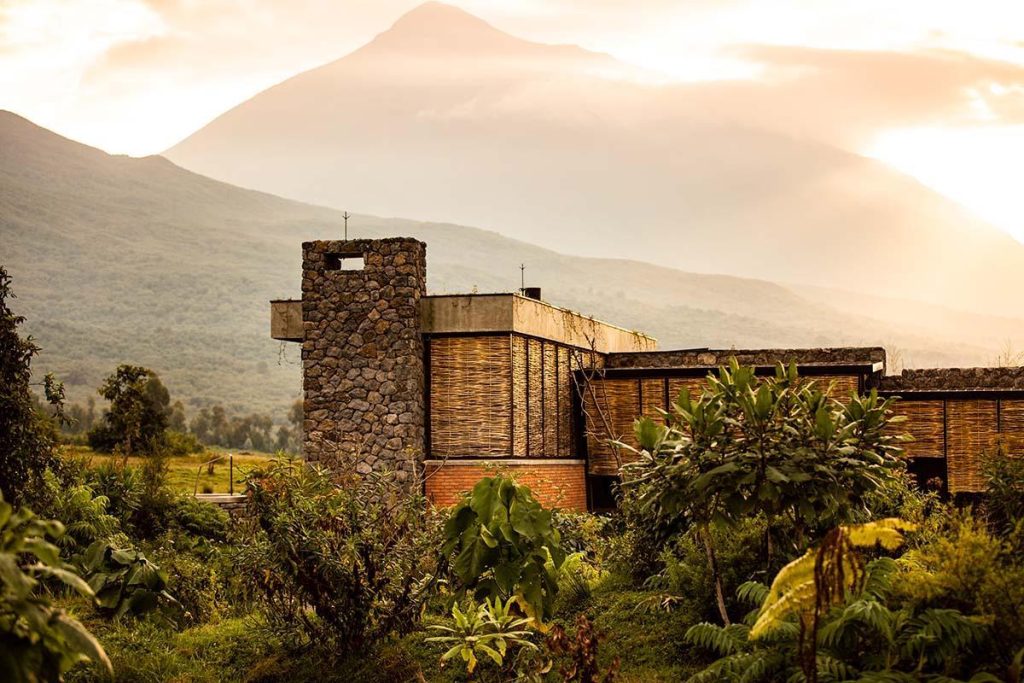
A confirmed gorilla tracking date is one of the most exciting parts of planning a Rwanda safari. It means you have secured an opportunity to meet mountain gorillas in their natural habitat. However, getting the permit is only one part of the journey. You must also organise your flights, accommodation, transport, meals and other activities around the tracking date.
Good planning helps you arrive on time, feel rested and enjoy the experience without unnecessary pressure. It also reduces the risk of missing your scheduled trek because of poor timing or unexpected travel delays.
At Safari O’clock, we encourage travellers to treat their confirmed gorilla trek date as the main point of their Rwanda itinerary. Once that date is settled, you can arrange the other parts of your journey around it. This approach makes your safari easier to manage and gives you more time to enjoy Rwanda.
Why Your Gorilla Trek Date Should Come First
Your gorilla tracking date determines the most important parts of your safari. Unlike some sightseeing activities, gorilla trekking follows a scheduled permit system. Visitors must report to the park headquarters in Kinigi early in the morning for registration and briefing.
The Rwanda Development Board (RDB) states that visitors should report at 7:00 a.m. on their tracking day. The activity also takes place in Volcanoes National Park, in northern Rwanda. Therefore, your accommodation and transport arrangements must allow you to reach Kinigi on time.
For this reason, avoid booking other major activities before confirming your gorilla tracking arrangements. Instead, secure the permit first and then plan your arrival, overnight stays and departure dates around it.
Safari O’clock can help you organise these details so that your travel schedule supports your confirmed tracking date.
Plan Your Arrival Around the Gorilla Trek Date
One of the first decisions to make is when to arrive in Rwanda. Ideally, you should arrive at least one day before your scheduled trek. This gives you time to clear the airport, collect your luggage and travel to the northern part of the country.
Most international visitors arrive through Kigali International Airport. From Kigali, travellers drive north towards Musanze, which is the main town near Volcanoes National Park. The journey usually takes around two to three hours, depending on traffic, road conditions and the exact destination.
Although a same-day transfer may look convenient, it leaves little room for unexpected delays. A late flight, slow luggage collection or road disruption could affect your plans.
Instead, consider arriving in Kigali a day or two before your gorilla trek date. You can spend a night in Kigali before travelling to Musanze the following day. Alternatively, if you arrive early enough, you can travel directly to the northern region and settle into your lodge.
This extra time gives you a more comfortable start to your safari.
Choose Accommodation Near Volcanoes National Park
Your accommodation location matters because gorilla trekking begins early. Staying close to the park headquarters makes the morning easier and reduces the time spent on the road.
Travellers can consider accommodation around Musanze or Kinigi. Musanze offers access to restaurants, shops and different accommodation categories. Kinigi is closer to the park headquarters, which can make it a convenient option for tracking day.
When choosing a lodge, consider more than its price. Check its distance from the Kinigi briefing point, breakfast arrangements, transport services and check-out policies. Also confirm whether the lodge can arrange an early breakfast or packed meal if you need to leave before the usual breakfast time.
If you are travelling with Safari O’clock, the team can help you compare suitable accommodation options based on your budget and itinerary.
Most importantly, do not choose a lodge without checking how long it takes to reach the briefing point. A beautiful property may not be the best option if it makes your early morning transfer difficult.
Arrange Transport Before Your Gorilla Trek Date
Transport is another important part of planning. You need reliable transport from Kigali to Musanze and, later, from your accommodation to Kinigi.
A private vehicle with a driver offers flexibility. It allows you to travel at your preferred time, carry your luggage comfortably and make suitable stops along the way. It can also make transfers easier if you are travelling with family or a group.
Some visitors use public transport to reach Musanze. However, they must arrange a separate transfer to their accommodation and the park headquarters. This option may require more coordination, especially for travellers unfamiliar with the area.
For a smooth safari, confirm the following details before travelling:
- The date and time of your airport pickup.
- The vehicle and driver responsible for your transfer.
- The expected journey time from Kigali to Musanze.
- The distance between your lodge and Kinigi.
- Your pickup time on the morning of the trek.
- Your return transport after tracking.
Do not wait until the evening before your trek to arrange these details. Confirm them early and keep the driver’s contact information available.
Safari O’clock can coordinate these transfers as part of a complete Rwanda gorilla safari package.
Allow Enough Time Before and After the Trek
A good itinerary should include more than the tracking day itself. It should also provide enough time for arrival, preparation and recovery.
For example, travellers arriving from overseas may need time to recover from a long flight. They may also need to adjust to the local environment, organise their luggage and complete any outstanding travel arrangements.
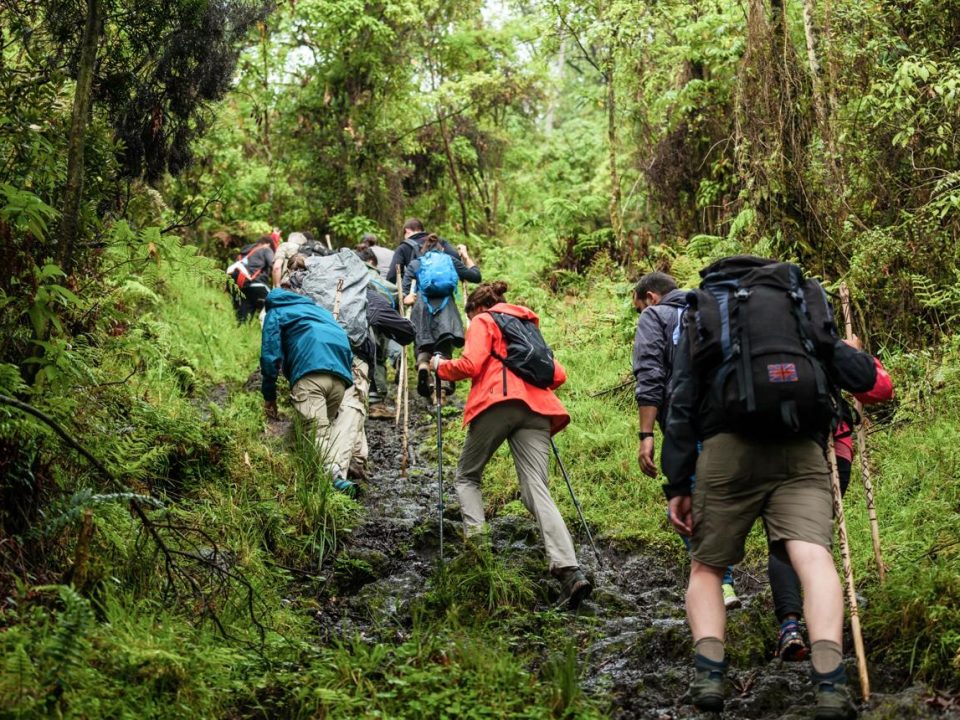
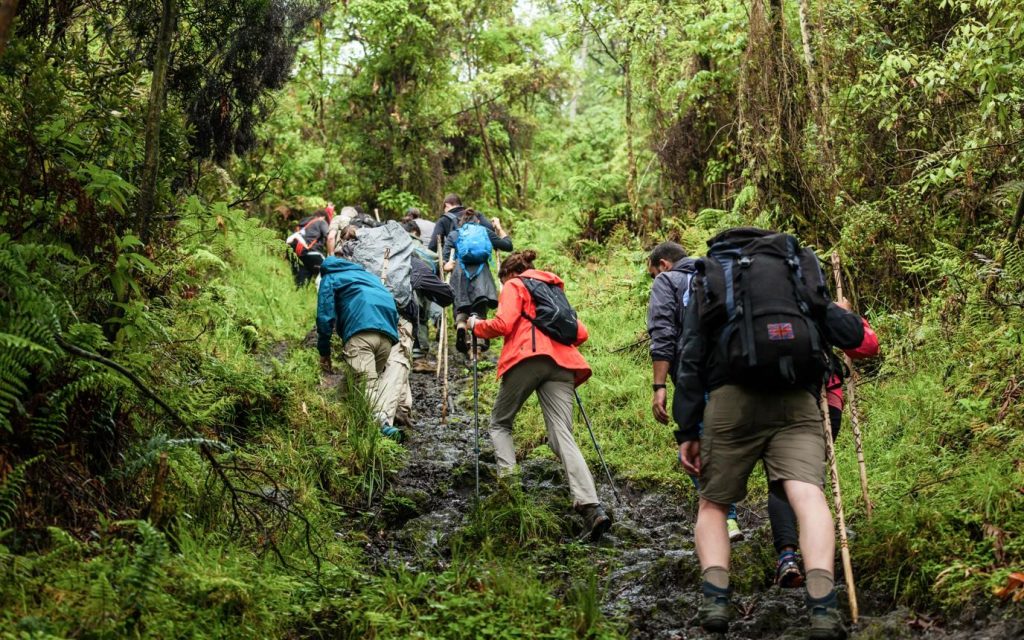
After the trek, avoid scheduling a demanding activity immediately. The forest walk can take several hours, depending on the location and movement of the assigned gorilla family. Some visitors complete a shorter trek, while others spend much longer walking through steep or muddy terrain.
You may feel tired after the experience. Therefore, plan a relaxed afternoon or an overnight stay near the park.
If you have a flight to catch, consider leaving a generous travel buffer. Do not assume that the trek will finish at a fixed time. Your return journey depends on the conditions in the forest and the time needed to locate the gorillas.
Plan Other Activities Around Your Gorilla Trek Date
Rwanda offers several experiences that can complement a gorilla safari. However, you should schedule them without putting pressure on your confirmed tracking date.
If you have an extra day in the northern region, you may consider visiting the Dian Fossey research and conservation area, tracking golden monkeys or exploring the surroundings of Musanze. Some travellers also choose hiking experiences around the Virunga volcanoes.
For a longer Rwanda holiday, you can include destinations outside the northern region. Lake Kivu offers opportunities to relax by the water. Nyungwe National Park is known for its forest experiences, including chimpanzee tracking. Kigali also provides cultural, historical and city experiences.
However, consider the distance between destinations before adding them to your itinerary. Travelling from one region to another takes time. A schedule that looks easy on paper may become tiring when you include road transfers and activity durations.
A practical approach is to place optional activities before or after the gorilla trek, depending on your arrival and departure times. Keep the day immediately before tracking relatively relaxed. This helps you prepare without rushing.
Safari O’clock can help you combine these experiences into a balanced Rwanda itinerary.
Prepare Your Documents and Confirm Your Permit Details
Before travelling, review all the information connected to your gorilla permit. Small errors can cause serious problems at the park entrance.
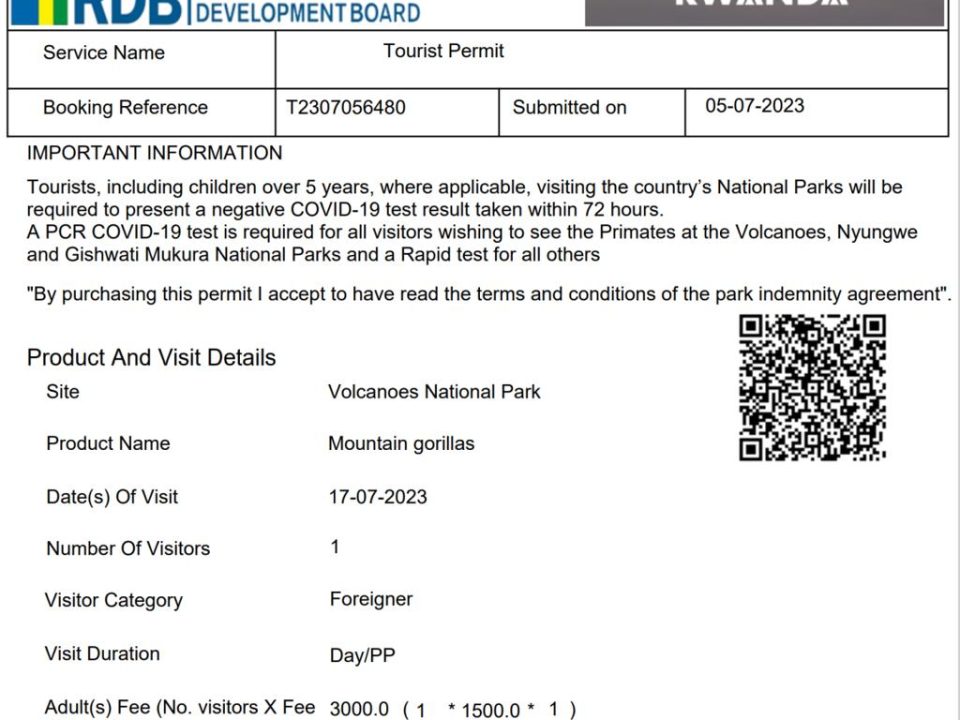
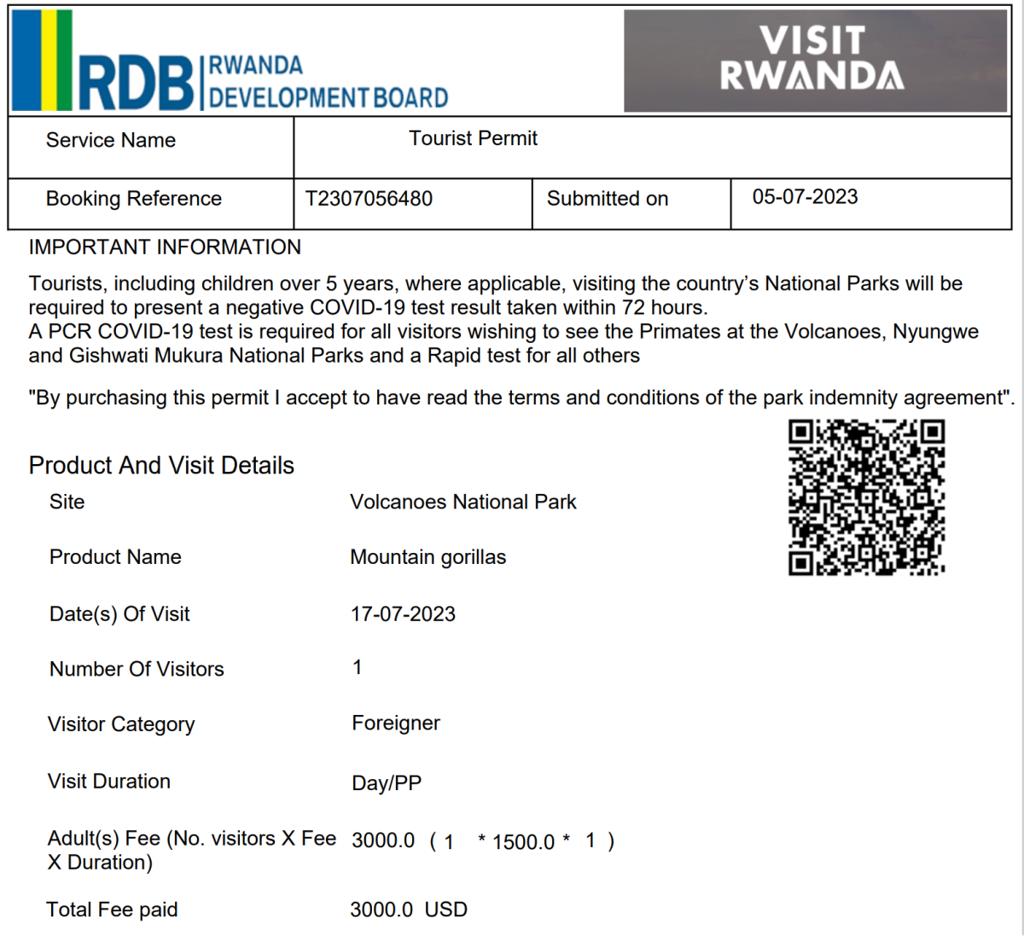
The RDB booking process requires visitors to provide their details and supporting documents. The board warns that incorrect, incomplete or false applications can lead to denied entry, even when a visitor has paid and received a system-generated permit.
Check that your names match your passport. Confirm the tracking date, permit details and visitor information. Also make sure that you carry the travel documents required for your journey.
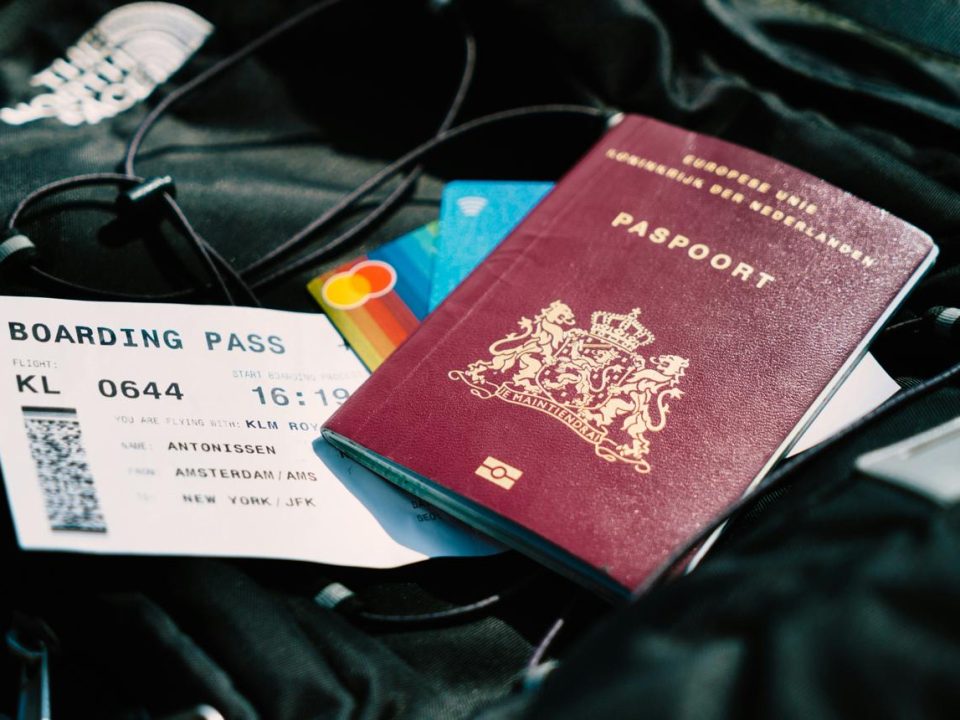
Keep digital and printed copies of important documents where practical. These may include:
- Your passport.
- Your confirmed gorilla permit or booking confirmation.
- Your flight details.
- Your accommodation confirmations.
- Your travel insurance information.
- Your tour operator’s contact details.
The minimum age for mountain gorilla tracking in Rwanda is 15 years. If you are travelling with children, confirm their eligibility before finalising the arrangements.
You should also check current entry and visa requirements for your nationality before departure. Requirements can change, so use official immigration information rather than relying on old travel advice.
Pack According to the Tracking Conditions
Your packing list should support the conditions you may encounter in the forest. Volcanoes National Park lies in a mountainous area, where weather can change during the day. Rain, mud and steep walking sections are possible.
Start with comfortable, sturdy hiking boots or shoes that provide good grip. Long trousers and long-sleeved clothing can help protect your skin from vegetation and stinging nettles. A lightweight waterproof jacket is also useful.
Pack a small day bag with drinking water, a light snack, personal medication and any essential items. You may also want to carry a camera or phone for photographs. However, remember that flash photography is not allowed.
Consider bringing gardening or trekking gloves if you prefer extra protection when holding vegetation for support. A walking stick may also help on uneven ground. You can ask your tour operator or guide about available equipment and porter services.
Avoid carrying unnecessary items. A lighter bag is easier to manage during a long walk.
Understand the Gorilla Trekking Rules Before You Travel
Preparing for your gorilla trek also means understanding the rules that protect visitors and the gorillas.
The RDB requires visitors to maintain a distance of at least seven metres from the gorillas. Viewing time is limited to one hour, and a maximum of eight visitors can visit a gorilla group at a time.
Visitors should keep their voices low and follow the guide’s instructions. Do not make sudden movements, feed the gorillas or leave rubbish in the forest. If you need to cough, turn away and cover your mouth.
Health precautions are especially important. Human illnesses can pose a risk to mountain gorillas. If you have a cold, flu or another contagious illness, do not visit the gorillas. Speak to your tour operator and seek guidance from the relevant authorities if you become unwell before your tracking date.
Learning these rules before arrival helps you understand what to expect. It also allows you to enjoy the encounter responsibly.
Keep Your Itinerary Flexible in Case Plans Change
Even with careful preparation, travel plans can change. Flights may be delayed, weather conditions may affect road journeys, or personal circumstances may require adjustments.
That is why you should avoid building an itinerary with no spare time. Leave some flexibility around your arrival and departure. If possible, avoid scheduling your international flight too close to your tracking day.
You should also understand the rules that apply if you need to change a confirmed permit. The Rwanda Development Board lists services for permit rescheduling and transfer through its official booking platform. However, these services have conditions, and approval or availability is not guaranteed.
For example, the RDB has a separate advance-booking rescheduling service for Rwanda Tour and Travel Association agents. It has specific conditions and should not be confused with the standard process for changing every confirmed permit.
Never assume that you can simply move your tracking date by contacting your lodge or changing your flight. Check the official permit conditions and speak to your tour operator as soon as a change becomes necessary.
Safari O’clock can help you understand the available options and coordinate the other parts of your itinerary. However, the final decision on permit changes rests with the relevant authority.
An Example of How to Plan Around Your Gorilla Trek Date
Suppose your confirmed gorilla tracking date is Friday. You could organise your trip as follows:
Wednesday: Arrive in Rwanda
Arrive at Kigali International Airport, complete the necessary entry procedures and transfer to your hotel. Depending on your arrival time, you can relax or enjoy a short city experience.
Thursday: Travel to Musanze
Have breakfast and travel north towards Musanze. Check into your lodge near Volcanoes National Park. Confirm your morning pickup time, organise your hiking equipment and get enough rest.
Friday: Gorilla tracking day
Wake up early and travel to the Kinigi briefing point. Report by 7:00 a.m. for registration and briefing. Follow your guide’s instructions and enjoy your gorilla tracking experience. After the trek, return to your lodge and relax.
Saturday: Enjoy another Rwanda experience
Depending on your interests, you can explore the northern region, visit a cultural attraction or travel towards Lake Kivu. You can also choose a relaxed day after the trek.
Sunday: Return to Kigali or continue your safari
Travel back to Kigali for your departure flight or continue to another destination in Rwanda.
This is only an example. Your actual itinerary should reflect your flight schedule, budget, accommodation choice and preferred activities. Safari O’clock can adjust the arrangement to suit your travel plans.
How Safari O’clock Can Help You Plan Around a Confirmed Date
Securing a gorilla permit is an important achievement, but the experience becomes easier when every other detail is properly organised.
Safari O’clock helps travellers coordinate the arrangements that support their confirmed gorilla tracking date. These may include airport transfers, accommodation, private transport, additional activities and the wider Rwanda safari itinerary.
The aim is to create a practical schedule that gives you enough time to travel, prepare and enjoy the experience. Rather than rushing between destinations, you can focus on the reason you came to Rwanda.
Whether you are travelling alone, as a couple, with family or in a group, Safari O’clock can help you build an itinerary around your confirmed date and travel preferences.
Frequently Asked Questions About Planning Around a Gorilla Trek Date
How many days should I plan for a Rwanda gorilla trekking trip?
The number of days depends on your arrival time, departure schedule and other activities. A short trip can include arrival, an overnight stay near Volcanoes National Park, the trek and a return journey. However, adding extra days gives you more flexibility and allows you to explore other parts of Rwanda.
Should I arrive in Rwanda one day before my gorilla trek?
Yes. Arriving at least one day before tracking is a sensible approach. It gives you time to travel to Musanze, check into your lodge and prepare for the early morning briefing. An earlier arrival provides even more flexibility, especially if you are travelling a long distance.
Can I drive from Kigali to Volcanoes National Park on the morning of my trek?
Although the journey is possible by road, it is not a good plan for most visitors. The drive can take around two to three hours, while the RDB requires visitors to report at 7:00 a.m. A delay could cause you to miss the briefing. Staying near the park the previous night is a safer option.
What time should I arrive at Kinigi on tracking day?
The RDB states that visitors should report at 7:00 a.m. at the park’s visitor information and registration centre in Kinigi. Confirm your pickup time with your driver or tour operator so that you arrive before the briefing begins.
Can I change my confirmed gorilla tracking date?
The RDB provides permit rescheduling services, but changes are subject to the applicable conditions and availability. Contact your tour operator and check the official RDB booking platform as soon as possible if you need to change your plans.
What should I do if I become sick before my trek?
Do not visit the gorillas if you have a cold, flu or another contagious illness. Human diseases can threaten gorilla health. Inform your tour operator and seek guidance from the relevant authorities about your situation and permit options.
Can I combine gorilla trekking with other activities in Rwanda?
Yes. You can combine gorilla trekking with experiences such as golden monkey tracking, cultural visits, hiking and a visit to Lake Kivu. You may also include Kigali or Nyungwe National Park in a longer itinerary. Allow enough travel time between destinations.
Make Every Day Count Around Your Gorilla Trek Date
A confirmed gorilla tracking date gives your Rwanda safari a clear starting point. The next step is to organise the journey around it. Arrange your arrival early, choose accommodation near the park, confirm your transport and leave enough time for the experience.
Most importantly, avoid rushing your itinerary. Give yourself room to rest, prepare and enjoy the other attractions Rwanda offers.
With careful planning and support from Safari O’clock, your gorilla trekking experience can become part of a smooth and memorable Rwanda holiday. After all, the goal is not simply to reach Volcanoes National Park. It is to enjoy every part of the journey while protecting the incredible mountain gorillas you have travelled to see.
Plan your Rwanda gorilla safari with Safari O’clock and let us help you organise the journey around your confirmed tracking date.