- DIRECT CONTACTS:
- +256394517569
- tours@safarioclock.africa

How Much Does a Rwanda Gorilla Tracking Trip Really Cost?

Direct Booking or Tour Operator: Which Gorilla Permit Route Fits You?
November 21, 2026
Understanding the Main Costs Beyond the Gorilla Permit
November 21, 2026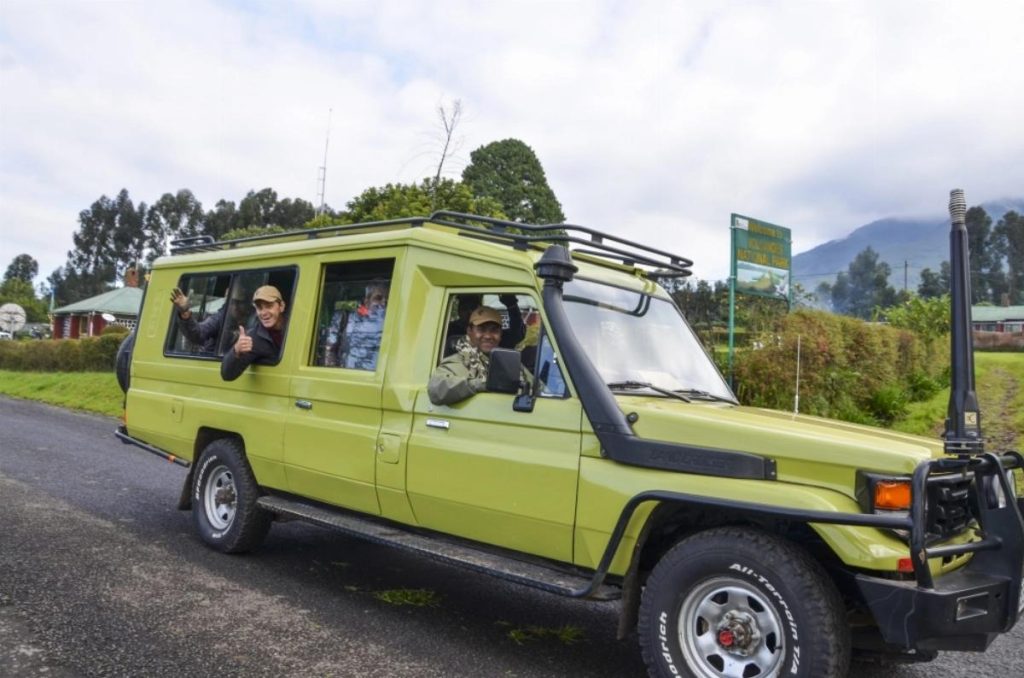
Rwanda is one of Africa’s most sought-after destinations for mountain gorilla tracking. Every year, travellers visit Volcanoes National Park to encounter mountain gorillas in their natural habitat. The experience offers a rare opportunity to observe these endangered primates in the beautiful Virunga Mountains.
However, planning this adventure requires more than purchasing a gorilla tracking permit. Travellers must also consider accommodation, transport, meals, travel insurance, personal expenses and other safari activities. These costs can make a significant difference to the final travel budget.
So, how much does a Rwanda gorilla tracking trip really cost?
The answer depends on your travel style, the number of days you spend in Rwanda, your accommodation preferences and the services included in your safari package. A traveller choosing simple accommodation and shared arrangements will spend differently from someone booking a luxury lodge and private transfers.
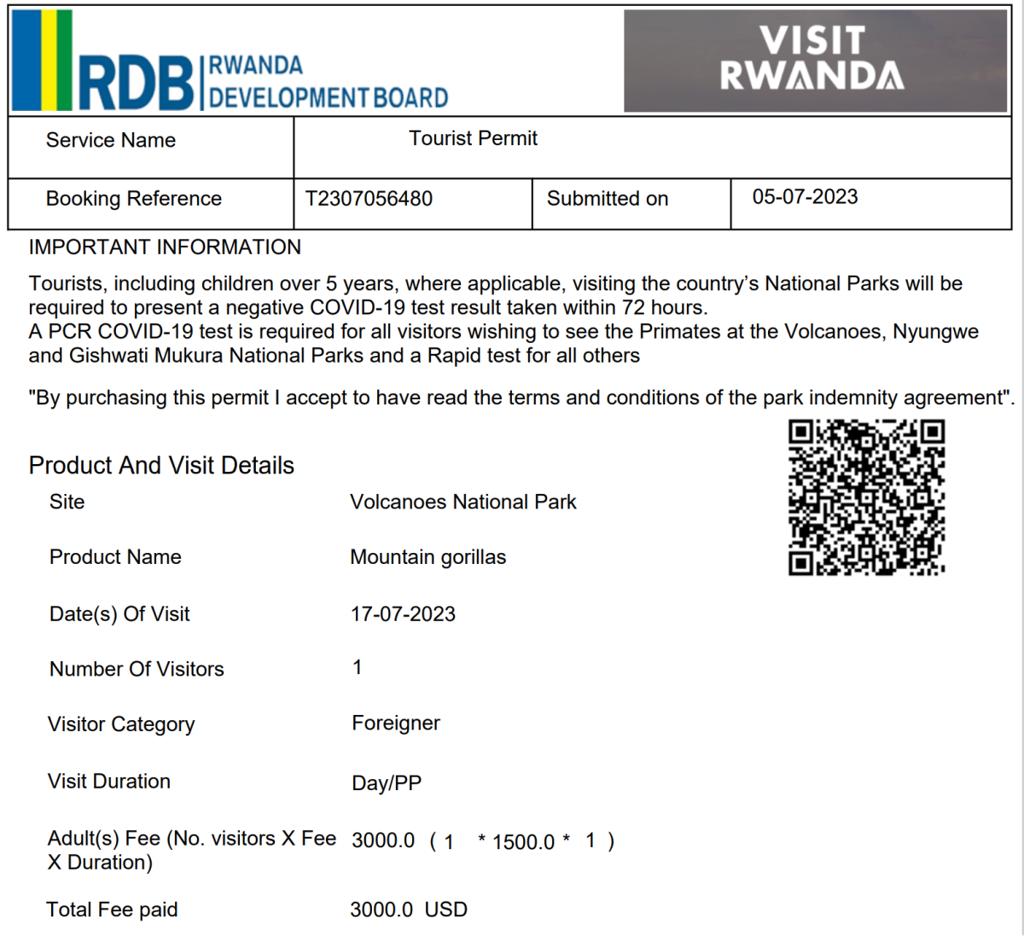
For international visitors, the standard gorilla tracking permit costs US$1,500 per person. However, the complete safari can cost considerably more once you include the remaining arrangements.
At Safari O’clock, we believe travellers should understand the full cost before making a booking. This guide explains the main expenses, compares different travel budgets and provides practical advice for planning a memorable Rwanda gorilla tracking experience.
Understanding the Rwanda Gorilla Tracking Cost
The first step in planning your budget is understanding what you are actually paying for.
Rwanda gorilla tracking takes place in Volcanoes National Park, located in the country’s northern province. Most international visitors begin their journey in Kigali before travelling to the Musanze area.
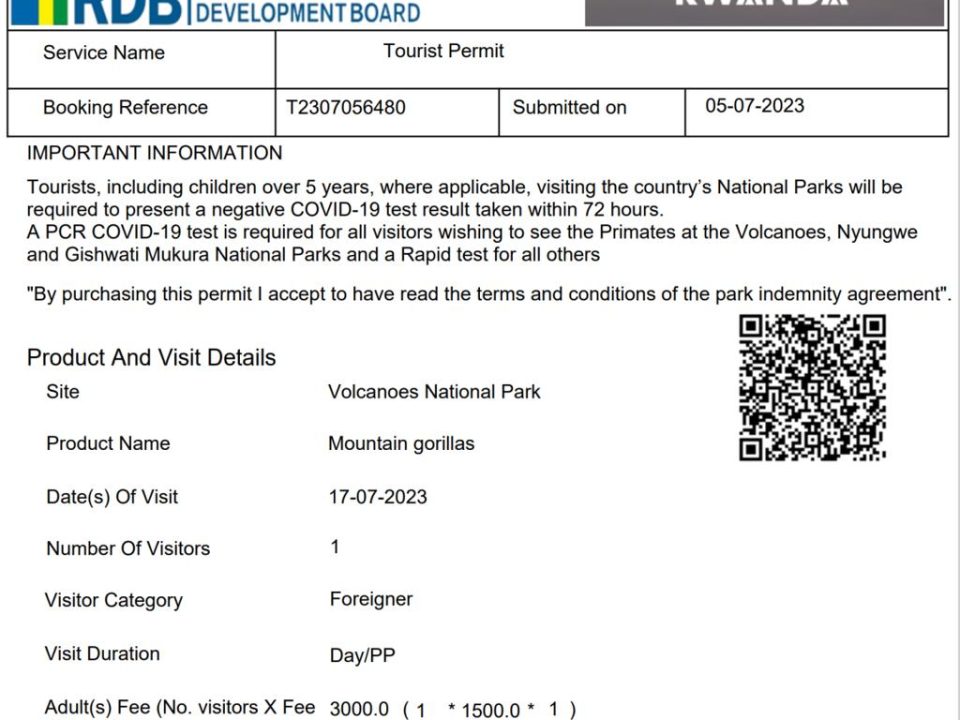
The gorilla tracking experience requires an official permit issued through the Rwanda Development Board (RDB). The permit allows visitors to participate in one guided gorilla tracking experience on the selected date.
However, it does not automatically cover international flights, accommodation, airport transfers, meals outside the included arrangements or personal expenses.
Therefore, travellers should separate the permit fee from the total safari cost.
For a short trip of approximately two to three nights, an international visitor can use the following indicative planning budgets:
- Budget experience: approximately US$2,000–US$2,500 per person.
- Mid-range experience: approximately US$2,800–US$4,000 per person.
- Luxury experience: approximately US$6,000 and above per person.
These are planning estimates, not official government prices or guaranteed tour quotations. They assume a short safari with one gorilla trek and exclude international flights. Actual costs depend on accommodation, group size, transport and package inclusions.
Understanding these categories helps travellers choose an experience that matches their expectations without overlooking important expenses.
1. Rwanda Gorilla Tracking Permit Cost
The gorilla tracking permit is usually the largest fixed expense for international visitors.
According to the Rwanda Development Board’s official booking platform, the standard permit for a foreign visitor costs US$1,500 per person.
This fee gives visitors access to one mountain gorilla tracking experience in Volcanoes National Park. It also supports the regulated conservation tourism programme that protects the gorillas and their habitat.
Each visitor must have an individual permit. Therefore, couples require two permits, while a family of four adults requires four.
Are There Cheaper Rwanda Gorilla Tracking Permits?
Yes. Rwanda offers reduced promotional rates to eligible visitor categories.
The official RDB booking information lists the following promotional prices:
- Rwandan citizens: US$200 per person.
- East African citizens: US$200 per person.
- African citizens: US$500 per person.
- Eligible foreign residents in Africa: US$500 per person.
- Eligible foreign residents in Rwanda: US$500 per person.
- Other international visitors: US$1,500 per person.
There are important conditions attached to these reduced rates. For example, eligible East African residents must provide the required residency documentation. Applicants must also present the correct identification documents.
The promotional rates are not available during June to October 2026, according to the RDB booking information. Travellers planning dates outside that period should still verify the applicable rate before payment.
This distinction matters because not every visitor qualifies for a discounted permit.
Safari O’clock encourages travellers to confirm their permit category and exact trekking date before preparing their final budget.
2. Accommodation Costs Near Volcanoes National Park
Accommodation is another important part of the Rwanda gorilla tracking cost.
Most visitors stay in Kigali, Musanze or around the Volcanoes National Park area. Your choice depends on your arrival time, budget and preferred level of comfort.
Staying near the park can make the trekking morning easier. Visitors must report to the Kinigi park headquarters at 7:00 AM for registration and briefing.
Therefore, accommodation close to Kinigi or Musanze can reduce early morning travel pressure.
Budget Accommodation
Budget accommodation suits travellers who want a comfortable place to rest without spending too much on luxury facilities.
Guesthouses, simple hotels and budget lodges around Musanze can provide practical accommodation for short safari visits.
Some properties offer private rooms, breakfast and basic services. Others provide additional facilities such as restaurants, gardens and Wi-Fi.
Travellers should compare the location, room facilities and meal arrangements before booking.
Mid-Range Accommodation
Mid-range lodges offer more comfort and additional services.
They may include spacious rooms, private bathrooms, restaurants, attractive gardens and mountain views.
This category suits couples, families and travellers who want comfort without paying luxury lodge prices.
It can also be a practical option for visitors spending two or three nights in the region.
Luxury Accommodation
Luxury lodges provide a more exclusive experience.
Depending on the property, guests may enjoy private suites, personalised services, fine dining, spa facilities and impressive views of the Virunga Mountains.
Some luxury properties also offer all-inclusive arrangements.
However, these facilities come at a higher cost. A luxury lodge can significantly increase the total safari budget, especially during popular travel periods.
Safari O’clock recommends choosing accommodation based on your comfort expectations and the number of nights you plan to stay.
3. Transport Costs From Kigali to Volcanoes National Park
Transport is another expense travellers should include when calculating their Rwanda gorilla tracking cost.
Most international visitors arrive through Kigali International Airport. From there, they travel north towards Musanze and Kinigi, where gorilla tracking takes place.
The drive from Kigali to Musanze takes approximately 90 minutes under favourable road conditions. Travellers should allow additional time to reach their accommodation or the park headquarters.
There are several transport options.
Private Safari Vehicle
A private vehicle offers convenience and flexibility.
You can arrange airport pickup, travel directly to your accommodation and reach Kinigi early on trekking morning.
A private safari vehicle is particularly useful for couples, families and small groups. It also allows travellers to stop along the way for photographs or refreshments.
The price depends on the vehicle type, travel distance, fuel, driver arrangements and number of days required.
Shared Transport
Travellers looking to reduce expenses may consider shared transport where available.
Sharing a vehicle allows several people to divide the transport cost. However, the arrangement may offer less flexibility than a private transfer.
You should confirm departure times, pickup points and luggage arrangements before choosing this option.
Public Transport
Public transport can help independent travellers reduce their transportation expenses.
Visitors can travel towards Musanze using public transport and arrange a local transfer to Kinigi.
However, this option requires more planning. It may also be less convenient for travellers carrying several bags or those unfamiliar with the local transport system.
For visitors with an early morning gorilla tracking appointment, staying near the park and arranging reliable transport is particularly important.
Safari O’clock helps travellers compare suitable transport arrangements based on their itinerary and budget.
4. Food and Meal Expenses During Your Rwanda Gorilla Safari
Food is another cost that visitors sometimes overlook when planning a gorilla tracking trip.
Your meal expenses depend on your accommodation package and personal preferences.
Some lodges include breakfast, lunch and dinner in their rates. Others provide breakfast only, leaving visitors to pay separately for lunch and dinner.
Travellers staying in Musanze can explore local restaurants and enjoy different Rwandan dishes.
Common food options include rice, beans, plantains, potatoes, vegetables, grilled meat and other local meals.
International visitors can also find restaurants serving a variety of international dishes.
During the trekking day, visitors should follow the park’s rules about eating and drinking near gorillas. You can carry water and a snack for the hike, but you must follow your guide’s instructions and avoid eating close to the animals.
When requesting a safari quotation, ask whether meals are included. This helps you avoid paying twice or underestimating your daily expenses.
5. International Flights and Travel Documents
For visitors travelling from outside Rwanda, international flights can make up a considerable part of the total safari budget.
The final airfare depends on the departure country, airline, travel season, booking date and number of connections.
For example, someone travelling from Europe may have a different airfare from a visitor arriving from Uganda, Kenya or another African country.
Travellers should compare flight options carefully and consider baggage allowances, arrival times and cancellation conditions.
Travel documents also require attention.
Visitors must check Rwanda’s current entry and visa requirements for their nationality before travelling. Visa fees and eligibility vary, so travellers should consult the official Rwanda immigration information rather than assume that everyone pays the same amount.
It is also important to arrange suitable travel insurance.
A good policy should cover relevant medical expenses, emergency assistance and other risks associated with international travel. Visitors should check whether their policy includes hiking and trekking activities.
Safari O’clock encourages travellers to include these expenses in their overall budget rather than treating them as last-minute costs.
6. Porter Fees, Tips and Personal Expenses
The cost of gorilla tracking does not end with the permit, accommodation and transport.
There are several smaller expenses that can improve the experience.
Hiring a Porter
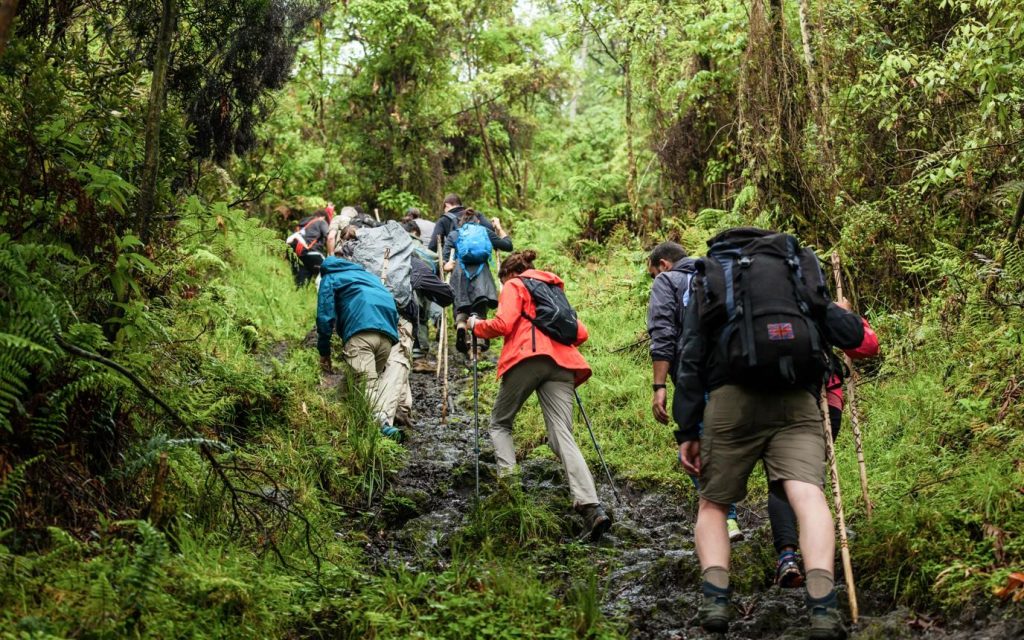
Visitors can hire local porters to help carry their backpacks and other personal items during the trek.
A porter can also provide support on steep or slippery sections of the forest trail.
Hiring a porter is a useful way to support local livelihoods around the national park. The service is optional, and the price should be confirmed before the trek.
Tips for Guides and Service Providers
Some travellers choose to tip their guides, drivers and other service providers.
Tipping is generally a personal decision. Visitors should not feel that they must spend beyond their budget.
It is better to prepare a reasonable amount in advance and understand that tipping practices vary between service providers.
Personal Trekking Equipment
Travellers should also budget for suitable clothing and equipment.
Important items include:
- Strong hiking boots or shoes.
- Long trousers and long-sleeved shirts.
- Waterproof jackets.
- Gardening or trekking gloves.
- A small backpack.
- Reusable drinking water bottles.
- Camera equipment and spare batteries.
If you already own suitable equipment, you may not need to purchase everything again.
However, investing in proper footwear and rain protection can make a major difference in the forest.
7. Extra Activities That Can Increase Your Rwanda Gorilla Tracking Cost
Some visitors prefer to combine gorilla tracking with other experiences in Rwanda.
This can turn a short visit into a more complete holiday. However, additional activities increase the total cost.
Golden Monkey Tracking
Golden monkey tracking takes place in Volcanoes National Park.
Visitors follow experienced guides into the forest to observe these lively primates.
It is a popular activity for travellers who want another wildlife experience after seeing mountain gorillas.
However, it requires a separate activity booking and should be included in your budget.
Dian Fossey Tomb Hike
The Dian Fossey hike offers visitors an opportunity to learn about the history of mountain gorilla conservation.
The hike explores the area associated with the work of renowned primatologist Dian Fossey.
It is an interesting option for travellers who enjoy conservation history and hiking.
Lake Kivu
Lake Kivu provides a relaxing addition to a Rwanda safari.
Visitors can enjoy beautiful lakeside scenery, boat trips and time away from the forest.
Depending on your itinerary, you may stay around Rubavu or another lakeside destination.
Akagera National Park
Travellers with additional time can visit Akagera National Park for a savannah wildlife safari.
The park offers opportunities to see animals such as elephants, giraffes, zebras, buffaloes and other wildlife.
However, visiting another national park involves additional transport, accommodation and activity expenses.
Safari O’clock can help travellers combine these experiences into a practical itinerary.
8. Rwanda Gorilla Tracking Cost: Budget, Mid-Range and Luxury Examples
Understanding individual expenses is useful. However, many travellers want to know the approximate amount they should prepare for the entire experience.
The following examples provide a planning guide for an international visitor paying the standard US$1,500 permit fee.
These estimates assume a short safari with one gorilla trek, approximately two to three nights in Rwanda and no international airfare.
Budget Gorilla Tracking Trip
An independent traveller who chooses simple accommodation and economical transport may spend approximately US$2,000–US$2,500.
This budget prioritises the gorilla permit while keeping other expenses manageable.
The traveller may choose a simple guesthouse, economical meals and shared or lower-cost transport arrangements.
However, budget planning should not mean ignoring safety or reliability. Visitors still need dependable transport and suitable accommodation for the early morning trek.
Mid-Range Gorilla Tracking Trip
A mid-range safari may cost approximately US$2,800–US$4,000 per person.
This option offers a balance between comfort and spending.
Travellers may stay in a comfortable lodge, use private or organised transport and enjoy more flexibility throughout the itinerary.
This category suits couples and travellers who want a comfortable experience without choosing the most expensive properties.
Luxury Gorilla Tracking Trip
A luxury experience can cost US$6,000 or more per person.
The final amount depends heavily on the accommodation selected and the services included.
Luxury travellers may choose high-end lodges, private transfers, personalised experiences and premium dining.
Some packages also include additional activities and exclusive services.
The accommodation alone can make a substantial difference to the final cost.
These three categories are estimates, not fixed prices. Travellers should always request an itemised quotation for their actual dates and group size.
9. Sample Rwanda Gorilla Tracking Budget for Two Travellers
Planning as a couple can make some expenses easier to manage.
For example, two people can share a hotel room and divide the cost of a private vehicle.
However, each traveller still needs an individual gorilla permit.
Consider a simple mid-range planning example:
| Expense | Estimated cost for two |
|---|---|
| Two gorilla permits | US$3,000 |
| Two nights accommodation | US$500–US$800 |
| Transport | US$200–US$350 |
| Meals and refreshments | US$100–US$150 |
| Porters, tips and extras | US$100–US$200 |
| Estimated total | US$3,900–US$4,500 |
These figures are illustrative budgeting allowances, not official tariffs or a confirmed Safari O’clock quotation. They assume two people sharing accommodation and transport, and exclude international flights, visas and insurance.
The example shows why travellers should calculate the total cost for everyone rather than focus only on the permit price.
For larger groups, shared transport and accommodation arrangements may reduce some expenses per person.
10. How to Reduce Your Rwanda Gorilla Tracking Cost Without Missing the Experience
A gorilla safari is a major travel investment. Fortunately, there are practical ways to manage the budget without compromising the quality of the experience.
Choose Accommodation Carefully
You do not need to book the most expensive lodge to enjoy gorilla tracking.
Musanze and the areas around Volcanoes National Park offer different accommodation categories.
Compare location, comfort, meal arrangements and transport requirements before deciding.
Travel With a Partner or Group
Travelling with others can help reduce shared expenses.
For example, two people can share accommodation and a private vehicle. Larger groups may also benefit from dividing transport costs among several travellers.
However, each person must still purchase an individual gorilla permit.
Book Your Permit Early
Early planning gives you more time to check permit availability and organise the rest of your trip.
It also reduces the risk of booking expensive flights and accommodation before securing your preferred trekking date.
Avoid Unnecessary Last-Minute Expenses
Prepare your trekking equipment before departure.
Check whether your lodge includes meals and whether airport transfers are part of your package.
This helps prevent duplicate bookings and unexpected expenses.
Consider Eligible Promotional Permit Rates
Travellers should check whether they qualify for Rwanda’s reduced permit rates.
Eligible Rwandan citizens, East African citizens and certain African residents may access promotional prices under the applicable conditions.
However, always confirm the rate for your exact travel date with the Rwanda Development Board.
11. What Does a Rwanda Gorilla Tracking Package Usually Include?
When comparing safari quotations, travellers should understand what the advertised price covers.
A gorilla tracking package may include:
- One official gorilla tracking permit per traveller.
- Accommodation for the agreed number of nights.
- Ground transportation.
- Airport pickup and drop-off.
- Driver-guide services.
- Meals specified in the itinerary.
- Relevant transfers and planned activities.
However, package inclusions differ between companies.
Some quotations exclude airport transfers, park-related extras, tips, personal purchases and travel insurance.
Others may include additional experiences such as golden monkey tracking or cultural visits.
Therefore, never compare two safari packages based on the headline price alone.
Ask for a detailed breakdown and confirm whether the permit is included. Also check the accommodation category, transport arrangements and cancellation conditions.
At Safari O’clock, we encourage travellers to understand every part of their quotation before confirming a booking. Clear pricing makes it easier to compare options and plan confidently.
12. Important Things to Know Before Paying for Your Rwanda Gorilla Tracking Trip
There are several important regulations that travellers should understand before making payment.
First, the minimum age for mountain gorilla tracking in Rwanda is 15 years.
Second, visitors must report to the Volcanoes National Park visitor registration centre at Kinigi by 7:00 AM for the morning briefing.
Third, each habituated gorilla family receives a maximum of eight visitors per day. This helps control human activity around the animals.
The viewing period is limited to one hour once the group reaches the gorillas.
Visitors must also follow the conservation rules. These include maintaining the required distance, keeping their voices low and avoiding the trek when they have a contagious illness.
The Rwanda Development Board’s booking platform also warns visitors to submit accurate personal and identification information. Incorrect or incomplete applications can lead to denied entry, even where payment has been completed.
Finally, read the official refund and cancellation conditions carefully. Do not assume that every cancelled trip qualifies for a refund.
Safari O’clock helps travellers understand these requirements before their trekking dates.
Plan Your Rwanda Gorilla Tracking Trip With Safari O’clock
A Rwanda gorilla tracking adventure is more than the price of a permit. It involves several expenses that work together to determine the final cost of your safari.
The permit is the main fixed expense for international visitors. However, accommodation, transport, meals, personal equipment and additional activities can significantly change the total budget.
Whether you prefer a simple adventure, a comfortable mid-range safari or a luxury experience, proper planning helps you understand what to expect.
At Safari O’clock, we help travellers explore suitable gorilla tracking arrangements in Rwanda. We consider your preferred dates, group size, accommodation expectations and budget when planning your safari.
We also help coordinate important arrangements so that you can focus on enjoying your time in the beautiful Virunga Mountains.
Ready to experience Rwanda’s mountain gorillas? Contact Safari O’clock today for help planning your gorilla tracking trip, understanding permit costs and choosing a safari package that suits your budget.