- DIRECT CONTACTS:
- +256394517569
- tours@safarioclock.africa

How to Prepare for Gorilla Tracking in February: A Complete Rwanda Visitor Guide

Rwanda Gorilla Tracking in January: Planning Notes for Visitors
November 23, 2026
Planning a Rwanda Gorilla Trek in March: Weather, Packing and Essential Travel Tips
November 23, 2026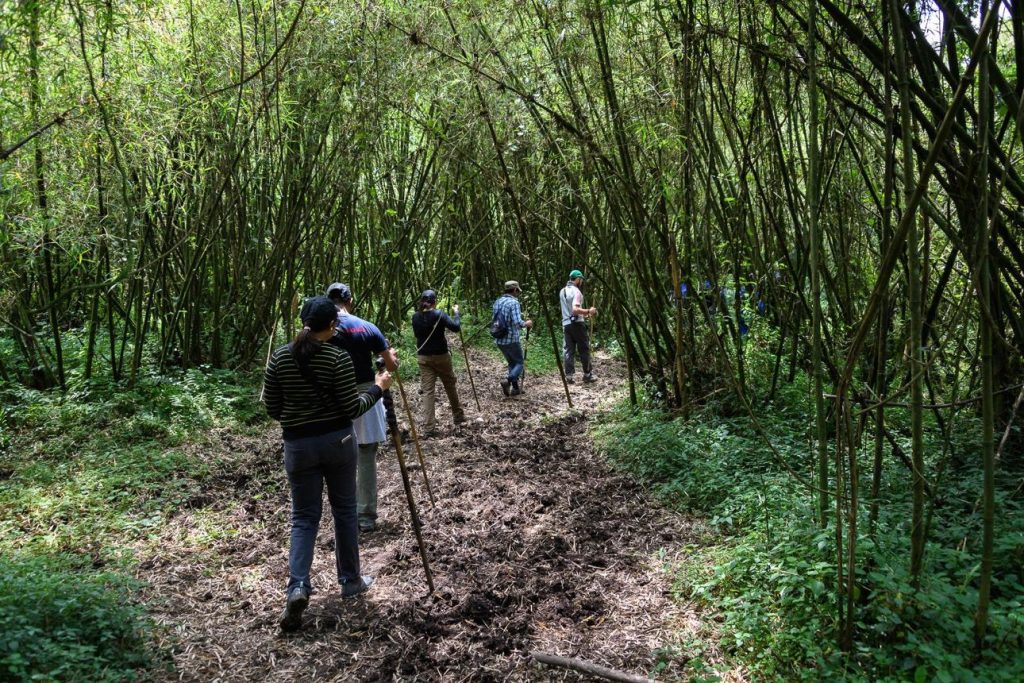
Gorilla tracking in February is an exciting way to experience Rwanda’s mountain gorillas in their natural habitat. February falls within the short dry season in the Volcanoes region. Therefore, visitors may enjoy more favourable hiking conditions than during the wetter months. However, the rainforest climate can change quickly, so good preparation remains essential.
A successful gorilla tracking experience involves more than securing a permit. You need suitable clothing, comfortable hiking boots, enough drinking water, reliable transport and a realistic understanding of the trek. You should also prepare physically and learn the rules that protect the gorillas.
With proper planning, you can enjoy your February adventure with greater comfort and confidence. Safari O’clock helps visitors organise their Rwanda gorilla tracking journeys, from permit arrangements and accommodation to transport and practical travel advice.
Why Choose Gorilla Tracking in February?
February is generally one of Rwanda’s short dry-season months. This period usually offers a useful balance between favourable trekking conditions and the beauty of the green mountain landscape. Trails may be less muddy than during periods of heavier rainfall. However, conditions vary across the forest, and rain can still fall during your visit.
The cooler mountain environment also makes suitable clothing important. Volcanoes National Park sits at a high altitude, and temperatures can feel cold, especially during early morning starts. Mist may cover the slopes, while sunshine can appear later in the day. For this reason, visitors should prepare for several weather conditions rather than expect constant sunshine.
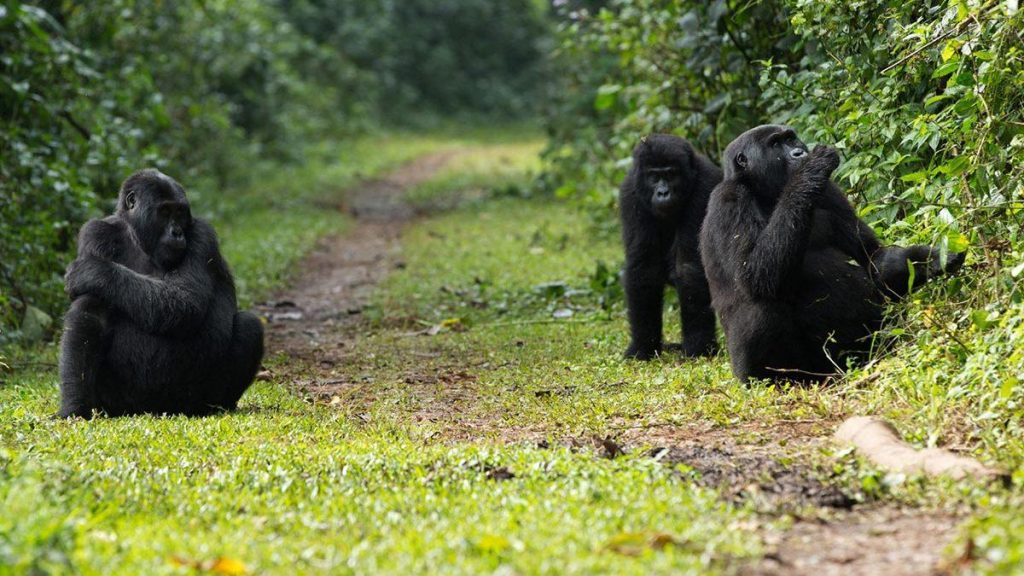
Another advantage of gorilla tracking in February is that visitors can enjoy Rwanda’s natural scenery during a period when the landscape remains lush. The forest, bamboo zones and volcanic slopes create a beautiful setting for photography and wildlife observation. Nevertheless, the main attraction remains the opportunity to observe a habituated mountain gorilla family under the guidance of trained park staff.
Safari O’clock recommends choosing February because it can provide favourable conditions for a gorilla safari. However, the best experience depends on preparation, permit availability, fitness and the weather on the actual trekking day.
Understand the Weather Before Gorilla Tracking in February
Before travelling, learn what the weather in the Volcanoes region can be like. February is commonly described as part of the short dry season. Even so, the park receives rainfall throughout the year. The forest can remain damp, and some sections of the trail may become slippery after showers.
Temperatures also vary with altitude. Musanze town and the park headquarters can feel cool in the morning and evening. Higher sections of the mountain can be colder. As a result, visitors should pack warm layers and waterproof clothing, even when the forecast looks favourable.
It is also useful to understand that weather forecasts cannot predict every condition inside a mountain rainforest. A clear morning in Musanze does not guarantee dry trails throughout the trek. Likewise, a short shower does not necessarily mean the activity will stop.
Safari O’clock encourages visitors to check the forecast shortly before departure. More importantly, pack for both sunshine and rain. A waterproof jacket, protective clothing and sturdy footwear will help you remain comfortable when conditions change.
Book Your Gorilla Permit Early
A gorilla permit is one of the most important requirements for your February trip. Rwanda limits the number of visitors who can visit each habituated gorilla family. Therefore, you should confirm permit availability before finalising every other part of your holiday.
The Rwanda Development Board manages official gorilla tracking permits through its booking system. Reservations operate on a first-come, first-served basis, and visitors can book in advance. The minimum age for gorilla tracking in Rwanda is 15 years.
February may attract travellers looking for a short dry-season experience. Therefore, avoid waiting until the last minute, especially if you have fixed travel dates or a preferred accommodation choice. Once your permit is confirmed, you can coordinate your flights, hotel and transport around the tracking date.
When booking through Safari O’clock, share your preferred travel dates, number of visitors and any special requirements. The team can help you plan the arrangements and explain the costs included in your package. Always confirm the permit category and applicable fee for your nationality or residency status before payment.
Prepare Your Body for Gorilla Tracking in February
Physical preparation can make a major difference to your experience. Gorilla tracking takes place in a mountainous rainforest, where the terrain can include steep slopes, uneven ground, thick vegetation and muddy sections. The length of the trek depends on the location and movement of the gorilla family.
Some visitors find the gorillas after a relatively short walk. Others may spend several hours hiking before reaching them. You should therefore avoid assuming that every trek will take the same amount of time.
Start preparing several weeks before your trip. Regular walking is a useful way to build stamina. You can gradually increase your walking distance and include gentle uphill routes where possible. Stair climbing can also help your legs adjust to longer periods of movement.
During your preparation, practise walking at a steady pace. You do not need to become an expert mountain climber. However, reasonable fitness can help you manage the trail more comfortably. Remember to rest when necessary and follow the guide’s instructions during the trek.
Visitors with mobility concerns or specific physical limitations should discuss their needs with their tour operator before booking. Safari O’clock can help you communicate these requirements and understand the available arrangements. A porter can also assist with carrying your daypack and provide support along difficult sections of the trail.
Pack the Right Clothing for Gorilla Tracking in February
Your clothing should protect you from rain, cold temperatures, scratches and stinging vegetation. The right outfit can make the difference between an uncomfortable hike and an enjoyable adventure.
Start with long trousers and a long-sleeved shirt. These provide protection against nettles, branches and insects. Choose comfortable clothing that allows you to move freely. Avoid wearing delicate fabrics that can tear easily when walking through thick vegetation.
A waterproof jacket is another essential item. February may be part of the short dry season, but showers remain possible. A light jacket that protects you from rain and wind is a practical choice. You may also carry a warm layer for the early morning and cooler sections of the mountain.
For footwear, choose sturdy hiking boots with good grip and ankle support. The forest floor can contain slippery mud, roots and uneven rocks. Comfortable, well-worn boots are better than brand-new shoes that may cause blisters. If you plan to buy new boots, test them before travelling.
Long socks, gardening gloves and a hat can also be useful. Gloves help protect your hands when holding vegetation for balance. However, avoid pulling or damaging plants as you move through the forest. Pack a small change of clothes for after the trek, especially if your clothing becomes wet or muddy.
Prepare a Practical Gorilla Tracking Daypack
A small, well-organised daypack helps you carry the items you need without adding unnecessary weight. Avoid packing too many things because you will carry the bag during the hike unless you arrange porter assistance.
Start with drinking water. Walking at high altitude can feel demanding, so drink enough water throughout the day. You may also carry a light snack for a suitable break away from the gorillas. Park staff will guide you on when and where eating is permitted.
A waterproof bag or rain cover can protect your belongings from unexpected showers. Keep your phone, camera and other electronic items protected. A small towel, tissues, personal medication and hand sanitiser may also be useful.
If you plan to take photographs, bring a fully charged camera or phone. Carry an extra battery or power bank if necessary. Remember that flash photography is not allowed. You should also follow the guide’s instructions about when and how to take pictures.
Do not overload your daypack with unnecessary items. A lighter bag will make walking easier, especially during a longer trek. Safari O’clock can advise you on what to carry and help you prepare a simple packing checklist before departure.
Understand the Gorilla Tracking Rules Before Your Visit
Preparing for gorilla tracking also means understanding how to behave around the animals. Mountain gorillas are vulnerable to human diseases. Therefore, Rwanda has strict visitor guidelines to reduce health risks and protect the gorillas.
The Rwanda Development Board currently advises visitors to maintain a distance of at least seven metres from the gorillas. Visitors should not touch them, feed them or make sudden movements. Keep your voice low and follow the instructions of the park guide at all times.
If you feel unwell with a cold, flu or another contagious illness, you should not visit the gorillas. Even common human illnesses can pose a serious risk to these animals. If you need to cough or sneeze while near them, turn away and cover your mouth and nose.
The official rules also limit each gorilla visit to a maximum of one hour. Groups are limited to eight visitors per gorilla family. These measures help reduce disturbance and support responsible wildlife tourism.
Never leave litter in the forest. Do not eat, drink or smoke while with the gorillas. Flash photography is also prohibited. By respecting these guidelines, you help protect the animals and support conservation.
Plan Your Transport and Accommodation in Advance
Good transport arrangements are important because gorilla tracking starts early in the morning. Visitors must report to the park’s visitor information and registration centre at Kinigi by 7:00 a.m. for registration and briefing.
Many visitors travel from Kigali to Musanze, the town that serves as a gateway to Volcanoes National Park. The journey takes around two to three hours by road, depending on traffic and road conditions. Visitors staying in Musanze can usually reach Kinigi more easily on the tracking morning.
For this reason, staying near the park the night before your trek is a practical option. It reduces the pressure of travelling a long distance early in the morning. It also gives you time to rest, prepare your equipment and enjoy a relaxed evening before the adventure.
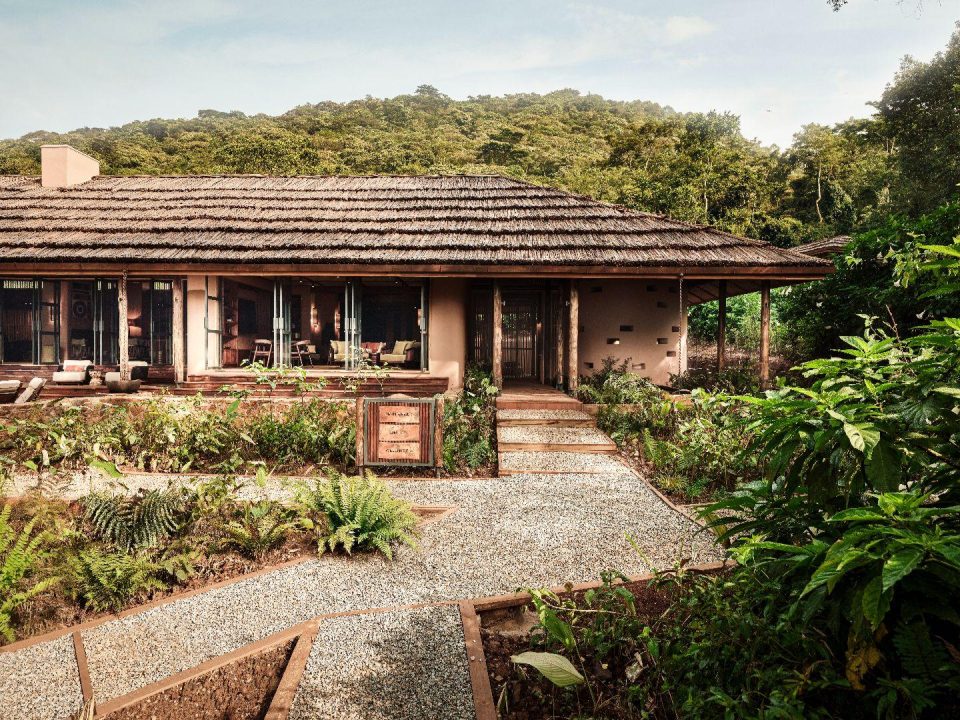
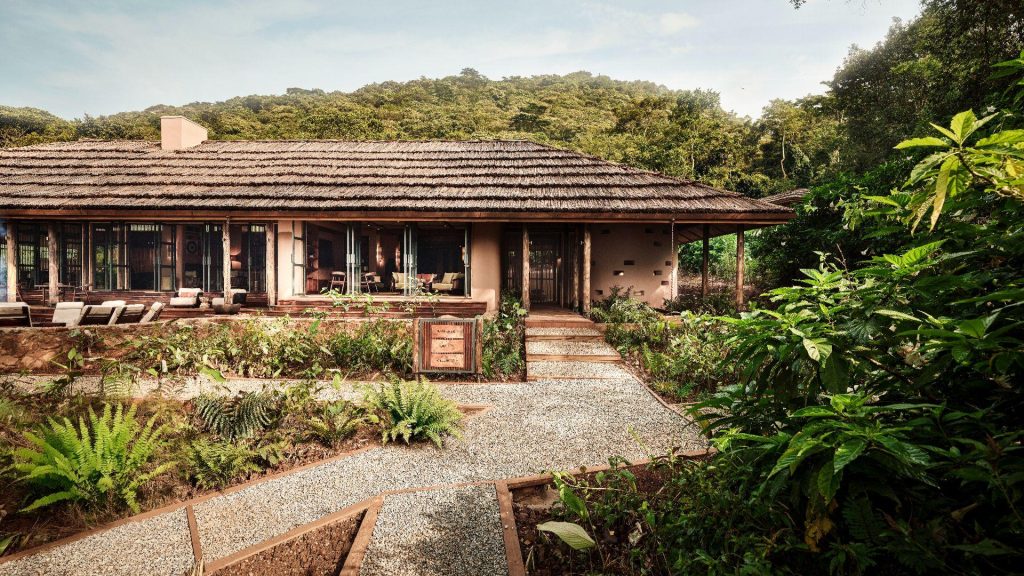
Choose accommodation that matches your budget and preferred level of comfort. Musanze and the areas around Volcanoes National Park offer different accommodation options, from comfortable lodges to more luxurious safari properties. Book early if you have specific accommodation preferences.
Safari O’clock can help coordinate your hotel, road transfers and tracking schedule. If your package includes a private driver-guide, confirm the pickup time and meeting arrangements before the day of the trek.
Prepare Your Travel Documents and Personal Essentials
Before leaving home, check that your passport is valid for your intended travel period. Review Rwanda’s current entry and visa requirements based on your nationality. Travellers combining Rwanda with other East African destinations should also confirm whether a regional visa option applies to their itinerary.
Keep your gorilla permit confirmation and booking details accessible. Check that the names and travel dates on your documents are correct. Carry the identification documents required for your permit category, especially if you are applying under a resident or regional visitor rate.
Travel insurance is another important consideration. Choose a policy that covers the activities you plan to undertake and review its medical and emergency provisions. Do not assume that every standard travel policy automatically covers trekking activities.
You should also carry enough money for personal expenses. These may include porter services, tips, drinks, souvenirs and optional activities. Confirm which services your Safari O’clock package includes so you can prepare a realistic budget.
Consider Hiring a Porter for Your Gorilla Trek
Hiring a porter is a helpful option for many visitors. Porters can carry your daypack, leaving you with less weight to manage during the hike. Some may also offer physical support on steep or slippery sections, although the level of assistance can vary.
Porter services also provide an opportunity to support people living around the park. Many porters come from nearby communities, and their work connects tourism with local livelihoods.
You do not need to carry a heavy bag to prove that you are physically fit. A porter can make the trek more comfortable, especially if you have camera equipment, water and other essentials. You can arrange porter services at the park or discuss them with your tour operator in advance.
Safari O’clock encourages responsible tourism choices that benefit both visitors and local communities. If you would like a porter, ask about the current charges and payment arrangements before your trek.
Know What to Expect on the Tracking Day
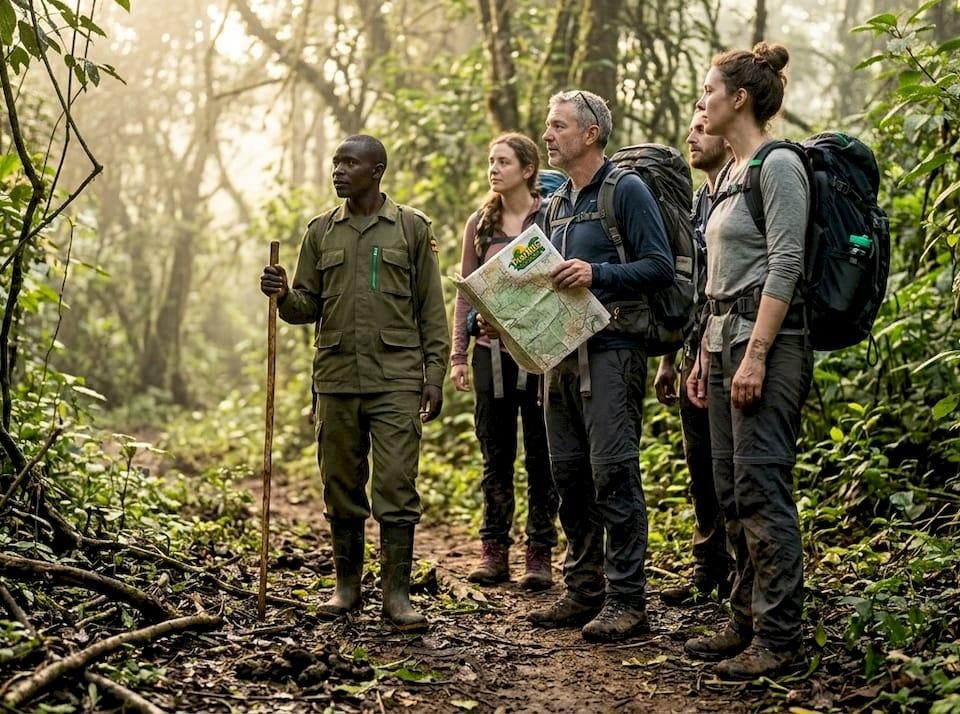
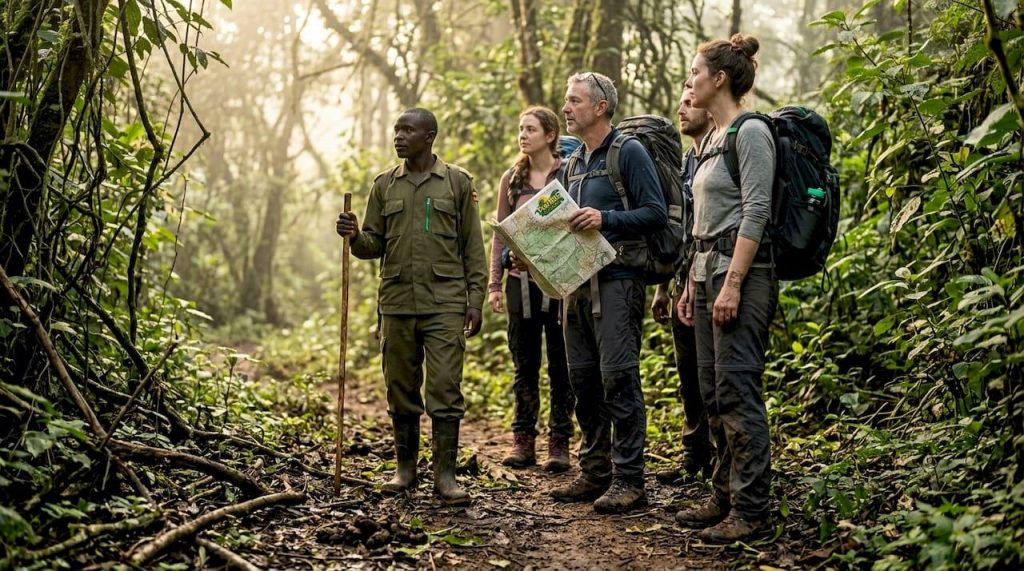
Your tracking day usually begins early. After arriving at Kinigi by 7:00 a.m., you complete registration and attend a briefing. Park staff explain the rules and allocate visitors to gorilla families.
The allocation process considers factors such as the gorilla families’ locations and visitor circumstances. After the briefing, you travel to the starting point for your assigned trek. Trained guides and trackers then lead the group into the forest.
The walking time varies. Some visitors reach their assigned family quickly, while others hike for several hours. The terrain and distance depend on where the gorillas have moved. Your guide will set the pace and organise rest stops when needed.
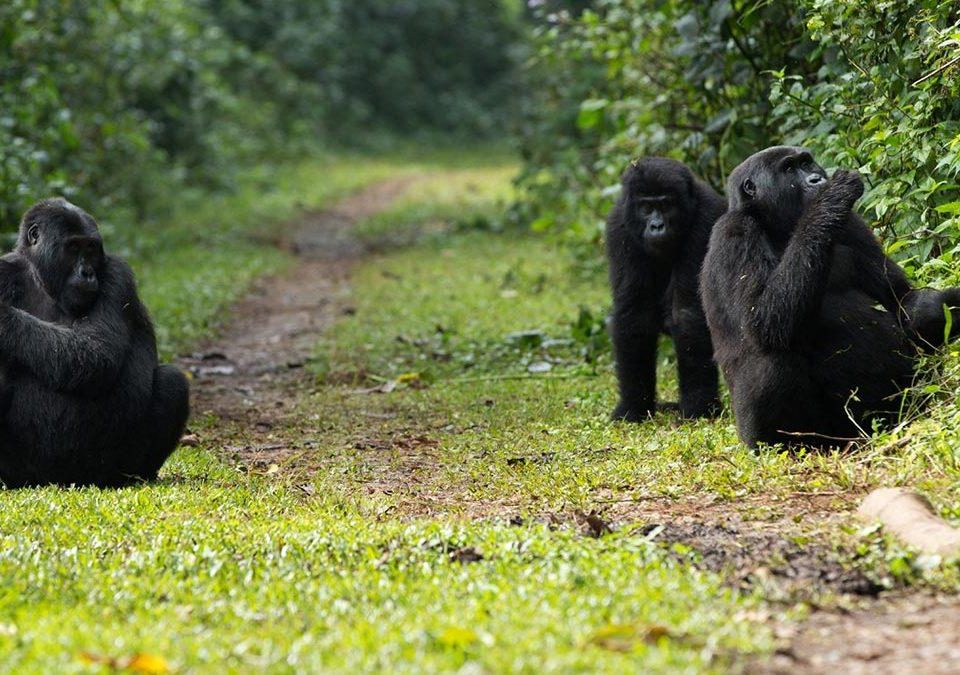
Once you find the gorillas, you can observe their behaviour for a maximum of one hour. You may see adults feeding, resting or moving through the vegetation. Young gorillas may play while the group remains close to one another. Every encounter is different, so remain patient and attentive.
After the visit, follow your guide back to the starting point. You can then return to your lodge, freshen up and enjoy the rest of your day.
Make Time for Other Rwanda Experiences
If your schedule allows, consider adding another activity to your February visit. Rwanda offers several experiences that can complement a gorilla tracking safari.
You could visit the nearby Musanze Caves, explore local communities or enjoy views of the Virunga volcanoes. Golden monkey tracking in Volcanoes National Park is another popular activity. However, it requires a separate permit and should be arranged in advance.
Visitors with more time can also travel to other parts of Rwanda. Nyungwe National Park offers forest experiences, including chimpanzee tracking and canopy walks. Akagera National Park provides a different landscape with savannah wildlife and game drives.
Kigali is also worth exploring. You can visit cultural attractions, local markets and important historical sites. If you are planning a short trip, however, allow enough time for the gorilla experience rather than squeezing too many activities into one schedule.
Safari O’clock can help you combine gorilla tracking with other destinations based on your available days, interests and budget.
Common Preparation Mistakes to Avoid
One common mistake is assuming February guarantees dry weather. Although it is generally part of the short dry season, rain can still fall in the forest. Pack waterproof clothing and footwear with good grip.
Another mistake is buying hiking boots shortly before departure and wearing them for the first time on the trek. New footwear can cause blisters and discomfort. Break in your boots before travelling and test them on longer walks.
Some visitors also underestimate the time and physical effort required. Gorilla tracking does not follow a fixed walking distance. Prepare for a trek that may last several hours, and avoid making tight plans immediately after the activity.
Do not leave permit arrangements until the last minute. Limited visitor numbers mean that availability can change. Confirm your permit before making non-refundable travel arrangements.
Finally, avoid ignoring the gorilla health rules. If you feel unwell, inform your tour operator and follow the park’s guidance. Protecting the gorillas is more important than completing a planned visit.
Prepare Well for Gorilla Tracking in February with Safari O’clock
Gorilla tracking in February can be a rewarding experience for travellers who prepare carefully. The short dry season may offer favourable conditions, but the mountain rainforest still demands suitable clothing, reliable footwear and flexibility.
Book your permit early, build your walking stamina and prepare a practical daypack. Arrange accommodation close to the park and make sure you can reach Kinigi before the morning briefing. Most importantly, understand the visitor rules and help protect the mountain gorillas.
Safari O’clock can help organise your Rwanda gorilla tracking safari, including permits, accommodation, transport and additional experiences. Whether you are planning a short visit or a longer Rwanda holiday, thoughtful preparation will help you make the most of your time in the Virunga Mountains.
Start planning your February gorilla tracking adventure with Safari O’clock and get ready for an unforgettable encounter with Rwanda’s mountain gorillas.