- DIRECT CONTACTS:
- +256394517569
- tours@safarioclock.africa

Planning a Rwanda Gorilla Trek in March: Weather, Packing and Essential Travel Tips

How to Prepare for Gorilla Tracking in February: A Complete Rwanda Visitor Guide
November 23, 2026
What Travellers Should Consider When Tracking Gorillas in April in Rwanda
November 23, 2026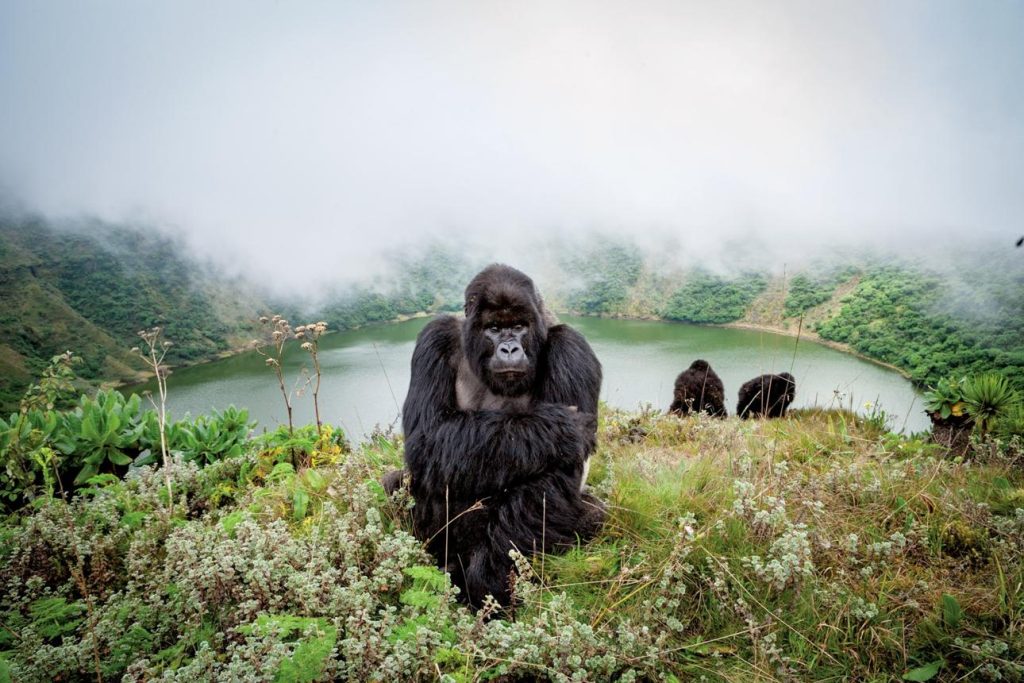
Planning a gorilla trek in March requires careful preparation, especially if you are visiting Rwanda for the first time. March marks the transition into the longer rainy season in the Volcanoes region. As a result, visitors should expect changing weather, damp forest conditions and potentially slippery hiking trails. However, gorilla tracking continues during this period, and travellers can still enjoy an unforgettable encounter with mountain gorillas.
March also offers a different atmosphere from the drier months. Rain brings fresh vegetation, mist covers parts of the Virunga Mountains, and the rainforest becomes beautifully green. These conditions create wonderful scenery, although they can make walking more demanding.
A successful trip therefore depends on more than booking a gorilla permit. You need suitable clothing, reliable transport, comfortable hiking boots and enough time in your itinerary. You should also understand the park’s visitor rules and prepare for a trek whose length can change.
Safari O’clock helps visitors organise Rwanda gorilla safaris, including permit arrangements, accommodation, transport and additional travel experiences. With the right information, you can plan your March adventure with realistic expectations and greater confidence.
Is March a Good Month for a Rwanda Gorilla Trek?
March can be a good month for visitors who understand the conditions and prepare accordingly. However, it is not usually considered one of the driest months for gorilla tracking in Rwanda. The month marks the beginning of the longer rainy period in the Volcanoes National Park region.
The timing of your visit matters. Early March may experience a mixture of relatively drier days and showers. As the month progresses, rainfall generally becomes more frequent. Local weather patterns can vary, so you should not treat these seasonal descriptions as fixed daily forecasts.
The main advantage of travelling in March is that gorilla tracking remains available. Rwanda’s mountain gorillas live in a natural rainforest habitat, and visitors can track them throughout the year, subject to permit availability and park conditions. The wet season does not automatically close the experience.
Nevertheless, rain can make the forest floor muddy. Steep sections may become slippery, and thick vegetation can make movement more difficult. Therefore, visitors should allow enough time, wear appropriate footwear and remain flexible.
Safari O’clock can help you decide whether March suits your travel dates, budget and preferred activities. If your dates are flexible, compare early March with later months before confirming your itinerary.
Understand the Weather for a Gorilla Trek in March
Weather is one of the most important factors to consider when planning a gorilla trek in March. Volcanoes National Park lies in a mountainous rainforest environment. Its weather can change quickly, even when the forecast looks favourable.
March is generally associated with the start of Rwanda’s long rainy season. Rainfall often increases from the middle of the month and continues into April and May. However, some local climate descriptions place the beginning of the transition earlier. This is why it is better to prepare for rain throughout March rather than depend on one exact seasonal date.
Temperatures in the park are also influenced by altitude. The park headquarters at around 2,400 metres above sea level can feel cool. Higher sections of the volcanoes are colder, especially during early morning hours. Mist and cloud can also reduce visibility and make the forest feel damp.
You may experience sunshine, light rain and heavier showers during the same day. Therefore, pack clothing that protects you from both cold and wet conditions. A waterproof jacket, warm layer and quick-drying clothing are useful choices.
Before travelling, check the latest forecast for Musanze and the Volcanoes region. However, remember that mountain weather can differ from conditions in Kigali or other parts of Rwanda. Safari O’clock recommends preparing for changing conditions even when the forecast predicts sunshine.
What Are the Trail Conditions During a March Gorilla Trek?
Trail conditions can change considerably during March. Rainfall affects the forest floor, especially along steep paths and sections with exposed soil. As a result, some trails may become muddy, slippery and difficult to navigate.
The difficulty of your trek also depends on the gorilla family assigned to your group. Some families may remain closer to the park boundary, while others may move deeper into the forest. Consequently, one group may complete its walk sooner than another.
You should not assume that every March trek will be extremely difficult. Conditions vary by location, rainfall and the gorillas’ movements. Nevertheless, prepare for uneven ground, wet vegetation, tree roots and steep sections.
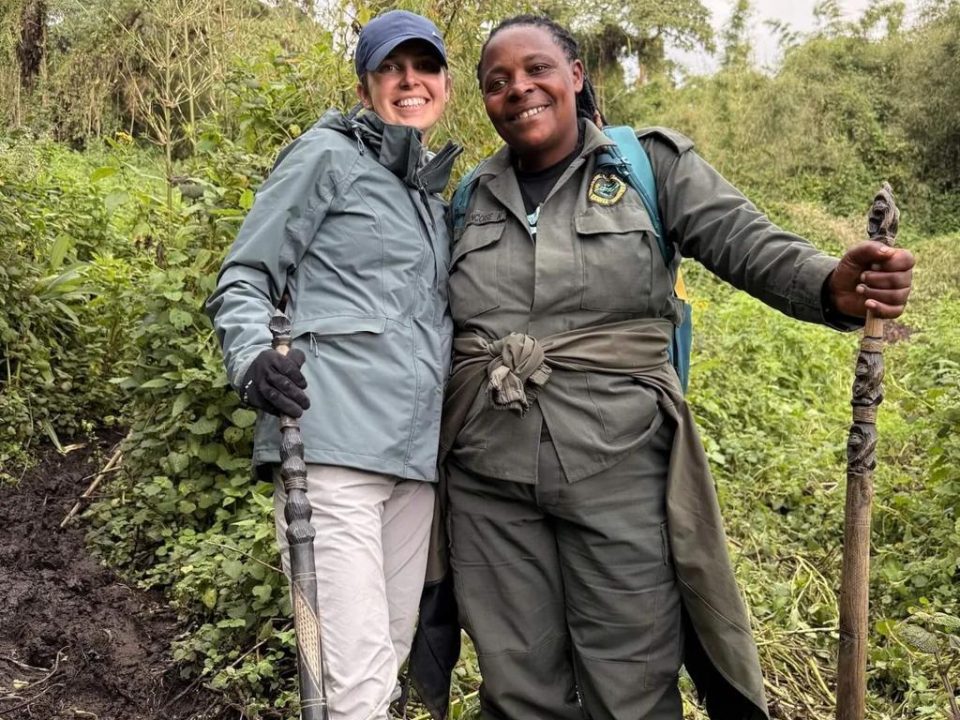
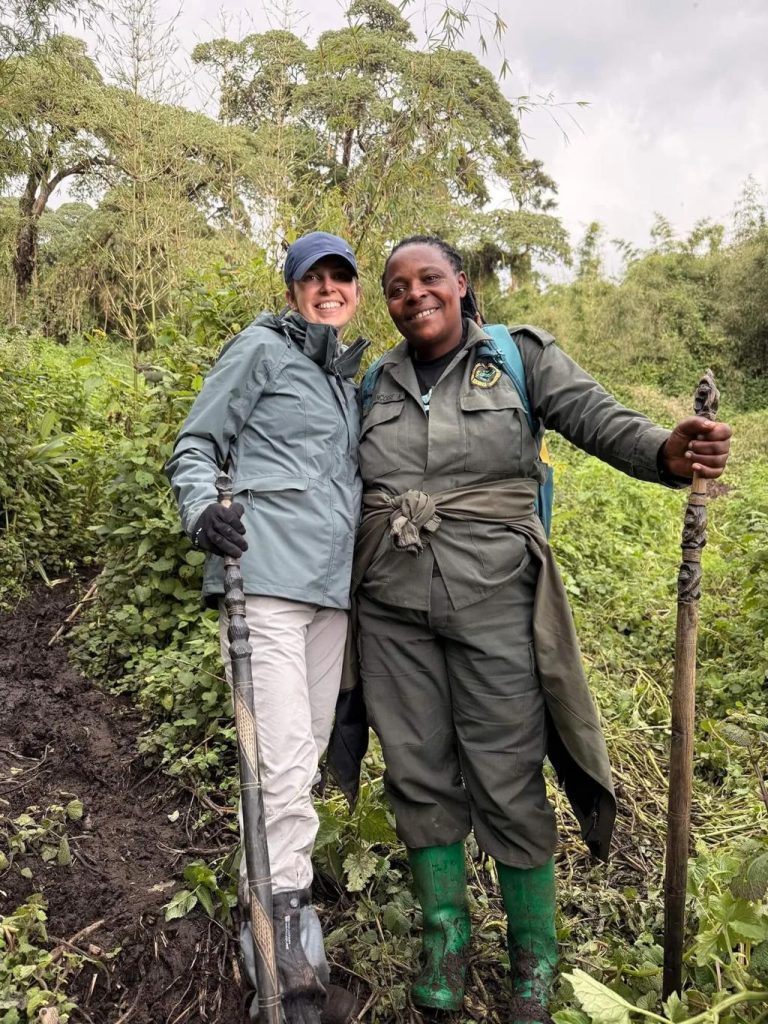
Good hiking boots with strong grip are essential. Walking poles may help some visitors maintain balance, although you should ask your guide whether they are suitable for the route. A porter can also help carry your daypack and offer support on difficult sections.
Most importantly, follow your guide’s instructions. Walk at a steady pace and take breaks when necessary. Avoid rushing, especially on slippery slopes. A patient approach will help you enjoy the experience more safely.
Book Your Gorilla Permit Before Travelling
A valid gorilla tracking permit is essential for visiting Rwanda’s mountain gorillas. The Rwanda Development Board manages the official permit booking process. Visitors can book in advance, and reservations are handled on a first-come, first-served basis.
March may offer different travel opportunities from the peak dry-season months. However, this does not mean that permits will always be available at short notice. The number of visitors allowed to see each habituated gorilla family remains limited.
For this reason, confirm your preferred tracking date before making major travel arrangements. Check that the details on your application match your passport or other required identification documents. Incorrect or incomplete information can create problems during verification.
The current official guidance sets the minimum age for gorilla tracking at 15 years. Visitors should also check the permit fee that applies to their nationality or residency category. Rates and promotional offers can change, so confirm the current amount directly with the Rwanda Development Board or your authorised booking provider.
Safari O’clock can help you coordinate your permit with accommodation, transport and the rest of your itinerary. If you have fixed dates, begin the process early to reduce the risk of disappointment.
Prepare Your Body for a Gorilla Trek in March
Physical preparation is important because gorilla tracking involves walking through a mountainous forest. The distance and duration vary depending on where the assigned gorilla family is located. Some visitors may walk for a shorter period, while others may spend several hours on the trail.
March conditions can make the walk more demanding. Wet ground may require extra care, and steep sections can challenge visitors who are not used to hiking. You do not need to be an experienced mountaineer, but reasonable fitness will make the experience more comfortable.
Start preparing several weeks before your trip. Regular walks can help improve your stamina. Gradually increase your walking distance and include gentle hills or stair climbing when possible. These activities help your body adjust to longer periods of movement.
You should also practise walking in your hiking boots before travelling. This helps you identify uncomfortable areas and reduce the risk of blisters. If you have health or mobility concerns, discuss them with your tour operator before booking.
During the trek, walk slowly and drink enough water. Inform your guide if you need a break. You should never feel pressured to keep up with another visitor. The goal is to enjoy the experience while respecting your physical limits.
What Should You Pack for a Gorilla Trek in March?
Packing correctly is especially important during the rainy season. Your clothing should protect you from rain, cold temperatures, scratches and insects. Choose practical items that allow you to move comfortably through thick vegetation.
Start with a waterproof jacket or raincoat. A light waterproof layer can protect you from showers without making movement difficult. You may also carry a rain cover for your backpack or use waterproof bags to protect electronic equipment and documents.
Wear long trousers and a long-sleeved shirt. These help protect your skin from nettles, branches and insects. Choose comfortable, quick-drying materials where possible. Avoid delicate clothing that can tear easily in the forest.
Sturdy hiking boots with good grip are essential. The trails can become slippery after rainfall, so footwear should provide support and traction. Wear long socks to protect your ankles and reduce irritation from vegetation.
Gardening gloves can protect your hands when you need to hold vegetation for balance. However, never pull plants unnecessarily or damage the forest. A warm layer is also useful because temperatures can feel low during the early morning and at higher elevations.
Pack a small change of clothes for after the trek. You may also want a hat, personal medication and a small towel. Keep your essentials organised so that you can access them easily.
Prepare a Useful Daypack for Your March Gorilla Trek
A comfortable daypack helps you carry the essentials without adding unnecessary weight. Since you may walk for several hours, avoid packing items you do not need.
Carry enough drinking water for the trek. A reusable water bottle is a practical option. You can also pack a light snack for an appropriate break away from the gorillas. Follow the park staff’s instructions about where eating and drinking are permitted.
A waterproof bag or rain cover will help protect your camera, phone and other belongings. If you plan to take photographs, charge your devices fully before leaving the lodge. You may also carry a power bank, provided it is safely stored.
Other useful items include tissues, personal medication, hand sanitiser and a small towel. Keep your passport and permit documents secure, and carry only the identification required for the activity.
Do not overload your bag. A heavy backpack can make a wet and uneven trail more tiring. If you prefer not to carry your belongings, consider hiring a porter at the park.
Choose Accommodation Near Volcanoes National Park
Where you stay can influence how comfortable your March trip feels. Many visitors choose accommodation in Musanze or near Volcanoes National Park. This location makes it easier to reach the park headquarters at Kinigi on the morning of the trek.
Visitors must report to the designated visitor information and registration centre at 7:00 a.m. for the morning briefing. Staying closer to the park can reduce the pressure of travelling a long distance before this early start.
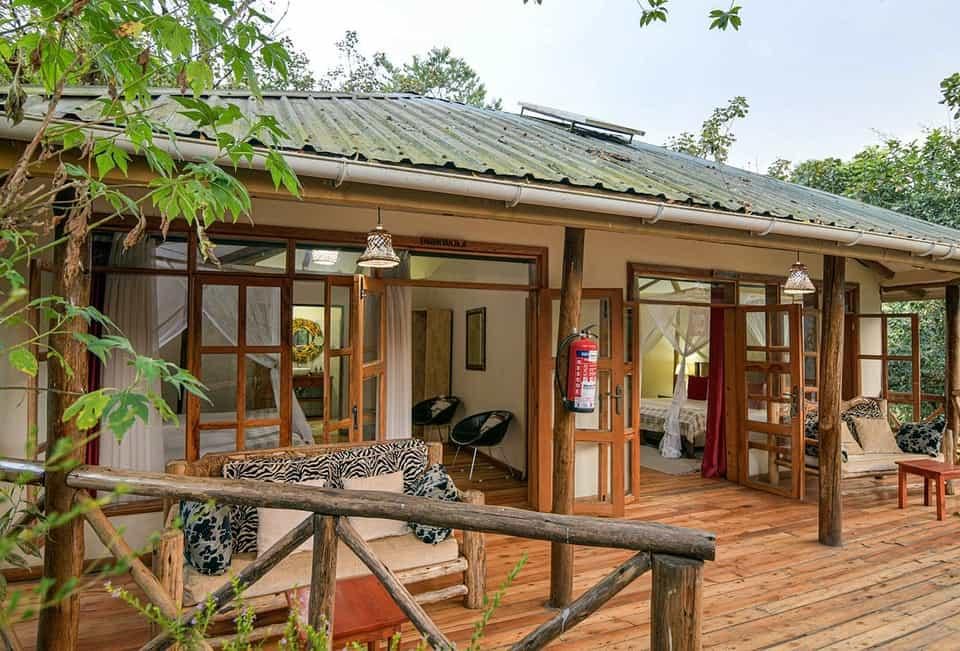
Rwanda offers accommodation options for different budgets. You can choose a simple guesthouse, a comfortable hotel or a luxury lodge. Consider your budget, transport arrangements and the level of comfort you want.
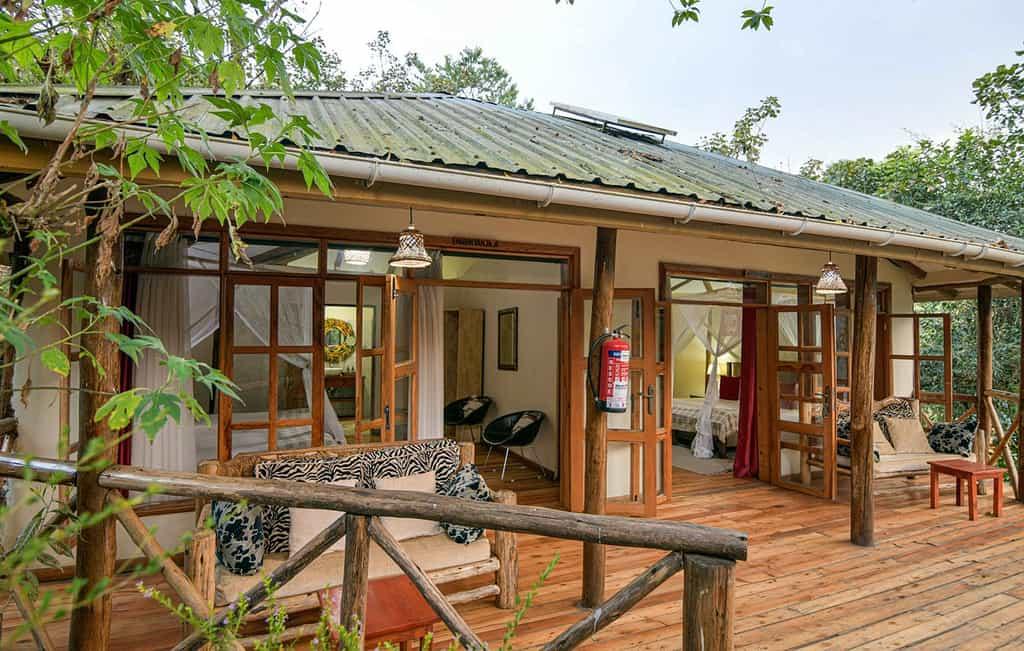
During the rainy season, practical facilities matter. A warm room, reliable hot water, suitable drying space and convenient access to transport can improve your stay. Ask about these facilities before confirming your booking.
Safari O’clock can help you choose accommodation that matches your budget and tracking schedule. Booking in advance also gives you more time to compare options and organise your transport.
Arrange Reliable Transport for Your March Gorilla Trek
Transport planning is another important part of your trip. Most international visitors arrive through Kigali and continue by road to Musanze, which is the main gateway to Volcanoes National Park.
The journey takes around two to three hours in typical conditions, although traffic, weather and road conditions can affect travel time. Allow extra time during rainy periods rather than planning a tight schedule.
A private vehicle with an experienced driver-guide offers flexibility. It also makes it easier to coordinate your hotel pickup, park registration and other activities. If you are travelling independently, confirm how you will reach Kinigi early enough for the briefing.
It is sensible to arrive in Musanze the day before your trek. This gives you time to rest, check your equipment and prepare for the early morning start. It also reduces the risk of missing the briefing because of an unexpected travel delay.
Safari O’clock can coordinate ground transport and help you plan a realistic schedule. Confirm your pickup time, meeting point and return arrangements before the tracking day.
Understand the Gorilla Tracking Rules
Responsible gorilla tracking protects the animals and supports conservation. Mountain gorillas are vulnerable to human respiratory illnesses and other infections. Therefore, visitors must follow strict health and behaviour guidelines.
The Rwanda Development Board’s current booking guidance asks visitors to maintain a distance of at least seven metres from the gorillas. Follow the instructions given by your guide, because park rules and operational guidance should always take priority during the visit.
Visitors should not touch, feed or provoke the gorillas. Keep your voice low and avoid sudden movements. Do not litter, spit or use flash photography. If you need to cough or sneeze near the gorillas, turn away and cover your mouth and nose.
If you have a cold, flu or another contagious illness, do not visit the gorillas. Inform your tour operator and follow the park’s advice. Protecting the animals must come before completing a planned activity.
The official guidance limits a gorilla visit to one hour and a group to a maximum of eight visitors. These restrictions reduce disturbance and help protect the gorillas’ wellbeing.
By following the rules, you contribute to responsible tourism and the long-term conservation of mountain gorillas.
Should You Hire a Porter During a March Gorilla Trek?
Hiring a porter can make your trek easier, especially when the ground is wet. A porter can carry your daypack and help you manage your belongings while you concentrate on walking.
Some porters also offer a steadying hand on difficult sections. However, the support they provide can vary, and you should always follow your guide’s instructions on the trail.
Porter services also create income opportunities for people living around the park. Choosing to hire one can therefore support local livelihoods while improving your own trekking experience.
You can arrange a porter at the park or ask your tour operator about the process before your visit. Confirm the current charge and payment arrangements. If you have camera equipment, water and extra clothing, a porter may be particularly useful.
Safari O’clock encourages visitors to consider local services as part of a responsible travel experience. It is a simple way to make your trip more comfortable while supporting the surrounding community.
What Happens on the Gorilla Tracking Day?
Your tracking day begins early. You should arrive at the Kinigi visitor information and registration centre by 7:00 a.m. for registration and briefing. Park staff explain the rules, share important safety information and allocate visitors to gorilla families.
After the briefing, you travel to the starting point for your assigned trek. Experienced guides and trackers lead the group into the forest. They monitor the gorillas’ movements and help visitors follow the appropriate route.
The walking time varies from one group to another. Your trek may involve a relatively short walk or several hours of hiking. Wet weather can also affect the pace, so remain patient and listen to your guide.
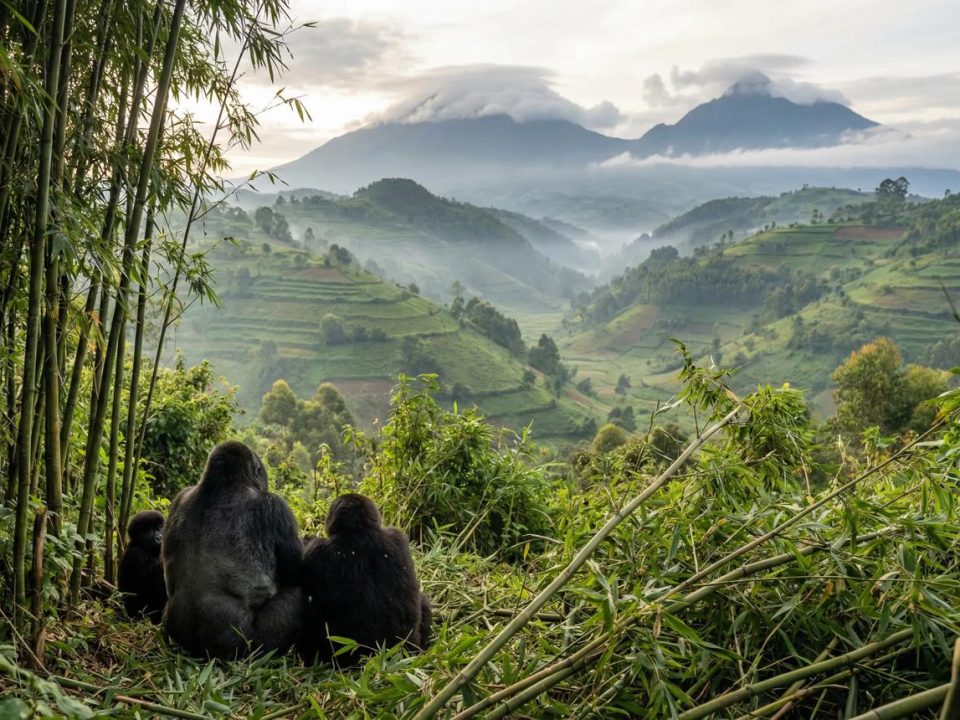
Once the group finds the gorillas, visitors can observe them for a maximum of one hour. You may see adults feeding, resting or moving through the vegetation. Young gorillas may play nearby, while other members of the family remain close together.
Keep a respectful distance and avoid disturbing their behaviour. After the viewing period, your guide leads the group back to the starting point. You can then return to your accommodation, change into dry clothes and relax.
Combine Your Gorilla Trek with Other Rwanda Experiences
If you have extra days, consider adding other activities to your Rwanda holiday. The country offers wildlife, cultural and nature experiences that can complement your gorilla trek.
Golden monkey tracking in Volcanoes National Park is one option. These primates live in the bamboo forests of the Virunga region. However, the activity requires a separate permit and should be arranged in advance.
You can also explore Musanze and its surrounding attractions. Local cultural experiences, scenic views and visits to the Musanze Caves can add variety to your stay.
Travellers with more time may consider Nyungwe National Park for forest activities, including chimpanzee tracking and canopy walks. Akagera National Park offers a different experience, with savannah landscapes and game drives.
Kigali is another useful addition to your itinerary. You can explore the city’s cultural attractions, markets and historical sites. However, leave enough time for your main gorilla experience and avoid packing too many activities into a short visit.
Safari O’clock can help you combine these experiences based on your available days, interests and budget.
Common Mistakes to Avoid When Planning a Gorilla Trek in March
One common mistake is assuming that March will have the same weather as January or February. March marks the transition into a wetter period, so visitors should prepare for more rain as the month progresses.
Another mistake is packing ordinary trainers instead of proper hiking boots. Wet forest trails can become slippery, and unsuitable footwear may increase discomfort. Choose boots with good grip and test them before travelling.
Some visitors also underestimate the time needed for the trek. The gorilla family’s location determines the walking distance, so avoid arranging a tight activity immediately afterwards. Give yourself enough time to complete the trek and return to your lodge.
Waiting too long to book a permit can also cause problems. Visitor numbers are limited, and your preferred date may not remain available. Confirm your permit before making non-refundable arrangements.
Finally, do not ignore health precautions. If you feel unwell before the trek, inform your operator. The rules exist to protect mountain gorillas, and every visitor has a responsibility to respect them.
Plan Your Rwanda Gorilla Trek in March with Safari O’clock
A gorilla trek in March can be a memorable experience when you prepare for the season’s changing conditions. The forest may be wetter, the trails may be muddy and the weather can shift quickly. However, these conditions do not prevent visitors from enjoying Rwanda’s mountain gorillas.
Start by securing your permit and choosing suitable accommodation. Pack waterproof clothing, strong hiking boots and a practical daypack. Build your walking stamina and arrange reliable transport to Kinigi for the early morning briefing.
Most importantly, remain flexible. Allow enough time for the trek, follow your guide’s instructions and respect the gorilla conservation rules.
Safari O’clock can help organise your March gorilla safari, from permits and accommodation to transport and additional experiences across Rwanda. Whether you are planning a short visit or a longer holiday, careful preparation will help you make the most of your journey.
Contact Safari O’clock to start planning your Rwanda gorilla trek in March and prepare for an unforgettable encounter in the Virunga Mountains.