- DIRECT CONTACTS:
- +256394517569
- tours@safarioclock.africa

Planning a Gorilla Tracking Trip in July: A Complete Guide to Rwanda’s Mountain Gorillas

Why June Is Popular for Rwanda Gorilla Tracking
November 23, 2026
Rwanda Gorilla Tracking in August: What to Book Early for Your Safari
November 23, 2026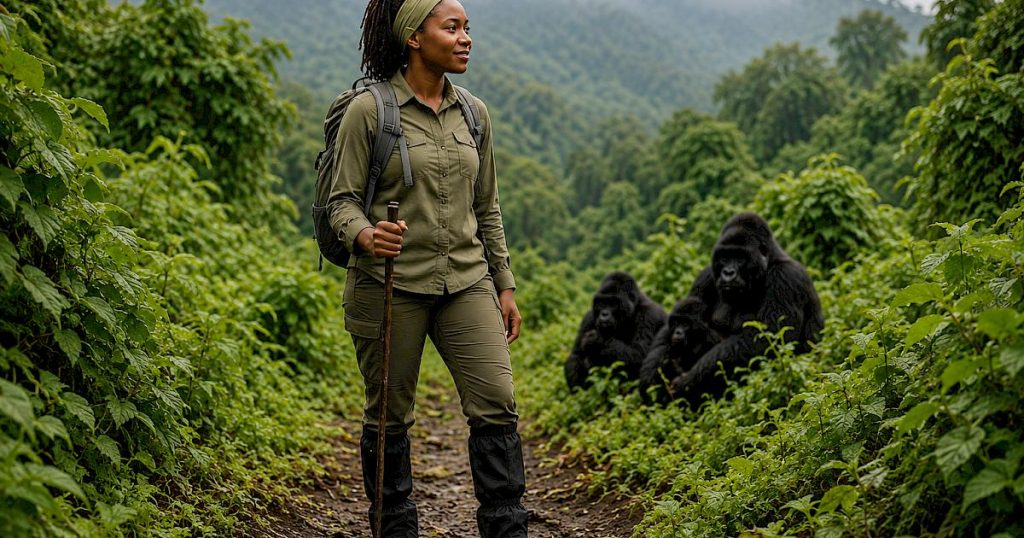
July is one of the most exciting months to plan a mountain gorilla tracking adventure in Rwanda. During this period, the country experiences its long dry season, creating generally favourable conditions for exploring the forested slopes of Volcanoes National Park. Travellers who dream of seeing endangered mountain gorillas in their natural habitat often choose July because the trails are usually firmer, rainfall tends to decrease, and outdoor activities become more comfortable.
However, a successful gorilla tracking experience requires more than choosing the right month. Travellers must secure permits, organise transportation, select suitable accommodation, prepare for mountain weather, and understand the park’s conservation rules. Proper planning also helps prevent unexpected expenses and unnecessary travel difficulties.
For visitors considering a July adventure, Safari O’clock offers guidance in organising a rewarding Rwanda gorilla tracking experience. Whether you are travelling alone, with a partner, as a family or in a small group, understanding the important preparations will help you enjoy your journey.
Why July Is a Good Month for Gorilla Tracking in Rwanda
July falls within Rwanda’s long dry season, which generally runs from June to September. This makes it one of the most popular periods for gorilla tracking in Volcanoes National Park. Although the park remains a tropical mountain rainforest, rainfall is generally lower than during the main rainy seasons.
One major advantage is the condition of the trekking trails. During wetter months, forest paths can become muddy and slippery. However, July usually brings relatively firmer ground, making movement through the forest more manageable. This can improve the overall trekking experience, particularly for visitors who are unfamiliar with hiking on steep mountain slopes.
Another advantage is the vegetation. Although the forest remains naturally green, some areas may have less dense vegetation compared with the wetter months. This can sometimes improve visibility while searching for mountain gorilla families. Nevertheless, gorilla tracking takes place in a natural environment, and the location of each family changes according to its feeding and movement patterns.
July is also suitable for travellers interested in combining gorilla tracking with other Rwanda experiences. Visitors can explore Musanze, discover local culture, enjoy scenic views of the Virunga Mountains or extend their journey to other destinations such as Lake Kivu and Kigali.
Safari O’clock recommends July to travellers who prefer generally drier trekking conditions and want to experience Rwanda during one of its busiest gorilla tourism periods.
Understanding July Weather Before Your Gorilla Tracking Trip
Understanding the weather is an important part of planning a gorilla tracking trip in July. Rwanda has a tropical climate, but temperatures vary depending on altitude and location.
Volcanoes National Park sits within the Virunga Mountain range in northern Rwanda. Its high elevation creates cooler conditions than many other parts of the country. Early mornings can feel particularly cold, while temperatures may become warmer as the day progresses.
July generally receives less rainfall than March, April and May. However, visitors should not assume that the park remains completely dry. Mountain weather can change quickly, and occasional showers may occur even during the dry season.
Therefore, travellers should prepare for both sunshine and rain. A waterproof jacket, comfortable hiking boots and warm clothing are useful throughout the trip. Additionally, visitors should carry sunscreen and a suitable hat because the sun can feel strong at higher elevations.
Safari O’clock encourages travellers to prepare for changing weather rather than relying entirely on seasonal forecasts. Proper clothing and equipment will help you remain comfortable throughout the adventure.
How to Secure Gorilla Permits for July
Securing a gorilla permit should be one of your first priorities when planning a July trip. Rwanda’s mountain gorilla tracking experience takes place in Volcanoes National Park, where visitor numbers remain controlled to protect the endangered animals.
The Rwanda Development Board manages official gorilla tracking permits. Visitors should reserve their permits early because July falls within the popular dry season. Demand can increase during this period, particularly among international travellers planning their summer holidays.
A standard international visitor permit is currently listed at US$1,500 per person. However, permit prices depend on visitor eligibility and applicable government rates. Some promotional rates have seasonal restrictions. Therefore, travellers should confirm the applicable price for their travel dates before making payment.
The official booking process requires visitors to select an available tracking date, provide accurate personal information, submit the necessary documents and complete payment. Names and passport details must be correct because park authorities verify visitor documents before allowing entry.
The minimum age for mountain gorilla tracking in Rwanda is 15 years. Families travelling with younger children should consider this requirement when organising their holiday.
Safari O’clock recommends confirming permit availability before making non-refundable accommodation or flight arrangements. This approach reduces the risk of paying for other travel services without securing the main activity.
Choosing the Best Travel Dates for a July Gorilla Tracking Trip
July offers several opportunities for planning a memorable gorilla adventure. However, selecting your exact travel dates requires careful consideration.
Start by deciding how many days you want to spend in Rwanda. If gorilla tracking is your main activity, a two-day or three-day itinerary may be suitable, depending on your arrival arrangements. Travellers arriving from international destinations may benefit from spending an additional night in Kigali or Musanze before the trek.
Next, consider your preferred trekking date. Some visitors prefer tracking early in their holiday, while others choose to complete other activities before visiting the park. Either arrangement can work, provided you allow enough time for transportation and the early morning briefing.
It is also important to remain flexible when choosing your accommodation and transport arrangements. During July, popular lodges may receive more bookings. Reserving your room early helps you secure a property that matches your comfort expectations and budget.
For visitors travelling with Safari O’clock, discussing your preferred dates early allows the company to help coordinate the different parts of your journey.
Where to Stay During Your July Gorilla Tracking Adventure
Accommodation is another important consideration when planning a gorilla tracking holiday. Most travellers visiting Volcanoes National Park choose to stay around Musanze or near Kinigi, where the park’s main visitor briefing takes place.
Musanze provides access to restaurants, shops, local experiences and different accommodation categories. It is a practical option for travellers who want to combine comfort with opportunities to explore the surrounding area.
Kinigi is particularly convenient for visitors who prefer staying closer to the park headquarters. Since gorilla tracking begins early in the morning, accommodation in this area can reduce the amount of driving required before the briefing.
Rwanda offers several accommodation options, ranging from comfortable guesthouses and mid-range lodges to luxury safari properties. Your choice should depend on your budget, preferred facilities and the type of experience you want.
When comparing accommodation, consider more than the room price. Check whether meals, transfers, laundry and other services are included. Some properties offer full-board arrangements, while others charge separately for meals and additional services.
Safari O’clock can help travellers identify accommodation that suits their itinerary and preferred level of comfort.
What to Pack for Gorilla Tracking in July
Packing correctly can make a significant difference to your trekking experience. Although July is part of the dry season, Volcanoes National Park remains a mountainous rainforest environment. Visitors should therefore prepare for cold mornings, changing weather and challenging forest terrain.
Begin with a pair of comfortable, waterproof hiking boots. Choose footwear with good ankle support and a reliable grip. It is also important to wear your boots before the trip so that they feel comfortable during the actual hike.
Long trousers and long-sleeved shirts help protect your skin from insects, thorny vegetation and stinging nettles. Thick socks are useful, and you can tuck your trousers into them to reduce the risk of insects entering your clothing.
A lightweight rain jacket is another essential item. Even during July, unexpected showers can occur. Gardening gloves can also protect your hands when holding branches or moving through thick vegetation.
Your daypack should contain drinking water, light snacks, personal medication, sunscreen and a small first-aid kit. Carry your camera as well, but remember that flash photography is not permitted around the gorillas.
Other useful items include:
- A warm sweater or fleece for cold mornings.
- A waterproof bag to protect electronic equipment.
- Insect repellent.
- A safari hat or cap.
- Sunglasses.
- Extra camera batteries and memory cards.
- A reusable water bottle.
- Personal identification and travel documents.
Visitors should avoid carrying unnecessary luggage into the forest. Hiring a local porter is also worth considering. Porters can carry your daypack and offer assistance on difficult sections of the trail. In addition, hiring them supports livelihoods in communities surrounding the park.
Preparing Physically for a July Gorilla Tracking Adventure
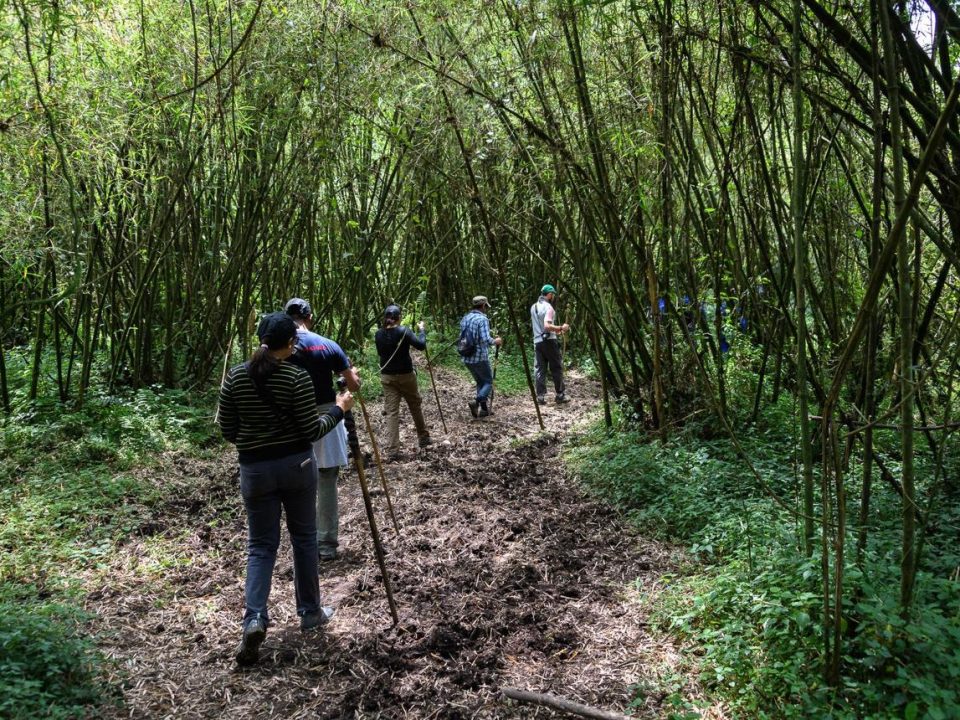
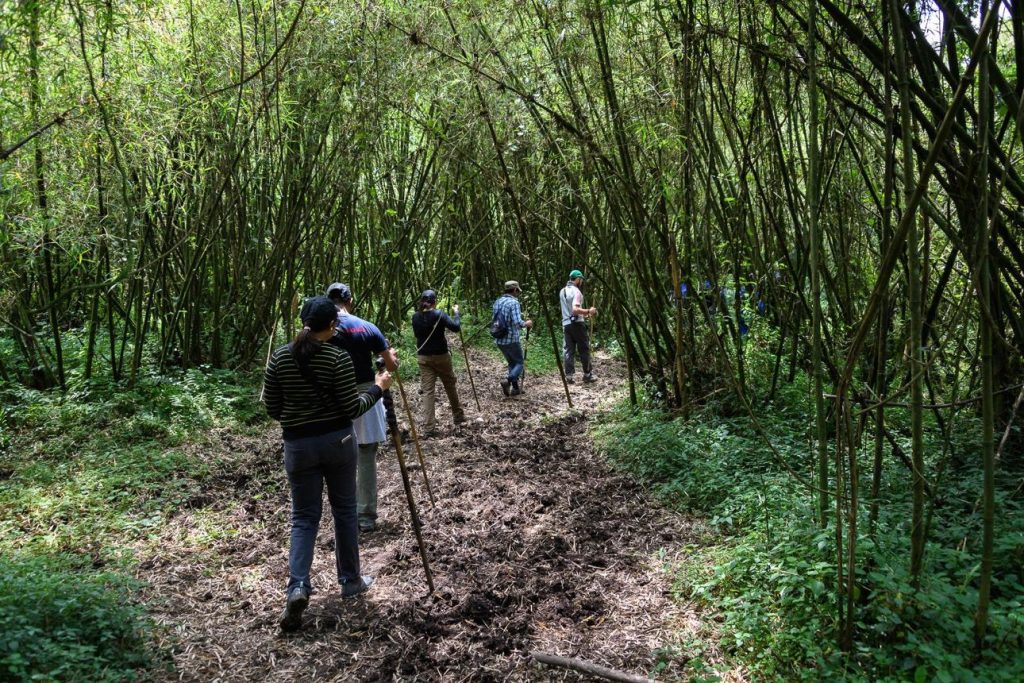
Gorilla tracking is an outdoor activity that requires walking through a mountainous forest. The difficulty varies depending on the location of the assigned gorilla family and the terrain encountered during the trek.
Some visitors may reach their assigned family after a relatively short walk. Others may spend several hours hiking through steep slopes and thick vegetation. Therefore, travellers should prepare themselves physically before arriving in Rwanda.
You do not need to be a professional athlete to enjoy gorilla tracking. However, regular walking can help improve your endurance. Begin with comfortable walks and gradually increase the distance as your departure date approaches.
Walking on gentle hills or uneven paths can also help prepare your legs for the terrain. Additionally, practise wearing the hiking boots you intend to use during the trek.
Visitors should remember that Volcanoes National Park sits at a high elevation. Some people may experience discomfort when walking at altitude. Take your time, drink enough water and communicate with your guide whenever you need assistance.
Safari O’clock encourages travellers to discuss any relevant mobility or fitness concerns before booking. This makes it easier to plan an experience that considers individual needs.
Understanding What Happens on the Gorilla Tracking Day
The actual gorilla tracking experience begins early in the morning at the park headquarters in Kinigi. Rwanda Development Board guidelines require visitors to report for registration and briefing at 7:00 a.m.
During the briefing, park officials explain the rules, introduce the tracking arrangements and provide important conservation guidance. Visitors are then assigned to gorilla groups before setting off with trained guides and trackers.
The trek takes place within the forested slopes of Volcanoes National Park. Trackers help locate the gorilla families, while guides lead visitors through the forest and explain the surrounding environment.
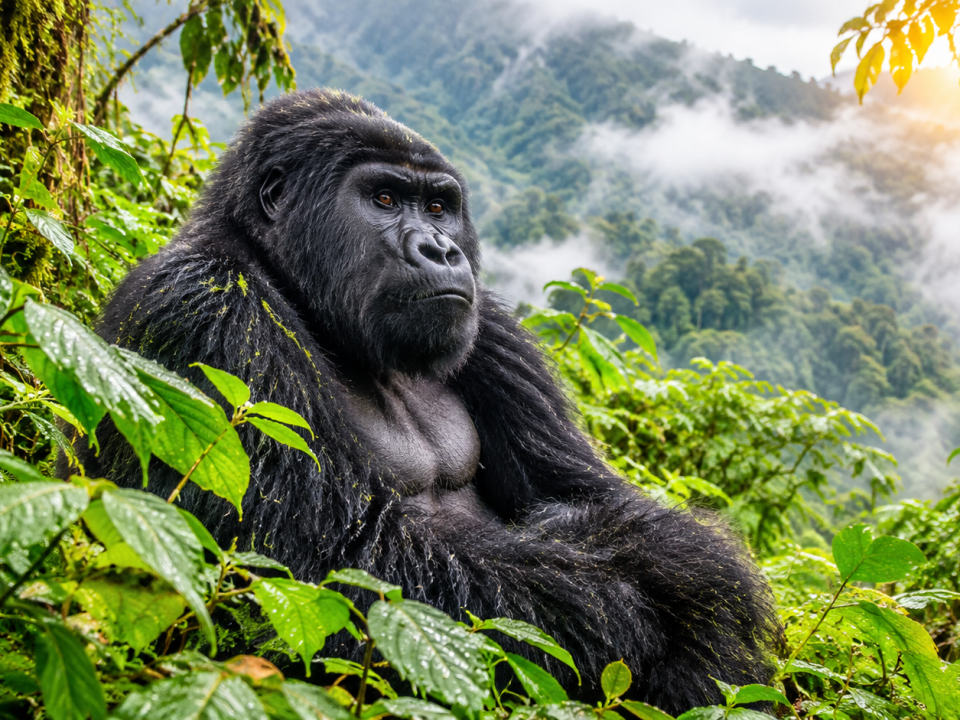
Once the group encounters its assigned gorilla family, visitors are allowed to spend a maximum of one hour observing the animals. This is an extraordinary opportunity to watch mountain gorillas feeding, resting, grooming and interacting with other members of their family.
However, visitors must respect the animals throughout the encounter. Rwanda’s conservation guidelines require visitors to maintain a distance of at least seven metres from the gorillas. They must also avoid loud noises, sudden movements and flash photography.
Visitors who feel unwell with a cold, flu or another contagious illness should not participate in the trek. This restriction helps protect mountain gorillas from human diseases.
Following the instructions of your guide is essential throughout the experience. It protects both visitors and the endangered animals.
How to Plan a Realistic Budget for July Gorilla Tracking
A gorilla tracking holiday involves several expenses beyond the permit itself. Understanding these costs early will help you prepare a realistic travel budget.
The gorilla permit is usually the largest individual expense for international visitors. Rwanda’s currently published standard international permit price is US$1,500 per person. Nevertheless, visitors should verify the applicable rate for their nationality or residency category and intended travel date.
Accommodation is another major expense. The amount you spend depends on whether you choose a budget guesthouse, a mid-range lodge or a luxury safari property.
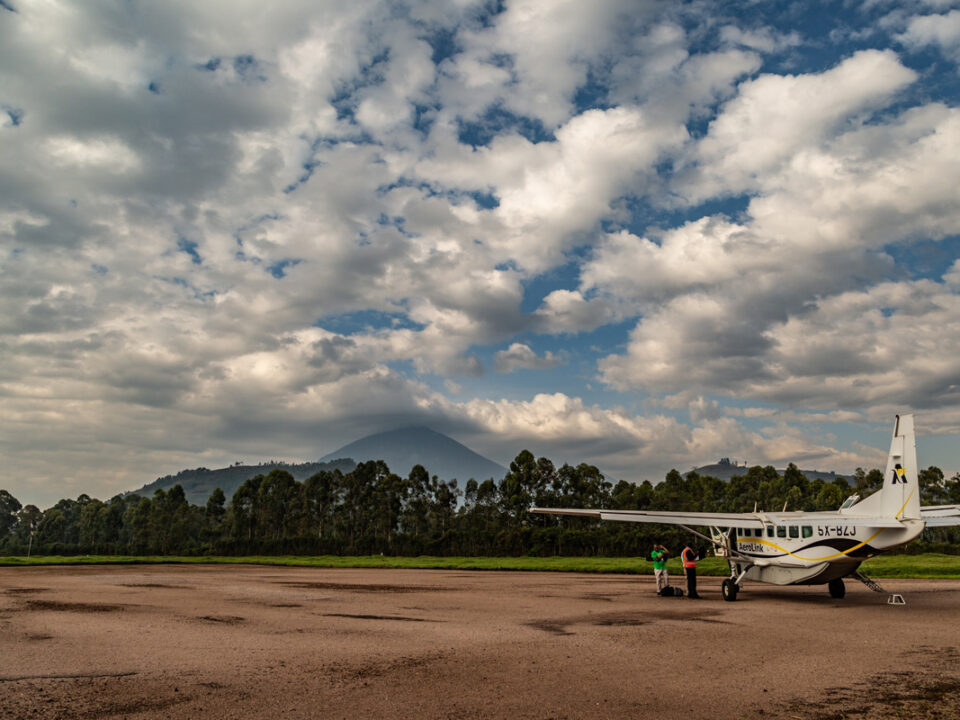
Transportation should also form part of your budget. Visitors travelling from Kigali need to arrange transport to Musanze and continue towards Kinigi for the tracking experience. Private transfers offer convenience, particularly for travellers carrying luggage or visiting several destinations.
Other possible expenses include meals, drinks, porter services, tips, travel insurance, visa charges where applicable, personal shopping and additional activities.
For a more accurate estimate, Safari O’clock recommends requesting a package quotation that clearly separates included services from optional expenses. This allows you to understand what you are paying for and avoid unexpected costs during your holiday.
Remember that July is a popular travel period. Booking early can help you secure suitable accommodation and transportation before demand increases.
Combining Gorilla Tracking with Other Rwanda Experiences in July
A July gorilla tracking holiday does not have to end after your forest encounter. Rwanda offers several other attractions that can make your journey more rewarding.
Musanze is an excellent starting point for discovering the culture and natural beauty of northern Rwanda. Visitors can explore local communities, enjoy scenic mountain views and learn about the region’s connection to gorilla conservation.
Golden monkey tracking in Volcanoes National Park is another activity worth considering. These endangered primates live within the same general mountain ecosystem, offering visitors another opportunity to experience Rwanda’s remarkable biodiversity.
Travellers with additional time can visit Lake Kivu. Its peaceful shoreline, beautiful scenery and relaxed atmosphere provide a refreshing contrast to the physical demands of mountain trekking.
Kigali also offers meaningful cultural and historical experiences. Visitors can explore the city’s attractions, enjoy local restaurants and learn more about Rwanda’s history.
For travellers with longer holidays, Safari O’clock can help arrange a broader Rwanda itinerary that combines gorilla tracking with other destinations and activities.
Common Mistakes to Avoid When Planning a July Gorilla Tracking Trip
Even though July offers favourable trekking conditions, poor planning can affect your overall experience. One common mistake is waiting too long to secure a gorilla permit. Since demand can be high, delaying your booking may limit your choice of tracking dates.
Another mistake is assuming that the dry season means there will be no rain. Volcanoes National Park has a mountain rainforest climate, and unexpected showers remain possible. Always carry suitable rain protection.
Some travellers also underestimate the physical demands of the trek. While the experience is accessible to many visitors, the terrain can be steep and challenging. Preparing through regular walking and choosing suitable footwear can make the experience more comfortable.
Failing to budget for additional expenses is another problem. Remember that the permit does not automatically include accommodation, transport, meals or personal expenses.
Finally, avoid booking accommodation far from Kinigi without considering the early morning reporting time. Staying in a convenient location can make your tracking day less stressful.
Working with Safari O’clock helps you coordinate these important details before departure.
Why Plan Your July Gorilla Tracking Trip with Safari O’clock?
Planning an international safari involves coordinating several services, and this can become challenging when travellers have limited information about their destination.
Safari O’clock helps visitors organise their Rwanda gorilla tracking adventures by bringing important travel arrangements together. From permit guidance and accommodation planning to transportation and additional safari experiences, having professional assistance can make the process easier.
The company understands that travellers have different expectations. Some want a short gorilla tracking holiday, while others prefer a longer East African adventure. Therefore, the itinerary should reflect the traveller’s available time, budget and interests.
Safari O’clock can also help visitors understand what to expect before reaching Volcanoes National Park. This includes information about the early morning briefing, appropriate clothing, trekking conditions and conservation guidelines.
Most importantly, planning ahead gives travellers more time to enjoy the experience rather than worrying about last-minute arrangements.
Final Thoughts: Make July Your Month for Gorilla Tracking in Rwanda
July offers an excellent opportunity to experience mountain gorillas in Rwanda. Its position within the long dry season makes it particularly attractive to travellers who prefer generally firmer trails and reduced rainfall.
Nevertheless, a memorable gorilla tracking adventure depends on more than favourable weather. Securing a permit, choosing suitable accommodation, preparing physically, organising transportation and packing the right equipment are all essential steps.
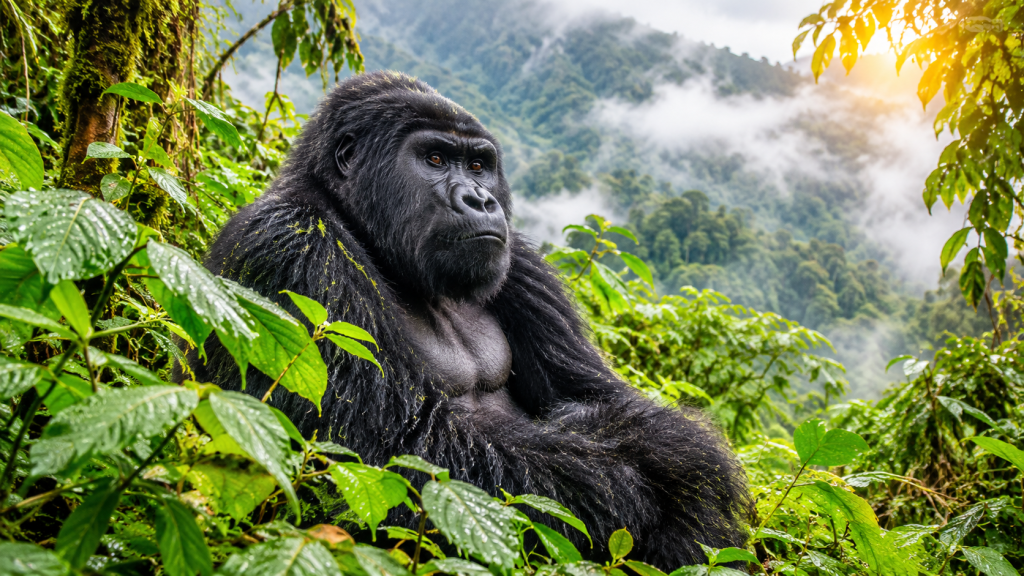
The experience of meeting mountain gorillas in their natural habitat is truly special. Watching a silverback protect its family, observing young gorillas play and seeing these endangered animals move freely through the forest creates memories that last a lifetime.
If you are considering a July adventure, start planning early with Safari O’clock. Let the team help you organise your Rwanda gorilla tracking holiday and experience the remarkable beauty of Volcanoes National Park.
Safari O’clock – Your journey into the heart of Africa begins here.