- DIRECT CONTACTS:
- +256394517569
- tours@safarioclock.africa

Dry Season vs Rainy Season for Gorilla Tracking in Rwanda

Rwanda Gorilla Trekking in December: Holiday Travel Advice
November 23, 2026
Can You Track Gorillas in Rwanda During the Rainy Season?
November 23, 2026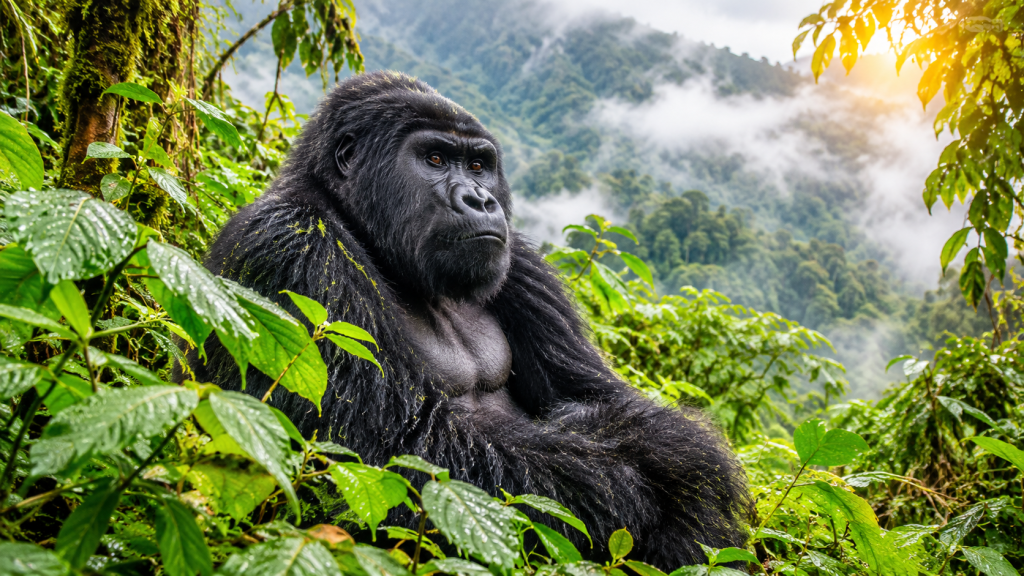
Rwanda offers one of Africa’s most unforgettable wildlife experiences: mountain gorilla tracking in Volcanoes National Park. Every year, travellers visit this beautiful destination to encounter endangered mountain gorillas in their natural habitat. However, one important question often comes up before booking: should you travel during the dry season or the rainy season?
Both seasons offer opportunities to track mountain gorillas in Rwanda. However, they provide different experiences. Weather conditions influence trail conditions, walking comfort, photography and the type of preparation you need. Therefore, understanding these differences helps you choose the right travel period.
At Safari O’clock, we help travellers understand these seasonal changes before planning their gorilla safaris. Whether you prefer firmer trails or lush green scenery, the right season depends on your travel priorities, schedule and expectations.
Understanding Gorilla Tracking Seasons in Rwanda
Rwanda experiences two main dry periods and two rainy periods. However, the weather can vary across the country because of altitude and local conditions. Volcanoes National Park sits in the Virunga Mountains, where the high elevation creates a cool, humid mountain environment.
The long dry season generally runs from June to September. The shorter dry period usually falls between December and February. Meanwhile, the longer rainy season occurs around March to May. The shorter rainy season generally falls around October and November, although rainfall patterns can extend into December.
These months provide useful planning guidance rather than fixed weather guarantees. Mountain forests can receive rain even during drier periods. Consequently, travellers should prepare for changing conditions throughout the year.
Safari O’clock recommends choosing travel dates based on your preferred trekking conditions, available permits and wider Rwanda travel plans.
Gorilla Tracking During the Dry Season
The dry season is a popular choice for travellers visiting Volcanoes National Park. During this period, the park generally receives less rainfall. As a result, forest trails are often firmer and easier to navigate.
The long dry season, from June to September, is particularly popular. The shorter dry season, from December to February, also provides favourable opportunities. Both periods can offer comfortable conditions for walking through the mountain forest.
However, dry season does not mean completely rain-free weather. The park remains a high-altitude rainforest. Therefore, occasional showers and mist can occur even when the surrounding region experiences sunny conditions.
Why Choose the Dry Season for Gorilla Tracking?
One major advantage is the condition of the trails. When rainfall decreases, the ground often becomes less muddy. This can make walking along steep forest paths more manageable.
Dryer conditions may also help travellers move through the vegetation with greater comfort. This is particularly helpful for visitors who are concerned about slippery slopes or long hiking distances.
Furthermore, the dry season can provide good opportunities for photography. Clearer periods may offer better natural light and more visible mountain scenery. Nevertheless, forest mist and changing light remain part of the experience.
Another advantage is the opportunity to combine gorilla tracking with other outdoor activities. Travellers can plan additional experiences around Musanze and other parts of Rwanda. Safari O’clock can help arrange a suitable itinerary based on available time and interests.
Best Months for Dry Season Gorilla Tracking
June, July, August and September fall within Rwanda’s long dry period. These months are widely preferred by travellers who want generally firmer trails and less rainfall.
December, January and February offer another opportunity. These months form the shorter dry period and can provide favourable trekking conditions.
However, these periods also attract many visitors. June to September is especially popular for gorilla safaris. Therefore, travellers should arrange permits and accommodation well in advance.
Safari O’clock encourages visitors to confirm their preferred dates early. This helps avoid unnecessary changes to the itinerary.
Gorilla Tracking During the Rainy Season
The rainy season offers a different experience in Volcanoes National Park. During these months, regular rainfall keeps the forest lush, green and full of life.
The long rainy season generally occurs between March and May. The shorter rainy season usually falls around October and November. Rainfall can continue into December, depending on local weather conditions.
Although these months bring more challenging walking conditions, gorilla tracking remains possible. The mountain gorillas live in the forest throughout the year. Therefore, visitors do not need to wait for the dry season to plan an encounter.
However, rainy-season travellers should prepare carefully. Wet ground, slippery slopes and thick vegetation can make some treks more demanding.
Advantages of Rainy Season Gorilla Tracking
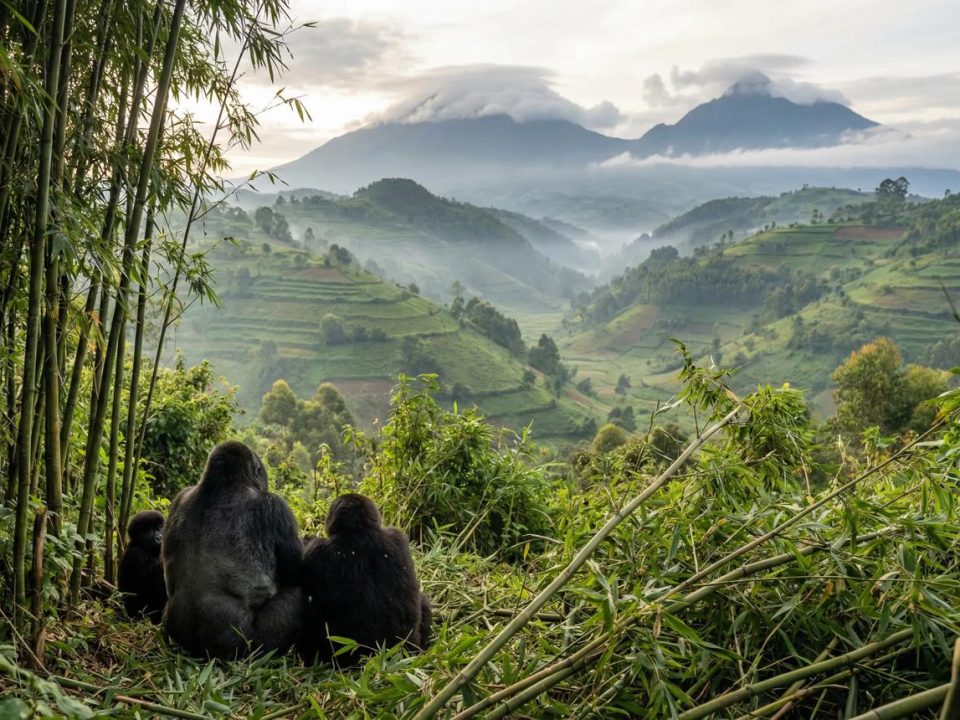
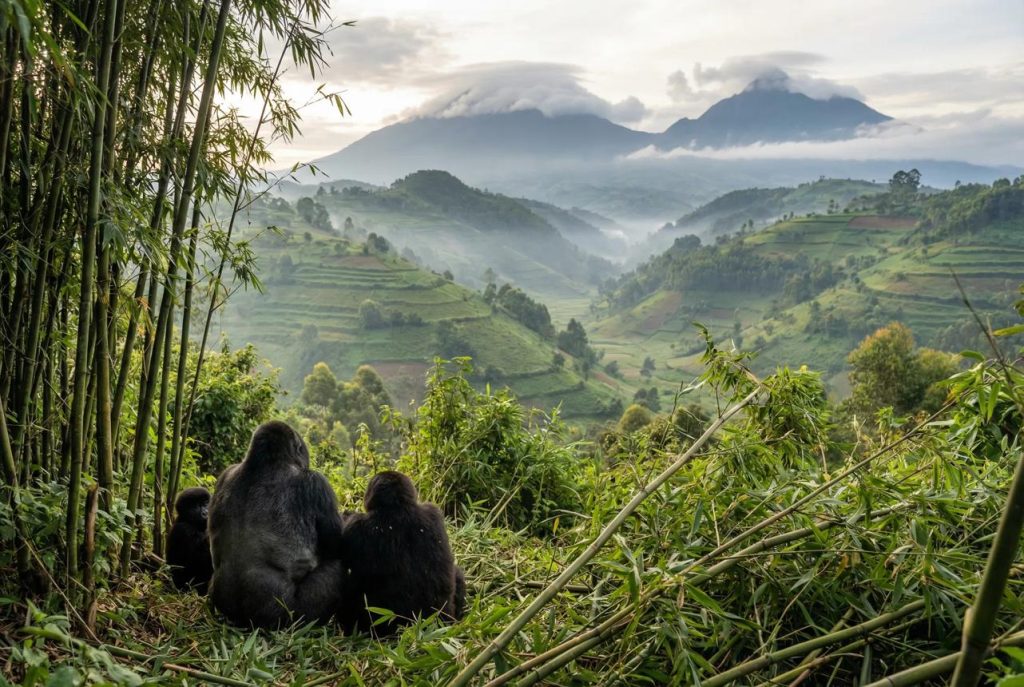
One attraction of the rainy season is the beautiful scenery. Frequent rainfall supports thick vegetation and creates rich green landscapes. The mist also gives the Virunga Mountains a dramatic appearance.
This environment can be especially appealing to nature lovers and photographers. The forest looks vibrant, while clouds often move across the volcanic slopes. As a result, visitors can enjoy beautiful scenery even before reaching their assigned gorilla family.
The rainy season may also suit travellers who prefer quieter travel periods. Visitor numbers can be lower than during the busiest dry-season months. However, actual demand varies by date, accommodation and permit availability.
Some accommodation providers may offer more competitive rates during quieter periods. Nevertheless, travellers should compare actual prices rather than assume every rainy-season trip will be cheaper.
Another advantage is the opportunity to enjoy birdwatching and other nature experiences. The green season can be rewarding for visitors interested in Rwanda’s wider biodiversity.
Challenges of Rainy Season Gorilla Tracking
The biggest challenge is often the condition of the trails. Rain can make forest paths muddy and slippery. Steep sections may also become harder to climb.
Additionally, wet vegetation can brush against clothing as visitors move through the forest. This makes waterproof clothing and suitable footwear especially important.
Rain may also affect photography. Cloud cover and low light can make it harder to capture clear images. Therefore, visitors should protect their cameras and phones from moisture.
Despite these challenges, a rainy-season trek can still be rewarding. With proper preparation and guidance from park staff, visitors can enjoy a memorable experience.
Safari O’clock helps travellers understand these conditions before departure. This allows them to pack appropriately and plan realistic expectations.
Dry Season vs Rainy Season: Which Offers Easier Trails?
For most visitors, the dry season offers easier walking conditions. Lower rainfall generally means firmer ground and fewer muddy sections. This can make the trek more comfortable, especially on steep slopes.
During the rainy season, trails can become slippery and difficult to navigate. Some sections may require extra care and physical effort. Therefore, visitors should prepare for a more demanding hike.
However, the difficulty of a gorilla trek does not depend on weather alone. Gorilla families move freely within their natural habitat. Rangers determine the day’s trekking route based on their location.
Some families may be closer to the starting point, while others may require longer hikes. Consequently, a dry-season visit does not guarantee a short trek. Similarly, a rainy-season visit does not automatically mean a difficult one.
Travellers should prepare for variable trekking distances in every season.
Does the Season Affect Gorilla Sightings?
Mountain gorillas live in Volcanoes National Park throughout the year. Therefore, visitors can track them during both dry and rainy seasons.
The weather mainly influences the walking experience rather than guaranteeing better sightings in a particular month. Rangers and trackers monitor the gorilla families and help visitors locate them.
However, natural conditions can affect visibility. Thick vegetation, mist and changing light may influence how easily visitors observe and photograph the gorillas.
It is important to remember that gorillas are wild animals. Their movements and behaviour cannot be controlled for visitors. Safari O’clock encourages responsible expectations and respect for wildlife.
No season can guarantee a particular gorilla encounter or photographic result.
What Should You Pack for Each Gorilla Tracking Season?
Packing correctly makes a major difference to your comfort. Although some items are useful throughout the year, seasonal conditions influence what you should prioritise.
During the dry season, carry sturdy hiking boots with good grip. Bring long trousers, long-sleeved clothing, drinking water and a light waterproof jacket. Even during drier months, mountain showers can occur.
For rainy-season tracking, waterproof preparation becomes even more important. Choose waterproof hiking boots, gaiters and a reliable rain jacket. A waterproof cover for your backpack can also protect your belongings.
Gardening gloves can help protect your hands when moving through vegetation. However, visitors should always follow the instructions of their guides and avoid damaging plants.
A walking stick can also provide additional support on uneven ground. You may arrange one through the park or your trekking operator.
Other useful items include sunscreen, insect repellent, snacks and a small camera. Keep your equipment protected from moisture, especially during the rainy season.
Safari O’clock can provide a practical packing guide when organising your Rwanda gorilla safari.
Gorilla Tracking Permits and Seasonal Planning
A gorilla tracking permit is essential for visiting the mountain gorillas in Volcanoes National Park. Permits are limited because the park controls the number of visitors allowed to track each habituated gorilla group.
Seasonal demand can influence how early you should book. The dry months attract many travellers, especially during the main holiday periods. Therefore, early planning is advisable.
Rainy-season dates may sometimes have lower demand. However, visitors should never assume that permits will always be available at short notice.
Permit prices and eligibility for any promotional rates can also change. Always confirm the current conditions with the Rwanda Development Board before making payment.
Safari O’clock can assist with planning your preferred dates, checking arrangements and organising the wider safari experience.
How to Prepare for Gorilla Tracking in Any Season
Regardless of your travel month, physical preparation is important. Gorilla tracking involves walking through mountainous forest terrain. Some routes include steep slopes, uneven ground and dense vegetation.
Start preparing before your trip. Regular walking, gentle hiking and basic cardiovascular exercise can help improve your stamina.
Choose comfortable clothing that allows you to move freely. Also, wear shoes that you have already tested during walks. New hiking boots may cause discomfort if you wear them for the first time on trekking day.
On the tracking morning, follow the park’s briefing carefully. Rangers explain the rules, safety procedures and expected behaviour around the gorillas.
Visitors must also follow gorilla conservation guidelines. Keep the required distance, avoid touching the animals and never visit when you are unwell with a potentially contagious illness.
These rules protect both visitors and the endangered gorillas.
Which Season Should You Choose for Your Rwanda Gorilla Safari?
The best season depends on what matters most to you.
If you prefer generally firmer trails and less rainfall, the dry season is a strong choice. June to September offers the main dry-season window, while December to February provides another favourable period.
On the other hand, the rainy season may appeal to travellers who enjoy lush scenery, quieter travel periods and the fresh atmosphere of a green forest. However, you should be comfortable with wetter conditions and potentially more demanding trails.
There is no single perfect month for everyone. Your budget, physical preparation, available permits and wider travel plans should all influence your decision.
At Safari O’clock, we help travellers compare these options before choosing their preferred dates. Our goal is to make your journey practical, enjoyable and well organised.
Plan Your Gorilla Tracking Adventure with Safari O’clock
A gorilla tracking adventure deserves thoughtful planning. Choosing the right season is only one part of the journey. You also need to consider permits, transport, accommodation, packing and the time available for your Rwanda visit.
Safari O’clock can help organise these details and create a safari that matches your interests. Whether you choose the dry season or the rainy season, we help you prepare for the conditions you may encounter.
Rwanda’s mountain gorillas are extraordinary wildlife treasures. Every responsible visit also contributes to the wider conservation and tourism experience.
Contact Safari O’clock to start planning your Rwanda gorilla tracking adventure. Choose your preferred travel period, prepare for the mountain environment and get ready to experience the beauty of Volcanoes National Park.