- DIRECT CONTACTS:
- +256394517569
- tours@safarioclock.africa

Can You Track Gorillas in Rwanda During the Rainy Season?

Dry Season vs Rainy Season for Gorilla Tracking in Rwanda
November 23, 2026
How Rain Changes the Feel of a Forest Trek in Rwanda
November 23, 2026
Many travellers dream of meeting mountain gorillas in their natural habitat. Rwanda offers this unforgettable experience in Volcanoes National Park. However, one question often concerns visitors planning their journey: can you track gorillas in Rwanda during the rainy season?
The answer is yes. Rwanda offers mountain gorilla tracking throughout the year, including the rainy months. The rain does not automatically stop visitors from entering the forest or meeting habituated gorilla families. However, it can change the trekking conditions.
During wetter months, forest paths often become muddy and slippery. Visitors may also experience mist, showers and thick vegetation. Therefore, proper preparation makes a big difference.
At Safari O’clock, we encourage travellers to understand the weather before choosing their travel dates. A rainy-season safari can still be rewarding. With suitable clothing, good hiking shoes and realistic expectations, you can enjoy an extraordinary encounter with Rwanda’s mountain gorillas.
Can You Track Gorillas in Rwanda During the Rainy Season?
Yes, you can track mountain gorillas during Rwanda’s rainy season. Volcanoes National Park remains a year-round gorilla tracking destination. The park does not stop all tracking activities simply because rainfall increases.
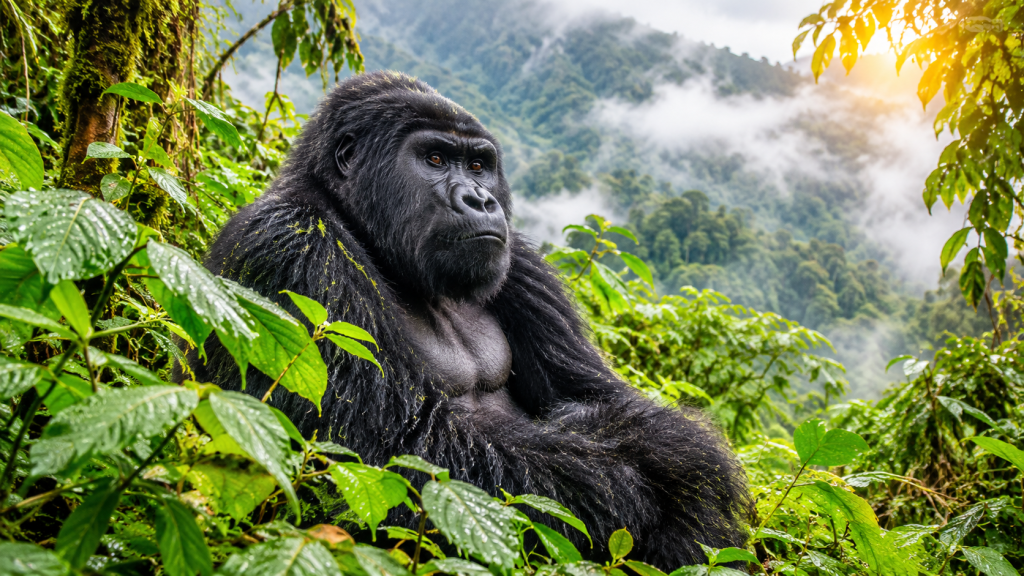
Mountain gorillas live in the forest throughout the year. They do not migrate away when the rainy season begins. Consequently, visitors can still book permits and join guided treks during wetter months.
However, the experience may feel different. Rain can soften the ground and make steep sections more difficult to cross. Some trails also become slippery after heavy showers. In addition, wet vegetation may brush against visitors as they walk.
The important thing is to prepare for these conditions. Travellers should not expect every trekking day to be dry. Even during the drier months, the mountain forest can receive rain.
Safari O’clock helps visitors plan around these conditions. We explain what to pack, how to prepare and what to expect before the trekking day.
When Is the Rainy Season in Rwanda?
Rwanda generally experiences two rainy seasons. The longer rainy season runs from around March to May. The shorter rainy season usually occurs around October and November.
However, rainfall patterns do not follow exact dates every year. Some showers may begin earlier or continue beyond the usual periods. Conditions can also differ between regions.
Volcanoes National Park lies in the Virunga Mountains in northern Rwanda. Its high elevation creates a cool, humid mountain environment. As a result, the park can experience rain and mist even when Kigali has sunshine.
March to May: The Long Rainy Season
March marks the beginning of Rwanda’s longer rainy period. Rainfall often increases through April and May. These months can bring wet forest conditions and muddy hiking paths.
April is often among the wetter months. Therefore, visitors travelling during this period should prepare for regular showers. Steep slopes may also become more challenging after heavy rain.
Nevertheless, gorilla tracking remains possible. The forest becomes beautifully green, and the surrounding volcanic scenery looks particularly vibrant. Visitors who enjoy nature photography may appreciate this atmosphere.
Safari O’clock recommends that travellers remain flexible during these months. Allow enough time for the trek and avoid planning a rushed journey.
October to November: The Short Rainy Season
The shorter rainy season generally occurs in October and November. Rainfall may be less prolonged than during the long rainy season. However, showers can still affect forest trails.
The landscape becomes lush, and the vegetation looks fresh. This period can appeal to visitors who enjoy green scenery and birdwatching.
November can also bring wet trekking conditions. Therefore, waterproof clothing and shoes with good grip remain essential.
If you prefer fewer visitors, these months may be worth considering. However, visitor numbers and permit availability vary. Always confirm your preferred dates before making final travel arrangements.
What Is Gorilla Tracking Like During the Rainy Season?
Rainy-season gorilla tracking can be a memorable adventure. However, visitors should expect a more demanding walking environment.
The journey begins with a morning briefing at the park headquarters in Kinigi. Rangers explain the trekking rules and assign visitors to guided groups. Afterward, visitors travel to the starting area for their trek.
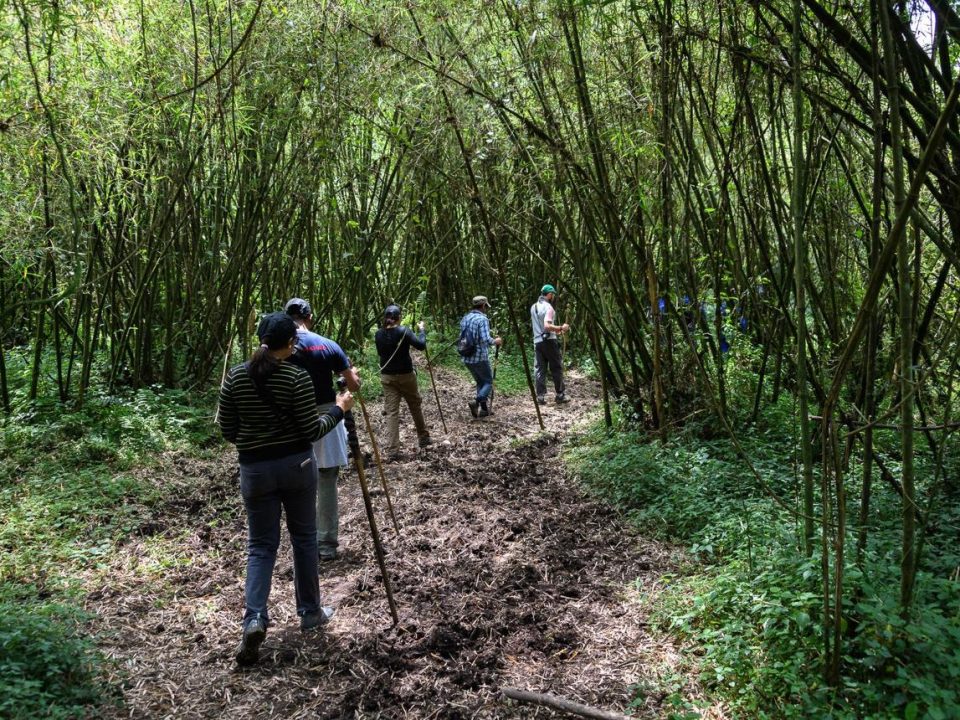
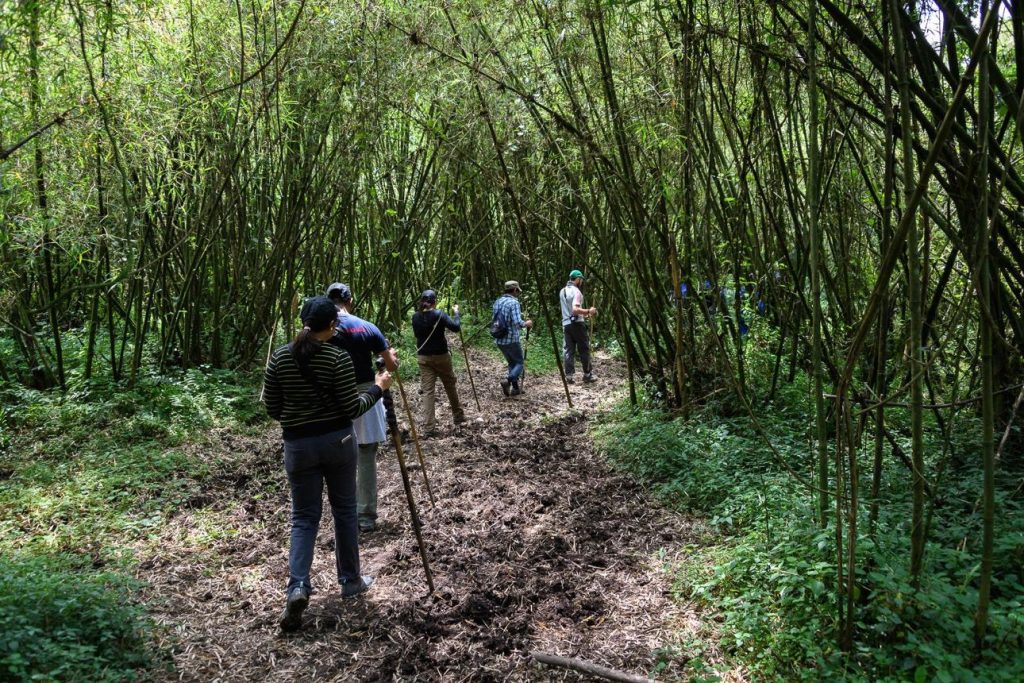
The actual walk takes place through natural forest terrain. Depending on the gorilla family’s location, visitors may cross open ground, muddy paths, steep slopes and dense vegetation.
Rain can make these sections more difficult. Therefore, trekkers should walk carefully and follow their guides. There is no need to rush through slippery areas.
The duration also varies. Some visitors reach their assigned gorilla family relatively quickly. Others may spend several hours walking through the forest.
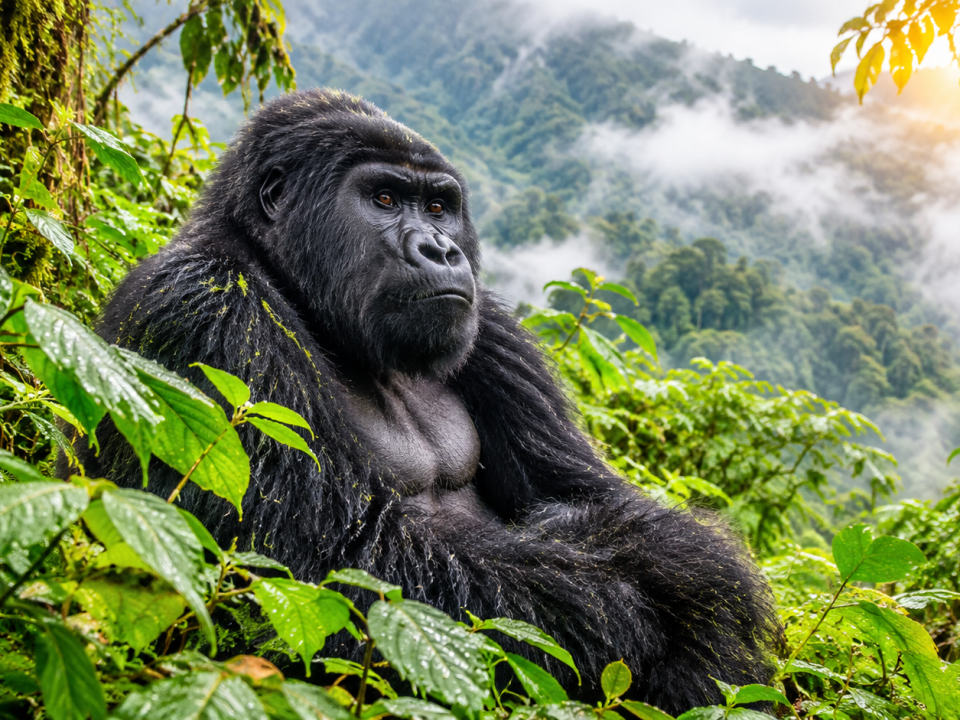
Once visitors find the gorillas, the viewing period is limited to one hour. During this time, they can observe the animals as they feed, rest and interact.
The rainy season does not remove the magic of this encounter. Watching a mountain gorilla family in its natural habitat remains an extraordinary experience.
Does Rainy Weather Affect Gorilla Sightings?
Rain can influence the trekking environment, but it does not mean visitors cannot see gorillas. Mountain gorillas remain in Volcanoes National Park throughout the year.
Rangers and trackers monitor the habituated gorilla families. They use their knowledge and daily tracking information to guide visitors towards the assigned family.
However, gorillas are wild animals. Their movements depend on natural behaviour, feeding patterns and other environmental conditions. Therefore, no operator can guarantee a particular viewing distance or photographic opportunity.
Rain may affect visibility in some areas. Mist, thick vegetation and low light can make photography more challenging. Wet leaves can also obstruct certain views.
Nevertheless, visitors can still enjoy close observations while following park rules. The one-hour viewing period applies regardless of the season.
Safari O’clock encourages travellers to focus on the experience rather than expecting perfect weather. A misty forest and a mountain gorilla encounter can create unforgettable memories.
What Are the Advantages of Rainy Season Gorilla Tracking?
Although the dry season offers easier trail conditions, the rainy season has its own attractions. It can suit travellers who value scenery, flexible travel dates and quieter experiences.
One major advantage is the lush forest environment. Regular rainfall supports thick vegetation and vibrant green landscapes. The Virunga Mountains can look especially beautiful under misty skies.
Another attraction is the photography atmosphere. Clouds, mist and fresh vegetation create dramatic natural backgrounds. With suitable camera protection, photographers can capture beautiful forest scenes.
The rainy season may also coincide with quieter travel periods. Some travellers prefer the drier months, so visitor demand can vary across the year. This may give flexible travellers more options when planning their wider itinerary.
Additionally, some accommodation providers may offer seasonal deals. However, prices differ between properties and dates. Visitors should compare actual rates instead of assuming that every rainy-season safari costs less.
For travellers with flexible schedules, the rainy season can offer a different way to experience Rwanda.
What Challenges Should You Expect During Rainy Season Gorilla Tracking?
The biggest challenge is usually the condition of the trails. Rain softens the soil and can create slippery sections. This becomes more noticeable on steep slopes and uneven ground.
Visitors may also encounter thick vegetation. Wet leaves, branches and undergrowth can make movement slower. Long clothing helps protect the skin from scratches and stinging plants.
Another challenge is the cool mountain weather. Volcanoes National Park sits at a high elevation. Temperatures can feel chilly, especially when rain and wind occur together.
Photography may also require extra care. Water can damage cameras, phones and other electronic equipment. Low light can make it harder to capture sharp photographs.
Physical effort is another consideration. Walking through muddy terrain requires balance and energy. Visitors should prepare for a potentially demanding hike.
These challenges do not make rainy-season tracking impossible. They simply make preparation more important.
What Should You Pack for Rainy Season Gorilla Tracking?
Packing correctly can improve your comfort during the trek. Visitors should prioritise waterproof protection, good footwear and clothing suitable for the forest.
Start with sturdy hiking boots. Choose shoes with strong grip and ankle support. They should fit comfortably and already be broken in before your trip.
A waterproof jacket is also essential. It protects you from showers while allowing you to move comfortably. Waterproof trousers can provide extra protection during particularly wet conditions.
Long trousers and long-sleeved shirts help protect your skin from nettles and rough vegetation. Gardening gloves can also protect your hands when moving through dense plants.
Consider packing the following items:
- Waterproof hiking boots with good grip.
- A reliable rain jacket and waterproof trousers.
- Long-sleeved shirts and long hiking trousers.
- Gardening gloves and hiking gaiters.
- A waterproof backpack cover.
- A reusable water bottle.
- Light snacks for before or after the trek.
- A camera cover or waterproof phone pouch.
- Sunscreen and personal medication.
- A small towel and an extra pair of socks.
A walking stick can also help with balance on uneven ground. Porters are available to assist visitors with carrying bags and navigating difficult sections.
Safari O’clock can help you prepare a practical packing list before your departure.
How Physically Demanding Is Rainy Season Gorilla Tracking?
Gorilla tracking requires a reasonable level of physical fitness. The trek involves walking through mountainous forest terrain. Some routes include steep climbs, uneven ground and thick vegetation.
Rain can increase the physical challenge. Muddy paths require careful steps, while slippery slopes demand better balance. Visitors may also need more time to complete certain sections.
However, every trek is different. Rangers assign visitors to gorilla families based on daily tracking information and other considerations. The distance and difficulty can therefore vary.
You do not need to be an expert mountaineer. However, preparing your body before travelling is helpful.
Start with regular walks and gentle hikes. Gradually increase your walking time and include some uphill routes. Comfortable hiking shoes can also help you get used to the footwear.
During the trek, walk at a manageable pace. Take guidance from your ranger and ask for assistance when necessary.
If you have concerns about your fitness or mobility, discuss them with your tour operator before booking. Safari O’clock can help you understand the physical demands and consider suitable arrangements.
Are Gorilla Permits Available During the Rainy Season?
Yes. Rwanda offers gorilla tracking permits throughout the year. Visitors can plan their trips during both dry and rainy months.
However, permits are limited. The Rwanda Development Board manages bookings and allocates visitors to habituated gorilla groups. Reservations operate on a first-come, first-served basis.
Therefore, early booking remains important. This is especially useful if you have fixed travel dates or wish to travel with a group.
The permit allows visitors to participate in the guided tracking experience. The viewing period with the gorillas is limited to one hour. Visitors must also follow the conservation rules throughout the encounter.
The minimum age for gorilla tracking in Rwanda is 15 years. Visitors who have a cold, flu or another contagious illness may be denied access to protect the gorillas.
Safari O’clock encourages visitors to confirm permit availability and current prices before paying for other travel arrangements. You can also consult the official Rwanda Development Board booking portal for the latest requirements.
Does the Rainy Season Make Gorilla Tracking Cheaper?
The rainy season can sometimes provide opportunities to find lower accommodation rates. Some hotels and lodges adjust their prices according to visitor demand.
However, the gorilla permit price does not automatically decrease because it is raining. Permit fees depend on the official rates and any applicable promotions announced by the Rwanda Development Board.
Transport, accommodation and other safari services also have separate costs. Therefore, travellers should compare the full trip budget rather than focus on the permit alone.
If you have flexible dates, ask about available accommodation offers. You can also compare different travel periods before making a decision.
Safari O’clock helps travellers understand the main costs of a Rwanda gorilla safari. This makes it easier to plan a realistic budget without overlooking important expenses.
How Can You Stay Safe During Rainy Season Gorilla Tracking?
Safety should remain a priority in every season. Rainy conditions make it especially important to follow the instructions of park guides.
Walk carefully and avoid rushing along muddy paths. Use your walking stick when necessary. You can also hire a porter to help carry your daypack and provide support on difficult sections.
Keep your belongings secure and protect electronic equipment from rain. Carry enough drinking water and follow your guide’s advice about breaks.
When you reach the gorillas, follow all conservation rules. Rwanda’s official guidance requires visitors to maintain a distance of at least seven metres. Keep your voice low and avoid sudden movements.
Never touch the gorillas or attempt to attract their attention. Do not use flash photography. If you need to cough, cover your mouth and turn away from the animals.
Most importantly, do not track gorillas when you have a contagious illness. Human diseases can threaten these endangered animals.
Responsible behaviour helps protect the gorillas and supports sustainable tourism.
Is the Rainy Season the Best Time for Gorilla Tracking in Rwanda?
The rainy season can be an excellent choice for travellers who understand its conditions. It offers lush scenery and opportunities to enjoy Rwanda’s mountain forests throughout the year.
However, the dry season generally provides easier walking conditions. June to September and December to February are commonly preferred because trails are often firmer.
If you value easier hiking, the dry season may suit you better. If you have flexible dates and enjoy green landscapes, the rainy season may be worth considering.
There is no perfect season for every traveller. Your preferred travel dates, fitness level, budget and interests should guide your decision.
Most importantly, do not assume that rainy weather will prevent you from meeting mountain gorillas. Tracking remains available throughout the year, subject to permits and park operations.
Plan Your Rainy Season Gorilla Safari with Safari O’clock
A rainy-season gorilla safari requires thoughtful preparation. You need to consider permits, accommodation, transport, suitable clothing and the physical demands of the trek.
Safari O’clock helps travellers organise these important details. We can assist with planning a suitable itinerary and preparing for the conditions in Volcanoes National Park.
Whether you are travelling in April, May, October or November, the right preparation can make your experience more comfortable.
You do not have to wait for perfect sunshine to experience Rwanda’s mountain gorillas. The rainy season offers another opportunity to explore one of Africa’s remarkable wildlife destinations.
Contact Safari O’clock to start planning your Rwanda gorilla tracking adventure. Let us help you prepare for the forest, understand the season and enjoy a responsible wildlife experience.