- DIRECT CONTACTS:
- +256394517569
- tours@safarioclock.africa

Does the Season Affect How Difficult a Gorilla Trek Feels in Rwanda?

How to Plan Flexible Clothing for Changeable Mountain Weather in Rwanda
November 23, 2026
How Seasonal Demand Can Influence Accommodation Availability in Rwanda
November 23, 2026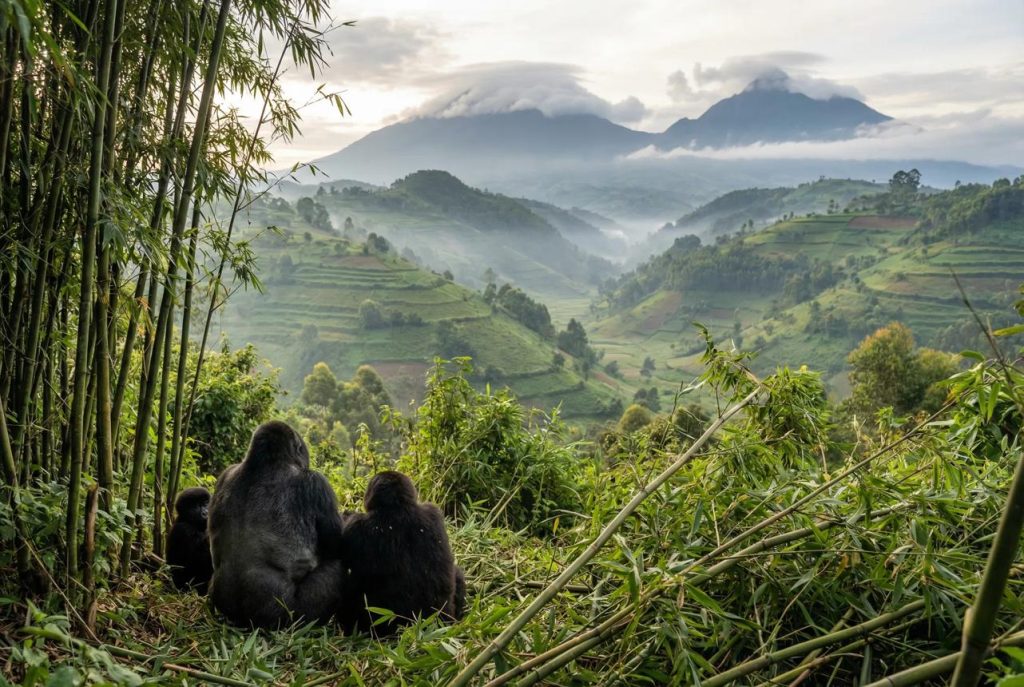
Planning a gorilla tracking adventure in Rwanda involves more than choosing a travel date. Visitors also want to understand how physically demanding the experience might be. One common question is whether the season affects how difficult a gorilla trek feels.
The answer is yes. Seasonal weather can influence trail conditions, walking comfort and the effort required to move through the forest. However, the season is not the only factor that determines the difficulty of a trek.
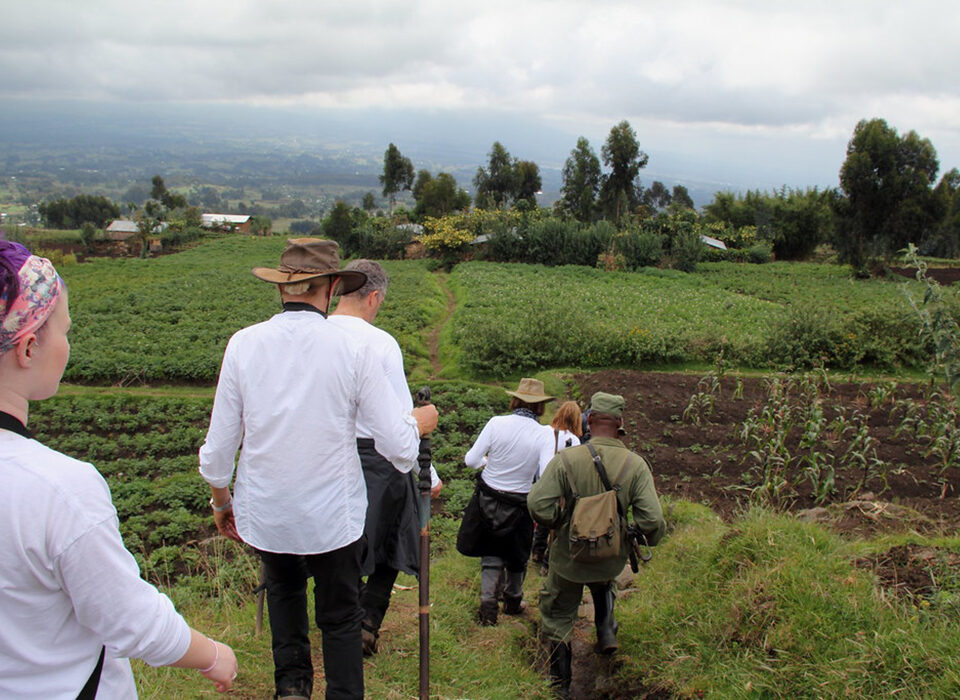
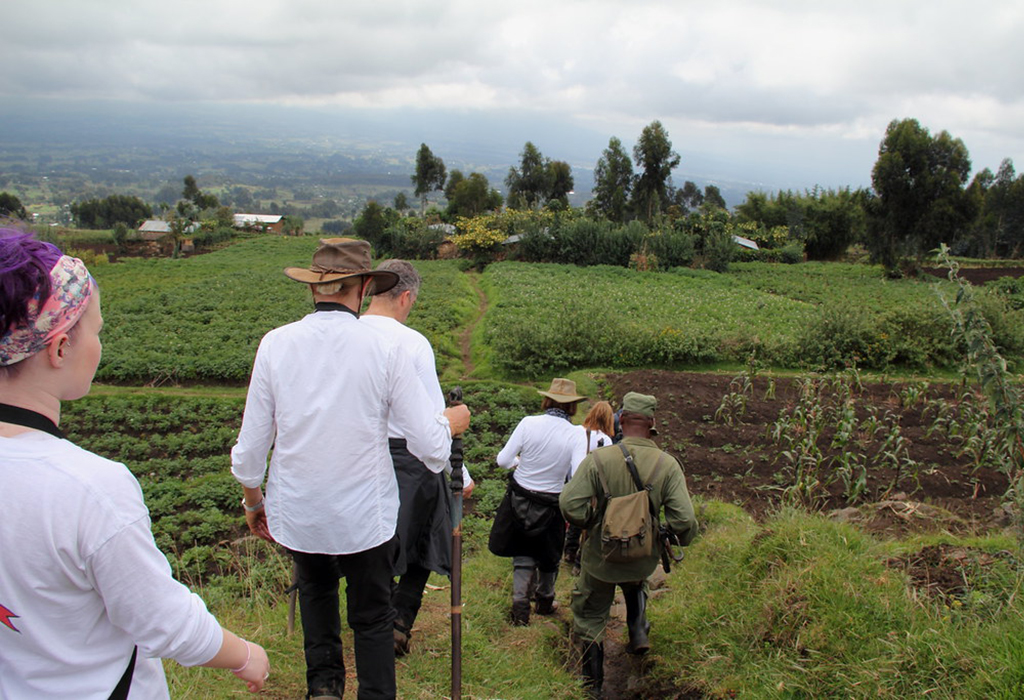
Rwanda’s Volcanoes National Park has steep mountain slopes, thick vegetation and high-altitude forest. These features create different challenges throughout the year. During rainy periods, muddy ground and slippery paths may make walking harder. During drier periods, trails are often firmer, although steep climbs can still require considerable effort.
The location of the assigned gorilla family also matters. Some families may be closer to the park boundary, while others range higher up the mountains. Consequently, two visitors travelling in the same season may experience very different trekking conditions.
At Safari O’clock, we encourage travellers to understand these factors before booking. This helps them prepare physically, choose suitable clothing and approach their Rwanda gorilla tracking adventure with realistic expectations.
1. How the Season Influences Trek Difficulty
Seasonal weather affects the physical experience of walking through a mountain forest. Rainfall changes the condition of the ground, while temperature and moisture can influence how comfortable visitors feel during the activity.
Rwanda generally experiences two main rainy periods. The longer rains occur around March to May. The shorter rainy period usually falls between September and December. However, exact timing can vary between years and locations.
The country also experiences drier periods. These generally occur around June to September and January to February. During these months, trails may become firmer and easier to navigate.
However, Volcanoes National Park is a high-altitude mountain environment. Rain and mist can occur even during traditionally dry months. Therefore, visitors should not expect completely dry conditions throughout the year.
The main difference is that rainfall can increase the likelihood of muddy and slippery sections. This may require trekkers to walk more slowly, maintain balance and use extra energy.
Safari O’clock recommends considering seasonal patterns when choosing travel dates. Nevertheless, travellers should remember that the actual difficulty depends on several conditions beyond the season.
2. Trek Difficulty During the Rainy Season
The rainy season can make gorilla tracking more physically demanding. This is mainly because water changes the condition of the forest floor.
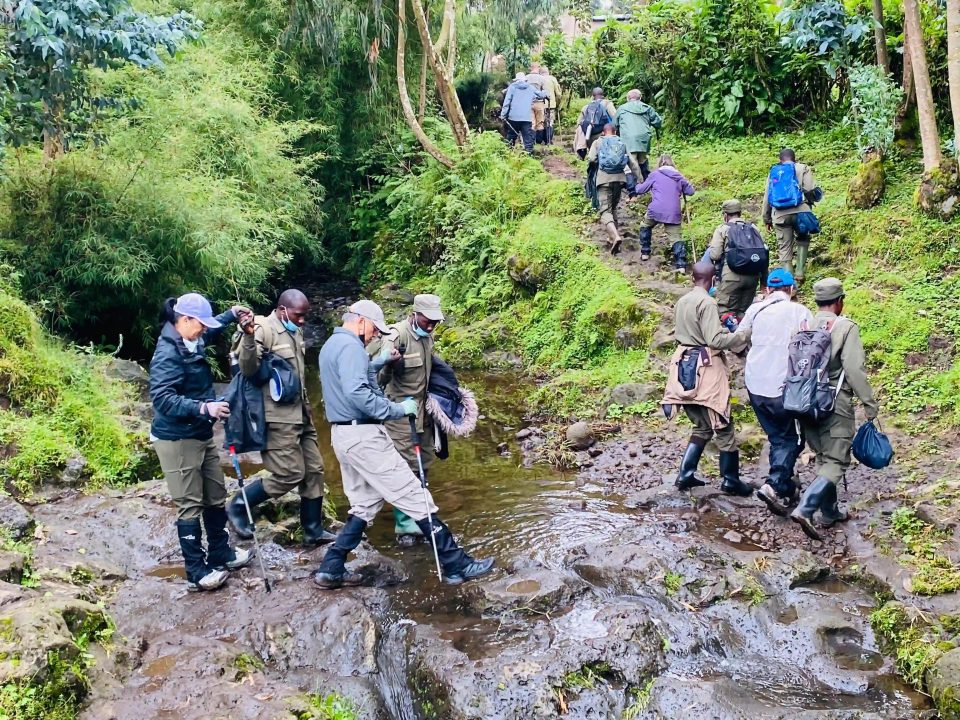
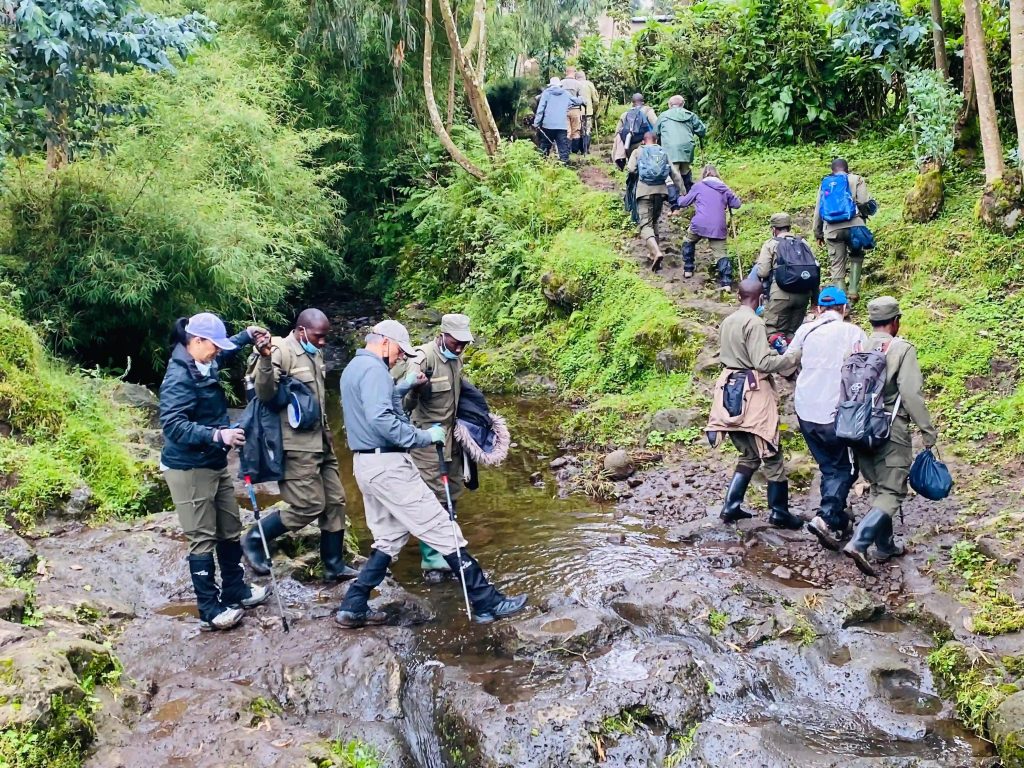
During wetter months, rainfall can soften the soil and create muddy walking paths. Some slopes may become slippery, especially where water collects or vegetation covers the ground.
Trekkers may need to take smaller steps and move carefully through these sections. They may also use walking sticks for additional stability. Although the route remains manageable with proper guidance, wet conditions can increase the effort required.
How Muddy Trails Increase Trek Difficulty
Mud is one of the main challenges visitors may encounter during the rainy season. It can make uphill walking more demanding because footwear may lose traction.
Downhill sections also require care. Slippery ground can make it harder to maintain balance, especially when the trail is steep.
In addition, mud may collect around boots and make each step feel heavier. Visitors should therefore wear sturdy hiking boots with good grip.
Walking slowly is often better than rushing through difficult sections. It allows trekkers to maintain balance and conserve energy.
How Rain Affects Trek Difficulty and Walking Pace
Rain can also influence how quickly visitors move through the forest. Trekkers may need to stop briefly to adjust rain jackets, check their footing or navigate slippery areas.
Furthermore, wet vegetation can make some sections harder to pass. Branches, leaves and tall plants may hold water after rainfall.
These conditions do not mean that gorilla tracking becomes impossible. Instead, visitors should prepare for a slower and more careful walking experience.
At Safari O’clock, we advise travellers to allow enough flexibility in their plans. The aim is to enjoy the experience without feeling pressured to move faster than the conditions allow.
3. Trek Difficulty During the Dry Season
The dry season generally offers more favourable walking conditions in Volcanoes National Park. Rainfall often reduces, and some trails become firmer.
This can make walking more comfortable. Visitors may find it easier to maintain their footing on sections that would otherwise become muddy.
However, dry-season trekking is not automatically easy. The park still has steep slopes, uneven ground and dense vegetation. Some gorilla families may also range far from the starting point.
For this reason, visitors should not choose the dry season simply because they expect a short or effortless trek.
Why Dry Trails Can Make Trek Difficulty Lower
Firm ground can improve stability during uphill and downhill walking. Trekkers may spend less effort managing slippery sections. They can also move more comfortably through certain parts of the forest.
Dryer weather may make it easier to organise clothing and equipment. Visitors may experience fewer interruptions from rainfall, although showers remain possible.
However, a firm trail can still be steep. Walking uphill at high altitude requires stamina, even when the ground is dry.
Therefore, the dry season can improve some trekking conditions without removing the physical demands of the activity.
Does the Dry Season Guarantee an Easy Gorilla Trek?
No. A dry-season visit does not guarantee a short or easy trek.
Mountain gorillas move through the forest as they search for food and suitable resting places. Their location can change from one day to another.
Some families may remain in areas that are easier to reach. Others may move higher up the slopes or farther into the forest.
Consequently, the assigned route can have a greater influence on the day’s walking distance than the season alone.
Safari O’clock encourages visitors to prepare for a proper mountain hike, even when travelling during the drier months.
4. Gorilla Location Can Matter More Than the Season
One of the biggest factors affecting trek difficulty is the location of the gorilla family on the day of tracking.
Mountain gorillas do not remain in one fixed place. They move through their natural habitat to feed, rest and interact with other members of their group.
Park trackers monitor their movements and help guides locate the families. However, the distance visitors must walk depends on where the assigned group is found.
A family may be relatively close to the starting area on one morning. Another may be much farther away or higher on a mountain slope.
This explains why trekking experiences can differ significantly, even during the same month.
The route may involve a short walk, several hours of hiking or a more demanding climb. Visitors should therefore avoid assuming that everyone will complete the trek in the same amount of time.
The season influences the walking environment. However, gorilla location helps determine the actual route.
5. How Altitude Changes Trek Difficulty
Altitude is another important part of Rwanda gorilla tracking. Volcanoes National Park lies within the Virunga Mountains, where the terrain rises to considerable elevations.
As altitude increases, the amount of oxygen available with each breath decreases. Some visitors may notice that they become breathless more quickly during physical activity.
This can make uphill walking feel harder than it would at a lower elevation. Even visitors who exercise regularly may need time to adjust to the mountain environment.
Altitude affects people differently. Some experience little discomfort, while others may feel tired or short of breath during the trek.
The season does not remove this challenge. A dry trail at high altitude can still demand significant effort.
Visitors should walk at a comfortable pace, drink enough water and follow their guide’s instructions. Anyone with concerns about their ability to manage high-altitude physical activity should seek appropriate medical advice before travelling.
Safari O’clock encourages travellers to consider altitude when preparing for their adventure. It is an important part of understanding the physical demands of gorilla tracking.
6. Does the Rainy Season Make Gorillas Easier to Find?
Some travellers believe that rainy-season tracking is always shorter because mountain gorillas may move to lower areas. However, this is not a reliable guarantee.
Gorilla movement depends on several factors, including food availability, vegetation and the behaviour of the group. These factors can change throughout the year.
Even when certain food sources are abundant, a gorilla family may still move across different sections of its habitat.
Therefore, visitors should not book a rainy-season trek expecting a shorter walk. The assigned family may be relatively accessible, or it may require a longer hike.
Park trackers help locate the gorillas and guide visitors along the route. Their knowledge of the forest is essential throughout the activity.
At Safari O’clock, we encourage travellers to choose a season based on their overall travel preferences rather than assumptions about gorilla location.
7. Which Season Is Better for Travellers With Different Fitness Levels?
Fitness plays an important role in how visitors experience gorilla tracking. However, you do not need to be a professional athlete to enjoy the activity.
A reasonable level of walking fitness can help you manage uneven ground, gradual climbs and longer periods on your feet.
Travellers who prefer firmer trails may find the drier periods more comfortable. This can be helpful for visitors who feel less confident walking on muddy slopes.
However, a dry-season trek can still involve a long route. Therefore, visitors should prepare for the possibility of several hours of walking.
Travellers who visit during wetter months should pay extra attention to footwear and balance. Regular walking practice can also help them build stamina before departure.
It is important to communicate any mobility concerns or physical limitations to your tour operator before the trek. Where possible, the park team can consider visitor needs when assigning groups and routes. However, specific arrangements should always be confirmed in advance.
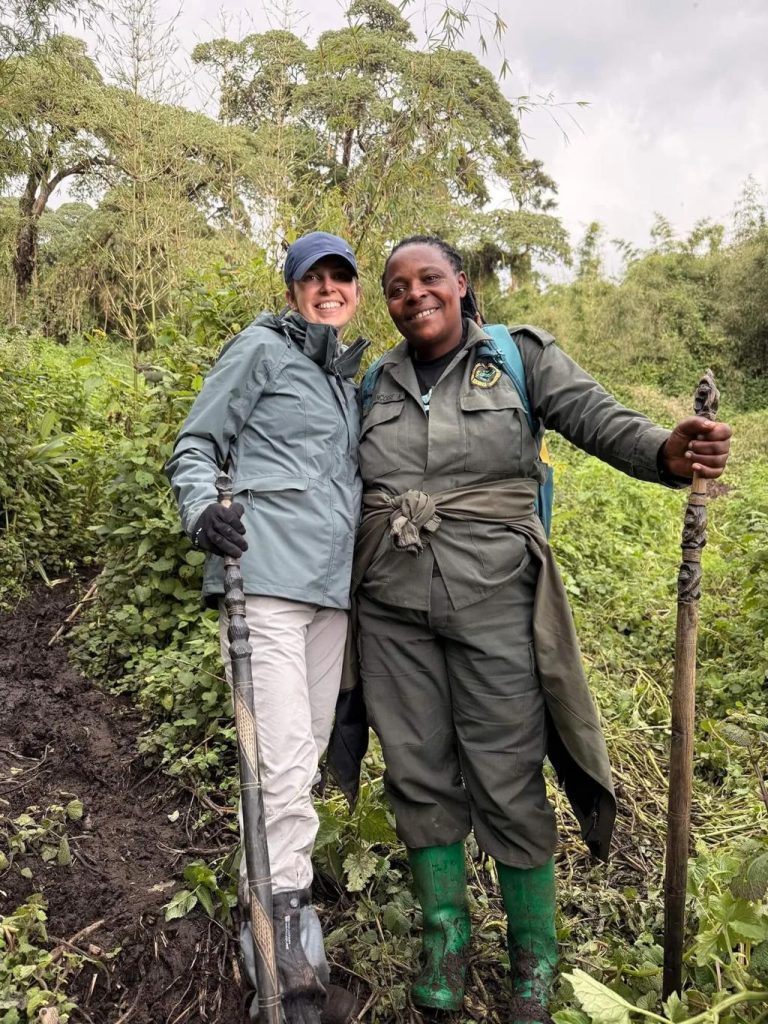
A porter can also provide useful support. Porters can help carry daypacks and assist visitors along challenging sections. Hiring one does not remove the need for suitable fitness and preparation, but it can make the experience more manageable.
8. How to Prepare for Trek Difficulty in Any Season
Good preparation helps visitors manage changing conditions throughout the year. Instead of preparing only for rain or sunshine, consider the full demands of mountain walking.
Start by building your walking stamina before travelling. Regular walks can help your body adjust to longer periods of movement. If possible, include gentle hills or stairs in your training.
Next, choose appropriate footwear. Sturdy hiking boots with good grip can improve comfort and stability. Break them in before the trip to reduce the risk of blisters.
Your clothing should also suit changing mountain weather. Wear long trousers and a long-sleeved shirt to protect your skin from vegetation. Carry a waterproof jacket even during drier months.
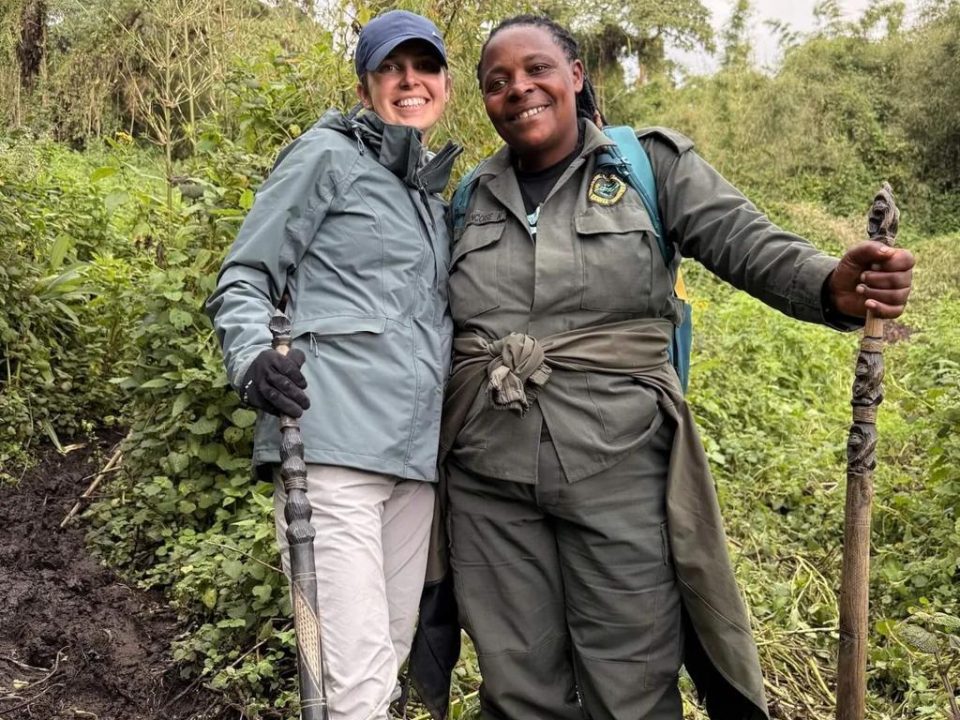
A pair of gardening gloves can protect your hands when moving through sections with vegetation. Walking sticks may also help with balance, depending on the route and your preference.
Carry drinking water and a small snack for the trek. Follow the park briefing instructions about when and where you may eat or drink.
Finally, consider hiring a porter. Porters provide assistance with bags and can offer support on difficult sections. Their services also provide an opportunity to support local livelihoods.
Safari O’clock recommends preparing early rather than waiting until the day before departure. A little training and suitable equipment can improve your confidence.
9. What Should You Consider Before Choosing a Trekking Season?
Choosing the right season depends on your priorities. Some visitors prefer firmer trails and generally drier conditions. Others are comfortable with rain and enjoy travelling during quieter periods.
If you prefer more predictable walking conditions, consider the drier months. These often provide better trail conditions, although rain can still occur.
If you travel during the rainy season, prepare for muddy paths and changing weather. Pack suitable rain protection and allow enough time for the activity.
You should also consider accommodation, travel dates and permit availability. Popular travel periods may require earlier booking, especially when demand is high.
Most importantly, do not choose a season based only on the promise of an easy trek. No month can guarantee a particular gorilla location, walking distance or route difficulty.
Safari O’clock can help you compare travel periods and organise a trip that reflects your interests, schedule and preparation needs.
10. So, Does the Season Really Affect How Difficult the Trek Feels?
Yes, the season can influence the physical experience of gorilla tracking. Rainy periods may create muddy and slippery trails. Drier periods often provide firmer ground and more comfortable walking conditions.
However, the season is only one part of the picture. Gorilla location, elevation, terrain, route length and personal fitness also shape the experience.
A dry-season trek can still be demanding. Similarly, a rainy-season trek can be manageable with proper preparation and guidance.
The best approach is to understand the conditions you may encounter and prepare accordingly. Build your walking stamina, wear suitable footwear and remain flexible during the activity.
With thoughtful planning, you can enjoy the remarkable experience of meeting mountain gorillas in their natural habitat.
Safari O’clock is committed to helping travellers prepare for Rwanda gorilla tracking with realistic advice and practical travel support. Choose your travel period carefully, prepare for the mountain environment and approach the adventure with an open mind.