- DIRECT CONTACTS:
- +256394517569
- tours@safarioclock.africa

How to Train for a Gorilla Trek If You Rarely Hike

Preparing for Steep Trails in Volcanoes National Park
November 23, 2026
A Gentle Four-Week Walking Plan Before Your Gorilla Trek
November 23, 2026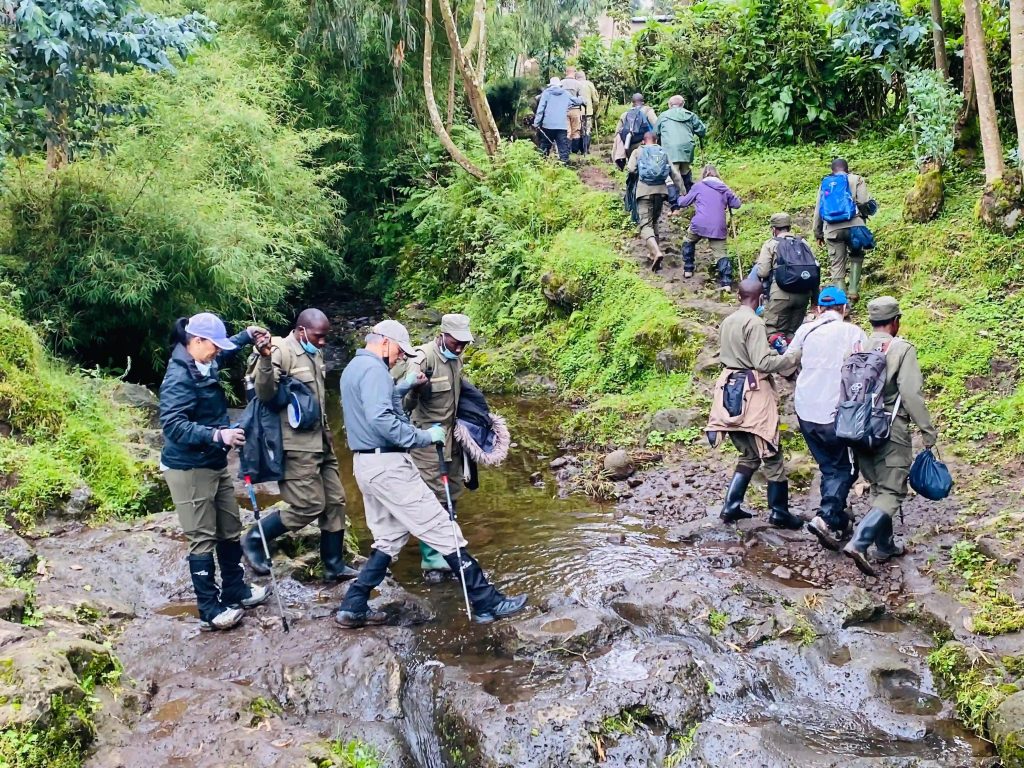
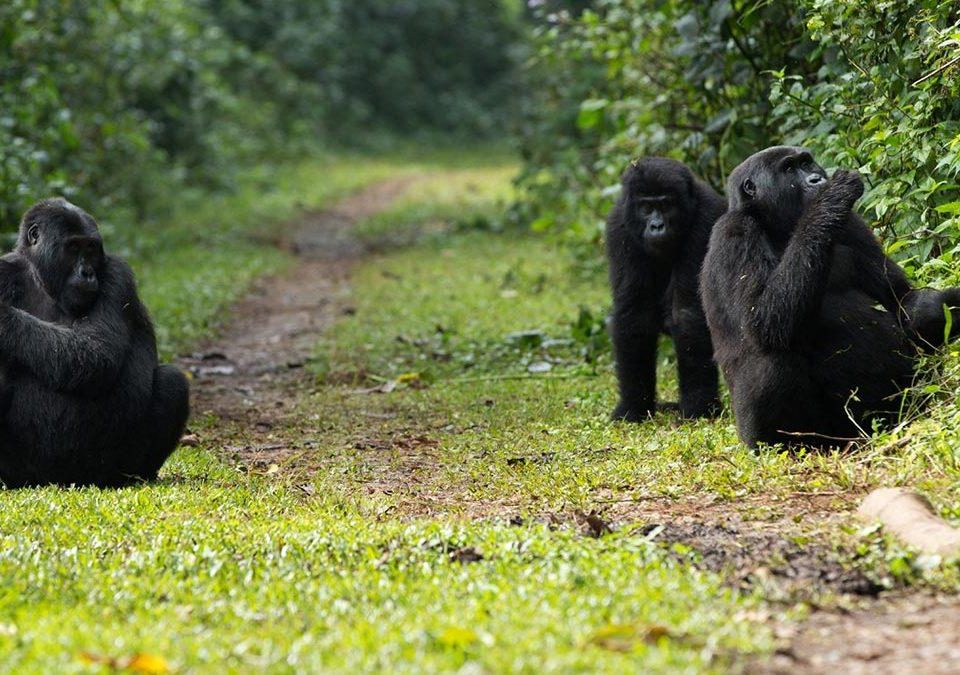
Have you always dreamed of seeing mountain gorillas in their natural habitat but worry that you are not fit enough for the adventure? You are not alone. Many travellers interested in Rwanda gorilla tracking rarely hike, exercise or participate in physically demanding outdoor activities.
The good news is that you do not need years of hiking experience to enjoy this remarkable wildlife encounter. However, preparing your body before travelling can make the experience more comfortable and less stressful.
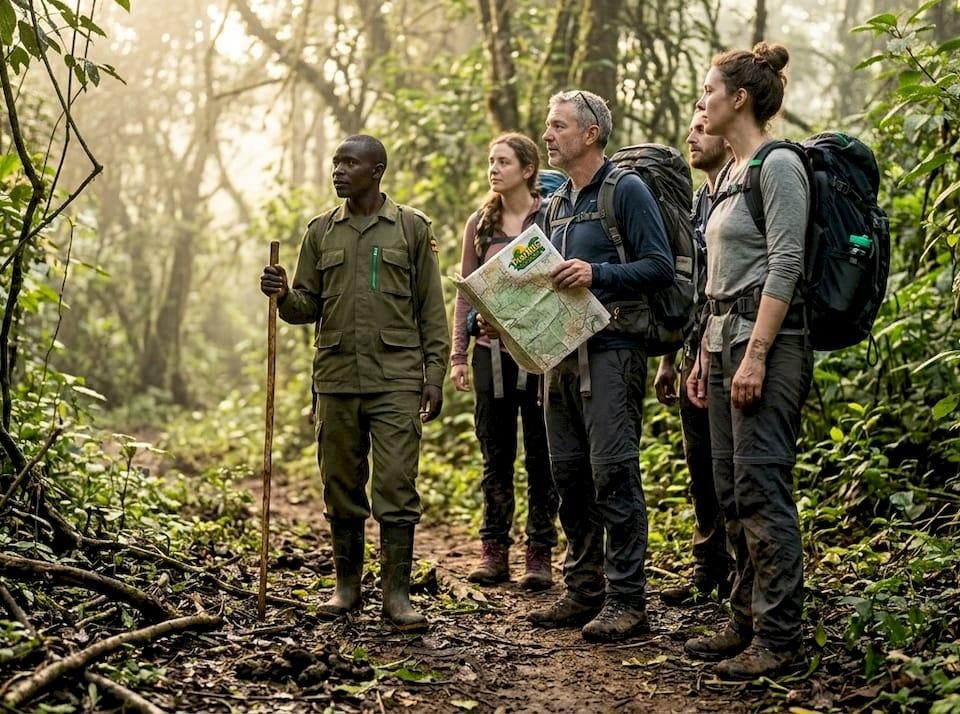
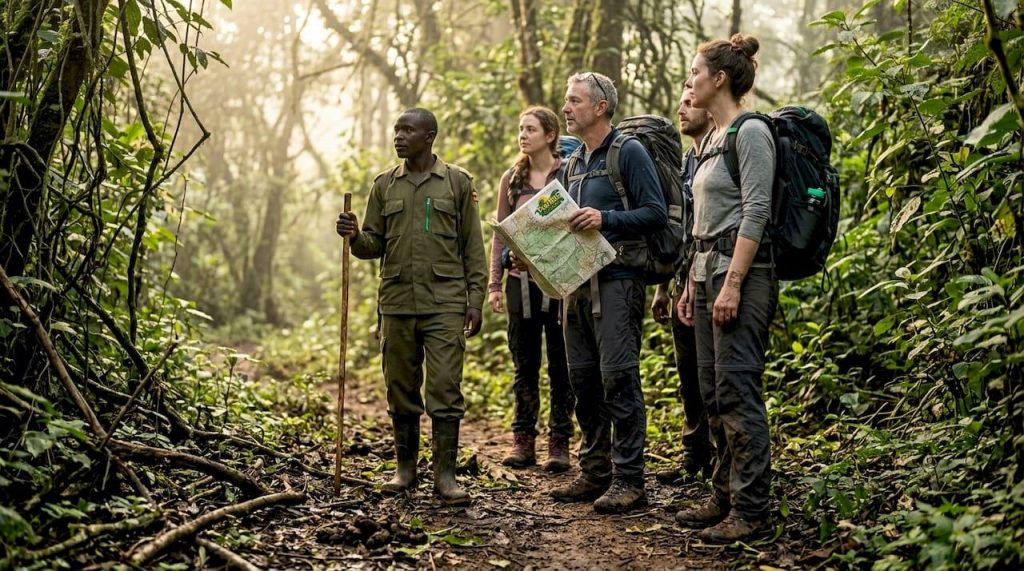
Rwanda’s mountain gorillas live in the forested slopes of Volcanoes National Park. The landscape includes steep hills, muddy trails, thick vegetation and high-altitude terrain. Depending on the location of your assigned gorilla family, you may walk for a relatively short period or spend several hours exploring the forest.
For someone who rarely hikes, this environment may feel challenging at first. Fortunately, simple activities such as regular walking, climbing stairs and strengthening your legs can help you build the stamina you need.
At Safari O’clock, we believe that preparation should begin long before your arrival in Rwanda. You do not have to become an experienced mountaineer. Instead, focus on improving your endurance, developing confidence and learning how to manage your energy during the trek.
Why Gorilla Trek Training Matters for Beginners
Gorilla tracking is different from visiting a wildlife park where you can observe animals from a vehicle. It involves walking through a natural forest to find a gorilla family that moves freely within its habitat.
This means the walking distance and difficulty can change from one day to another. Some visitors reach their assigned gorilla family relatively quickly. Others may spend several hours navigating steep and muddy forest trails.
The physical challenge also comes from the environment. Volcanoes National Park sits at a high elevation within the Virunga Mountains. As you climb, reduced oxygen availability can make ordinary physical activities feel more demanding.
Furthermore, forest trails are not always smooth. You may encounter slippery ground, exposed roots, rocks and thick vegetation. These conditions require stamina, balance and careful movement.
For beginners, preparing early helps the body adjust to longer periods of walking. It also improves confidence when facing unfamiliar terrain.
The Rwanda Development Board advises visitors to walk slowly and drink enough water during tracking. Porters are also available to carry personal belongings and provide assistance.
Therefore, gorilla trek training is not about becoming extremely athletic. It is about developing enough physical readiness to enjoy the adventure safely and comfortably.
How to Start Gorilla Trek Training If You Rarely Exercise
If you rarely exercise, avoid beginning with intense workouts or long mountain hikes. Your body needs time to adjust to increased physical activity.
Start with activities that feel manageable. As your fitness improves, gradually increase the duration and difficulty.
Walking is an excellent starting point because it requires little equipment and allows you to control your pace.
For example, you can begin with a 15 to 20-minute walk around your neighbourhood. After several sessions, increase the duration to 30 minutes. Eventually, aim for longer walks that help you become comfortable with sustained movement.
You should also pay attention to how your body responds. Mild tiredness can be normal when starting a new routine. However, persistent pain, dizziness or unusual breathlessness means you should stop and assess what is happening.
The aim is to develop consistency rather than exhaust yourself.
1. Start with short daily walks
Walking is one of the most practical exercises for anyone preparing for a gorilla trek.
Begin on relatively flat ground. Choose a comfortable pace that allows you to speak without becoming excessively breathless.
As the days progress, increase your walking time gradually. You can also introduce gentle slopes once flat-ground walking becomes easier.
Try different walking routes so that your body becomes familiar with changing surfaces. Parks, grassy paths and safe gravel roads can provide useful practice.
Eventually, work towards walking for 45 to 60 minutes comfortably. You do not need to achieve this immediately.
Remember that regular short walks are more useful than one exhausting session followed by several inactive days.
2. Practise walking uphill
Gorilla tracking can involve steep sections, so beginners should include uphill practice in their routine.
Look for a safe hill near your home. Start with a short climb and walk at a steady pace.
Do not worry about reaching the top quickly. Focus on maintaining a comfortable rhythm and controlling your breathing.
If you live in a relatively flat area, stairs can provide an alternative. Climb a few flights, rest and repeat when you feel ready.
You can also use an inclined treadmill if you have access to a gym.
Gradually increase the time you spend climbing. This helps your leg muscles become familiar with the effort required on mountain slopes.
3. Build your walking endurance
Endurance is your ability to continue physical activity without becoming exhausted too quickly.
A gorilla trek may involve several hours of walking, depending on where the trackers locate the assigned family. Therefore, practising longer walks can help you prepare.
Once you can comfortably walk for 30 minutes, begin extending some sessions to 40 or 45 minutes.
Later, work towards longer walks with short breaks. Include gentle hills where possible.
You should not attempt to complete a full mountain trek during your first training session. Increase the challenge gradually and allow enough time for recovery.
4. Strengthen your legs
Strong leg muscles help you climb hills, step over obstacles and maintain stability on uneven ground.
You can develop strength through simple exercises at home.
Squats help strengthen your thighs and hips. Step-ups prepare your legs for climbing movements. Gentle lunges can also improve leg strength and balance.
Start with a small number of repetitions. Focus on correct movement rather than speed.
As you become stronger, gradually increase the number of repetitions or sets.
If you experience knee pain or have a previous injury, choose suitable exercises with guidance from a qualified professional.
5. Improve your balance
Balance is particularly important when walking through muddy forests.
The ground may contain tree roots, rocks and slippery sections. Good balance helps you adjust your steps and remain stable.
Practise standing on one leg while holding a stable support nearby. You can also include controlled step-ups and gentle balance exercises.
As your confidence improves, practise walking on safe, slightly uneven surfaces.
Do not attempt difficult balance exercises on slippery or unstable ground.
A Simple Gorilla Trek Training Plan for Beginners
A structured routine can help you prepare without making exercise feel overwhelming.
The following six-week programme provides an example for someone who rarely hikes. Adjust it to your starting fitness level, health and available time.
The plan increases walking duration gradually while introducing strength and hill exercises.
| Training period | Main activities | Suggested goal |
|---|---|---|
| Week 1 | Short, easy walks | Build consistency with 15–20 minutes |
| Week 2 | Longer flat walks | Work towards 25–30 minutes |
| Week 3 | Walking and gentle hills | Introduce short uphill sessions |
| Week 4 | Longer walks and strength exercises | Improve stamina and leg strength |
| Week 5 | Hill walking and uneven paths | Practise 45–60 minutes where comfortable |
| Week 6 | Longer practice walks and recovery | Build confidence with sustained walking |
This is a flexible preparation guide, not an official park fitness requirement. Some beginners may need more than six weeks, particularly if they have been inactive for a long time.
What should your weekly training routine look like?
A balanced routine should include walking, strength exercises and recovery.
For example, you can schedule walking on Monday, Wednesday, Friday and Saturday. Include strength exercises on Tuesday and Thursday. Use Sunday as a rest or gentle recovery day.
You can change the schedule to suit your lifestyle. What matters most is consistency and gradual improvement.
The United States Centers for Disease Control and Prevention recommends that adults work towards at least 150 minutes of moderate-intensity physical activity each week. It also recommends muscle-strengthening activities on at least two days.
However, beginners do not need to reach this target immediately. Start with manageable activity and increase your exercise over time.
The Best Exercises for Gorilla Trek Training
You do not need complicated gym equipment to prepare for Rwanda gorilla tracking. Several simple exercises can improve the muscles and physical abilities you will use during the trek.
Squats
Squats strengthen the muscles around your thighs, hips and buttocks. These muscles help you climb slopes and stand up after resting.
Stand with your feet approximately shoulder-width apart. Bend your knees and hips as though sitting on a chair. Then return to a standing position.
Start with a few controlled repetitions. Increase them gradually as your strength improves.
Step-ups
Step-ups are particularly useful because they imitate the climbing movement involved in uphill hiking.
Use a stable, low step or exercise platform. Place one foot on the step and lift your body upwards. Bring the other foot up before stepping down carefully.
Repeat the movement while maintaining good balance.
Avoid using unstable objects or excessively high steps.
Lunges
Lunges help strengthen your legs and improve stability.
Take a comfortable step forward and bend both knees slightly. Return to your starting position and repeat with the opposite leg.
Begin with a small movement range if you are new to the exercise.
Calf raises
Your calf muscles support walking, climbing and maintaining balance.
Stand near a wall or stable support. Slowly raise your heels until you stand on your toes. Lower them gently and repeat.
This simple exercise can help strengthen the muscles used during uphill walking.
Gentle core exercises
Your abdominal and back muscles help support your posture when carrying a backpack or walking across uneven surfaces.
Exercises such as modified planks and gentle abdominal strengthening movements can help improve core stability.
Choose exercises that match your current ability and avoid movements that cause pain.
How to Prepare for Steep and Muddy Gorilla Trekking Trails
One mistake beginners make is preparing only for walking on flat roads.
Although flat-ground walking improves endurance, it does not fully prepare you for the natural conditions inside Volcanoes National Park.
The forest environment can involve slippery slopes, thick vegetation and uneven ground. Therefore, include some trail-specific practice when possible.
Start with safe nature paths or gentle hills. Practise walking over small changes in ground level while maintaining a steady pace.
Learn to take smaller steps when climbing. Avoid rushing because fast movements can increase fatigue.
When descending, keep your movements controlled. Bend your knees slightly and use walking sticks if you need extra stability.
You should also practise walking with the boots you intend to wear during your gorilla trek. This helps your feet adjust before the actual adventure.
If you cannot access hiking trails, stairs, gentle hills and uneven but safe walking paths can still provide useful preparation.
How to Prepare for High Altitude During Gorilla Tracking
Altitude is one of the factors that beginners should understand before travelling to Rwanda.
Mountain gorillas inhabit high-altitude forests within the Virunga Mountains. The elevation can make physical activity more demanding, especially for visitors who live closer to sea level.
At higher elevations, the body receives less oxygen with each breath. Consequently, you may breathe faster and become tired more quickly during uphill walking.
Even people who exercise regularly can experience these effects.
Physical training helps improve general endurance, but it does not guarantee protection against altitude sickness.
Where possible, allow time to rest and adjust after arriving in the region. Walk at a comfortable pace during the trek and drink water regularly.
Pay attention to symptoms such as headaches, nausea, dizziness and unusual tiredness. Tell your guide if you feel unwell.
Severe symptoms, including confusion, difficulty walking straight or breathlessness at rest, require urgent medical attention.
If you have a heart or lung condition, a previous altitude-related illness or another health concern, seek medical advice before booking a strenuous activity.
Why You Should Practise Walking With a Backpack
A backpack may appear like a small detail, but carrying additional weight can affect your comfort during a long walk.
During gorilla tracking, you may carry water, snacks, a camera, a rain jacket and other personal items.
Practising with a lightweight backpack helps your body adjust to the extra weight. It also allows you to check whether the straps fit properly.
Begin with only a few essential items. Walk for a short distance and notice how your shoulders and back feel.
Gradually increase the walking duration if you remain comfortable.
Avoid carrying unnecessary items during the actual trek. A heavy backpack can make steep sections more tiring.
You can also hire a local porter at the park entrance. Porters can carry your belongings and may assist you on difficult sections of the trail.
Hiring a porter also supports local livelihoods around Volcanoes National Park.
Choosing the Right Shoes Before Your Gorilla Trek
Good footwear is essential when preparing for a mountain forest adventure.
Ordinary trainers may not provide enough protection or grip for wet and muddy trails. Instead, choose comfortable hiking boots with a strong sole and reliable traction.
Water-resistant or waterproof boots can help keep your feet comfortable during wet conditions.
Ankle support may also be useful when walking across uneven ground. However, the boots must fit properly and should not cause discomfort.
Do not wait until your tracking day to wear new footwear. Begin using your boots during training walks so that you can identify rubbing, pressure points or blisters.
Wear suitable hiking socks and consider carrying an extra pair during your trip.
Long trousers, long-sleeved shirts and gardening gloves also help protect your skin from nettles and vegetation.
Safari O’clock encourages travellers to test their equipment before departure. This simple step can prevent avoidable discomfort during the trek.
How to Avoid Injuries While Training for a Gorilla Trek
Beginners sometimes become too excited about preparing for their holiday. They may suddenly increase their walking distance or begin intense workouts without allowing their bodies to adjust.
This can lead to muscle soreness, joint pain and avoidable injuries.
The best approach is gradual improvement.
Start with manageable exercise sessions. Increase the duration or intensity slowly and avoid making several major changes at once.
Warm up before exercising with gentle movements. After training, allow your body time to recover.
Wear suitable footwear and choose safe walking routes. Avoid practising on steep or slippery surfaces when you lack experience.
Rest is equally important. Your muscles need time to recover and adapt to increased activity.
If you experience persistent pain, swelling or unusual symptoms, stop training and seek appropriate medical advice.
What If You Still Feel Unfit Before Your Gorilla Trek?
Not every traveller will have the same fitness level. Some people may have enough time to train for several months, while others may only have a few weeks.
If you still feel unprepared, do not hide your concerns.
Communicate honestly with your tour operator and explain your physical limitations. You can discuss the possibility of requesting a less demanding trekking assignment with park authorities.
However, remember that gorilla families move freely through the forest. Their locations change, so nobody can guarantee a particular walking distance.
Hiring a porter can also reduce the weight you carry. For visitors with significant mobility limitations, a sedan chair may be available through advance arrangements, subject to confirmation and additional costs.
Most importantly, consider your health before deciding to participate. A qualified medical professional can help you determine whether the activity is suitable for you.
Safari O’clock encourages realistic planning rather than promising that every trek will be easy.
What to Do the Week Before Your Gorilla Trek
The final week should focus on maintaining your fitness and preparing for the actual journey.
Avoid starting an intense new exercise programme at this stage. You want to arrive feeling rested rather than exhausted.
Continue with comfortable walks and gentle stretching. Reduce demanding workouts as your tracking date approaches.
Check your hiking boots, rain jacket, trousers and other equipment. Make sure everything fits comfortably.
Prepare a small daypack with essential items. Include drinking water, a snack, personal medication and any other items recommended by your tour operator.
Get enough sleep and maintain regular meals. Also, plan your arrival so that you have time to rest before the early morning tracking briefing.
If you develop a cold, flu or another contagious illness, inform your tour operator and follow Rwanda Development Board guidance. Visitors who are sick may be denied access to the gorillas because of the risk of transmitting human diseases.
A well-prepared traveller should arrive ready to enjoy the experience, not struggling with exhaustion from last-minute training.
How Safari O’clock Helps First-Time Hikers Prepare for Gorilla Tracking
Preparing for your first gorilla trek can feel confusing, especially if you have never participated in a mountain hiking activity.
You may wonder what to pack, how long to train, what footwear to buy or whether your current fitness level is sufficient.
Safari O’clock helps travellers understand the practical requirements of Rwanda gorilla tracking before they begin their journey.
We encourage visitors to consider their physical abilities, available preparation time and preferred travel experiences. This makes it easier to plan a realistic safari.
Our guidance also helps travellers understand the differences between gorilla tracking, golden monkey tracking and volcano hiking.
For beginners, the most important advice is to start early, remain consistent and avoid comparing your fitness with other travellers.
With realistic expectations and suitable preparation, you can approach your first gorilla trek with greater confidence.
Final Thoughts: Start Small and Prepare for Your Gorilla Trek
You do not have to be an experienced hiker to enjoy Rwanda gorilla tracking. However, if you rarely hike or exercise, preparing your body before travelling is a wise decision.
Begin with short walks and gradually increase your walking time. Introduce hill climbing, stair practice and simple strength exercises. Improve your balance and become comfortable walking in your hiking boots.
Remember that gorilla tracking takes place in a natural mountain environment. Muddy trails, steep slopes, thick vegetation and high altitude can make the experience physically demanding.
Allow enough time for training and recovery. Choose suitable equipment and communicate your physical needs before the tracking day.
Most importantly, do not let a lack of hiking experience discourage you from exploring this extraordinary destination. Preparation can help you approach the adventure with greater confidence.
Safari O’clock is ready to help you plan your Rwanda gorilla tracking experience. Contact us today and let us help you prepare for an unforgettable encounter with mountain gorillas in Volcanoes National Park.