- DIRECT CONTACTS:
- +256394517569
- tours@safarioclock.africa

Preparing for Steep Trails in Volcanoes National Park

How Fit Do You Need to Be for Rwanda Gorilla Tracking?
November 23, 2026
How to Train for a Gorilla Trek If You Rarely Hike
November 23, 2026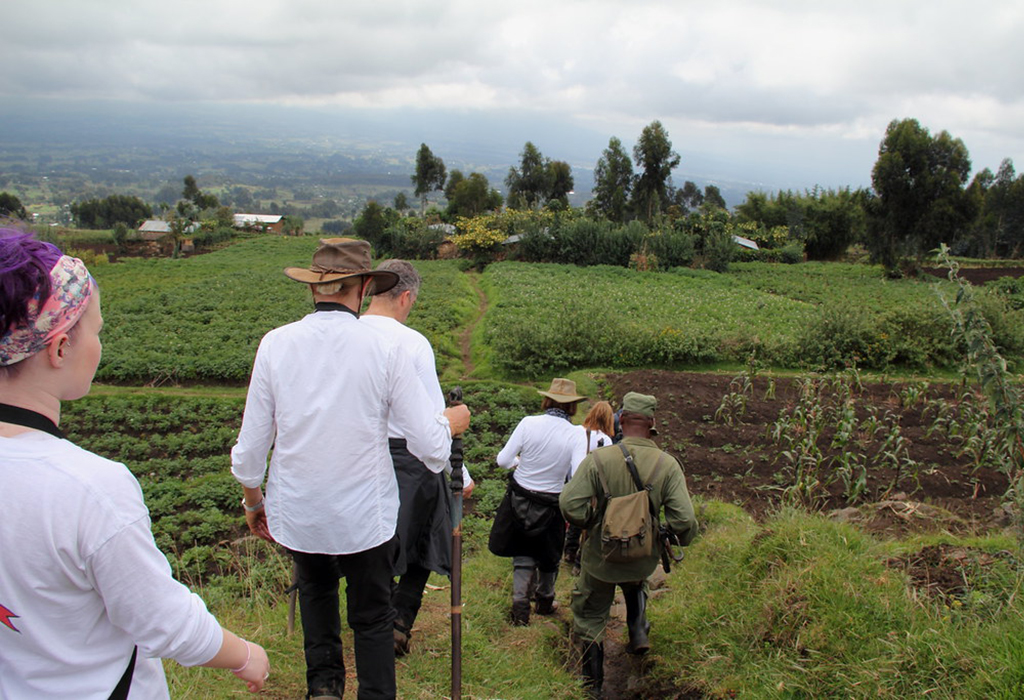
Volcanoes National Park is one of Rwanda’s most remarkable natural attractions. Located in the northwestern part of the country, the park protects a section of the Virunga Mountains. It offers visitors unforgettable experiences, including mountain gorilla tracking, golden monkey tracking and volcano hiking.
However, exploring this beautiful landscape requires some physical preparation. The park features mountainous terrain, steep slopes, thick vegetation and trails that can become slippery after rainfall. Some routes also reach high elevations, where physical activity can feel more demanding.
For many travellers, the excitement of seeing mountain gorillas or climbing a volcano makes the journey worthwhile. Nevertheless, preparing your body and choosing the right equipment can make a significant difference to your comfort and safety.
At Safari O’clock, we encourage visitors to understand the nature of the trails before travelling. Whether you are planning a gorilla tracking adventure or a mountain hiking experience, good preparation helps you approach the journey with confidence.
Understanding the Terrain of Volcanoes National Park Trails
Before preparing for a hike, it is important to understand the environment you will explore. Volcanoes National Park forms part of the Virunga volcanic mountain range. Its landscape includes forested slopes, bamboo vegetation, open grassland and rugged volcanic terrain.
The park’s elevation ranges from approximately 2,400 metres to more than 4,500 metres above sea level. This variation creates different hiking conditions across the landscape.
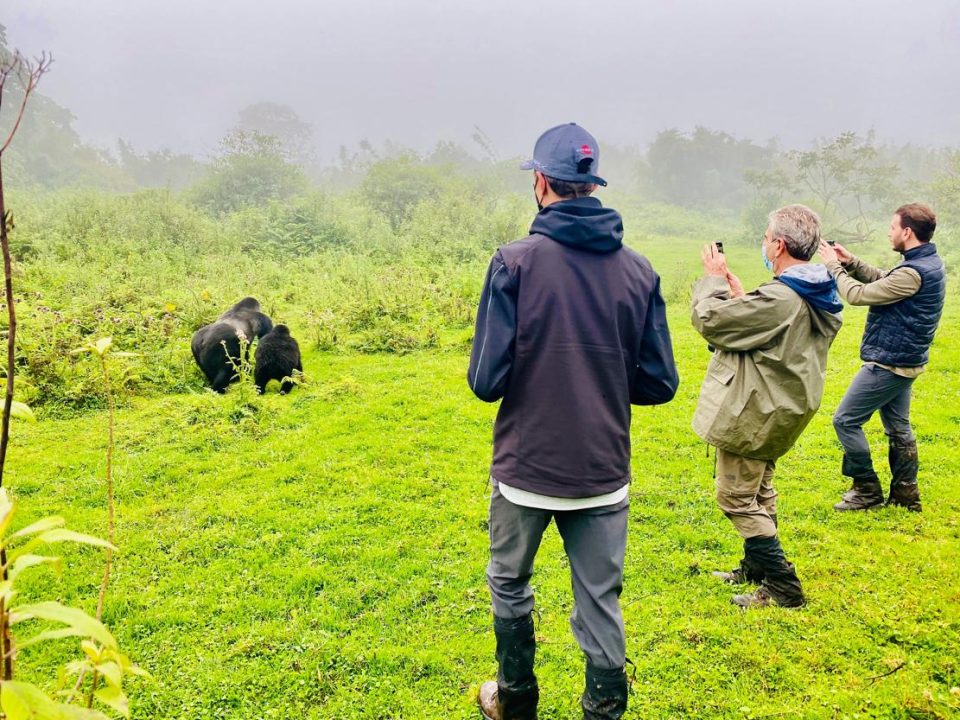
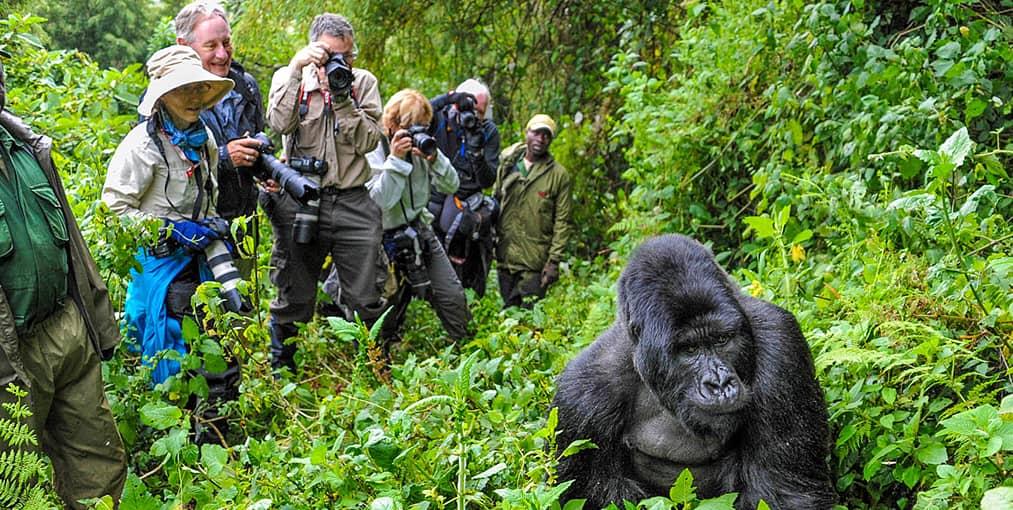
Visitors tracking mountain gorillas may encounter steep forest paths, muddy ground and thick vegetation. In some areas, trackers must move away from established paths to reach the gorilla families. Consequently, the walking conditions can change throughout the journey.
Volcano hiking presents a different challenge. Routes such as Mount Bisoke and Mount Karisimbi involve sustained uphill climbing. These activities demand more physical endurance than a short nature walk.
It is therefore important to understand which activity you intend to undertake. Gorilla tracking and mountain climbing do not have identical physical requirements.
Safari O’clock helps travellers understand these differences when planning their Rwanda adventures.
Why Volcanoes National Park Trails Can Be Challenging
The beauty of the Virunga Mountains comes with several physical challenges. Understanding these conditions helps visitors prepare appropriately.
1. Steep uphill sections
Some trails involve long uphill sections that require continuous effort from your leg muscles. Walking uphill places additional demands on your thighs, calves and cardiovascular system.
The challenge becomes greater when the ground is uneven. You may need to step over exposed roots, rocks and natural obstacles.
During gorilla tracking, the route depends on the location of the assigned gorilla family. Therefore, some visitors experience relatively gentle walks, while others encounter steeper sections.
For volcano hikers, the climbing challenge can be more demanding. Mount Bisoke, for example, rises to approximately 3,711 metres above sea level. Reaching its summit requires a sustained ascent through changing vegetation and mountain terrain.
2. Slippery and muddy ground
Rainfall can change trail conditions quickly. Volcanoes National Park is a mountain environment, so visitors should prepare for wet conditions even when the weather appears favourable.
Mud can make uphill walking difficult because your boots need enough grip to prevent slipping. Downhill sections also require caution because wet ground can increase the risk of falling.
In addition, forest vegetation can cover rocks and tree roots. This makes it important to watch where you place your feet.
Good hiking boots, walking sticks and careful movement can help you manage these conditions.
3. High altitude
Altitude is another important consideration when exploring Volcanoes National Park.
At higher elevations, the air pressure decreases, which reduces the amount of oxygen available with each breath. As a result, some visitors experience faster breathing, headaches, dizziness or unusual tiredness during physical activity.
People arriving from lower elevations may notice these effects more clearly. Even regular gym users can struggle when they suddenly begin strenuous exercise at altitude.
Therefore, allow your body time to adjust where possible. Walk slowly, drink enough water and avoid unnecessary rushing.
4. Thick vegetation
Some sections of the park contain dense vegetation, including bamboo forests, shrubs and other mountain plants.
During gorilla tracking, visitors may need to move through vegetation to reach the gorillas. This can involve stepping over branches and navigating around plants.
Stinging nettles and thorny vegetation can also cause discomfort when they touch exposed skin.
Long trousers, long-sleeved shirts and gardening gloves provide useful protection. They also make it easier to move through the forest without worrying about every branch.
How to Prepare Your Body for Volcanoes National Park Trails
Physical preparation should begin before your travel date. You do not need to become a professional athlete. However, improving your stamina, balance and leg strength can help you manage steep terrain more comfortably.
Start preparing several weeks before your trip. If you have limited experience with hiking, begin with simple exercises and increase the difficulty gradually.
1. Practise walking uphill
Walking uphill is one of the most useful exercises for preparing for mountain trails.
Find a safe hill in your neighbourhood and practise climbing it at a comfortable pace. Begin with shorter distances and gradually increase your walking time.
Pay attention to your breathing and posture. Avoid rushing because the goal is to develop endurance rather than speed.
If you cannot access a suitable hill, use stairs as an alternative. Climbing several flights of stairs can help strengthen the muscles used during uphill hiking.
2. Build your walking endurance
Some activities in Volcanoes National Park involve several hours of walking. Therefore, your body should become comfortable with sustained physical activity.
Start with a 20-minute walk and gradually increase the duration. As your fitness improves, practise walking for 45 minutes or longer.
You can also introduce gentle slopes and uneven surfaces into your routine.
However, increase your exercise gradually. Sudden increases in distance or intensity may cause unnecessary muscle soreness or injuries.
3. Strengthen your leg muscles
Strong legs make climbing and descending easier. Simple exercises can help prepare your body for the demands of mountain terrain.
Squats help strengthen your thighs and hips. Lunges improve leg strength and balance. Step-ups also prepare your muscles for repeated climbing movements.
You can perform these exercises at home without expensive gym equipment.
Begin with a manageable number of repetitions. Increase the difficulty as your strength improves.
4. Improve your balance
Walking on muddy or uneven ground requires good balance. You may need to step around rocks, roots and slippery sections.
Simple balance exercises can help you develop greater body control.
For example, practise standing on one leg while holding a stable support nearby. You can also include controlled step-ups and gentle walking on uneven but safe surfaces.
Good balance reduces the likelihood of losing your footing when the trail becomes difficult.
5. Practise with your hiking equipment
Training in the shoes you intend to wear during your trek is extremely important.
New hiking boots may cause blisters if you wear them for the first time on a long mountain walk. Therefore, break them in before travelling.
Practise walking with your backpack as well. This helps you understand how the additional weight affects your posture and movement.
Safari O’clock recommends testing your equipment before departure so that you can identify discomfort early.
Choosing the Right Footwear for Volcanoes National Park Trails
Your footwear can determine how comfortable you feel during a mountain trek. Ordinary trainers may not provide enough grip or protection for wet and uneven forest terrain.
Choose sturdy hiking boots with a strong, well-designed sole. Waterproof or water-resistant footwear is particularly useful because rainfall and muddy ground are common features of the mountain environment.
Ankle support can also help when walking across uneven surfaces. However, the boots must fit comfortably and allow enough room for your toes.
Wear the boots with the socks you intend to use during the trek. This helps prevent friction and reduces the possibility of blisters.
Consider carrying an extra pair of socks in your backpack. If your feet become wet, changing into dry socks can improve your comfort.
Gaiters are another useful addition. They help prevent mud, small stones and vegetation from entering your boots.
Most importantly, avoid choosing footwear based on appearance alone. Comfort, grip and protection should come first.
What to Pack for Steep Trails in Volcanoes National Park
Packing the right equipment helps you prepare for changing weather and difficult walking conditions.
Start with a lightweight waterproof jacket. Mountain weather can change quickly, and unexpected rainfall may affect your experience.
Long trousers and long-sleeved shirts provide protection against vegetation, insects and scratches. Gardening gloves are also useful when you need to hold branches or move through thick plants.
A comfortable daypack should contain drinking water, a small snack and personal essentials. Avoid carrying unnecessary items because extra weight can make uphill walking more tiring.
A walking stick can provide additional stability on steep or slippery sections. Some visitors prefer trekking poles because they help distribute pressure during uphill and downhill movement.
You should also carry sunscreen, a suitable hat and any personal medication you may need.
Keep electronic equipment in waterproof bags. This helps protect your phone, camera and other valuables if it rains.
For gorilla tracking, remember that park authorities provide specific instructions about what visitors can carry and how they should behave near the animals.
Preparing for Downhill Walking in Volcanoes National Park
Many travellers concentrate on climbing uphill and forget that descending can be equally challenging.
Walking downhill places additional pressure on your knees and requires good balance. Muddy surfaces can also make it difficult to control your movements.
During preparation, include gentle downhill walks where safe. This helps your muscles become familiar with the movement and improves your confidence.
When walking downhill, take smaller steps rather than rushing. Keep your knees slightly bent and maintain a stable posture.
Use walking sticks if you need additional support. Place them carefully to improve your balance before moving your feet.
Avoid jumping from rocks or taking unnecessarily large steps. Slow and controlled movement is generally safer on uneven ground.
Safari O’clock encourages visitors to pay equal attention to uphill and downhill preparation. A successful hike involves completing the return journey safely.
How to Manage Altitude on Volcanoes National Park Trails
Altitude can affect visitors differently. Some people adjust comfortably, while others experience symptoms when they exercise at higher elevations.
One useful preparation step is to arrive in the region early enough to rest before undertaking strenuous activities. This gives you an opportunity to become familiar with the altitude.
However, a short stay does not guarantee full acclimatisation. The time required varies between individuals.
During the trek, maintain a comfortable pace. Avoid trying to keep up with faster hikers if you feel breathless.
Drink water regularly and communicate with your guide if you experience unusual symptoms.
A persistent headache, nausea, dizziness or unusual fatigue should never be ignored. More serious symptoms, such as confusion or difficulty walking straight, require immediate medical attention.
If you have a heart or respiratory condition, or a history of altitude-related illness, consult your healthcare professional before planning a strenuous mountain activity.
Remember that good physical fitness does not completely prevent altitude sickness.
Should You Hire a Porter for Steep Trails in Volcanoes National Park?
Hiring a porter is one of the most helpful ways to make a mountain adventure more comfortable.
Porters are available at designated entry points in Volcanoes National Park. They can carry your backpack and other personal belongings, leaving you with less weight to manage during the hike.
Some porters also provide a helping hand on difficult sections of the trail. Their local experience can be particularly useful when navigating muddy and uneven ground.
Hiring a porter also creates an opportunity to support communities around the park. Many local residents earn income by providing services to visitors.
The service is especially valuable for travellers who want to conserve their energy for the actual trekking experience.
You should discuss porter arrangements and current charges with your tour operator before the activity.
At Safari O’clock, we encourage travellers to consider local porter services when planning challenging hikes.
What Is the Difference Between Gorilla Tracking and Volcano Hiking?
Although both activities take place in Volcanoes National Park, they involve different physical demands.
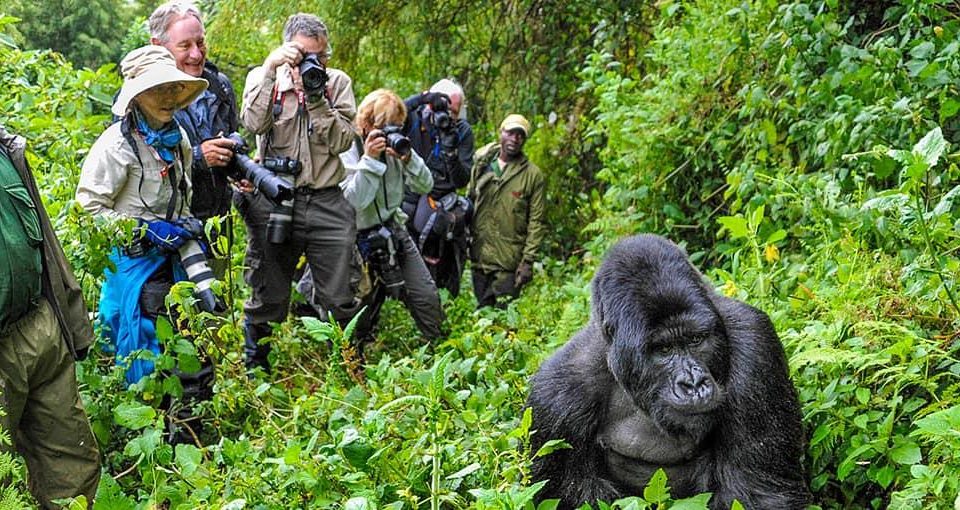
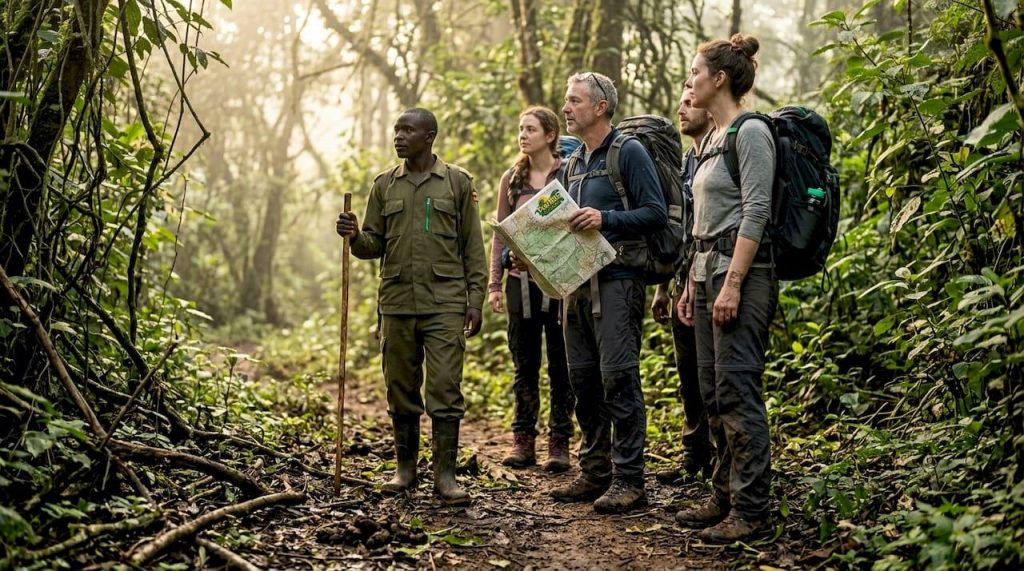
Gorilla tracking focuses on finding a particular gorilla family in its natural habitat. Visitors follow experienced guides and trackers through the forest. The walking distance and difficulty depend on where the gorillas are located that day.
Volcano hiking involves climbing a specific mountain. Popular options include Mount Bisoke and Mount Karisimbi.
Mount Bisoke stands at approximately 3,711 metres. Its hike involves a challenging ascent to a crater lake at the summit.
Mount Karisimbi is considerably higher, reaching approximately 4,507 metres. It is a more demanding mountain expedition that generally involves an overnight stay.
Therefore, travellers should not assume that preparing for a gorilla trek automatically prepares them for climbing a volcano.
The appropriate fitness level, equipment and preparation depend on the activity selected.
Safari O’clock can help visitors understand these differences when choosing experiences for their Rwanda itinerary.
Safety Tips for Walking on Steep Mountain Trails
Safety should remain a priority throughout your visit.
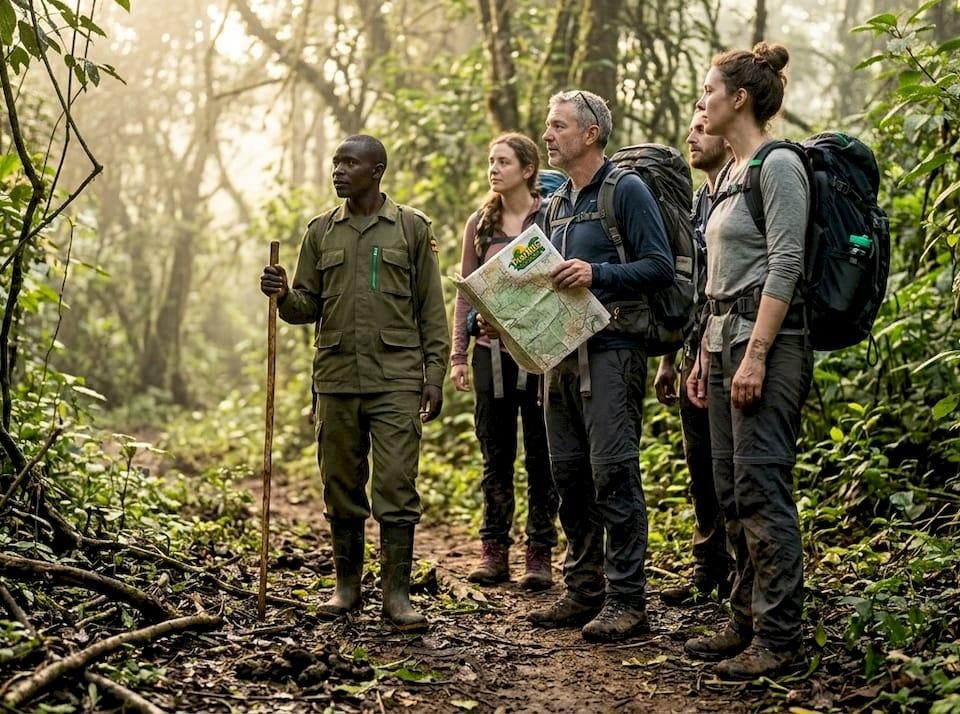
First, follow instructions from your assigned park guide. Do not leave the group or attempt to explore unfamiliar routes independently.
Second, maintain a comfortable walking pace. Rushing can increase fatigue and make it easier to lose your footing.
Third, check the weather and dress appropriately. Waterproof clothing can make a significant difference during unexpected rainfall.
Additionally, avoid touching unfamiliar plants. Some vegetation can irritate the skin, while certain plants have sharp or stinging surfaces.
Always inform your guide if you feel unwell, dizzy or unusually exhausted. Do not hide physical difficulties because you want to complete the trek.
For gorilla tracking, follow all wildlife protection instructions. Maintain the required distance from the gorillas, keep your voice low and avoid any behaviour that could disturb them.
Finally, carry only what you need and keep your personal belongings secure.
When Is the Best Time to Prepare for Volcanoes National Park Trails?
The best time to begin preparing is several weeks before your planned visit.
If you are travelling during June, July, August or September, you should still prepare for wet forest conditions. These months are generally part of Rwanda’s longer dry season, but mountain weather can remain unpredictable.
December, January and February also offer a relatively drier period. Nevertheless, rain can occur in the park at any time.
The longer rainy seasons generally occur around March to May and October to November. During these periods, muddy and slippery trails may require additional care.
Regardless of your travel month, physical preparation should remain consistent.
Start walking regularly, practise climbing slopes and make sure your equipment fits properly. Also, allow enough time to rest before the activity.
Good preparation matters throughout the year, not only during the rainy season.
How Safari O’clock Can Help You Prepare for Mountain Adventures
Planning a mountain adventure involves more than choosing a travel date. Visitors must also understand the physical demands, select appropriate equipment and organise the necessary park arrangements.
Safari O’clock helps travellers plan their Rwanda experiences with practical information and travel guidance.
Whether you want to track mountain gorillas, visit golden monkeys or climb one of the Virunga volcanoes, understanding the activity beforehand helps you make better decisions.
Our goal is to help visitors prepare realistic itineraries that consider their interests, available time and physical abilities.
We also encourage responsible tourism. Supporting local porters, following park regulations and respecting wildlife contribute to the long-term conservation of this remarkable environment.
With proper preparation, travellers can enjoy the beauty of Volcanoes National Park while approaching its challenging terrain responsibly.
Final Thoughts: Prepare Well Before Exploring Volcanoes National Park
Preparing for steep trails in Volcanoes National Park is an important part of planning a successful Rwanda adventure.
The mountainous landscape offers incredible experiences, but it also requires stamina, balance and suitable equipment. Muddy paths, steep slopes, thick vegetation and high altitude can make walking more demanding than expected.
Fortunately, you can prepare through regular walking, hill climbing, strength exercises and practising with your hiking boots.
Choose appropriate clothing, carry essential supplies and consider hiring a porter for additional support. Most importantly, listen to your body and follow your guide’s instructions throughout the activity.
You do not have to be an experienced mountaineer to appreciate the beauty of the Virunga Mountains. However, understanding the terrain and preparing appropriately can make your experience safer and more enjoyable.
Safari O’clock is ready to help you plan your next Rwanda adventure. Get in touch with us and start preparing for an unforgettable experience in Volcanoes National Park.